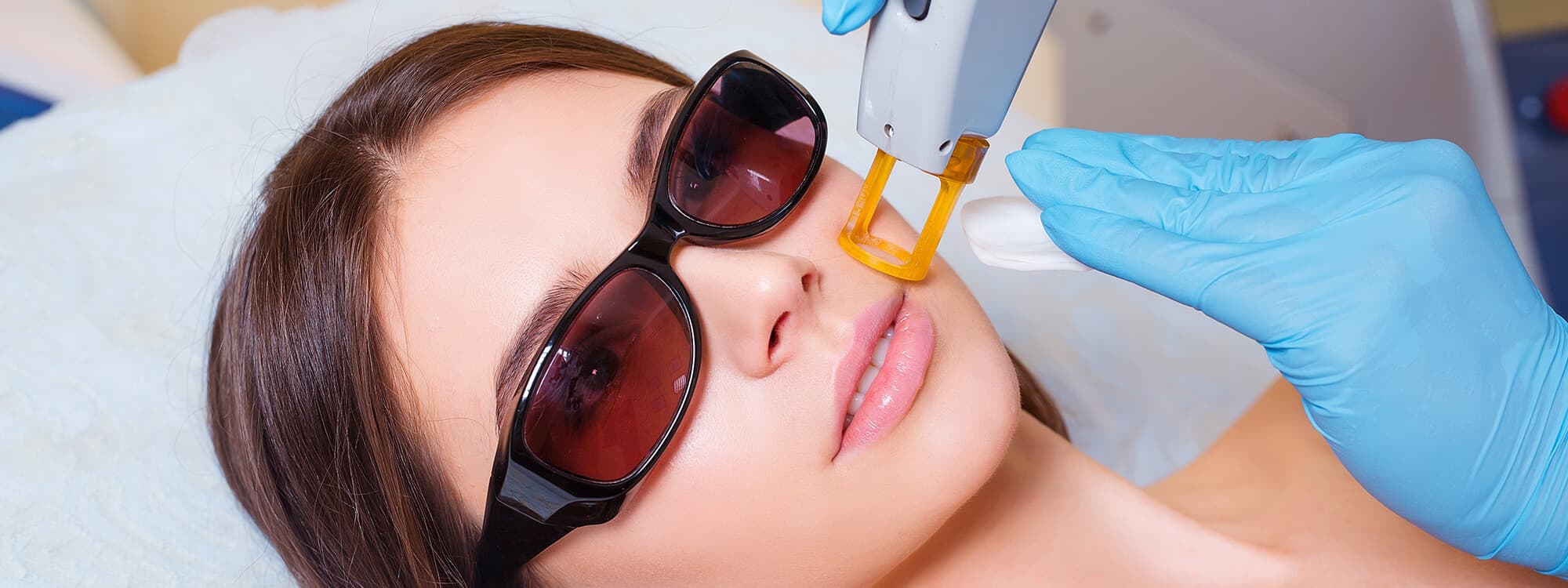
Laser Hair Removal: A Permanent Solution for Unwanted Hair
Have you grown tired of dealing with temporary solutions like waxing, shaving, wax strips, and epilators, especially during the summer months? Today, the safest, most comfortable, and scientific way to permanently eliminate hair problems is laser hair removal. At Cinik Polyclinic, we offer permanent hair removal solutions in Istanbul using the most advanced Alexandrite Laser technology. Our expert team and FDA-approved devices are here to help you achieve smooth skin.
What is Laser?
Laser is a beam of light that is monochromatic (single-colored), single-phase, and high-energy, formed from the initials of the phrase "Light Amplification by Stimulated Emission of Radiation." While the light sources we use in daily life emit light at different wavelengths and in scattered directions, laser light moves in a single wavelength, parallel, and focused manner. This characteristic allows lasers to be used with high precision in medical and aesthetic applications.
The devices used in laser hair removal produce light at specific wavelengths (755 nm for Alexandrite). This light penetrates the skin surface and reaches the melanin pigment in the hair follicle. Melanin converts light energy into heat, destroying the hair follicle. Thanks to the selective targeting feature of the laser beam, only unwanted hairs are rendered ineffective without damaging surrounding tissues.
How Does Laser Hair Removal Work?
In laser hair removal, beams of light at specific wavelengths are sent to the skin. These beams focus on the melanin pigment located in the hair follicle. Alexandrite laser devices, thanks to their 755 nm wavelength, show high selectivity for melanin, destroying hair roots and follicles with a heating effect. When the stem cells are deformed, the nourishment of the hair is cut off, and new hair formation significantly decreases.
There are three different phases in the hair growth process: anagen (growth), catagen (transition), and telogen (resting). The laser is only effective on hairs in the active growth phase, which is the anagen phase. Since each hair on the body is in different phases at the same time, multiple sessions spread over weeks are required. This way, the laser targets all hairs in the growth phase, providing permanent hair reduction.
Who Should Not Undergo Laser Hair Removal?
Although it is a safe method, laser hair removal is not suitable for everyone. At Cinik Polyclinic, we prioritize the health of our clients above all else. Laser hair removal is not recommended or is postponed in the following situations:
Pregnancy and Breastfeeding Period: Hormonal changes during pregnancy can increase skin sensitivity. During breastfeeding, temporary pigmentation changes that may occur in the body can negatively affect the effectiveness of the laser. Therefore, procedures are not performed on pregnant or breastfeeding individuals.
Use of Light-Sensitive Medications: Antibiotics (tetracycline group), retinoids, anti-inflammatory medications, or certain acne treatments can increase skin sensitivity to light. Individuals using these medications should obtain doctor approval before the procedure, and medication discontinuation may be necessary.
Active Skin Diseases: Laser treatment is not applied to areas with eczema, psoriasis, active herpes infection, open wounds, or skin infections. Procedures can be planned during periods when the disease is not active, based on expert evaluation.
Under 16–18 Years: Due to hormonal imbalance during puberty, laser hair removal may not be fully effective. Parental consent and expert evaluation are required for patients under 18 years old.
Individuals Undergoing Active Cancer Treatment: Patients receiving chemotherapy or radiotherapy may have a suppressed immune system. Procedures are not performed without completing treatment and obtaining doctor approval.
Tanned Skin: Sunburn or artificial tanning (tanning beds, bronzing creams) increases the amount of melanin in the skin, raising the risk of burns and color changes. Procedures should be postponed on tanned skin.
Uncontrolled Diabetes: Due to its potential negative impact on the healing process, procedures are not recommended for patients with uncontrolled diabetes.
Keloid and Hypertrophic Scar Tendency: Special evaluation is required for individuals at risk of scarring from laser treatment.
Laser Hair Removal Devices and Techniques
Different types of lasers are used in the hair removal industry. The most common systems are Alexandrite, Diode, and Nd:YAG lasers.
Alexandrite Laser (755 nm): The Alexandrite laser, which has the highest sensitivity to melanin pigment, shows superior success especially in individuals with light skin and dark hair. Its rapid pulse feature allows for quick application over large areas. As Special Cinik Polyclinic, we use exactly this technology.
Diode Laser (800–810 nm): This is a versatile system that can adapt to various skin types, but it is not as selective for melanin as Alexandrite.
Nd:YAG Laser (1064 nm): It penetrates deeper and is considered safer for individuals with dark skin. However, it is not as effective as Alexandrite for individuals with light skin and dark hair.
The Alexandrite laser system we prefer at Special Cinik Polyclinic provides maximum efficiency while causing minimal trauma to the skin due to its short wavelength. The cooling tip of our device continuously keeps the skin surface cool during the procedure, enhancing comfort.
How Long is a Session?
The duration of a session varies depending on the size of the treated area and hair density. Thanks to the rapid pulse feature of the Alexandrite laser, even large areas can be completed in a short time. The average session durations at Special Cinik Polyclinic are as follows:
Upper Lip (Mustache): 5–10 minutes
Chin: 10–15 minutes
Underarm: 10–15 minutes
Genital Area (Bikini): 15–20 minutes
Face (Full): 20–30 minutes
Arms: 20–30 minutes
Legs (Half): 30–45 minutes
Legs (Full): 60–90 minutes
Back: 45–60 minutes
Chest or Abdomen: 30–45 minutes
Regardless of how short the session duration is, the area must be cleaned, a skin analysis performed, and device settings personalized for each individual before every procedure. These preparation stages may extend the total time spent in the clinic by an additional 15–20 minutes.
How Many Sessions of Laser Hair Removal Are Required?
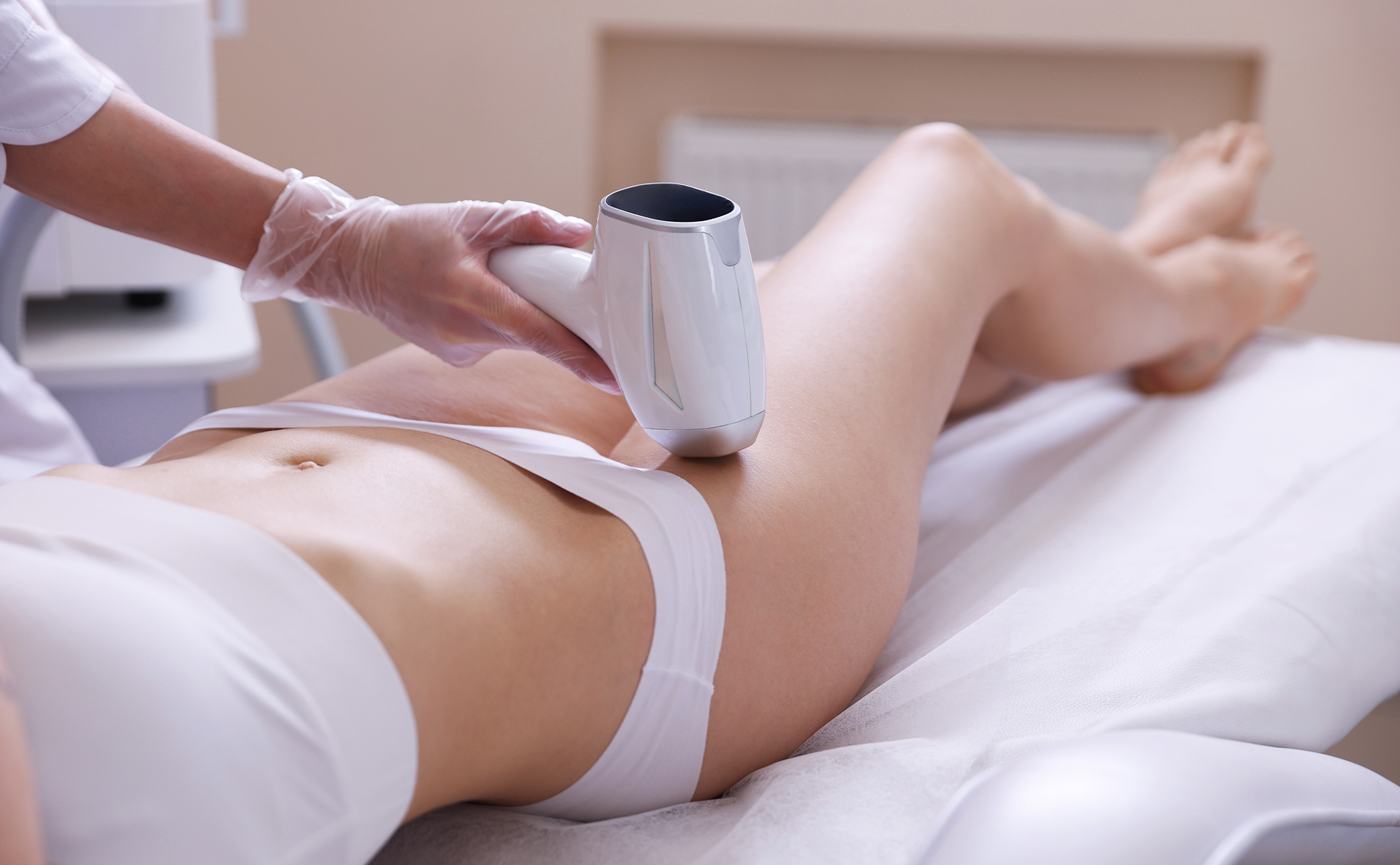
Laser hair removal treatments typically last approximately 6–8 sessions. However, the number of sessions varies depending on the patient, hair structure, skin type, hormonal status, and the size of the treated area. The interval between sessions is generally planned to be between 4 to 8 weeks. Thinning and reduction of hair can be observed within 2–3 weeks after the first session. It is important to complete the sessions regularly for complete and permanent results. While some individuals experience complete permanent hair loss, others may require supportive (touch-up) sessions within one or two years.
Which Areas Are Treated with Laser Hair Removal for Women?
The most commonly preferred treatment areas for women are as follows:
Face: Upper lip (mustache), chin, around the eyebrows, cheeks. Requires expert settings due to sensitive structures.
Leg: Effective treatment of large areas is possible with full leg or half leg options.
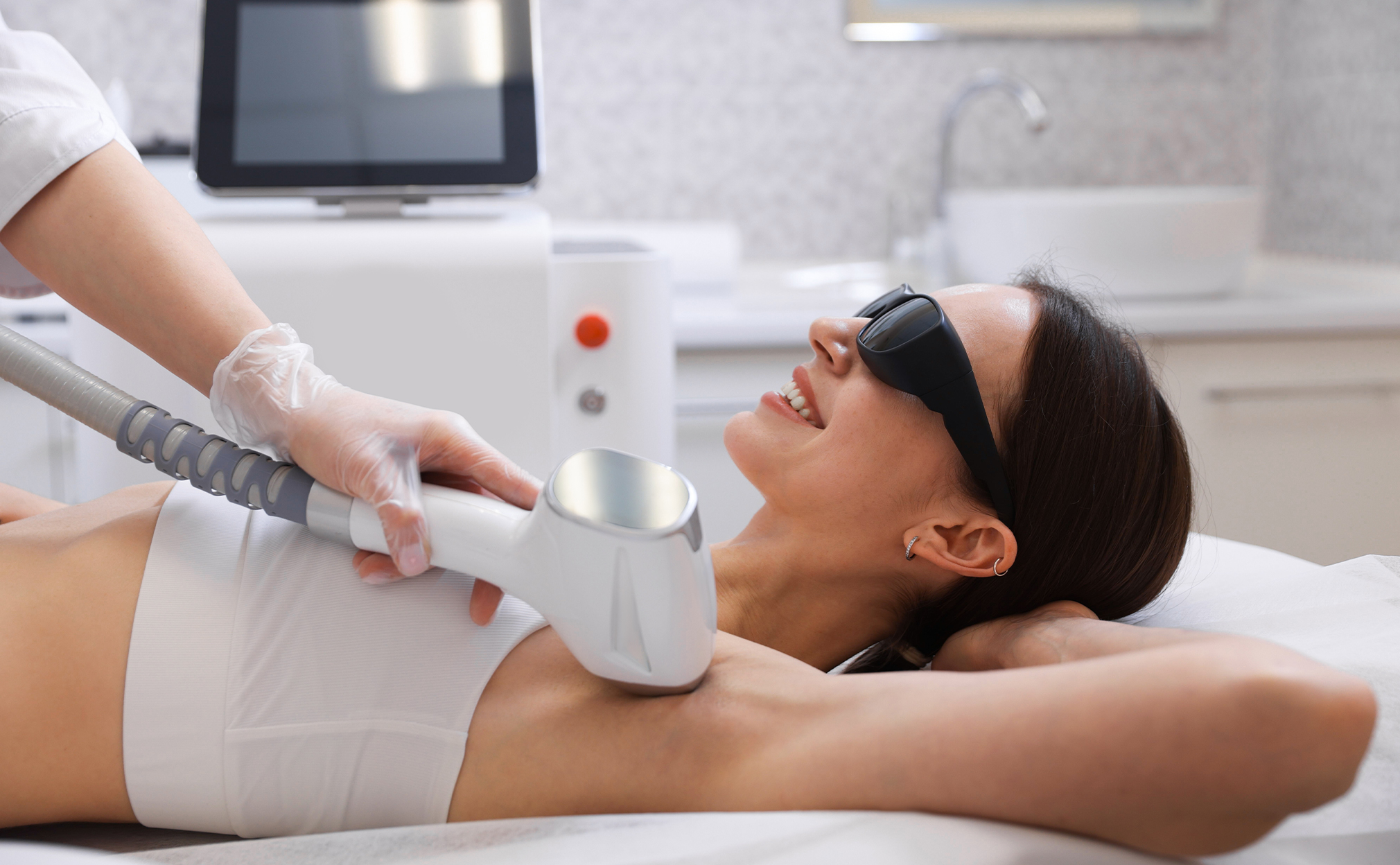
Underarm: One of the most preferred areas for hygiene and comfort. Significant results can be achieved in a few sessions.
Genital Area (Bikini): Requires careful preparation and application process due to being a sensitive and special area. Options for full bikini, limited bikini, or Brazilian bikini may be offered.
Arm: Fine hairs in the arm area can be safely targeted with Alexandrite laser.
Back and Abdomen: Preferred areas for women as well, with treatment plans determined based on density.
Laser Hair Removal Areas for Men
Laser hair removal is becoming increasingly popular among men. At the special Cinik Polyclinic, we provide services to our male clients in the following areas:
Back: One of the most preferred areas for permanent laser hair removal. You can experience a new level of comfort and confidence with a clean and smooth back.
Shoulders and Deltoids: Areas that are difficult to manage with traditional methods. You can say goodbye to painful waxing or frequent shaving with laser treatment.
Chest: A smooth chest appearance provides advantages both aesthetically and in terms of comfort. It can also reduce sweating and odor formation.
Abdomen: A safe and permanent solution for those who want to get rid of hair for aesthetic or practical reasons.
Arms: Waxing, shaving, and annoying regrowth can now be a thing of the past.
Genital Area: Increases hygiene and comfort for men leading an active lifestyle or engaging in sports.
Underarms: Say goodbye to the hassle of constant shaving.
Legs: Offers lifelong permanent results for those wanting cleaner or sportier legs.
Hands and Feet: Safely and permanently removes unwanted hair.
Face, Nape, Neck, and Above the Beard: Ideal for getting rid of stubborn hairs between the eyebrows, preventing shaving irritation in the neck area, or correcting unwanted appearance above the beard.
Will Hair Grow Back? How Long Does Permanence Last?
Laser hair removal provides "permanent hair reduction" because it permanently destroys hair follicles. However, the term "permanent" does not mean that 100% of all hair on the body will disappear. After proper and regular sessions, a reduction of up to 70–90% of hair is observed. The remaining hairs are usually very fine, light-colored, and weak; they may be too light to be visible.
Permanence varies from person to person. Hormonal imbalances, pregnancy, polycystic ovary syndrome (PCOS), or certain medications can trigger new hair growth. In these cases, it is recommended to have supportive (touch-up) sessions once a year or every two years. In healthy individuals, hair problems may not occur for many years after completing the sessions.
The important point is this: Laser hair removal completely replaces temporary solutions like waxing or shaving. The need for maintenance significantly decreases after the treatment is completed.
Laser Selection According to Skin and Hair Structure
The correct type of laser should be determined based on your skin tone and hair structure. Incorrect device selection can lead to ineffective results or side effects. At the Special Cinik Polyclinic, our experts will determine the most suitable protocol for you after a skin analysis:
Skin Type / Hair Structure | Recommended Laser | Description |
Light skin, dark hair | Alexandrite (755 nm) | Highest effectiveness. Provides maximum focus on melanin. |
Medium skin, dark hair | Alexandrite or Diode | Energy settings are adjusted according to skin tone. |
Dark skin (Brown/Indian/African descent) | Nd:YAG (1064 nm) | Penetrates deeper, minimizes the risk of burns on the skin surface. |
Blonde, red, white hair | Electrolysis (Needle hair removal) | Laser may be ineffective due to low melanin. |
Thick, dense hair | Alexandrite | Quick solution with high energy to the hair follicle. |
Fine, sparse hair | Low energy Alexandrite or Diode | Effective results with precise settings. |
As Special Cinik Polyclinic, we initially start treatment with Alexandrite laser. If necessary, as sessions progress, we may switch to Diode or Nd:YAG systems based on your skin's response.
What is Needle Hair Removal (Electrolysis)?
Needle epilation (electrolysis), an alternative method for situations where laser hair removal is ineffective, is based on the principle of inserting a fine needle into each hair follicle and delivering an electric current. This current permanently destroys the hair root.
The difference between electrolysis and laser is that it can be applied to all types of hair regardless of hair color and skin tone. While laser energy cannot target yellow, red, white, or very light-colored hair, electrolysis directly intervenes in the follicle. However, its disadvantage is that the sessions take much longer (each hair is treated individually) and a higher pain tolerance is required.
At the Special Cinik Polyclinic, we also provide information about electrolysis alternatives for our clients who are not suitable for laser hair removal. We evaluate which method is more suitable for you during our free consultation.
At-Home Laser Hair Removal
In recent years, IPL (Intense Pulsed Light) based home devices have become popular. However, there are significant differences between home devices and professional clinic applications:
Energy Level: Home devices operate at a much lower energy level than professional devices for safety reasons. This means less effective results.
Wavelength Control: While professional Alexandrite lasers operate at a single wavelength (755 nm), home devices use broad-spectrum light and have low melanin selectivity.
Skin Cooling: Clinical devices have integrated cooling systems. Home devices either lack this feature or have very limited capabilities, which increases the risk of burns.
Area Suitability: Home devices are generally not recommended for sensitive areas such as the face and bikini. Their use in risky areas like around the eyes is dangerous.
Result Duration: Achieving permanent results with home devices takes much longer and complete hair reduction is generally not possible.
Home devices may be a temporary solution for those with very fine hair, light skin, and looking to treat small areas. However, for permanent and safe results, professional clinic applications should be preferred.
Does Alexandrite Laser Hair Removal Hurt?
The level of pain can vary from person to person. Alexandrite laser hair removal is generally considered to cause mild to moderate discomfort. Most people compare it to the sensation of pulling a band-aid off the skin. At the Special Cinik Polyclinic, the cooling gels applied before the procedure, the device's integrated cooling system, and local anesthetic creams when necessary minimize the feeling of pain. Our specialists determine the energy levels suitable for your skin and hair type to maximize your comfort.
Can Laser Hair Removal Be Done in Summer?
It is possible to have laser hair removal during the summer months, but certain precautions must be taken. It is important that the skin is not exposed to sunlight before and after the procedure and that it is not tanned. Tanned skin can reduce the effectiveness of the laser and increase the risk of side effects. If you plan to undergo laser hair removal during the summer season, it is recommended to avoid sun exposure and the use of tanning products for at least 2–3 weeks before the session. After the procedure, using a high-factor (at least SPF 30) sunscreen is vital. You should avoid sweating sports, saunas, and tanning beds. The experts at the Special Cinik Polyclinic offer personalized consultations to plan safe hair removal even during the summer period.
Does Laser Hair Removal Cause Skin Cancer?
There is no scientific evidence that laser hair removal causes skin cancer. The Alexandrite laser uses light energy that targets the melanin in the hair follicle, absorbed from the skin surface and does not penetrate deeply. The wavelengths used do not have properties that can damage the DNA structure of skin cells. When performed with the right technologies and by qualified professionals, serious health risks are minimal. At the Special Cinik Polyclinic, your safety is maximized thanks to the regular maintenance and sterilization of our laser devices and our certified expert staff.
Laser Hair Removal in Hormonal Disorders / PCOS
Individuals with Polycystic Ovary Syndrome (PCOS) or other hormonal imbalances may experience excessive hair growth (hirsutism), especially on the face, chin, and abdomen. Can laser hair removal be applied in this case?
Yes, it can be applied. However, the effectiveness of laser treatment for hormone-related hair growth increases when combined with treatment that regulates hormones. The likelihood of hair regrowth in PCOS is slightly higher compared to healthy individuals. Therefore, more than the standard 6–8 sessions may be required, and a touch-up session may be planned annually.
At the Special Cinik Polyclinic, we recommend that our clients with complaints of hormonal hair growth be referred to an endocrinology specialist first. Laser hair removal combined with hormone therapy yields much more successful and permanent results.
Can Laser Treatment Be Done During Menstruation?
It is technically possible to perform laser hair removal during menstruation. However, during this period, the pain threshold may be lower and the skin may become more sensitive. It is especially not recommended to perform procedures in sensitive areas such as the underarms, bikini, and genital region during menstruation.
Laser treatment can be applied to areas such as the face, legs, arms, and back outside the genital area during menstruation. However, considering the overall comfort of the client, it may be preferable to wait until the period is over. At the Special Cinik Polyclinic, we conduct special assessments for clients during their menstrual period and plan the most comfortable timing together.
Is There an Age Limit?
The minimum age limit for laser hair removal is generally considered to be 18. However, procedures can be performed for clients aged 16–18 with written parental consent and specialist evaluation. During adolescence, hormones may not yet be balanced, so not all hair may be in the active growth phase, and the number of sessions may be slightly higher than for adults.
For clients under 18, especially if hair growth on the face is psychosocially distressing, treatment can be started under specialist supervision and at low energy levels. At the Special Cinik Polyclinic, we implement special protocols for our young clients and adopt the safest approach considering their developmental processes.
Do Laser Hair Removal Burns Cause Permanent Damage?
The risk of permanent damage is quite low with Alexandrite laser hair removal performed under proper and expert supervision. Rarely, temporary redness, swelling, or mild burns may occur due to improper device use or application errors. These effects usually resolve on their own within a few hours to a few days. Rarely, pigmentation changes may occur on the skin; this situation is mostly temporary. At the Special Cinik Polyclinic, sessions are conducted with parameters suitable for your skin type, and adherence to the recommended care instructions afterwards minimizes potential risks. After the procedure, the use of cooling gels, soothing creams, and sunscreen protects your skin.
How to Treat Post-Laser Darkening?
After laser hair removal, hyperpigmentation (darkening) or hypopigmentation (lightening) may rarely occur on the skin. This situation is usually associated with the lack of sunscreen use, performing the procedure on tanned skin, or high energy settings.
When darkening occurs, do not panic; in most cases, it is temporary and the skin tone returns to normal within 3–6 months. To expedite this:
High-factor (SPF 50+) sunscreen should be used regularly.
Serums and brightening creams containing vitamin C can be applied upon expert recommendation.
Supportive treatments such as chemical peeling or laser tone equalization may be necessary.
It is important not to scratch or irritate the area.
At the Special Cinik Polyclinic, this risk is minimized by determining energy levels suitable for your skin type before the procedure and providing detailed care instructions afterwards.
Paradoxical Hypertrichosis (Reverse Effect)
Paradoxical hypertrichosis is a rare condition observed after laser hair removal, where instead of a reduction, there is an increase in hair in the treated area. This can occur especially in the facial area, in individuals with dark skin and fine hair, due to incorrect device selection or low energy levels.
The cause of this condition is that the laser fails to completely destroy the follicle and instead "stimulates" the hair. To prevent this risk:
The correct laser suitable for the skin type should be selected.
Energy levels should be sufficiently high.
The treatment should be performed by experienced and certified specialists.
At the Special Cinik Polyclinic, we conduct a detailed skin analysis for each of our clients to eliminate the risk of paradoxical hypertrichosis and use the most suitable device parameters.
Hair Follicle Inflammation (Folliculitis)
After laser hair removal, some individuals may experience small red bumps resembling acne (folliculitis) at the hair roots. This condition arises from the temporary inflammation of the hair follicles due to heat. It usually resolves on its own within 2–7 days.
To prevent and improve folliculitis:
Activities that cause sweating should be avoided for the first 48 hours after the procedure.
Loose and cotton clothing should be preferred.
The area should be kept clean, but harsh scrubbing movements should be avoided.
In severe cases, your specialist may recommend a topical antibiotic cream.
At Special Cinik Polyclinic, we inform our patients in advance about these temporary reactions that may occur after the procedure.
Combined Laser Use
Having multiple types of lasers in a professional center significantly increases the success of treatment. At Special Cinik Polyclinic, we can apply combined protocols according to the patient's skin and hair structure.
For example, in a patient with fair skin and dark hair, maximum hair reduction is achieved with Alexandrite laser in the initial sessions. In subsequent sessions, the remaining fine and light-colored hairs can be treated with Diode or Nd:YAG systems. This combined approach not only increases effectiveness but also offers flexible solutions to different skin reactions.
At the same time, for a patient who experiences slight tanning during the summer, that session can temporarily be performed with Nd:YAG, and then switched back to Alexandrite. This flexibility is not possible in centers with only a single type of device.
Laser Treatment for Hair Ingrowth (Pilonidal Sinus)
Hair ingrowth (pilonidal sinus) seen in the coccyx area is a common problem, especially among young men. The risk of recurrence after surgical intervention is high. For those who have undergone pilonidal sinus surgery, completely eliminating the hairs in the area is the most effective method to prevent recurrence.
At Special Cinik Polyclinic, Alexandrite laser application is performed on the coccyx area for prophylactic (preventive) purposes after hair ingrowth treatment. By permanently reducing the hairs, infections and recurring abscesses are prevented. This application is planned with the approval of a general surgery specialist and appropriate timing.
Is Laser Hair Removal Effective on Blonde Hair?
The effectiveness of laser hair removal depends on the amount of melanin in the hair. Alexandrite laser provides the highest efficiency on dark and thick hairs due to its high sensitivity to melanin pigment. Since blonde, red, white, or very light-colored hairs have low melanin content, the laser energy cannot find target pigment, and effectiveness decreases. Achieving completely permanent results on light-colored hairs can be more challenging. However, with the right energy settings and sufficient number of sessions, significant thinning and reduction can be achieved in gray or light brown toned hairs. During the consultation, our specialists help you set realistic expectations based on your hair color.
What to Do Before Laser Hair Removal
Things to pay attention to before the procedure for successful results and a safe experience:
The area to be treated must be clean, dry, and free of makeup/cream residues.
For a few weeks before the treatment, avoid sunlight and tanning beds, and have un-tanned skin.
It is recommended to trim (shave) the regional hairs to a length of 1–2 mm. Waxing, epilators, or methods of root removal should be avoided 2–3 weeks prior.
If there is an active condition such as a wound, infection, inflammation, or herpes on the skin, it should be reported to your specialist.
Irritating cosmetic products, perfumes, or alcoholic lotions should not be used.
Detailed information should be provided about the medications you are using, past illnesses, and skin sensitivities during the consultation.
Your first appointment at the Special Cinik Polyclinic is completely free. Our specialists will explain in detail how the procedure will be performed, evaluate the area, and determine how many sessions you will need.
What to Pay Attention to After Laser Hair Removal?
Post-procedure care is as important as the preparation process for the treatment:
Avoid heavy and sweating sports, and exercise for the first 48 hours.
The treated area should not come into contact with hot water for 24 hours; lukewarm water should be preferred.
For 15 days after the procedure, avoid saunas, baths, tanning beds, and excessively hot environments.
To protect against sun rays, a sunscreen with at least SPF 30 should be used.
Mild redness or swelling may occur on the skin; in this case, a cooling gel or cold compress can be applied.
The skin's moisture balance should be maintained with moisturizing and soothing creams.
Irritating harsh products, abrasive cosmetics, and heavy makeup should not be used in the first few days.
Can You Take a Shower After Laser?
You can take a shower after laser hair removal, but some rules should be followed:
First 24 Hours: Use lukewarm water instead of hot water. Hot water can increase redness on the skin and irritate the follicles.
Bath Duration: Long and hot baths should be avoided. A quick and lukewarm shower should be preferred.
Choice of Cleanser: Fragrant, alcoholic, or abrasive shower gels should not be used. pH-balanced cleansers suitable for sensitive skin should be preferred.
Rubbing: The treated area should not be rubbed with a cloth or hard sponge. Gently washing is sufficient.
Post-Care: After showering, the area should be dried by gently pressing with a towel instead of rubbing it vigorously. Then, a moisturizer or soothing cream recommended by your specialist can be applied.
What Are the Advantages of Alexandrite Laser Hair Removal?
Fast Results: Can be applied to large areas in a short time.
High Effectiveness: Superior success in dark hair due to melanin selectivity.
Comfort: Pain is minimized with cooling systems.
Durability: Provides permanent or long-term hair reduction with regular sessions.
Safety: The risk of side effects is quite low under expert supervision.
Time and Cost Savings: You will be free from the costs of years of waxing, shaving, and waxing.
Ingrown Hair Prevention: Painful ingrown hairs and redness that occur after shaving will cease.
Air Cooling System (Cryo Cooling)
The Alexandrite laser devices we use at the Special Cinik Polyclinic have an integrated Cryo Cooling System. This system continuously blows filtered room air onto the treatment area, keeping the skin surface cool.
Advantages of Cryo cooling:
Reduces Pain: The skin is cooled before, during, and after the laser pulse, minimizing the sensation of burning and stinging.
Reduces Burn Risk: Since the skin surface is kept continuously cool, unwanted heat accumulation is prevented.
Increases Comfort: Especially in sensitive areas (bikini, armpits, face), the comfort of the procedure significantly increases.
Allows Higher Energy Use: Because the skin is cold, specialists can work with more effective energy levels; this means faster results.
Instead of just saying "there is a cooling system," we apply the Cryo technology with an understanding of its working mechanism. This is an important technical difference that sets the Special Cinik Polyclinic apart from other centers.
What Factors Affect Laser Hair Removal Prices?
Laser hair removal prices are not a fixed amount and vary based on many factors. At the Special Cinik Polyclinic, our pricing is determined based on the following criteria:
Size of the Treatment Area: Small areas like the upper lip are not priced the same as large areas like full legs or back.
Number of Sessions: Packages of sessions are more economical compared to single session prices.
Hair Density and Structure: Areas with very thick and dense hair may require more energy and time.
Device Technology Used: There may be quality and price differences between FDA-approved, state-of-the-art Alexandrite devices and standard devices.
Expert Experience: Procedures performed by certified and experienced specialists make a difference in terms of safety and effectiveness.
Clinical Location and Standards: Prices reflect the quality of service in centers that provide hygiene, sterilization, and patient comfort.
As Özel Cinik Polikliniği, we offer package options suitable for every budget with our competitive and transparent pricing policy. We recommend scheduling a free consultation appointment for clear price information.
Laser Hair Removal in Istanbul: Why Özel Cinik Polikliniği?
Among the clinics offering laser hair removal services in Istanbul, Özel Cinik Polikliniği is one of the leading establishments with its technological infrastructure and expert staff, prioritizing the needs and expectations of its guests. After detailed consultation and skin analysis, personalized treatment plans are prepared. Hygiene rules are strictly adhered to, modern equipment is used, and safety is always a priority. With Alexandrite laser hair removal procedures performed by our certified specialists, you can confidently achieve the smooth skin appearance you desire.
Contact Özel Cinik Polikliniği to schedule your appointment and plan your free consultation. Permanent smoothness is just a phone call away.
Frequently Asked Questions
Can Hair Be Shaved Between Sessions?
Yes, shaving between sessions is both allowed and recommended. For laser hair removal to be effective, the hair follicle must remain in the follicle; therefore, methods that remove hair from the root, such as waxing, epilators, threading, or tweezing, should be avoided. Shaving cuts the upper part of the hair while preserving the root and melanin pigment, so it does not affect the target of the laser. Ideally, the hair should be 1–2 mm long before the session; very long hair can disrupt the energy distribution of the laser, while very short hair can make targeting difficult.
How Should Makeup and Deodorant Be Used?
If laser hair removal is to be applied to the facial area, the area must be completely makeup-free, cream-free, and clean before the session. Residues from foundation, powder, sunscreen, or BB cream can prevent the laser beam from penetrating the skin evenly, reducing effectiveness and increasing the risk of burns. If the underarm area is to be treated, deodorant or antiperspirant should be removed before the session; these products can leave residues on the skin surface that alter laser interaction. After the procedure, it is recommended to avoid perfumed deodorants, heavy makeup products, and alcohol-based products for at least 24–48 hours.
Is It Possible to Return to Social Life and Work After the Procedure?
There is no significant recovery time (downtime) in laser hair removal. Generally, it is possible to return to normal social life and work immediately after the session. There may be slight redness or swelling on the skin, but this usually resolves on its own within a few hours to 24 hours. If the procedure was performed on the facial area, a light foundation with mineral content can be used to cover the redness, but heavy makeup should be avoided for the first 24 hours. Clients who have undergone treatment in sensitive areas can continue their daily activities by opting for comfortable clothing.
What Happens If I Miss or Delay My Appointment?
It is important to have laser hair removal sessions at regular intervals (usually 4–8 weeks) because each session targets hair in different growth phases (anagen). Missing a session or delaying it by 2–3 weeks does not completely disrupt the treatment; the session can be completed at the next suitable time. However, if there are very long gaps (for example, 3–4 months), some hairs may have entered the telogen (resting) phase, which may result in an increase of one or two sessions in the total number. As Private Cinik Polyclinic, we offer flexible appointment scheduling to our clients and optimize session tracking.
Does Laser Hair Removal in the Bikini Area Harm Reproductive Organs or Fertility?
No, laser hair removal does not harm reproductive organs, fertility, or hormonal balance. Alexandrite laser devices focus their beams only on the melanin in the hair root by passing through the skin surface; they do not penetrate deep tissues, muscle layers, or internal organs. During laser treatments in the bikini and genital area, the laser beam only affects the hair follicle and does not interact with the ovaries, uterus, or hormonal system. However, the procedure is not recommended during pregnancy; this is purely due to skin sensitivity and precautionary measures, not hormonal risk.
Can Laser Hair Removal Be Applied to Tattooed, Freckled, or Birthmark Areas?
Laser hair removal is not applied to tattooed areas. Since tattoo ink contains a high amount of pigment, the laser beam can concentrate on the tattoo, causing serious burns, scabbing, or color fading. Tattooed areas must be completely covered or avoided during the procedure. In the case of freckles and birthmarks, the situation varies depending on the structure of the spot. Flat, pigmented spots can be targeted by the laser, which may lead to unwanted color changes. At Private Cinik Polyclinic, all spots, blemishes, and tattoos on the skin are thoroughly evaluated before the procedure; these areas are safely treated with special protection techniques or adjusted parameters, or left out if necessary.