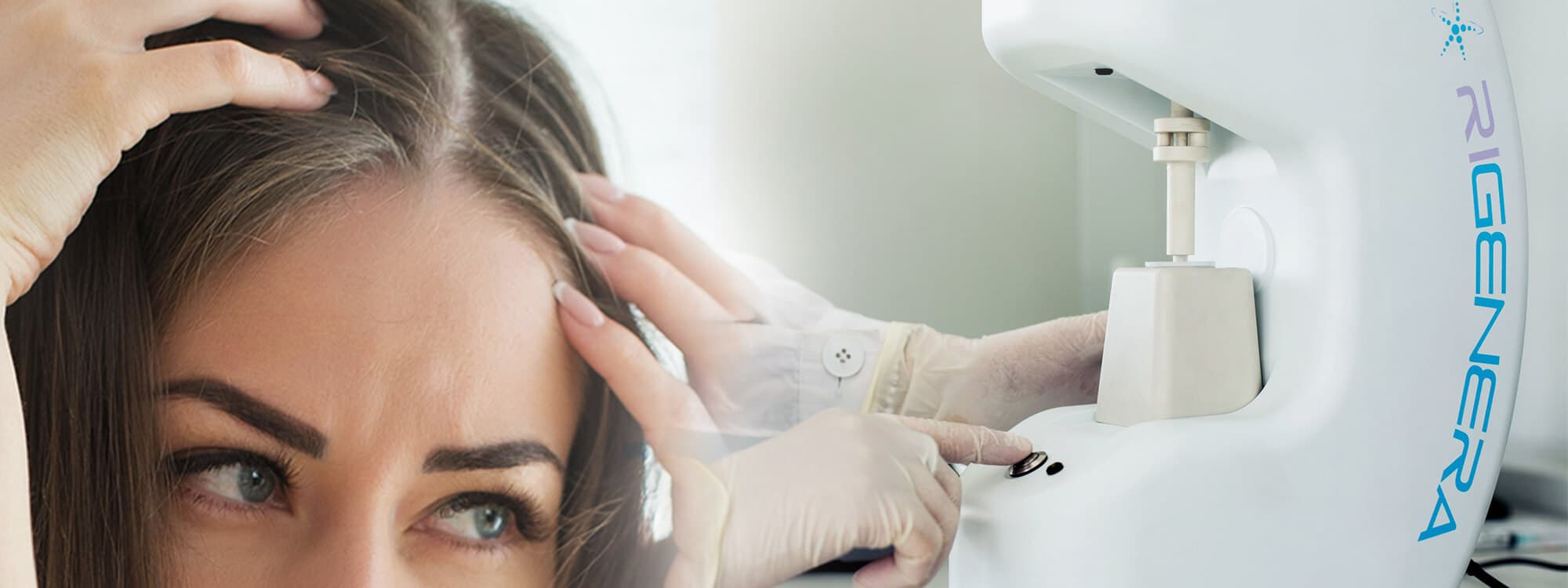
Imagine looking in the mirror and seeing your hair appear thicker, with your hairline more harmoniously aligned with your facial features. Changes in appearance due to hair loss can affect how individuals feel about themselves and their self-confidence. Hair transplantation is a permanent hair restoration procedure that allows the transfer of the individual's own hair follicles to areas where hair has thinned or completely fallen out, suitable for appropriate candidates.
At Cinik Polyclinic, the hair transplantation process is personalized by evaluating the type of hair loss, the capacity of the donor area, the structure of the hair follicles, and the individual's expectations.
What is Hair Transplantation?
Hair transplantation is the process of taking hair follicles from the back and sides of the head, which are generally more resistant to hair loss, and transferring them to bald or thinning areas.
Since the transferred hair follicles belong to the individual, a natural hair structure is aimed for a harmonious appearance. During the procedure, the design of the hairline, the direction of implantation, the distribution of hair follicles, and the existing hair density are evaluated together.
Who is Suitable for Hair Transplantation?
Hair transplantation is suitable for:
Men experiencing male pattern hair loss,
Individuals with a receding hairline,
Those with thinning in certain areas of their hair,
Individuals who have experienced hair loss due to trauma or previous procedures,
Women and men with sufficient and healthy hair follicles in the donor area.
Not every type of hair loss may be suitable for hair transplantation. Therefore, the cause of hair loss, the condition of the scalp, and the capacity of the donor area should be evaluated by a specialist doctor before the procedure.
What is FUE Hair Transplantation?
In the FUE hair transplantation method, hair follicles are taken one by one from the donor area using micro tips. The collected hair follicles are placed in bald or thinning areas determined according to the individual's needs.
Since the follicles are taken individually, there is no linear scar in the donor area. However, FUE should not be considered a completely scar-free procedure; very small and pinpoint scars may occur in the areas where the follicles were taken.
What is DHI Hair Transplantation?
In the DHI hair transplantation method, hair follicles taken from the donor area are placed in the target area using special implantation pens. This method allows for controlled execution of the channel opening and hair follicle placement stages, making it preferable especially when aiming to increase density in specific areas or when planning to implant among existing hairs.
The decision on which method, FUE or DHI, is more suitable is made by evaluating the degree of hair loss, the size of the area to be implanted, the condition of the existing hair, and the donor capacity.
How is Hair Transplantation Performed?
The hair transplantation process generally consists of the following stages:
Hair Analysis and Planning
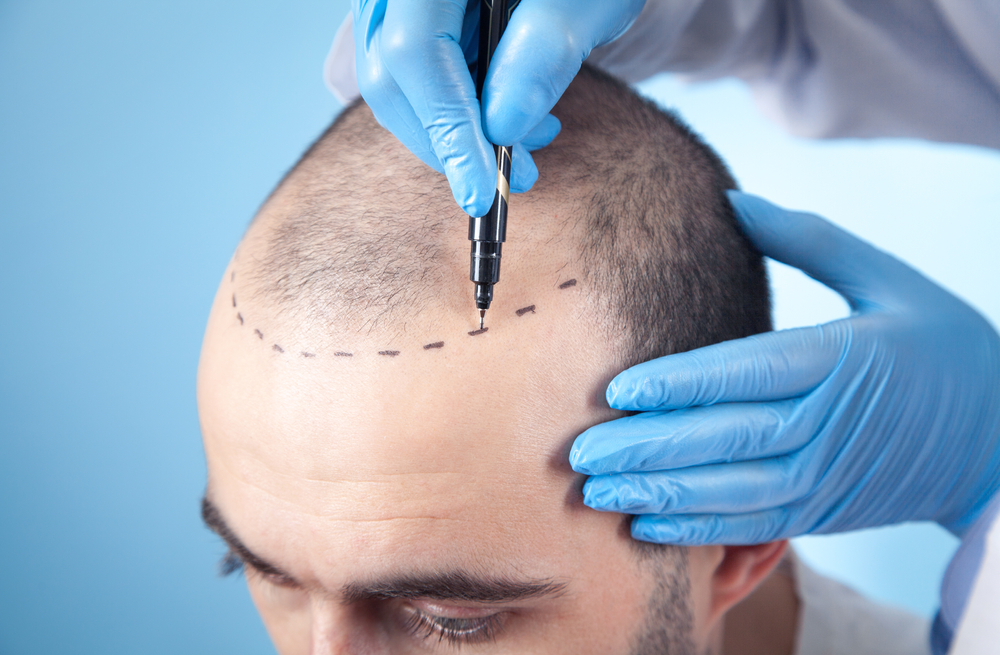
The type of hair loss, the density of the donor area, and the area to be implanted are evaluated. A natural-looking hairline suitable for the individual's facial features and age is planned.
Preparation of the Donor Area
The area from which hair follicles will be taken is prepared, and local anesthesia is applied to the procedure area. The aim is for the individual to feel as comfortable as possible during the procedure.
Collection of Hair Follicles
Suitable hair follicles are taken one by one from the donor area. The collected grafts are preserved under appropriate conditions until the implantation stage.
Preparation of Channels and Implantation
The areas where the hair follicles will be placed are prepared according to the planned angle, direction, and density. Then, the hair follicles are transferred to the relevant areas, taking into account the natural hair growth directions.
What Are the Advantages of Hair Transplantation?
Uses the person's own hair follicles.
A natural hairline and balanced density are targeted.
Hair follicles can be placed individually and in planned directions.
Provides long-term hair restoration in suitable candidates.
Can be planned for suitable areas of hair, beard, and eyebrow loss.
A personalized treatment plan can be created based on the individual's facial features and hair structure.
What Is the Process After Hair Transplantation Like?
In the first days after the procedure, redness, sensitivity, mild swelling, or crusting may be observed in the transplanted and donor areas. These effects are mostly a natural part of the healing process.
The first wash and subsequent hair care practices should be carried out according to the recommendations of the clinical team. It is important to protect the transplanted area from impact, friction, intense sunlight, heavy exercise, and excessive sweating.
There may be temporary shedding of some of the transplanted hair strands after the procedure. The hair follicles will begin to produce new hair and visible density will develop over time. The healing and hair growth process can vary from person to person.
When Are the Results of Hair Transplantation Visible?
The results of hair transplantation do not appear immediately. In the first months, the emergence of new hair may begin, and the hair strands may become more pronounced as they strengthen over time.
The final appearance may vary depending on the individual's hair structure, the characteristics of the hair follicles, the transplanted area, the healing process, and adherence to the care recommendations given by the doctor. A personalized assessment is necessary regarding the outcome and duration of hair transplantation.
Is Hair Transplantation Permanent?
In hair transplantation, hair follicles are usually taken from donor areas that are more resistant to shedding. These follicles maintain their natural growth cycles in the areas where they are placed.
However, shedding may continue in the individual's existing hair that has not been transplanted due to genetic or other reasons. Supportive treatments aimed at maintaining the overall condition of the hair can be added to the hair transplantation plan based on the doctor's evaluation.
Is Hair Transplantation a Painful Procedure?
Hair transplantation is usually performed under local anesthesia. A brief sensation of sensitivity may be felt during the anesthesia application. The aim is to maintain the individual's comfort throughout the procedure.
Mild pain, tension, or sensitivity that may occur after the procedure can be controlled with the care and medications recommended by the doctor.
Can Hair Transplantation Be Supported by Other Hair Treatments?
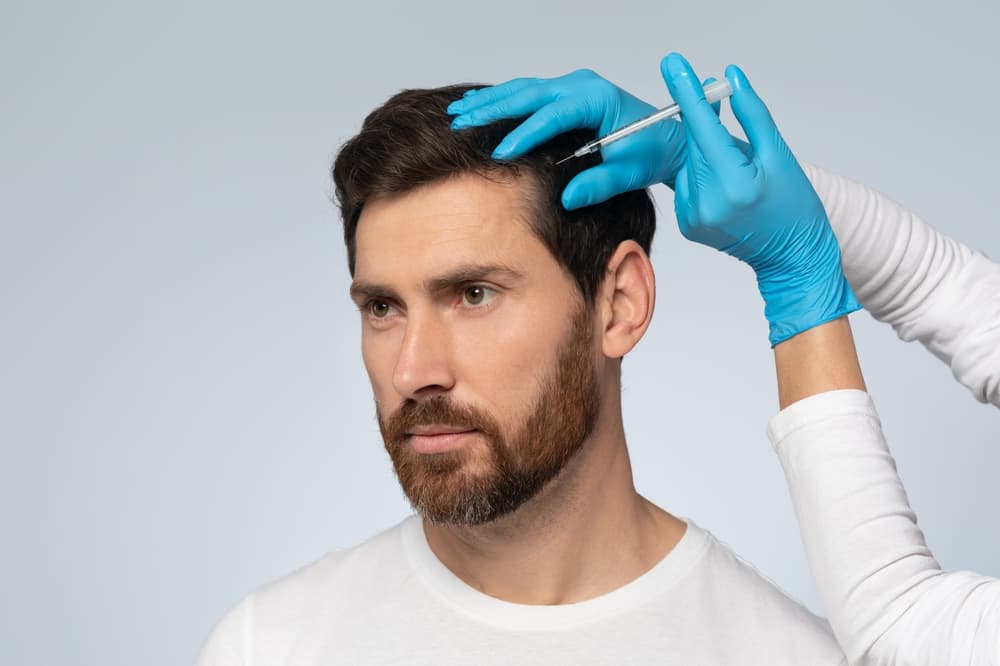
Depending on the hair structure, the cause of hair loss, and the condition of the existing hair, hair transplantation can be planned in conjunction with supportive treatments such as PRP, hair mesotherapy, or laser hair therapy.
These applications can be evaluated to support the existing hair, ensure the care of the scalp, and manage the post-transplantation process in a personalized manner. The combination of treatments to be applied should be decided after a doctor's examination.
How Is Natural Hair Transplantation Planned?
A natural appearance is not solely dependent on the number of transplanted hair follicles. It is important that the hairline is suitable for the facial features, that the follicles are placed at the correct angles, that single and multiple grafts are used in the right areas, and that the density is distributed evenly.
Therefore, the hair transplantation plan should not be standard but should be prepared considering the individual's age, face shape, existing hair structure, and potential hair loss that may occur in the coming years.
What Should Be Considered Before Hair Transplantation?
Medications used before hair transplantation, chronic diseases, allergies, and previously performed hair treatments should be shared with the doctor.
Blood-thinning medications or other regularly used medications should not be discontinued without the doctor's recommendation. All instructions regarding pre-procedure preparation are communicated personally by the clinic.
Why Cinik Polyclinic?
At Cinik Polyclinic, the hair transplantation process is planned individually from the initial assessment to post-procedure follow-up. Details that affect the natural result, such as hairline design, preservation of the donor area, and placement of hair follicles at the correct angles and directions, are addressed with a holistic approach.
Our experienced team is here to determine the suitable hair transplantation method for you by evaluating your needs and expectations and to guide you throughout the process.
Contact Form
Fill out our free consultation form to evaluate the condition of your hair loss, get information about your suitability for hair transplantation, and learn about your personalized treatment plan.
Our experienced team will contact you to share detailed information about the hair transplantation process, applicable methods, and post-procedure care.
Note: The suitability for hair transplantation, the method to be applied, the number of grafts needed, and the results that can be achieved may vary from person to person. The definitive treatment plan can only be established after an examination by a specialist doctor.