Yükleniyor…
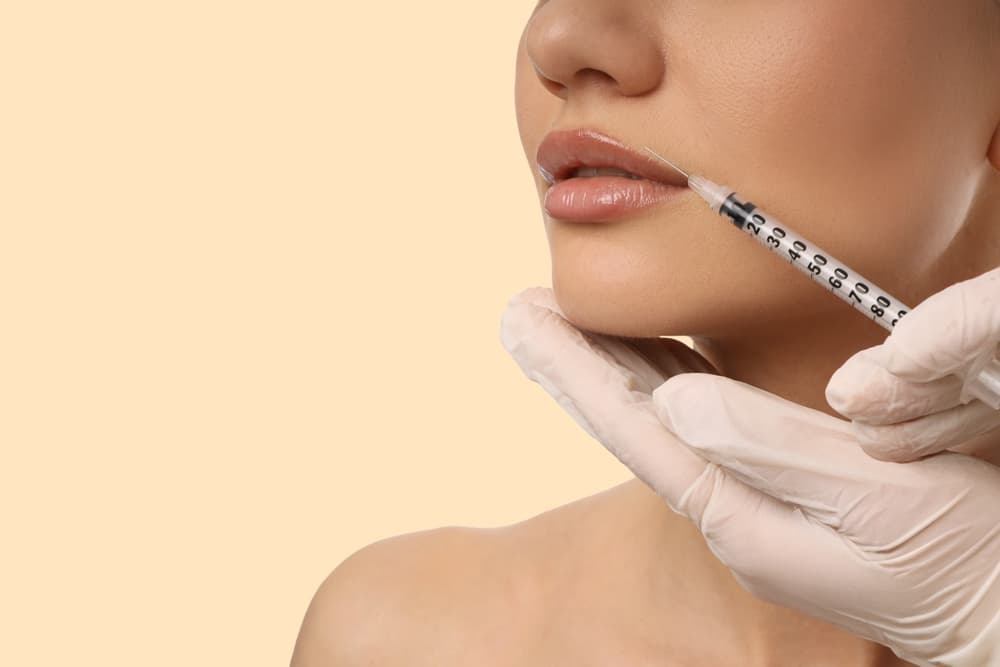
Russian lip filler lifts and shapes the lips with vertical injections. Classic lip filler provides an overall volume increase with horizontal injections. The choice depends on lip anatomy, facial proportions, and personal expectations.
In the world of aesthetic medicine, lip filler applications attract more and more people's interest every day. People turn to these methods to achieve a younger, more vibrant, and more symmetrical appearance. In recent years, two different approaches have emerged. One of these is the Russian lip filler technique. The other is the classic lip filler technique. Both methods use hyaluronic acid-based fillers. However, their application methods and aesthetic results differ from each other. So, which technique is the right choice for you? This article examines both methods in detail in light of scientific data. It provides comprehensive information to help you make a decision.
Lip filler is an aesthetic procedure in which the physician injects hyaluronic acid-based fillers into the lips to provide volume, shape, and symmetry.
The physician injects special fillers into the lip area. This procedure is called lip filler. The physician performs this application not only to enlarge the lips but also to create a natural and aesthetic appearance that is harmonious with the facial features. Patients often prefer this procedure to increase lip volume, define lip borders, or rejuvenate lips that have thinned with aging. Before the procedure, the physician conducts a detailed assessment. They examine the patient's expectations, lip anatomy, and facial proportions. Based on this assessment, they determine the appropriate filler and technique. The physician typically completes the procedure within 15 to 45 minutes. The patient returns to their daily activities the same day. However, the patient sees the final results within a few days.
Physicians most often prefer hyaluronic acid-based fillers for lip filler. These substances are naturally found in the body and have a low risk of allergy.
The human body naturally produces hyaluronic acid. This substance is a polysaccharide. It has a high capacity for retaining water in the skin. This feature makes it ideal for lip fillers. Czumbel and colleagues prove in a meta-analysis conducted in 2021 that hyaluronic acid fillers are effective in lip volumization (Czumbel 2021). Various hyaluronic acid products with different cross-linking technologies are available on the market. Some fillers have a softer and more flexible structure. These fillers provide natural movement and feel. Other fillers have a firmer structure. These fillers are used to define contours. The physician selects the appropriate filler according to the patient's needs. Approved and high-quality products are always prioritized for safety.
Lip filler adds volume, defines lip borders, corrects asymmetries, and provides a more youthful appearance.
The physician aims to achieve four main objectives with lip filler application. The first goal is to add volume. Thin or volume-lost lips are plumped up with filler material. The second goal is to define the lip borders. Over time, faded lip lines are brought back to prominence. The third goal is to correct lip asymmetries. Congenital or acquired symmetry disorders are balanced with filler. The fourth goal is to provide a younger and livelier appearance. Aging causes lips to thin and fade, which are rejuvenated by the moisturizing effect of hyaluronic acid. Keramidas and colleagues showed in their 2021 study on the golden ratio technique that planning in accordance with these goals increases patient satisfaction (Keramidas 2021).
Every person's lip anatomy is different. The arteries of the upper lip, the lip tubercles, and the structure of the filtrum directly affect the results.
The lip area has a complex anatomical structure. The arteries of the upper and lower lips provide blood supply to the lips. Cotofana and colleagues emphasize in their 2017 study examining the distribution of the upper and lower lip arteries that these vessels are critical for safe injection (Cotofana 2017). The tubercles are located at the center of the lips. These tubercles create the natural fullness of the lips. The filtrum columns are the vertical lines between the upper lip and the nose. These structures play an important role in lip aesthetics. Kim and colleagues revealed in their 2019 research examining changes in lip morphology with age in Korean women that lip thickness, lip height, and filtrum depth change with aging (Kim 2019). The physician makes injection planning considering these anatomical structures. Since each patient's lip structure is different, a personalized approach is essential.
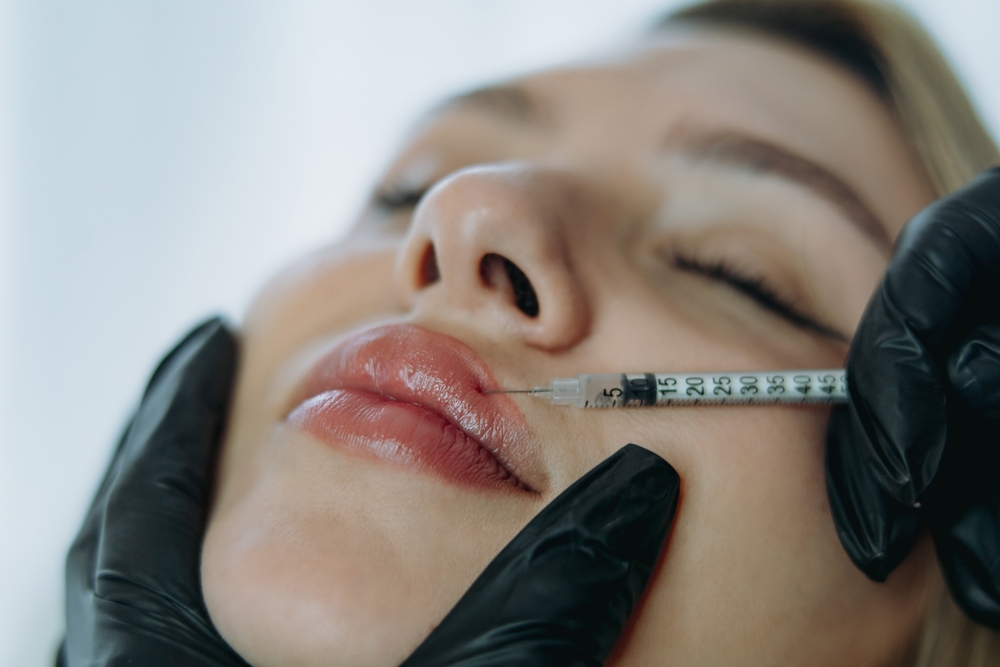
Russian lip filler is a modern technique that lifts the lips with vertical injections and creates a heart-shaped appearance.
Russian lip filler is a shaping method that has gained significant attention in recent years in social media and the aesthetics world. This technique aims to provide vertical height to the lips rather than horizontal volume. The physician injects the filler material in vertical columns from the base of the lips to the lip border. This method lifts the lips upwards rather than forward. As a result, the lips appear more lifted, more defined, and more structured. The technique particularly emphasizes the curvature of the upper lip. The lip profile remains flatter and more natural. However, this application requires more technical knowledge and experience compared to the classic method.
This technique involves vertical injections, micro-droplet applications, and shaping focused on the center of the lips.
The most distinctive feature of the Russian lip filler technique is the direction of the injection. The physician injects the filler material vertically rather than horizontally. This method is also referred to as the tent technique in some sources. Each vertical column lifts and shapes a section of the lip. The technique also utilizes micro-droplet applications. The physician administers a very small amount of filler at each point. This approach keeps the distribution of the filler under control. Additionally, the technique focuses on the center of the lips, with less filler going to the side lip areas. This way, the center of the lips becomes more pronounced and a heart shape is formed. Adel noted in his 2021 study that the original Russian technique carries a risk of vascular injury and therefore modified methods should be developed (Adel 2021).
The physician shapes the center of the lips with vertical injections, enhances the curve of the upper lip, and lifts the lips.
Before the procedure, the physician thoroughly evaluates the lip area. They discuss expectations with the patient. During the procedure, the physician first cleans the lips and applies a numbing cream. Then, they begin vertical injections with very fine needles. The physician creates vertical lines starting from the midline of the upper lip and moving towards the sides. Each line lifts the lip tissue upwards. Similar vertical injections are performed on the lower lip. However, the volume distribution in the lower lip is more balanced. The curve of the upper lip is particularly emphasized. The physician pays extra attention here, as this area determines the aesthetic success of the technique. At the end of the procedure, the lips are gently massaged. This massage ensures the even placement of the filler. Buhsem proves in their 2024 study comparing different injection directions that vertical injections from top to bottom provide the best aesthetic lip curve and patient satisfaction (Buhsem 2024).
This technique aims for fuller lips, a heart-shaped lip structure, a defined lip contour, and minimal projection.
Russian lip filler targets a specific aesthetic ideal. The first goal is fuller lips. Instead of protruding parallel to the surface, the lips rise upwards. The second goal is a heart-shaped lip structure. The center of the upper lip becomes more pronounced, while the sides remain thinner, creating the heart shape. The third goal is a defined lip contour. The lip border appears sharp and clear. The fourth goal is minimal projection. When viewed from the side, the lips do not protrude excessively from the face, preventing a duck lip appearance. Popenko and colleagues demonstrate in their 2017 study on ideal female lip aesthetics that these proportions directly affect facial attractiveness (Popenko 2017).
The patient achieves lips that are more shaped, more symmetrical, and appear younger. The curve of the upper lip becomes more pronounced.
After Russian lip filler, patients typically experience noticeable changes immediately. The lips look more structured and prominent. The curve of the upper lip stands out, adding youthfulness to the facial expression. The lip borders become sharper, making makeup application easier. Rho and colleagues prove in their 2022 study evaluating the lip-lifting effect of hyaluronic acid fillers with 3D photographs that this technique objectively increases lip height (Rho 2022). However, results do not appear immediately. It takes a few days for the initial swelling to subside. The patient sees the final results within one to two weeks.
Classic lip filler is a traditional technique that adds overall volume to the lips through horizontal injections, providing a natural fullness.
Classic lip filler is the most commonly used and longest-standing method in aesthetic medicine. In this technique, the physician injects the filler horizontally into the inner part of the lips. The goal is to achieve even and natural fullness in the lips. The physician evaluates the lip border, the body of the lip, and the corners as a whole. The filler spreads within the lip, providing an overall increase in volume. This technique is particularly suitable for patients receiving lip filler for the first time, as the results are predictable and controllable. Additionally, this method adapts to most lip types, being used across a wide range from thin to full lips.
The physician injects filler into the body of the lips using horizontal injections. They shape the lip border and corners in a balanced manner.
Before the procedure begins, the physician examines the lip area. They discuss the desired results with the patient. During the procedure, the physician first applies a numbing cream. Then, they enter the inner part of the lips with fine needles. The physician injects the filler in horizontal lines. These lines fill the body of the lips. The physician fills the midline and sides of the upper lip in a balanced way. The lower lip is usually kept slightly fuller than the upper lip. The ideal ratio is 1 to 1.6. This means the lower lip should be 60% fuller than the upper lip. The physician tries to maintain this ratio. At the end of the procedure, the lips are gently massaged. This ensures that the filler is evenly distributed. Massidda and colleagues demonstrate in their 2024 study examining the real-world results of hyaluronic acid fillers that classic techniques provide high patient satisfaction (Massidda 2024).
This technique provides an overall increase in volume. It evenly plumps the lips. It maintains a natural appearance.
Classic lip filler has three key features. The first feature is overall volume increase. The filler spreads throughout the lips. The second feature is even plumping. The physician fills the right and left lips symmetrically. The third feature is the preservation of a natural appearance. There is no excessive enlargement or distortion. The physician maintains the lips' mobility. Functions such as speaking, smiling, and eating are not affected. Walker and Cetto note in their 2021 study on lip fillers using a 4-millimeter needle that this approach yields safer and more natural results (Walker 2021).
The patient achieves full, moist, and symmetrical lips. Natural beauty increases without disturbing facial proportions.
Classic lip filler aims to achieve specific aesthetic goals. The first goal is full lips. Lips that have lost volume are restored to fullness. The second goal is a moist and healthy appearance. Hyaluronic acid hydrates the lips with its water-retaining properties. The third goal is symmetry. Asymmetrical lips are balanced. The fourth goal is to maintain facial proportions. The lips remain harmonious with the rest of the face. There is no excessive enlargement or artificial appearance. Castellaneta and colleagues emphasize in their 2025 study introducing a new lip filler technique that planning in accordance with these goals increases success (Castellaneta 2025).
The Russian technique provides shaping and lifting with vertical injections. The classic technique provides an overall volume increase with horizontal injections. Both methods have different advantages.
Both techniques use hyaluronic acid fillers. However, their application methods and results are completely different. Patients should understand these differences before choosing a technique. Because a wrong technique choice may not meet expectations. The differences are examined in detail in the following subsections. The comparison table also summarizes the topic.
In the Russian technique, the physician injects vertically. In the classical technique, the physician injects horizontally.
In Russian lip filler, the physician creates vertical columns. Each column lifts the lip upwards. In classical lip filler, the physician creates horizontal lines. Each line fills the lip inward and forward. This fundamental difference directly affects the results. Vertical injections require more injection points. This prolongs the procedure time. Horizontal injections are done at fewer points. The procedure takes less time. Buhsem's study in 2024 proves that the direction of injection directly affects aesthetic results and filler distribution (Buhsem 2024).
The Russian technique creates more lifted and heart-shaped lips. The classical technique creates fuller and rounder lips.
After the Russian technique, the lips lift upwards. From the side view, the lips remain close to the face. The protrusion forward decreases. This provides a flat profile. After the classical technique, the lips protrude forward. From the side view, the lips appear fuller. The lip shape becomes rounder and wider. Both appearances serve different aesthetic expectations.
In the Russian technique, volume is concentrated in the center. In the classical technique, volume is distributed throughout the lip.
In Russian lip filler, the filler substance concentrates in the center of the lip. Less filler goes to the sides. This emphasizes the midline. In classical lip filler, the filler is distributed evenly. The center and sides become fuller at a similar rate. This provides a holistic increase in volume. Volume distribution is a critical factor in technique selection.
The Russian technique sharpens the upper lip curve. The classical technique emphasizes this curve to a moderate degree.
The most distinctive feature of the Russian technique is its emphasis on the upper lip curve. The physician provides extra filler to this area. The arc shape of the upper lip curve becomes clearer. In the classical technique, the upper lip curve also becomes pronounced. However, this prominence is softer. The physician focuses on overall volume increase and does not perform special shaping.
The Russian technique reduces the forward protrusion. The classical technique increases the forward protrusion.
In the Russian technique, the filler is placed upwards. The lips do not push forward. This reduces the risk of duck lips. In the classical technique, the filler is placed forward. The lips protrude out from the face. This provides a fuller appearance. However, excessive application can lead to duck lips.
The Russian technique takes 30 to 45 minutes. The classical technique takes 15 to 25 minutes.
Russian lip filler involves more injection points. The physician carefully creates each vertical column. This prolongs the procedure time. Classical lip filler is done at fewer points. The physician works faster. However, both procedures are completed on the same day. The patient walks into the clinic and walks out.
The risk of swelling and bruising is slightly higher with the Russian technique. Recovery is generally faster with the classic technique.
The Russian technique involves more needle entries. This can increase tissue trauma. Initial swelling may be slightly more. The classic technique has fewer entry points. Tissue experiences less trauma. However, in both techniques, swelling subsides within a few days. Final results become apparent in one to two weeks.
Comparison Table
Feature | Russian Lip Filler | Classic Lip Filler |
Injection Direction | Vertical | Horizontal |
Lip Shape | More Lifted | More Voluminous |
Lip Projection | Less | More |
Lip Contour | More Defined | Medium Level |
Volume Distribution | Center-Focused | Spread Across the Entire Lip |
Technical Difficulty | Higher | Lower |
Procedure Duration | 30-45 minutes | 15-25 minutes |
Recovery Time | 7-14 days | 5-10 days |
This technique offers effective results for defined lines, an elevated appearance, a pronounced upper lip curve, and thin lips.
Russian lip filler addresses specific aesthetic concerns. The physician provides results that the classic method cannot achieve. The advantages are detailed in the following subsections.
The physician sharpens the lip border with vertical injections. The lip lines become clearer.
In the Russian technique, the filler material is placed vertically at the lip border. This makes the border appear more defined. The patient has less need to use lip liner when applying makeup. The lips look more structured and aesthetic. This advantage is particularly valuable for mature patients with faded lip borders.
Vertical columns lift the lips upwards. The face looks younger.
Lips tend to sag with aging. The Russian technique reverses this trend. The physician lifts the lips upwards. The facial expression becomes more vibrant and youthful. The distance between the lower and upper lip decreases. This improves the facial proportions.
The physician adds extra filler to the center of the upper lip. The arch shape of the upper lip curve becomes more pronounced.
The upper lip curve is an important focal point in facial aesthetics. The Russian technique specifically shapes this area. The physician also supports the philtrum columns. The angle between the nose and lips is preserved. The facial profile becomes more aesthetic. This advantage is particularly evident in patients with a low upper lip curve.
The vertical lifting effect is more pronounced on thin lips. The patient achieves shaping without gaining volume.
In thin lips, the classic technique only provides an increase in volume. However, with the Russian technique, the lips are lifted. This creates a more dramatic change in thin lips. The patient achieves more shaped lips without looking fuller. However, the technique may yield limited results in very thin lips. The physician assesses this situation in advance.
This technique carries a higher risk of swelling. The application is more difficult. It may not suit every structure. It requires an experienced specialist.
Russian lip filler may not be the perfect choice for every patient. The technique has certain limitations and risks. Patients should make informed decisions knowing these disadvantages.
Vertical injections create more tissue trauma. Initial swelling may be slightly more pronounced.
In the Russian technique, the number of needle entry points increases. A separate injection is required for each vertical column. This situation stimulates the lip tissue more. Swelling may be slightly greater in the first 24 to 48 hours compared to the classic technique. However, this swelling is temporary. The patient manages the swelling with ice application. Swelling significantly decreases within a week.
The physician must create vertical columns of equal length and depth. The risk of asymmetry is high.
The Russian technique requires more skill compared to the classic method. The physician must inject each vertical line at the same depth and volume. Otherwise, irregularities and asymmetry may occur in the lips. The distribution of the filler material must be controlled precisely. This tests the specialist's concentration and experience.
Results may be limited in very thin, very asymmetric, or very loose lips.
The Russian technique works better on specific lip anatomies. Vertical columns may not provide sufficient lift in very thin lips. In very loose lips, the filler may not maintain the desired shape. In very asymmetric lips, the technique may make irregularities more pronounced. The physician evaluates these conditions during the examination. If necessary, combined techniques are recommended.
This technique requires in-depth knowledge of vascular anatomy. Incorrect application can lead to serious complications.
In the Russian technique, vertical injections may put vessels at greater risk. The physician must know the exact location of the upper and lower lip arteries. Cotofana et al. (2017) show that anatomical variations of these vessels increase the risk of complications (Cotofana 2017). An inexperienced practitioner may cause vascular occlusion. This can lead to serious tissue damage. Therefore, patients should only consult certified and experienced physicians.
This technique provides a natural increase in volume. It is suitable for first-time patients. It fits most lip types. It corrects asymmetries.
Classic lip filler has been safely used for years. The technique has distinct advantages. These advantages make it an ideal choice for many patients.
The physician fills the lips evenly. The results appear holistic and natural.
In the classic technique, the filler is spread inside the lips. This allows the lips to gain natural volume. The patient maintains their previous lip structure. They only achieve a bit more fullness. No one notices an artificial appearance. This advantage is important for patients who prefer naturalness.
The classic technique provides predictable results. The patient’s expectations are met more easily.
Patients getting lip fillers for the first time are usually anxious. The classic technique is less stressful for these patients. Because the results are more predictable. The physician can easily adjust the desired volume with experience. If the patient wishes, they can add more volume in the next session. This step-by-step approach instills confidence in the patient.
Thin lips, full lips, youthful lips, and mature lips can adapt to this technique.
The classic technique is a universal approach. The physician applies this method to almost every lip type. It adds volume to thin lips. It shapes full lips. It provides aesthetic improvement to youthful lips. It creates a rejuvenating effect on mature lips. This flexibility is one of the greatest advantages of the technique.
The physician administers different amounts of filler to the right and left lips. This ensures symmetry.
Congenital or acquired lip asymmetries are corrected with the classic technique. The physician injects a bit more filler into the thinner side. They give less filler to the fuller side. With this precise adjustment, the lips become symmetrical. Keramidas and colleagues proved in their 2021 studies on the golden ratio technique that symmetry planning increases patient satisfaction (Keramidas 2021).
This technique can push the lips forward. It may not satisfy those who want a pronounced contour. It cannot achieve the shaping effect of the Russian technique.
Classic lip filler is an excellent method. However, it may be limited in meeting some aesthetic expectations. The disadvantages are detailed below.
Horizontal injections push the filler forward. From the side view, the lips may protrude too much from the face.
In the classic technique, the filler is placed horizontally into the lip tissue. This creates a pushing effect on the lips. If excessive filler is applied, a duck lip appearance may occur. The patient may notice that their lips appear separated from their face when viewed from the side. This situation may not look aesthetically pleasing, especially in narrow or flat facial structures.
The classic technique focuses on overall volume. It is not as effective as the Russian technique in sharpening the lip border.
Some patients especially want the lip border to be defined. The classic technique slightly enhances this border. However, the results are not as sharp as the Russian technique. The doctor may provide additional filler to define the contour. However, this may further increase the volume. This disadvantage is an important selection criterion for contour-focused patients.
The classic technique does not lift the lips or give a heart shape. It only adds volume.
The most distinct feature of the Russian technique is its shaping and lifting effect. The classic technique cannot provide this effect. If the patient wants their lips to lift and appear heart-shaped, the classic technique falls short. This is a decisive factor in the choice of technique.
Thin lips, undefined borders, those wanting an uplifted appearance, and those requesting a pronounced upper lip curve get the best results from the Russian technique.
Russian lip filler can be applied to everyone. However, some lip structures benefit more from this technique. The following conditions are ideal for the Russian technique.
The vertical lifting effect is more pronounced in thin lips. The patient achieves shaped lips.
In thin lips, the increase in volume spreads over a limited area. The Russian technique turns this situation into an advantage. Vertical columns expand the lips upward. This increases the thickness of the lips. The patient ends up with fuller and more shaped lips. However, results may be limited in very thin lips. The doctor explains this situation in advance.
The Russian technique sharpens the lip border. Undefined lines become clear.
In some patients, the lip border is inherently undefined. With aging, this border may fade even more. The Russian technique reconstructs the border with vertical injections. The doctor enhances the contour by placing filler at the lip border. This makes makeup application easier. The facial expression becomes more vibrant.
If patients want their lips to lift and look younger, the Russian technique is the right choice.
With aging, lips tend to droop. This makes the face look tired. The Russian technique reverses this trend. The patient notices that their lips are lifted and their face looks rejuvenated. This effect is particularly satisfying for patients over 40.
The Russian technique focuses on the upper lip curve. The arch shape in the upper lip curve becomes pronounced.
The upper lip curve is an important focal point in facial aesthetics. The Russian technique specializes in shaping this area. If the patient desires a pronounced upper lip curve and deep philtrum columns, this technique is ideal. The results are noticeably distinct in photos and real life.
Those experiencing volume loss, aging individuals, those seeking natural results, and first-timers should prefer the classic technique.
Classic lip filler is suitable for a wider patient demographic. The following conditions are ideal for this technique.
Lips experiencing volume loss can be easily plumped with the classic technique. The patient returns to their former appearance.
Some patients have naturally thin lips. Others lose volume over time. The classic technique offers an effective solution in these cases. The physician provides horizontal filler to the body of the lips. The lips become plump in natural proportions. The patient appears younger and healthier.
Thinned lips due to aging are thickened again with hyaluronic acid fillers. The classic technique is a safe choice in this case.
Kim and colleagues demonstrated in their 2019 study that aging reduces lip thickness, height, and moisture (Kim 2019). The classic technique compensates for these losses. The physician adds moisture and volume to the lips. Older patients generally prefer natural rejuvenation over dramatic shaping. The classic technique meets this expectation.
The classic technique provides soft transitions and natural fullness. The patient does not appear to have undergone an aesthetic procedure.
Some patients want their lips to still look like their own after the procedure. The classic technique preserves this naturalness. The lips become fuller. However, the structure, movements, and expression of the lips do not change. The patient enhances their beauty without anyone noticing in their daily life.
First-time patients make a safe start with the classic technique. The results are controllable.
The first experience is always important. The classic technique allows the physician to approach the patient step by step. The physician starts with a small amount of filler. The patient sees the result. If desired, they can continue in the next session. This controlled process is less risky and more comfortable for the patient.
Naturalness depends on the individual's anatomy and expectations. Both techniques can yield natural results. The specialist must plan accordingly.
The concept of naturalness is subjective. What looks natural to one patient may be insufficient for another. This section examines the factors related to naturalness.
Every person's perception of naturalness is different. Some patients find defined features natural. Others find soft transitions natural.
Some patients consider made-up and sculpted lips to be natural. These patients love the results of the Russian technique. Other patients find soft and simple lips natural even when they wake up in the morning. These patients prefer the classic technique. The physician must understand the patient's perception of naturalness. Planning should be done according to this perception.
In narrow faces, the Russian technique appears more natural. In wide faces, the classic technique is more compatible.
The shape of the face is decisive in lip aesthetics. In narrow and long faces, lifted lips appear proportionate. In wide and short faces, prominent full lips are more compatible. The physician evaluates the facial proportions. They suggest a technique suitable for these proportions. Thus, the results harmonize with the entire face.
If the patient desires distinct shaping, the Russian technique appears natural. If the patient desires soft fullness, the classic technique appears natural.
Expectations affect the perception of results. If a patient chooses the Russian technique but expects classic results, they may experience disappointment. If a patient chooses the classic technique but expects a distinct contour, they may not be satisfied. Therefore, the physician should discuss expectations in detail. The correct choice of technique guarantees satisfaction.
The physician should create a special plan for each patient. Techniques can be combined. Personalization yields the most natural result.
The most natural result comes from personalized planning. The physician does not only choose the technique. They also adjust the amount of filler, injection points, and depth. Sometimes, Russian and classic techniques are combined. This hybrid approach meets the patient's specific needs. Menezes and colleagues demonstrated in their study in 2025 that combined approaches yield the most aesthetic results (Menezes 2025).
In both techniques, hyaluronic acid fillers last 6 to 12 months. The duration depends on the type of filler, metabolism, and technique.
The duration of persistence is one of the most frequently asked questions by patients. The fillers used in both techniques are similar. However, there are factors that affect durability.
High cross-linked fillers last longer. Soft fillers dissolve more quickly.
Hyaluronic acid fillers have different cross-linking technologies. High cross-linked fillers are firmer and more durable. These fillers can last 12 to 18 months. Low cross-linked soft fillers are more flexible. However, they dissolve more quickly. These fillers last 6 to 9 months. The physician selects the filler according to the patient's preference.
Patients with a fast metabolism dissolve the filler more quickly. Those who exercise and younger individuals may require touch-ups more frequently.
The body breaks down hyaluronic acid naturally. The enzyme hyaluronidase performs this process. Some people's metabolism works faster. These individuals dissolve the filler more quickly. Regular exercisers, younger individuals, and smokers may have a faster metabolism. This situation shortens the lifespan of the filler. However, repeated applications can extend the results.
Lip fillers last on average 6 to 12 months. The initial application may dissolve a bit faster.
The lips are one of the most mobile areas of the face. Speaking, eating, and laughing constantly move the filler. This causes the filler to dissolve more quickly. Studies show that lip fillers last on average 6 to 12 months. In the first application, the body may dissolve the foreign substance more aggressively. In subsequent applications, the duration of effect may increase.
The physician recommends a touch-up every 6 to 12 months. Regular applications provide longer-lasting results.
As the filler dissolves, the lips return to their original state. The patient should plan touch-up sessions to maintain the effect. Generally, a renewal is done every 6 to 12 months. Regular applications slightly expand the lip tissue. This results in a reduced need for filler in subsequent applications. The physician plans the patient's schedule.
The initial swelling is at its peak within 24-48 hours. Bruises begin to fade within a week. Final results become apparent in 10-14 days.
The recovery process after the procedure is similar for both techniques. However, in the Russian technique, swelling may be more pronounced. Patients should be cautious during this process.
The patient should apply ice. They should avoid hot beverages. They should not rub their lips.
The first 24 hours is a critical period. The patient applies an ice compress to the lip area. This application reduces swelling and pain. Consuming hot coffee, tea, or soup increases blood flow. This can exacerbate swelling. The patient prefers cold or lukewarm foods. Rubbing, friction, or applying makeup to the lips carries a risk of infection. The patient avoids these behaviors.
Ice application, sleeping with the head elevated, and arnica creams help control swelling and bruising.
Swelling and bruising are normal side effects. The patient should not be worried. Ice application is repeated several times a day. The head is kept elevated while sleeping. This prevents the accumulation of swelling. Creams containing arnica speed up the resolution of bruises. Pain relief medications provide comfort to the patient. However, blood-thinning medications should be avoided.
The patient should avoid saunas, baths, gyms, and excessive sun exposure for the first week.
Hot environments dilate blood vessels. This increases swelling. Sauna, bath, hot showers, and sunbathing are prohibited in the first week. Intense exercise raises the heart rate. This can also worsen swelling. The patient can take light walks. However, they should postpone activities such as lifting weights, running, or swimming.
Final results will be visible within 10 to 14 days. The settling of the filler and the reduction of swelling require this time.
In the first few days, the lips may appear excessively full. This is due to swelling. The swelling gradually decreases. The filler integrates with the tissue. The lips find their natural shapes. The patient sees the real result when looking in the mirror after 10 to 14 days. This period requires patience.
Lip filler is a safe procedure. However, there is a risk of swelling, bruising, and rarely, vascular occlusion. Choosing a specialist and using quality filler is essential.
Like any aesthetic procedure, lip filler also has risks. Patients should enter the procedure with an awareness of these risks. An informed patient achieves safer results.
Swelling, bruising, redness, sensitivity, and temporary hardness are common side effects.
Mild side effects are observed after every lip filler procedure. The lips swell. Redness occurs on the skin. Bruises appear at the injection sites. Sensitivity and temporary hardness are felt in the lips. These side effects resolve spontaneously within 3 to 7 days. The patient continues their normal life during this process.
Rarely, the filler material can enter a blood vessel or compress it. This situation can lead to serious complications. Immediate intervention is required.
Vascular occlusion is the most serious complication. Alam and colleagues in their 2021 study comparing the use of needles and cannulas show that injections made with needles increase the risk of vascular occlusion (Alam 2021). The arteries of the upper and lower lips are close to the filler application area. If the physician administers the filler at the wrong depth or in the wrong area, the vessel can become occluded. This can lead to tissue ischemia, necrosis, and even blindness. Therefore, the physician must have detailed anatomical knowledge. Samizadeh and colleagues emphasize in their 2019 study examining the anatomical variations of lip arteries that these structures vary from person to person and require careful planning (Samizadeh 2019).
Patients should only consult certified, experienced physicians with strong anatomical knowledge. Choosing a specialist is fundamental to safety.
Although lip filler may seem like a simple procedure, it actually requires surgical precision. An experienced physician knows the vessels, nerves, and tissue layers. They administer the filler at the correct depth and in the right amount. They intervene immediately in case of complications. When choosing a specialist, the patient should review the physician's education, certifications, and previous results. Low prices can jeopardize safety.
The physician should use approved, original, and quality hyaluronic acid fillers. Fake products carry serious risks.
There are many fillers available on the market. However, not all are of the same quality. Approved products are biocompatible and safe. Fake or low-quality products carry the risk of infection, granuloma, and allergic reactions. The patient should ask about the brand and approval of the product used. The physician should open the product in its original packaging in front of the patient.
The patient should discuss the technique selection, amount of filler, expected results, and risks in detail with the specialist.
Pre-procedure consultation is the most important step. The patient should ask all questions they have in mind. The specialist should provide clear and honest answers.
After evaluating the lip anatomy, facial shape, and expectations, the physician recommends either the Russian or classic technique.
The patient must ask this question. The physician will make a recommendation after the examination. Sometimes the technique desired by the patient may not be suitable for their anatomy. In this case, the physician offers alternatives. The patient should trust the physician's recommendation but should also clearly express their own expectations.
The physician generally recommends 0.5 to 1.5 milliliters of filler. The amount depends on the lip structure and the target.
The amount of filler is a topic of curiosity for patients. 0.5 milliliters may be sufficient for very thin lips. For those wanting more volume, 1 to 1.5 milliliters is used. However, excessive filling disrupts naturalness. The physician prefers to start with a small and controlled amount. If necessary, it can be continued in a second session.
The physician shows example results in the mirror or photos. The patient should form realistic expectations.
The patient should know what to expect after the procedure. The physician may show previous patient photos. However, every body is different. The same technique yields different results for everyone. The patient should understand this difference. Expectations should be realistic. Trévidic and Criollo-Lamilla state in their study introducing a new lip lifting method in 2020 that managing patient expectations is the key to satisfaction (Trévidic 2020).
The physician should explain the risks of swelling, bruising, infection, filler migration, and vascular occlusion.
The patient should hear about all possible risks before the procedure. This information is both a right and a safety measure for the patient. The physician should explain how often each risk occurs and how it is managed. The patient signs the consent form in light of this information. Informed consent is a medical and ethical obligation.
The Russian technique provides shaping and lifting. The classic technique provides volume and naturalness. The most accurate choice is made by the specialist according to personal anatomy and expectations.
Both techniques are performed with hyaluronic acid fillers. However, each serves different aesthetic purposes. Russian lip filler focuses on shaping and lifting effects. If the patient desires defined lines, lifted lips, and sharp contours, this technique is ideal. Classic lip filler aims to add volume. If the patient desires natural fullness, soft transitions, and a symmetrical overall appearance, this technique is more suitable.
The most accurate choice is made based on lip anatomy, facial proportions, and personal expectations. The physician evaluates these factors and creates a personalized plan. Sometimes, two techniques are combined. This situation provides the best result tailored to the patient. The patient should have a detailed discussion with the specialist before the procedure. Realistic expectations and proper planning guarantee satisfaction.
In the Russian technique, the physician lifts the lips with vertical injections. In the classic technique, the physician adds overall volume to the lips with horizontal injections. The Russian technique focuses on shaping. The classic technique focuses on volumizing.
An anesthetic cream is used in both techniques. The Russian technique may have more injection points. However, the pain is tolerable for both procedures. The patient experiences a slight stinging sensation.
The fillers used in the Russian technique are the same as those used in the classic technique. The duration lasts between 6 to 12 months. Personal metabolism, type of filler, and lifestyle affect longevity.
Naturalness depends on personal perception. The classic technique generally provides a softer and more holistic natural look. The Russian technique provides a more structured and defined natural appearance. Both can look natural.
The Russian technique may not suit every lip structure. Results may be limited on very thin, very loose, or excessively asymmetrical lips. The physician assesses suitability after examination.
Initial swelling is most intense within 24 to 48 hours. It generally subsides significantly within 3 to 7 days. Final results become apparent in 10 to 14 days.
The physician typically uses 0.5 to 1.5 milliliters of filler. The amount varies based on lip structure and goals. Starting with a small and controlled amount is always safer.
Hyaluronic acid fillers can be dissolved with the enzyme hyaluronidase. If the patient is not satisfied with the result or if complications arise, the physician administers this enzyme. The filler dissolves within a few days.
Adel, Noury. "A New Approach for Lip Filler Injection Using an Inverted Mercedes Benz Sign." Plastic and Reconstructive Surgery Global Open, vol. 9, no. 12, 2021, e3999.
Alam, Murad, et al. "Rates of Vascular Occlusion Associated with Using Needles vs Cannulas for Filler Injection." JAMA , vol. 157, no. 2, 2021, pp. 174-80.
Buhsem, O. "Comparing the Effects of Different Injection Techniques Used in Lip Augmentation on Filler Migration and Patient Satisfaction." Cureus, vol. 16, no. 1, 2024, e64716.
Castellaneta, F., et al. "The 4.3, a New Filler Lips Technique." Journal of Cosmetic , vol. 24, 2025, e16601.
Cotofana, S., et al. "Distribution Pattern of the Superior and Inferior Labial Arteries: Impact for Safe Upper and Lower Lip Augmentation Procedures." Plastic and Reconstructive Surgery, vol. 139, no. 5, 2017, pp. 1075-82.
Czumbel, L.M., et al. "Hyaluronic Acid Is an Effective Dermal Filler for Lip Augmentation: A Meta-Analysis." Frontiers in Surgery, vol. 8, 2021, 681028.
Keramidas, E., et al. "A Safe and Effective Lip Augmentation Method: The Step-by-Step Φ (Phi) Technique." Plastic and Reconstructive Surgery Global Open, vol. 9, no. 2, 2021, e3332.
Kim, H., et al. "Age-related Changes in Lip Morphological and Physiological Characteristics in Korean Women." Skin Research and Technology, vol. 25, no. 3, 2019, pp. 277-82.
Massidda, E., et al. "Real-World Outcomes of Lip Augmentation Using a Hyaluronic Acid-Based Filler With Low 1,4-Butanediol Diglycidyl Ether Content." Cureus, vol. 16, no. 4, 2024, e53513.
Menezes, M.V.A., et al. "Aesthetic Treatment of the Lips With Hyaluronic Acid Filler: The Multi Vector Lip Technique." Journal of Cosmetic , vol. 24, no. 9, 2025, e70445.
Popenko, N.A., et al. "A Quantitative Approach to Determining the Ideal Female Lip Aesthetic and Its Effect on Facial Attractiveness." JAMA Facial Plastic Surgery, vol. 19, no. 3, 2017, pp. 261-67.
Rho, N.K., et al. "Lip Lifting Efficacy of Hyaluronic Acid Filler Injections: A Quantitative Assessment Using 3-Dimensional Photography." Journal of Clinical Medicine, vol. 11, no. 15, 2022, 4554.
Samizadeh, S., et al. "Anatomical Variations in the Course of Labial Arteries: A Literature Review." Aesthetic Surgery Journal, vol. 39, no. 11, 2019, pp. 1225-35.
Trévidic, P., and G. Criollo-Lamilla. "French Kiss Technique: An Anatomical Study and Description of a New Method for Safe Lip Eversion." Surgery, vol. 46, no. 10, 2020, pp. 1410-17.
Walker, L., and R. Cetto. "Lip Augmentation Using Hyaluronic Acid Filler and a 4-mm Needle: A Safer, More Natural, and Predictable Approach." Journal of Clinical and Aesthetic , vol. 14, no. 5, 2021, pp. E61-E63.