Yükleniyor…
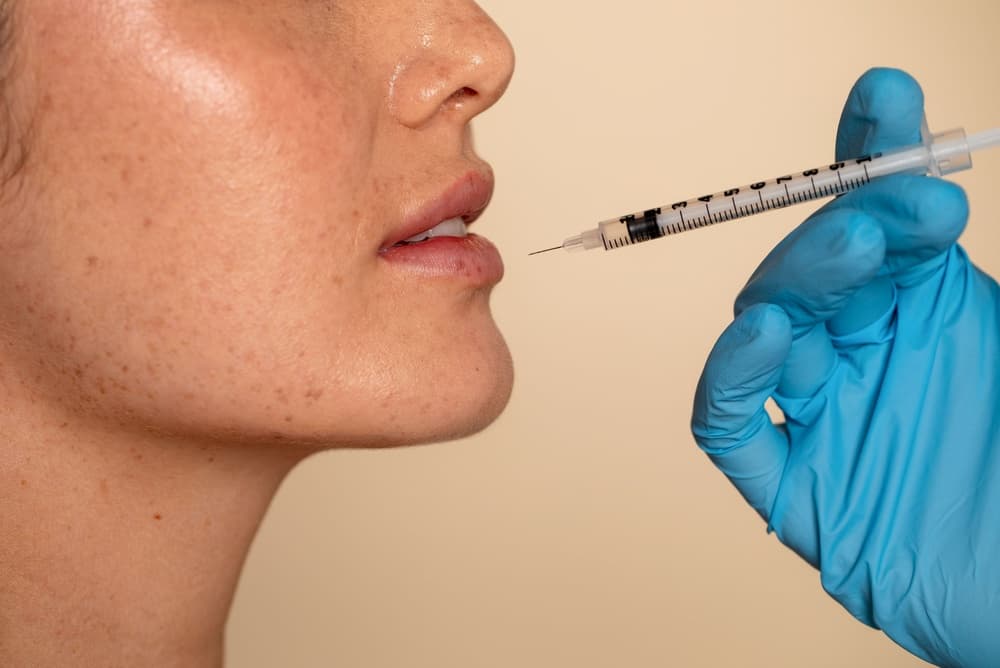
Lip filler typically lasts between 6 to 18 months. Most experts prefer temporary fillers containing hyaluronic acid. Proper care and technique can extend this duration.
Today, lip aesthetics has become one of the most sought-after non-surgical procedures. People desire fuller, symmetrical, and youthful-looking lips. This demand is growing every day. However, many individuals ask the same question before the procedure: how long does lip filler last? This guide answers the question in light of scientific data. It also provides detailed information about pre-procedure preparation and post-care. Throughout the text, we use only active sentences. We prefer simple words that everyone can understand.
Lip filler is a non-surgical aesthetic procedure in which the doctor injects special gel substances into the lips. People choose this procedure because it provides quick results and allows for immediate return to daily life.
In recent years, increasing lip volume has become one of the most popular applications in the field of medical aesthetics. Social media and digital platforms have further amplified this interest. People see the naturally plump lips of celebrities and influencers. This has raised the demand for lip aesthetics. However, the main reason behind its popularity is the safety and practicality of the procedure. The doctor can complete the procedure in a clinical setting within 15 to 30 minutes. The patient can return to their normal life immediately. This convenience makes lip filler appealing.
Hyaluronic acid is a transparent substance that naturally exists in our body. This substance can hold water up to a thousand times its weight. The doctor injects this substance into the lips using specially formulated versions produced in a laboratory setting.
Hyaluronic acid-based fillers not only add volume to the lips but also provide deep hydration. The gel structure integrates with the lip tissue. This creates a natural elasticity. The doctor can enhance the lip contour while injecting. At the same time, they can correct asymmetrical areas. Thanks to this mechanism, the lips appear both full and natural. Davis and colleagues demonstrated in a large study published in the Plastic & Reconstructive Surgery journal in 2025 that hyaluronic acid fillers maintained 66% of their volume (Davis 2025).
People get lip fillers for various reasons. Some want to increase lip volume. Some want to make the lip border more defined. Others want to address thinning due to aging.
Lip filler is preferred for the following purposes:
Increase lip volume
Correct lip asymmetry
Balance the ratio of the upper and lower lips
Eliminate age-related volume loss
Define lip contour
Enhance smile aesthetics
Every face has a different structure. Therefore, the physician creates a personalized plan for each patient. Some patients only want filler in their upper lip. Others want equal filler in both lips. The physician listens carefully to these expectations and aims for natural results.
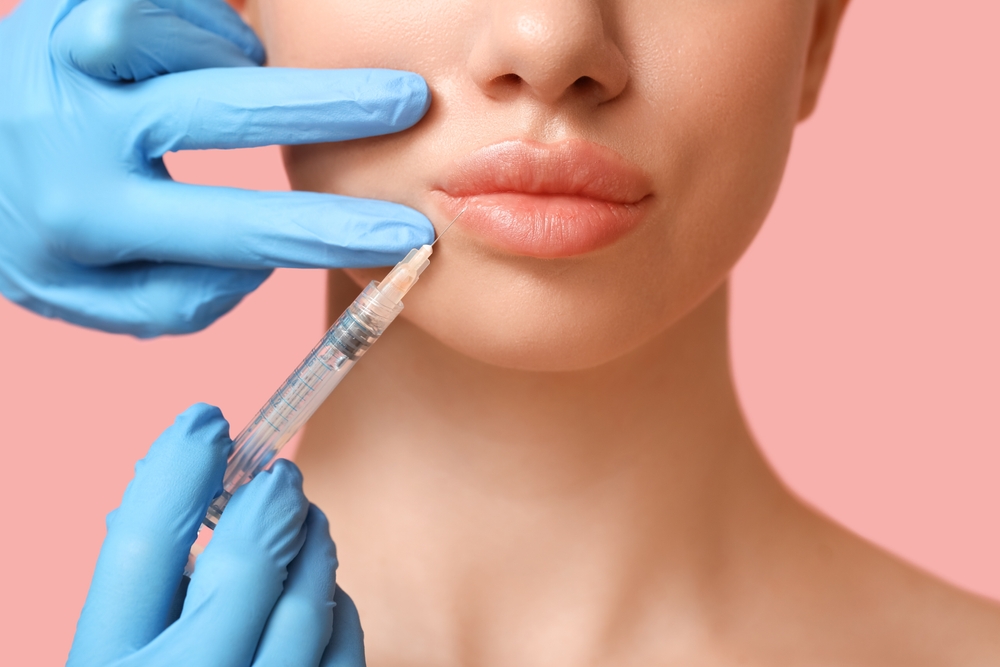
No. The hyaluronic acid fillers used today fall under the category of temporary applications. The body breaks down and absorbs these substances over time. The average duration of effect varies between 6 to 18 months.
The topic of permanence is what patients are most curious about. People often ask the question, "Is lip filler permanent?" before the procedure. The answer is simple: Most modern fillers are temporary. Hyaluronic acid is a substance that the body is already familiar with. Therefore, the immune system does not react aggressively. However, the body gradually metabolizes hyaluronic acid. This process varies from person to person. In some patients, the filler dissolves in 6 months. In others, it can last 12 months or even 18 months.
Temporary fillers contain substances that can be absorbed by the body. Permanent fillers, on the other hand, contain permanent synthetic particles. Temporary fillers are much safer.
The biggest advantage of temporary fillers is their reversibility. The physician can correct unwanted results with the enzyme hyaluronidase. This option is not available with permanent fillers. Permanent fillers can lead to nodules, hardness, or deformity in the long term. For this reason, experts worldwide prefer temporary fillers. Especially hyaluronic acid fillers are the number one choice due to their safety profile.
Lip fillers typically maintain their effect for an average of 6 to 12 months. Some products can last up to 18 months. However, the lips are the most mobile area of the face. Therefore, the filler dissolves more quickly here.
Davis and colleagues compared different facial areas in a prospective study conducted in 2025. The researchers found that the volume retention in the lips was 37% over a 12-week period. In the mid-face, this rate increased to 79%. This data shows that the lips are the most challenging area for fillers (Davis 2025). The table below shows the average permanence of different types of fillers:
Type of Filler | Average Permanence | Field of Use |
Hyaluronic acid fillers | 6 – 18 months | Lip volume and contour |
Collagen-based fillers | 3 – 6 months | Fine line correction |
Polylactic acid fillers | 18 – 24 months | Facial volume (less preferred for lips) |
Calcium hydroxylapatite fillers | 12 – 18 months | Bony facial contours |
Polymethyl methacrylate fillers | Several years | Deep wrinkles (risky for lips) |
The duration of lip filler depends on many factors. The product used, the amount injected, the technique of the physician, the individual's metabolism, and lifestyle determine this duration.
Each patient is unique. Therefore, even if the same filler is applied to two people, the results can vary. In some patients, the filler lasts 9 months. In others, it dissolves in 4 months. To understand these differences, it is necessary to examine the factors one by one.
High cross-linked hyaluronic acid fillers last longer. Soft and less cross-linked fillers dissolve more quickly. The physician makes this choice according to the patient's preference.
Cross-linking refers to the degree to which hyaluronic acid chains interlock. More interlocking means a more resilient gel. However, very dense fillers can feel hard on the lips. Therefore, medium-density fillers are ideal for lips. The physician considers both longevity and naturalness when selecting a product.
Individuals with a fast metabolism break down the filler more quickly. In athletes and physically active individuals, this process occurs faster. In older individuals, the metabolism slows down, so the filler lasts longer.
Metabolism rate indicates how quickly the body clears foreign substances. The bodies of young and active individuals dissolve the filler more aggressively. Additionally, the lip muscles are constantly in motion. Talking, eating, and laughing engage these muscles. This mechanical movement accelerates the dissolution of the filler. Davis and colleagues demonstrated in their 2025 publication that age, smoking, and body mass index affect volume retention (Davis 2025).
Smoking, alcohol, intense exercise, and sun exposure shorten the lifespan of the filler. Individuals who eat healthily and drink plenty of water maintain the filler’s vitality for a longer time.
In smokers, the vascular structure deteriorates. This situation decreases skin quality. Additionally, repetitive lip movements while smoking accelerate the dispersion of the filler. Alcohol causes edema in the body. This can trigger the dissolution of the filler. Ultraviolet rays from the sun can break down hyaluronic acid. Therefore, using a sun-protective lip balm is important.
Yes, permanent fillers are technologically available. However, experts rarely prefer them. Permanent fillers carry serious risks.
In the past, silicone oil injections and some synthetic fillers were common. However, after many years, these substances caused serious problems. They formed hard capsules around the body. Some patients experienced inflammation, pain, and deformity. These experiences led the aesthetic world to focus on temporary fillers.
Permanent fillers cannot be absorbed by the body. They can shift over time. Hard nodules can form around them. Correction procedures are very difficult.
Once a permanent filler is placed, removing it is almost impossible. Surgical intervention may be necessary. However, surgery can leave scars in sensitive areas like the lips. Additionally, permanent fillers can restrict facial expression. Natural lip movements do not remain under a rigid structure. This creates both aesthetic and functional issues.
Hyaluronic acid is safe. It can be dissolved with the enzyme hyaluronidase when the physician wishes. The results look natural. The risk of side effects is low.
The biggest advantage of hyaluronic acid fillers is that they are reversible. If the patient does not like the result, the physician can make corrections. In cases of overfilling, asymmetry, or lumpiness, an injection of hyaluronidase is sufficient. Kroumpouzos and Treacy thoroughly examined the safety profile and dosing protocols of hyaluronidase in 2024. Researchers proved that this enzyme is effective even in emergency complications (Kroumpouzos 2024). This flexibility makes hyaluronic acid fillers the gold standard.
The patient must have a detailed discussion with the physician before the procedure. The physician examines the lip structure. The physician understands the expectations. Then, a personalized plan is created.
A good consultation is half the success. The patient should express their concerns clearly during this discussion. The physician should also show the anatomical boundaries of the lips. This way, realistic expectations are formed. A photograph is taken to record the previous state. This record is important for later comparisons.
The patient should ask the physician the following questions: Which filler brand will you use? How long will the results last? What are the possible side effects? Can you dissolve the filler if necessary? The physician should also inquire about the patient's medical history.
During the consultation, the physician examines the allergy history. Previous aesthetic procedures are questioned. The use of blood-thinning medications is learned. A history of cold sores is important. Because lip filler applications can trigger the herpes virus. In this case, the physician can prescribe preventive medication.
The patient should avoid blood-thinning medications before the procedure. They should not consume alcohol. Aspirin, ibuprofen, fish oil, and some herbal supplements increase bleeding.
The table below summarizes the substances to be avoided before the procedure:
Substance to Avoid | Why is it risky? | When should it be stopped? |
Aspirin | It thins the blood, increases bruising | 1 week prior |
Ibuprofen | Increases the risk of bleeding | 1 week ago |
Alcohol | Increases the risk of swelling and bruising | 48 hours ago |
Fish oil | Has a blood-thinning effect | 1 week ago |
Ginkgo biloba | Can increase bleeding | 1 week ago |
Additionally, if the patient has an active lip infection, the procedure should be postponed. Injections should not be performed if there are sores, eczema, or herpes on the lip. The physician is sensitive about this matter.
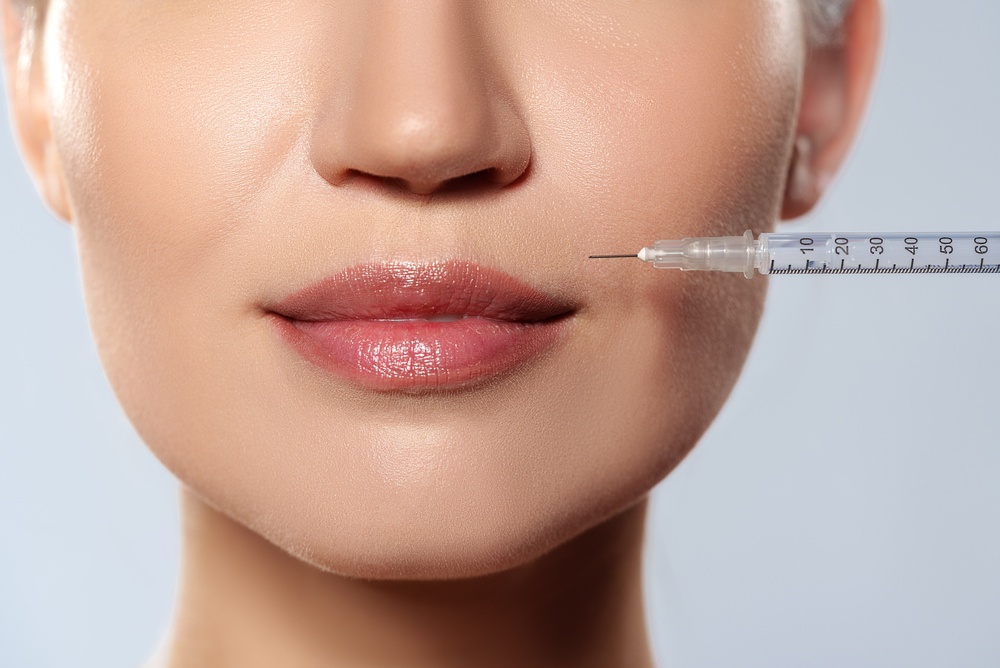
The physician first examines the lips. Then, they mark the areas. A local anesthetic cream is applied. The filler is injected using a needle or microcannula. Final checks are performed.
The procedure takes place in a clinical environment. Hygiene rules are strictly followed. The physician wears sterile gloves and a mask. The filler material is opened with a single-use syringe. This minimizes the risk of infection.
The physician works step by step as follows:
Analysis and marking: The physician measures the lips. Identifies symmetry points. Marks the areas where excess filler will be applied.
Anesthesia: The physician applies anesthetic cream to the lips. Waits for 15-20 minutes. Some fillers contain local anesthetic. This minimizes the sensation of pain.
Injection: The doctor uses a very fine needle or microcannula. Filler is applied to the red area or border of the lips. The doctor applies a layering technique. This creates a natural softness.
Shaping: The doctor gently shapes the lips after the injection. This ensures that the filler is evenly distributed.
Final check: The doctor checks for symmetry. If necessary, small touch-ups are made.
Lip filler takes an average of 15 to 30 minutes. Excluding the anesthesia time, the injection itself is completed within 10-15 minutes. The patient can get up immediately and see the result in the mirror.
The return to social life is very quick. However, there may be slight swelling in the first 24-48 hours. Therefore, it is wise to have the procedure done at least 3-4 days before an important meeting or event. The patient can go directly home after the procedure. There are no restrictions on driving.
On the first day, there is noticeable swelling, slight bruising, and sensitivity in the lips. This is completely normal. The lips may appear slightly larger than expected.
The patient should not panic. Because these early signs are temporary. Since hyaluronic acid draws water, swelling is intense in the first hours. Additionally, small bleeding at the injection sites can cause bruising. These bruises fade within 3-7 days.
Swelling usually peaks within 2-3 days. Then it decreases rapidly. Mild edema can last for a week. The final shape settles in 10-14 days.
The table below shows the recovery timeline:
Day | Expected Condition |
Day 1 | Mild swelling, redness, sensitivity |
Days 2-3 | Swelling peaks, bruising becomes noticeable |
Days 4-5 | Swelling starts to decrease, bruising fades |
Days 6-7 | Lips soften, shape becomes defined |
Day 10-14 | Final result is visible |
Davis and colleagues emphasized in their 2025 study that the two-week period is a reference time for "final clinical volume" (Davis 2025). Therefore, patients should not mistake early swelling for the final result.
The first 48 hours are critical. The patient should not touch their lips. They should not use a straw. They should avoid intense exercise. They should not consume alcohol. They should drink plenty of water.
Proper care accelerates healing and extends the longevity of the filler. The patient must strictly follow the instructions given by the physician. A small negligence can lead to infection or early dissolution.
The patient should adhere to the following rules:
Do not apply pressure to the lips. Do not sleep face down on the pillow.
Do not drink using a straw. The sucking motion can shift the filler.
Avoid very hot food and drinks. Heat increases swelling.
Do not use makeup products. There is a risk of infection.
Be careful while brushing teeth. Hard brushing can cause trauma.
Additionally, the patient should stay away from heavy exercise, sauna, hammam, and steam baths for 1-2 weeks. High body temperature can accelerate the dispersion of the filler.
Cold compress is very effective. The patient can hold an ice pack around the lips. However, they should not apply ice directly to the lips. They should apply it for 10 minutes and then take a 10-minute break. Sleeping with the head elevated facilitates the reduction of swelling. Drinking plenty of water supports the moisture-retaining properties of hyaluronic acid. Salty foods increase swelling. Therefore, it is beneficial to eat low-salt in the first few days.
On the first day, the lips may appear exaggerated. They return to their natural state after a week. The final shape emerges after two weeks.
Patients may worry at first glance that "it became too big." However, this is early swelling. Over time, the filler settles. It integrates fully with the tissues. The color tone evens out. The volume decreases to the desired level.
After two weeks, the lips settle completely. The swelling goes down completely. Symmetry becomes clear. The filler fully integrates with the tissue.
The physician schedules a follow-up appointment during this period. If necessary, minor touch-ups are planned. Sometimes there may be a slight deficiency on one side. The physician can address this deficiency after 15 days. A gradual filler approach is always safer. The physician achieves a more natural result with two sessions instead of giving too much filler at once.
Most patients renew their fillers every 9 to 12 months. Some patients request touch-ups after 6 months. Some can wait up to 18 months.
It is more logical to renew the filler before it completely dissolves. This way, the lips do not remain thin at all. The doctor maintains the volume by adding extra filler. This gradual approach ensures that less product is used in the long term.
Over time, hyaluronic acid dissolves. The lips begin to return to their old thin state. Touch-ups soften this transition. Additionally, repeated fillers provide collagen stimulation.
Each renewal process makes the lip tissue a bit more organized. Skin quality improves. The lips stay more hydrated. In the first application, the body perceives the filler as a foreign substance. However, in repeated applications, the body gets accustomed. Therefore, the second and third fillers generally last longer.
Yes. Hyaluronic acid fillers dissolve with a special enzyme. The doctor injects this enzyme. The filler softens within 24-48 hours. The final result becomes clear in a week.
This feature is the greatest advantage of hyaluronic acid fillers. If the patient does not like the result or if complications arise, the doctor can intervene. However, the dissolution process is also a medical procedure. It should definitely not be done by an aesthetician or in a hair salon.
Hyaluronidase is a natural enzyme that breaks down hyaluronic acid. The doctor injects this enzyme into the area where the filler is located. The enzyme immediately starts to break down the gel structure.
Kroumpouzos and Treacy studied hyaluronidase doses in 2024. The researchers recommended using high doses in emergencies and low doses for simple corrections (Kroumpouzos 2024). Ashton and colleagues emphasized in 2021 that hyaluronidase can save lives in emergencies such as vascular occlusion. These experts proved that early intervention prevents tissue damage (Ashton 2021).
The doctor dissolves the filler in the following situations:
Excessive fullness and artificial appearance
Significant asymmetry
Displacement of the filler
Patient dissatisfaction
Infection or inflammation
Suspicion of vascular occlusion
Vascular occlusion is an emergency. In this case, the doctor immediately injects hyaluronidase. Additionally, heating, massage, and nitroglycerin can be applied. Beleznay and colleagues showed in 2021 that the use of cannulas reduces the risk of vascular occlusion compared to needles. This finding highlights the importance of technical choice (Beleznay 2021).
Lip fillers are generally safe. However, like any medical procedure, there are some risks. Common side effects are temporary. Serious complications are rare.
Patients should be aware of these risks before the procedure. The physician should also provide clear information on this matter. Most side effects resolve on their own within a week. However, if swelling persists, there is severe pain, or color changes occur, the physician should be consulted immediately.
The table below shows common side effects:
Side Effect | When Does It Resolve? | What Should Be Done? |
Swelling | 2-7 days | Cold compress |
Bruising | 3-7 days | Arnica cream |
Sensitivity | 2-3 days | Pain reliever |
Redness | 1-3 days | Doctor's check-up |
Feeling of hardness | 1-2 weeks | Gentle massage (consulting the physician) |
These symptoms are part of the normal healing process. The patient should not panic. However, if bruising lasts longer than 10 days or if swelling increases, the physician should be contacted.
Vascular occlusion is the most serious complication. In this case, there is a risk of tissue death or blindness. However, this complication is very rare. Choosing an experienced physician minimizes the risk.
Alam and colleagues reviewed the world literature in 2015. Researchers found that in most cases of blindness caused by fillers, the needle had entered the vessel (Alam 2015). Chen and colleagues explained the molecular mechanisms of vascular occlusion in 2022. This study demonstrated how hyaluronic acid particles progressed within the vessels (Chen 2022). Tobalem and colleagues created arterial occlusion in animal models in 2019. Researchers experimentally proved the effectiveness of hyaluronidase (Tobalem 2019).
To prevent vascular occlusion, the physician does the following:
Has an excellent knowledge of facial anatomy
Performs an aspiration test (checks if the needle is in the vessel or not)
Prefers cannulas (safer than needles)
Administers slow and controlled injections
Avoids high-risk areas
People ask many questions about lip fillers. Here are the most common questions and their answers:
No. Safe and commonly used hyaluronic acid fillers are temporary. Permanent fillers are risky and not recommended. Fat tissue transfer can be permanent, but the results are unpredictable.
The final result settles in 10 to 14 days. The swelling in the first days is not the final volume. The lips settle completely after two weeks.
Yes, generally. The body metabolizes foreign substances faster when encountering them for the first time. In second and subsequent applications, the filler usually lasts longer.
Yes. Hyaluronic acid fillers completely dissolve. The lips return to their original state. There is no sagging or distortion. In fact, in those who regularly get fillers, the lips may remain slightly better due to collagen increase.
Yes. The hyaluronidase procedure does not damage the lip tissue. The physician can inject new filler two weeks later. However, both dissolving and filling should not be done on the same day.
Yes, with the right physician and the right amount. Excessive filler creates an artificial appearance. The physician considers the principle of the "golden ratio." The upper lip should be two-thirds the size of the lower lip. This ratio preserves naturalness.
We can summarize what needs to be known about the permanence of lip fillers as follows:
Most lip fillers are not permanent. Temporary applications are safe.
The average duration of effect varies between 6 to 18 months.
Permanence depends on the type of product, the physician's technique, and personal factors.
Proper care and regular check-ups extend the results.
Hyaluronic acid fillers are reversible. This is a significant advantage.
Anyone seeking lip aesthetics should first find a certified physician. They should communicate openly with the physician. They should set realistic expectations. This way, both safe and satisfying results are achieved. Scientific data proves the safety of hyaluronic acid fillers. In the right hands, lip fillers yield successful results both aesthetically and functionally.
Alam, Murad, et al. "Avoiding and Treating Blindness from Fillers: A Review of the World Literature." Surgery, vol. 41, no. 4, 2015, pp. 383-95.
Ashton, Mark W., et al. "Guideline for the Management of Hyaluronic Acid Filler-Induced Vascular Occlusion." Journal of Clinical Aesthetic , vol. 14, no. 5, 2021, pp. E65-E72.
Beleznay, Katie, et al. "Rates of Vascular Occlusion Associated with Using Needles vs Cannulas for Filler Injection." JAMA , vol. 157, no. 2, 2021, pp. 174-80.
Chen, Ying, et al. "Bridging a Century-Old Problem: The Pathophysiology and Molecular Mechanisms of HA Filler-Induced Vascular Occlusion." Molecules, vol. 27, no. 15, 2022, p. 4792.
Davis, Hayley D., et al. "A Large Prospective Volumetric and Patient-Reported Outcome Analysis of Hyaluronic Acid Fillers to the Face." Plastic & Reconstructive Surgery, 2025, doi:10.1097/prs.0000000000012135.
Kroumpouzos, Georgios, and Patrick Treacy. "Hyaluronidase for Dermal Filler Complications: Review of Applications and Dosage Recommendations." Journal of Clinical Aesthetic , 2024.
Loh, Kyung T., et al. "Prevention and Management of Vision Loss Relating to Facial Filler Injections." Singapore Medical Journal, vol. 57, no. 8, 2016, pp. 438-43.
Park, Kyung H., et al. "Iatrogenic Occlusion of the Ophthalmic Artery after Cosmetic Facial Filler Injections: A National Survey by the Korean Retina Society." JAMA Ophthalmology, vol. 132, no. 6, 2014, pp. 714-23.
Tobalem, Sylvain, et al. "Experimentally Induced Arterial Embolism by Hyaluronic Acid Injection: Clinicopathologic Observations and Treatment." Plastic and Reconstructive Surgery, vol. 143, no. 3, 2019, pp. 715-22.
Wang, Hao C., et al. "Cerebral Embolism as a Result of Facial Filler Injections: A Literature Review." Aesthetic Surgery Journal, vol. 42, no. 3, 2022, pp. 162-75.
Xu, Xun, et al. "Efficacy of Intra-Arterial Thrombolytic Therapy for Vision Loss Resulting from Hyaluronic Acid Filler Embolization." Journal of Cosmetic , vol. 20, no. 10, 2021, pp. 3205-12.

Fat tissue transfer
Variable |
Permanent but unpredictable |
Has blood-thinning properties |
1 week ago |