Yükleniyor…
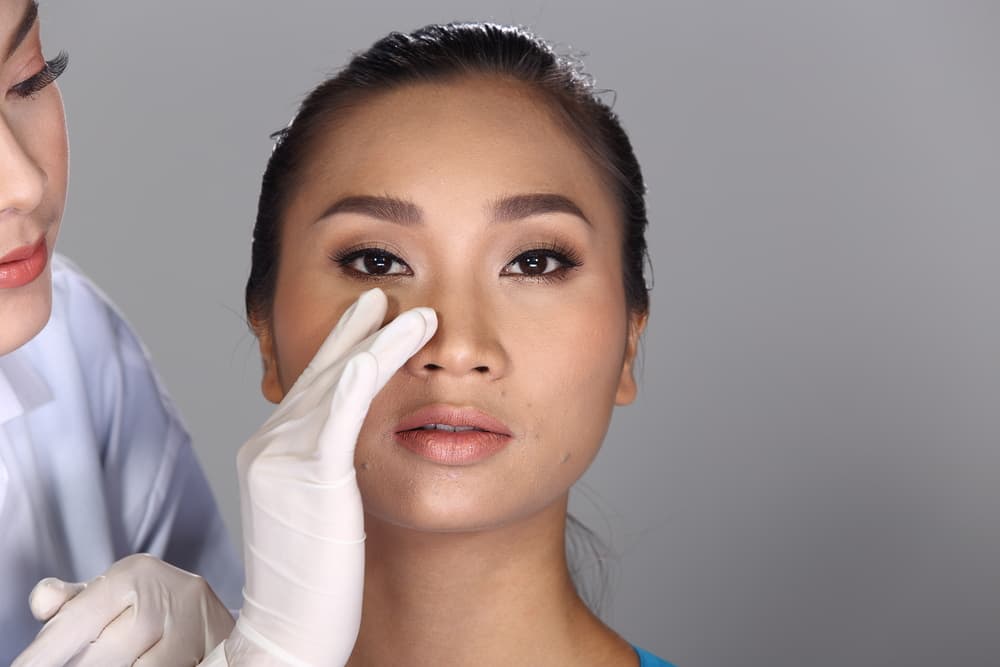
Under-eye light filler risks vary for each patient. Expert physicians significantly reduce these risks through proper patient selection and safe techniques. The article details the side effects of under-eye fillers, serious complications, pre-treatment precautions, and post-treatment care steps.
Under-eye aesthetics play an important role in facial rejuvenation. The under-eye hollows and dark circles can make a person look tired and older. Light filler applications have become very popular in recent years. This method provides quick results without the need for surgical intervention. However, like any aesthetic procedure, there are various risks associated with under-eye fillers. The success of the treatment depends on proper patient selection and the expertise of the practitioner. Patients should make informed decisions. The physician must provide detailed information. This article offers comprehensive information on the safety of under-eye filler applications. Researchers emphasize the anatomical sensitivity of the under-eye area (Baytaroğlu and Hacıoğlu 2025).
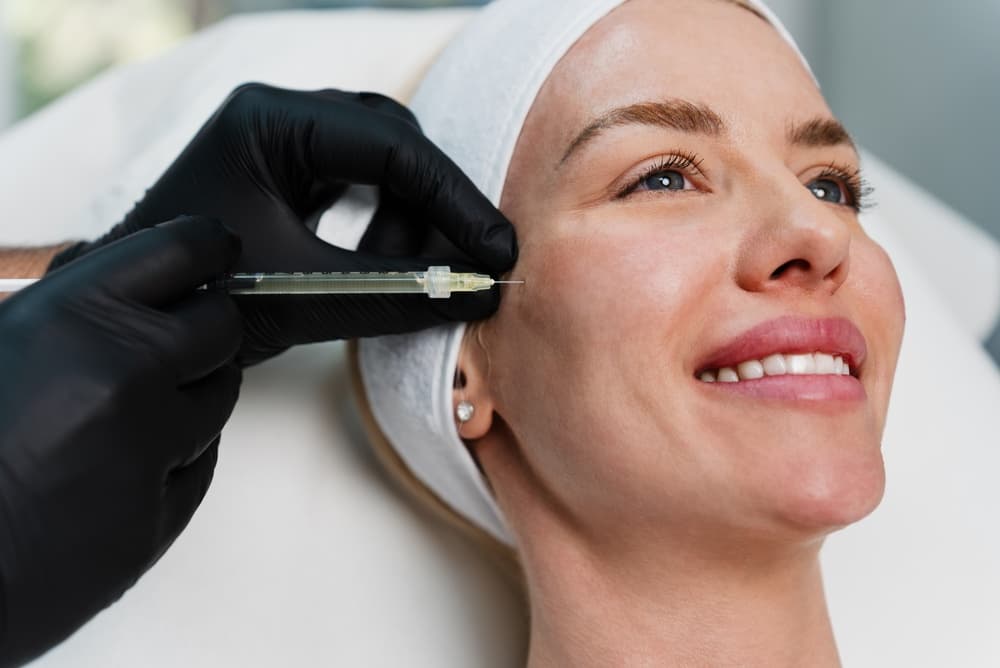
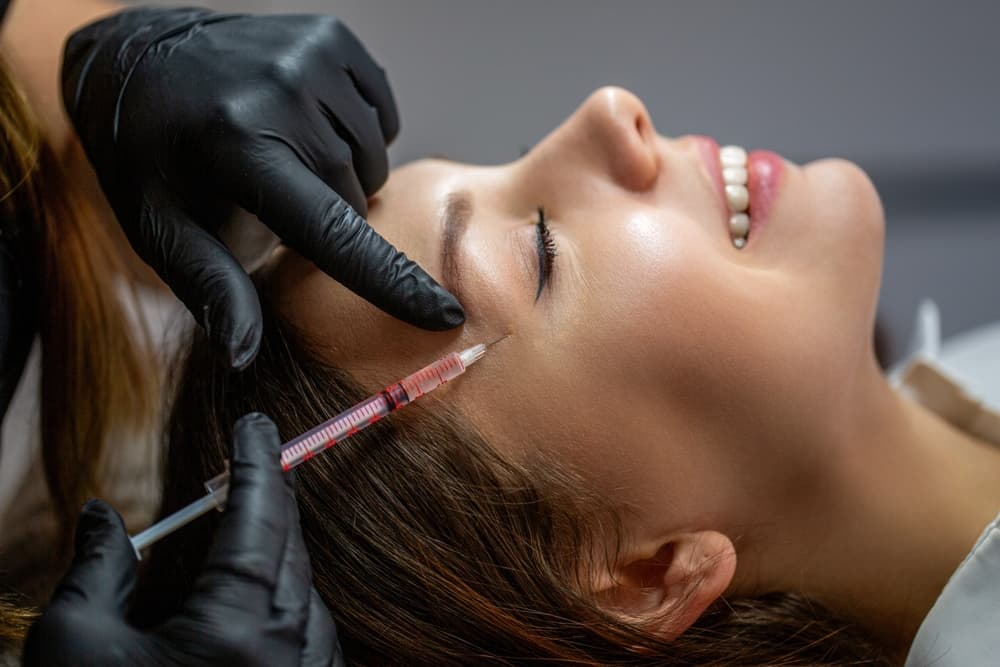
Under-eye light filler is the injection of filler substances containing hyaluronic acid into the under-eye hollow. This procedure compensates for volume loss under the eyes, thereby reducing the appearance of dark circles and hollowness.
Filler applications in under-eye aesthetics are an effective tool for facial rejuvenation. Physicians prefer this method because the procedure is quick. Results are visible immediately. Patients can quickly return to their daily lives. However, not every patient is suitable for this procedure. Experts first evaluate the patient's anatomical structure and then create a treatment plan. This section explains the working principle of the filler and the substances used.
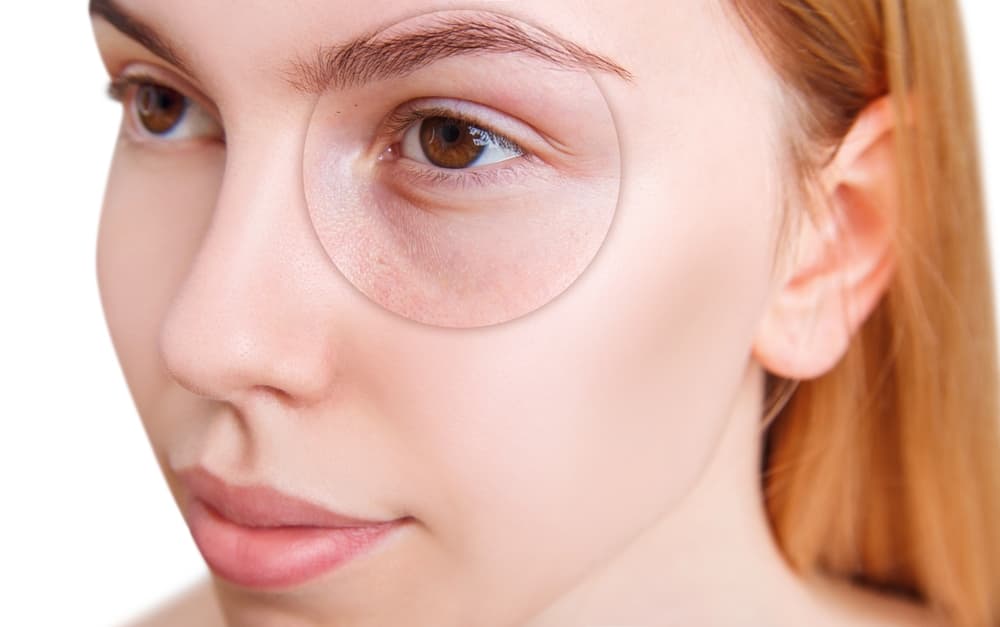
The under-eye hollow is an area where subcutaneous fat tissue is reduced. This area is also known as the tear trough. The skin here is very thin, and the muscle structure is delicate. The orbicularis oculi muscle surrounds the eye area. Beneath this muscle, there are layers of fat. The reduction of fat deepens the hollowness. Additionally, the vascular network in this area is very dense. The supratrochlear artery, supraorbital artery, and infraorbital artery circulate in this region. These vessels supply blood to the eye area. Lymphatic drainage is also important in this area. Drainage disorders can cause edema. The physician must have a good understanding of this anatomy, as incorrect injections can lead to serious problems. Researchers note that the vascular connections in the under-eye area increase the risk of vision loss (Baytaroğlu and Hacıoğlu 2025).
Light filler utilizes the water retention capacity of hyaluronic acid molecules. Hyaluronic acid is naturally found in the body. This substance binds to water molecules, thus providing volume increase. Once the filler substance is placed under the skin, it absorbs moisture. This hydration smooths the skin. Additionally, hyaluronic acid stimulates fibroblasts. Fibroblasts produce collagen. New collagen increases the skin's elasticity. The light reflection also improves. Therefore, under-eye dark circles decrease. The physician selects the right product with this principle in mind, as each filler has a different water retention capacity.
Hyaluronic acid-based fillers are the most preferred products for the under-eye area. Cross-linked hyaluronic acid gels last longer. Low-density products are more suitable for under the eyes because they spread into the soft tissue. High-density fillers remain firm, which can cause lumpiness under the eyes. Physicians prefer fillers with a low G prime value. G prime indicates the firmness of the filler. Additionally, products with low water absorption properties reduce the risk of swelling. There are also products that contain non-cross-linked hyaluronic acid, but these dissolve more quickly. Experts select products based on the patient's age and skin type. Goldberg and colleagues evaluated the Restylane product in the under-eye area in 2006. This study supports the safety of hyaluronic acid fillers (Goldberg et al. 2006).
Under-eye filler is a safe procedure when performed under the right conditions. However, this safety is ensured by an expert physician and appropriate patient selection. Not every patient carries the same risk.
In general, hyaluronic acid fillers are considered safe because this substance is naturally found in the body. Additionally, the enzyme hyaluronidase can dissolve the filler. This reversibility provides a safety advantage. However, the under-eye area is one of the most sensitive parts of the face. Therefore, the risk of complications is higher compared to other areas. Physicians can manage this risk, but patients must also be aware. This section explains the general safety profile and regulatory warnings.
Hyaluronic acid fillers have been used for over a decade. Millions of patients have received this treatment. The rate of serious complications is very low. However, mild side effects are common. Swelling, bruising, and redness are frequently observed. These side effects usually resolve within a few days. Physicians inform patients in advance. Additionally, analgesic creams before the procedure reduce pain. Sterile techniques lower the risk of infection. Experts perform this procedure in a clinical setting because fillers applied at home or in beauty salons carry significant risks. Baytaroğlu and Hacıoğlu emphasize in their 2025 review that hyaluronic acid fillers are generally safe but require special attention in the periorbital area (Baytaroğlu and Hacıoğlu 2025).
The American Food and Drug Administration marks the under-eye area as a high-risk area. Many filler products do not have approval for use around the eyes. The European Medicines Agency also issues similar warnings. These agencies call on physicians to be cautious. They also request information regarding the off-label use of filler products. Off-label use refers to usage outside of approved indications. Physicians must explain this situation to the patient. The patient must provide informed consent. In Turkey, the Ministry of Health regulates aesthetic procedures. Clinics must obtain a license. Practitioners must be physicians. These regulations protect patient safety.
The under-eye area is sensitive for three main reasons. The first reason is the thin structure of the skin, which is only 0.5 millimeters thick here. The second reason is the dense network of blood vessels that nourish the eye and connect to the brain and face. The third reason is the importance of lymphatic drainage, as the under-eye area relies on lymph circulation. If the filler blocks lymph flow, swelling can occur, which may last a long time. The physician must consider this anatomical structure because superficial injections can lead to the Tyndall effect, while deep injections carry the risk of vascular injury. Balancing this requires expertise.
The most commonly observed side effects after under-eye filler are swelling, bruising, and redness. These side effects are usually mild and temporary. The patient should not be concerned.
Doctors explain these side effects to the patient in advance. Because an informed patient does not panic. Most side effects are part of the normal healing process. However, if some side effects persist for a long time, they may turn into complications. The patient should be aware of this distinction. This section examines each side effect individually. It also explains the normal healing process.
Swelling is seen in almost every patient after injection. Hyaluronic acid draws water. This water retention property is the function of the filler. However, this situation becomes apparent in the first few days. Swelling usually decreases within 48 hours. In some patients, edema lasts for a week. Edema is particularly noticeable in the mornings. This is because the lying position causes fluid accumulation. The patient should sleep with their head elevated. A cold compress reduces swelling. Researchers report that in most cases, swelling after under-eye filler resolves within 2 to 7 days (Baytaroğlu and Hacıoğlu 2025).
Bruising results from damage to blood vessels during injection. The under-eye vessels are superficial and fragile. The needle or cannula may touch a blood vessel. This contact causes bruising. Sensitivity in the injection area is also normal. The patient feels slight pain when touching this area. Bruising usually turns yellow within 3 to 10 days. Then it disappears. The doctor increases the risk of bruising in patients using blood thinners. Therefore, the medication history before the procedure is important. Goldberg and colleagues reported a bruising rate of 27% in their study conducted in 2006 (Goldberg et al. 2006).
Redness appears immediately after injection. The skin reacts to the needle entry. This reaction is called erythema. Erythema usually resolves within 24 to 72 hours. Some patients may experience mild itching. This itching could be a sign of an allergic reaction. However, hyaluronic acid allergy is rare. Because this substance is naturally present in the body. Allergies usually develop against stabilizers in the product. The doctor should distinguish this situation. Because infection and allergy require different treatments.
The patient feels a slight sting during injection. This sensation is reduced with local anesthetic creams. There may be tension for a few hours after the procedure. This sensation occurs as the filler spreads into the tissue. Pain is usually mild. The patient may take paracetamol. However, aspirin is not recommended by the doctor because it thins the blood. The feeling of tension lasts for 2 to 3 days. Then the skin adapts to the filler. The patient should not squint during this process. Because squinting may cause the filler to shift.
Most side effects are the body's healing response. The needle entry is a tiny wound. The body tries to repair this wound. During this repair, swelling, redness, and increased temperature occur. These symptoms are signs of inflammation. Inflammation is the first stage of healing. The patient should not be concerned when they see these symptoms. However, if the symptoms persist for more than a week, the doctor should be contacted. Because prolonged inflammation may be a sign of infection. Experts explain the normal healing process to the patient in advance. This information increases patient satisfaction.
Under-eye filler can cause complications in some patients. These complications can be mild. However, some complications can lead to serious issues. The physician must recognize these complications.
Complications usually arise from technical errors or incorrect patient selection. Superficial injection causes a blue discoloration. Overfilling leads to lumpiness. Incorrect planning creates asymmetry. This section explains each complication in detail. It also examines the causes of these complications.
The Tyndall effect results from the filler being placed too superficially. Hyaluronic acid gel refracts light. This refraction creates a blue-gray appearance. This effect is particularly pronounced in patients with fair skin. Because veins are more visible in lighter skin. When the skin is thin, light reflection increases. The physician should perform deep injections to prevent this complication. The periosteal level or submuscular plane is preferred. Additionally, a very small amount of filler should be used. Large volumes increase light refraction. The Tyndall effect can be corrected with hyaluronidase. Specialists inject this enzyme. The enzyme dissolves the filler. The color returns to normal. Researchers show that the Tyndall effect is associated with skin thickness and superficial injection (Baytaroğlu and Hacıoğlu 2025).
Incorrect placement of the filler causes lumpiness. If the physician does not ensure even distribution, the skin appears irregular. Additionally, in patients with insufficient tissue support, the filler accumulates. Because loose tissue cannot hold the filler. High-density fillers also increase the risk of lumpiness. The physician chooses low-viscosity products to prevent this situation. They also use the micro-droplet technique. This technique distributes small volumes. Massage also helps the filler spread. However, excessive massage can cause the filler to shift. Lumpiness is dissolved with hyaluronidase. The physician injects the enzyme into the center of the lump.
The human face is not perfectly symmetrical. However, asymmetry can become more pronounced after filler application. The physician should administer equal amounts of filler to both sides. But anatomical differences complicate even distribution. For example, one under-eye hollow may be deeper. In this case, the physician may use different volumes. However, the patient must understand this difference. Otherwise, dissatisfaction may arise. To correct asymmetry, the physician adds filler to the deficient side. They apply hyaluronidase to the excess side. These corrections require experience.
In some patients, swelling lasts longer than 4 weeks. This condition is referred to as persistent edema. Persistent edema results from the filler blocking lymphatic drainage. Additionally, the water-retaining property of hyaluronic acid plays a role. Fillers with high water retention capacity increase this risk. The patient feels swelling in the mornings. This swelling may decrease throughout the day. But it recurs every morning. The baggy appearance develops similarly. The filler accumulates above the malar septum. This accumulation gives a baggy appearance under the eyes. To prevent this complication, the physician injects into a deeper plane. They also prefer low-volume fillers. Shah-Desai and Joganathan showed in 2021 that low-density fillers reduce the risk of lumpiness (Shah-Desai and Joganathan 2021).
Filler can migrate to other areas over time. This phenomenon is called migration. Migration results from excessive filler volume. Additionally, strong massage and muscle movements can push the filler. The muscles under the eyes are constantly active. Blinking, smiling, or squinting can move the filler. The patient should avoid touching their face during the first week after the procedure. They should also refrain from applying makeup. This is because makeup removal actions can displace the filler. Migration is a significant risk among under-eye filler complications. The physician applies a small amount of filler to reduce this risk. They plan a gradual treatment.
Chronic swelling is prolonged and recurring edema. This condition lasts longer than 6 months. The cause of chronic swelling is the slow absorption of the filler. Additionally, the immune system may react to the filler. This reaction can lead to the formation of granulomas. A granuloma is like a small mass in the tissue. The physician dissolves granulomas with hyaluronidase. However, some granulomas may be resistant. In this case, oral corticosteroids are required. Surgical removal is performed rarely. The patient should be aware of this risk. Because chronic swelling affects social life.
Under-eye fillers carry serious risks, albeit rarely. These risks include vision loss, tissue death, and infection. The physician must take these risks seriously.
Most serious risks are associated with vascular injury. The blood vessels around the eyes connect directly to the brain and the eye. Therefore, filler injected here can migrate to other areas. This migration can lead to serious problems. The physician must have knowledge of emergency interventions. This section examines each serious risk in detail.
Vascular occlusion is referred to as vascular occlusion. If the physician enters a blood vessel during injection, the filler can block the vessel. This blockage stops blood flow. The tissue becomes deprived of oxygen. In the under-eye area, the infraorbital artery, supratrochlear artery, and angular artery are at risk. These vessels connect to the ophthalmic artery. The filler can reach the eye using these connections. Early signs include whiteness on the skin, severe pain, and increased warmth. Upon noticing these symptoms, the physician should immediately inject hyaluronidase. Researchers emphasize that recognizing the signs of vascular occlusion instantly is vital (Baytaroğlu and Hacıoğlu 2025).
If vascular occlusion persists, the tissue becomes deprived of oxygen. This condition is called ischemia. If ischemia lasts too long, the tissue dies. This death is known as necrosis. Necrosis creates black spots on the skin. These spots can leave permanent scars. The physician must act quickly to prevent necrosis. A warm compress increases blood flow. Aspiration draws the filler out. Nitroglycerin cream dilates the vessels. However, these interventions must be performed within 4 hours. Otherwise, the tissue cannot be saved. Kroumpouzos states in a review conducted in 2024 that a high-dose hyaluronidase protocol is essential in vascular complications (Kroumpouzos 2024).
Vision loss is the most frightening complication of under-eye fillers. However, this risk is very rare. Between 2015 and 2018, 60 cases were reported in the literature. Only one of these cases was related to under-eye injections. This means the risk is less than one in a thousand. However, even if the risk is low, the consequences can be severe. The filler can enter the ophthalmic artery. It then blocks the retinal artery. The retina becomes deprived of oxygen. The patient suddenly cannot see. This condition requires emergency intervention. The physician injects a high dose of hyaluronidase. Retrobulbar injection is controversial. Xiao and colleagues systematically examined the effectiveness of hyaluronidase in vision loss in 2024. This study highlights the importance of early intervention (Xiao et al. 2024). Fakih-Gomez and colleagues assessed the challenges of retrobulbar hyaluronidase in 2025 (Fakih-Gomez et al. 2025).
Infection is theoretically possible with every injection procedure. However, infections in the under-eye area are rare. This is because this area has rich blood circulation. This richness prevents infection. But if aseptic technique rules are not followed, bacteria can enter. Staphylococcus and streptococcus are the most commonly seen microbes. Symptoms of infection include redness, increased temperature, pain, and pus. The physician treats the infection with antibiotics. Additionally, hyaluronidase dissolves the filler, eliminating the bacterial nest. However, in inflammatory nodules, hyaluronidase should first be used with oral antibiotics. Kroumpouzos and Treacy detailed these treatment protocols in 2024 (Kroumpouzos and Treacy 2024).
A granuloma is a tissue's response to a foreign substance. Hyaluronic acid is naturally found in the body. However, cross-linked gels can be perceived as foreign. This perception stimulates immune cells. Macrophages form a wall around the filler. This wall is a granuloma. Granulomas can appear months or even years later. The patient feels a hard mass in this area. The physician first images the granuloma with ultrasound. Then hyaluronidase is injected. Large granulomas are surgically removed. Chronic immune reactions, though rare, can occur. But the patient should be aware of this risk.
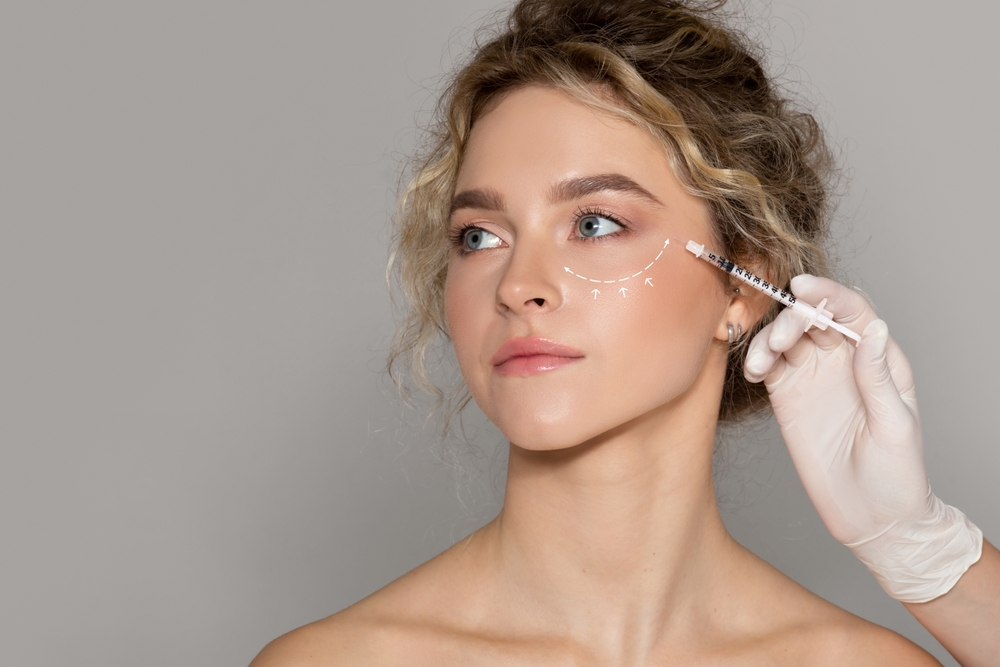
Not every patient is suitable for under-eye fillers. Physicians may refuse this procedure in certain cases. This is because improper patient selection increases the risk of complications.
Proper patient selection is half of the treatment success. Specialists thoroughly examine each patient. Certain anatomical and systemic conditions create contraindications. This section explains these conditions one by one. If the patient sees themselves in one of these groups, they should consult a physician.
Under-eye bags are caused by the excessive protrusion of adipose tissue. Fillers add volume. However, the bag already arises from excess tissue. The filler further accentuates the bag. This situation does not please the patient. The patient appears more puffy. Therefore, the physician does not recommend fillers for patients with prominent bags. Instead, they suggest lower eyelid aesthetics. Surgical methods remove excess fat. Or they reposition the fat. This procedure resolves the bag problem.
Skin laxity is common in older patients. Loose skin cannot hold fillers. The filler sags and clumps. Additionally, loose skin distorts light reflection. The risk of the Tyndall effect increases. The physician recommends skin tightening methods instead of fillers for these patients. Laser and radiofrequency stimulate collagen in the skin. These methods tighten the skin. Then fillers can be considered. However, fillers alone are insufficient for these patients.
Fillers are never injected into an area with an active infection. An infection is characterized by redness, pus, or sores on the skin. In this case, bacteria can enter deep tissues along with the filler. Then the infection spreads. The physician first treats the infection. Then plans for fillers. Caution is also required for patients with the herpes simplex virus. If the virus is not active, there is no problem. But if the virus is active, fillers are not applied. Because the injection can activate the virus.
Uncontrolled diabetes, autoimmune diseases, and blood clotting disorders pose risks. The risk of infection increases in diabetic patients. Because high sugar supports bacterial growth. In autoimmune diseases, the immune system may overreact to fillers. Patients using blood thinners have an increased risk of bruising. Additionally, in cases of vascular obstruction, controlling bleeding becomes difficult. The physician first refers these patients to an internist. After the disease is brought under control, fillers can be considered.
The safety of fillers during pregnancy and breastfeeding has not been proven. Manufacturers do not perform procedures during this period. Because it is unknown whether hyaluronic acid passes to the baby. The physician does not recommend fillers for patients during this period. The patient should wait. Treatment is postponed until breastfeeding is completed. Additionally, hormonal changes during pregnancy increase edema. This edema worsens swelling after fillers. The physician explains these reasons to the patient.
Pre-procedure precautions reduce the risk of complications. The physician and patient prepare together. This preparation should be both physical and psychological.
The list of considerations before under-eye fillers is long. The physician checks each item one by one. The patient also follows the instructions. This cooperation leads to success. This section details the preparatory steps before the procedure.
The physician first takes the patient's medical history. Questions about heart disease, blood pressure, and allergies are asked. Previous aesthetic procedures are also recorded. The physician physically examines the under-eye area. Skin thickness, presence of bags, and depth of hollows are noted. The physician also requests an eye examination. Because eye health is a prerequisite for aesthetic procedures. This evaluation takes 15 to 30 minutes. The patient should patiently endure this time. Because a detailed evaluation increases safety.
Patient expectations must be realistic. The doctor explains to the patient what to expect. Filler closes hollows. But it does not completely eliminate wrinkles. Additionally, the filler is not permanent. It should be repeated after 6 to 15 months. The patient should be aware of this duration. Otherwise, dissatisfaction may occur. The doctor shows before and after photos. These photos shape the patient's expectations. Open communication between the patient and the doctor is essential.
The patient should inform the doctor about all medications they are taking. Blood thinners increase the risk of bruising. Aspirin, warfarin, and rivaroxaban are in this group. Additionally, herbal supplements also thin the blood. Garlic, ginkgo biloba, and fish oil are on this list. The doctor stops the use of these products 1 week in advance. But blood-thinning medications are adjusted with cardiologist approval. The patient should never stop medication on their own. Because this can pose a life-threatening risk.
Blood thinners prolong the clotting time. This prolongation causes bleeding at the injection site. Bruising is severe and lasts long. Additionally, in cases of vascular blockage, controlling bleeding becomes difficult. The doctor balances this risk. Because stopping blood thinners can increase the risk of heart attack. The doctor consults with the cardiologist. Then a joint decision is made. Generally, low-dose aspirin can be stopped for the procedure. But strong anticoagulants are not stopped. In this case, the doctor makes their technical choice accordingly.
The doctor takes standard photos before the procedure. These photos are standardized in terms of light, angle, and distance. The before photo serves as a reference for both the doctor and the patient. Additionally, the doctor conducts an anatomical analysis. The depth of the under-eye hollow is measured. A vascular map is created. Some clinics use ultrasound. Ultrasound shows the location of the vessels. This imaging increases the safety of the injection. The patient should know that these analyses are for their safety.
The choice of practitioner determines the outcome of the treatment. An experienced doctor reduces the risk of complications. Additionally, when complications arise, they intervene immediately.
Under-eye filler may seem like a simple procedure. But it actually requires complex anatomical knowledge. The doctor must be well-versed in the vessels, muscles, and nerves around the eyes. They should also know what to do in emergencies. This section explains what to pay attention to when choosing a doctor.
The area around the eyes is one of the most complex regions of the face. The doctor must know the course of the infraorbital artery, supratrochlear artery, and angular artery. The thickness and course of the orbicularis oculi muscle are also important. Lymphatic drainage pathways should also be known. If the doctor knows this anatomy, they can make the right plan. Deep injections at the periosteal level are safe. Superficial injections are risky. Practitioners without anatomical knowledge cannot establish this balance. Therefore, the patient should seek a certified doctor.
An experienced physician immediately recognizes the symptoms of complications. In vascular occlusion, the skin turns white. As soon as the physician sees this whiteness, they inject hyaluronidase. Additionally, the experienced physician knows the correct dosage. For the Tyndall effect, 10 to 75 IU of hyaluronidase is sufficient. However, in vascular occlusion, 450 to 1500 IU is required. Kroumpouzos and Treacy detailed these dosage differences in 2024 (Kroumpouzos and Treacy 2024). The experienced physician also manages the patient's psychology. The physician calms the patient during a panic moment.
Filler applications should be performed in a medical environment. Beauty salons and homes are not suitable. Because sterilization conditions cannot be maintained in these places. Hygiene rules are applied in the clinic. Instruments should be either single-use or sterilized. The physician must wear gloves and a mask. Additionally, an emergency intervention kit should be readily available. This kit contains hyaluronidase, adrenaline, and oxygen. The patient should observe these standards. Because low standards increase the risk of infection.
Hyaluronidase is the enzyme that dissolves hyaluronic acid fillers. This enzyme saves lives in emergencies. The physician should stock hyaluronidase in the clinic. They should also know the dosage and storage conditions of the enzyme. Hyaluronidase is stored in the refrigerator. The expiration date is monitored. In an emergency, the physician immediately injects 300 to 1000 IU. Kroumpouzos advocated for a high-dose protocol in vascular complications in 2024 (Kroumpouzos 2024). The patient should ask about the presence of this enzyme when choosing a clinic. Because serious complications can be fatal in places without hyaluronidase.
Post-procedure care affects the results. The patient must strictly follow the physician's instructions. Otherwise, the risk of complications increases.
Post-care after under-eye filler is short-term but important. The first 48 hours are critical. The patient should limit their activities during this period. Additionally, sleeping position and cold compress are important. This section details the post-care steps.
The patient should not wear makeup in the first 24 hours after the procedure. Makeup products increase the risk of infection. Additionally, germs on the skin can enter through the pores. The patient should not touch this area. Hands carry bacteria. The patient should be gentle when washing their face. Rubbing harshly can displace the filler. The patient should also avoid alcohol consumption. Alcohol dilates blood vessels. This dilation increases bruising. The patient should drink plenty of water. Water flushes toxins from the body.
Cold compress reduces swelling and bruising. The patient applies ice wrapped in a clean cloth. This application lasts for 10 minutes. Then a 10-minute break is taken. This cycle is repeated throughout the day. The patient should keep their head elevated. Increasing the number of pillows helps. This position prevents fluid accumulation. Additionally, arnica cream is effective on bruising. The patient can use this cream with physician approval. Foods containing pineapple extract also reduce edema. Because these foods contain bromelain. Bromelain is a natural anti-inflammatory.
Hot environments dilate blood vessels. This dilation increases swelling. The patient should not exercise for the first week. Because exercise raises blood pressure. High pressure puts pressure on the vessels. This pressure worsens bruising. Sauna and steam baths are also prohibited. Excessive heat can accelerate the melting of the filler. Additionally, sweat carries bacteria. The patient should remain calm during this period. Light activities like walking are appropriate. But heavy lifting is prohibited.
Sleep position directly affects swelling. The patient should lie on their back. Lying on the stomach puts pressure on the filler. This pressure can shift the filler. Additionally, lying on the stomach accumulates edema around the eyes. The patient should use 2 to 3 pillows. Keeping the head elevated 30 degrees is ideal. This position supports lymph drainage. The patient wakes up less swollen in the mornings. This position should be maintained for the first week.
The physician schedules a follow-up appointment within 1 week after the procedure. In this follow-up, swelling, bruising, and filler distribution are evaluated. The physician makes corrections if necessary. Patient satisfaction is also measured. The second follow-up is done 1 month later. This follow-up looks for late complications. The patient should not skip these appointments. Because early diagnosis facilitates every complication. The physician also photographs the results. These photographs are added to the patient file.
The patient should consult the physician immediately upon noticing certain symptoms. Because early intervention can reverse the complication.
There are normal side effects after under-eye filler. But some symptoms require urgent intervention. The patient should distinguish these symptoms. This section explains the urgent symptoms and when to seek help.
Severe pain is an urgent symptom. Normal pain is mild. But severe and increasing pain may indicate vessel blockage. Sudden color change is also critical. If there is whiteness, bruising, or black spots on the skin, the physician should be contacted. Visual disturbances are the most urgent symptom. If the patient sees a curtain, haze, or darkness, they should call an ambulance. Progressive swelling is also dangerous. If swelling closes the eye, urgent intervention is needed. The patient should not panic upon seeing these symptoms. But they should reach the physician without delay.
The patient should consult a physician in the following situations: If swelling lasts longer than 1 week. If bruising continues for more than 10 days. If pain increases day by day. If there are changes in vision. If there is an increase in skin temperature and redness. If there is a feeling of lumpiness in the filler area. The patient should note these situations. Then they should contact the physician. Early consultation is always beneficial. Because delayed intervention can cause permanent damage.
The risks of under-eye filler cannot be completely eliminated. But specialists minimize these risks. The correct technique and proper patient selection are the keys to this minimization.
Doctors adopt a step-by-step approach. They also choose appropriate materials. The patient follows the recommendations. This collaboration brings the safest outcome. This section examines risk reduction strategies.
The doctor first evaluates the patient's anatomy. Patients with thin skin and fair complexion carry a higher risk. However, this is not a contraindication. The doctor is more cautious with these patients. Additionally, patient expectations are measured. Unrealistic expectations are rejected. The doctor also does not select psychologically unstable patients. Because these patients will not be satisfied with the results. The right patient selection has the greatest impact on the risks of under-eye fillers. Baytaroğlu and Hacıoğlu reported in 2025 that the correct patient selection reduced the complication rate by half (Baytaroğlu and Hacıoğlu 2025).
Not every filler is suitable for every area. Low G prime value fillers are preferred for under the eyes. These fillers are soft and fluid. They should also have low water retention properties. Because excess water causes swelling. The doctor checks these features when selecting the product. There are also products containing non-crosslinked hyaluronic acid. However, these products dissolve more quickly. The doctor selects the product according to the patient's age and skin type. This choice directly affects the outcome.
The doctor adjusts the injection technique according to the patient. The use of a cannula is safer than a needle. Because a cannula cannot damage blood vessels. The retrograde injection technique is preferred. In this technique, the filler is administered while being withdrawn. Additionally, injections are made in small amounts and deep planes. The doctor performs aspiration before each injection. Aspiration checks whether the needle is in a blood vessel. This check prevents vascular blockage. The doctor also performs slow injections. Fast injections push the filler into the vessels.
The doctor does not administer too much filler in a single session. Instead, a stepwise approach is used. A small amount of filler is injected in the first session. Then, a wait of 2 to 4 weeks occurs. This waiting allows the filler to settle. Then, the missing areas are completed. This approach prevents excessive filling. It also allows the patient to adapt to the filler. The patient makes a more relaxed decision upon seeing the result. The conservative approach is always safer. Because a small amount of filler can easily be corrected with hyaluronidase.
The doctor follows up with the patient after the procedure. This follow-up catches early complications. It also measures patient satisfaction. The patient should attend regular check-ups. Because late complications can arise months later. The doctor evaluates the distribution of the filler during these check-ups. If necessary, corrections are made. Additionally, the patient describes any new complaints. This communication increases safety. Diaspro and colleagues showed in 2022 that regular follow-up reduces the complication rate (Diaspro et al. 2022).
Not every patient is suitable for fillers. In some patients, alternative treatments yield better results. The doctor discusses these alternatives with the patient.
There are various alternatives for under-eye aesthetic treatments. Surgical methods provide permanent results. However, they are invasive. Non-invasive methods are safer. But their effects are temporary. The physician recommends the most suitable method based on the patient's profile. This section compares alternative treatments.
Lower eyelid aesthetics is referred to as blepharoplasty. Excess fat tissue is removed through surgical methods. Additionally, loose skin is also taken away. This procedure eliminates under-eye bags. Results last for over 10 years. However, the procedure requires an operating room. Moreover, recovery takes 2 to 4 weeks. During this time, the patient may be away from social life. The surgical method is ideal for patients with significant bags and excess skin. However, there are also surgical risks. Infection, bleeding, and scarring may occur. The physician explains these risks to the patient.
Fat injection is known as lipofilling. The physician takes the patient's own fat. Typically, fat is harvested from the abdomen or thighs. Then this fat undergoes a special process. After that, it is injected under the eyes. The patient's own fat carries no allergy risk. Because the body does not perceive it as a foreign substance. However, the retention rate of the fat is variable. Some fat may dissolve. The remaining fat is permanent. This method offers an effect duration of 5 to 10 years. However, the procedure is more invasive. Additionally, swelling and bruising last longer than with fillers.
PRP stands for platelet-rich plasma. The physician takes the patient's blood. Then, they centrifuge it to separate the platelets. These platelets contain growth factors. The physician injects PRP under the eyes. The growth factors rejuvenate the skin. They increase collagen production. They also support the formation of blood vessels. Evans and colleagues showed in 2021 that PRP provided moderate to excellent improvement in dark circles under the eyes (Evans et al. 2021). Banihashemi and colleagues reported in 2021 that PRP improved skin firmness and dark circles (Banihashemi et al. 2021). The effect of PRP lasts for 3 to 6 months. However, the procedure is safe. It has almost no side effects.
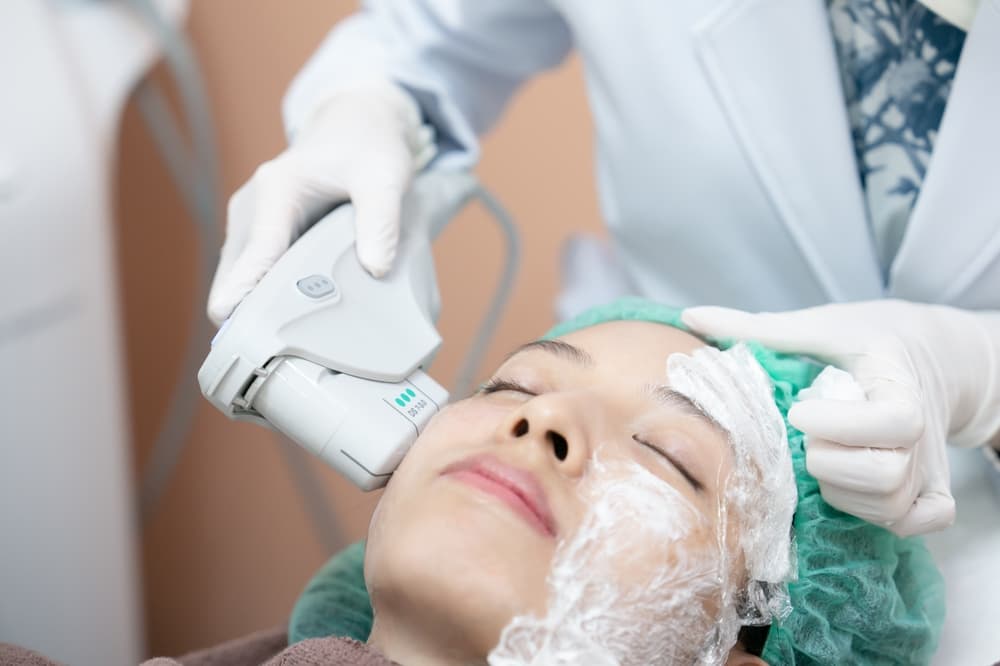
Laser exfoliates the upper layer of the skin. This exfoliation triggers new skin formation. Fractional laser stimulates collagen. It also reduces under-eye wrinkles. Radiofrequency heats the skin. This heat tightens collagen fibers. The result is skin tightness. These methods may be insufficient for under-eye hollows. Because they do not compensate for volume loss. However, they improve skin quality. The physician may combine these methods with fillers.
Sometimes, the physician uses a combined approach instead of a single method. For example, skin quality is first improved with PRP. Then, a small amount of filler is used to restore volume. Additionally, the skin is tightened with laser. This combination merges the advantages of each method. Moreover, the dosage of each method is reduced. Lower doses are safer. The patient collaborates with the physician to create a combined treatment plan. This planning takes into account the patient's expectations and anatomical structure.
Patients ask many questions about under-eye fillers. This section answers the most common questions. Each answer is brief and clear.
The questions below are the most frequently heard in clinics. Doctors patiently answer these questions. An informed patient makes the right decision.
Under-eye fillers rarely cause permanent damage. This is because hyaluronic acid is temporary. However, serious complications can leave permanent scars if not treated. Vascular occlusion can lead to tissue death. This death may result in scarring. Additionally, if an infection spreads to deeper tissues, damage occurs. However, a specialist doctor can prevent these complications. Early diagnosis and treatment prevent all damage. Therefore, the patient should choose an experienced doctor.
The risk of blindness is very rare. Between 2015 and 2018, 60 cases were reported in the literature. Only one of these cases was related to under-eye injection. Thus, the risk is less than one in a thousand. However, this risk is not zero. The doctor should take this risk seriously. The patient should also be aware. Proper technique and deep plane injection minimize this risk. Xiao and colleagues showed in 2024 that early hyaluronidase intervention increased the chance of vision recovery in most of these cases (Xiao et al. 2024).
Normal swelling lasts from 2 to 7 days. This duration varies from person to person. In younger patients, swelling resolves more quickly. Additionally, in patients with a prior tendency for edema, swelling may last longer. The patient can reduce swelling with cold compresses and keeping the head elevated. If persistent edema lasts longer than 4 weeks, the doctor should be consulted. In this case, the doctor may consider hyaluronidase.
The Tyndall effect is corrected with hyaluronidase. The doctor injects hyaluronidase into the blue-gray area. The enzyme dissolves the filler. The color returns to normal. 10 to 20 IU is sufficient for small areas. For larger areas, 75 IU is required. The treatment shows effects within 24 hours. However, sometimes a second session is necessary. The doctor reassesses this correction 3 to 4 days later. Kroumpouzos and Treacy established these dosage ranges in 2024 (Kroumpouzos and Treacy 2024).
Standard blood tests are generally not required. However, the doctor may request tests in certain situations. A coagulation test is performed for patients using blood thinners. Additionally, blood sugar control is requested for diabetic patients. The doctor may measure intraocular pressure because high eye pressure can increase some complications. Ultrasound imaging helps create a vascular map. These tests enhance safety. However, not all tests are performed on every patient. The doctor makes plans specific to the patient.
Filler dissolving is done with hyaluronidase. This procedure is generally safe. This is because hyaluronidase is naturally found in the body. However, allergic reactions can occur, albeit rarely. Therefore, the doctor may perform a small skin test. Allergy symptoms include itching, redness, and shortness of breath. The doctor keeps adrenaline and corticosteroids ready in case of an emergency. However, the allergy rate is very low. Kroumpouzos emphasized in 2024 that the safety profile of hyaluronidase is acceptable (Kroumpouzos 2024).
Under-eye light filler is an effective rejuvenation method for suitable patients. However, not every patient is suitable for this procedure. Most risks can be reduced with the correct technique and appropriate patient selection. Early recognition of complications is vital. Treatment must be performed by experienced physicians who are well-versed in the anatomy of the eye area. Patients should be thoroughly informed about the risks and precautions to make an informed decision.
Physicians balance the advantages and risks of hyaluronic acid fillers. Baytaroğlu and Hacıoğlu examined periorbital filler complications in detail in 2025. This study highlighted that knowledge of anatomy is essential for physicians (Baytaroğlu and Hacıoğlu 2025). Patients should pay attention to certification and experience when choosing a clinic. They should also inquire whether the clinic has a stock of hyaluronidase. Ultimately, safety is ensured through expertise and preparation.
Banihashemi, Mehdi, et al. "Platelet-rich Plasma use for facial rejuvenation: a clinical trial and review of current literature." Acta Biomedica, 2021.
Baytaroğlu, H.N., and M.B. Hacıoğlu. "Complications of Periorbital Cosmetic Hyaluronic Acid Filler Injections: A Major Review." Turkish Journal of Ophthalmology, 2025.
Diaspro, A., et al. "Teosyal PureSense Redensity II for infraorbital rejuvenation." Journal of Cosmetic , 2022.
Evans, A.G., et al. "Rejuvenating the periorbital area using platelet-rich plasma: a systematic review and meta-analysis." Archives of Research, 2021.
Fakih-Gomez, N., et al. "Retrobulbar Hyaluronidase in Hyaluronic Acid-Induced Ocular Vascular Occlusion: Efficacy, Challenges, and Implications for Clinical Practice." Aesthetic Plastic Surgery, 2025.
Goldberg, R.A., et al. "Hyaluronic acid filler for infraorbital and eyebrow rejuvenation." Plastic and Reconstructive Surgery, 2006.
Kroumpouzos, G. "Hyaluronidase for Dermal Filler Complications." Journal of Medical Internet Research , 2024.
Kroumpouzos, G., and P. Treacy. "Hyaluronidase for Dermal Filler Complications: Review of Applications and Dosage Recommendations." JMIR , 2024.
Shah-Desai, S., and V. Joganathan. "Novel technique of non-surgical rejuvenation of infraorbital dark circles." Journal of Cosmetic , 2021.
Xiao, H., et al. "Administration Method and Potential Efficacy of Hyaluronidase for Hyaluronic Acid Filler-Related Vision Loss: A Systematic Review." Aesthetic Plastic Surgery, 2024.