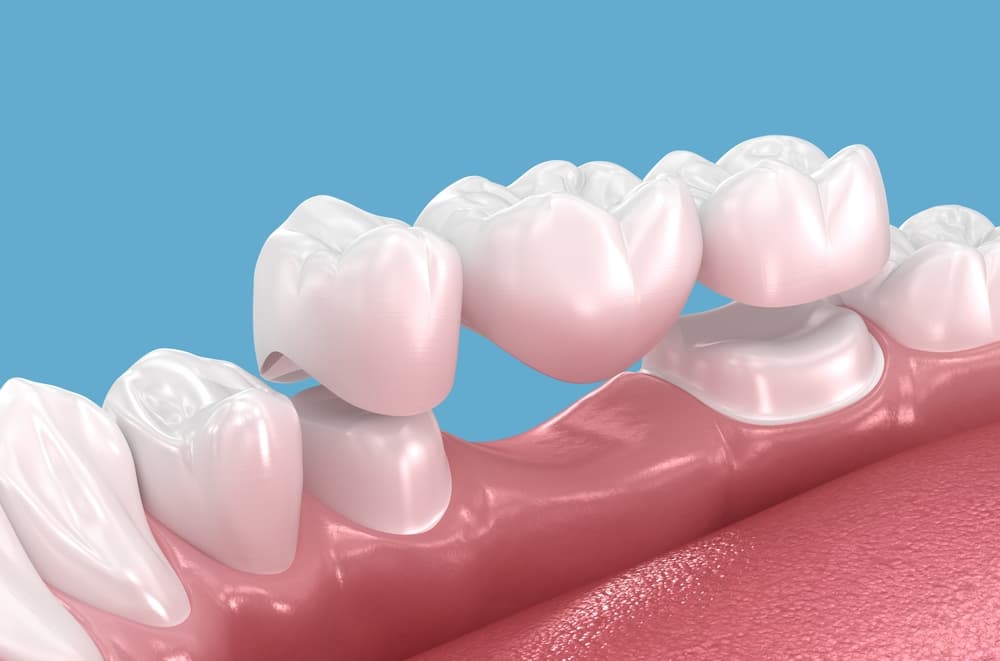
A decayed, broken, or worn tooth can lead to sensitivity, pain, and chewing problems over time. A dental filling is a restorative dental treatment applied to repair damaged tooth tissue and preserve the tooth's natural function as much as possible.
At Cinik Polyclinic, dental filling treatment is planned individually by evaluating the extent of the damage to the tooth, its position in the mouth, the person's chewing habits, and aesthetic expectations.
What is a Dental Filling?
A dental filling is the process of repairing tooth tissue that has been damaged due to decay, fracture, crack, or wear using an appropriate filling material.
During the treatment, the decayed or damaged part of the tooth is first cleaned. Then, the resulting cavity is restored with filling material in accordance with the anatomical structure of the tooth and its chewing function.
The purpose of a dental filling is not only to close the cavity but also to restore the tooth's chewing function, shape, and harmony with the surrounding teeth.
Why is a Dental Filling Done?
A dental filling is most commonly used in the treatment of tooth decay. However, it can also be applied to repair teeth damaged for various reasons.
A dental filling can be used to:
Close the cavity created after cleaning tooth decay,
Repair broken or cracked teeth,
Restore worn tooth surfaces,
Renew old or damaged fillings,
Support the tooth's chewing function,
Correct minor shape irregularities in front teeth,
Close small gaps in suitable cases between teeth.
The scope of the treatment is determined by the level of tissue loss in the tooth. For teeth with advanced damage, different treatments such as root canal therapy, inlay-onlay, or dental crowns may be required instead of a filling.
How Does Tooth Decay Occur?
Bacteria present in the mouth can interact with sugars and carbohydrates consumed to produce acid. Over time, these acids can damage the mineral structure of the tooth enamel, leading to decay.
Decay that is not noticed or treated in the early stages can progress to the deeper tissues of the tooth. If the decay approaches or reaches the tooth nerve, pain, infection, and the need for root canal therapy may arise.
Therefore, regular dental check-ups can help detect cavities that have not yet caused noticeable complaints at an early stage.
How is a Dental Filling Done?
The dental filling treatment generally consists of the following stages:
Examination and Evaluation
The dentist examines the tooth and the surrounding tissues. If necessary, X-rays may be taken to assess the depth of the decay and the condition of the tooth roots.
Local Anesthesia
To enhance the patient's comfort during the procedure, local anesthesia may be applied to the area to be treated. The dentist decides whether anesthesia is needed for superficial and minor procedures.
Cleaning of Decayed Tissue
The decayed, weakened, or damaged tissues of the tooth are removed in a controlled manner. The goal is to preserve healthy tooth tissue as much as possible.
Placement of the Filling
The cleaned area is filled with the chosen filling material. In composite fillings, the material is usually applied in layers and hardened with the help of a special light.
Shaping and Polishing
The filling is shaped to fit the natural anatomy of the tooth and its occlusion relationship. Occlusion is checked to ensure that no height or discomfort occurs during chewing. In the final stage, the filling surface is smoothed and polished.
What is Composite Filling?
Composite filling is a resin-based restoration material that can be prepared in tooth color. It is frequently preferred for both front and back teeth due to its ability to match the natural tooth color.
When applying composite filling, the material is placed in layers onto the tooth and hardened with a special light. The filling is then shaped to match the natural form of the tooth and polished.
Composite fillings;
Can match the tooth color,
Can provide an aesthetic appearance,
Can be applied in a single session,
Can be used to repair small fractures and shape irregularities,
Can allow for the preservation of healthy tooth structure.
The suitability of the filling should be evaluated based on the extent of damage to the tooth and the chewing forces it will be subjected to.
What is White Filling?
White filling is a term used to describe tooth-colored composite fillings used in daily practice.
The shade of the filling material is selected according to the person's natural tooth color. This way, the goal is to make the filling appear as compatible as possible with the surrounding tooth structure.
White fillings can provide aesthetic advantages, especially in the front teeth that are visible during smiling. However, they can also be used for the restoration of back teeth in appropriate cases.
What is Amalgam Filling?
Amalgam fillings are restorations that contain metal and are typically gray or silver in color. While they are a durable filling option, aesthetic expectations and current treatment preferences may lead many patients to prefer tooth-colored materials.
It is not always necessary to replace amalgam fillings that are intact and not causing any problems solely because of their color. The decision to renew the filling should be based on an assessment of edge fit, the presence of decay underneath, fractures, leakage, and the condition of the tooth structure.
What is Aesthetic Filling?
Aesthetic filling is a procedure aimed at reconstructing the natural form and appearance of the tooth using tooth-colored composite materials.
Aesthetic fillings;
Can be used to repair small fractures in front teeth,
Can be used to close small gaps between teeth,
Can be used to reshape teeth,
Can be used to restore worn tooth surfaces,
Can be used to renew old fillings that are mismatched in color or form.
The success of the procedure is closely related to the correct color selection, the formation of tooth anatomy, the surface characteristics of the filling, and occlusal fit.
Is Tooth Filling Painful?
Tooth filling is usually performed under local anesthesia, so pain is not expected during the procedure. A brief prick or pressure sensation may occur during anesthesia administration.
Temporary sensitivity may be observed in the tooth after the procedure. Mild sensitivity, especially to cold, hot, sweet, or during chewing, usually decreases within a short period.
In cases of prolonged, increasing pain that wakes one from sleep at night or occurs spontaneously, a dentist should be consulted.
How Long Does Tooth Filling Last?
The duration of treatment may vary depending on the size of the cavity, the number of teeth to be filled, the position of the tooth, and the material to be used.
Small to medium-sized fillings can usually be completed in a single session. In cases of deep cavities or when multiple teeth need to be treated, the procedure time may be extended or additional sessions may be planned.
What is the Lifespan of a Dental Filling?
It is not possible to provide a fixed duration for the lifespan of a dental filling that applies to every patient.
The durability of the filling;
Depends on the material used,
The size of the filling,
The position of the tooth in the mouth,
The chewing forces,
The habit of teeth grinding or clenching,
Oral hygiene,
Dietary habits,
Regular dental check-ups.
Fillings can wear down, break, or lose their edge adaptation over time. Therefore, it is important to evaluate existing fillings during regular check-ups.
Is Sensitivity Normal After a Dental Filling?
Short-term sensitivity to hot, cold, sweet, or pressure may occur after the filling. Especially in cases of deep cavities, this sensitivity may take longer to subside.
If the filling is too high, excessive force may be applied to the tooth during chewing. If the first contact is felt on the filled tooth when closing the teeth or if significant pain occurs during chewing, the occlusion of the filling should be checked.
If sensitivity does not decrease, intensifies, or turns into spontaneous pain, a dentist should be consulted.
What Should Be Considered After a Dental Filling?
While the effect of local anesthesia continues, the cheek, lip, or tongue may be bitten unknowingly. Therefore, care should be taken while eating until the numbness wears off.
After the procedure;
Very hot foods and beverages should be avoided until the numbness completely subsides.
Hard foods should not be chewed with the filled tooth on the first day.
Teeth should be brushed regularly and inter-dental spaces should be cleaned.
If a feeling of height is experienced during chewing, a dentist should be consulted.
Prolonged or worsening pain should not be ignored.
Recommendations given by the dentist specific to the filling material and the scope of the procedure should be followed.
There is no need to pause oral care after a dental filling. The area around the filling should also be cleaned regularly like natural teeth.
What Should Be Done If a Filling Falls Out?
If the filling falls out, the tooth structure may become exposed to external factors. During this process, sensitivity, pain, or food accumulation may occur.
If the filling has fallen out;
The area should be kept clean,
Hard foods should not be chewed on the affected side,
No sharp or foreign objects should be placed inside the tooth,
A dentist should be consulted as soon as possible.
The ability to replace the fallen filling depends on the amount of healthy tooth structure remaining. Different restoration options may be considered for teeth with significant tissue loss.
When Should Old Fillings Be Replaced?
Not every old filling needs to be replaced. Fillings that maintain their function, are compatible with the tooth, and do not have new cavities underneath can be monitored regularly.
A filling may need to be replaced if;
It breaks or cracks,
It separates from the edges,
New cavities develop underneath or around it,
It causes pain during chewing,
It leads to constant snagging of dental floss,
It shows significant wear,
It loses its aesthetic or functional compatibility.
The decision for change should be made after clinical examination and, if necessary, radiographic evaluation.
Is Filling or Root Canal Treatment Required?
If the decay is limited to the hard tissues of the tooth, a dental filling may be sufficient. However, if the decay reaches the nerve tissue of the tooth, or if irreversible inflammation or infection occurs, root canal treatment may be necessary.
Severe spontaneous pain, night pain, prolonged sensitivity to hot and cold, noticeable pain during chewing, or signs of infection around the tooth root may indicate the need for more comprehensive treatment.
The treatment to be applied is determined based on examination, sensitivity tests, and radiographic evaluation if deemed necessary.
Should Filling or Crown Be Applied?
If the tissue loss in the tooth is small or moderate, filling treatment may be preferred. However, if a large portion of the tooth is lost, a standard filling may not provide sufficient durability.
In these cases, depending on the remaining tissue of the tooth;
Inlay or onlay restoration,
Porcelain filling,
Dental crown,
Protective restoration after root canal treatment may be considered.
The goal is to keep the tooth in the mouth for as long as possible using the most conservative method.
Is Dental Filling Done in Children?
Primary teeth are important for a child's nutrition, speech, and as placeholders for permanent teeth. Therefore, leaving decayed primary teeth untreated with the thought of "they will fall out anyway" may not be appropriate.
Based on the depth of the decay, the child's age, the duration the tooth will remain in the mouth, and the child's compliance with treatment, fillings may be applied to primary teeth.
The treatment plan for children should be created following a pedodontic evaluation.
Does Dental Filling Completely Prevent Decay?
A filling allows for the cleaning of existing decayed tissue and the repair of the tooth. However, it does not completely eliminate the risk of new decay forming.
To help prevent new decay from forming at the edge of the filling or on a different tooth;
Teeth should be brushed at least twice a day,
Interdental spaces should be cleaned regularly,
The frequency of consuming sugary foods and drinks should be limited,
Regular dental check-ups should not be neglected.
Maintaining regular oral hygiene helps protect both natural teeth and fillings.
Why Cinik Polyclinic?
At Cinik Polyclinic, dental filling treatment is not only considered as closing the decay. The preservation of the tooth's natural structure, restoration of chewing function, compatibility of the filling with occlusion, and achieving an aesthetic appearance are all addressed together.
During the examination, the tissue loss in the tooth is evaluated in detail, and a restoration option suitable for the patient's needs is determined. The treatment process is personalized to support the long-term preservation of your oral and dental health.
Contact Form
If you have a problem with decay, fracture, sensitivity, or an old filling in your tooth, please fill out our contact form to schedule an examination appointment.
Our experienced team will contact you to share detailed information about dental filling options, the examination process, and possible treatments.
Note: The suitability of dental filling treatment, the materials to be used, and alternative treatment options may vary from person to person. The definitive treatment plan is created after a dental examination and any necessary radiographic evaluation.