
Healthy Eating During Ramadan
GeneralBurcu Yiğit Tekin3 min read•25 March 2024
Healthy Nutrition During Ramadan
It is very important to consume all the nutrients you need each day during Ramadan as well. For this reason, making it a habit to wake up for suhoor and having a meal will help balance your hunger throughout the day and keep your blood sugar more controlled. Especially during the long fasting period between iftar and suhoor, it is necessary to consume the nutrients your body needs and drink enough fluids. If you do not consume enough fluids, the fluid-electrolyte balance in your body may be disrupted, and you may experience adverse conditions such as weakness, dizziness, fatigue, and difficulty concentrating during the day.
How Should You Eat at Suhoor and Iftar?
Eating light but nutritious meals at suhoor helps you maintain your energy for longer. Make sure to consume fiber-rich foods, high-quality protein sources, and whole grains, while also drinking plenty of water. Pastries, sugary, packaged, and processed foods, as well as fried foods, should be avoided. Salty foods should also be avoided because they will make you thirsty during the day. Eat your meals slowly. Eating quickly at iftar and suhoor may cause digestive problems and indigestion.The Importance of Water Consumption During Ramadan
During Ramadan, water consumption should be spread evenly between iftar and suhoor to prevent dehydration in the body. Drinking water when breaking the fast, after iftar, and also at suhoor is important to replenish the fluids your body loses. Water should be consumed slowly and in small sips. Avoid overfilling the stomach with water.How Much Water Should Be Consumed During Ramadan?
Although an exact amount cannot be specified for those who fast, an average adult is advised to drink at least 8–12 glasses of water per day. In addition, you can start your iftar and suhoor with a glass of water.How Should We Eat at Suhoor?
Although suhoor is skipped by many people during Ramadan, it is actually very important for maintaining the body's balance. A protein-focused diet helps you feel more energetic and full during the day. If you fast without having suhoor, you may feel exhausted, tired, and weak during the day. Foods such as milk, eggs, cheese, low-salt olives, and walnuts, along with light and nutritious soups such as vegetable soup, are good options.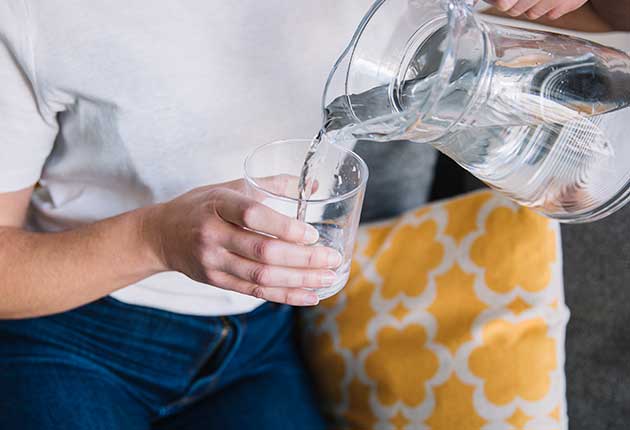
What to Consider for a Healthy Iftar
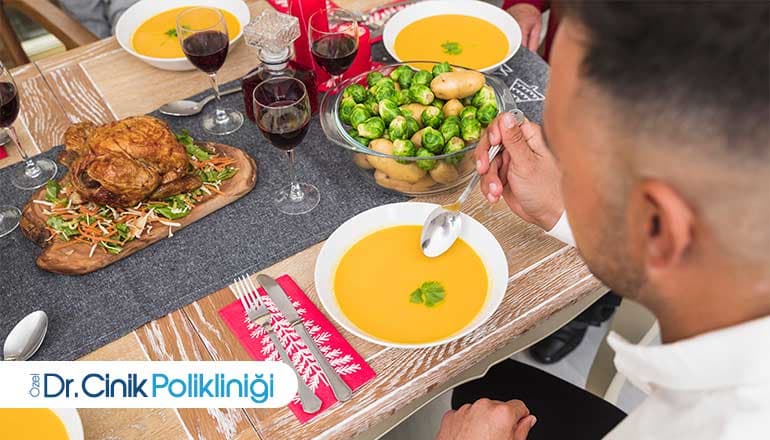
Since we eat after a prolonged period of fasting during iftar, we need to consume foods from every food group. A balanced iftar meal consisting of protein, carbohydrates, and greens, with good portion control, is a suitable option. Planning your meals with a low glycemic index and in a way that supports intestinal health can prevent weight gain and indigestion during Ramadan. Consuming whole-wheat bread instead of pide bread at iftar and suhoor helps prevent indigestion and bloating due to its fiber content, while also providing long-lasting satiety. Since our eating pattern changes during Ramadan, digestive problems may occur in the body. Be sure to include fruits and vegetables in your iftar and suhoor meals to support healthy bowel function. Consume kefir and yogurt because of their probiotic content. In addition, be sure to take light-paced walks after iftar.
Sample Iftar and Suhoor Menu for Ramadan
Suhoor:
1 thin slice of low-salt or unsalted white cheese, or 2 tablespoons of unsalted curd cheese 1 boiled egg / 1 egg cooked in a pan with 1 tablespoon of olive oil ½ a ripe avocado or 4 walnut halves (note: you can mash the avocado, add the cheese, and eat it like a dip) 2 thin slices of whole-grain bread/buckwheat bread/sourdough bread 8–9 low-salt or unsalted olives Approximately 3 ladles of low-salt cereal soup 1 serving of fruit half an hour later Raw vegetables (tomatoes, cucumber, green pepper, arugula, garden cress, radish, parsley)Iftar:
To start: 2 thin slices of cheese, 8–9 low-salt olives, dates/dried apricots. 2 ladles of soup A palm-sized portion of red meat/chicken/turkey/fish 4–5 tablespoons of bulgur pilaf 3–4 tablespoons of vegetables cooked with olive oil 1 glass of homemade yogurt Plenty of salad (1 tablespoon of olive oil, vinegar, and lemon may be added. Unsalted) 1 bottle of mineral water half an hour later. Limit dessert consumption to 2 days per week and choose milk-based desserts. Note: Try to avoid sugary and caffeinated beverages, and make sure to drink 2.5 liters of water. Be sure to pay attention to portion control. Eating too much and too quickly in a short period of time can make digestion more difficult. Dietitian Sanem KİMYONGet Quick Info
Get in touch with our expert team
Related Posts

General
How is Ultherapy Applied?
The key difference that sets it apart from other HIFU devices is its ability to indicate the exact tissue depth being targeted during the procedure, enabling the doctor to achieve precise results.

General
Why do lumps and asymmetry occur after filler injections?
Mild swelling and temporary asymmetry are normal in the first few days. These symptoms typically disappear within a week.

General
Filler or Botox? Which Treatment is More Suitable for You?
Botox is an injection that contains botulinum toxin type A. It temporarily relaxes muscles and helps prevent dynamic wrinkles.

General
How is Non-Surgical Facial Rejuvenation Performed with Facial Fillers?
The human face changes throughout all stages of life. In your twenties, you typically have full cheeks, a defined jawline, and smooth skin.

General
Does Under-Eye Light Filler Help with Dark Circles and Hollowness?
Yes. Under-eye light fillers provide an effective solution for hollows caused by volume loss and the resulting dark circles.

General
What are the risks and precautions to consider in Under-Eye Light Filler treatments?
Under-eye light filler involves the injection of hyaluronic acid-based fillers into the hollows beneath the eyes.