Yükleniyor…

The human face changes at every stage of life. In the twenties, there are full cheeks, a defined jawline, and smooth skin. From the thirties onwards, collagen production slows down. In the forties, volume loss becomes noticeable. In the fifties and beyond, changes in bone structure also begin. So, are there non-surgical ways to stop or reverse this process? Yes, there are. Developments in the field of medical aesthetics have made it possible to rejuvenate the face without surgery. Filler applications stand out as one of the most effective tools in this area. In this article, we scientifically answer questions such as what facial fillers are, how they work, which areas they are applied to, and how the process works.
Non-surgical facial rejuvenation is the art of reversing the signs of aging on the face with fillers and other minimal interventions injected under the skin, without going under the knife. These methods provide natural-looking results without cutting the skin, stitching, or entering long hospital processes. Nowadays, people want to rejuvenate without being away from their daily lives for long periods. This is why non-surgical facial rejuvenation methods are gaining great interest. Fillers are one of the most powerful tools in this field. The specialist doctor reshapes the facial contours by strategically injecting fillers into key areas. This procedure is considered one of the gold standards in treating facial volume loss.
Facial aging is not the result of a single factor. This process occurs as a result of the combination of many layered processes, such as the melting of fat beneath the skin, the reshaping of bone structure, the decrease of collagen and elastin fibers, and the downward movement of tissues due to gravity. The skin loses its ability to retain moisture with age. The amount of hyaluronic acid decreases. Collagen fibers break. Elastin fibers loosen. When these changes come together, the skin thins, wrinkles, and sags. Therefore, the signs of facial aging manifest not only on the skin surface but also in the deeper tissues.
Surgical methods cut the skin, reposition the underlying tissues, and remove excess skin. These procedures require general anesthesia. Recovery processes can take weeks or even months. Scarring may occur. Non-surgical methods, on the other hand, inject fillers under the skin. They restore volume. They fill in wrinkles. They do not nearly interrupt daily life. The patient can return to normal activities immediately after the procedure. The table below compares these two approaches.
Comparison Item | Surgical Facelift | Non-Surgical Filler Application |
Anesthesia | General anesthesia | Local anesthesia |
Procedure Duration | 2-4 hours | 15-60 minutes |
Recovery Time | 2-4 weeks | 1-3 days |
Scar | Yes | No |
Risk Level | High | Low |
Result Naturalness | Variable | High |
Return to Daily Life | Slow | Immediate |
Filler applications are a fundamental tool in today's aesthetics that reshape facial volume, fill wrinkles, and restore facial proportions to a youthful state. A personalized facial rejuvenation approach is at the heart of modern aesthetics. The specialist physician creates a tailored plan based on the patient's facial anatomy, age, and expectations. Natural-looking facial rejuvenation trends aim for a look similar to the patient's own youthful appearance rather than excessive and artificial results. Fillers are one of the most effective tools to achieve this goal.
Facial aging is not limited to wrinkles on the skin. The underlying fat compartments dissolve, the bone structure reshapes, supporting tissues weaken, and the skin loses its elasticity. This process begins in the late twenties and accelerates every decade. The face is a multi-layered structure composed of skin, underlying fat layers, muscles, connective tissue, and bone. Each layer changes at different rates during the aging process. Therefore, facial rejuvenation methods require a multi-layered strategy.
The face is a complex structure made up of different tissues. The outermost layer is the skin. Beneath the skin lies the superficial fat layer. Then comes the superficial muscular aponeurotic system. Deeper down are the deep fat compartments. At the bottom is the bony skeleton. Rohrich and Pessa identified the fat compartments in the face in their study conducted in 2007. This study showed that facial aging is not limited to the skin, as fat compartments change independently (Rohrich and Pessa, 2007). Each compartment dissolves or sags at different rates. This situation creates depressions and sagging in the face.
Collagen production in the skin slows down. Elastin fibers break. The amount of hyaluronic acid decreases. The skin thins and dries out. Collagen is a protein that forms the skeleton of the skin. This protein keeps the skin tight and firm. As we age, fibroblasts produce less collagen. Elastin provides the skin's elasticity. When these fibers loosen, the skin cannot bounce back. Hyaluronic acid is a molecule with a high water retention capacity. When this molecule decreases, the skin loses its moisture. As a result, fine lines, wrinkles, and a dull appearance emerge.
The fat compartments in the face dissolve and slide down with age. This leads to depressions in the midface, inward sinking at the temples, and sagging in the cheeks. Facial fat tissue is not a single entity but consists of separate compartments. Rohrich and Pessa's study demonstrated that these compartments move independently (Rohrich and Pessa, 2007). Compartments such as medial cheek fat, orbital fat, nasolabial fat, and temporal fat age at different rates. Volume loss becomes particularly pronounced in the midface area. Cheeks sag. Temples sink inward. These changes reverse the youthful triangle of the face.
Facial bones dissolve and reshape with age. Bone loss around the eyes, cheeks, and jawline destroys the youthful skeleton of the face. Bone resorption around the eyes increases under-eye hollowness. Resorption in the maxilla causes thinning of the upper lip and deepening of nasolabial lines. Resorption in the mandible, or jawbone, leads to the blurring of the jawline and sagging in the neck area. These bone changes cannot be corrected by skin treatments alone, as they alter the fundamental structure of the face. Volume-enhancing fillers compensate for this bone loss.
Gravity applies a downward force on the facial tissues every day. Aging skin and weakening connective tissue cannot resist this force. Sagging begins. The connective tissue beneath the skin acts as a network that holds fat compartments and skin in place. With age, these connections loosen. Ligaments weaken. Fat compartments begin to slide downward. Especially the fat in the mid-face sags towards the corners of the mouth and the jawline. This results in sagging under the chin and marionette lines. The definition of the jawline decreases. The facial oval is disrupted.
Facial fillers are biocompatible substances injected under the skin that add volume, correct wrinkles, and reshape facial contours. In the field of medical aesthetics, fillers are used for both aesthetic and reconstructive purposes. These substances compensate for volume loss in the face. They fill in wrinkles. They correct facial symmetry. Modern fillers are completely biocompatible and biodegradable, unlike the permanent and risky products of the past. This means they are absorbed or broken down by the body over time.
Hyaluronic acid is a sugar molecule that naturally occurs in the body and has a high capacity for retaining water. This molecule helps keep the skin moist and plump. With age, the production of hyaluronic acid decreases. Hyaluronic acid fillers are cross-linked forms of this molecule produced in a laboratory. Cross-linking allows the molecule to last longer. These fillers provide instant volume. They fill in wrinkles. They can be dissolved with the enzyme hyaluronidase if necessary. This reversible property offers a significant safety advantage. Hyaluronic acid is one of the main components of the extracellular matrix and is found in various human tissues ("Hyaluronic Acid," 2023). Approved hyaluronic acid fillers show a safe and effective profile in clinical studies (Frank et al., 2025).
Calcium hydroxylapatite is a mineral found in bones and teeth. It is presented in filler form as microspheres within a carboxymethylcellulose gel carrier. This carrier gel provides instant volume. The microspheres stimulate fibroblasts and trigger new collagen production. Its effects last for about 12-18 months. Yutskovskaya and her team noted in their studies evaluating over ten years of clinical experience with calcium hydroxylapatite fillers that this substance provides both immediate volume and long-term collagen stimulation (Yutskovskaya et al.). This filler is particularly suitable for deep wrinkles and facial contouring.
Poly-L-lactic acid is a synthetic polymer that is biodegradable. This substance is a safe material also used in surgical sutures. As it slowly dissolves under the skin, it activates fibroblasts. It provides gradual collagen production. It does not have an immediate volumizing effect. Results gradually appear within 4-6 weeks. Its effects can last for 18-24 months. Ouyang and Su reported in their comprehensive review in 2025 that poly-L-lactic acid injections provide safe and long-lasting results in facial and neck rejuvenation, with patient satisfaction exceeding 90% (Ouyang and Su, 2025). This filler falls into the biostimulant category.
Polycaprolactone is a next-generation collagen stimulator. It remains under the skin in microbeads and creates a new collagen network around it. Its effects can last up to two years. This filler consists of polycaprolactone microbeads and a carboxymethylcellulose gel carrier. The carrier provides immediate volume. The microbeads support collagen production in the long term. In a review conducted by Gonzalez-Botello in 2024, it was emphasized that polycaprolactone fillers are safe and effective in facial rejuvenation, improve skin quality, and achieve high levels of patient satisfaction (Gonzalez-Botello, 2024). This filler is particularly preferred for mid-face and jawline applications.
Filler Type | Main Substance | Mechanism of Action | Duration of Effect | Reversibility |
Hyaluronic Acid | Sugar chain | Water retention and volume | 6-18 months | Yes |
Calcium Hydroxylapatite | Mineral | Immediate volume + collagen | 12-18 months | No |
Poly-L-Lactic Acid | Synthetic polymer | Gradual collagen | 18-24 months | No |
Polycaprolactone | Synthetic polymer | Instant volume + collagen | 18-24 months | No |
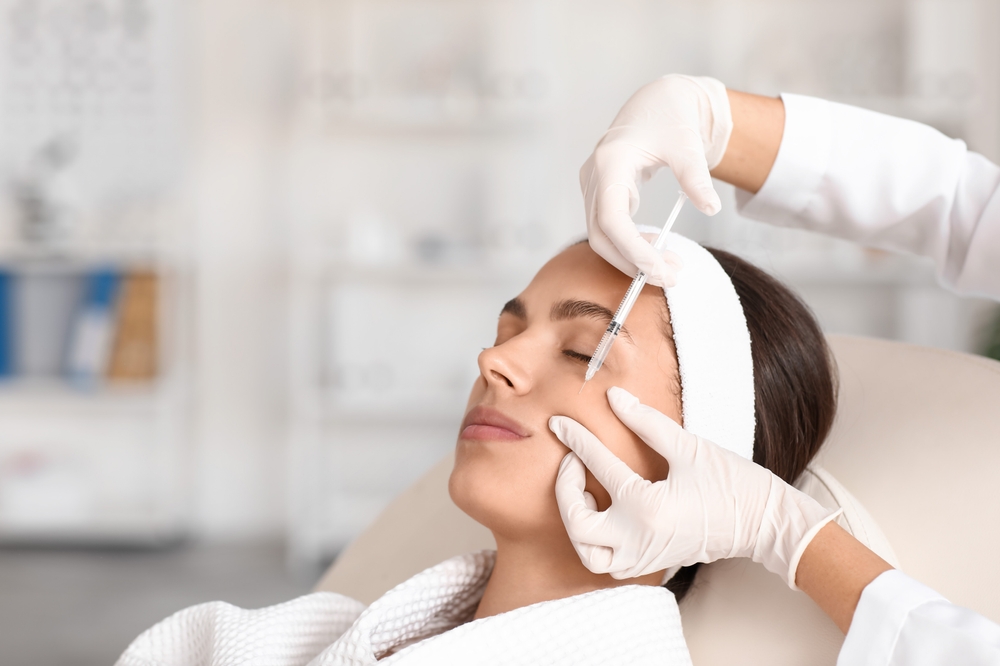
Fillers compensate for volume loss in the face. They fill in depressions. They soften wrinkles. They create a supportive scaffold under the skin. This procedure is not just a mechanical filling process. It also alters the light-shadow dynamics of the face. In a youthful face, light spreads smoothly from top to bottom. In an aging face, depressions create shadows. Fillers eliminate these shadows. Thus, the face appears brighter and younger.
The specialist injects filler into the areas where fat compartments have been lost. This process rearranges the light-shadow play on the face and restores youthful volume. For example, lost volume in the cheeks is regained with hyaluronic acid fillers. Depressions in the temples are filled. The jawline is defined. This volume restoration recreates the youthful triangle of the face. The youthful triangle is a structure where the forehead and cheeks are wide, and the chin is narrow. With aging, this triangle inverts. Fillers correct this triangle.
Fillers fill the voids beneath the skin. With this support, the skin lifts, and the depth of wrinkles decreases. Static wrinkles are lines that are visible even when the face is at rest. Nasolabial lines, marionette lines, and fine lip lines are examples of static wrinkles. Fillers fill in these lines. Thus, the lines soften. Deep grooves are erased. However, fillers do not correct dynamic wrinkles, which are lines formed by facial expressions. Botulinum toxin applications are needed for these lines.
The specialist analyzes the volume differences on the right and left sides of the face. Asymmetries are corrected with filler injections, and facial balance is restored. The human face is not perfectly symmetrical. However, with aging, these asymmetries may increase. One side may lose more volume. One side may sag more. Fillers correct these imbalances. For example, if one cheek is more sunken than the other, more filler is injected into the deficient side. Thus, facial symmetry is reestablished.
Biostimulant fillers gradually dissolve under the skin, activating fibroblasts. These cells produce new collagen fibers. Skin quality improves in the long term. Fillers such as calcium hydroxyapatite, poly-L-lactic acid, and polycaprolactone fall into this category. These substances not only provide mechanical volume but also encourage the skin to produce its own building blocks. New collagen increases the thickness of the skin. It restores its firmness. This effect continues even after the filler is eliminated from the body, thus providing natural rejuvenation in the long term.
The specialist physician provides holistic rejuvenation by injecting fillers into the cheeks, temples, under the eyes, nasolabial folds, marionette lines, jawline, and lips. Facial rejuvenation methods address the entire face as a whole rather than focusing on a single area. This approach yields natural and balanced results. Each area has its own unique anatomical features. Therefore, different types of fillers and techniques are applied to each area.
Cheek filler addresses volume loss in the midface. The specialist physician places the filler into the deep fat layer using a cannula or needle. The cheeks lift, and a natural lifting effect is achieved on the face. The midface is the area where the earliest signs of aging are observed. Volume loss in the cheeks increases under-eye hollowness and deepens nasolabial folds. Cheek filler halts this chain reaction. The specialist physician injects filler onto the bone or into deep fat compartments. This lifts the cheeks, bringing a youthful freshness to the face.
Temple filler fills the hollow temple area. This procedure gives a youthful appearance to the upper part of the face and slightly lifts the outer part of the eyebrows. Temple hollowness becomes more pronounced, especially in thin individuals and with age. This hollowness causes the upper part of the face to narrow and the eyebrows to droop. Temple filler fills this area. The upper part of the face expands, and the eyebrows are slightly lifted. The facial proportions return to a youthful state. This procedure yields more effective results, especially when performed alongside cheek filler.
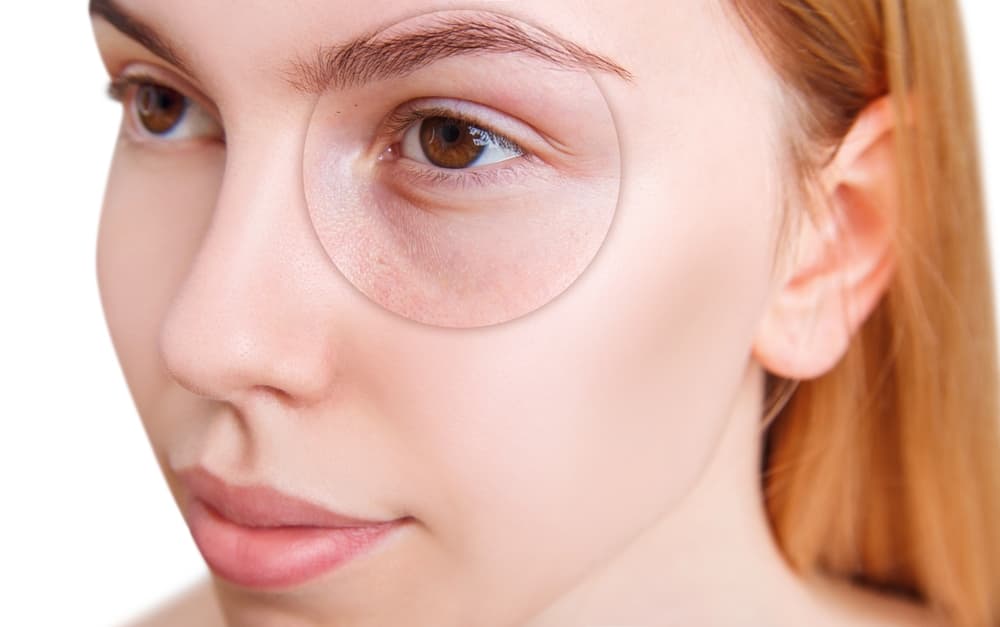
Under-eye filler reduces hollowness and dark circles around the eyes. The specialist physician fills the hollowness under the eyes with a fine filler, eliminating the tired appearance. The under-eye area has the thinnest and most delicate skin on the face. Volume loss in this area manifests as under-eye bags and hollowness. Dark circles become more pronounced. Under-eye filler fills this hollowness. However, due to the sensitivity of this area, fine and soft-textured fillers are used. The specialist physician applies a very careful technique. Thus, the eye area appears fresh and rested.
Nasolabial filler fills the deep lines extending from the sides of the nose to the corners of the mouth. These lines are the most prominent signs of volume loss. Nasolabial folds are one of the most noticeable signs of aging on the face. These lines deepen due to volume loss in the cheeks and the effects of gravity. Fillers fill the insides of these lines, softening them. However, it is not enough to just fill the line. It is also necessary to compensate for the volume loss in the cheeks; otherwise, the line will deepen again.
Marionette lines are the lines that extend from the corners of the mouth to the jawline. The filler fills these lines and reduces the sagging appearance at the corners of the mouth. These lines cause the corners of the mouth to pull downwards. The face looks sad and tired. Marionette line filler fills these lines. The corners of the mouth lift up. The face gains a more cheerful expression. This procedure is more effective when done in conjunction with jawline filler.
Jawline filler redefines a relaxed jawline. The specialist places filler along the jawline to clarify the facial oval. The jawline forms the youthful frame of the face. With aging, this frame loosens. Submental fat becomes more pronounced. Jawline filler redraws this frame. The mandibular edge becomes more defined. The face gains a sharper and younger contour. This procedure is also used to create a more pronounced jawline, especially in men.
Lip filler restores lip volume. Perioral filler softens fine wrinkles known as smoker's lines. With aging, lips thin out. Especially the upper lip disappears. The lines above the lip, known as the filtrum, flatten. Lip filler reshapes the lips. However, when aiming for a naturally youthful appearance, the lips are not overly inflated. Fine lines around the mouth are softened with hyaluronic acid fillers. This prevents lipstick bleeding. The area around the mouth appears smoother.
The process begins with the specialist analyzing the face. The physician evaluates the patient's age, skin type, anatomy, and expectations. Then, a personalized map is created. This planning phase is the most critical step for a successful outcome. The physician looks at the entire face, not just the area the patient is complaining about. This creates a holistic approach.
The specialist examines the face both statically and dynamically. The physician notes areas of volume loss, skin quality, facial proportions, and asymmetries. In static analysis, the patient's face is evaluated while at rest. In dynamic analysis, the patient smiles, frowns, and makes facial expressions. This way, both volume loss and the effects of facial expressions are observed. The physician assesses the golden ratios of the face. The proportions between the forehead, nose, lips, and chin are examined. Photographs are taken. This analysis forms the basis of the treatment plan.
Every face is unique. The specialist determines the type, amount, and injection areas of the filler based on the patient's age, skin structure, and aesthetic goals. A different plan is made for a thirty-year-old patient than for a fifty-year-old patient. Skin quality, the degree of volume loss, and bone structure affect the plan. The physician listens to the patient's expectations. Realistic goals are set. The amount of filler, injection depth, and technique are chosen according to this plan. Thus, natural and personalized results are achieved.
The patient reports the medications they are taking and any past aesthetic procedures. The specialist may recommend temporarily stopping blood-thinning medications. Drugs like aspirin and ibuprofen increase the risk of bruising. Therefore, it is advised to stop them a few days before the procedure. The patient should avoid alcohol consumption before the procedure. If there is a skin infection, the procedure is postponed. Fillers are not recommended during pregnancy and breastfeeding. The patient receives detailed information about the procedure. A consent form is signed.
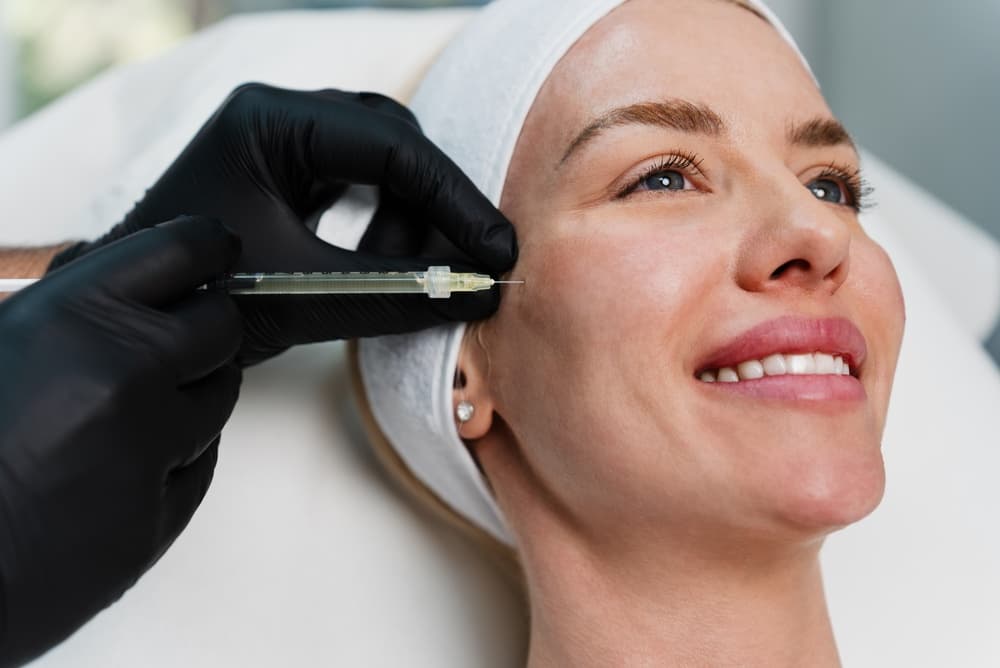
The specialist first cleans and numbs the area. Then, the filler material is injected at the designated depth. Shaping is done at the end of the procedure. This process varies depending on the doctor's knowledge of anatomy and aesthetic taste. The procedure room is a completely sterile environment. The doctor uses disposable materials.
The procedure consists of consultation, cleaning, local anesthesia, injection, and final checks. The entire process is completed within an hour. First, the face is cleaned. It is purified from makeup and dirt. Then, a numbing cream is applied. After 15-20 minutes, the area becomes numb. The doctor injects the filler into the designated points. The skin is continuously monitored during the injection. Then, light shaping is done with a gentle massage. An ice compress is applied.
The specialist uses a needle or a cannula. Point injections are made with a needle. The cannula distributes the filler evenly over larger areas. The needle technique is suitable for areas that require deep and dense filling. The cannula technique reduces the risk of vascular and nerve injury. The cannula is preferred especially in sensitive areas like under the eyes and the temples. The retrograde linear technique is the most commonly used method. In this technique, the filler is injected while being pulled back.
Filler application to a single area takes 15-30 minutes. Local anesthesia creams and fillers containing local anesthetics minimize pain. The patient only feels slight pressure and a tingling sensation. After the procedure, the patient can immediately return to daily activities. However, excessive exercise, hot baths, and sun exposure should be avoided for the first 24 hours. Mild swelling and bruising are normal. These symptoms will disappear within a few days.
Yes, it is possible. In a technique called liquid facelift, the specialist performs strategic filler injections to multiple areas of the face. This method aims to recreate the youthful contours of the face rather than just filling a single line. The facelift effect with filler provides effective results, especially in patients with mild to moderate sagging.
Liquid facelift is a method of recreating the youthful contours of the face with multiple filler injections. This technique is a non-surgical alternative. The specialist injects filler into the cheeks, temples, jawline, and chin area. This makes the face appear lifted. However, this effect is not as dramatic as surgical facelift. Liquid facelift reshapes the facial features more. It adds volume. It does not tighten the skin but reduces the appearance of sagging by plumping.
Liquid facelift is performed through injection. There is no recovery time. It provides natural results. Traditional facelift is surgery. The skin is cut. Recovery takes weeks. The table below summarizes these differences.
Feature | Liquid Facelift | Traditional Facelift |
Method | Injection | Surgery |
Anesthesia | Local | General |
Procedure Duration | 30-60 min | 2-4 hours |
Recovery | 1-2 days | 2-4 weeks |
Effect | Volume + Mild Lift | Dramatic Lift |
Longevity | 1-2 years | 5-10 years |
Scar | No | Yes |
Filler treatments do not require surgery. The recovery time is short. The results are natural. They are personalized for each individual. They provide gradual and controlled results. They allow for a quick return to daily life. These advantages make filler treatments indispensable tools of modern aesthetics. The patient recognizes themselves in before and after photos. However, they see their rejuvenated version.
Advantage | Description |
Non-surgical | No skin cutting, no stitches |
Quick Recovery | Return to daily life on the same day |
Natural Result | Facial expression is preserved, no artificial appearance |
Customizable | A specific plan is made for each face |
Controlled | Effect is adjusted gradually |
Reversible | Hyaluronic acid fillers can be dissolved |
Filler treatments are generally safe. However, mild side effects such as temporary swelling, bruising, and redness may occur. In rare cases, there is a risk of infection or vascular occlusion. When approved fillers are used and applied by expert physicians, the complication rate is very low. Farber and his team emphasized in their 2024 review that minimally invasive procedures are generally safe but highlighted the importance of appropriate technique and patient selection (Farber et al., 2024). Frank and his team's systematic review in 2025 reported that hyaluronic acid fillers do not show serious side effects apart from mild injection site reactions in the short term (Frank et al., 2025).
The most common side effects include redness at the injection site, mild swelling, bruising, and sensitivity. These symptoms usually disappear within a few days. Swelling is a natural result of the injection. Bruising occurs due to damage to small blood vessels. Sensitivity manifests as mild pain at the injection site. These side effects vary depending on the skin's structure and the injection technique. Cold compresses and arnica cream can quickly alleviate these symptoms.
Less common complications include infection, nodule formation, and vascular occlusion. An experienced physician minimizes these risks. Infection can occur in non-sterile conditions. Nodules form due to uneven distribution of the filler. Vascular occlusion occurs when the filler enters a blood vessel. This situation is very rare but serious. The physician must have a thorough understanding of anatomy to prevent the risk of vascular occlusion. They use aspiration techniques, meaning they check for blood before the injection.
Anatomical knowledge, appropriate product selection, sterile technique, and experienced specialist physicians maximize filler safety. The physician must have a thorough understanding of facial anatomy and the vascular map. The appropriate type of filler should be chosen for each area. For example, thick fillers should not be placed under thin skin. The procedure must be performed under completely sterile conditions. The physician should also be knowledgeable about complication management. Emergency intervention medications like hyaluronidase should be readily available.
The recovery process is quick. A cold compress is applied in the first 24 hours. Mild swelling may be observed in the first week. Final results appear within 2-4 weeks. The recovery process after filler varies depending on the type of filler used. Results are immediately visible with hyaluronic acid fillers. In biostimulant fillers, the effect gradually increases.
In the first 24 hours, the injection site should not be touched. Avoid excessive heat, alcohol, and heavy exercise. Cold compresses reduce swelling. High temperatures dilate blood vessels and increase swelling. Alcohol thins the blood and raises the risk of bruising. Exercise accelerates blood flow and may increase swelling. The patient should not apply pressure to the injection site while lying on their face. Makeup should not be applied.
In the first week, swelling gradually decreases. Bruises turn a yellowish color and fade away. The filler begins to settle. Hyaluronic acid fillers draw water under the skin. Therefore, swelling may be slightly more pronounced in the first few days. Then, this water balances out. The filler integrates with surrounding tissues. The face achieves a more natural appearance. In biostimulant fillers, no changes may be observed yet, as collagen production takes time.
Results with hyaluronic acid fillers are immediately visible. However, the final appearance emerges after 2 weeks. In biostimulant fillers, final results gradually become apparent within 2-3 months. Hyaluronic acid provides volume at the moment of injection. However, the result may change slightly once the initial swelling subsides. The physician takes this into account when performing the injection. In fillers like poly-L-lactic acid and polycaprolactone, there is a slight increase in volume after the first session. However, the main effect becomes noticeable with collagen production after 6-8 weeks.
Longevity depends on the type of filler used, the injection area, and the individual's metabolism. Hyaluronic acid fillers last 6-18 months. Biostimulants can be effective for up to 2 years. The longevity of facial fillers is one of the most commonly asked questions by patients. Fillers in dynamic areas dissolve faster. For example, lip fillers last shorter than cheek fillers. Fillers break down more quickly in individuals with a fast metabolism.
The type of filler, injection depth, facial area, metabolism rate, lifestyle, and skincare habits affect longevity. Thick cross-linked hyaluronic acid fillers last longer than fine fillers. Fillers injected deeper are more durable than those injected superficially. Smoking disrupts blood flow beneath the skin and accelerates the breakdown of the filler. Using sunscreen protects the skin barrier and extends the lifespan of the filler.
Hyaluronic acid fillers last 6-18 months. Calcium hydroxyapatite lasts 12-18 months. Poly-L-lactic acid and polycaprolactone-based fillers can be effective for 18-24 months and longer. The table below shows the longevity durations of different fillers.
Filler Type | Average Longevity | Affecting Factors |
Hyaluronic Acid (Fine) | 6-9 months | Lips, thin skin |
Hyaluronic Acid (Thick) | 12-18 months | Cheeks, chin, deep |
Calcium Hydroxyapatite | 12-18 months | Deep wrinkles, over bone |
Poly-L-Lactic Acid | 18-24 months | Holistic volume, collagen |
Polycaprolactone | 18-24 months | Midface, jawline |
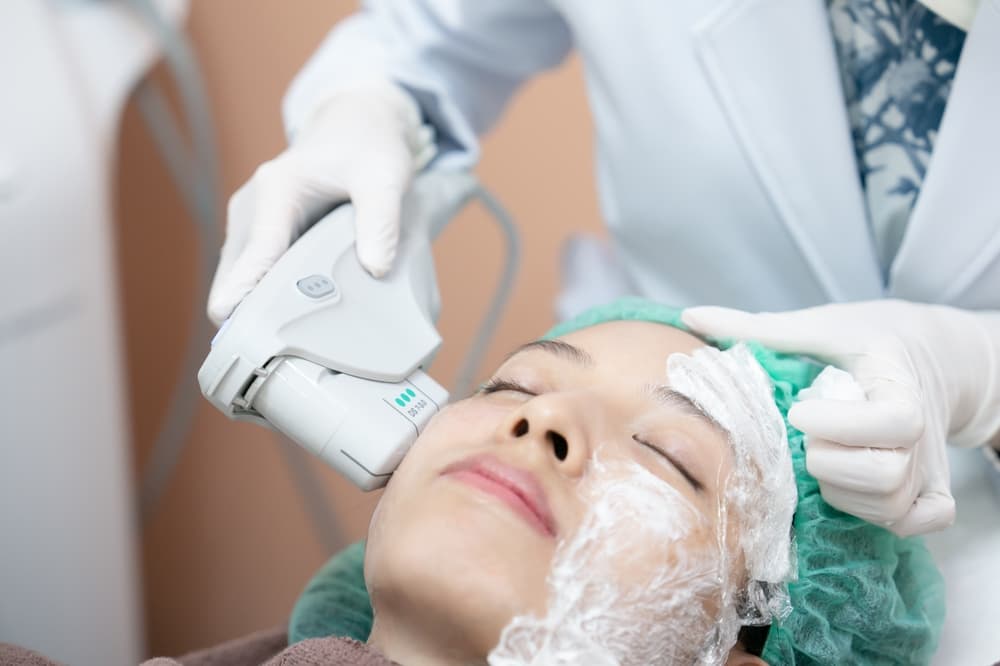
Filler applications can be used in conjunction with botulinum toxin, laser, chemical peels, platelet-rich plasma, radiofrequency, and ultrasound-based systems. Combined treatments address different signs of aging simultaneously, resulting in more comprehensive outcomes. Nawaz noted in his review article in 2026 that combined treatments provide more holistic results as a multifaceted approach (Nawaz, 2026).
Combined Treatment | Mechanism of Action | Target |
Botulinum Toxin | Muscle relaxant | Dynamic wrinkles |
Laser | Skin rejuvenation | Spot, roughness, fine lines |
Chemical Peeling | Accelerating cell cycle | Skin tone, brightness |
Platelet Rich Plasma | Growth factors | Skin quality, healing |
Radiofrequency | Collagen tightening with heat | Skin sagging, looseness |
Ultrasound | Deep tissue tightening | Superficial muscular aponeurotic system layer, jawline |
Individuals with mild to moderate signs of aging, experiencing volume loss, not wanting surgery, and having realistic expectations are ideal candidates for this procedure. Filler applications can be performed on all age groups. However, different strategies are required for each age. In the thirties, mild volume loss and fine lines are typically corrected. In the forties and fifties, more comprehensive volume restoration is done. In the sixties, fillers can be used for post-surgical care or volume support.
The appropriate type of filler varies depending on the patient's age, skin type, and the targeted area. Hyaluronic acid fillers are generally the first choice because they are safe, provide immediate results, and can be dissolved if necessary. Biostimulant fillers are preferred when aiming for longer-term collagen production. The specialist physician determines the most suitable type of filler during the consultation.
Thanks to local anesthetic creams and fillers containing local anesthetics, pain is minimal. The patient only feels a slight pressure and prickling sensation. A mild sensation occurs when the needle tip penetrates the skin. However, this sensation is not considered bothersome by most patients. Post-procedure pain is rare. There may be slight sensitivity, which resolves within a few days.
Fillers applied with the correct technique do not change facial expression. They only add volume and balance facial features. The patient retains their natural expression when smiling, frowning, and talking. However, excessive filler or incorrect technique can freeze facial expression. Therefore, choosing a specialist physician is very important. Natural-looking facial rejuvenation is the desired outcome.
Yes, a lifting effect can be achieved with strategic injections. However, this effect is not as dramatic as surgical lifting. Fillers reduce the appearance of sagging by adding volume. Especially cheek and temple fillers lift the face. Jawline fillers conceal lower face sagging. However, in patients with advanced sagging, surgical options should be considered.
Results from hyaluronic acid fillers are visible immediately. However, the final appearance emerges after 2 weeks. In biostimulants, the initial effect appears after 4-6 weeks, and the final result is seen after 3 months. When a patient receives hyaluronic acid filler, they see the difference in the mirror as they leave the treatment room. However, this initial appearance is not the final result. As swelling subsides, the results become more natural.
These procedures are quite safe when performed with approved filler materials and by expert physicians. FDA and CE approved fillers have undergone extensive clinical studies. The complication rate is very low. Patients should inquire about the physician's background and the products used before the procedure. A sterile environment, single-use materials, and anatomical knowledge are the cornerstones of safety.
Yes, filler procedures can be safely repeated. In fact, multiple sessions are recommended for biostimulants. Hyaluronic acid fillers can be repeated as they dissolve. Many patients have maintenance sessions every 6-12 months. These maintenance sessions help to maintain a youthful appearance. Repeated procedures also support the skin's collagen production.
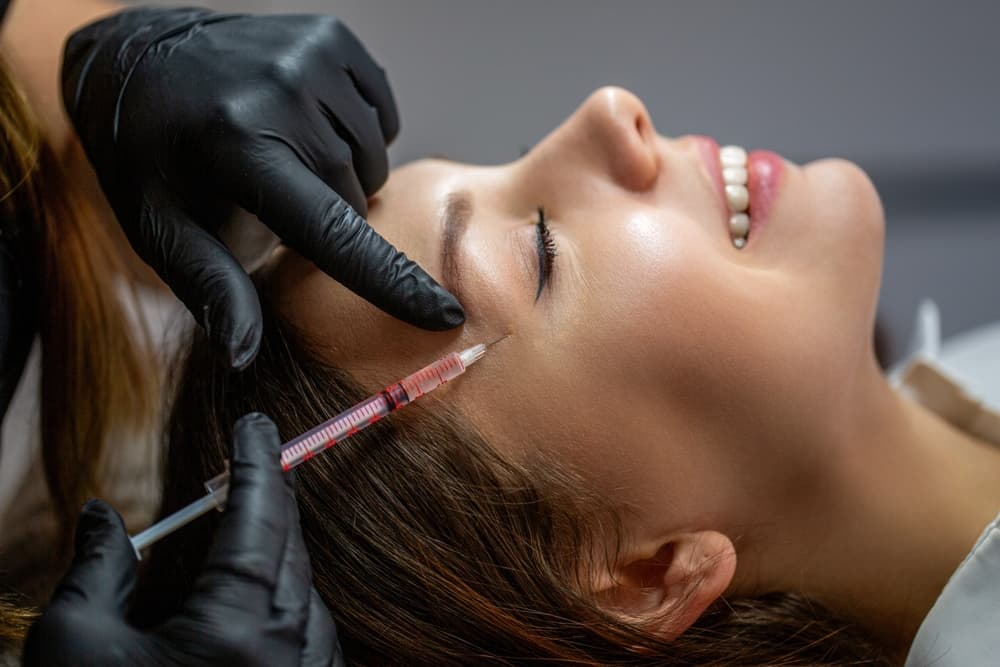
Yes, when these two methods are used together, they create a synergistic effect. Botulinum toxin temporarily halts muscle movements, thereby reducing dynamic wrinkles. Filler addresses static wrinkles and volume loss. For example, botulinum toxin can be applied to the forehead, while filler can be used under the eyes and on the cheeks. This combination yields more comprehensive results in facial rejuvenation.
Non-surgical facial rejuvenation is possible with filler applications. These methods restore facial volume, soften wrinkles, and provide natural results. Facial aging is a multi-layered process. Fillers address each layer of this process. The primary goal of filler applications is volume restoration and re-establishing facial harmony. Personalized treatment plans are the key to successful outcomes. An expert physician's evaluation is essential for safe, effective, and natural results. Scientific advancements in the field of medical aesthetics are making filler applications safer and more effective every day. With the right physician and the right plan, patients can enjoy the benefits of rejuvenation without surgery.
Farber, Sarah E., et al. "A review of nonsurgical facial rejuvenation and the role of oxymetazoline hydrochloride ophthalmic solution, 0.1% in periorbital revitalization." Journal of Cosmetic , 2024.
Frank, K., et al. "The Safety Profile of a Portfolio of Hyaluronic Acid-Based Soft Tissue Fillers Manufactured Using MACRO Technology: A Systematic Review of Clinical Evidence." Life, vol. 16, no. 1, 2025, p. 110.
Gonzalez-Botello, Ana Lorena. "The role of a polycaprolactone stimulator in the facial rejuvenation process." Aesthetic Medicine, vol. 10, no. 1, 2024, e2024003.
"Hyaluronic Acid." StatPearls, StatPearls Publishing, 2023.
Nawaz, Samia. "Current trends in non-surgical facial rejuvenation: Aesthetic outcomes and safety." Our Online, vol. 17, no. 1, 2026, pp. 121-123.
Ouyang, Ronghao, and Xueshang Su. "Advances in Poly-l-lactic Acid Injections for Facial and Neck Rejuvenation." PMC, 2025.
Rohrich, Rod J., and Joel E. Pessa. "The fat compartments of the face: anatomy and clinical implications for cosmetic surgery." Plastic and Reconstructive Surgery, vol. 119, no. 7, 2007, pp. 2219-2227.
Yutskovskaya, Yana Alexandrovna, et al. "Calcium Hydroxylapatite: Over a Decade of Clinical Experience." PMC.