What is Lectin?
Lectin is a type of protein found in animals and plants. Most animal and plant foods contain lectin, but only about 30% contain significant amounts of it.
Lectins can cause adverse effects in some individuals. Of course, the frequency and manner in which lectin-containing foods are consumed are also important. There are many forms of lectins. Their consumption is generally harmless, but they can have negative health effects in some people.
What Are the Dangers of Lectin?
The amount of lectin consumed is very important. When not consumed in excess, it is a group of proteins that has many benefits for the body. However, when consumed in large amounts, it can cause harm and side effects in individuals.
Symptoms of Lectin Sensitivity
Bloating/Gas
Stomach cramps and nausea
Diarrhea
Nausea and vomiting
Leaky gut syndrome
Skin redness and itching after consuming lectin-containing foods
Depression/Fatigue
Inability to absorb vitamin B12
Weight problems
What Foods Contain Lectin?
Foods with the
highest lectin content (in raw form):
Red kidney beans: This food can cause nausea, vomiting, and diarrhea when consumed raw or undercooked. Raw red kidney beans contain high levels of lectin.
Wheat: Raw wheat has a very high lectin content and a significantly high glycemic index. It is reported that processing and cooking methods eliminate the lectins it contains.
Soybeans: Soybeans contain a high amount of lectin. Additionally, soybeans are a good source of protein. Cooking soybeans helps to reduce their lectin content. Therefore, they should be cooked thoroughly at high temperatures.
Tomatoes: Research has shown that lectins in tomatoes bind to the intestinal wall, but they are noted not to cause any damage.
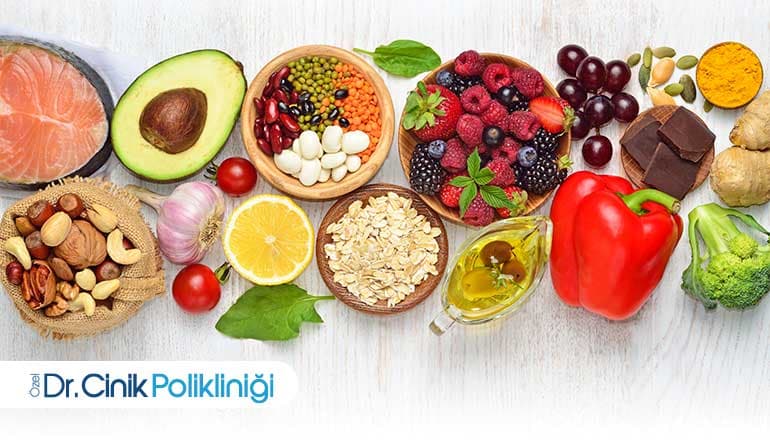
Other lectin-containing foods: Peanuts, potatoes, legumes (such as chickpeas, kidney beans, lentils), dairy products, barley, rice, quinoa, squash, and peppers.
What is Lectin Sensitivity?
Some persistent symptoms may indicate that you have lectin sensitivity. These symptoms can include fatigue, bloating, persistent headaches, sleep irregularities, and fatigue. Some individuals may exhibit certain sensitivities to lectins. If these individuals continuously consume lectins, it can damage the intestinal wall. A damaged intestinal wall can allow harmful toxins to enter the bloodstream. As a result, individuals may experience weight gain, joint pain, and inflammatory disorders. Additionally, some studies have observed that lectins can lead to insulin resistance in individuals, which in turn can cause excessive weight gain.
Dyt. Sanem Kimyon