What Should Your Skin Care Routine Be After Ulthera? The Recovery Process and Important Considerations
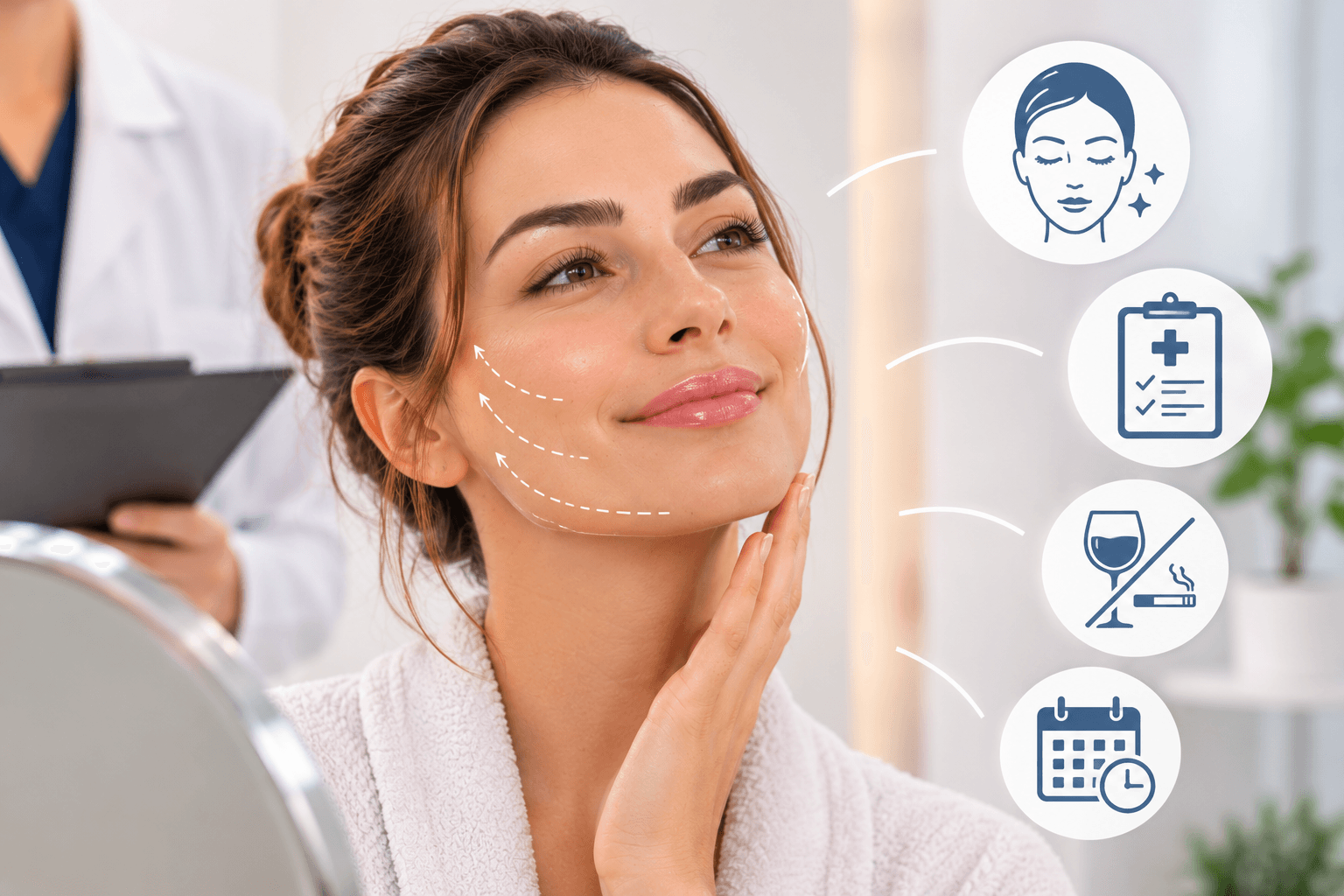
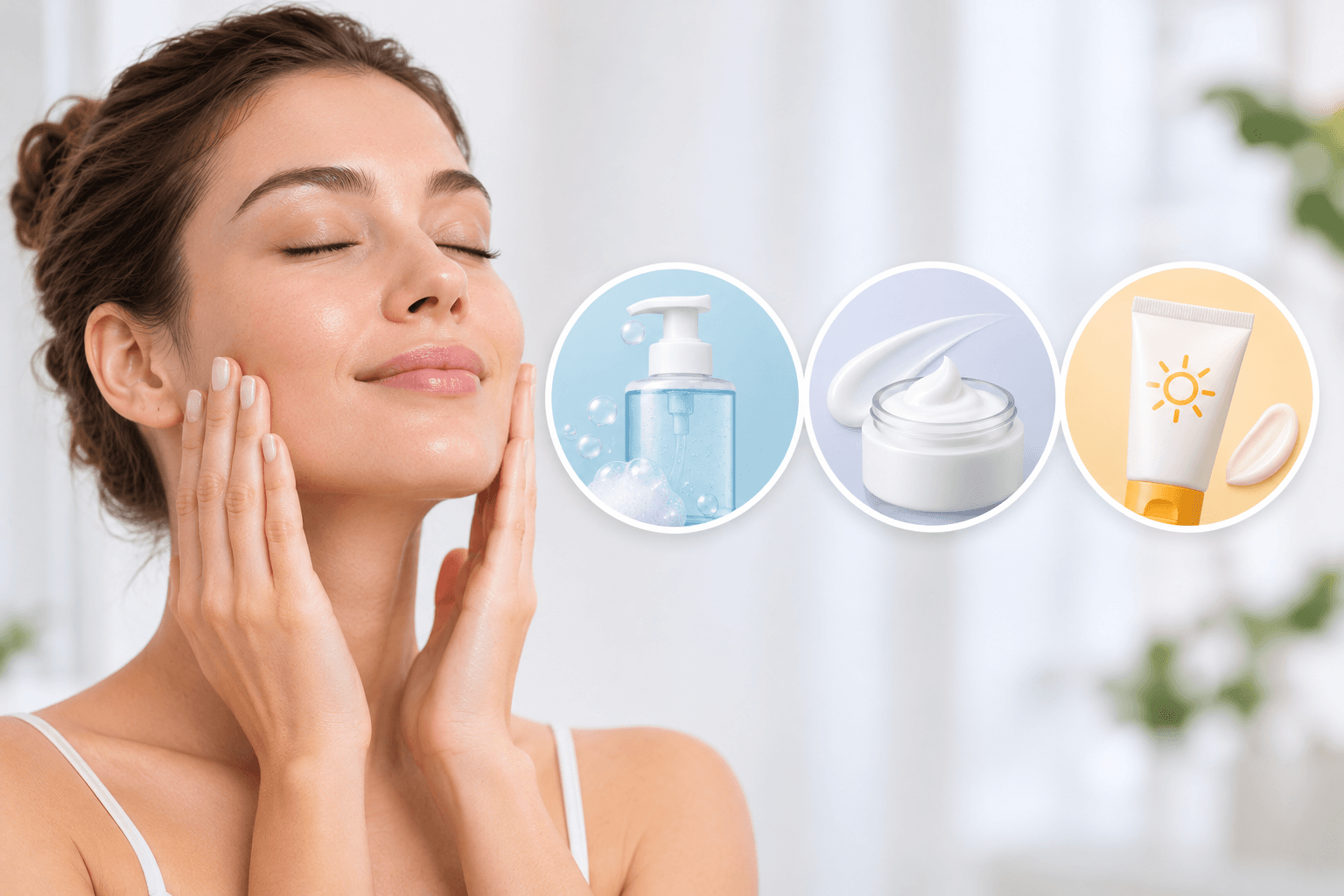
Ulthera after skin care consists of three fundamental steps: gentle cleansing, regular moisturizing, and sun protection. Ulthera is a non-surgical skin-tightening treatment that uses microfocused ultrasound energy. The procedure targets the deeper layers of the skin and does not leave wounds on the surface. For this reason, most people return to their daily lives on the same day. Nevertheless, the skin may be mildly sensitive during the first few days. Proper care helps manage this sensitivity and makes the recovery process more comfortable. This article explains the recovery process step by step and addresses the points to consider after Ulthera based on scientific principles.
What Changes Occur in the Skin After Ulthera?
Mild redness, sensitivity, and edema may occur in the skin after Ulthera. These symptoms are temporary and usually disappear within a few hours to a few days. This response of the skin is a natural part of the biological process targeted by the treatment.
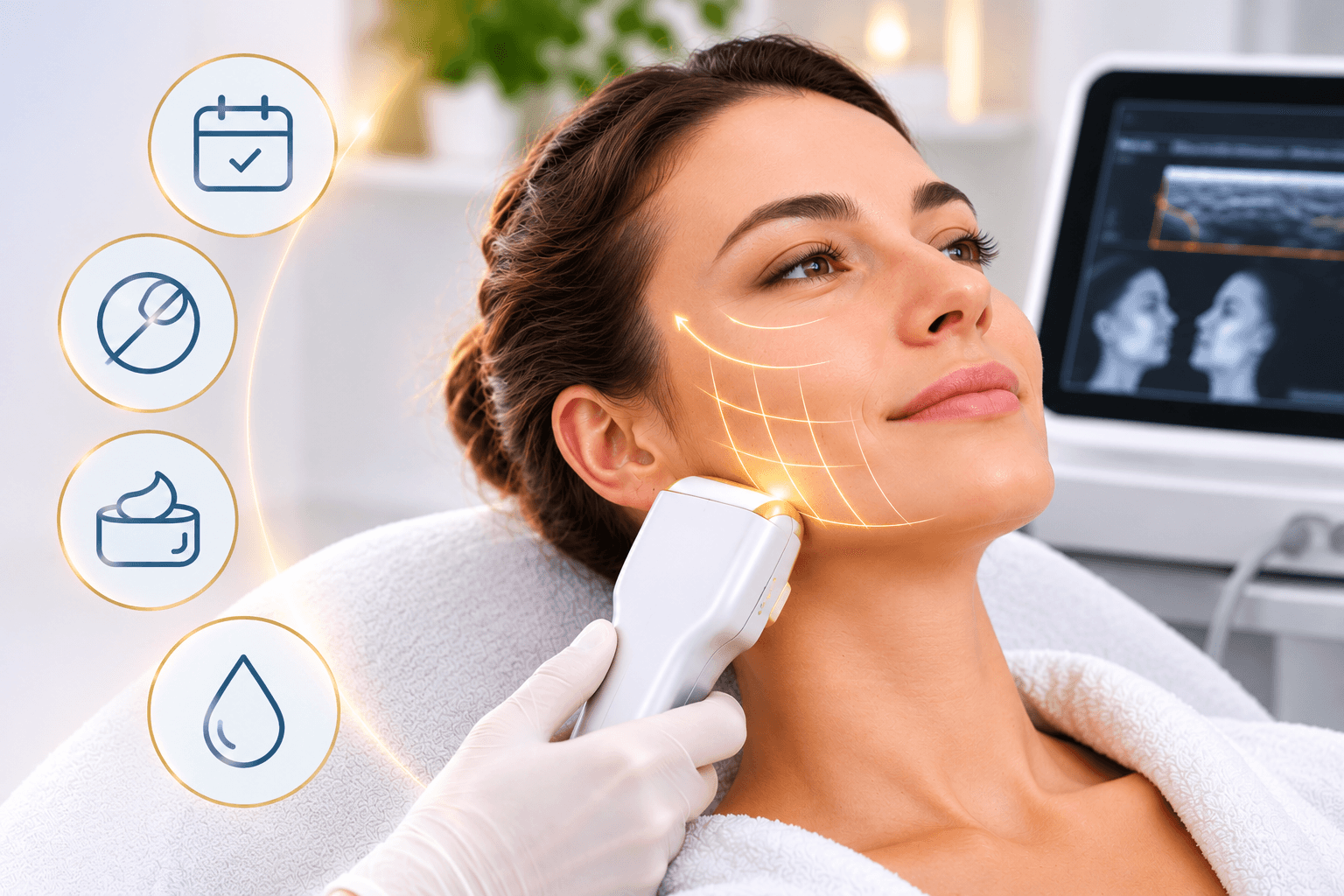
Microfocused ultrasound energy passes through the skin surface and creates controlled thermal coagulation points in deeper layers such as the dermis and the superficial musculoaponeurotic system. A study conducted by Laubach et al. (2008) showed that focused ultrasound creates thermal coagulation zones in deep dermal tissue without causing cellular damage. These thermal points activate the body’s wound-healing mechanism. Cells called fibroblasts begin producing new collagen. The stimulation of collagen production takes weeks, and the skin gradually becomes tighter over time.
After the treatment, some people experience tingling and sensitivity to touch. This sensation may last for several days. Skin reactions vary from person to person. Sensitivity may be more pronounced in areas with thinner skin and in areas overlying bone. Observing your skin’s responses helps you plan the subsequent care steps correctly. This observation also forms the basis of your care routine during the first 24 hours.
How Should Skin Care Be Performed During the First 24 Hours After Ulthera?
It is sufficient to treat your skin gently during the first 24 hours. Since Ulthera does not cause surface damage, special dressing is not required. Your aim should be to avoid mechanical and thermal stimuli that may trigger temporary sensitivity.
Use lukewarm water to cleanse your face. Hot water can stress the skin barrier and increase redness. Avoid vigorous rubbing during cleansing. Gentle circular movements with your fingertips are sufficient. When drying your skin, pat it gently with a soft towel. Do not dry by rubbing the towel against your skin. Avoid applying unnecessary pressure to the treatment area and, if possible, avoid sleeping face down on the first night.
Note your skin’s responses on the first day. A reduction in redness is an expected development. This gentle start provides a foundation for choosing the cleanser and moisturizer you will use in the following days.
Can Facial Cleanser and Moisturizer Be Used After Ulthera?
Yes, you can use them on the same day. The only condition is that the products have gentle formulas. Cleansers developed for sensitive skin are the most suitable option during this period.
The skin barrier is protected by the stratum corneum, the outermost layer of the epidermis. This layer prevents moisture loss and forms a shield against external factors. When choosing a cleanser, opt for pH-balanced, sulfate-free products. For moisturizers, fragrance-free formulas are preferable. Products containing ceramides support barrier lipids. Products containing hyaluronic acid enhance hydration by retaining water in the skin. Baumann (2007) comprehensively demonstrated the essential role of barrier-friendly ingredients such as ceramides and hyaluronic acid in sensitive skin care.
Avoid products containing alcohol and strong fragrances during this period. These ingredients may cause burning and dryness in sensitized skin. If you are switching to a new product, first test your skin’s tolerance on a small area. Knowing which products you can use is just as important as knowing which ingredients to avoid.
Which Skin Care Ingredients Should Be Avoided After Ulthera?
Temporarily discontinue retinol, retinoids, salicylic acid, and chemical peeling products. These ingredients are normally beneficial, but they can increase sensitivity during the healing period.
Retinol and retinoids accelerate cell renewal and may cause dryness and flaking on the skin’s surface. Salicylic acid and other exfoliants dissolve dead skin cells and weaken the barrier. Chemical peels containing AHAs and BHAs produce the same effect more intensely. Physical exfoliants and harsh cleansing brushes cause mechanical irritation. Mukherjee et al. (2006) clinically documented that topical retinoids can cause signs of irritation such as erythema and dryness during the initial period of use.
The specialist who performed the procedure should determine when you can resume using active ingredients. Once your skin sensitivity has completely subsided, reintroduce products into your routine one at a time and at intervals. This makes it easier to identify which product may have caused a possible reaction. Among external factors, sunlight is the most important and requires special attention.
Why Is It Important to Use Sunscreen After Ulthera?
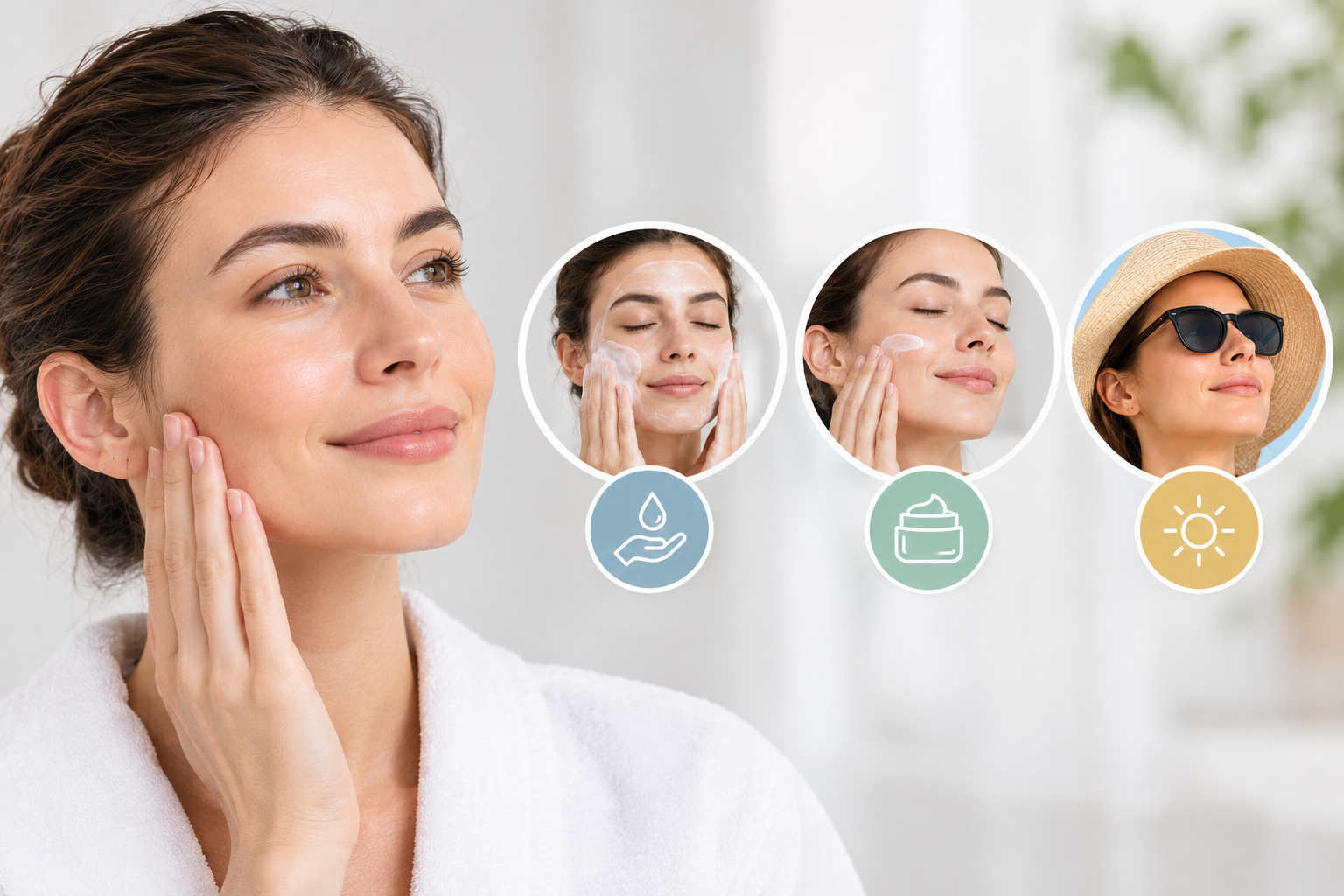
Sunscreen is an essential step in post-Ulthera care. After the procedure, the skin becomes more sensitive to environmental factors, and ultraviolet rays may make the healing process more difficult.
Choose a broad-spectrum sunscreen with an SPF between 30 and 50. The term broad-spectrum means that the product protects against both UVA and UVB rays. UVA rays reach the dermis and accelerate collagen breakdown. UVB rays cause burns in the epidermis. Krutmann et al. (2017) examined the role of ultraviolet radiation in skin aging in detail and emphasized the importance of daily protection.
Limit prolonged, direct sun exposure. Wear a hat and protective accessories outdoors. Reapply your sunscreen every two to three hours throughout the day. If you exercise outdoors, refresh the protection reduced by perspiration. Making sun protection a habit will also help you return to your usual cosmetic routine more easily.
Can You Wear Makeup After Ulthera?
If there is no significant irritation or sensitivity, you can resume wearing makeup the same day or the following day. Since Ulthera does not leave an open wound on the skin’s surface, makeup is generally not an issue.
During the first few applications, choose lightweight products that are gentle on the skin. Mineral-based and non-comedogenic formulas are good options. Pay close attention to the hygiene of your makeup brushes and sponges. Dirty tools can cause irritation on sensitive skin. When removing makeup, use gentle, bi-phase or micellar-based products that do not tug at the skin.
If redness or swelling persists, take a break from wearing makeup for a while. Allowing your skin to rest can accelerate healing. Another issue that arises after makeup is when to resume physical activities.
When Can You Resume Sports and Physical Activities After Ulthera?
Most people return to their daily activities on the same day. Ulthera is a non-surgical treatment and does not require a lengthy recovery period. For intense exercise, however, follow the recommendations of the specialist who performed the treatment.
Light-paced walking and everyday movement should not cause any problems. Intense cardio and weight training increase body temperature and blood flow. If sensitivity and swelling persist, this increase may cause discomfort. In such cases, limit physical exertion for a few days.
If you exercise outdoors, do not neglect sun protection. Sweating reduces the effectiveness of sunscreen, so increase the frequency of reapplication. Heat is not limited to exercise; environments such as saunas and Turkish baths also require the same precautions.
Are Saunas, Turkish Baths, and Hot Showers Harmful After Ulthera?
It is recommended that you avoid excessively hot environments during the first few days. High temperatures can cause discomfort in sensitized skin and increase redness.
Discuss when to return to high-temperature environments such as saunas and Turkish baths with your treating physician. Limit heat exposure as long as redness and sensitivity persist. Avoid washing your face with very hot water. A lukewarm shower is the safest option during this period.
Follow your clinic’s recommendations as you return to your normal shower routine. As your skin settles, your tolerance to heat will also return to its previous level. Properly managing existing swelling and redness, as well as avoiding heat, supports the healing process.
How Can Swelling and Redness Be Reduced After Ulthera?
Mild edema and redness usually resolve on their own. The best approach is to avoid interfering with the skin’s natural healing process.
Consider using a cold compress or ice only if recommended by the specialist who performed the treatment. Do not apply ice directly to the skin; wrap it in a clean cloth and use it for short periods. Avoid massage and applications involving intense pressure. Frequently touching the treated area can increase irritation.
Contact your clinic if your symptoms worsen or last longer than expected. At this point, it is important to distinguish between normal reactions and signs that require medical evaluation.
Which Symptoms Are Not Normal After Ulthera?
Severe pain, increasing swelling, blistering, and newly developed numbness are not considered normal. If these symptoms occur, contact your or the physician who performed the treatment.
Mild and temporary sensitivity is an expected reaction. In contrast, persistent or worsening pain may indicate another condition. Increasing swelling and noticeable skin changes require evaluation. Blistering, a burn-like appearance, or a disruption in skin integrity requires immediate examination. Symptoms such as newly developed numbness, weakness, or asymmetry in the face should also be taken seriously.
The table below compares normal reactions with symptoms that require attention:
Expected Temporary Reactions | Symptoms Requiring Medical Evaluation |
Mild redness | Increasing and spreading redness |
Sensitivity lasting a few days | Severe and persistent pain |
Mild edema | Increasing and hardening swelling |
Tingling sensation | New numbness, weakness, or asymmetry |
Sensitivity to touch | Blistering or disruption of skin integrity |
Knowing the difference helps prevent unnecessary anxiety and enables you to take timely action when needed. When no unusual symptoms are present, your focus should be on supporting long-term results.
What Can Be Done to Support Collagen Production After Ulthera?
A balanced diet, adequate water intake, regular sleep, and avoiding smoking support collagen production. During the recovery period after Ulthera, lifestyle habits form the foundation of skin health.
The body needs amino acids for collagen synthesis. A balanced diet containing sufficient protein meets this need. Vitamin C is a cofactor for the enzymes prolyl and lysyl hydroxylase, which are involved in collagen synthesis. Pullar, Carr, and Vissers (2017) comprehensively examined the biological functions of vitamin C and antioxidants in skin health. Adequate water intake helps maintain the skin’s moisture balance. Regular sleep provides the period during which cellular repair takes place.
Smoking has a destructive effect on collagen. Knuttinen et al. (2002) demonstrated that smoking accelerates skin aging and suppresses collagen synthesis. You should also know that using a moisturizer or sunscreen alone does not enhance the treatment outcome. These products protect skin health and provide a suitable environment for the natural collagen renewal process triggered by Ulthera. This long-term perspective also raises the question of when your routine will return to normal.
When Does Your Skincare Routine Return to Normal After Ulthera?
You can gradually return to your routine once the sensitivity has subsided. For most people, this takes anywhere from a few days to two weeks.
During the first few days, prioritize three steps: gentle cleansing, moisturizing, and sun protection. Determine when to resume using active ingredients such as retinol, acids, and exfoliants with your specialist. As skin sensitivity decreases, gradually reintroduce your regular products in a controlled manner.
If you are planning professional skincare treatments, chemical peels, or laser procedures, discuss the timing with your physician. When multiple aesthetic procedures are involved, an appropriate interval should be left between treatments. Fabi (2015) states that focused ultrasound treatments can be safely included in combined treatment plans, but their sequence should be based on clinical evaluation. Planning your routine also requires understanding the timeline for your results to appear.
When Do Ulthera Results Appear and How Long Does Skin Tightening Last?
Skin tightening generally becomes noticeable within 2 to 3 months. Results may continue to develop for approximately 3 to 6 months.
The mild fullness experienced during the first few days is caused by temporary swelling and is not the actual treatment result. True tightening depends on the formation of new collagen, and this biological process takes time. Alam et al. (2010) observed significant skin tightening through objective assessments in patients who underwent ultrasound tightening of the face and neck.
Age, skin structure, lifestyle, and the degree of skin laxity at the outset affect the results. Results tend to be more pronounced in skin with mild to moderate laxity, particularly in younger individuals. The longevity of the tightening achieved depends on maintaining your skin health and your aging process. Regular skincare supports the durability of these results.
Frequently Asked Questions About Skincare After Ulthera
This section provides brief and clear answers to the questions most frequently asked during the recovery process.
When Can I Wash My Face After Ulthera?
You can wash your face the same day. Facial cleansing is not restricted after Ulthera; it simply needs to be done gently. Use lukewarm water and a non-irritating cleanser. Cleanse without rubbing and pat your skin dry.
Is It Appropriate to Apply Ice After Ulthera?
It is not necessary for every patient. Apply cold only if recommended by your clinic. Do not allow ice to come into direct contact with your skin, and always obtain approval from your clinic beforehand.
Can I Use Retinol After Ulthera?
Do not use it during the first few days. Retinol may cause sensitivity. Determine when to resume use with your specialist based on your skin’s condition.
Will Bruising Occur on the Skin After Ulthera?
Some people may experience mild bruising and sensitivity. This usually resolves on its own. If the bruising worsens or persists, contact your clinic for evaluation.
Can I Have a Facial Massage After Ulthera?
Avoid vigorous massage while sensitivity persists. Consult your specialist about the timing of professional facial massage and lymphatic drainage treatments.
Should I Use Sunscreen Every Day After Ulthera?
Yes, use it every day. Daily sun protection is an essential habit for skin health. Reapply your broad-spectrum SPF 30–50 sunscreen regularly.
Do I Need to Change My Skincare Products After Ulthera?
Assess your current products according to your skin’s tolerance. Temporarily discontinue active ingredients that cause sensitivity. Continue with a gentle cleanser, fragrance-free moisturizer, and sunscreen.
Conclusion: What Are the Essential Principles of Post-Ulthera Care?
Post-Ulthera skincare is based on the principles of gentleness, protection, and patience. Since the procedure is non-surgical, the recovery process is quick; however, careful attention during the first few days ensures lasting comfort.
Gentle cleansing and regular moisturizing protect the skin barrier. Sun protection prevents environmental damage. Gradually returning to active ingredients reduces the risk of irritation. Distinguishing normal reactions from warning signs prevents unnecessary concern. A scientific approach and professional guidance support the best possible results from the collagen renewal process triggered by Ulthera.
References
Alam, Murad, Laura E. White, Nathaniel Martin, et al. “Ultrasound Tightening of Facial and Neck Skin: A Rater-Blinded Prospective Cohort Study.” Journal of the American Academy of , volume 62, issue 2, 2010, pages 262–269.
Baumann, Leslie. “Understanding and Treating Various Skin Types: The Baumann Skin Type Indicator.” Clinics, volume 26, issue 3, 2008, pages 359–373.
Fabi, Sabrina Guillen. “Noninvasive Skin Tightening: Focus on New Ultrasound Techniques.” Clinical, Cosmetic and Investigational , volume 8, 2015, pages 47–52.
Knuutinen, A., N. Kokkonen, J. Risteli, et al. “Smoking Affects Collagen Synthesis and Extracellular Matrix Turnover in Human Skin.” British Journal of , volume 146, issue 4, 2002, pages 588–594.
Krutmann, Jean, Anne Bouloc, Gabrielle Sore, et al. “The Skin Aging Exposome.” Journal of Science, volume 85, issue 3, 2017, pages 152–161.
Laubach, Hans-Joachim, Ilya R. Makin, Philip G. Barthe, et al. “Intense Focused Ultrasound: Evaluation of a New Treatment Modality for Precise Microcoagulation within the Skin.” Surgery, volume 34, issue 5, 2008, pages 727–734.
Mukherjee, Siddharth, Abhijit Date, Vandana Patravale, et al. “Retinoids in the Treatment of Skin Aging: An Overview of Clinical Efficacy and Safety.” Clinical Interventions in Aging, volume 1, issue 4, 2006, pages 327–348.
Pullar, Juliet M., Anitra C. Carr and Margreet C. M. Vissers. “The Roles of Vitamin C in Skin Health.” Nutrients, volume 9, issue 8, 2017, page 866.
Get in touch with our expert team
Related Posts