Yükleniyor…
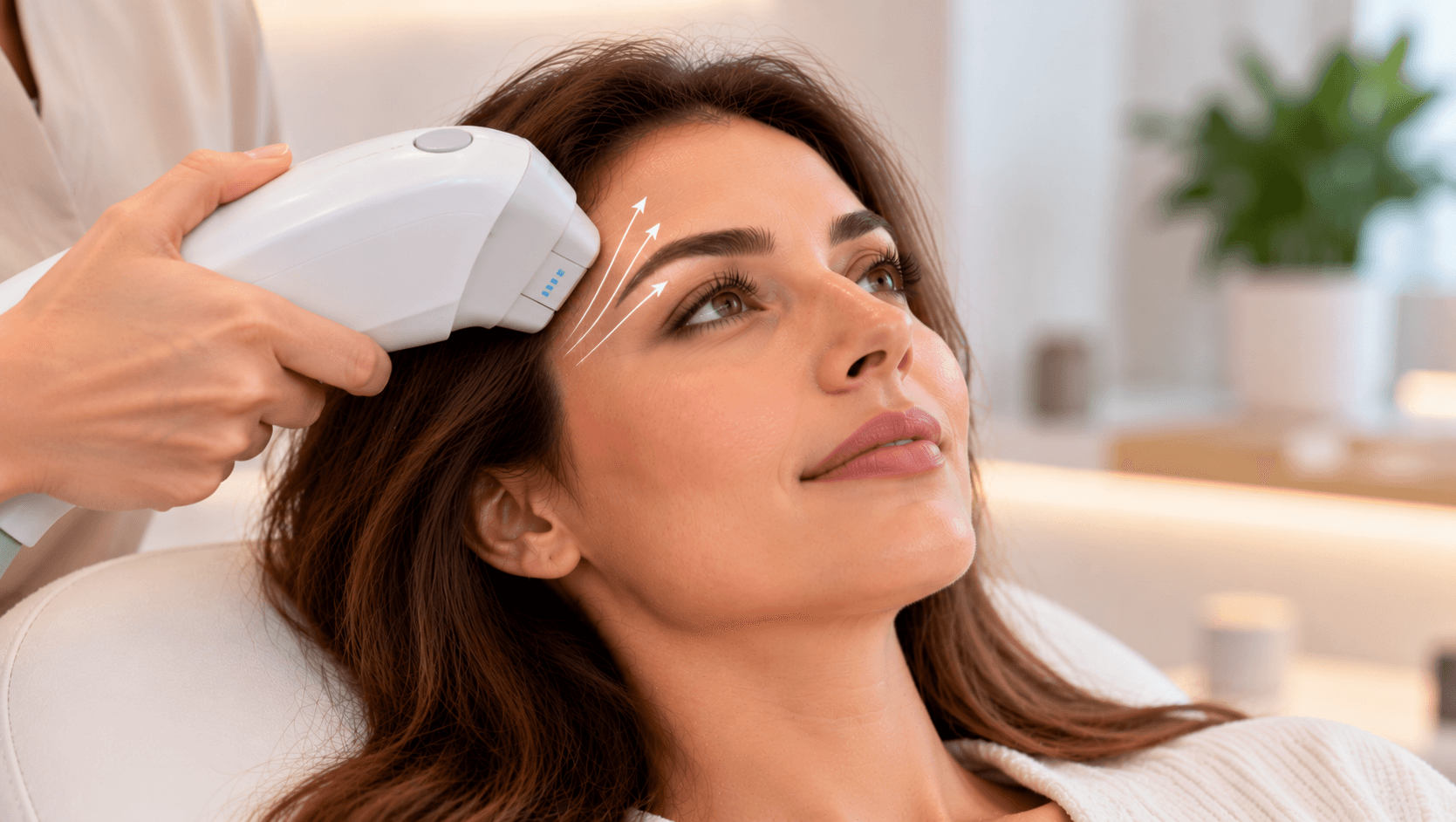
Ulthera is a non-invasive aesthetic treatment that delivers energy to the deep tissues beneath the skin using micro-focused ultrasound technology, triggering collagen production. The recovery process after treatment is much shorter compared to surgical facelift procedures. Most patients can return to their daily lives on the same day as the treatment. However, the recovery process varies according to personal factors. Age, skin quality, treatment area, and the level of energy applied affect the results. In this article, we will examine the recovery process after Ulthera day by day. We will explain the temporary side effects, care routine, and when results can be seen.
Mild redness, swelling, and sensitivity are normal in the first hours. These symptoms usually subside within a few hours.
The first hours after Ulthera treatment are a critical period when the body initiates its healing response. Ultrasound energy reaches the SMAS layer and deep dermis beneath the skin. This energy begins to restructure collagen and elastin fibers. The body responds to this energy with an inflammatory response. This response is the first sign of healing.
Mild redness, edema, sensitivity to touch, tingling, and a feeling of tightness in the skin are considered normal.
The following findings may appear within a few hours after treatment:
Mild redness: Ultrasound energy may cause temporary redness on the skin surface. This redness is usually in pink tones. It is due to an increase in skin temperature. It begins to fade within a few hours.
Mild swelling: Mild edema develops in the treatment area. Edema is related to increased blood flow and accelerated lymphatic circulation. Swelling is usually mild.
Sensitivity: The sense of touch may increase. There may be slight discomfort during face washing or makeup removal.
Tingling sensation: The energy transmission in deep tissues leaves a tingling sensation in some patients. This feeling is due to temporary stimulation of nerve endings.
Feeling of tightness in the skin: A sensation of stretching or pulling occurs in the skin. This feeling is related to the shortening of collagen fibers. The feeling of tightness is the first sign of the lifting effect.
Pain is usually mild. There may be sensitivity to touch. Pain is short-lived in most patients.
The sensation of pain after Ulthera is minimal in most patients. There is no sharp pain like in surgical interventions. However, the ultrasound energy in deep tissues may leave a slight discomfort in some patients. This discomfort usually manifests as a feeling of pressure. It scores between 1-3 on the pain scale. Pain is most intense within the first 24 hours. It then decreases rapidly. Rarely, mild sensitivity may persist for 2-3 days in some patients.
Mild side effects are observed in the first 24 hours. The skin returns to normal in the first week. Initial changes begin in the first month. The lifting effect becomes noticeable in 2-3 months. Final results appear at 6 months.
The recovery process after Ulthera is gradual. The body employs different healing mechanisms at each stage. Here are the expected developments day by day:
Redness and swelling are observed. It is possible to return to daily life. Initial care recommendations should be followed.
The first 24 hours is the most critical period. Mild redness and swelling continue on the skin. During this time, the skin barrier becomes sensitive. Daily activities can be resumed on the same day. However, the skin should be cleaned gently. Plenty of water should be consumed. Sun protection is necessary. Avoid harsh scrubbing of the skin in the first 24 hours.
Sensitivity decreases. The skin begins to return to normal. Collagen production starts.
By the end of the first week, redness and swelling on the skin completely disappear. Sensitivity to touch decreases. The skin begins to return to normal. However, during this period, collagen production is activated. Fibroblast cells start synthesizing new collagen fibers. A slight feeling of tightness may occur in the skin. This sensation is the first sign of the lifting effect.
The first changes in skin tightness appear. The skin looks more vibrant. Healing continues gradually.
By the end of one month, noticeable changes begin in the skin. New collagen fibers strengthen the skin structure. The skin gains a tighter and more vibrant appearance. A slight lifting sensation can be felt in the facial contours. A slight improvement in wrinkles in the décolletage area can be observed. However, this stage represents interim results. More time is needed for final results.
New collagen formation accelerates. The lifting effect becomes more pronounced. Skin elasticity increases.
The second and third months are the most exciting period. During this time, new collagen formation accelerates. The restructuring of elastin fibers continues. A significant increase in skin elasticity is observed. Tightening of the facial oval is felt more distinctly. Sagging in the neck area decreases. The skin texture gains a smoother and younger appearance.
Final results emerge. Results are evaluated.
By the end of the sixth month, final results are visible. During this period, maximum collagen production occurs. Skin tightness reaches its peak. The lifting effect becomes most pronounced. Results of skin rejuvenation can be fully evaluated. Patients can compare before and after photos. The permanence of the results is assessed.
Recovery Period | Expected Changes | Social Activity Status |
First 24 Hours | Mild redness, swelling, sensitivity | Return to daily life possible |
First Week | Reduction of side effects, return of skin to normal | Full social activity possible |
First Month | First feeling of tightness, vibrant appearance | Normal life continues |
2-3 Months | Noticeable lifting, increased elasticity | No restrictions |
6 Months | Final results emerge | Maximum results assessment |
Redness, swelling, sensitivity, mild bruising, tingling, and chin-neck sensitivity are temporary side effects. These symptoms are usually short-lived.
Since Ulthera is a non-invasive treatment, side effects are generally mild and temporary. However, each patient's skin structure is different. In some patients, symptoms may be more pronounced. Here are the temporary side effects that may be encountered:
Redness usually begins to fade within a few hours. It can rarely last 24-48 hours.
Redness after Ulthera is the most commonly observed temporary side effect. Ultrasound energy causes a slight increase in temperature on the skin surface. This increase in temperature causes redness. Redness is usually limited to the treatment area. It can be seen on the face, neck, or décolletage. In those with high skin sensitivity, redness may last a bit longer. Applying a cold compress alleviates redness.
Mild swelling is normal. It usually subsides completely within 24-72 hours.
Edema is part of the body's natural healing response. Lymphatic circulation speeds up and there may be fluid accumulation in the area. Swelling is generally mild. It does not affect social life. Keeping the head elevated speeds up the reduction of edema. Reducing salt intake also helps control swelling.
Sensitivity to touch usually decreases within 2-3 days. It can rarely last for a week.
The skin becomes sensitive to touch after treatment. This sensitivity arises from energy transmission in the deeper tissues. A slight discomfort may be felt during face washing. Sensitivity varies from person to person. Those with good skin quality experience shorter sensitivity.
Mild bruising is rarely seen. It usually appears as small spots. It fades within a few days.
Bruising is caused by the temporary effect on small vessels in deeper tissues. It may be more common in those with thin skin and prominent vascular structures. Bruising is generally mild. It can easily be covered with makeup.
Tingling or numbness can be temporary. It usually resolves within a few hours or days.
Ultrasound energy in deeper tissues can temporarily stimulate nerve endings. This can create a tingling sensation. Rarely, a slight feeling of numbness may also occur. These symptoms are generally short-lived. Nerve endings normalize on their own.
The jaw and neck area is rich in nerve endings. Sensitivity may be more pronounced in this area.
The jaw and neck area is more sensitive compared to other areas of the face. Nerve endings are denser in this region. Ultrasound energy can temporarily affect these nerve endings. A slight discomfort may be felt while eating along the jawline. Mild sensitivity may occur during head movements in the neck area. These symptoms generally disappear completely within 3-5 days.
Important Note: All of these symptoms are considered temporary and normal side effects. However, if severe pain, advanced swelling, prolonged numbness, signs of infection, or unexpected skin reactions occur, it is necessary to consult a doctor.
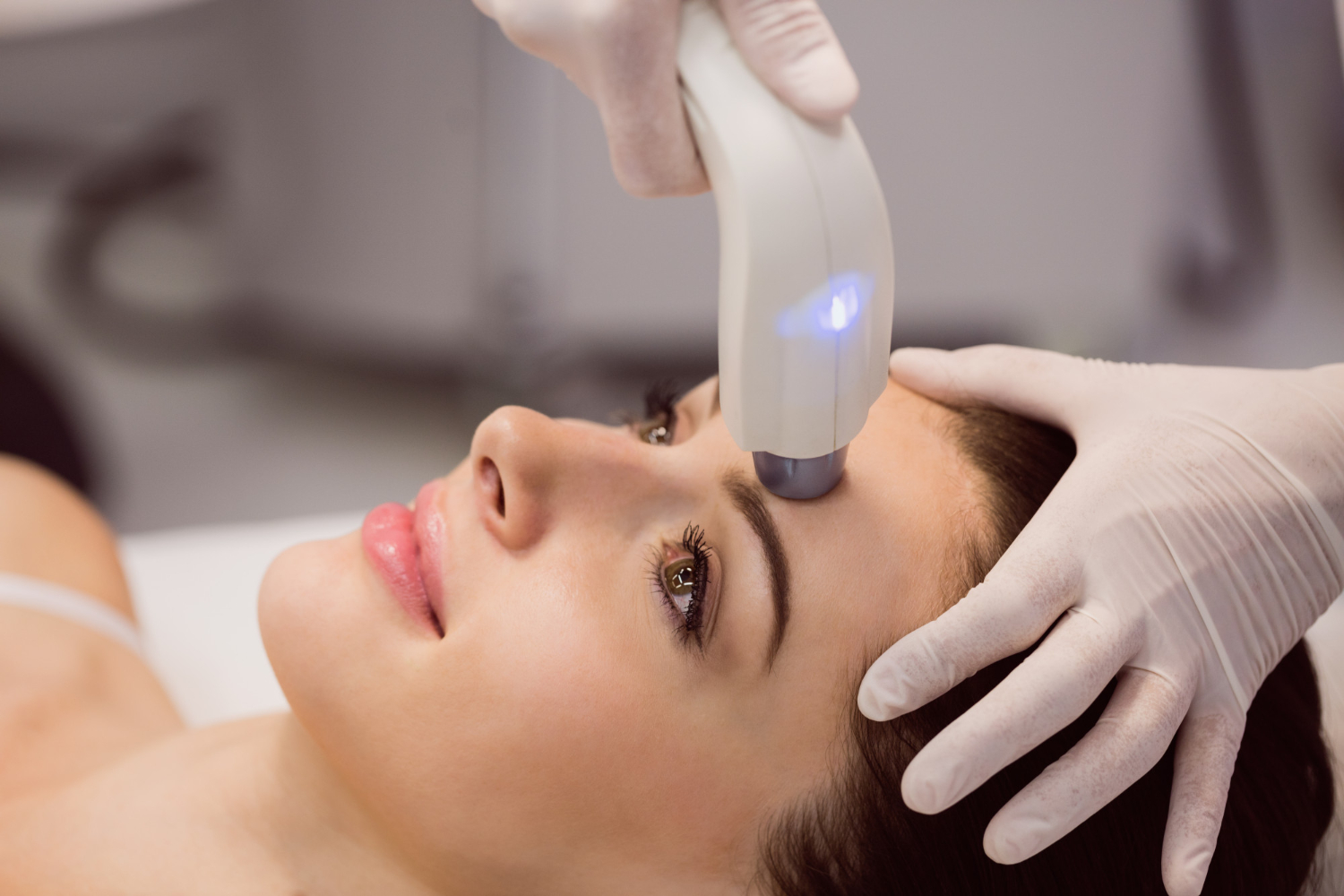
The skin should be gently cleansed, plenty of water should be consumed, and sun protection is necessary. Very hot showers, saunas, steam baths, intense exercise, and alcohol should be avoided.
The post-Ulthera care process directly affects the results. Proper care supports collagen production. It shortens the duration of side effects. The following should be considered during the post-procedure period:
Gently cleansing the skin, drinking plenty of water, and protecting from the sun are the things to be done in the first 24 hours.
Gently cleansing the skin: During the first wash after treatment, harsh scrubbing motions should be avoided. Lukewarm water and a mild cleanser should be used. A soft cloth should be preferred instead of a rough towel to dry the skin.
Drinking plenty of water: Water consumption strengthens the skin's moisture barrier. It supports lymphatic circulation. It is recommended to drink at least 2-2.5 liters of water daily.
Protecting from the sun: The skin becomes more sensitive to the sun after treatment. The use of sunscreen is mandatory. Direct sunlight should be avoided.
Very hot showers, saunas, steam baths, intense exercise, alcohol, and harsh scrubbing should be avoided.
Very hot showers: Hot water can increase redness in the skin. Lukewarm water should be preferred. Very hot showers should be avoided in the first 48 hours.
Saunas and steam baths: High heat can increase swelling in the skin. Saunas and steam baths should not be used in the first week.
Intense exercise: Excessive sweating can cause irritation in the skin. Light exercises should be preferred in the first 24-48 hours. Intense sports activities can be resumed after 3-4 days.
Alcohol consumption: Alcohol increases blood circulation and can worsen swelling. Alcohol consumption should be avoided in the first few days.
Harshly scrubbing the skin: Massage and harsh cleansing movements can irritate the skin. Gentle movements should be used in the first week.
Using sunscreen protects the skin barrier. Ultraviolet damage negatively affects collagen production. Sunscreen supports healing.
After Ulthera, the skin barrier temporarily weakens. Ultraviolet rays trigger the formation of free radicals in the skin. Free radicals can damage newly formed collagen fibers. This situation negatively affects treatment results. The use of sunscreen protects the skin from these damages. A sunscreen with SPF 30 or higher should be chosen. Sunscreen should be applied regularly every day. Sunscreen should be used even on cloudy days.
Using moisturizer repairs the skin barrier. Products without perfume and alcohol should be preferred.
After Ulthera, the need to maintain skin moisture increases. Using moisturizer strengthens the skin barrier. It prevents the skin from drying out. Fragrance-free, hypoallergenic products should be preferred. Toners containing alcohol should be avoided. Moisturizers containing hyaluronic acid increase the skin's moisture retention capacity. Moisturizer should be applied regularly twice a day.
In the first few days, gentle cleansers and moisturizers should be used. Special products should be selected for sensitive skin. Products containing retinol and acids can be resumed after a week. Makeup can be applied after 24 hours.
The skin care routine after Ulthera optimizes treatment results. Choosing the right products speeds up skin healing. Incorrect products can cause irritation.
Warm water, a mild cleanser, a moisturizer containing hyaluronic acid, and a sunscreen with high SPF are suitable products in the first days.
Cleanser: Cleansers that do not contain SLS (sodium lauryl sulfate) and are pH balanced should be preferred. Foam cleansers clean the skin without causing irritation.
Moisturizer: Moisturizers containing hyaluronic acid, ceramide, or panthenol repair the skin barrier. Gel-based moisturizers can be preferred in the summer months.
Sunscreen: Sunscreens containing physical filters (zinc oxide, titanium dioxide) are more suitable for sensitive skin.
For sensitive skin, products that are fragrance-free, alcohol-free, and hypoallergenic should be selected. If redness increases on the skin, a doctor should be consulted.
Patients with sensitive skin should be more careful after treatment. Side effects may last a little longer in these individuals, whose skin barrier is already sensitive. New products should be avoided. Previously used products that did not irritate the skin should be preferred. If unexpected redness or itching develops on the skin, the use of products should be stopped and a doctor should be consulted.
Products containing retinol and acids can generally be resumed after a week. However, it is safest to start after the skin has completely returned to normal.
Retinol, glycolic acid, salicylic acid, and similar active ingredients can sensitize the skin. These products should be avoided in the first week after Ulthera. After the skin returns to normal, retinol use can be gradually started. Low concentration products should be preferred in the initial uses. If signs of irritation are observed on the skin, use should be paused.
Makeup can generally be applied after 24 hours. However, it is safer to start after the skin has returned to normal.
The question of whether makeup can be applied after Ulthera is frequently asked. Makeup should be avoided on the first day after treatment. Makeup products can clog the pores of the skin. The skin should breathe in the first 24 hours. After 24 hours, mineral makeup products can be preferred. A light BB cream can be used instead of foundation. Makeup removal should be done gently. Harsh rubbing motions should be avoided.
Initial changes begin within a month. Collagen production continues for weeks. Maximum results are seen in 3-6 months. Results are generally lasting for 1-2 years.
The answer to the question of when Ulthera results are visible requires patience. The results of non-invasive aesthetic procedures emerge more gradually compared to surgical procedures. However, this gradual process provides a natural appearance.
Initial changes are usually felt within 2-4 weeks. A slight tightness and vitality in the skin is noticeable.
Initial changes appear as a feeling of firmness in the skin. Patients report that their skin feels tighter and smoother. A slight lifting of facial contours is observed. However, these changes are not yet the final results. As collagen production continues, the results become more pronounced.
Ultrasound energy stimulates fibroblast cells. Fibroblasts produce new collagen and elastin fibers. This process continues for weeks and months.
The Ulthera treatment delivers heat to deep tissues using micro-focused ultrasound energy. This heat reaches the SMAS layer beneath the skin and the deep dermis. The heat activates fibroblast cells. Fibroblasts begin to synthesize new collagen type I and type III. It also triggers the remodeling of elastin fibers. This process is known as the inflammatory healing response. Collagen production begins in the first week after treatment. It accelerates in the second and third months. It continues until the sixth month.
Maximum results are generally seen after 3-6 months. During this period, the lifting effect becomes most pronounced.
For maximum results to be visible, the skin must complete its collagen remodeling. By the third month, results become quite noticeable. The final results appear by the sixth month. During this period, skin elasticity reaches its peak. Lifting of the facial oval is clearly visible. Sagging in the neck and décolletage areas diminishes. The skin rejuvenation effect can be fully assessed.
Ulthera results generally last for 12-24 months. Since the aging process continues, repeat treatments may be considered.
The durability of Ulthera results depends on personal factors. In younger patients, results last longer. In those with good skin quality, results are more pronounced. Proper skin care extends the lifespan of results. The use of sunscreen preserves the results. Healthy eating and regular sleep support collagen production. Since the aging process continues, repeat treatment may be considered after 12-18 months. Repeat treatments maintain the results.
Age, skin quality, treatment area, energy level applied, and lifestyle affect healing.
The recovery process after Ulthera is not the same for everyone. Many factors influence the results and the speed of recovery. Understanding these factors helps patients set realistic expectations.
In younger patients, collagen production is faster. In older patients, results appear more slowly but are still effective.
Age directly affects collagen production capacity. In patients aged 30-40, fibroblast cells are more active. In these patients, results appear faster and more distinctly. In patients over 50, collagen production may be slightly slower. However, effective results are still achieved in this age group. In older patients, skin sagging is more pronounced, so the lifting effect may be more noticeable.
Those with good skin quality experience faster recovery. Results may be more pronounced in thick and oily skin.
Skin quality significantly affects the recovery process. Flexible and moist skin responds better to treatment. In patients with thick skin, ultrasound energy is distributed more effectively. In patients with thin skin, mild side effects may be more pronounced on the surface. The existing amount of collagen in the skin affects new production. In individuals with sun damage to their skin, results may appear slightly slower.
The recovery time may vary in the face, neck, and décolletage areas. The neck area is more sensitive.
Recovery after treatment in the facial area is generally quick. Blood circulation is denser in the facial area. The neck area has a thinner skin structure. Sensitivity after neck treatment may last a bit longer. The décolletage area is at risk for sun exposure. After décolletage treatment, sun protection is much more important.
Higher energy levels yield more pronounced results. However, side effects may also be slightly more noticeable.
Different energy levels can be used in the Ulthera device. At low energy levels, side effects are minimal. However, results may appear slightly slower. At high energy levels, collagen production is triggered more intensely. This provides a more pronounced lifting effect. However, redness and sensitivity after high energy may last a bit longer. The doctor adjusts the energy level according to the skin type.
Smoking, poor nutrition, irregular sleep, and excessive sun exposure negatively affect recovery.
Smoking: Smoking reduces the amount of oxygen in the skin. Nicotine narrows blood vessels. This slows down collagen production. In patients who smoke, results appear more slowly.
Nutrition: A protein-rich diet supports collagen synthesis. Foods containing vitamin C increase fibroblast activity. Sugary and processed foods increase inflammation. Healthy eating optimizes results.
Sleep pattern: The body's repair mechanisms work during sleep. Regular and adequate sleep supports collagen production. Lack of sleep causes an increase in stress hormones in the skin. This situation slows down healing.
Sun exposure: Excessive sun exposure triggers the formation of free radicals in the skin. Free radicals break down new collagen. Sun damage negatively affects treatment results.
Adequate water intake, a diet rich in protein and antioxidants, regular sun protection, keeping the skin moist, and following the doctor's recommendations speed up healing.
To support the healing process after Ultherapy, patients can take some simple precautions. These precautions optimize collagen production. They shorten the duration of side effects. They ensure that results appear faster and more distinctly.
Water intake strengthens the skin's moisture barrier. It supports lymphatic circulation. It helps eliminate toxins.
It is recommended to drink at least 2-2.5 liters of water daily. Water enables skin cells to perform their functions. Moist skin heals faster. Water intake accelerates the elimination of edema. It supports the functioning of the lymphatic system. It helps remove toxins from the skin.
Meat, fish, eggs, legumes, fruits, and vegetables should be consumed. Foods rich in vitamin C, vitamin E, and zinc should be preferred.
Protein is necessary for collagen production. Daily protein needs should be met. Red meat, chicken, fish, and eggs are rich in protein. Legumes and nuts are sources of plant protein. Vitamin C is essential for collagen synthesis. Citrus fruits, kiwi, peppers, and strawberries are rich in vitamin C. Vitamin E protects the skin from free radicals. Almonds, avocados, and olive oil contain vitamin E. Zinc mineral supports skin repair. Pumpkin seeds and peanuts contain zinc.
Sunscreen with SPF 30 or higher should be used every day. Sunscreen should be reapplied every 2-3 hours.
Using sunscreen is one of the most important care steps after treatment. Sunscreen protects the new collagen in the skin. It prevents ultraviolet damage. Sunscreen should be applied every morning as the last step of the skincare routine. It should be applied 15-20 minutes before going outside. It should be reapplied every 2-3 hours throughout the day. It must be reapplied after sweating or swimming.
Moisturizer should be applied twice a day. The skin should be washed with warm water. Dry environments should be avoided.
Moist skin heals faster. Using moisturizer strengthens the skin barrier. Soaps that dry the skin should be avoided. Warm water should be used during face washing. Hot water dries the skin. A humidifier can be used in winter months. The humidity level in the environment affects skin health.
The doctor's recommendations include a personalized care plan. In addition to general advice, personal needs are taken into account.
Each patient's skin structure is different. The doctor provides specific recommendations based on the patient's skin type. Products to be used after treatment may be recommended by the doctor. Any issues that may arise during the healing process are evaluated by the doctor. Regular check-ups ensure the monitoring of results. Patients must strictly adhere to the doctor's recommendations.
If severe pain, advanced swelling, prolonged numbness, signs of infection, or unexpected skin reactions occur, you should consult a doctor.
Side effects after Ultherapy are generally mild and temporary. However, some situations require medical intervention. Patients should be alert for the following symptoms:
Severe pain: Mild discomfort is normal. However, severe and unbearable pain is not normal. Pain that does not subside despite painkillers should be reported to the doctor.
Advanced swelling: Mild edema is normal. However, if swelling increases over time or alters facial features, you should consult a doctor.
Prolonged numbness: Tingling or numbness should resolve within a few days. Numbness lasting longer than a week requires a doctor's evaluation.
Signs of infection: Increased heat in the skin, increased redness, pus formation, or fever are signs of infection. In these cases, you should consult a doctor immediately.
Unexpected skin reactions: If blisters, severe itching, or rashes develop on the skin, you should consult a doctor.
You can return to work the same day. Exercise can be resumed after 3-4 days. The face can be washed after 24 hours. Makeup can be applied after 24 hours. Swelling lasts for 24-72 hours. Redness subsides within a few hours. Results become noticeable within 3-6 months. Treatment can be repeated.
Most patients can return to work on the day of treatment. Mild redness can be covered with makeup.
Since Ultherapy is a non-invasive treatment, the return to social life is very quick. Most patients return to work the same day after treatment. If there is mild redness, mineral foundation or concealer can be used. If there is slight swelling in facial features, this may not be noticeable to the social environment. However, if there is an important meeting or event, it may be better to wait 24-48 hours.
Light exercise can be done after 24 hours. Intense sports activities can be resumed after 3-4 days.
Activities like light walking can be safely done after 24 hours. However, intense exercise may cause excessive sweating on the skin. Sweat can lead to skin irritation. Additionally, intense exercise increases blood pressure and may worsen edema. It is safer to return to the gym after 3-4 days. Swimming should be preferred only after the skin has completely returned to normal.
The face can be gently washed after 24 hours. Lukewarm water and a mild cleanser should be used.
It is recommended to avoid washing the skin for the first 24 hours after treatment. The first wash can be done after 24 hours. Lukewarm water should be used during washing. Hot water can irritate the skin. The skin should be cleansed with gentle motions. Rubbing should be avoided. A soft towel should be used to dry the face. Avoid rubbing the skin harshly.
Makeup can generally be applied after 24 hours. Mineral makeup products should be preferred.
The answer to the question of whether makeup can be applied after Ulthera is yes. However, makeup should be avoided for the first 24 hours. Makeup products can clog the pores of the skin. The skin needs to breathe on the first day. Light makeup can be applied after 24 hours. Light products such as mineral foundation and BB cream should be preferred. Makeup removal should be done gently. Makeup removal wipes can cause harsh rubbing. Therefore, cleansing milk or oil should be preferred.
Swelling usually subsides completely within 24-72 hours. It can rarely last a week.
Mild edema is most pronounced on the first day after treatment. Swelling generally subsides within 24-72 hours. Keeping the head elevated helps reduce swelling. Reducing salt intake helps control edema. Applying a cold compress can reduce swelling. Rarely, swelling may last a week in individuals with sensitive skin.
Redness usually begins to fade within a few hours. In most patients, it completely resolves within 24 hours.
Redness is the most common temporary side effect after treatment. Ultrasound energy causes a slight increase in skin temperature. This heat creates redness. Redness generally begins to fade within a few hours. In most patients, it completely disappears within 24 hours. Rarely, in individuals with sensitive skin, redness may last 48 hours. A cold compress can alleviate redness.
Ultrasound energy reaches deep tissues. The skin responds to this energy with an inflammatory response. This response causes the skin to temporarily become sensitive.
Ulthera treatment delivers ultrasound energy to deep tissues. This energy reaches the SMAS layer beneath the skin and the deep dermis. The skin responds to this energy with an inflammatory response. This response marks the beginning of healing. However, during this process, the skin barrier temporarily becomes sensitive. The sense of touch increases. The skin can become sensitive even to products it normally tolerates. This sensitivity is temporary. Once the skin returns to normal, it regains its previous tolerance.
Results begin to be felt within 2-4 weeks. Maximum visibility is achieved in 3-6 months.
The visibility of results depends on the collagen production process. Initial changes can be felt within 2-4 weeks. There will be a slight firmness and tightness in the skin. Results become more pronounced in the second and third months. Final results appear at six months. This process requires patience. However, the results are natural and long-lasting.
Yes, Ulthera treatment can be repeated. Generally, retreatment can be considered after 12-18 months.
Ulthera treatment can be safely repeated. The timing for retreatment depends on personal factors. In younger patients, results last longer. In these patients, retreatment can be considered after 18-24 months. In older patients or those with significant skin sagging, retreatment can be planned after 12 months. Repeat treatments maintain the results. It continues the skin rejuvenation effect.
Gentle cleansing, regular moisturizing, daily sun protection, and temporary avoidance of active ingredients form the basis of skin care.
The skin care routine after Ulthera should be simple yet effective. Gentle cleansing should be done in the morning and evening. Moisturizer should be applied twice a day. A sunscreen with SPF 30 or higher should be used daily. In the first week, products containing retinol, glycolic acid, and salicylic acid should be avoided. Peeling procedures that irritate the skin should be avoided. Natural and hypoallergenic products should be preferred.
The recovery process after Ulthera varies from person to person. For most patients, returning to social life is possible on the same day. Mild redness, sensitivity, and swelling are usually temporary. Regular sun protection and appropriate skin care support recovery. Since collagen production continues for weeks, results gradually appear. Results become more pronounced within a few months.
The recovery process after Ulthera is generally mild and quick. Due to its non-invasive nature, it does not require a long recovery time unlike surgical procedures. Most patients can return to their normal lives on the day of treatment. Mild side effects disappear within a few days.
Collagen production begins in the first week after treatment. This process continues for weeks and months. New collagen fibers strengthen the skin structure. The remodeling of elastin fibers increases skin elasticity. Results gradually appear. This gradual process provides a natural look.
Proper skin care optimizes results. Using sunscreen protects the skin from harm. Using moisturizer strengthens the skin barrier. Healthy eating and regular sleep support collagen production. Following the doctor's recommendations guarantees the best results.
The recovery process after Ulthera requires patience and proper care. However, the results are worth the wait. The skin gains a tighter, smoother, and younger appearance. Facial contours are lifted. The neck and décolletage area rejuvenate. For those seeking non-invasive skin rejuvenation, Ulthera is an effective option.
Glatt, Peter. "Ultrasound Skin Tightening: A Review of Micro-Focused Ultrasound with Visualization for Lifting and Tightening of the Skin." Journal of Cosmetic , vol. 18, no. 2, 2019, pp. 412-418.
Fabi, Sabrina, et al. "Noninvasive Skin Tightening: Focus on New Ultrasound Technologies." Surgery, vol. 45, no. 4, 2019, pp. 563-572.
Oni, Gaurav, et al. "Micro-Focused Ultrasound for Noninvasive Lifting and Tightening of the Skin." Plastic and Reconstructive Surgery, vol. 141, no. 3S, 2018, pp. 45S-50S.
Gold, Michael. "Ultrasound Tightening and Lifting: A Noninvasive Approach to Facial Rejuvenation." Journal of Drugs in , vol. 17, no. 9, 2018, pp. 926-930.
Suh, Dong Hun, et al. "Intense Focused Ultrasound Tightening in Asian Skin: Clinical and Histopathologic Results." Surgery, vol. 41, no. 3, 2015, pp. 322-328.
Laubach, Hans-Joachim, et al. "Intense Focused Ultrasound: Evaluation of a New Treatment Modality for Precise Microcoagulation Within the Skin." Surgery, vol. 34, no. 5, 2008, pp. 727-734.