Yükleniyor…
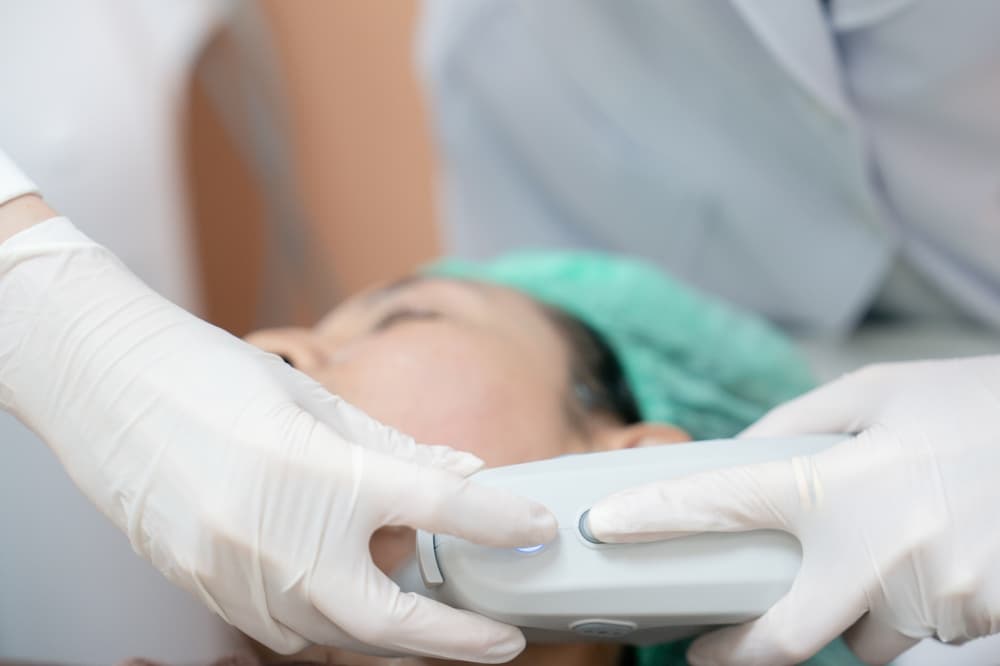
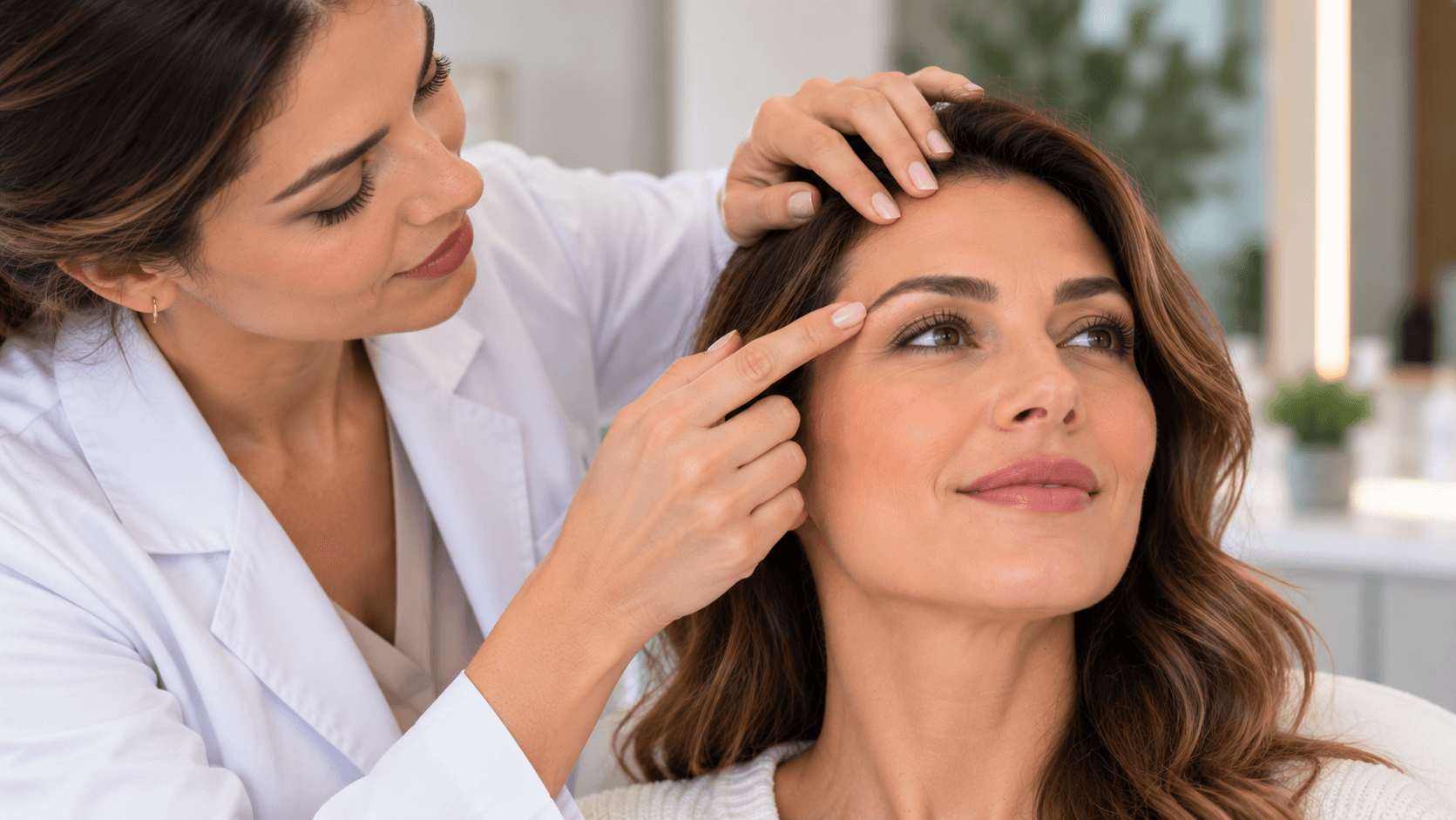
Ulthera post-treatment care is the most important step in preserving treatment results and supporting the skin's renewal process. This non-surgical facelift method, which works with focused ultrasound energy, stimulates collagen production in the deep layers of the skin. Skin sensitivity increases during the post-procedure period. Therefore, proper care practices accelerate the healing process and clarify the final results. In this article, we answer the question of what precautions should be taken after Ulthera treatment in light of scientific data.
Post-Ulthera care helps the skin repair controlled thermal damage and produce new collagen fibers. Proper care reduces the risk of infection, optimizes results, and protects the skin barrier.
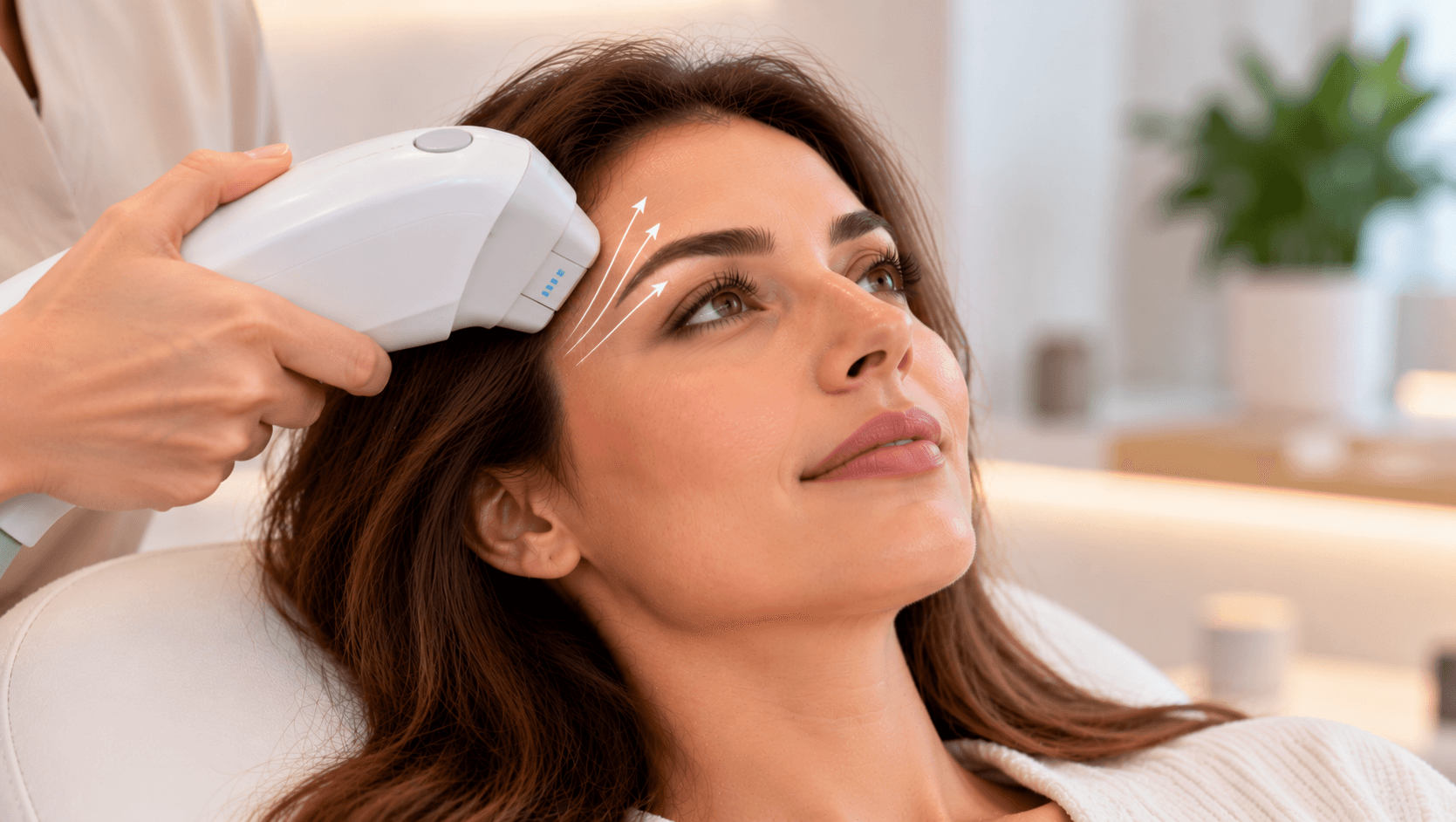
The Ulthera treatment delivers micro-focused ultrasound waves to depths of 1.5, 3.0, and 4.5 millimeters in the skin. This energy reaches the subcutaneous tissues without damaging the skin's surface. White and colleagues (2007) demonstrated that this technology provides non-surgical lifting by targeting the superficial musculoaponeurotic system (White et al. 2007). The energy creates small thermal coagulation points in the tissue. These points initiate the body's natural healing response.
During the post-procedure period, the skin works to repair these thermal points. Fibroblasts are activated. New collagen and elastin synthesis begins. Kuo and colleagues (1998) showed that new collagen synthesis increases after thermal damage (Kuo et al. 1998). However, this process means that the skin is vulnerable to external factors. Sunlight, harsh chemicals, excessive heat, and physical irritation negatively affect the skin during this sensitive period.
Proper care maintains the skin's moisture balance. It strengthens the skin barrier. It reduces inflammation. It also protects the newly formed collagen structure from external damage. Therefore, following post-procedure recommendations is essential not only for comfort but also for treatment success. Among non-surgical skin tightening methods, Ulthera stands out with its capacity to reach deep tissues. However, this advantage requires special attention to the skin afterward.
Mild redness, swelling, and a tingling sensation may occur in the skin. These reactions are normal signs that ultrasound energy has initiated collagen production in the deep tissues.
The Ulthera device uses micro-focused ultrasound technology. This technology focuses high-frequency sound waves to specific depths in the skin. Suh and colleagues (2011) observed in a study conducted on Asian skin that this energy provided significant tightening in the skin and caused minimal side effects (Suh et al. 2011). The energy raises the target tissue to a temperature of 60-70 degrees Celsius. This temperature causes the existing collagen fibers to denature and contract in a controlled manner.
The surface of the skin is protected during the procedure. The collagen fibers deep within are heated. This heating activates the body's repair mechanism. Macrophages clean the damaged tissue. Fibroblasts begin to produce new collagen. In the initial phase, type three collagen is synthesized. Later, this is replaced by type one collagen. This change ensures that the skin tightens in the long term.
Focused ultrasound energy supports collagen production in the deep layers of the skin. This energy can penetrate down to the superficial muscular aponeurotic system. This system is also a significant structure targeted in surgical facelift procedures. Ulthera reaches this structure without surgery. Therefore, the results can be deeper and more lasting compared to other superficial treatments.
Some changes in the skin are observed in the first hours after the procedure. These changes are indicators that the treatment is effective. The table below summarizes the normal reactions:
Symptom | Description | Expected Duration |
Mild redness | Pink or red tone in the treated area | A few hours to two days |
Mild swelling | Slight feeling of edema in the skin | 24-48 hours |
Tingling | Slight numbness or tingling in the area | A few hours to a few days |
Warm sensation | Feeling of warmth in the skin | The first few hours |
Mild pain | Pressure or sensitivity | A few days |
These symptoms vary from person to person. Skin type, the intensity of the procedure, and the level of energy applied affect this process. The important thing is that these symptoms do not worsen and decrease over time. While skin sensitivity continues, extra attention should be paid to these symptoms. Most people feel a slight warmth in their skin within the first few hours after the procedure. This sensation is a sign that ultrasound energy is working in the deep tissues.
Avoid touching the skin, gently cleanse with warm water, apply an appropriate moisturizer, drink plenty of water, and use a cold compress if necessary.
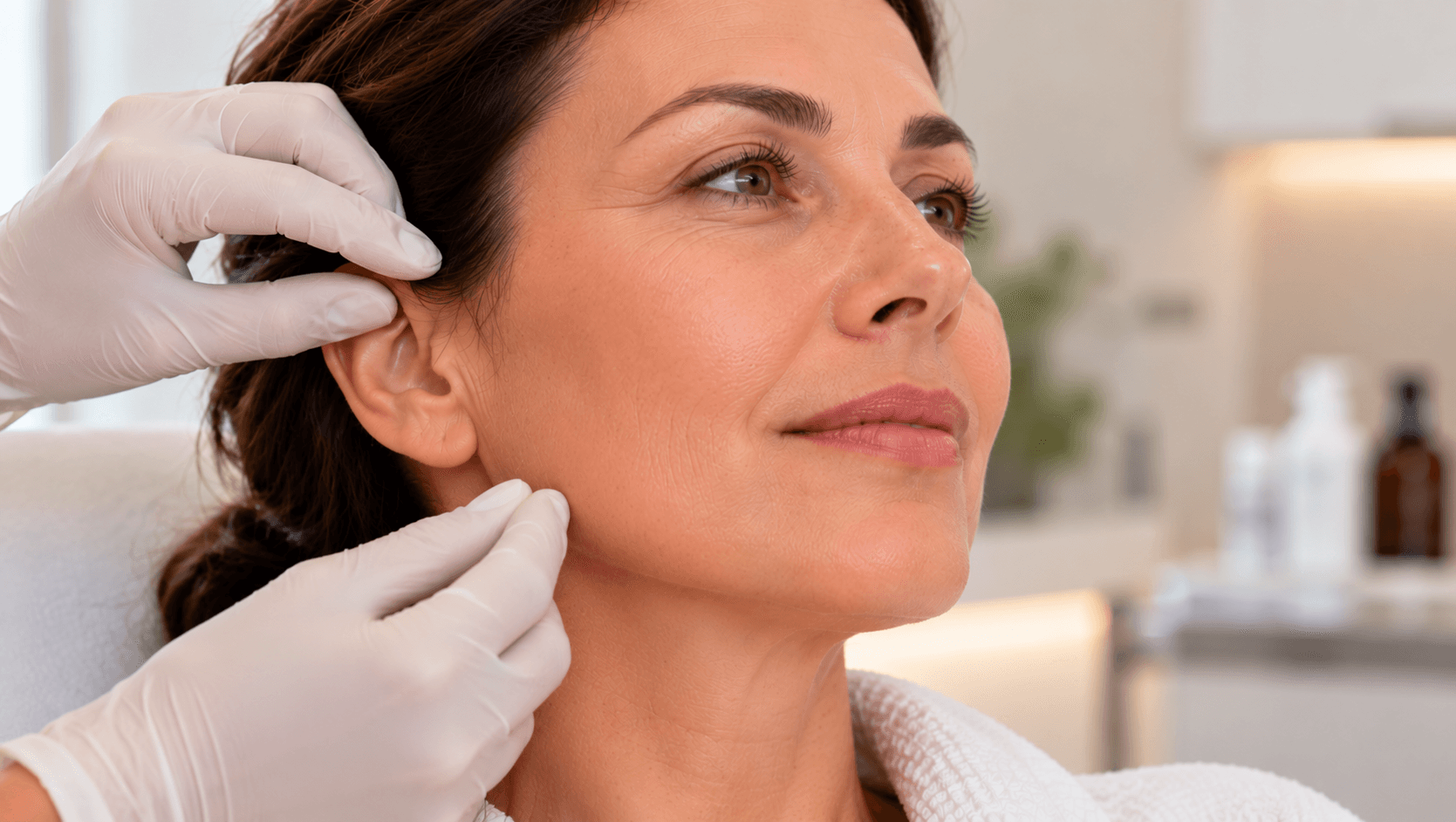
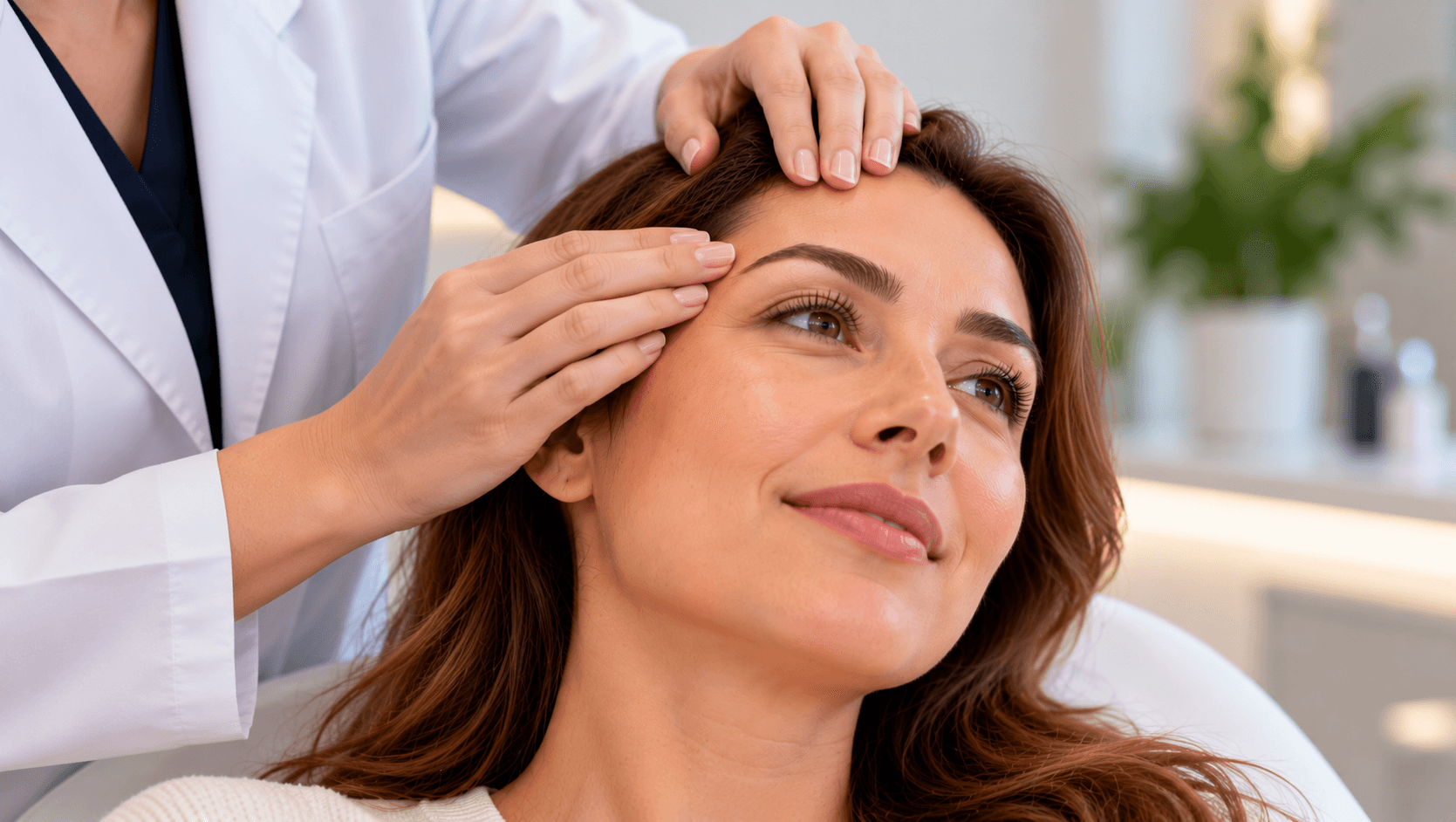
The first two days are the period when the skin is most sensitive. Do not constantly touch the treated area with your hands. Do not rub the skin. Avoid vigorous massage. These actions can disrupt the establishment of thermal coagulation points. They can also damage the skin barrier.
When washing your face, use gentle movements with your fingertips. Avoid harsh rubbing motions. Do not press while drying your face with a towel. Lightly pat dry with soft touches. Avoid unnecessary touching of the skin to reduce the risk of infection. Even if your hands are clean, constant touching can cause irritation on the skin.
Skin cleansing is the foundation of post-procedure care. Prefer gentle, fragrance-free, and pH-balanced cleansers. Use warm water. Very hot water increases sensitivity in the skin. Cold water can suddenly change blood circulation. Warm water is the safest option.
Apply moisturizer after cleansing. Use barrier-supporting moisturizers formulated for sensitive skin. Products containing ceramides, hyaluronic acid, and panthenol reduce water loss from the skin. Levin and Momin (2010) showed that niacinamide improves skin barrier function and reduces moisture loss (Levin and Momin 2010). These ingredients support the skin's repair process.
Don't forget to drink plenty of water. Drink at least two liters of water a day. Water plays a critical role in the cell repair process. It also supports the skin's moisture balance from the inside. Adequate fluid intake maintains skin elasticity and helps eliminate toxins.
Use a cold compress if necessary. It reduces mild swelling and discomfort. However, do not apply ice directly to the skin. Wrap the ice in a thin cloth. Gently press the cloth against your skin. Hold for a few minutes. Then let the skin rest.
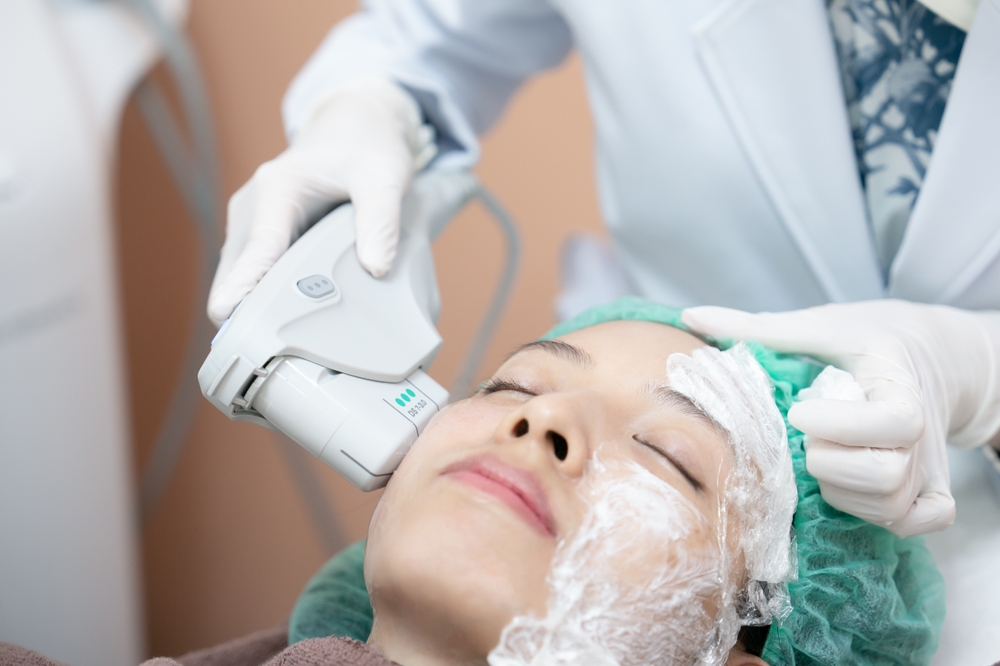
Vitamin A derivatives, alpha hydroxy acids, beta hydroxy acids, strong peels, and new aggressive products should not be used for at least a week. These products should be postponed until the skin is completely healed.
Vitamin A derivatives increase the rate of skin cell renewal. Alpha hydroxy acids and beta hydroxy acids exfoliate the upper layer of the skin. These products are usually beneficial. However, the skin is sensitive after the procedure. These actives can irritate the skin barrier. They can increase redness. They can exacerbate sensitivity.
Kuo et al. (1998) noted that the skin enters a remodeling process after thermal procedures (Kuo et al. 1998). During this process, the skin produces new cells. Aggressive chemicals from the outside disrupt this natural cycle. Therefore, take a break from vitamin A derivatives, glycolic acid, salicylic acid, and similar products for at least seven to ten days. After your skin has completely returned to normal, gradually reintroduce these products.
Do not try new and aggressive products in the early period. The skin after the procedure is more reactive to unknown ingredients. A serum or cream that you have not used before may cause an unexpected allergic reaction. Do not take this risk. Only use products that you are already familiar with and know to be gentle.
Exfoliating products containing granules, harsh facial brushes, and mechanical exfoliants cause physical abrasion of the skin. During the post-procedure period, the skin is vulnerable to such mechanical irritation. Physical exfoliation can create micro-tears. These tears increase the risk of infection. They also damage the newly formed collagen structure.
When cleaning your skin, use only your fingertips. Do not use materials like cotton or sponges with harsh rubbing. Let your skin heal itself. Be patient. Gentle cleansing motions help protect the skin barrier. Harsh brushes can weaken the skin's protective layer.
The skin is very sensitive to ultraviolet rays after the procedure. The sun damages the new collagen and causes premature aging. Broad-spectrum sunscreen, a hat, and shade are mandatory.
Ultraviolet rays create free radicals in the skin. These radicals activate matrix metalloproteinases. These enzymes break down collagen fibers. Sun damage reduces the skin's elasticity. It deepens wrinkles.
Fisher et al. (1997) proved that ultraviolet rays cause premature aging in the skin and disrupt the collagen structure (Fisher et al. 1997). Ulthera treatment promotes new collagen production. However, exposure to the sun immediately destroys this new structure. Therefore, sun protection should be at its highest level during the post-treatment period. Sun damage directly harms the collagen structure. This situation can negatively affect treatment results.
When choosing sunscreen, opt for broad-spectrum products. The sun protection factor should be thirty or higher. Products containing physical filters are safer for sensitive skin. Formulas containing zinc oxide and titanium dioxide protect the skin from ultraviolet rays.
Apply sunscreen every morning. Reapply every two hours. If you will be outside for a long time, wear a hat and sunglasses. Try to stay in the shade. Absolutely avoid tanning beds. Tanning beds provide intense ultraviolet exposure and severely hinder the skin's healing. Avoiding direct sunlight is very important during the first two weeks after treatment.
Yes. Avoid sauna, steam room, very hot showers, and excessive sweating during the first week. High heat increases redness and swelling.
High temperatures dilate blood vessels. This increases redness and edema in the skin. The skin may already be slightly swollen after the procedure. Extra heat intensifies this swelling. Additionally, sweat can irritate sensitive skin.
In the first few days, take showers with lukewarm water. Prefer lukewarm water instead of hot water. Do not enter the sauna or steam room. Limit activities that cause excessive sweating. Your skin should remain cool and dry. Very hot showers can also strip the skin of its natural oil layer. This further weakens the barrier.
Light activities like walking can begin 24 hours later. It is safest to postpone intense exercises for 48-72 hours.
Intense exercise raises body temperature. Excessive sweating causes irritation on the skin. Blood circulation speeds up. This can increase sensitivity after the procedure. Completely avoid exercise for the first 24 to 48 hours.
Once redness and swelling have completely subsided, you can return to your normal exercise routine. This process usually takes two to three days. However, every body is different. If you feel warmth or discomfort in your skin, continue to postpone exercise. Following personal clinical recommendations is the most accurate approach.
Low-intensity activities like walking support blood circulation. These activities can aid in recovery. However, only take short walks on the first day. Do not overdo it. When you sweat, gently pat your skin with a soft towel. Do not rub harshly.
The table below summarizes the return to exercise:
Exercise Type | When Can It Be Started | Things to Consider |
Walking | After 24 hours | Short distance, slow pace |
Yoga | After 48 hours | Avoid excessive bending movements |
Running | After 72 hours | If there is no skin sensitivity |
Weight Training | After 5-7 days | Avoid excessive sweating |
High-Intensity Interval | After 7-10 days | After the skin has completely returned to normal |
Do not apply makeup for the first 24 hours. After that, you can return to makeup with clean brushes and light formulas. Wait if skin sensitivity persists.
Makeup products can clog skin pores. The skin should breathe on the first day after the procedure. Makeup can hinder this process. Additionally, you may have to rub the skin while removing makeup. This increases the risk of irritation.
After the first 24 hours, prefer light and mineral-based makeup products. Use light formulas containing moisturizer instead of foundation. Ensure your makeup brushes are clean. Dirty brushes carry bacteria. These bacteria pose an infection risk for sensitive skin. Avoid heavy and irritating products. Makeup products containing perfume can further irritate the skin.
Limit alcohol consumption for the first few days. As for smoking, try to quit completely as it suppresses collagen production.
Alcohol reduces the body's ability to retain water. This disrupts the skin's moisture balance. Additionally, alcohol slows down the wound healing process. Guo and DiPietro (2010) demonstrated that alcohol suppresses collagen synthesis and increases matrix metalloproteinase activity (Guo and DiPietro 2010). These findings prove that alcohol damages skin repair.
Do not consume alcohol in the first 48 hours. After that, do not overindulge. Drink plenty of water. Prefer water, herbal tea, or fresh fruit juices instead of alcohol. Also limit excessive caffeine intake, as caffeine speeds up water loss from the body. Adequate fluid intake supports the skin's repair process.
Smoking is one of the most significant causes of skin aging. Nicotine constricts blood vessels, reducing the delivery of oxygen and nutrients to the skin. Knuutinen and colleagues (2002) found that collagen type I and type III synthesis was 18 to 22 percent lower in smokers (Knuutinen et al. 2002). Moreover, matrix metalloproteinase-8 levels were 100 percent higher in smokers.
Yin and colleagues (2000) showed that tobacco smoke extract reduced collagen biosynthesis by 40 percent (Yin et al. 2000). Ito and colleagues (2025) proved that cigarette smoke and UVA light together increased matrix metalloproteinase-1 activity and degraded type I collagen (Ito et al. 2025). This scientific data indicates that smoking severely negatively affects Ulthera results. Not smoking during the post-treatment period is crucial for maintaining results. Nicotine slows down skin blood circulation, which hinders the nourishment of new collagen fibers.
Aspirin, ibuprofen, and blood-thinning medications increase the risk of bruising. Supplements like vitamin E, omega-3, and fish oil can also increase bleeding. Do not stop any medication without consulting your doctor.
Mild bruising on the skin is normal during the post-procedure period. However, blood-thinning medications increase the severity of these bruises. Medications like aspirin and ibuprofen reduce platelet aggregation, prolonging bleeding from small vessel ruptures.
If you are using anticoagulant medications, be sure to inform your doctor before the procedure. Do not stop prescription medications on your own. Your doctor will assess the risks and provide personalized recommendations. Vitamin E and omega-3 supplements can also increase bleeding. Therefore, it may be beneficial to stop these supplements a few days before and after the procedure. However, doctor approval is still required. Inform the healthcare professional performing the procedure about all medications and supplements you are taking.
Chemical skin peeling procedures, laser applications, microdermabrasion, and intense facial massages should be postponed for at least two weeks.
Chemical skin peeling procedures remove the upper layer of the skin with chemicals. Laser applications provide extra heat and energy to the skin. These procedures are safe on their own. However, the skin has already received thermal energy after Ulthera. Overlapping energy-based treatments can make the skin excessively sensitive. The risk of burns may increase. Hyperpigmentation may occur.
Leave at least two to four weeks between different energy-based treatments. Facial massages and professional skin care also apply pressure to the treated area. This pressure can disrupt the newly formed collagen structure. Your doctor will determine the most suitable time for other procedures. Mechanical exfoliation procedures like microdermabrasion can also irritate the skin in the early stages.
In the first week, gentle cleansing, moisturizing, and sun protection are sufficient. After that, supportive products like vitamin C, niacinamide, and hyaluronic acid can be added.
In the first week after the procedure, keep your skin care routine minimal. Use a gentle cleanser in the morning and evening. Then apply a barrier-supporting moisturizer. Use a broad-spectrum sunscreen during the day. No other products are needed.
Powerful actives like vitamin C, niacinamide, and peptides can irritate the skin during this period. Levin and Momin (2010) noted that active ingredients can have a negative impact on damaged barriers (Levin and Momin 2010). Therefore, just follow the basic three steps: cleansing, moisturizing, protection. Products containing ceramides strengthen the skin barrier. Serums containing hyaluronic acid draw moisture into the skin.
Once the skin has completely returned to normal, which is about one to two weeks later, you can gradually add supportive products. Vitamin C serum provides antioxidant protection. Niacinamide evens out skin tone and strengthens the barrier. Hyaluronic acid increases moisture retention. Peptides support collagen signaling.
Wait longer for the introduction of vitamin A derivatives. Generally, after three to four weeks, you can start with a low concentration. Monitor your skin's reaction. If redness or peeling occurs, reduce or stop use. Following clinical recommendations is the safest approach.
Drink plenty of water, eat a diet rich in protein and vitamin C, get regular sleep, and manage stress.
Water is a fundamental building block in the cell repair process. Adequate water intake helps maintain skin elasticity. It aids in the elimination of toxins. Drink at least two to two and a half liters of water daily.
Protein is essential for collagen synthesis. Collagen is a protein. Adequate protein intake supports the body's production of new collagen. Add protein sources such as meat, fish, eggs, legumes, and yogurt to your diet.
Vitamin C acts as a cofactor in collagen synthesis. Citrus fruits, kiwi, peppers, and parsley are rich in vitamin C. Antioxidants fight free radicals. Colorful vegetables and fruits are a reservoir of antioxidants. A balanced diet ensures the skin strengthens from within.
Sleep is the period when the body repairs itself most intensively. Seven to eight hours of sleep at night supports skin renewal. Stress increases cortisol levels. High cortisol disrupts collagen structure. Therefore, stress management is important for skin health. Meditation, walking, and breathing exercises reduce stress.
A slight feeling of tightness may occur immediately. Real results become apparent within one to three months. The final result appears in three to six months.
Ulthera results develop gradually. This process depends on the body's natural healing cycle. The table below shows these stages:
Period | Observed Changes in the Skin | Scientific Explanation |
First days | Mild redness, swelling, sometimes an early feeling of tightness | Thermal coagulation points form, collagen fibers contract |
First weeks | Redness decreases, skin texture begins to improve | Fibroblasts are activated, type three collagen synthesis begins |
1-3 months | Skin tightness increases, contours become more defined | New collagen remodeling accelerates |
3-6 months | Final tightening and recovery are observed | Type I collagen replaces type III collagen, tissue matures |
White and colleagues (2007) demonstrated that this mechanism is effective in the superficial muscular aponeurotic system (White et al. 2007). Suh and colleagues (2011) observed significant improvement after 90 days in the Asian population (Suh et al. 2011). This process varies according to the individual's age, skin type, lifestyle, and genetic factors. Collagen production gradually increases over time. Patience is required to achieve the best results.
Mild redness, swelling, tingling, temporary numbness, and mild pain are normal. These symptoms usually resolve within a few days.
The duration of normal side effects varies from person to person. In most individuals, these symptoms disappear within 24 to 72 hours. Rarely, they may last up to a week. The important thing is that the symptoms decrease over time.
If the redness intensifies, swelling increases, or pain becomes unbearable, consult your doctor. Additionally, if blisters, burns, or open wounds occur on the skin, these conditions are not normal. Seek medical assistance immediately. Worsening or prolonged symptoms should be evaluated.
If you experience severe pain, noticeable swelling, severe bruising, blisters, persistent numbness, fever, or discharge, go to the doctor immediately.
The table below compares normal and abnormal symptoms:
Normal Symptoms | Symptoms Requiring Medical Attention |
Mild redness | Severe and widespread redness |
Mild swelling | Noticeable and increasing swelling |
Mild pain | Severe and unbearable pain |
Temporary numbness | Permanent numbness or tingling |
Mild bruising | Severe and expanding bruising |
- | Blistering or skin damage |
- | Fever, pus, or discharge |
- | Unusual changes in skin color |
These symptoms may indicate complications such as infection, excessive thermal damage, or nerve irritation, although they are rare. Early intervention makes it easier to address potential issues. Signs of infection should be taken seriously. Fever and discharge may be indicators of an infection in the body.
Intense sun exposure, sauna, hot showers, heavy exercise, skin scrubbing, vitamin A derivatives, alcohol, and smoking are strictly prohibited in the initial period.
During the post-procedure period, pay attention to the following items:
Avoid intense sun and tanning beds.
Do not enter the sauna or steam room in the first few days.
Do not take very hot showers or baths.
Limit intense exercise for a short period.
Do not rub or massage the treated area.
Do not use retinol, AHA, BHA, and strong exfoliants for the recommended duration.
Limit or completely stop alcohol and smoking.
Do not discontinue prescribed medications without consulting your doctor.
Undergo other aesthetic procedures at the time recommended by your doctor.
Use broad-spectrum sunscreen every day.
This list includes essential rules to maintain treatment results and prevent complications. These precautions ensure the safety of your skin.
Yes, you can wash your face. However, be very gentle for the first 24 hours. Use lukewarm water. Avoid harsh scrubbing motions. Prefer a fragrance-free and pH-balanced cleanser. After washing your face, pat it dry with soft movements. Gentle cleansing reduces the risk of infection.
No, do not use vitamin A derivatives for the first one to two weeks. After your skin has fully healed, you can gradually start with a low concentration. Monitor your skin's reaction. If there is redness or peeling, stop using it. It is best to postpone these products while sensitivity persists.
Ulthera results typically last between 12 to 18 months. Since the aging process continues, it can be repeated after one and a half to two years. However, this period varies depending on the individual's skin type, lifestyle, and level of protection. Your doctor will determine the most suitable time based on your personal needs. Evaluating the treatment outcome is important for planning the next session.
Protect your skin from the sun, excessive heat, and unnecessary irritation. Apply gentle care. Eat healthily and follow your doctor's recommendations.
The fundamental answer to the question of what precautions should be taken after Ulthera treatment is to respect the skin's natural healing process. You need to protect your skin from the sun, excessive heat, and unnecessary irritation. Gentle skin care and sun protection support the results. Be cautious with intense exercise, sauna, peeling, and other aesthetic procedures.
Ulthera results develop over time based on collagen production. This process requires patience. The personal care instructions are determined by the healthcare professional performing the procedure. General information does not replace personal doctor recommendations. Every skin is different. Every body is different. Therefore, clinical recommendations should always take priority. Proper care maintains the results of non-surgical facelifts for a long time.
Fisher, G. J., et al. "Pathophysiology of premature skin aging induced by ultraviolet light." New England Journal of Medicine, vol. 337, no. 20, 1997, pp. 1419-1428.
Guo, S., and L. DiPietro. "Factors Affecting Wound Healing." Journal of Dental Research, vol. 89, no. 3, 2010, pp. 219-229.
Ito, R., et al. "Increased matrix metalloproteinase-1 expression by coexposure to UVA and cigarette sidestream smoke and contribution of histone acetylation." Environmental Health and Preventive Medicine, vol. 30, 2025, pp. 1-12.
Knuutinen, A., et al. "Smoking affects collagen synthesis and extracellular matrix turnover in human skin." British Journal of , vol. 146, no. 4, 2002, pp. 588-594.
Kuo, T., et al. "Collagen thermal damage and collagen synthesis after cutaneous laser resurfacing." Lasers in Surgery and Medicine, vol. 23, 1998, pp. 66-71.
Levin, Jacquelyn, and Saira B. Momin. "How much do we really know about our favorite cosmeceutical ingredients?" The Journal of Clinical and Aesthetic , vol. 3, no. 2, 2010, pp. 22-41.
Suh, Dong Hye, et al. "Intense focused ultrasound tightening in Asian skin: clinical and pathologic results." Surgery, vol. 37, no. 11, 2011, pp. 1595-1602.
White, William M., et al. "Selective creation of thermal injury zones in the superficial musculoaponeurotic system using intense ultrasound therapy: a new target for non-invasive facial rejuvenation." Archives of Facial Plastic Surgery, vol. 9, no. 1, 2007, pp. 22-29.
Yin, L., et al. "Alterations of extracellular matrix induced by tobacco smoke extract." Archives of Research, vol. 292, no. 4, 2000, pp. 188-194.