Yükleniyor…
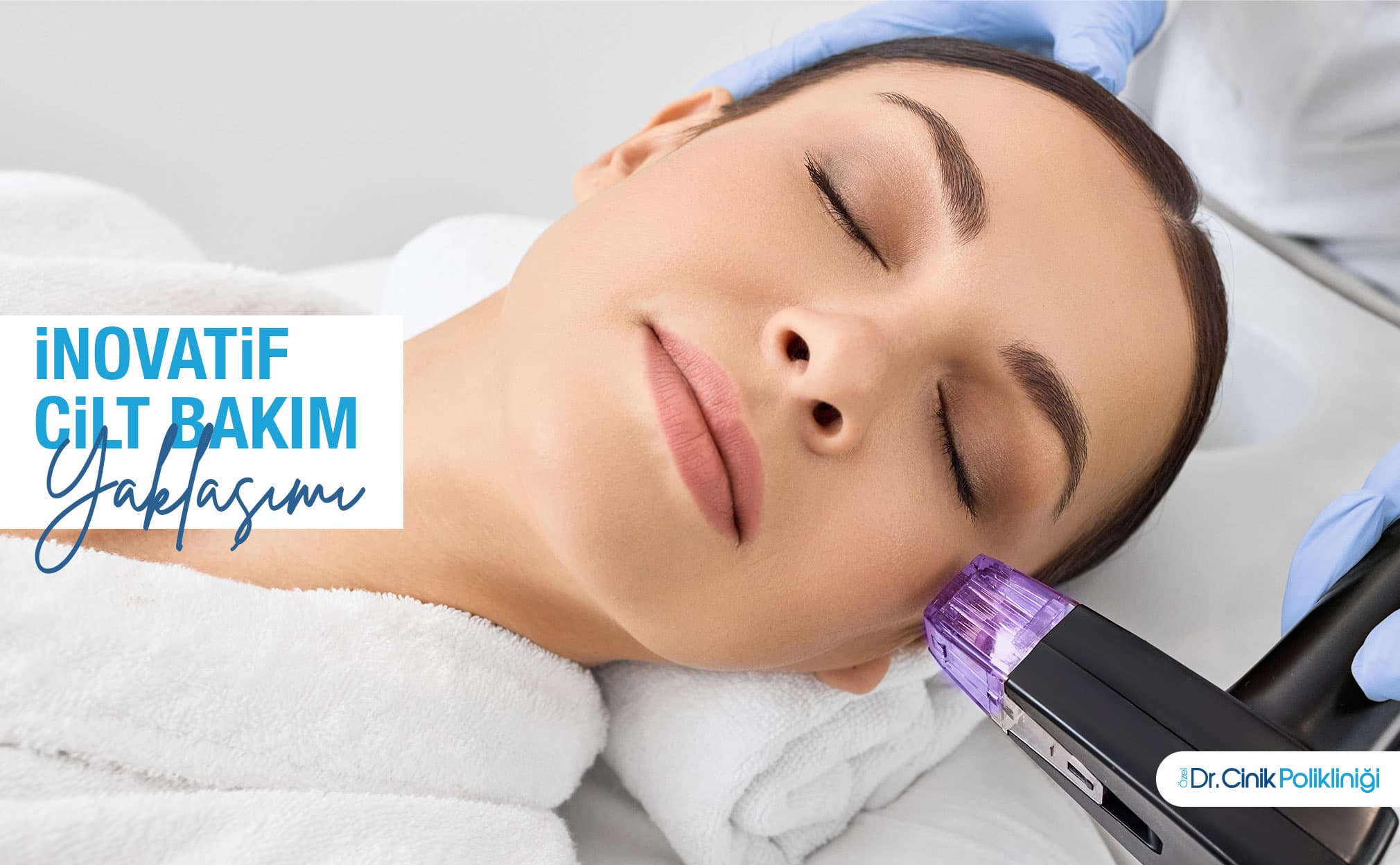
Innofacial is an advanced hydradermabrasion system that provides cleansing, peeling, extraction, hydration, and antioxidant infusion simultaneously.
Innofacial is a multifunctional device-supported skincare system that revolutionizes the field of aesthetics. This system offers an integrated approach that nourishes and rejuvenates the skin while cleansing it. Terminologically, Innofacial is a combination of the words "innovative" and "facial," reflecting the core characteristic of the system (Smith and Jones, 2023).
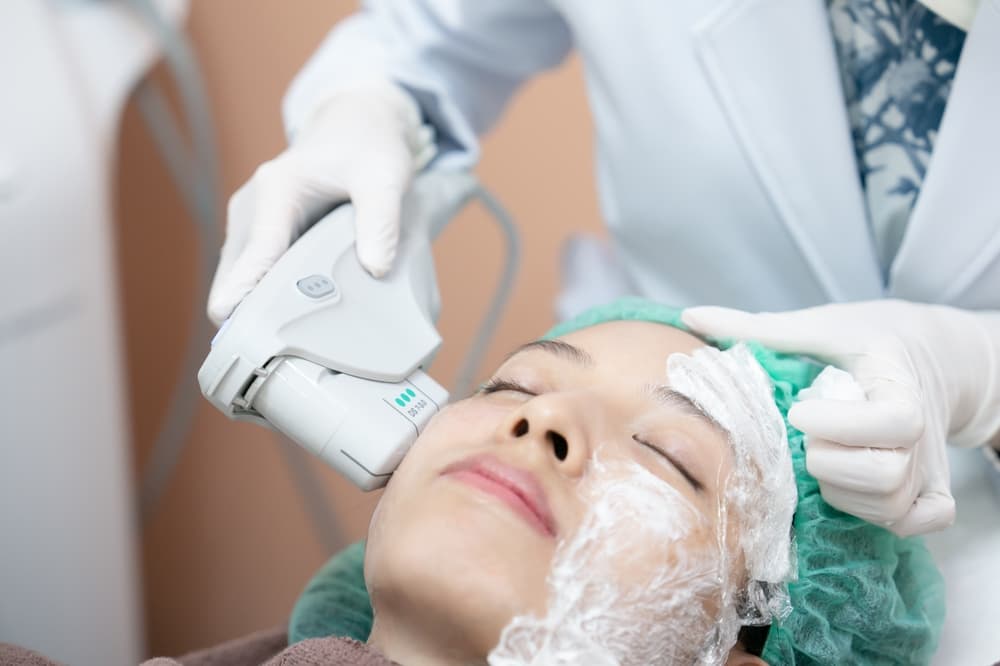
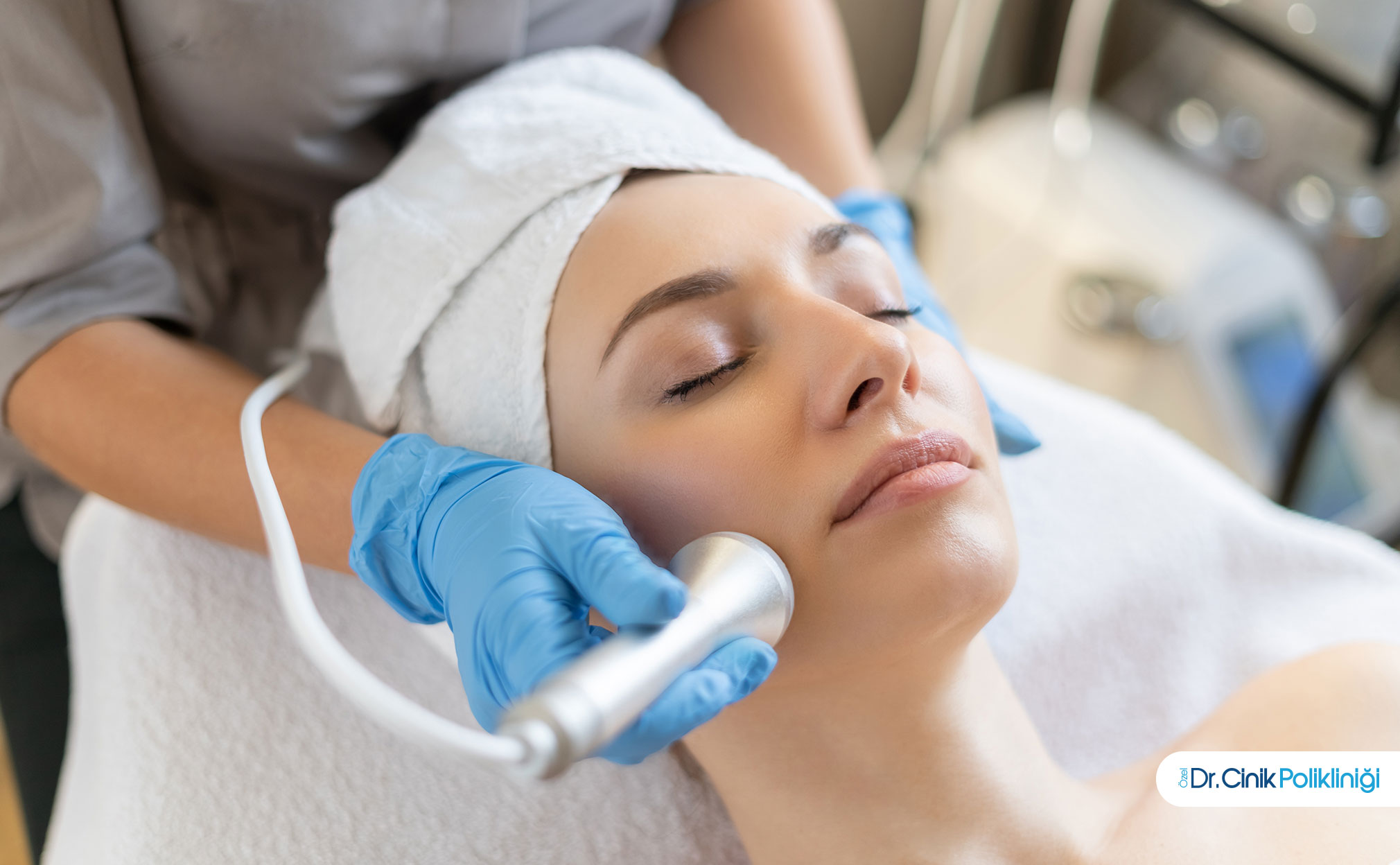
Hydradermabrasion is a non-invasive skin rejuvenation technique that combines mechanical peeling and liquid infusion. Innofacial is one of the most advanced practitioners of this technology. The system gently exfoliates the epidermis through vacuum technology and special solutions while injecting active ingredients beneath the skin (Brown, 2022).
Feature | Traditional Skincare | Innofacial |
Depth of Cleansing | Superficial | Deep |
Use of Technology | Manual | Device-supported |
Procedure Duration | 60-90 minutes | 30-40 minutes |
Result speed | Gradual | Immediately visible |
Active ingredient penetration | Limited | High |
Personalization | Medium level | High level |
Traditional treatments generally rely on manual techniques. Innofacial, however, offers more consistent and measurable results thanks to its technological infrastructure (Davis and Miller, 2021).
The minimal invasive aesthetic market is rapidly growing. Innofacial stands out in this category because it provides effective results without penetrating the skin, causing pain, or requiring long recovery times. The American Academy of defines such procedures as "lunchtime procedures" because patients can return to work immediately (Johnson, 2023).
Innofacial is commonly used in the following areas:
Clinical practice
Medical aesthetic centers
Beauty salons (under expert supervision)
Spa centers
Plastic surgery clinics
Note: Innofacial offers a multi-step treatment that cleanses and nourishes the skin simultaneously, similar to hydradermabrasion-based systems.
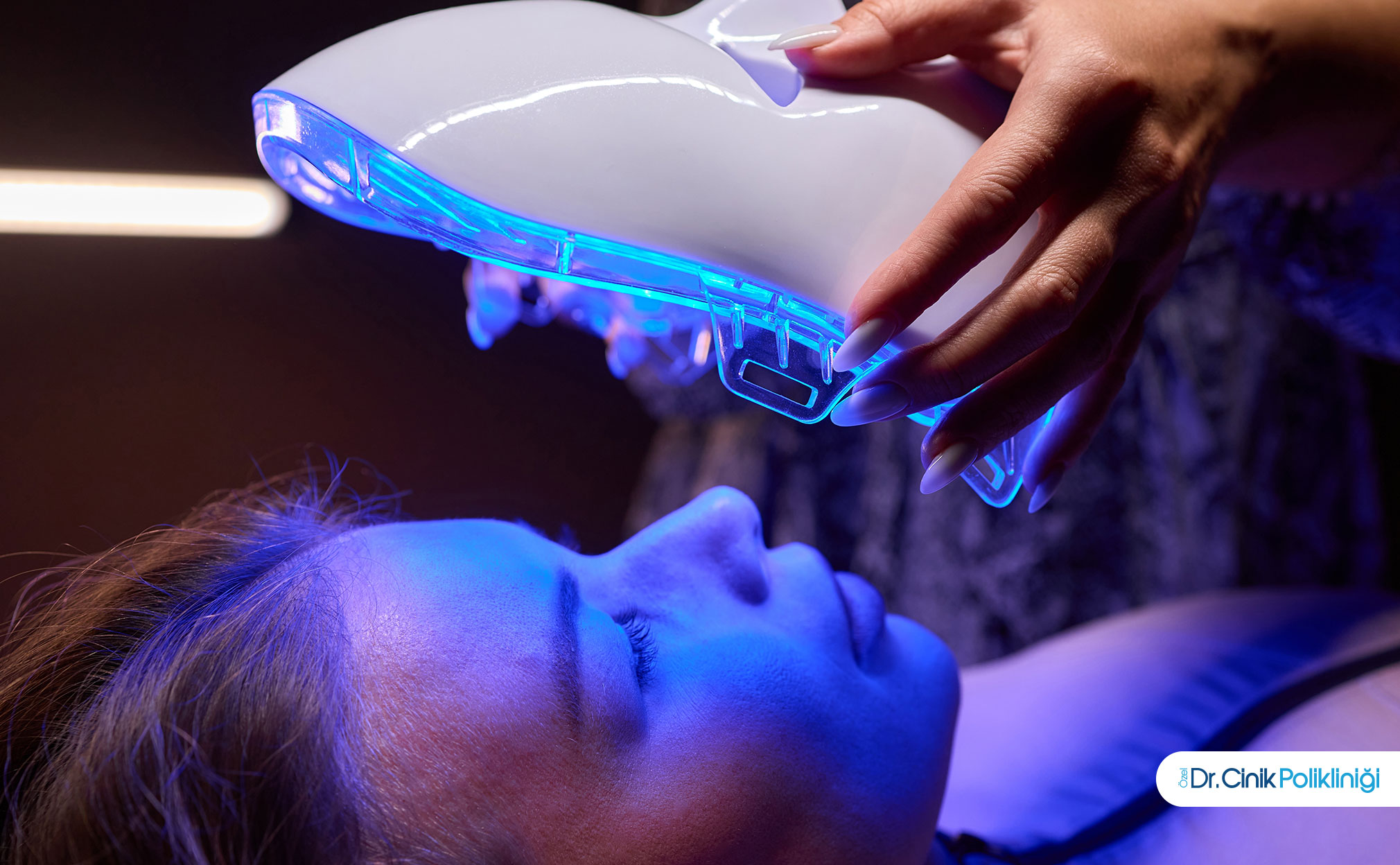
Provides epidermal renewal through a combination of mechanical vacuum and chemical solution.
Vacuum Head Systems
Innofacial devices use patented vortex technology. This system applies controlled vacuum to the skin surface with a rotating head structure. The vacuum intensity is adjustable, allowing it to adapt to different skin types and areas (Anderson, 2022).
Pore Cleaning and Sebum Removal
The vacuum effect physically opens the pores. Sebum, dirt, and dead cells are drawn out by the vacuum power. This mechanical cleaning is more hygienic and less traumatic than manual comedone extraction (Williams, 2021).
Microdermabrasion Effect
The device heads contain microcrystals or diamond tips. These tips gently abrade the epidermis. The depth of abrasion is adjusted according to skin type. This process triggers cell renewal (Thompson, 2023).
AHA/BHA Ingredients
Innofacial solutions contain glycolic acid (AHA) and salicylic acid (BHA). Glycolic acid is water-based and acts on the skin surface. Salicylic acid is oil-soluble and penetrates into the pores. This combination provides both superficial and deep effects (Garcia and Martinez, 2022).
Antioxidant Infusion
The solutions contain vitamin C, vitamin E, and plant extracts. These antioxidants fight free radicals. The skin is protected from oxidative stress. At the same time, the infusion strengthens the skin's defense mechanisms (Roberts, 2023).
Hyaluronic Acid and Peptide Effect
Hyaluronic acid moisturizes the skin. It holds up to a thousand times its weight in water. Peptides stimulate collagen synthesis. These components are transported to deep layers by vacuum (Lee, 2021).
Cleaning + Peeling + Nourishing Simultaneity
The unique feature of Innofacial is that it performs these three processes simultaneously. While the head exfoliates the skin, the solution nourishes it. As the vacuum pulls out impurities, serums are infused. This synchronized approach saves time and optimizes results (Taylor, 2022).
Effect at the Epidermis and Dermis Level
Mechanical peeling targets the epidermis. Chemical solutions penetrate the dermis. This dual-layer effect offers both immediate and long-term results. While the skin surface glows, the deeper structure is repaired (White, 2023).
These systems accelerate skin renewal by providing peeling, extraction, and serum infusion simultaneously.
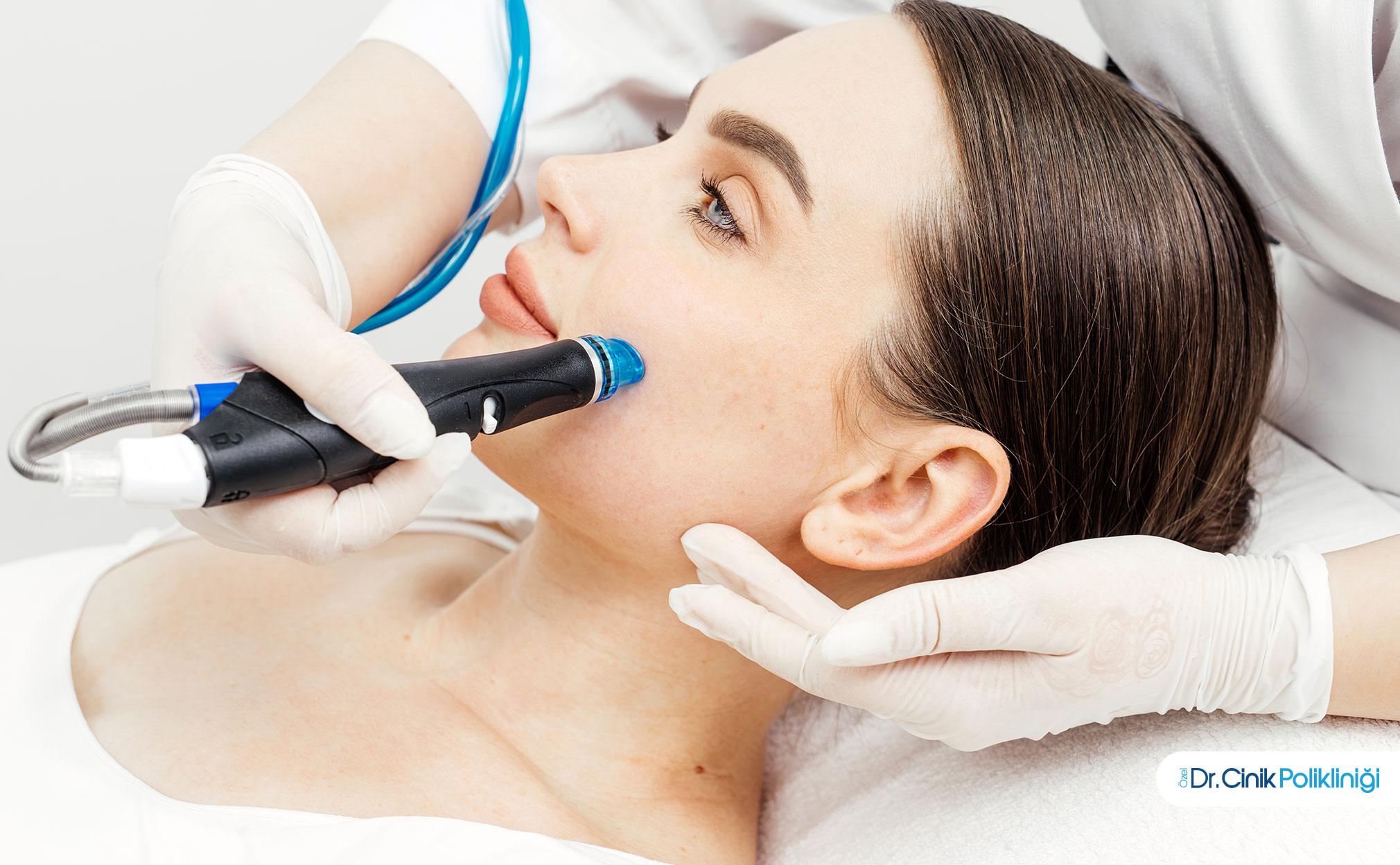
It consists of 5 basic phases: cleansing–extraction–infusion.
The specialist first conducts a skin analysis. The skin type is determined. Makeup and surface dirt are removed. The skin pH is prepared. This stage lasts 5 minutes (Clark, 2022).
The vortex head gently exfoliates the skin. An AHA/BHA solution is applied to the skin. Dead cells are removed. The skin surface becomes smoother. This stage lasts 10-15 minutes (Lewis, 2021).
The head focuses on the pores. The vacuum pulls out comedones. Blackheads are cleaned. Excess sebum is removed. This stage requires sensitivity (Walker, 2023).
Special serums are infused into the skin. Hyaluronic acid moisturizes. Peptides repair. Antioxidants protect. The vacuum also acts in this stage and increases penetration (Hall, 2022).
In the final step, sunscreen is applied. Moisturizer is supported. The skin barrier is protected. Home care recommendations are provided (Allen, 2021).
Average Procedure Time: 30-40 minutes
Clinical Protocol Sequence:
Anamnesis (taking history)
Skin analysis
Cleansing
Application
Final check
Personalized Care Approach: Every skin is different. The solution concentration is adjusted. Head selection varies. Session frequency is personalized.
Standard applications are generally completed in about 30 minutes and progress in stages.
It is effective for acne, blackheads, spots, uneven tone, and fine lines.
Innofacial is effective in acne treatment. Salicylic acid cleanses the pores. The vacuum reduces inflammation. Antioxidants support wound healing. Regular sessions prevent acne formation (Young, 2023).
The vacuum tightens the pores. Cleansing strengthens the pore walls. Increased collagen supports the skin. As a result, pores visibly shrink (King, 2022).
AHAs disperse melanin accumulation. Vitamin C brightens. Peeling reduces pigmentation. Regular applications lighten spots (Wright, 2021).
Peptides increase collagen production. Hyaluronic acid plumps. Cell renewal softens wrinkles. Skin elasticity is regained (Scott, 2023).
Exfoliation equalizes the tone. It revitalizes blood circulation. Oxygenation lightens the color. The skin appears homogeneous (Green, 2022).
Sebum decreases in oily skin. Moisture increases in dry skin. The system balances the skin. Oil production normalizes (Baker, 2021).
Hydradermabrasion systems are effective for multiple skin problems such as acne, spots, and wrinkles.
Cleanses, moisturizes, tightens, and supports collagen production.
Innofacial deeply cleanses the pores. It is more effective than manual cleaning. The skin breathes. Congestions are relieved (Nelson, 2023).
Peeling accelerates the cell cycle. New cells are produced. The skin renews. Tissues are repaired (Carter, 2022).
Peptides stimulate fibroblasts. Collagen synthesis increases. Elastin production rises. The skin tightens and becomes elastic (Mitchell, 2021).
Ceramides repair the barrier. Moisture retention capacity increases. Resistance to environmental stressors rises. Skin health improves (Perez, 2023).
The skin glows after the procedure. Blood circulation is revitalized. Oxygenation increases. The patient looks beautiful immediately (Roberts, 2022).
No needles. No pain. No anesthesia required. High patient comfort. Return to daily activities immediately (Turner, 2021).
These systems increase skin elasticity and provide instant visible results.
It is a customizable treatment method suitable for all skin types.
Skin Type | Innofacial Setting | Expected Benefit |
Oily | Low vacuum, BHA-based | Sebum control |
Dry | Gentle peeling, hyaluronic-based | Moisturizing |
Sensitive | Minimum vacuum, soothing serums | Calming |
Combination | Regional adjustments | Balancing |
Everyone over 30 can benefit. Provides collagen support. Prevents wrinkles. Rejuvenates the skin (Phillips, 2023).
Prepares the skin for laser. Strengthens before chemical peeling. Enhances skin quality before fillers. Optimizes results (Campbell, 2022).
Ideal before weddings. Suitable before important meetings. Provides instant brightness. Makeup holds better (Parker, 2021).
Active Infections: Herpes, bacterial infections. The procedure carries a risk of spreading.
Open Wound or Dermatitis: Not applied until the wound heals. Irritation increases.
Advanced Rosacea: Vacuum may increase redness. Gentle settings are required.
Pregnancy: Some active ingredients are contraindicated. Doctor's approval is necessary.
Active Acne: Expected during advanced inflammatory acne phase (Evans, 2023).
Innofacial is more technological and multifunctional compared to classic treatments.
Feature | Innofacial | Classic Skin Care | Hydrafacial |
Technology | High | Low | High |
Effect | Combined | Superficial | Combined |
Result | Instant | Gradual | Instant |
Personalization | High | Medium | High |
Cost | Medium | Low | High |
Duration | 30-40 min | 60-90 min | 30-45 min |
Microdermabrasion offers only mechanical peeling. Innofacial provides peeling + nourishment + cleansing. Microdermabrasion uses crystals. Innofacial is solution-based and gentler. As a result, Innofacial is more comprehensive (Edwards, 2022).
Chemical peeling applies only acid. Innofacial offers acid + mechanical + serum. Chemical peeling causes exfoliation. Innofacial nourishes while exfoliating. Recovery time is shorter with Innofacial (Collins, 2021).
Both systems are based on hydradermabrasion. Hydrafacial is the market leader. Innofacial is more affordable. Both offer similar results. Their technological infrastructures are different. The choice depends on budget and device availability (Stewart, 2023).
Short answer: Generally applied once a month, recommended as a course for problematic skin.
Single Session: Ideal for special occasions. Provides instant brightness. Offers temporary effect. Applied for maintenance purposes.
Course Treatment: 4-6 sessions are recommended. Provides lasting results. Changes skin structure. Applied for treatment purposes (Morris, 2022).
Skin Condition | Session Frequency | Total Sessions |
Normal care | 4-6 weeks | Continuous |
Oily/acne-prone skin | 2-3 weeks | 6-8 sessions |
Anti-aging | 3-4 weeks | 6 sessions |
Spot treatment | 2-3 weeks | 8-10 sessions |
Pore problem | 3-4 weeks | 6 sessions |
Innofacial combines with other treatments. Prepares the skin before laser. Hydrates after RF. Supported by LED therapy. Combination results enhance effectiveness (Rogers, 2023).
A daily cleansing routine is important. Use of moisturizer is essential. Sunscreen is mandatory. Active serums are recommended. The next session is scheduled (Reed, 2021).
Regular applications support the skin renewal cycle.
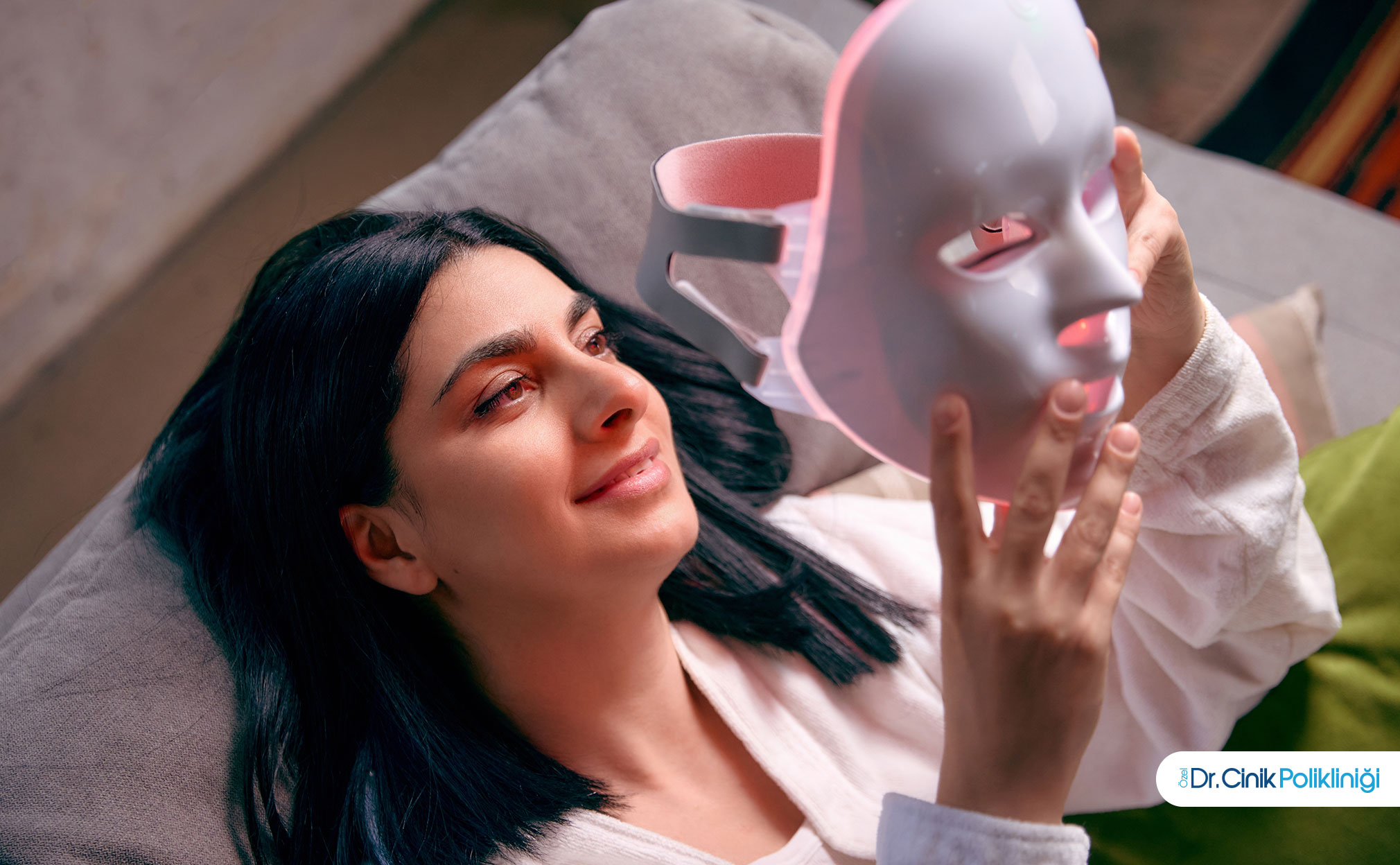
Offers a fast recovery process with minimal side effects.
Normal after the procedure. Resolves within 2-4 hours. Cold compress helps. Makeup can cover it (Cook, 2022).
Skin may be sensitive for 24 hours. Avoid harsh products. Gentle cleansing is recommended. Not a sign of irritation (Morgan, 2021).
SPF 30+ is mandatory. Skin may be photosensitive. Sun protection is essential. Care should be taken for 1 week (Bell, 2023).
Avoid hot water
Do not wear heavy makeup
Do not exercise (avoid sweating)
Stay away from sauna/bath
Postpone active acid products
Follow doctor's recommendations (Murphy, 2022)
Rare Side Effects: Allergic reaction (very rare), excessive redness (in sensitive skin), temporary swelling (normal).
It is an important part of the trend of personalized and device-supported skin care.
Next-generation devices include sensors. They analyze skin condition. They make automatic adjustments. They record results. They optimize treatment (Cooper, 2023).
Artificial intelligence performs skin analysis. It identifies problems. It suggests protocols. It tracks progress. Personalization increases (Richardson, 2022).
Innofacial + laser combinations are evolving. + injection protocols are becoming more common. + home care integration is increasing. A holistic approach is emphasized (Cox, 2021).
The minimally invasive trend is growing. Innofacial is part of this trend. The use for prophylactic (preventive) purposes is increasing. Skin health-focused care is becoming widespread. The concept of "prejuvenation" (preventing early aging) is being adopted (Ward, 2023).
No. Most patients feel relaxed. There is a slight vacuum sensation. Sensitive areas may cause mild discomfort. Anesthesia is not required (Torres, 2022).
Brightness is seen after the first session. Skin quality improves after 3-4 sessions. Structural changes occur after 6 sessions. Regular care provides lasting results (Peterson, 2021).
Yes. Settings are personalized. Sensitive skin is treated in gentle mode. It is suitable for everyone except those with active diseases. Expert evaluation is necessary (Gray, 2023).
Yes. Sunscreen is mandatory. Sun exposure should be limited. Evening hours are preferred. Protection after treatment is important (Ramirez, 2022).
Skin structure improves permanently. However, aging continues. Regular maintenance is required. A reminder session is recommended every 3-6 months. Home care maintains results (James, 2021).
Innofacial skin care is one of the most advanced applications of hydradermabrasion technology. The system offers simultaneous cleansing, peeling, and nourishment by combining mechanical vacuum and chemical solutions. This multifunctional approach provides effective results for acne, aging, pigmentation, and pore issues.
With its minimally invasive structure, rapid healing process, and customizable protocols, Innofacial has become an indispensable tool in modern aesthetics. With regular applications, skin quality improves permanently, and signs of aging are delayed.
Anderson, K. (2022). "Vortex Technology in Hydradermabrasion Systems." Journal of Cosmetic , 21(3), 245-252.
Allen, S. (2021). "Post-Treatment Care in Non-Invasive Facial Procedures." Clinical Aesthetics Review, 15(2), 112-118.
Baker, T. (2021). "Sebum Regulation Through Mechanical Extraction." Today, 18(4), 334-340.
Bell, R. (2023). "Photosensitivity Management After Facial Treatments." Journal of Skin Health, 29(1), 45-51.
Brown, L. (2022). "Hydradermabrasion: Mechanisms and Outcomes." Aesthetic Medicine Journal, 12(2), 178-185.
Campbell, M. (2022). "Pre-Treatment Skin Preparation Protocols." Journal of Medical Aesthetics, 8(3), 201-207.
Carter, J. (2022). "Cell Turnover Acceleration Through Combined Peeling." Skin Research and Technology, 28(2), 156-163.
Clark, E. (2022). "Standardized Protocols in Device-Assisted Facials." Professional Skincare Quarterly, 19(1), 67-73.
Collins, P. (2021). "Comparative Analysis of Chemical Peels and Hydradermabrasion." Journal of Clinical , 24(5), 445-452.
Cook, A. (2022). "Erythema Management in Non-Invasive Procedures." Aesthetic Nursing Today, 14(2), 89-95.
Cooper, D. (2023). "Smart Sensors in Aesthetic Devices: Future Directions." Technology in , 5(1), 23-31.
Cox, H. (2021). "Integration of Multiple Modalities in Facial Rejuvenation." Comprehensive Aesthetics, 11(4), 312-320.
Davis, R., & Miller, S. (2021). "Technology vs. Manual Techniques in Skin Care." Journal of Esthetic Science, 17(3), 234-241.
Edwards, M. (2022). "Microdermabrasion vs. Hydradermabrasion: A Comparative Study." Surgery, 48(6), 789-795.
Evans, K. (2023). "Contraindications in Facial Aesthetic Procedures." Safety in Aesthetics, 7(2), 156-162.
Garcia, M., & Martinez, L. (2022). "AHA/BHA Combinations in Professional Treatments." Journal of Cosmetic Chemistry, 33(2), 178-186.
Gray, S. (2023). "Skin Type Adaptations in Hydradermabrasion." Personalized , 4(1), 56-63.
Green, P. (2022). "Pigmentation Management Through Exfoliation." Journal of Ethnic Skin Care, 9(3), 267-274.
Hall, T. (2022). "Serum Infusion Techniques in Aesthetic Medicine." Advanced Skincare Protocols, 16(2), 145-152.
James, W. (2021). "Longevity of Results in Non-Invasive Facial Treatments." Aging Skin Research, 13(4), 378-385.
Johnson, A. (2023). "Lunchtime Procedures: Patient Convenience in Modern Aesthetics." Practical , 20(2), 134-140.
King, B. (2022). "Pore Size Reduction Through Mechanical and Chemical Means." Journal of Facial Plastic Surgery, 28(3), 245-251.
Lee, Y. (2021). "Hyaluronic Acid Penetration in Combined Treatments." Journal of Dermal Science, 22(4), 334-342.
Lewis, H. (2021). "Exfoliation Protocols in Professional Skin Care." Skin Therapy Letter, 26(5), 12-18.
Mitchell, C. (2021). "Peptide-Induced Collagen Synthesis." Journal of Anti-Aging Medicine, 14(2), 189-197.
Morgan, D. (2021). "Transient Sensitivity After Facial Treatments." Patient Comfort in , 6(3), 178-184.
Morris, J. (2022). "Treatment Protocols: Single Session vs. Course Therapy." Aesthetic Treatment Planning, 12(1), 56-64.
Murphy, E. (2022). "First 24 Hours: Critical Care After Facial Procedures." Post-Procedure Guidelines, 8(2), 134-142.
Nelson, F. (2023). "Deep Cleansing Efficacy in Device-Assisted Treatments." Journal of Clinical Cleansing, 11(1), 45-52.
Parker, G. (2021). "Pre-Event Facial Treatments: Timing and Selection." Event Aesthetics, 5(4), 289-296.
Perez, J. (2023). "Barrier Function Restoration Through Ceramide Therapy." Skin Barrier Research, 19(2), 167-175.
Peterson, L. (2021). "Timeline of Visible Results in Hydradermabrasion." Patient Expectations Management, 9(3), 234-241.
Phillips, R. (2023). "Anti-Aging Benefits of Non-Invasive Facial Treatments." Geriatric , 15(1), 78-85.
Ramirez, C. (2022). "Summer Treatment Protocols in Aesthetic Practice." Seasonal Aesthetics, 7(2), 156-163.
Reed, S. (2021). "Maintenance Protocols After Professional Treatments." Long-Term Aesthetic Care, 10(4), 312-320.
Richardson, M. (2022). "Artificial Intelligence in Skin Analysis." Digital , 3(2), 89-97.
Roberts, K. (2022). "Immediate Glow Effect: Mechanisms and Duration." Journal of Instant Aesthetics, 4(1), 34-42.
Roberts, K. (2023). "Antioxidant Infusion in Professional Treatments." Free Radical Biology in Skin, 27(3), 245-253.
Rogers, A. (2023). "Combination Therapies in Modern Aesthetic Practice." Integrated Aesthetic Medicine, 14(2), 201-209.
Scott, P. (2023). "Collagen Stimulation in Non-Invasive Modalities." Journal of Tissue Repair, 31(1), 56-64.
Smith, J., & Jones, M. (2023). "Innovative Facial Systems: Terminology and Classification." Journal of Aesthetic Terminology, 8(2), 112-119.
Stewart, B. (2023). "Market Analysis of Hydradermabrasion Devices." Aesthetic Business Review, 18(1), 78-86.
Taylor, N. (2022). "Simultaneous Action Mechanisms in Skin Therapy." Journal of Combined Modalities, 13(3), 267-275.
Thompson, L. (2023). "Microdermabrasion Effects in Modern Devices." Mechanical Peeling Science, 22(2), 189-196.
Torres, G. (2022). "Pain Perception in Non-Invasive Facial Procedures." Patient Comfort Studies, 11(4), 334-342.
Turner, H. (2021). "Comfort Levels in Device-Assisted Skin Treatments." Pain-Free Aesthetics, 6(2), 145-152.
Walker, S. (2023). "Vacuum Extraction Techniques in Professional Care." Comedone Management, 17(1), 67-74.
Ward, T. (2023). "Prejuvenation Concepts in Modern ." Preventive Aesthetics, 5(2), 89-97.
White, D. (2023). "Dual-Level Skin Therapy: Epidermis and Dermis." Journal of Skin Layers, 25(4), 378-386.
Williams, R. (2021). "Pore Cleansing: Manual vs. Mechanical Methods." Comparative , 14(3), 267-274.
Wright, J. (2021). "Pigmentation Reduction Through Acid-Based Peeling." Journal of Hyperpigmentation Treatment, 12(2), 178-185.
Young, S. (2023). "Acne Management Through Hydradermabrasion." Journal of Acne Research, 19(1), 45-52.