Yükleniyor…
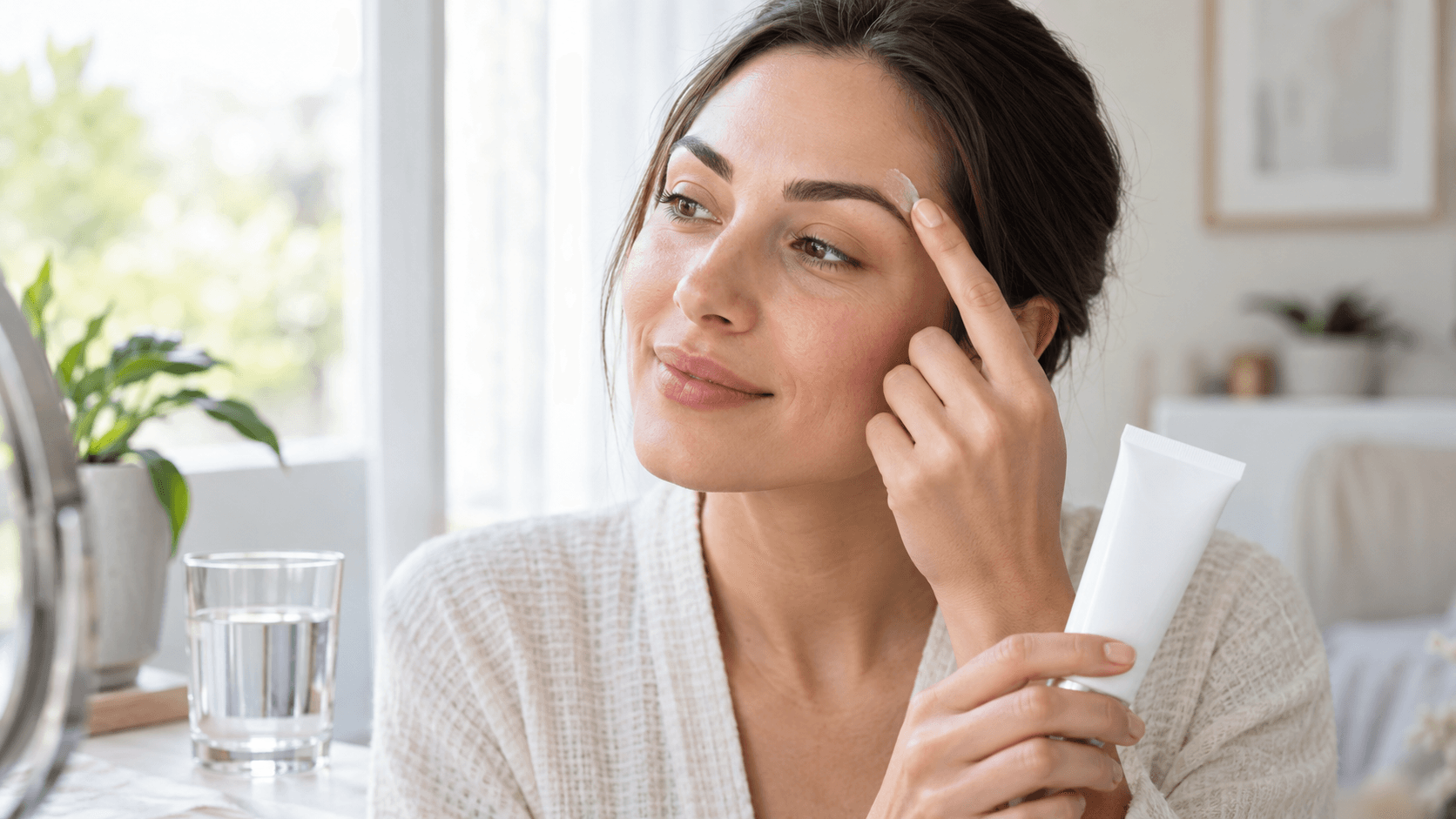
Laser brow lifting aftercare involves fully adhering to physician instructions, treating the treatment area gently, actively protecting from the sun, consuming adequate fluids, and promptly consulting a doctor in case of unusual symptoms. Proper care accelerates healing, reduces the risk of complications, and supports the final outcome.
What precautions should be taken after laser brow lifting? This question lingers in the minds of everyone who undergoes the procedure. Laser technology tightens the loose tissues around the brows, evens skin tone, and provides a youthful appearance. However, laser beams deliver energy to the skin surface. This energy creates controlled damage. The skin strives to repair this damage. The precautions taken during this repair period directly affect the quality of the outcome.
In this article, we will address the aftercare process following laser brow lifting step by step. Each section will compile scientific data, practical suggestions, and comparative tables. Our aim is to clearly eliminate the question marks in the reader's mind.
Aftercare supports the skin's repair process, manages swelling and redness, reduces the risk of infection, and preserves the final aesthetic result. Neglected aftercare can lead to pigment changes and delayed healing.
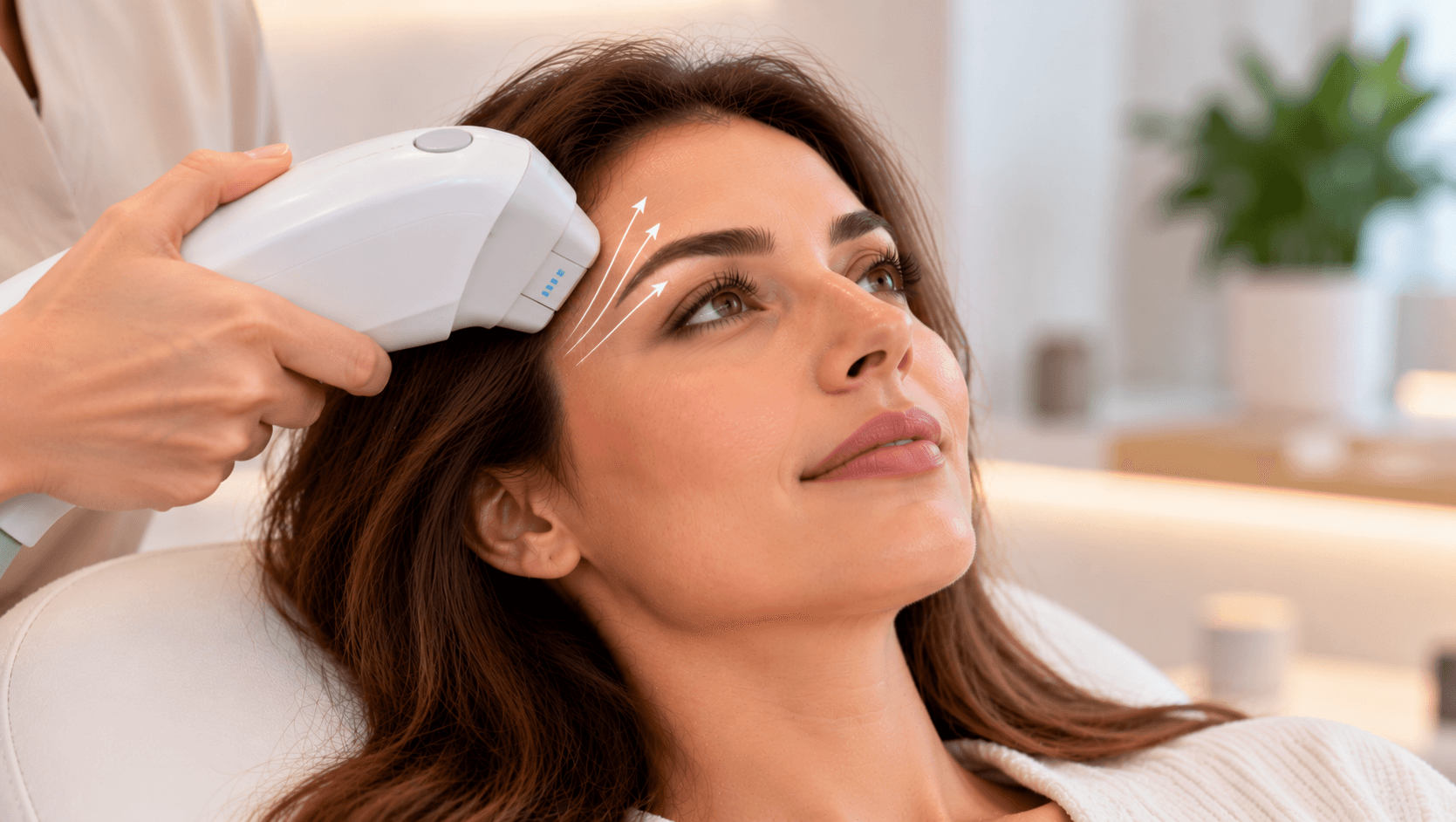
The laser brow lifting procedure is a non-surgical method applied for brow elevation. The laser device reorganizes the collagen fibers beneath the skin by heating them. During this process, the skin barrier temporarily weakens. The skin becomes more susceptible to foreign substances and environmental factors. Therefore, post-procedure care is the cornerstone of healing.
There are significant differences between surgical brow lift and laser-assisted brow lifting. Surgical brow lift is an invasive procedure that physically lifts tissues through incisions. Laser brow lifting is a minimally invasive method that stimulates tissues with energy without making incisions on the skin surface. Healing times and care requirements differ between these two methods. If the procedure was performed alongside surgical brow lift, the surgeon's postoperative instructions always take precedence. Post-surgical stitch care, wound healing, and swelling control require stricter rules.
The healing process varies from person to person. Age, skin type, overall health status, and the laser technology used affect this duration. In some individuals, redness may diminish within a few hours, while in others, it may last several days. Proper care creates a safe healing environment amidst this variability.
In the first 24–48 hours, it is essential not to touch the treatment area, apply cold compresses, keep the head elevated while resting, and use the products recommended by the physician. This period is the most critical time to soothe the skin's initial reaction.
It is necessary to avoid unnecessary contact with the treated area, not to rub or scratch, and to use only the care products recommended by the physician.
After the laser procedure, the skin shows an inflammatory response. This response is normal. The skin begins to repair itself. During this period, touching the eyebrow and forehead area increases the risk of carrying bacteria. Hands are not always completely clean. Therefore, avoiding hand contact with the treatment area is the most appropriate approach.
Rubbing the eyebrows creates micro-traumas on the skin. These traumas delay healing. The care products recommended by the physician provide the support the skin needs. These products usually contain anti-inflammatory and barrier-supporting ingredients. In the initial period, redness, sensitivity, and slight swelling are observed. These symptoms are the expected physiological responses to the procedure.
Yes, controlled cold compress reduces swelling, alleviates pain, and decreases discomfort. However, ice should not be applied directly to the skin.
Cold application constricts blood vessels and slows down blood flow. This mechanism helps control the formation of swelling. Additionally, cold numbs nerve endings and reduces the perception of pain. However, direct contact of ice with the skin carries the risk of frostbite. Therefore, ice should be applied through a clean cloth or a special compress bag. The duration of application should be determined according to the physician's recommendation. Generally, applications are made at intervals of 10–15 minutes.
The head should be elevated while resting. Sleeping positions that put pressure on the face should be avoided.
Elevating the head facilitates venous return. This situation prevents the accumulation of swelling. Especially after surgical brow lift, elevating the head approximately 30–40 degrees is a standard recommendation. This position is also beneficial in laser procedures. Sleeping face down puts pressure on the treatment area. This pressure can increase swelling and negatively affect healing. It is recommended to keep the head elevated above chest level with pillow support.
Gentle cleansing, using barrier-supporting moisturizer, avoiding active ingredients, and postponing makeup are the basic principles of skin care.
Avoid harsh rubbing, do not perform mechanical peeling, use the cleanser recommended by the physician, and keep the area clean and dry.
Cleansing reduces the risk of infection. However, the skin is sensitive after laser treatment. Harsh movements can damage the skin barrier. Therefore, the cleansing process should be done with gentle finger movements. The water should be lukewarm. Hot water dilates blood vessels and can increase redness. After cleansing, the skin should be gently dried with a soft towel. Rubbing movements should be avoided during the drying process.
Yes, barrier-supportive and restorative products can be used. However, the choice of products varies depending on the type of laser and the condition of the skin. Active ingredients should not be used without a doctor's approval.
After laser treatment, the skin needs lipids that retain moisture. Ingredients like ceramide, hyaluronic acid, and panthenol support the skin barrier. These products reduce water loss from the skin and accelerate the healing process. However, not every skin type responds the same way to the same product. Therefore, product selection should be made based on the recommendation of the performing physician.
Makeup should not be applied until the skin barrier is fully restored. While redness and sensitivity persist, cosmetic products may cause irritation.
Makeup products can clog skin pores. The skin after laser treatment needs to breathe. Additionally, makeup brushes and sponges can carry bacteria. Applying makeup before the skin barrier is fully restored increases the risk of infection. After surgical brow lift, it is generally necessary to wait a few days before applying makeup. A similar approach should be adopted for laser procedures. The physician can provide a specific date based on the condition of the skin.

Sun rays increase inflammation in healing skin, raise the risk of discoloration, and negatively affect scar visibility. Therefore, sun protection is the most critical part of healing.
UV exposure intensifies the inflammatory response in healing skin and increases the risk of post-inflammatory hyperpigmentation.
Laser treatment creates controlled damage to the skin. During the repair of this damage, melanocytes become more sensitive to UV rays. UV exposure triggers melanin production. This can lead to the formation of dark spots. Additionally, UV rays break down collagen fibers. This contradicts the purpose of the laser. The primary goal of the laser is to increase collagen production. The sun can weaken these gains.
Broad-spectrum sunscreen should be used immediately after the procedure. A high SPF value should be selected, and hat and physical protection methods should be supported.
In choosing sunscreen, SPF 50+ values should be preferred. The sunscreen should provide broad-spectrum protection against UVA and UVB rays. Sunscreen should be applied gently to the treatment area. The renewal time should be adjusted according to the product instructions and sun exposure. Choosing hats, sunglasses, and shaded areas supports chemical protection with physical protection. Direct sunlight should be avoided, especially during midday hours.
Bending, heavy lifting, intense exercise, and all activities that increase blood pressure should be limited in the early period. Light walking can begin earlier, but intense sports should be gradually added with doctor's approval.
These movements increase blood pressure. Elevated blood pressure raises the risk of swelling and bleeding.
Bending and heavy lifting increase intra-abdominal pressure. This pressure reflects on the facial area. Facial vessels dilate with increased pressure. This situation can lead to increased edema and the risk of possible hematoma. Especially in the first weeks after surgical brow lift, these restrictions are stricter. Similar principles apply to laser procedures. Carrying heavy bags, doing intense cleaning, and using heavy exercise equipment should be postponed.
Light walking can begin within a few days. Running, weight training, yoga, and high-intensity exercise should be initiated with doctor's approval and gradually.
Exercise raises body temperature. Increased body temperature can cause redness and swelling in the skin. Additionally, gyms are risky environments in terms of bacteria and sweat. If sweat comes into contact with the treatment area, it can lead to irritation. Surgical brow lift sources emphasize that light activity can be resumed earlier, but heavy exercise should be postponed for a longer period. This distinction is also important after laser brow lifting. Light walking supports circulation and reduces edema. However, intense cardio and weight training should be postponed until recovery is complete.
Type of Activity | Early Period (0–3 Days) | Medium Period (4–14 Days) | Late Period (15+ Days) |
Light walking | Limited with doctor's approval | Can be increased | Return to normal levels |
Running | Prohibited | Evaluate with doctor approval | Gradual start |
Weight training | Prohibited | Prohibited | Start with doctor approval |
Yoga / Inverted poses | Prohibited | Limited | Start with doctor approval |
Swimming (pool) | Prohibited | Limited | After complete recovery |
Mechanical trauma-causing eyebrow plucking, waxing, thread applications, chemical hair treatments, peeling, and strong active ingredients should be postponed until the skin is fully healed.
Tweezers, waxing, or thread applications should be avoided until the skin is fully healed.
The treated skin is sensitive to mechanical trauma. Using tweezers can create micro-tears in the skin. These tears can be a gateway for infection. Additionally, hair removal performed while the skin has not fully recovered can lead to pigment changes. If there is a need for eyebrow shaping, this procedure should be postponed for at least a few weeks.
Hair dye, perm, and other chemical treatments should be postponed for at least 2–4 weeks. Contact of products with the treatment area should be prevented.
Hair dyes contain ammonia, peroxide, and other aggressive chemicals. These substances cause irritation when they come into contact with the skin. The skin after laser treatment is more vulnerable to these chemicals than usual. There is a risk of dye seeping into the eyebrow and forehead area during application. Some sources recommend waiting about 4–6 weeks after surgical brow lift. A similar duration is a safe approach for laser procedures as well.
No. Retinoids, AHA/BHA acids, benzoyl peroxide, and fragranced products should not be used without doctor approval.
Retinoids increase the skin cell turnover rate. The skin is already undergoing a rapid renewal process after laser treatment. Retinoids can excessively intensify this process. Exfoliating acids like AHA and BHA thin the skin barrier. This barrier is already weak after laser treatment. Benzoyl peroxide is a drying and irritating substance. Fragranced products carry a risk of allergic reactions. All these products should be set aside until healing is complete.
Adequate water intake, a protein-rich diet, antioxidant intake, and sodium restriction support healing. Dehydration and processed foods slow down recovery.
At least 2–2.5 liters of water should be consumed daily. Dehydration slows down cell repair.
Water is the cornerstone of all metabolic processes in the body. Skin cells receive nutrients and oxygen through water. Waste materials are eliminated with water. Adequate fluid intake helps balance edema. Most people do not drink enough water. This need increases even more during the post-laser period. Besides water, unsweetened herbal teas and freshly squeezed fruit juices also contribute to fluid intake. However, caffeinated and alcoholic beverages increase water loss. Therefore, these drinks should be limited.
Foods rich in protein, vegetables, fruits, and antioxidants support healing. A balanced diet accelerates collagen synthesis and tissue repair.
Protein is the building block of tissue repair. Amino acids are needed for collagen synthesis. These amino acids are obtained from meat, fish, eggs, legumes, and dairy products. Vegetables and fruits are rich in vitamins and minerals. Vitamin C supports collagen synthesis. Vitamin E protects the skin from oxidative stress. Zinc is a critical mineral for wound healing. Antioxidants neutralize free radicals. These nutrients reduce the effects of oxidative stress caused by the laser.
Yes. High sodium intake increases edema. Processed foods exacerbate inflammation in the body.
Salt retains water in the body. This condition manifests as swelling, especially in the facial area. Edema is already an expected condition after laser treatment. Additional salt intake exacerbates this edema. Processed foods contain trans fats, refined sugars, and artificial additives. These substances create chronic low-level inflammation in the body. The healing process requires inflammation to be kept under control. Therefore, packaged foods, instant soups, chips, and processed meat products should be limited.
Smoking disrupts tissue oxygenation, slows wound healing, and increases the risk of infection. Alcohol acts as a blood thinner, interacts with medications, and delays healing.
Smoking narrows blood vessels, reduces oxygen-carrying capacity, and decreases collagen production.
Nicotine constricts the muscles in the blood vessel walls, narrowing the vessels. This narrowing reduces blood flow. Decreased blood flow delivers less oxygen and nutrients to tissues. Skin cells cannot repair efficiently without oxygen. Additionally, carbon monoxide in cigarettes reduces hemoglobin's oxygen-carrying capacity. This dual effect significantly slows wound healing. Smokers have a higher risk of infection, wound separation, and poor scarring. Surgical brow lift sources clearly indicate that smoking negatively affects healing.
Alcohol should be completely avoided for the duration recommended by the physician. Typically, this period lasts at least a few weeks.
Alcohol acts as a blood thinner. This effect increases the risk of bleeding. Additionally, alcohol is metabolized in the liver. The liver also processes many medications. Alcohol alters the metabolism of medications. This can reduce medication effectiveness or increase the risk of side effects. Alcohol also disrupts sleep quality. Quality sleep is one of the most important supporters of healing. Therefore, completely avoiding alcohol during the healing process is the safest approach.
Mild redness, swelling, sensitivity, a feeling of tightness, and temporary numbness are normal signs of healing. These symptoms decrease over time.
Yes. The temporary inflammatory response related to the procedure manifests as redness and mild swelling. The healing time varies depending on the type of laser used.
Laser energy creates thermal damage in the skin. This damage activates the body's defense system. The defense system sends blood to the area. Increased blood flow causes redness. At the same time, vascular permeability increases, and fluid leaks into tissue spaces. This condition is referred to as edema. This response is part of the healing process. However, if the swelling does not continue to increase and is not accompanied by pain, there is no need for concern. Redness from ablative lasers may last for several weeks. In non-ablative lasers, this duration is shorter.
Yes. Temporary sensitivity, a feeling of tightness, and numbness are normal. These symptoms gradually decrease.
Laser energy can temporarily affect nerve endings. This effect may create a sensation of numbness or tingling. These sensory changes may be more pronounced after surgical brow lift. Mild sensory changes can also be observed in laser procedures. The feeling of tightness arises from the skin contracting during repair. This sensation indicates that the skin is healing. All these symptoms return to normal within weeks.
Increased redness, heat, purulent discharge, severe pain, sudden swelling, bleeding, fever, and eye-related symptoms require immediate consultation with a doctor.
Progressively increasing redness, rising heat in the area, purulent or foul-smelling discharge, worsening pain, increased swelling, and fever are signs of infection.
In normal healing, redness decreases. In infection, redness spreads and intensifies. The area feels warmer than normal. Yellow-green discharge indicates the presence of bacteria. Foul odor suggests that the infection is progressing. Fever is the body's systemic response. If one or more of these symptoms are observed, the healthcare team should be contacted without delay. Early intervention prevents complications.
Rapidly developing or unilateral noticeable swelling, persistent bleeding, severe pain, and unexpected bruising require emergency evaluation.
Sudden swelling may indicate a hematoma or seroma. A hematoma is the accumulation of blood within tissue. A seroma is the accumulation of fluid. Both conditions require professional intervention. Persistent bleeding may indicate vascular injury. Severe pain may be a sign of nerve compression or a serious complication. Unexpected bruising may indicate a bleeding disorder or trauma. These conditions should be evaluated through direct examination, not by phone.
Changes in vision, severe eye pain, light sensitivity, and unusual swelling around the eyes require urgent medical evaluation.
The eye is a sensitive and complex organ. Even if the laser procedure is performed in the eyebrow area, complications can affect the eye. Changes in vision may indicate nerve or vascular damage. Light sensitivity may indicate corneal involvement. Swelling around the eyes may signal serious conditions like orbital compartment syndrome. These symptoms should be evaluated immediately by an ophthalmologist or emergency service.
In the first days, swelling may mask the final appearance. The final result varies depending on the laser technology used. While surgical brow lift results become apparent in 3–6 months, earlier changes may be observed in laser applications.
No. Swelling and redness in the early period conceal the true result. Early changes in eyebrow position should not be considered as definitive results.
In the first days after the procedure, swelling predominates in the skin. Swelling makes the tissues appear puffed. This puffiness conceals the true position of the eyebrow. Additionally, redness alters the skin tone. Therefore, it is not correct to look in the mirror and make judgments within the first week. Patience is the most important requirement during this period.
The first significant changes in laser treatments are seen within 2–4 weeks. Collagen maturation can take 3–6 months. The results of a surgical brow lift typically become clear within 3–6 months.
Laser energy activates fibroblasts. Fibroblasts produce new collagen. However, the maturation of this collagen and the formation of a regular network in the skin takes time. In non-ablative lasers, this period may be longer, but healing is faster. In ablative lasers, skin renewal is more pronounced, but healing is slower. It is accepted that the results of a surgical brow lift become noticeable within a few months. Non-surgical procedures performed with lasers have a different healing dynamic. The timing of results for both methods should not be transferred to each other.
Rubbing the treatment area, applying makeup too early, sun exposure, tanning beds, starting intense exercise, lifting heavy objects, using tobacco and alcohol, taking medication without doctor approval, using peels in the early period, and attempting to remove stitches if there is a surgical procedure are the most common mistakes.
These mistakes delay healing, increase the risk of complications, and negatively affect the final aesthetic result. Each of them arises from ignorance or impatience. Receiving all written and verbal instructions from the physician before the procedure prevents these mistakes.
What Should Not Be Done | Why Is It Risky? | Correct Approach |
Rubbing the area | Micro trauma, risk of infection | Gentle cleaning, do not touch |
Early makeup | Clogging in the eye, bacteria, irritation | Wait until the skin heals |
Direct sunlight | Pigmentation, worsening of scars | SPF 50+, hat, gölge |
Tanning bed | Intense UV, skin damage | Complete avoidance |
Intense exercise | Swelling, bleeding, sweat irritation | Gradual return |
Heavy lifting | Increased blood pressure, swelling | 2–4 weeks limitation |
Smoking / Alcohol | Decreased oxygen, bleeding | Complete cessation |
Self-medication | Side effects, interactions | Only on doctor's recommendation |
Early peeling | Barrier damage | Doctor's approval after recovery |
Removing stitches | Wound separation, infection | Removal by surgeon |
Full compliance with physician instructions, avoiding pressure and friction, controlled cold compress, sun protection, staying away from aggressive cosmetics, gradual activity, adequate hydration, balanced nutrition, avoiding smoking and alcohol, regular use of prescribed medications, and prompt intervention for unusual symptoms are the most important precautions.
These measures create a complementary whole. Sun protection alone is not sufficient. If nutrition is neglected, skin repair slows down. If exercise restrictions are not followed, swelling increases. Each step enhances the effectiveness of the other steps. Therefore, the care plan should be implemented in a holistic manner.
It varies depending on the type of procedure. Generally, it can be gently washed with lukewarm water after the first 24 hours. The physician's specific instructions always take precedence.
In non-ablative lasers, since the skin integrity is not compromised, washing can start earlier. In ablative lasers, crusting may occur, and washing may be delayed. During washing, rubbing should not be done; only gentle rinsing with water should be performed. After washing the face, the skincare products recommended by the physician should be applied.
Makeup should not be applied until the skin barrier is completely healed. This period is usually at least 3–7 days.
Makeup clogs pores and carries bacteria. It increases the risk of irritation and infection. Mineral makeup products may be lighter compared to traditional products. However, physician approval is still required. If there is a need for makeup in the initial period, it can only be applied to the areas of the face that have not been treated.
Direct sunlight should be avoided. Broad-spectrum SPF should be used, and physical protection methods such as hats should be preferred.
If it is necessary to go out in the sun, early morning or evening hours should be preferred. Outdoor activities should be avoided during midday hours (10:00–16:00). Sunscreen should be reapplied every 2 hours. It should be reapplied immediately after sweating or contact with water.
Light walking can begin within a few days. Intense exercise should be gradually added based on the procedure and recovery status.
Activities such as yoga, pilates, and weight training increase blood pressure. These activities should be started with physician approval after the second week of recovery. Swimming should be postponed for 2–3 weeks due to chlorine and bacteria.
It varies depending on the type of laser used and the intensity of the treatment. In non-ablative lasers, swelling can last 1–3 days. In ablative lasers, this period may be longer.
The recovery times for surgical brow lift and laser treatment are not the same. In surgical procedures, swelling can last 1–2 weeks. In laser procedures, a shorter swelling period is generally experienced. Keeping the head elevated while resting and applying cold compresses can shorten the duration of swelling.
Mild and temporary sensitivity is normal. However, worsening or progressively increasing pain should be evaluated.
Pain is the body's alarm system. A slight tension or stabbing sensation is expected. However, severe, throbbing, or widespread pain may be a sign of complications. Pain relievers recommended by the physician should be used regularly. Blood-thinning medications such as aspirin should not be used.
It varies depending on the invasiveness of the procedure, the physical requirements of the job, and the skin's reaction. One can return the next day for non-ablative lasers. For ablative lasers, a break of 3–7 days may be necessary.
Return to desk jobs may be earlier. Return to jobs that require physical lifting may take longer. If there is significant redness on the skin, social appearance concerns may arise as makeup cannot be applied. This situation may affect the return to work time.
One should consult a doctor for emergency symptoms such as severe or increasing pain, sudden swelling, excessive bleeding, signs of infection, changes in vision, and shortness of breath.
These symptoms are early signs of complications. Early diagnosis and intervention prevent negative outcomes. In any case of doubt, contacting a physician is the best approach. Waiting and observing can sometimes worsen the situation.
Proper care accelerates the healing process, prevents complications, protects the skin barrier, and enhances the quality of the final aesthetic result. Each individual's healing process is different, and personal medical recommendations are determined only by the specialist performing the procedure.
What precautions should be taken after laser eyebrow lifting? The answer to this question is not limited to just a few items. Compliance with physician instructions, sun protection, gentle skin care, physical activity restrictions, and proper nutrition should be applied together for safe healing. Distinguishing between normal healing signs and signs of complications is the patient's responsibility.
The healing process varies from person to person and depends on the technique used. Return is faster with non-ablative lasers. More careful care is required with ablative lasers and surgical brow lift combinations. Regardless of the method applied, patience and diligence are the keys to the best result.
It should be noted that this article serves a general informational purpose. Personal medical recommendations are determined only by the specialist physician performing the procedure. In case of any doubt, consulting a healthcare professional directly is the safest way rather than conducting internet research.
Goldman, Michael P. "Laser Resurfacing and Postoperative Care: Evidence-Based Guidelines for Optimal Recovery." Surgery, vol. 47, no. 3, 2021, pp. 345–352.
Rohrich, Rod J., and James M. Stuzin. "Plastic Surgery: Indications and Practice." Elsevier, 2019, pp. 1120–1145.
Alster, Tina S., and Elizabeth A. McKinney. "Improvement of Neck and Cheek Laxity with a Nonablative Radiofrequency Device: A Lifting Experience." Surgery, vol. 39, no. 12, 2013, pp. 1901–1906.
Fitzpatrick, Richard E., and Mitchel P. Goldman. "Laser Resurfacing of the Skin." Archives of , vol. 132, no. 4, 1996, pp. 451–455.
Rendon, Marta I., and David J. Goldberg. "Ablative and Nonablative Facial Rejuvenation: Current Standards and Innovations." Journal of Cosmetic and Laser Therapy, vol. 22, no. 5, 2020, pp. 245–253.
Biesman, Brian S., and Kenneth A. Arndt. "Postoperative Care following Cutaneous Laser Resurfacing: A Review of Current Practices." Lasers in Surgery and Medicine, vol. 48, no. 2, 2016, pp. 156–163.
Nanni, Christina A., and Roy G. Geronemus. "Complications of CO2 Laser Resurfacing: Recognition and Management." Clinics, vol. 16, no. 2, 1998, pp. 315–326.
Manuskiatti, Woraphong, and Tina S. Alster. "Patient Satisfaction in Long-Term Follow-Up after Nonablative Radiofrequency Facial Rejuvenation." Journal of Cosmetic and Laser Therapy, vol. 11, no. 4, 2009, pp. 242–245.
Rohrich, Rod J., and Joel E. Pessa. "The Fat Compartments of the Face: Anatomy and Clinical Implications for Cosmetic Surgery." Plastic and Reconstructive Surgery, vol. 119, no. 7, 2007, pp. 2219–2227.
Brightman, Lori A., and Roy G. Geronemus. "Ablative Fractional Laser Resurfacing: Patient Selection and Special Considerations." Clinical, Cosmetic and Investigational , vol. 9, 2016, pp. 225–233.