Yükleniyor…
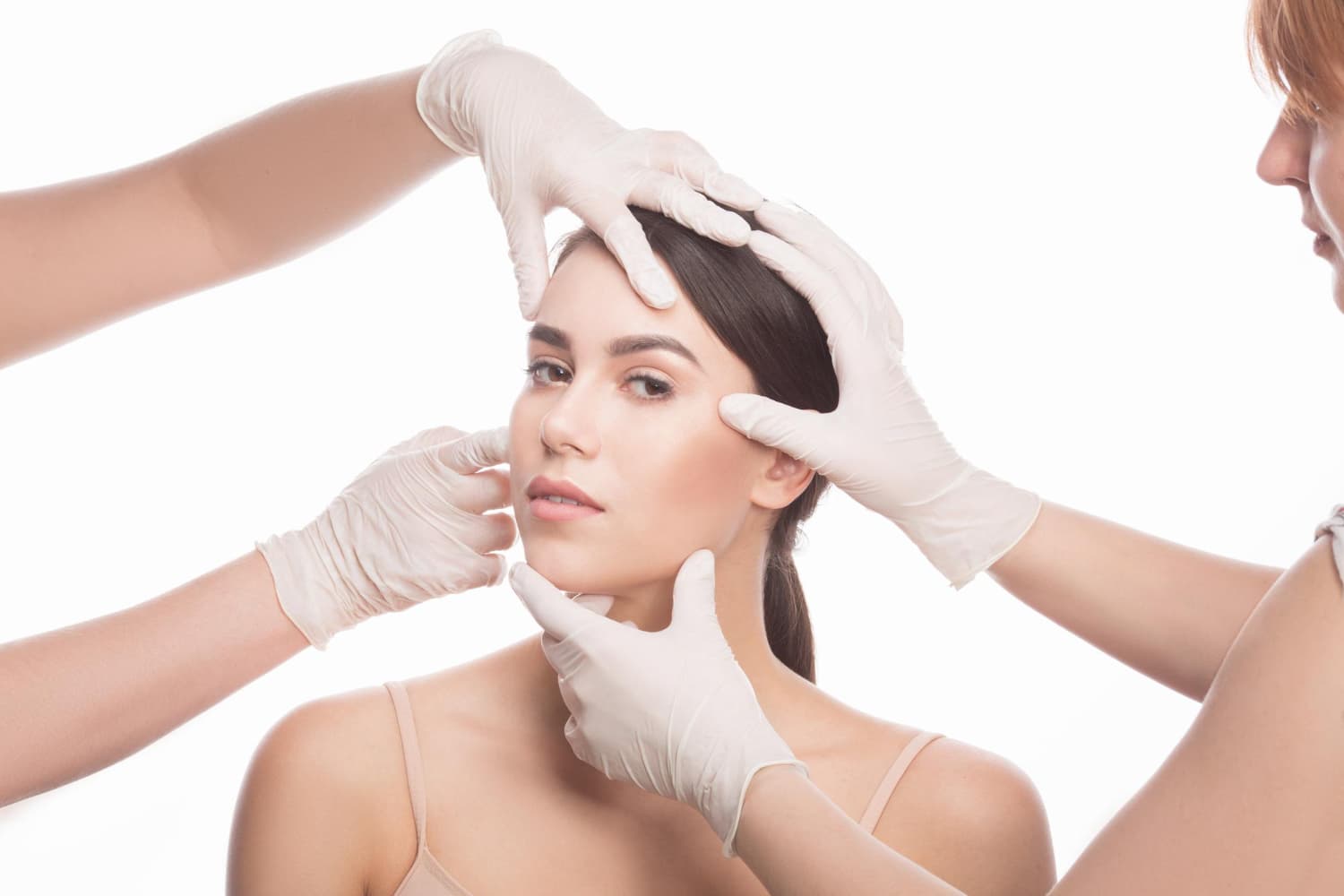
The recovery process after the French thread lift is a gradual journey that activates the body's natural repair mechanisms. This guide clearly outlines what to expect each week based on scientific evidence. Our goal is to help you set realistic expectations and manage your recovery effectively.
Recovery typically begins within the first 24 hours, with swelling and bruising peaking on the second and third days, significantly decreasing in the first week, and final results appearing within two to three months.
The French thread lift is a minimally invasive procedure that lifts facial tissues using special threads placed in the deeper layers of the skin. This method creates an immediate mechanical lifting effect and stimulates the body's collagen production. Wu and colleagues observed in a large-scale study involving 357 patients that the effects of this procedure lasted for two years (Wu et al., 2019). The recovery process varies from person to person as everyone's body structure is different. Age, skin elasticity, overall health status, and post-procedure care directly affect the speed of recovery.
The type of thread material and technique used during the procedure also play an important role. Absorbable threads are gradually absorbed by the body, supporting the formation of new collagen fibers during this process. Spring noted in a recent review published in 2020 that these thread technologies have become increasingly safe and effective in facial lifting (Spring, 2020). In younger patients with high skin elasticity, tissue adaptation occurs more quickly. In smokers, however, recovery slows down because nicotine constricts blood vessels and reduces oxygen supply to the skin.
A French thread lift is a non-surgical facelift procedure performed under local anesthesia, where biocompatible threads are placed under the skin to correct facial sagging.
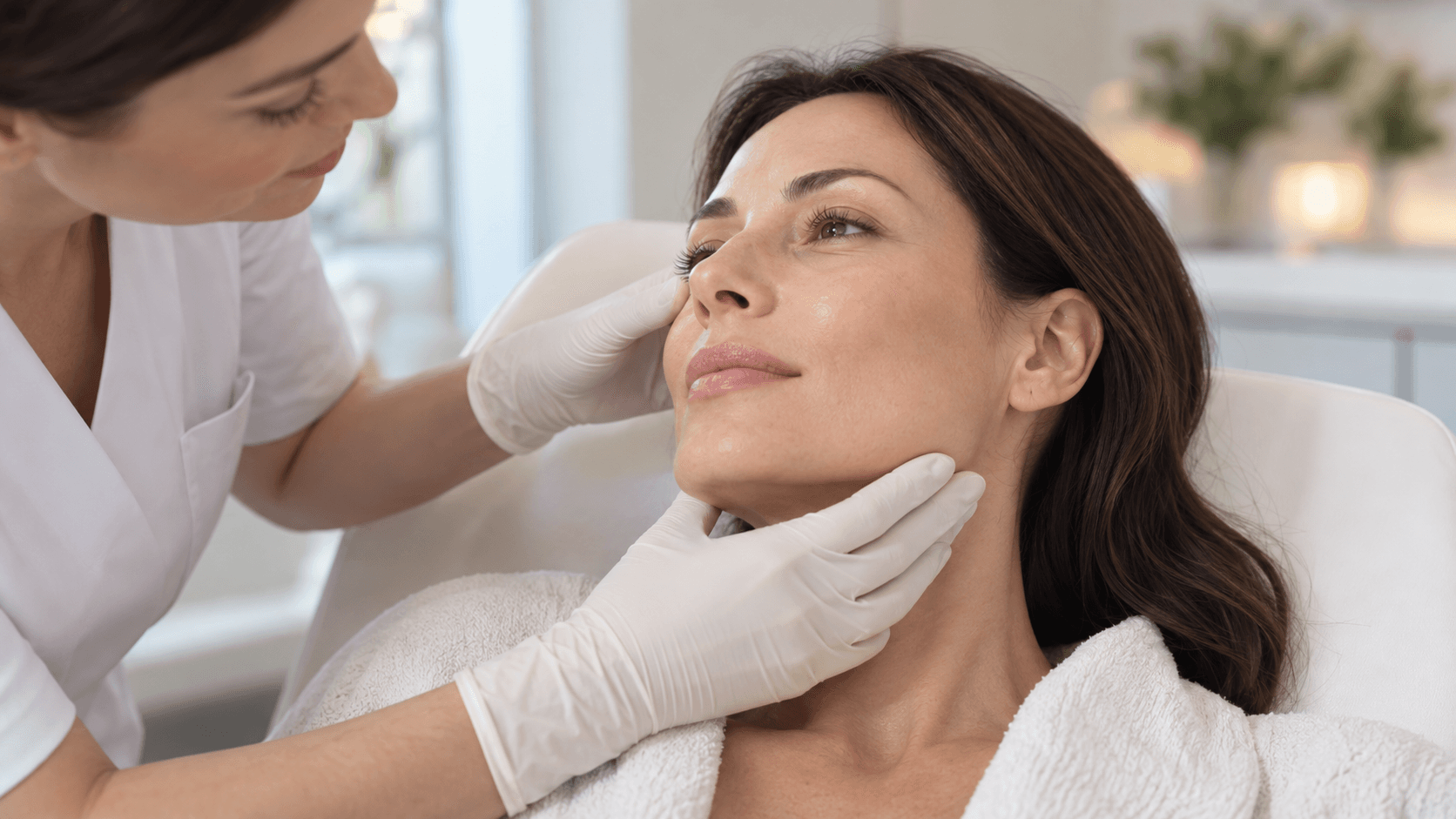
In this method, the physician places thin threads into the subcutaneous layer of the skin along predetermined vectors. The small protrusions or hooks on the threads hold the tissues and lift them upwards. The procedure takes approximately thirty to sixty minutes. The patient can return home the same day. Wu and his team demonstrated in their studies that this technique is specifically applied to the connective tissue structures and fat compartments of the face, resulting in more lasting outcomes (Wu et al., 2019).
Each individual's skin structure, age, lifestyle, and pre-procedure skin condition are different. Therefore, the speed and experience of recovery are unique to each person.
Okumura proved in a multicenter study involving one thousand five hundred patients in 2025 that age and the number of threads used are independent predictors of dissatisfaction (Okumura, 2025). Patients over the age of forty-three and cases using more than ten threads showed higher rates of dissatisfaction. This finding indicates that the skin's repair capacity operates differently in older patients compared to younger ones.
The scope of the procedure, thread material, skin elasticity, age, general health, smoking habits, and the quality of post-procedure care determine the recovery time.
The table below shows these factors comparatively:
Factor | Effect on Recovery |
Young age and elastic skin | Faster adaptation, less swelling |
Older age and loose skin | Slower healing, longer sensation of tightness |
Smoking and nicotine use | Delayed wound healing, increased risk of bruising |
High-protein diet | Rapid tissue repair, strong collagen synthesis |
Regular sleep and rest | Acceleration of body repair processes |
Full compliance with physician instructions | Low risk of complications, better results |
In the first twenty-four hours, mild swelling, redness, tightness, and numbness may be observed on the face. The head should be kept elevated and rested.
A noticeable lifting effect is felt on the face immediately after the procedure. However, swelling, redness, and sensitivity during this early period are completely normal. The body responds naturally to the inserted threads. This response marks the beginning of inflammation and the repair process. The sensation of tightness or pulling in the face is due to the threads holding and lifting the tissues.
During the first night, one should sleep on their back with the head elevated at least two pillow heights. This position prevents fluid accumulation and supports drainage. In the first twenty-four hours, excessive facial movements, wide mouth opening, and hard foods should be avoided. The first check-up is usually performed on the first or second day after the procedure.
On the second and third days, swelling generally reaches its peak. Bruising may appear. Pain continues at a mild level.
Swelling increases in the first few days as the body sends repair cells to the treatment area. This process is completely healthy. Bruising results from tiny vessel damage that occurs during the procedure. It is usually seen around the cheeks, jawline, and ears. Pain and sensitivity are mild in most patients and are managed with pain relievers.
There may be temporary restrictions in facial movements. It is normal to feel a slight pulling during smiling or chewing. The feeling of tightness in the skin is part of the settling process of the threads. Applying a cold compress during this period helps reduce swelling. It is very important not to rub or apply pressure to the face.
From the fourth day, swelling begins to decrease. Bruises start to yellow and fade. Light walks can be initiated.
By the middle of the first week, the body begins to synthesize new collagen in the treatment area. This process strengthens the internal structure of the skin. Pain significantly decreases for most patients by the fourth or fifth day. Numbness and tingling result from the reorganization of nerve endings during the healing process. These sensations are usually temporary.
Light walks can be started from the fourth day. However, heavy exercises should be avoided. Most daily activities can be resumed, but positions that bend the head and heavy lifting should be avoided. By the end of the first week, facial contours begin to become more defined.
In the second week, swelling significantly decreases. Most bruises disappear. Returning to work and light social activities becomes possible.
In the second week, the feeling of tightness in the face gradually softens. The tissues begin to adapt to the new position of the threads. Numbness and sensitivity decrease in most patients. However, some individuals may experience a slight tingling sensation for a few more weeks.
Returning to work is generally possible from the second day for desk workers. However, it is more appropriate to wait two weeks for the face to look completely natural. Returning to social life depends on how comfortable the individual feels. Light exercises can be gradually started from the second week. Still, heavy sports and saunas should be avoided.
Facial contours appear more natural. A full return to daily activities is possible. The intensity of exercise can be gradually increased.
In the third and fourth weeks, the mechanical lifting effect gradually gives way to biological renewal. This means that while the direct pulling power of the threads decreases, the new collagen tissue formed around them comes into play. Chang and Kang demonstrated in a study conducted in 2022 that laser-assisted treatments can enhance results during this three-month active remodeling period (Chang and Kang, 2022).
Mild residual swelling is considered normal during this period. Redness and sensitivity in the skin significantly diminish. The results of the French thread lift become more pronounced during this time. However, a longer wait is necessary for the final result.
In the first month, most of the swelling decreases. The facial contour becomes more defined. However, the final result has not yet fully settled.
In the first month, the skin continues to form a new collagen framework. This process strengthens the skin from within. Tightness and numbness significantly decrease in most patients. However, some individuals may experience a slight difference in sensation for another month or two.
Evaluating the results in the early period can be misleading. Because before the swelling completely disappears and the tissues fully settle, there may be fluctuations in appearance. It is necessary to wait at least two to three months for the final result. A two-year follow-up study by Wu and colleagues showed that the results obtained in the first month matured over time (Wu et al., 2019).
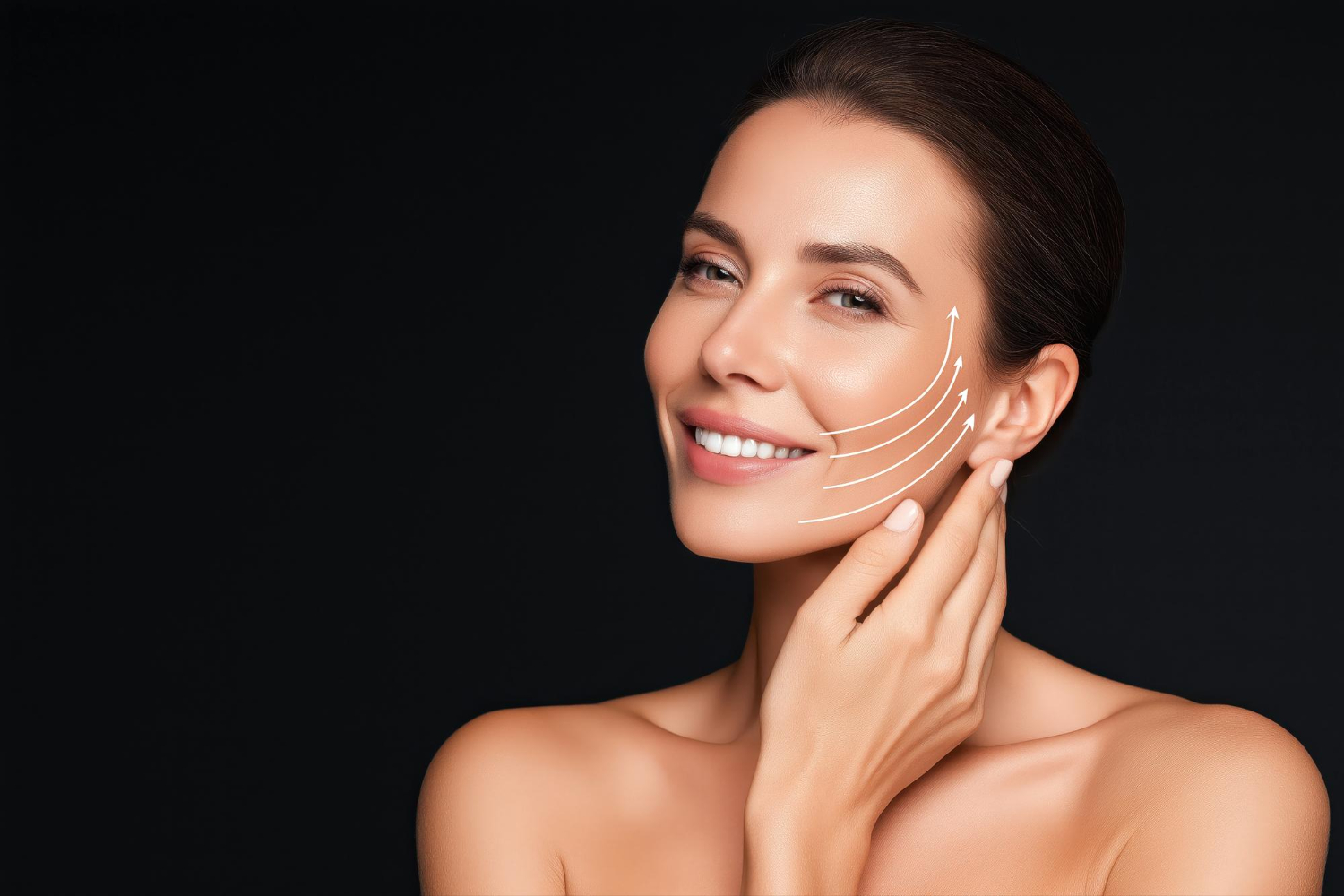
The tissues fully adapt to their new positions. Remaining swelling and tightness disappear. The results become more stable.
In the second and third months, tissue healing approaches completion. The fibrous tissue that forms around the threads provides natural support to the skin. Yordanov noted in a study published in 2025 that thread lifting procedures create long-term changes in tissues, and these changes continue even after the threads dissolve (Yordanov, 2025). This finding indicates that the French thread lift is not just an immediate effect but a procedure that alters skin structure in the long term.
Skin sensation completely returns to normal during this period. Follow-up appointments are important for evaluating the results and planning any necessary minor adjustments.
The head should be kept elevated, cold compresses should be applied, and salt intake should be reduced. Swelling usually decreases significantly within a week.
Swelling occurs as the body sends repair fluid to the treatment area. This process is part of healing. Swelling typically becomes most pronounced between forty-eight to seventy-two hours. Keeping the head elevated prevents gravity from pooling the swelling and supports lymphatic drainage.
Cold application should be done in intervals of fifteen minutes every forty-eight hours. Ice should not be applied directly to the skin; a soft cloth should be placed in between. Salty foods can increase swelling as excess sodium retains fluid in the body. The complete disappearance of bruises usually takes seven to ten days. It is completely normal for swelling to increase in the evenings and decrease in the mornings.
Mild pain, tightness, and a pulling sensation are normal. These symptoms are usually most intense in the first few days and decrease over time.
Post-procedure pain is mild in most patients. Pain relievers help ease this process. The feeling of tension and pulling in the face is due to the threads lifting the skin and underlying tissues upwards. Sensitivity arises from the slight impact on nerve endings during the procedure and usually disappears within a few weeks.
Tingling and itching are signs of nerve reorganization. Pain should gradually decrease. However, if the pain starts to increase after the third day, if sudden swelling occurs, or if there is an increase in temperature, a doctor should be consulted immediately.
Numbness and tingling typically last for a few weeks. Skin sensation usually returns to normal within one to two months for most patients.
Numbness is caused by slight stretching or pressure on the nerve endings during the procedure. The areas around the ears, cheeks, and jawline are where these sensation changes are most commonly observed. The tingling sensation is a sign that the nerves are beginning to transmit signals again during the repair process. This situation is actually a positive development.
Nishioka and colleagues demonstrated in a study on eyelid surgeries that healing occurs more rapidly in areas with high lymphatic vessel density (Nishioka et al.). This finding shows how critical microcirculation in the facial area is for sensory recovery. If numbness lasts longer than two months or worsens, a medical evaluation is necessary.
Home activities can be resumed immediately. Returning to work is possible within one or two days. Social activities can be resumed after a week, and driving can begin the next day.
Returning to daily life entirely depends on how the individual feels. Light household tasks can be started immediately. However, cleaning tasks that require bending the head should be avoided for the first week. The time to return to work varies depending on working conditions. Office workers can generally return to work after one or two days.
The decision to participate in social activities depends on how noticeable the swelling and bruising on the face are. Most people should plan their procedure at least two weeks in advance for a special event. It is advisable to wait at least a week before traveling. Pressure changes during air travel can increase swelling in the early period.
Light walking can be done from the third or fourth day. Strenuous exercises should be started at least two weeks later.
Intense exercise is not recommended in the first few days because increased blood pressure and sweating can increase swelling and displace the threads. Light activities like walking can be started from the third day. Weight lifting, running, and high-intensity cardio exercises should be resumed at least ten to fifteen days later.
Starting exercise too early can lead to thread slippage, asymmetry, and prolonged swelling. The return to physical activity program should be determined with the doctor's approval. Each patient's procedure scope is different, and therefore the exercise schedule should be personalized.
Drinking plenty of water, consuming a protein-rich diet, and avoiding salt accelerates healing. Alcohol should be limited for the first week.
Adequate water intake helps eliminate waste from the body and reduces swelling. Aiming to drink at least two liters of water daily is recommended. Protein is a fundamental building block for collagen synthesis. Protein sources such as eggs, fish, chicken, legumes, and yogurt support healing.
Salty foods retain fluid in the body and increase swelling. Salt intake should be reduced for the first few weeks. Alcohol dilates blood vessels and increases the risk of bruising. Additionally, alcohol suppresses the immune system and slows down wound healing. A balanced diet provides the necessary vitamins and minerals for the body's repair processes.
For the first forty-eight hours, the face should not be washed. After that, gentle cleansers should be used. Sun protection is essential.
The treatment areas should not come into contact with water for the first two days. From the third day onwards, the face can be washed with mild, fragrance-free cleansers. Pressure on the face should be avoided. When cleaning, only light touches should be applied, and rubbing should be avoided.
Skin care products can be resumed from the fourth or fifth day with moisturizers that do not contain active ingredients. Products containing peeling agents, retinol, and acids should be postponed for at least one month. Sun protection is very important because the skin becomes more sensitive to the sun after the procedure. A high-factor sunscreen should be used daily.
Pressure on the face, intense exercise, smoking, alcohol, sleeping on the stomach, and unauthorized aesthetic procedures should be avoided for at least one month.
The table below summarizes the behaviors to avoid and their reasons:
Behaviors to Avoid | Why It Is Harmful |
Applying pressure to the facial area | Can cause the threads to shift |
Rubbing or massaging the face | Increases the risk of tissue damage and asymmetry |
Intense physical activity | Increased swelling and risk of bleeding |
Lifting heavy objects | Affects the tension threads in the facial muscles |
Sleeping on your face | Applies pressure to the threads and causes asymmetry |
Using tobacco and nicotine | Slows down tissue repair |
Consuming alcohol | Increases bruising and swelling |
Excessive sun exposure | Risk of skin discoloration |
Unauthorized aesthetic procedure | Disrupts the healing process of tissues |
Mild swelling, bruising, tenderness, tightness, temporary numbness, and tingling are normal. Increased pain, severe swelling, fever, and loss of sensation are concerning.
Normal healing symptoms include: mild swelling, bruising, tenderness, a feeling of tightness, temporary numbness, tingling, slight redness, and discomfort that decreases over time. These symptoms are most pronounced in the first few days after the procedure and gradually fade away.
The table below compares normal and concerning symptoms:
Normal Symptoms | Symptoms That Require Medical Attention |
Mild and decreasing swelling | Increasingly severe pain |
Discoloration | Sudden and significant swelling increase |
Mild redness | Unexpected bleeding |
Temporary numbness | Fever and signs of infection |
Tightness sensation | Persistent skin changes |
Tingling | Severe or permanent loss of sensation |
Unexpected asymmetry |
The application technique, number and material of the threads, the area treated, skin elasticity, age, overall health, and post-procedure care determine the recovery time.
Hügül and colleagues investigated whether patient satisfaction varied according to age, type of thread used, number of threads, and treatment area in a study conducted in 2022 (Hügül et al., 2022). This research highlighted the importance of personalized treatment planning. Recovery occurs faster and more easily in younger patients and those with elastic skin. Recovery may be slower in patients with diabetes, immune system disorders, or blood clotting problems.
Following physician instructions, getting plenty of rest, keeping the head elevated, drinking plenty of water, eating a balanced diet, and avoiding smoking can accelerate recovery.
The most important factor supporting recovery is to fully comply with the care instructions given by the physician. Adequate rest in the initial days allows the body's repair energy to focus on the treatment area. Keeping the head elevated prevents fluid accumulation. Sufficient fluid intake facilitates the elimination of metabolic waste from the body.
A balanced diet, especially consuming foods rich in vitamin C, zinc, and protein, supports collagen synthesis. Gradually returning to activities prevents strain on the tissues. Smoking and nicotine should be completely avoided as nicotine constricts blood vessels and reduces oxygen-carrying capacity. Follow-up appointments should not be missed.
Early results are visible immediately, but final results appear after two to three months. It takes time for the tissues to settle completely.
The difference between early results and final results is significant. The lifting effect seen immediately after the procedure is largely due to the mechanical pulling force of the threads. However, this effect diminishes over time. As swelling decreases, facial contours become clearer. It takes two to three months for the tissues to fully adapt to their new positions and for new collagen connective tissue to form around them.
Changes in sensation in the skin usually resolve during this period. Results can be evaluated more accurately starting from the third month. Individual healing differences affect the timing of results. In younger and healthier individuals, final results become apparent earlier.
The first 24 hours involve rest, the first week sees a reduction in swelling, the second week marks social return, the third and fourth weeks involve normalization, and the first to third months are for the maturation of the results.
The table below summarizes the weekly recovery timeline:
Period | Expected Changes | General Approach |
First 24 hours | Sensitivity, swelling, tension | Rest and keeping the head elevated |
2–3 days | Increased swelling and bruising | Rest and adherence to care instructions |
4–7 days | Beginning of swelling reduction | Light movement and controlled daily activities |
2nd week | Significant reduction in bruising and swelling | Gradual return to social and professional life |
3–4 weeks | More natural facial contours | Controlled return to daily activities |
1–3 months | Tissue settling and maturation of the result | Follow-up and long-term evaluation |
Swelling decreases within a week, bruising disappears in seven to ten days, pain lasts a few days, return to work is possible in one to two days, and exercise can start after two weeks.
Swelling typically peaks in the first three days and significantly decreases within a week. However, mild swelling may last for two to three weeks.
Bruises usually turn yellow and fade within seven to ten days. They may vary regionally.
Pain is mild in most patients for the first two to three days. It then decreases rapidly.
Office workers can generally return to work after one to two days. Those in physical jobs should wait a week.
Light social activities can be resumed after a week. It is safer to wait two weeks for significant events.
Light walking can be done from the third day. Strenuous exercises should be started at least two weeks later.
The face usually begins to look natural within two to three weeks. However, achieving final naturalness may take one to two months.
Numbness may last for a few weeks. In most patients, it completely disappears within one to two months.
Makeup can be started forty-eight to seventy-two hours later. However, it should not come into contact with the application points.
Short exposures to the sun are possible a week later. However, a high-factor sunscreen must be used.
The results fully settle within two to three months. Collagen renewal requires this time.
In case of increased pain, severe swelling, fever, bleeding, loss of sensation, and unexpected asymmetry, one should consult a doctor immediately.
Recovery is a gradual and personal process. Patience, proper care, and realistic expectations yield the best results.
The recovery process after a French lift is a personal experience that progresses at different speeds for each individual. It is completely normal to experience swelling, bruising, sensitivity, and tightness in the initial days. These symptoms will fade over time. Gradual return to daily activities ensures healthy healing of the tissues.
The doctor's post-procedure instructions are always a priority. It is incorrect to make a definitive assessment about the final result in the early period. This is because swelling and tightness can mask the true results. Regular check-ups confirm that the healing is progressing in the right direction. Proper care, patience, and realistic expectations are the keys to achieving the best results after a French lift.
Okumura, Kazuya. "Predictors of Dissatisfaction After Polydioxanone Thread Lift." Aesthetic Surgery Journal, 2025.
Wu, Woffles T.L., et al. "A New Complex Minimally Invasive Thread Lift Method with Long-Term Results." Plastic and Reconstructive Surgery Global Open, vol. 7, no. 3, 2019.
Yordanov, Yordan P. "The Facelift After Thread Lifting: Surgical and Aesthetic Complications." Aesthetic Plastic Surgery, vol. 49, no. 22, 2025, pp. 6234-6239.
Chang, Hosun, and Kyoungjin Kang. "Pilot Study on Efficacy and Patient Satisfaction with 1,450-nm Laser Boosting Treatment After a Thread Lift Procedure." Journal of Cosmetic Medicine, vol. 6, no. 1, 2022, pp. 13-20.
Spring, Lisa K. "Update on Thread-Lifting." Cosmetic , 2020.
Hügül, Hüseyin, et al. "Thread Lifting: Does Patient Satisfaction Change According to Age, Type of Threads Used, Number of Threads Used and Treatment Area?" Journal of Cosmetic , vol. 21, 2022, pp. 1936-1939.
Zhou, Xin, and Shuzhen Zhuang. "A Meta-Analysis of Complications of Thread Lifting." MedRxiv, 2025.
Nishioka, Kenji, et al. "Lymphatic Vessel Density and Postoperative Healing Outcomes Following Upper Eyelid Blepharoplasty." Aesthetic Surgery Journal, 2023.
Kriet, J. David, et al. "Edema Progression After Extended Deep Plane Rhytidectomy." Plastic and Reconstructive Surgery, 2024.