Yükleniyor…
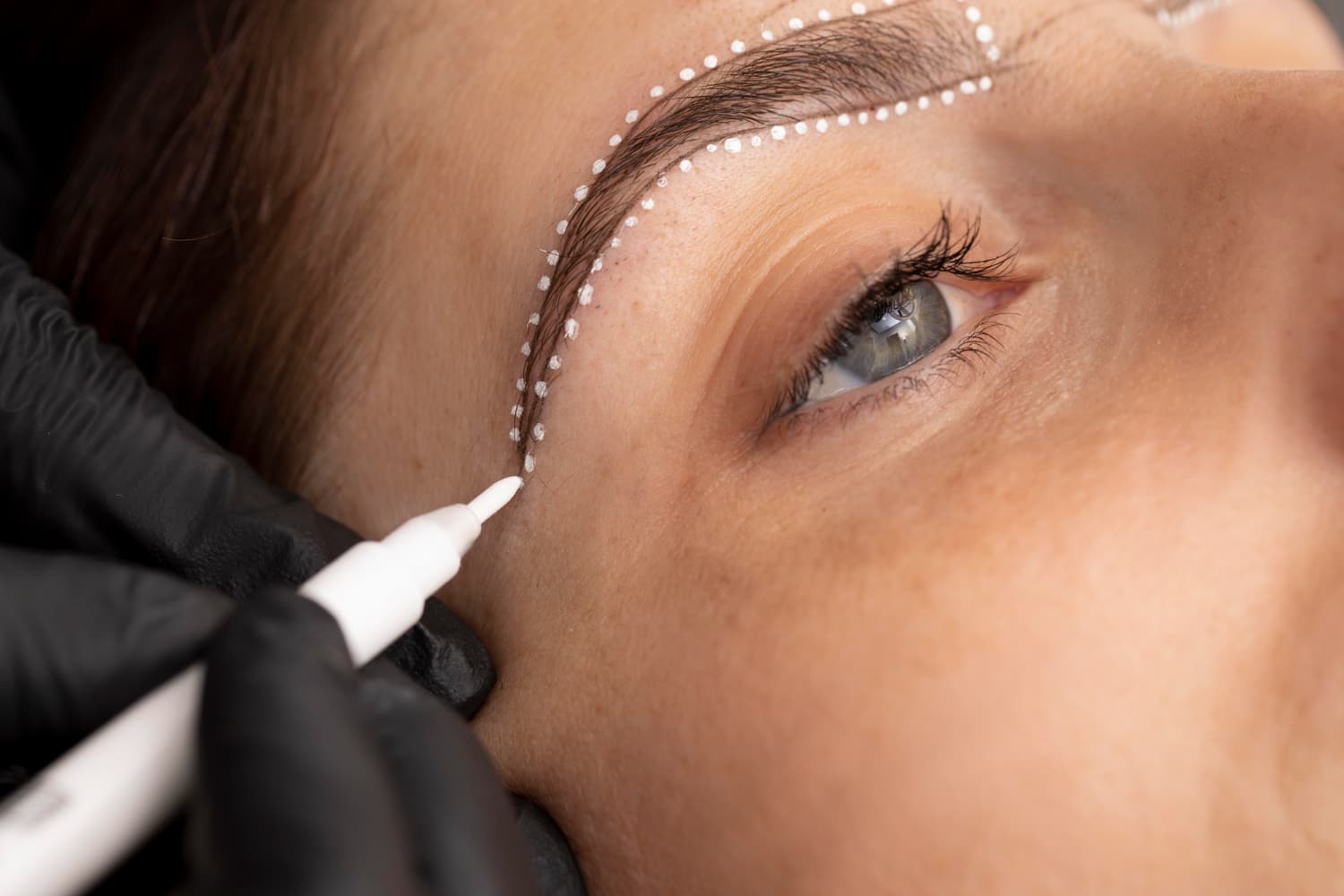
Laser brow lifting the recovery process usually begins within the first 24 hours. In the first few days, swelling and slight bruising are observed. Swelling decreases in the first week. Returning to daily activities becomes possible within two to three weeks. Final results become apparent within three to six months. The healing rate varies for each patient. Strict adherence to the doctor's instructions is essential.
The laser brow lifting procedure is an important application that rejuvenates the upper facial area. This procedure corrects the low position of the eyebrows. It reduces tension in the forehead area. It improves the tired appearance around the upper eyelids. So what does the body experience after this procedure? How does the recovery process progress? In this article, we will explain each stage with scientific data and in an understandable language.
The laser brow lifting procedure can be performed using different techniques. Some techniques deliver laser energy beneath the skin. Some techniques involve minimal tissue manipulation along with laser. On the other hand, endoscopic brow lifting or open surgical techniques are also available. In this article, we will specifically address the recovery process of laser brow lifting procedures. However, we must make an important distinction: there are differences in the recovery process between laser brow lifting and surgical brow lifting. Laser procedures are generally less invasive. Surgical procedures involve incisions, stitches, and deeper tissue manipulation. Therefore, recovery times and expectations differ.
The recovery process varies from person to person. Skin type, age, lifestyle, and the technique used affect this duration. Graham and colleagues emphasized that each technique has its own healing profile in a systematic review comparing open and endoscopic techniques (Graham et al., 2011). In this article, we will examine each stage of the recovery process after laser brow lifting in detail, including daily care recommendations, activity restrictions, and signs of possible complications.
The initial recovery period lasts approximately one to two weeks. During this process, swelling and bruising significantly decrease. However, full tissue settling and the emergence of final results may take three to six months. Complete healing depends on individual factors.
Immediately after the procedure, the body begins to repair itself. The first 24 hours are critical. During this period, mild pain, swelling, and redness are observed. Swelling peaks within two to three days. After that, swelling gradually decreases. By the end of the week, most patients can return to social activities. However, full healing has not yet occurred during this period.
To evaluate the final results, one must wait for the early period to pass. Rohrich and Cho demonstrated in their 10-year analysis of endoscopic brow lifting that the brow position stabilizes over time (Rohrich and Cho, 2019). A similar process occurs in laser procedures. Tissues adapt to their new positions. Swelling completely resolves. Skin tone returns to normal. This process takes an average of three to six months.
The extent of the procedure directly affects the recovery time. Recovery is faster in minimal procedures where only laser is applied. In procedures requiring stitches or incisions along with laser, recovery may take longer. If there are accompanying procedures, this may extend the duration. For example, recovery progresses more slowly in procedures performed alongside upper eyelid aesthetics.
In the first 24 hours, mild pain, swelling, and redness begin. Mild edema may develop around the eyes. The head should be kept elevated. A cold compress may be applied. Resting is the most important rule.
At the end of the procedure, the skin becomes sensitive. Laser energy heats the subcutaneous tissues. This triggers the body's natural inflammatory response. Blood vessels temporarily dilate. More blood flows to the area. This process is necessary for healing. However, it causes visible swelling and redness.
Patients should rest after the procedure. The body retains more edema in a horizontal position. Therefore, it is essential to keep the head elevated. A height of 30 to 45 degrees can be achieved with pillows. This position regulates blood circulation. It prevents edema from descending to the eye area.
Applying a cold compress is beneficial. However, direct contact of ice with the skin should be avoided. Cold application is done through a clean cloth. 10 to 15 minutes is sufficient each time. It can be repeated several times in the first 24 hours. This application constricts the blood vessels. It helps control swelling.
The doctor may recommend pain relievers and anti-inflammatory medications. These medications should be used regularly. Aspirin and blood thinners should not be taken without a doctor's approval. These medications can increase the risk of bleeding. The treatment area should be kept clean. However, rubbing or pressing should be avoided.
The first two to three days are the period when edema is most pronounced. Bruising may increase during this process. Swelling around the eyes may peak. Physical exertion should be avoided. The head should continue to be elevated during sleep.
This period is the most sensitive phase of healing. The body conducts intense repair activity in the treatment area. Inflammatory cells flow to the area. These cells clean the damaged tissues. New collagen synthesis begins. However, this biological process appears as swelling and bruising from the outside.
Edema typically peaks within 48 to 72 hours. Neves and colleagues reported in their postoperative care guide for facial aesthetics that edema reaches its highest level during this period and then rapidly decreases (Neves et al., 2018). Bruising may appear on the eyelids and bridge of the nose. These bruises may move downward due to the effect of gravity. That is, they may extend down to under the eyes. Although this may seem concerning, it is normal.
A feeling of tension in the forehead and brow area is common. Nerve endings are temporarily affected during the procedure. This may create sensations of numbness or tingling. There may be slight restrictions in brow movements. These symptoms are temporary. The nerves will regenerate over time.
Physical activity should be limited during this period. Bending, heavy lifting, and sudden movements increase blood pressure. This worsens edema and bleeding. Lying face down is completely prohibited. Lying face down increases swelling. It also puts pressure on the treatment area.
It is necessary to distinguish between normal healing signs and signs of complications. Mild swelling, bruising, and tension are normal. However, severe pain, sudden swelling, or fever may be signs of complications. These symptoms should be reported to the doctor immediately.
In the first week, swelling and bruising gradually decrease. Noticeable relief begins from the fourth day. Skin sensitivity may continue. The brows may initially appear high. Many patients can start light social activities within a week.
Between the fourth and seventh days, tissue repair accelerates. Leukocyte activity decreases. Fibroblast cells become more active. These cells produce new collagen. Skin integrity strengthens. Bruises change color. Blue-purple tones turn to green-yellow tones. This color change is a sign of healing.
The brow position may appear high in the first week. This is due to swelling. The tissues have not fully settled yet. Patients should not worry about this temporary appearance. Over time, the brows will settle into their natural positions. Şibar and colleagues confirmed in a meta-analysis studying long-term stability in endoscopic brow lifts that the early elevation returns to normal over time (Şibar et al., 2025).
There may be slight peeling or dryness of the skin. Laser energy causes temporary changes in the upper layer of the skin. This is normal. Moisturizing products recommended by the physician can be used. However, aggressive creams should not be applied to the treatment area.
Returning to desk jobs within a week is possible. However, jobs requiring physical labor need a longer rest period. Makeup can be applied to cover bruises. Doctor's approval is required.
Sedentary workers can generally return to work after 5 to 7 days. However, feelings of fatigue may persist. It may be difficult to work at full performance in the first few days. If there are visible bruises, makeup can be used. However, products that do not directly contact the treatment area should be preferred.
For physical jobs, a rest period of two weeks or more is recommended. Heavy lifting, bending, and sweating can delay healing. Discussions with the employer can lead to a transition to lighter duties. The return to social life depends on the individual's comfort. Some patients enter social environments while concealing bruises. Others prefer to rest more.
Significant relief is observed in the second and third weeks. Remaining swelling largely resolves. Bruises almost disappear. The skin looks more natural. Gradual return to daily activities begins.
During this period, nerve healing accelerates. Tingling and numbness sensations decrease. Brow movements become more natural. The frontalis muscle adapts to its new position. Skin tone returns to normal. Sensitivity in the treatment area largely disappears.
Doctor's check-ups are important during this period. The doctor evaluates the healing process. Additional recommendations may be provided if necessary. If there is a surgical incision, stitches or closure materials are checked. In some techniques, support materials under the skin may be removed during this period.
Return to daily activities should be gradual. Light walks can be initiated. However, intense exercise is still prohibited. Pressure should not be applied to the facial area. Hair washing and care routines can return to normal. However, high heat from hair dryers should be avoided.
Cold compress, keeping the head elevated, and limiting physical activity are the most effective methods. Direct contact with ice should be avoided. The first 48 hours are critical. Regular rest is essential.
There are three main strategies for controlling swelling and bruising. These strategies should be applied early on. The table below compares these methods:
Method | Application Time | Mechanism of Action | Important Warning |
Cold compress | First 48 hours | Constrains blood vessels, reduces blood flow | Do not apply ice directly to the skin |
Head elevation | First 1-2 weeks | Prevents edema due to gravity | Avoid lying on your stomach |
Activity restriction | First 2 weeks | Reduces blood pressure | Avoid heavy lifting and bending |
Applying a cold compress is the most effective method. However, direct contact with ice can cause frostbite. Therefore, a clean cloth or special gel packs should be used. Each application lasts 10 to 15 minutes. It can be repeated 3 to 4 times a day. Cold compresses reduce pain and control edema.
Sleeping position has a significant impact on edema. Elevating the head facilitates venous return. This prevents fluid accumulation in the face. A semi-reclined position supported by pillows is ideal. Lying on your stomach is completely prohibited. This position increases swelling and puts pressure on the treatment area.
Physical activity directly affects swelling. Bending movements send blood to the head area. Heavy lifting raises blood pressure. Intense exercise increases body temperature. These conditions worsen edema. Sports should be avoided except for light walks during the first two weeks.
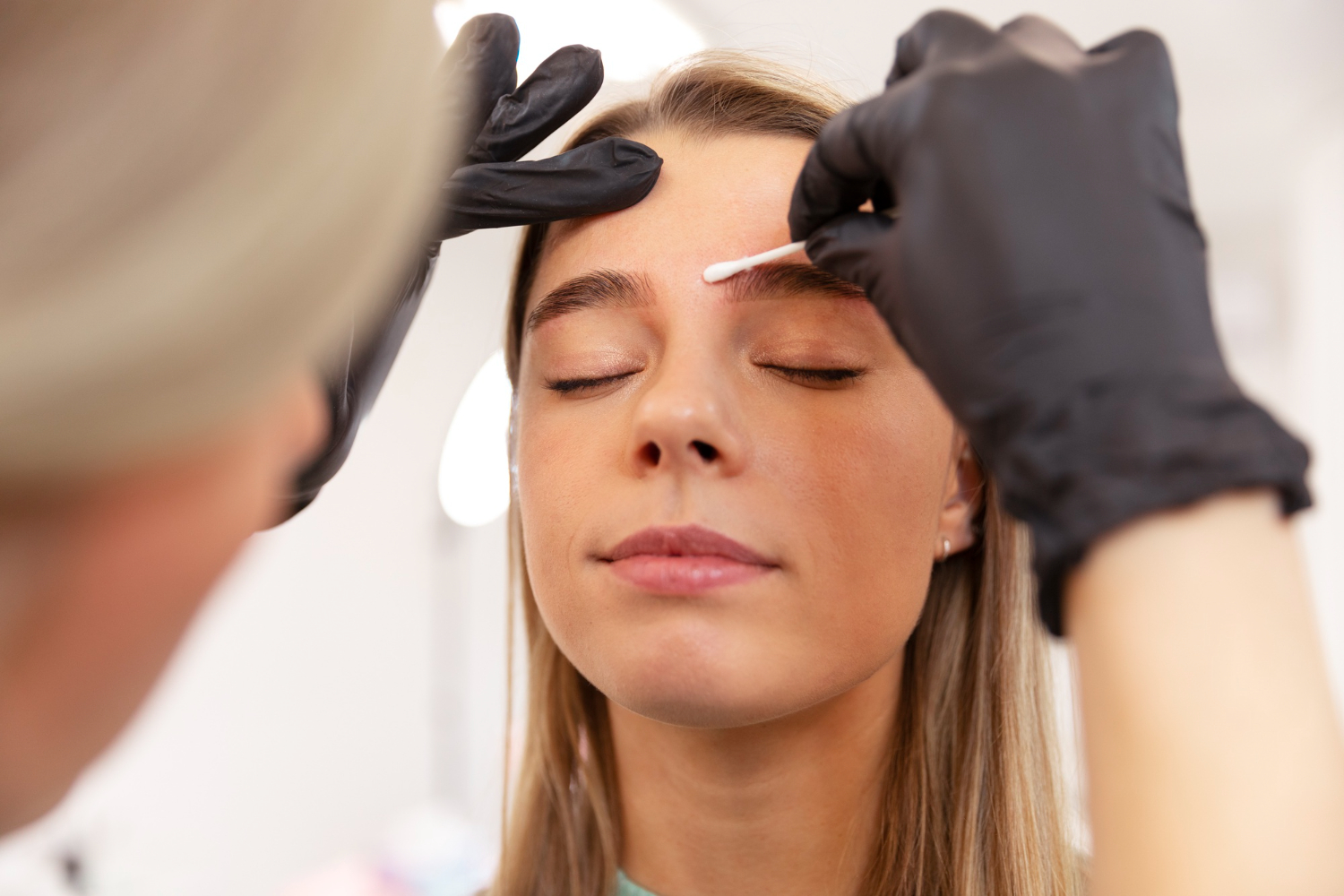
The treatment area should be gently cleaned. Products recommended by the physician should be used. Skin integrity should be maintained for makeup. Sunscreen must be applied. Pressing and rubbing the area should be avoided.
Skin care is a critical part of healing. The treatment area should be gently cleaned once or twice a day. The physician usually recommends saline solution or a special cleanser. The area should not be rubbed during cleaning. Light touches are preferred instead of circular motions. After cleaning, it should be gently dried with a soft towel.
Makeup can be applied once skin integrity is restored and doctor approval is obtained. This usually becomes possible after 5 to 7 days. Products that do not come into contact with the treatment area should be preferred in the first days.
Before applying makeup, it should be ensured that the skin is completely healed. Makeup products should not touch open wounds or sensitive areas. Foundation and concealer can hide bruises. However, products should not clog the skin. Non-comedogenic products should be preferred. Makeup brushes should be clean. Dirty brushes pose a risk of infection.
Healing skin is very sensitive to sunlight. Ultraviolet rays can cause redness and discoloration. Sunscreen and physical protection are essential. This protection should last for at least a few months.
Laser treatment temporarily thins the upper layer of the skin. This affects melanin production. Hyperpigmentation can develop on sun-exposed skin. This means dark spots can form. These spots can be permanent. Therefore, the use of broad-spectrum sunscreen is mandatory. A sunscreen with at least 30 SPF should be preferred.
Physical protection is also important. A wide-brimmed hat can be worn. Sunglasses can be used. Going outside during midday hours should be avoided. These precautions protect the skin and enhance the quality of the final results.
Generally, a light shower can be taken after 24 to 48 hours. However, direct water pressure should not be applied to the treatment area. Warm water should be used. Hot air from a hairdryer should be avoided. If there is a surgical incision, wound care is a priority.
The timing of showering varies depending on the technique used. Patients who only had laser treatment can shower earlier. In procedures involving surgical incisions, the time recommended by the doctor should be waited. Generally, a warm shower is possible one to two days later. However, care should be taken with the incision sites on the scalp.
Gentle care should be taken during hair washing. Shampoo should not come into contact with the eye area. It can irritate the eyes. When combing the hair, avoid the incision sites. The hair dryer should not be held at high heat. There may be temporary numbness in the scalp after the procedure. In this case, the patient may not feel heat. This poses a risk of burns.
Neves and colleagues have indicated in their post-facial aesthetics care guide that caution should be exercised with hot water and hair drying equipment due to temporary numbness in the scalp (Neves et al., 2018). This warning also applies after laser brow lifting.
Heavy lifting, intense exercise, bending, sauna, and pressure on the face are prohibited for the first two weeks. Sports should not be performed except for light walking. Normal activities should not be resumed without doctor's approval.
Certain activities are completely prohibited during the post-procedure period. These activities can delay healing. They can even increase the risk of complications. The activities to be avoided include:
Heavy lifting and pushing movements
High-intensity cardio exercises
Bending and keeping the head down for long periods
Sauna, steam rooms, and excessively hot environments
Massage and similar procedures that apply pressure to the facial area
Swimming and underwater activities
Contact sports
Light walking can begin a few days later. Moderate intensity exercise is possible two to three weeks later. Intense sports and weight training should be waited for at least four to six weeks. Doctor's approval is essential.
A gradual return to the exercise program is the best approach. In the first week, only light movements should be done indoors. In the second week, short walks can be added. In the third week, light yoga or stretching exercises may be possible. However, inverted positions are still prohibited.
If pain or noticeable swelling develops, activity should be immediately reduced. The body signals that it is being overexerted. These signals should be listened to. Patients who have undergone surgical procedures must obtain specific approval from their physician. Each patient's activity level is different.
Yes, temporary numbness and tightness are completely normal. Nerves are temporarily affected during the procedure. These sensations will improve over weeks. However, prolonged or worsening symptoms should be reported to a doctor.
Sensory changes around the forehead and brow area are expected. The supraorbital and supratrochlear nerves pass through this area. Laser energy or tissue manipulation temporarily affects these nerves. Kikuta and colleagues demonstrated in their study on the anatomical course of the supraorbital and supratrochlear nerves that these nerves provide sensation to the brow and forehead area (Kikuta et al., 2020). It is normal for these nerves to have temporary functional changes after the procedure.
The feeling of tension arises from the tissues adapting to their new position. The skin and soft tissues are stretched. This condition is temporary. Over time, the tissues regain their elasticity. Temporary differences in eyebrow movements are also normal. The frontalis muscle adapts to its new position. This adaptation process can take two to four weeks.
Nerve healing can take weeks or months. Tingling and prickling sensations are signs that the nerves are regrowing. These sensations are positive indicators. However, if numbness lasts longer than six months, a doctor should be consulted. Permanent sensory loss is rare. But early intervention is important.
Swelling in the early period can push the eyebrows upward. The tissues have not settled yet. This condition is temporary. The eyebrows will gradually return to their natural positions. A wait of three to six months is necessary for the final result.
Immediately after the procedure, the eyebrows may be positioned higher than expected. This situation arises from three factors. The first factor is swelling. Swollen tissues gain volume. This volume pushes the eyebrows upward. The second factor is tissue tension. The tissues are stretched during the procedure. This tension temporarily alters the position. The third factor is muscle tone. The frontalis muscle contracts differently after the procedure. This affects the height of the eyebrows.
Asymmetry may appear more pronounced in the early period. The amount of swelling on both sides may differ. This creates temporary asymmetry. Over time, both sides heal equally. However, unexpected or increasingly pronounced asymmetry should be evaluated by a physician.
Park and colleagues, in a study examining changes in eyebrow position and movement with aging, revealed the dynamic structure of the eyebrows and their adaptation over time (Park et al., 2017). This dynamic process also occurs after laser eyebrow lifting. The tissues adapt to their new positions. The eyebrows settle at their natural levels.
Final results become apparent within three to six months. The elevated appearance in the early period decreases. Swelling completely resolves. Soft tissues adapt to their new positions. Results become more natural over time.
The healing process occurs in three stages. The first stage is the early healing phase. This stage covers the first two weeks. Swelling and bruising subside. The second stage is the mid-term healing phase. This stage lasts two to six weeks. Nerve functions improve. Skin tone returns to normal. The third stage is the final healing phase. This stage lasts three to six months. Tissues settle completely. Scar tissue matures. The final aesthetic result emerges.
Eyebrow positions fully settle within three to six months. The height in the early period is temporary. Tissues gradually adapt to their new positions. The final position is evaluated under the doctor's supervision.
Several factors are considered when evaluating eyebrow height. Eyebrow symmetry is important. Both eyebrows should be at equal heights. The appearance of the forehead and upper eyelid is assessed. Skin quality is examined. If there are scars or laser marks, the situation is checked. The patient's initial anatomical structure also affects the outcome.
Viterbo and colleagues have shown in a study introducing the gliding brow lift technique that the final results remained stable over an average follow-up of 17 months (Viterbo et al., 2019). A similar stabilization process is expected after laser brow lifting. However, since laser procedures are generally less invasive, this duration may be shorter.
Healing is influenced by the laser technology used, skin type, age, smoking habits, nutrition, and adherence to care. Each factor alters the speed of healing and the final outcome. A personalized assessment is essential.
We can categorize the factors affecting healing into two groups. The first group consists of technical factors. The second group includes patient-related factors. The table below summarizes these factors:
Factor Group | Examples | Direction of Effect |
Technical Factors | Type of laser, depth of treatment, level of invasiveness | Directly determines the healing time |
Skin Characteristics | Skin type, quality, thickness | Affects scar formation and swelling |
Lifestyle | Smoking, nutrition, fluid intake | Alters tissue repair speed |
Adherence to Care | Following instructions, attending check-ups | Reduces the risk of complications |
Accompanying Procedures | Eyelid aesthetics, botox | Can prolong the recovery process |
Age is an important factor. Younger patients generally heal faster. Their skin elasticity is higher. Collagen production is more active. In older patients, healing may be a bit slower. However, this does not mean that good results cannot be achieved.
Smoking seriously negatively affects healing. Nicotine constricts blood vessels. This reduces oxygen transport. Tissues cannot receive adequate nutrition. Karimi and colleagues emphasized the negative impact of smoking on healing in their review examining brow lifting techniques (Karimi et al., 2020). Patients who smoke are advised to quit at least two weeks before the procedure.
Nutrition and fluid intake are also critical. A protein-rich diet supports tissue repair. Vitamin C increases collagen synthesis. Adequate water consumption helps to eliminate edema. A balanced nutrition program should be followed after the procedure.
Mild edema, temporary bruising, and numbness are normal. However, severe pain, sudden swelling, fever, uncontrolled bleeding, changes in vision, and noticeable asymmetry should be reported to a doctor immediately.
It is very important to distinguish between normal healing signs and signs of complications. Patients should not self-diagnose. However, there are some general guidelines. The following symptoms are considered normal:
Mild to moderate edema
Temporary bruising in yellow-green tones
Mild sensitivity and tightness
Temporary numbness and tingling
Slight difference in brow movement
Symptoms that require medical evaluation include:
Increasing or severe pain
Sudden and significant increase in swelling
Uncontrolled bleeding
Noticeable redness and increased heat in the area
Purulent discharge or suspicion of infection
Fever and chills
Blurred vision or double vision
Increasing asymmetry
Wound appearance worsening instead of healing
If any of these symptoms occur, the patient should contact a doctor without delay. Early intervention prevents potential complications. Patients should call their doctor even if they are worried. Communication should be open.
It is more appropriate to aim for safe healing rather than accelerating the healing process. Adhering to physician instructions, getting adequate rest, maintaining a balanced diet, avoiding smoking, and sun protection are the most effective supportive methods.
Some patients seek additional measures to speed up healing. However, it is not possible to exceed the body's natural healing rate. The best thing to do is to support the healing process. Here are the most effective supportive strategies:
Following the physician's care instructions completely is the primary rule. Each patient's condition is different. The doctor provides personalized recommendations. These recommendations include medication use, cleaning routines, and activity restrictions. Non-compliance with instructions increases the risk of complications.
Adequate rest enhances the body's repair capacity. Growth hormone is released during sleep. This hormone accelerates tissue repair. Sleeping 7 to 8 hours a day is essential. Extra rest during the first week is beneficial.
A balanced diet and adequate fluid intake nourish the tissues. Protein, vitamin C, zinc, and copper are necessary for collagen synthesis. Drinking plenty of water helps eliminate edema. Alcohol should be avoided after the procedure. Alcohol increases swelling and facilitates bleeding.
Smoking and nicotine products should be completely avoided. Nicotine constricts blood vessels. This reduces the transport of oxygen and nutrients. Tissues heal slowly. The risk of infection is also higher in smokers.
Sun protection improves scar quality. Ultraviolet rays can prolong inflammation. This can delay healing. Using broad-spectrum sunscreen and physical protection is important.
Not missing follow-up appointments allows for early intervention. The doctor monitors the healing process. Additional measures are taken if necessary. Appointments should be attended regularly.
Yes, there are significant differences in healing between the two methods. Laser procedures are generally less invasive. Surgical procedures involve incisions, stitches, and manipulation of deep tissues. Therefore, healing takes longer in surgical procedures.
This comparison is a question frequently asked by patients. It is necessary to clarify the difference between search intent and medical accuracy. Different techniques may come to mind when talking about laser brow lifting. Some techniques are completely non-invasive laser applications. Some techniques involve minimal incisions along with laser. Surgical brow lifting is performed using either endoscopic or open techniques. These techniques involve incisions, sutures, and tissue suspension.
The comparison table below summarizes these differences:
Feature | Laser Brow Lift | Surgical Brow Lift |
Level of invasiveness | Minimal to low | Moderate to high |
Presence of incision | Generally none or very small | Present (within the scalp) |
Suture requirement | Rarely | Yes |
Initial recovery time | 3 to 7 days | 10 to 14 days |
Return to work time | 3 to 7 days | 10 to 14 days |
Swelling severity | Mild to moderate | Moderate to pronounced |
Bruising risk | Low | Moderate |
Final result time | 1 to 3 months | 3 to 6 months |
Scar formation | Minimal | At incision sites (hidden) |
In laser applications, temporary redness and swelling are observed on the skin surface. However, there is no deep tissue trauma. In surgical procedures, muscle and fascia layers are manipulated. This creates more pronounced swelling and bruising. Additionally, nerves may be affected more. Therefore, numbness may last longer after surgery.
In endoscopic brow lifting, small scalp incisions are made. These incisions are hidden within the hair. However, healing of the incision is still required. Rohrich and Cho emphasized in their study highlighting the advantages of the endoscopic technique that this method is less invasive compared to open surgery but is still a surgical procedure (Rohrich and Cho, 2019).
The important point is this: The healing time should not be determined solely by the term "laser." The specific method to be applied to the patient is important. The patient must learn the full details of the procedure from their doctor. These details clarify the healing expectations.
The most frequently asked questions after the procedure are: how many days does swelling last, when can one return to work, when can makeup and exercise be done, can one go out in the sun, when can one take a shower, when do bruises disappear, is numbness normal, why do the brows appear high, when will the final result be visible, is asymmetry normal, and under what symptoms should one see a doctor.
Swelling peaks in the first 48 to 72 hours. It then gradually decreases. By the end of the week, noticeable swelling subsides. Almost completely disappears in two to three weeks. However, mild edema may continue for a few more weeks.
Return to desk jobs is possible after 3 to 7 days. For physical jobs, one should wait 10 to 14 days. If there are visible bruises, they can be covered with makeup. However, doctor approval is required.
Makeup can be applied once skin integrity is restored. This usually takes 5 to 7 days. In the initial days, products that do not touch the treatment area should be used. Non-comedogenic products should be preferred.
Light walks can start a few days later. Moderate-intensity exercise is possible after two to three weeks. For intense sports and weight training, one should wait four to six weeks.
Yes, but you must protect yourself. Broad-spectrum sunscreen is essential. A wide-brimmed hat and sunglasses should be worn. Exposure to the sun during midday should be avoided. This protection should last for at least a few months.
Generally, a warm shower can be taken 24 to 48 hours later. However, direct water pressure should not be applied to the treated area. If there is a surgical incision, the time recommended by the doctor should be observed. High heat from a hairdryer should be avoided.
Bruises typically disappear within 7 to 14 days. They first change color. Blue-purple tones turn green-yellow. Then they completely fade away. Individual factors can alter this duration.
Yes, temporary numbness is normal. Nerves are affected during the procedure. This condition improves within weeks. A tingling sensation is a sign that the nerves are healing. However, numbness lasting longer than six months should be reported to a doctor.
Swelling and tissue tension in the early period push the brows upward. This condition is completely temporary. The brows will settle into their natural positions over time. A wait of three to six months is necessary for the final result.
Final results become apparent within three to six months. The swelling and elevation in the early period are temporary. Tissues fully settle into their new positions. Skin tone returns to normal.
Slight temporary asymmetry is normal. The amount of swelling on both sides may differ. However, noticeable or progressively increasing asymmetry should be reported to a doctor. The physician will evaluate this condition.
What symptoms after laser brow lifting require a doctor's visit?
Severe pain, sudden swelling, fever, uncontrolled bleeding, changes in vision, significant redness and increased warmth, discharge, and worsening appearance of the wound should be reported to a doctor immediately.
Recovery is a gradual process. Swelling and bruising are normal in the first days. The return to activity should be gradual. The final result should not be assessed in the early period. Individual doctor instructions are the most important guide. Symptoms of complications should be reported to a healthcare professional without delay.
The recovery process after laser brow lifting requires patience and attention. Each patient's body response is different. Some patients heal quickly. For others, the process may take a bit longer. This is completely normal. The important thing is to recognize your own healing rhythm.
The swelling and bruising in the initial days are temporary. These symptoms are a natural part of the healing process. Cold compresses, keeping the head elevated, and rest help ease this period. The patient should not exert themselves. The body repairs itself faster as it rests.
Returning to activity should be gradual. It may be tempting to return to the old pace immediately. However, this can negatively affect healing. Light walks should be started. Then, moderate-intensity exercises should be added. Approval from the doctor is essential for intense sports.
Do not judge the final result in the early stages. The eyebrows may appear high at first. The skin may be sensitive. However, everything will settle over time. Evaluate the true results after three to six months. During this period, attend regular check-ups.
Personalized doctor instructions are much more important than general internet recommendations. Every procedure is different. Each patient's anatomical structure is unique. Therefore, follow the instructions your doctor gives you specifically. General information is only a guideline.
Seek a healthcare professional without delay if you notice signs of complications. Early intervention is always more effective. If in doubt, call. Your doctor will evaluate you. Instead of unnecessary worry, seek professional support.
The recovery process after laser brow lifting is critical for a successful outcome. Proper care, patience, and collaboration with the physician yield the best results. Wishing you a healthy recovery period.
Graham, David W., et al. "Brow lift in facial rejuvenation: a systematic literature review of open versus endoscopic techniques." Plastic and Reconstructive Surgery, vol. 128, no. 4, 2011, pp. 335e-341e.
Karimi, Nasser, et al. "Techniques of Eyebrow Lifting: A Narrative Review." Journal of Ophthalmic and Visual Research, vol. 15, no. 2, 2020, pp. 218-235.
Kikuta, Shogo, et al. "The supraorbital and supratrochlear nerves for ipsilateral corneal neurotization: anatomical study." Anatomy and Cell Biology, vol. 53, no. 1, 2020, pp. 2-7.
Neves, José C., et al. "Postoperative Care of the Facial Plastic Surgery Patient-Forehead and Blepharoplasty." Facial Plastic Surgery, vol. 34, no. 6, 2018, pp. 570-578.
Park, Ji-Young, et al. "Changes in Eyebrow Position and Movement with Aging." Archives of Plastic Surgery, vol. 44, no. 1, 2017, pp. 65-71.
Rohrich, Rod J., and Min-Jeong Cho. "Endoscopic Temporal Brow Lift: Surgical Indications, Technique, and 10-Year Outcome Analysis." Plastic and Reconstructive Surgery, vol. 144, no. 6, 2019, pp. 1305-1310.
Şibar, Serdar, et al. "Long-term Stability in Endoscopic Brow Lift: A Systematic Review and Meta-Analysis of the Literature." Aesthetic Surgery Journal, vol. 45, no. 3, 2025, pp. 232-240.
Viterbo, Fausto, et al. "Gliding brow lift (GBL): A new concept." Aesthetic Plastic Surgery, vol. 43, no. 6, 2019, pp. 1536-1546.