Yükleniyor…
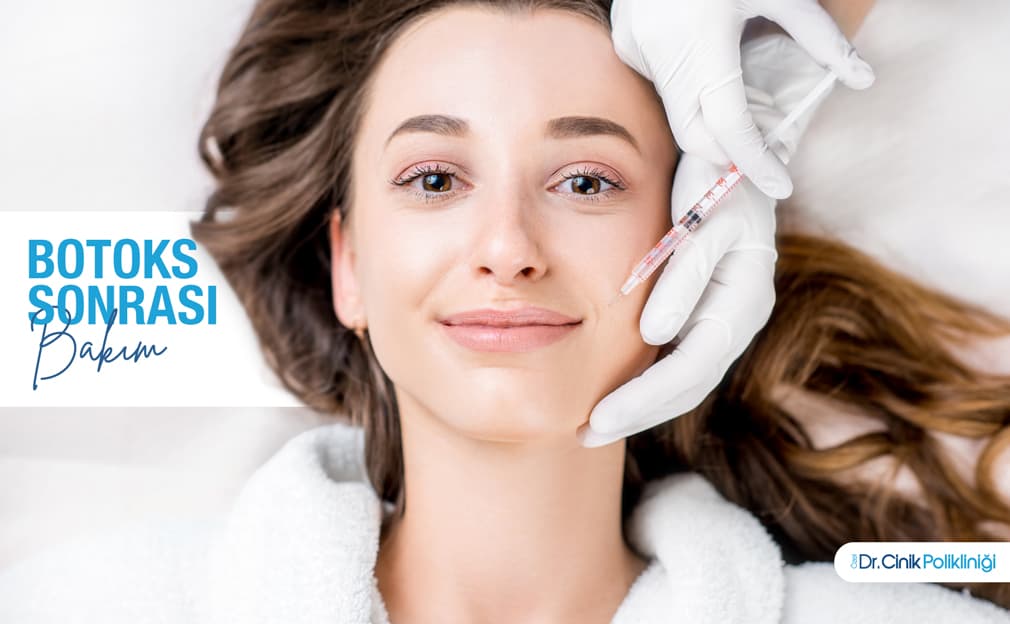
Botox is an injectable cosmetic drug that temporarily paralyzes your muscles. Clostridium botulinum contains botulinum toxin type A (onabotulinumtoxinA), a neurotoxin produced by bacteria.
In high concentrations, this toxin causes botulism poisoning. Botulism is a severe type of muscle paralysis associated with contaminated food.
Botox injections are considered safe. In the injection, a diluted form of the toxin is used to stop muscle contractions. This softens and relaxes wrinkles.
Most people use Botox to reduce the appearance of facial wrinkles. It is also preferred for the treatment of the following conditions:
Technically, “Botox” is a brand name for a drug. There are other types of botulinum toxin type A injections marketed under different brand names such as Dysport and Xeomin.
The post-procedure care for these drugs is similar. In this article, all botulinum toxin injections are generally referred to as “Botox.”
What Should You Pay Attention to After the Botox Procedure?
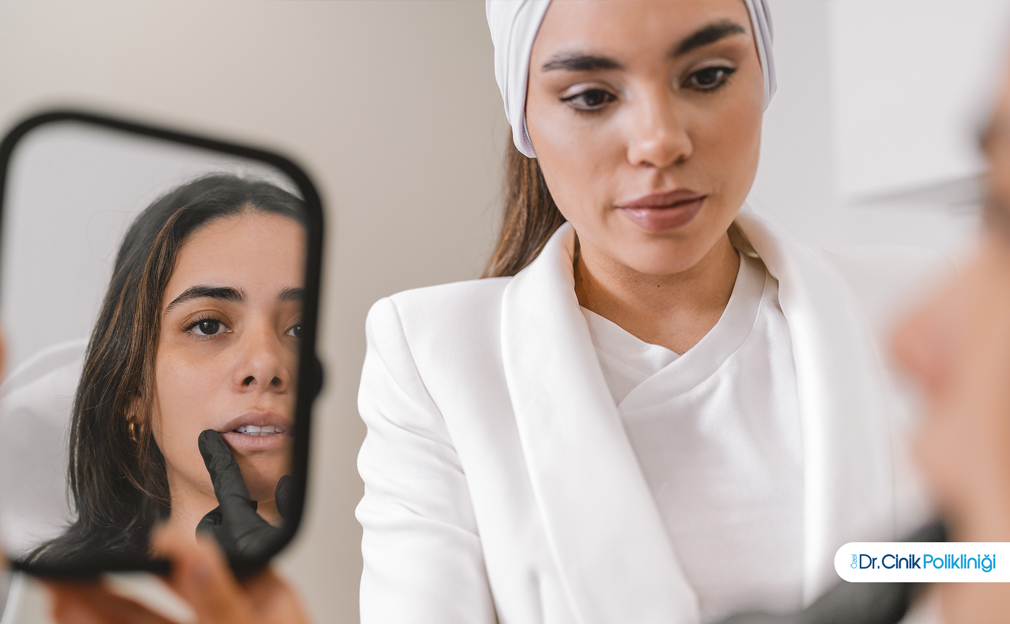
Post-Botox care aims to ensure you achieve the best results from the treatment. It can also reduce the risk of bruising and the likelihood of the drug spreading to other areas. In general, it is recommended to do the following on the day you receive Botox:
You can also follow the aftercare recommendations below after Botox.
Return to your daily activities
Botox injections do not require a recovery period. Therefore, you do not need to take time off work or school. You can return to your normal activities immediately after the procedure.
Wait 24 hours for exercise
If exercise is part of your daily routine, wait at least 24 hours before working out. Your doctor may also recommend waiting a few days.
Intense physical activity can increase blood flow. This may cause the toxin to spread to unwanted areas and reduce its effect at the injection site. It also increases the risk of bruising.
Exercise can also lead to muscle contractions, which may reduce the effectiveness of the toxin.
However, it is safe to perform the following facial exercises:
These movements may help the effects of Botox appear more quickly.
Do Not Wear Makeup
If you have received Botox injections on your face, refrain from makeup for 24 hours. Applying makeup can cause you to rub your skin, which may lead to the spread of the toxin.
Stay Upright
Sit upright for the first 4 hours after receiving Botox. Bending or lying down can cause the toxin to spread and lead to bruising.
Consult Your Doctor About Medications
Some medications may cause bruising after the procedure. Be sure to ask your doctor when you can start using these medications again.
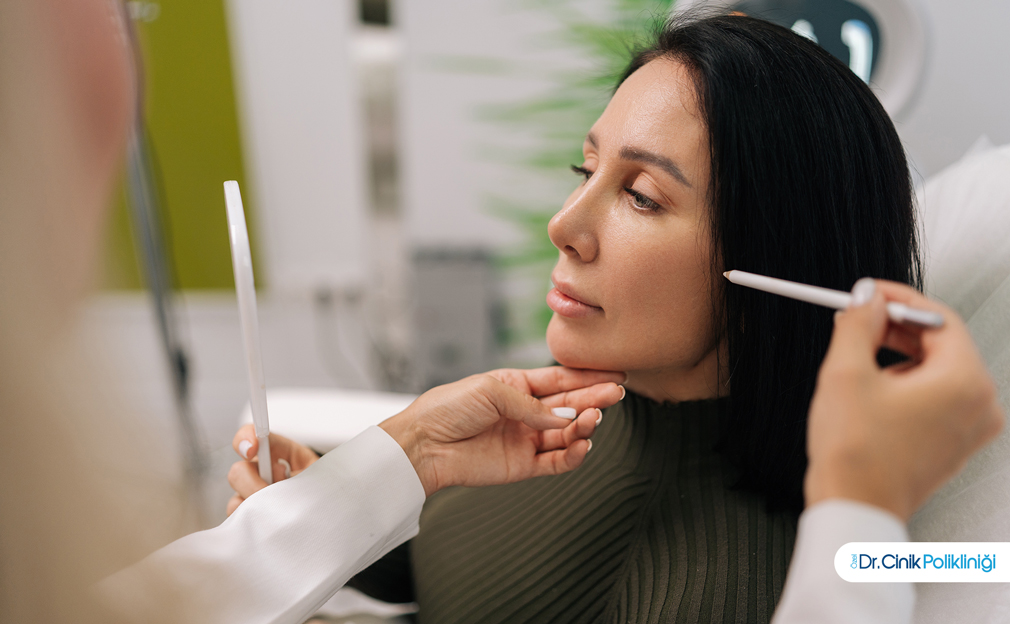
Post-Botox care also includes some precautions. Pay attention to the following points on the day of the procedure:
Do Not Consume Alcohol
You are advised to avoid alcohol for 24 hours before getting Botox. Alcohol increases the risk of bruising.
This rule also applies after the procedure. Wait at least 24 hours before consuming alcohol after the injection.
Do Not Touch Your Face
To prevent the spread of the toxin, do not touch your face for at least 1 day. Some doctors recommend waiting for 3 days.
If you have had Botox in another area of your body, you should also avoid touching those areas. This includes professional massages applied to the treated areas. It is best to schedule your next massage a few days later.
Avoid Other Skin Treatments
Botox needs time to settle into the muscle. Avoid the following skin treatments for the first 24 hours:
Getting these treatments too early may reduce the effect of the injection.
Do Not Sleep on the Treated Area
Be careful not to lie on the areas where injections were made. This reduces physical pressure and allows Botox to settle properly into the muscles.
Also, avoid sleeping for the first 4 hours after the procedure.
Avoid Sun Exposure
Be careful not to go out in the sun within the first 4 hours. Heat can increase redness and raise your blood pressure; this increases the risk of bruising. For safety, it is recommended to stay away from the sun for 24 to 48 hours.
It is also best to avoid the following heat sources:
When Will the Effects of Botox Be Fully Visible?
Some people report seeing the effects of Botox injections within a short period of 3-4 days, but most people notice results within 10-14 days. When Should You Seek Medical Support?
Things to consider after Botox application include redness, sensitivity, and swelling, which are normal. These side effects usually disappear within 1 day.
Bruising is also a common occurrence. You can apply a cold compress to relieve discomfort. Bruises typically fade within about 2 weeks.
However, if you notice any of the following effects, seek medical assistance:
These side effects are rare but require urgent medical intervention.
What Causes Eyelid Problems After Botox?
The botulinum toxin found in Botox injections causes temporary muscle paralysis. When applied correctly, these injections prevent the contraction of muscles that lead to signs of aging such as forehead lines, crow's feet, and frown lines. When these muscles cannot contract, wrinkles become less noticeable, giving the face a smoother, more youthful appearance.
Although rare, the toxin can spread outside the area where it was injected. In this case, drooping of the eyelid may be observed after Botox.
Botox and Possible Changes in the Eyelids
Botox can cause eyelid droop (ptosis) when it spreads to one or both of two specific areas.
These two areas are:
Frontal Facial Region (Forehead)
Botox is applied to the forehead area to reduce forehead wrinkles. The injection prevents the contraction of the frontalis muscle, which lifts the eyebrows. This also prevents the formation of horizontal forehead lines and generally provides a smoother forehead appearance.
However, in some cases, it may cause the eyebrows to droop. This can create fullness in the upper eyelid, leading to a droopy appearance of the eyelid.
The Area Between the Eyebrows Known as the Glabella
Botox can be applied between the eyebrows or just above the eyebrows to reduce the vertical lines known as "11 lines" located just above the bridge of the nose. Sometimes, part of the injected Botox can spread towards the upper eyelid and temporarily affect the levator palpebrae muscle that holds the upper eyelid up. If this muscle is affected, the upper eyelid droops.
What Should I Do If I Experience Eyelid Drooping After Botox?
Botox is a temporary treatment. Its effects usually last between 3 to 7 months, but eyelid drooping often resolves on its own within 4–6 weeks.
In addition to waiting, here are some methods that may help alleviate the issue:
Eye drops: Drops like Apraclonidine (Iopidine) can help lift the eyelid slightly if the issue is with the eyelid rather than the brow.
Additional Botox application: A small Botox touch-up at the right point can balance the relaxed brow muscles, reducing the appearance of eyelid drooping.
Overview
Botox is a procedure that can be performed in a doctor's office. You can return home immediately after the procedure, but to achieve the best results, you must follow the care guidelines regarding what to do and what to avoid after the Botox application. This is the key to achieving optimal results.
If you are unsure about what you can and cannot do after getting Botox, talk to your doctor. Your doctor can provide personalized care recommendations based on the treatment received and your lifestyle.