Yükleniyor…
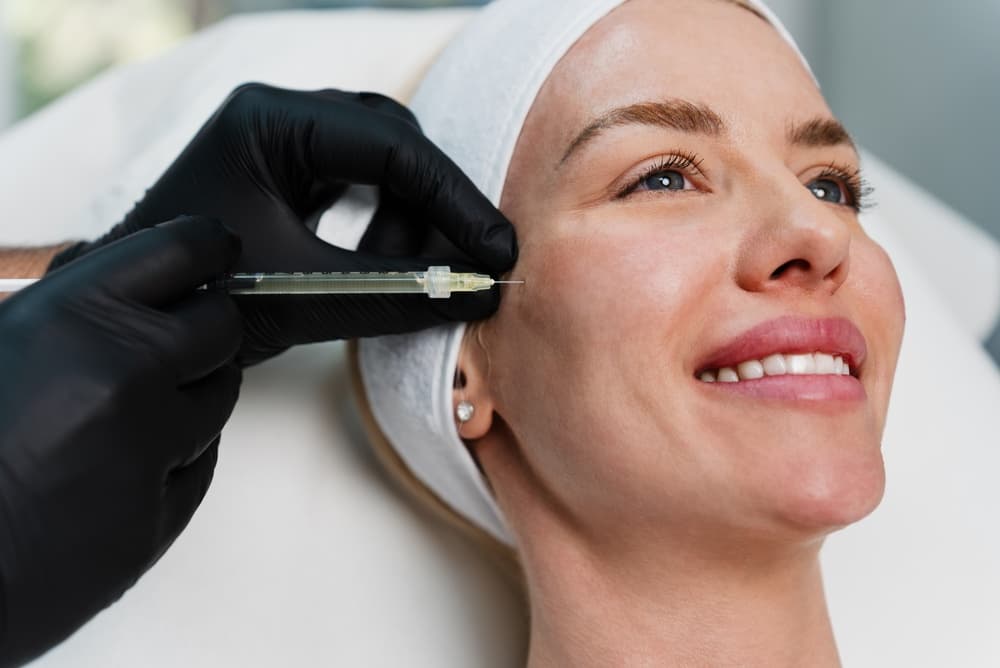
Aesthetic medicine has been rapidly growing in recent years. People are turning to filler treatments to rejuvenate their facial features, address volume loss, and achieve a more youthful appearance. These procedures often yield safe results. However, some patients experience lumpiness or asymmetry after fillers. These situations lead to aesthetic concerns and cause anxiety for patients. This article explains the causes of lumpiness and asymmetry after fillers. It presents risk factors and prevention methods in light of scientific data. It clarifies the difference between temporary irregularities and permanent complications. It emphasizes the importance of early diagnosis and appropriate intervention for patient safety and natural results (De Boulle 2020).
Mild swelling and temporary asymmetry are normal in the first few days. These symptoms typically resolve within a week.
After the filler application, the body initiates a natural healing response. The substance placed under the skin attempts to integrate with the surrounding tissues. During this process, edema occurs. Edema is a protective response of the body. Blood vessels temporarily release more fluid. This fluid gently swells the injected area. Swelling is most pronounced within the first 24 to 72 hours.Lip filler and under-eye filler are areas where this temporary swelling is more noticeable. When patients look in the mirror, they may see slight asymmetry. However, this is not a complication to be worried about. Most of the time, these temporary changes resolve spontaneously within three to seven days. Applying a cold compress and keeping the head elevated can help reduce edema. Patients should remain calm during this period. Research shows that temporary edema is a natural part of the healing process (Pavičić 2017).
In the first days, edema, mild bruising, and localized fullness are observed. These are normal signs of healing.
When the filler material enters under the skin, the surrounding tissue reacts immediately. Blood vessels temporarily dilate. This dilation causes fluid leakage. Fluid accumulates in the injected area. The patient feels a fullness in this area. This fullness may sometimes feel like lumpiness. However, this sensation is not a real nodule. It is simply the palpable presence of edematous tissue. This condition is more pronounced in the lips because lip tissue is extremely thin and rich in blood vessels. The under-eye area is similarly sensitive. Bruising and edema may last longer in this area. Patients should avoid looking in the mirror too much during this period. Because the temporary appearance does not reflect the permanent result. Experts do not recommend any intervention during this time. The body heals itself. Patience and proper care are the most important approaches during this process (Karruthers 2016).
Temporary swelling decreases within a week. Permanent complications last for weeks and show hardening.
The patient must distinguish between temporary swelling and actual complications. Normal edema is soft. It does not cause pain when touched. The color change is mild. It significantly decreases within a week. Permanent lumping shows different characteristics. A nodule is hard. It does not move when felt by hand. The skin over it may be red or warm. This condition can last for weeks. As soon as the patient notices these symptoms, they should consult a specialist. Early diagnosis facilitates the management of complications. Studies show that 95% of temporary edema resolves within a week. However, true nodules or granulomas do not disappear spontaneously. Therefore, the patient's ability to observe is important. In every suspected case, a physician's evaluation is essential (Hirş 2006).
Lumping is the irregular accumulation of filler material under the skin. It appears as a firmness felt by hand or a visible bulge.
Lumping is one of the most common complications of aesthetic filler applications. The substance injected under the skin sometimes does not distribute evenly. More material accumulates in certain areas. This accumulation creates a firmness that can be felt by hand. The patient notices a small mass when touching the area. Sometimes this mass creates a visible bulge on the skin surface. Lumping is not always the same. Some lumps are soft. Others are hard and painful. Its structure varies depending on the cause of formation. Hyaluronic acid fillers generally create soft lumps. Permanent fillers can lead to harder nodules. Both situations are uncomfortable for the patient. It disrupts the aesthetic appearance. The patient is negatively affected psychologically. Therefore, it is important to know the causes of lumping (Funt 2013).
Lumping is a general term. A nodule describes a more specific, well-defined, and usually hard mass.
The concepts of lumping and nodule are closely related. However, there are technical differences between them. Lumping is a broad definition. It refers to any irregular accumulation under the skin. This accumulation can be soft. The patient feels a slight roughness. A nodule, on the other hand, is more distinct. Its boundaries are clear. It can be easily felt upon examination. Nodules are divided into two groups. Inflammatory nodules are accompanied by redness and pain. Non-inflammatory nodules are painless and hard. Inflammatory nodules are usually due to infection or immune response. Non-inflammatory nodules result from technical errors. If the patient knows this difference, they can describe the situation more accurately. This also facilitates diagnosis (Alijotas-Reig 2013).
The lips, under the eyes, nasolabial folds, and chin are the most commonly affected areas.
In filler applications, some areas are riskier than others. The lips have a mobile structure. Continuous talking, eating, and drinking movements affect the lip tissue. These movements disrupt the distribution of the filler material. The filler can cluster within the lips. The skin under the eyes is extremely thin. Any slight irregularity becomes immediately apparent in this area. The risk of lumping is high, especially for fillers used for under-eye bags or dark circles. Nasolabial folds are the curves that extend from the sides of the nose to the mouth. The skin thickness in this area varies. The filler can sometimes remain very close to the skin surface. The chin and cheek areas also carry risks. Muscle movements and gravity in these areas can cause filler migration. Experts pay extra attention when performing procedures in these areas. Each area has its unique anatomical features. These features directly affect the risk of lumping (Sclafani 2011).
Incorrect technique, excessive filler, uneven distribution, material properties, infection, and granulomas lead to bunching.
Bunching is not due to a single cause. Many factors come together to create this complication. The physician's application technique is the most significant factor. An incorrect injection plane causes the filler to remain too close to the skin surface. Excessive filler usage creates pressure on the tissues. This pressure leads to the accumulation of the filler. The properties of the filler material also play a role. Some materials tend to draw water. This situation increases regional edema. Infections and immune reactions can cause nodules in the late stage. Granulomas are an indication of a foreign body reaction. Each factor should be examined separately. The patient should be aware of these risks before the procedure. An informed patient asks the right questions. This also increases safety (Kohen 2008).
Superficial injection and inappropriate plane cause the filler to not distribute evenly.
Injection technique is the most preventable cause of bunching. The physician must place the filler in the correct layer of the skin. Each area's anatomical layers are different. For example, very superficial injection in the under-eye area leads to a noticeable blue or gray appearance under the skin. This is called the Tyndall effect. Incorrect plane application on the lips causes the filler to accumulate at the lip border. This disrupts the lip line. An inappropriate injection angle also affects distribution. If the physician does not place the needle at the correct angle, the filler accumulates at a single point. This accumulation prepares the ground for nodule formation. Irregular product distribution similarly creates problems. Filler should be administered in small portions under the skin. Filler given in large amounts at once cannot spread evenly. Experts recommend the microdroplet technique for this reason. In this technique, filler is administered in very small amounts at regular intervals. Thus, the risk of bunching decreases (Pavičić 2017).
Excess filler creates pressure on the tissues. This pressure leads to uneven accumulation and loss of a natural appearance.
Excessive filler application disrupts aesthetic results. Each area has a maximum filler volume it can accommodate. Exceeding this volume causes serious problems. Tissues have a limited capacity for expansion. Excess filler pushes this limit. The skin and underlying connective tissue are overstretched. This stretching causes the filler to accumulate. The patient ends up with a swollen and artificial appearance. This is particularly evident in cheek and lip fillers. Excess filler also increases the risk of filler migration. Because excess material can shift to other areas due to gravity and muscle movements. Experts advocate for a gradual volumization approach. In this approach, the physician starts with small amounts. If necessary, a second session is planned four to six weeks later. This method provides both natural results and reduces the risk of complications. The patient should ask the physician not to use excessive filler. Naturalness is always better than excessive volume (De Boulle 2020).
Muscle movements, gravity, and uneven distribution cause the filler to gather at a specific point.
Once the filler material is placed under the skin, it does not remain motionless. Surrounding tissues and muscles affect it. Especially in areas where mimic muscles are dense, the filler moves continuously. The area around the lips is where this movement is most pronounced. Actions such as talking, laughing, and swallowing push and pull the filler. Over time, these movements lead to accumulation of the filler in certain spots. The effect of gravity is more pronounced in the cheek area. Excess filler may shift downward over time. This shift creates fullness in the jowl area. A similar mechanism operates in the nasolabial folds. Muscle movements can push the filler along the line. However, the filler may get stuck at certain points along the line. This sticking manifests as lumpiness. To prevent this risk, the physician should place the filler in layers suitable for muscle movements. Deeper layers are generally safer. Because these layers are less affected by muscle movements (Sclafani 2011).
Hyaluronic acid attracts water. High cross-linked products are firmer and more prone to lumpiness.
The physical properties of fillers determine the risk of complications. Hyaluronic acid is a natural sugar molecule. It has the ability to retain water in the skin. After injection, it draws water from surrounding tissues. This water-attracting property increases volume. However, excessive water absorption can exacerbate swelling. This condition increases the sensation of lumpiness. Fillers are classified according to their degree of cross-linking. Low cross-linked fillers are soft. High cross-linked fillers are firmer and more permanent. High cross-linked products carry a risk of lumpiness. Because these products are more resistant to dispersal. When placed in the wrong area, they do not disperse easily. Permanent filler materials carry the highest risk. These materials cannot be broken down by the body. Any irregularity becomes permanent. Therefore, the physician should choose the appropriate product for each area. Soft fillers should be preferred for areas with thin skin. Firmer fillers can be used for deeper and wider areas (Karruthers 2016).
Microorganisms can enter during the injection. The immune system may overreact to the filler. Both situations can cause nodules and redness.
Infection is a rare but serious complication after filler injection. Microorganisms on the skin surface can be carried by the needle tip during injection. These microorganisms can multiply around the filler. Structures known as biofilms may form. Biofilm is a structure where bacteria cluster within a protective layer. This structure may be resistant to antibiotic treatment. Symptoms of infection include redness, swelling, pain, and increased temperature. Some infections may have a delayed onset. The patient may show signs of infection weeks after the procedure. Reactions from the immune system can also present similar appearances. The body may perceive the filler material as a foreign object. This situation leads to the accumulation of immune cells in the area. This accumulation appears as a hard nodule. Both situations require physician intervention. Early antibiotic treatment controls the infection. However, if a biofilm has formed, treatment becomes more difficult (Funt 2013).
The body recognizes the filler as a foreign substance. Immune cells build a wall around the filler. This wall creates a hard and permanent mass.
A granuloma is a protective response that the body develops against foreign substances. After the filler material is placed under the skin, some patients' immune systems may react sensitively to this substance. Macrophages and giant cells gather around the filler. These cells attempt to engulf the filler and build a wall around it. The resulting wall becomes a hard and limited mass. This mass is called a granuloma. Granulomas appear in the late stage. A patient may notice a granuloma months or even years after the procedure. The risk of granuloma is higher with permanent fillers because the body cannot break down these substances. Granulomas are rarely seen with hyaluronic acid fillers, but it is still possible. Treating granulomas is difficult. Steroid injections may sometimes help. However, in advanced cases, surgical removal may be necessary. Patients should be extra cautious when using permanent fillers (Alijotas-Reig 2013).
Natural anatomical differences, uneven filler distribution, differences in edema, muscle movements, and filler migration lead to asymmetry.
Asymmetry is a natural feature of the human face. However, this asymmetry can become exaggerated after filler. A patient may notice a significant disproportion when looking in the mirror. There are many reasons for this situation. Existing asymmetries before the procedure are important. The physician should carefully evaluate these asymmetries. Otherwise, the filler may further highlight the existing differences. Technical errors can also cause asymmetry. More filler may be injected on one side than the other. Edema may progress differently on both sides. Muscle movements can asymmetrically change the shape of the filler. Filler migration creates imbalance in facial features. If the patient is aware of these reasons, they will have more realistic expectations before the procedure. Additionally, they will diagnose complications more quickly (Pavičić 2017).
The human face is not inherently symmetrical. There are slight differences between the right and left sides in everyone.
No human face is perfectly symmetrical. Slight differences between the right and left sides are natural. One eye may be slightly higher than the other. One eyebrow may be slightly lower than the other. The right and left halves of the lips may not be exactly the same thickness. These differences are usually not noticed by others. However, the patient sees them when looking at themselves. Before the filler application, the physician should carefully analyze these natural asymmetries. The patient should also inform the physician about these differences. If the physician ignores the natural asymmetries, the filler may amplify these differences. For example, if a normal amount of filler is injected into the naturally thinner half of the lips, that half may appear thicker. Asymmetry becomes more pronounced. Therefore, the physician should create a personalized plan. The needs of each side should be evaluated separately. Understanding natural asymmetry is essential for a successful outcome (Sclafani 2011).
The physician can inject more product on one side. Technical errors and inadequate assessment lead to inequality.
Unequal filler distribution is the most preventable cause of asymmetry. The physician should administer equal amounts of filler to both sides during injection. However, this may not always be possible in practice. The subcutaneous tissues may not be the same thickness on both sides. One side may have more connective tissue. This difference affects the distribution of the filler. If the physician is inexperienced, they may not be able to maintain the same injection depth on both sides. Filler injected deeper on one side gains more volume. The filler that remains superficial on the other side has less effect. This creates a visible asymmetry. Inadequate assessment also causes similar issues. The physician should photograph the face before the procedure. These photos are used as a reference during the procedure. Additionally, the physician should frequently check on the patient during the injection. These checks prevent inequality. Experienced physicians routinely perform these checks (Kohen 2008).
Edema develops differently on both sides. This condition is temporary and resolves spontaneously during the healing process.
Edema is a natural response of the body. However, edema does not always develop symmetrically. The patient may notice more swelling on one side than the other. Although this may seem concerning, it is often harmless. The vascular structure is not the same on both sides. The vessels on one side may cause more fluid leakage. Lymph drainage may work slower on one side. These factors explain asymmetric edema. This situation is very common after lip filler. The patient sees that one lip is more swollen than the other. However, this difference disappears within three to five days. Applying cold and keeping the head elevated can speed up this process. The patient should not panic during this temporary period. Looking in the mirror too much can be psychologically exhausting. Temporary asymmetry is not a permanent complication. Patience and proper care are sufficient (Hirş 2006).
Facial muscles do not work equally on both sides. The filler can take on an asymmetric shape due to the influence of moving muscles.
Facial muscles do not exert the same strength on both sides. One side may be more dominant than the other. For example, during a smile, one corner of the mouth may lift higher than the other. This is a natural situation. When filler is injected, these muscle differences affect the shape of the filler. A moving muscle continuously pushes the filler. This pushing can cause the filler to spread more on one side. The lip area is where this effect is most pronounced. When the patient speaks, the lip muscles push the filler in different directions. Over time, this creates an asymmetric appearance. To prevent this risk, the physician should place the filler in layers that are not affected by muscle movements. Additionally, the physician should ask the patient to perform various facial expressions during the procedure. These movements demonstrate the interaction of the filler with the muscles. The physician can adjust the filler based on these observations. An experienced physician routinely performs this dynamic assessment (Karruthers 2016).
Filler can shift away from the targeted area. This displacement creates unexpected fullness and imbalance in the facial features.
Filler migration is a serious complication. The physician injects the filler into a specific area. However, over time, the filler may move away from this area. This movement is referred to as filler migration. The most common example is filler migration in the upper lip area. The filler shifts upward from the lip border. As a result of this shift, a noticeable fullness appears on the upper lip. This is commonly referred to as a "filler mustache" appearance. This appearance is not aesthetically pleasing. Filler in the cheek area can also shift downward. This situation distorts the facial features. Under-eye filler can rise towards the eyelids. This makes the eyes appear puffy. Filler migration usually occurs as a result of excessive filler or injection at the wrong depth. Injections performed under high pressure also increase the risk of migration. This is because high pressure forces the filler into other areas. The physician should inject with low pressure and the correct technique. This way, the filler remains in the targeted area (Funt 2013).
If the physician uses too much filler in one area, it results in over-correction. If insufficient filler is used, the correction is incomplete. Both disrupt the facial proportions.
Over-correction is when the physician places excessive filler in one area. This situation disrupts facial proportions. For example, the lips may appear too large in relation to the face. The cheeks may become excessively full. This creates an artificial rather than an aesthetic appearance. Under-correction, on the other hand, is when the physician fails to achieve the targeted correction fully. The patient may still notice hollowness or wrinkles after the procedure. This leads to dissatisfaction. Both situations affect facial symmetry. Over-correction exaggerates one area. Under-correction leaves another area relatively more pronounced. This imbalance is perceived as asymmetry. Experts recommend a gradual approach. The physician starts with a small amount. Then calls the patient for a follow-up. If necessary, additional filler is added. This method prevents both over-correction and under-correction. The patient is also more satisfied with the results (Kohen 2008).
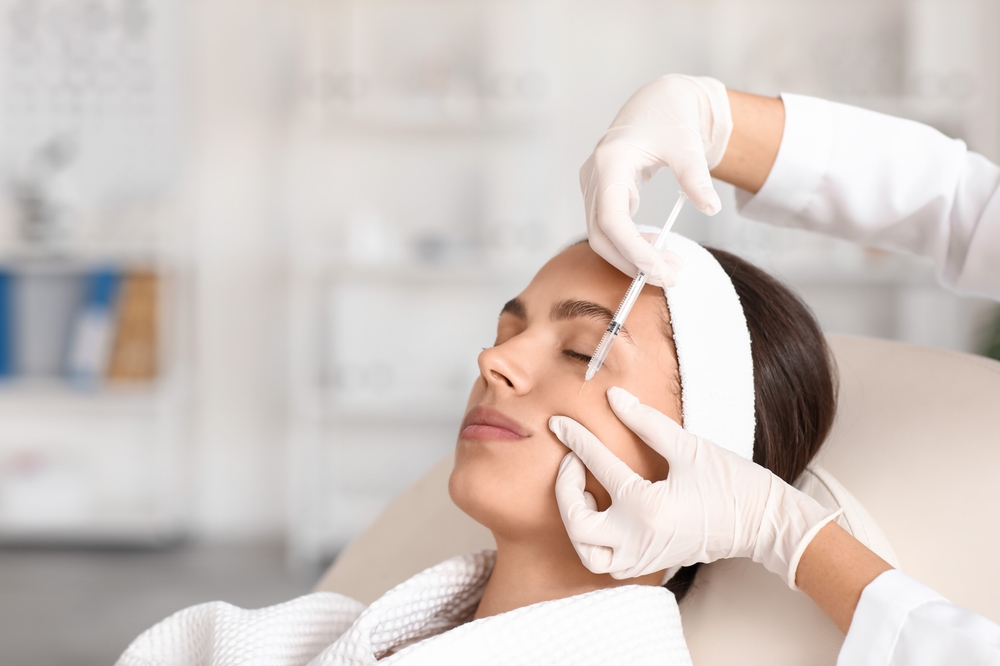
Incorrect depth, inappropriate products, and high pressure cause the filler to shift out of the target area. This shift creates bunching and asymmetry.
Filler migration can cause both bunching and asymmetry. When the filler moves away from the targeted area, it collects in unexpected places. This accumulation is felt as bunching. At the same time, fullness may increase on one side of the face while decreasing on the other. This creates noticeable asymmetry. The mechanism of filler migration is related to technical errors. If the physician does not set the injection depth correctly, the filler settles in the upper layers. These layers are subject to muscle movements and gravity. Over time, the filler shifts downward or sideways. The selection of inappropriate products also triggers migration. A very firm filler cannot hold in soft tissue. Injections performed under high pressure force the filler. This forcing causes the filler to spread into surrounding tissues. Repeated filler applications also increase the risk. When new filler is placed over previous fillers, the old fillers may move. This movement leads to a collective shift. Therefore, the patient should seek an experienced specialist. An experienced specialist knows the techniques that prevent these risks (De Boulle 2020).
If the filler settles into a mobile layer under the skin, muscles and gravity push it away. This pushing causes the filler to shift out of its intended target.
The tissues beneath the skin are composed of different layers. The skin is at the top. Below it is adipose tissue. Deeper down are muscles and connective tissues. The interaction of each layer with the filler is different. The physician must place the filler in the correct layer. For example, cheek fillers are usually injected into or beneath the adipose tissue. Lip fillers can be placed in more superficial or deeper layers. If the physician injects into the wrong layer, the filler cannot hold. Especially when fillers are placed too superficially, they can slide with skin movements. Fillers placed too deeply can be pushed by the muscles. Both situations lead to migration. An inappropriate product choice disrupts the mechanism. A very liquid filler can easily disperse. A very firm filler can put pressure on surrounding tissues. This pressure can cause spreading to neighboring areas. Injections done under high pressure are also harmful. When the physician pushes the plunger too hard, the filler spreads rapidly. This rapid spreading means uncontrolled distribution. Controlled and slow injection technique reduces this risk (Pavičić 2017).
Repeated procedures, excessive filler, inexperienced physicians, and mobile areas increase the risk of migration.
Certain factors increase the likelihood of filler migration. Repeated filler applications are one of the most significant factors. If a patient continuously receives fillers at short intervals, the tissues stretch. This stretching makes it difficult for the fillers to remain stable. The use of excessive amounts of filler creates a similar effect. Too much filler cannot hold together. Gravity pulls this excess filler down. Regional anatomical features are also important. The area around the lips, under the eyes, and nasolabial folds are mobile areas. The risk of filler migration is higher in these regions. An inexperienced physician may not fully understand the anatomical layers. This lack of knowledge can lead to incorrect injection depth. Additionally, some filler materials are more prone to migration. Low cross-linked or very liquid fillers spread easily. Patients should learn about these risk factors before the procedure. This information allows the patient to make informed decisions. The physician also plans accordingly to minimize these risks (Sclafani 2011).
Unexpected fullness in areas, deformities, and imbalance in facial features are signs of migration.
Patients can notice filler migration themselves. The physician injected filler into the lip. However, a few weeks later, the patient noticed a noticeable swelling on the upper lip. If this swelling gives the appearance of a filler mustache, migration has occurred. Similarly, after cheek filler, the patient may feel unexpected fullness along the jawline. This indicates that the filler has shifted downward. If under-eye filler rises to the eyelids, the upper eyelid will appear swollen. These symptoms usually appear a few weeks after the procedure. Sometimes migration can develop later. As soon as the patient notices these symptoms, they should see their physician. Early intervention makes it easier to correct migration. In hyaluronic acid fillers, the enzyme hyaluronidase easily dissolves migration. Treatment is more difficult with permanent fillers. Therefore, early diagnosis is crucial. Patients should not skip their regular check-ups (Funt 2013).
Inexperienced doctors, inappropriate products, patients with thin skin, those with a history of fillers, and individuals with noticeable asymmetry are at higher risk.
The risk of bunching and asymmetry is not the same for every patient. Certain patient groups and conditions increase the likelihood of complications. Inexperienced doctors directly raise the risk of complications. This is because these doctors do not fully understand anatomical layers and proper techniques. The choice of inappropriate products is also an important factor. Different filler materials are suitable for different areas. Incorrect product selection can lead to both bunching and migration. In patients with thin skin, irregularities are more pronounced. This is because any roughness beneath thin skin becomes immediately visible. In individuals with a history of fillers, the tissues are already taut. This tension disrupts the distribution of the new filler. Frequently repeated aesthetic procedures change the structure of the skin. This change increases the risk of complications. Patients who naturally have noticeable asymmetry on their faces are also in the risky group. In these patients, fillers can exaggerate the existing asymmetry. The table below summarizes these risk factors:
Risk Factor | Risk Level | Reason |
Inexperienced doctor | Very High | Incorrect technique and depth errors |
Inappropriate product | High | Substance distribution unsuitable for the area disrupts |
Thin skin structure | High | Roughness is immediately visible |
History of previous fillers | Medium-High | Tissues are taut and distribution can be disrupted |
Frequently performed procedures | High | Tissue structure changes and filler does not hold |
Significant asymmetry | Medium | Natural differences can be exaggerated |
The patient should review this table before the procedure. They should identify their own risk factors. This awareness strengthens patient-physician communication. The patient asks the right questions. The physician takes the appropriate precautions. An informed patient is the first step toward safe results (Kohen 2008).
Physician experience, product quality, skin type, frequency of procedures, and anatomical differences determine risk.
We can categorize risk factors into three groups. The first group consists of factors related to the physician. An experienced physician reduces complication rates. The second group includes product-related factors. The selection of quality and region-appropriate products is essential. The third group consists of patient-related factors. Skin thickness, previous procedures, and natural anatomy fall into this category. The patient should evaluate these factors individually. They should choose a certified specialist instead of an inexperienced physician. They should prefer approved products over cheap and unknown brands. Patients with thin skin should inform their physician about their skin structure before the procedure. If they have a history of fillers, they must tell their physician. This information allows the physician to make the correct plan. The patient should take an active role in reducing risk factors. A passive patient profile increases the risk of complications. An active and informed patient takes their safety into their own hands (Karruthers 2016).
Correct assessment, appropriate product, anatomical injection, gradual volume, proper care, and selection of an experienced specialist prevent these complications.
Prevention is always easier than treatment. Bumps and asymmetry are often preventable complications. The physician and patient should work collaboratively. Proper patient assessment is the first step. The physician carefully examines the patient's facial anatomy. They note skin thickness, muscle movements, and existing asymmetries. The selection of the appropriate filler for the area is the second step. Each area requires a different filler material. Soft fillers are preferred for thin-skinned areas. Harder fillers are used for areas requiring deep volume. The injection technique suitable for anatomical layers is the third step. The physician places the filler at the correct depth. Controlled and gradual volumization is the fourth step. Instead of delivering all the volume in one session, the physician progresses in parts. Post-procedure care instructions are the fifth step. The patient strictly follows these instructions. Finally, the selection of an experienced and trained specialist is the most critical step. A good specialist routinely takes all these precautions. The patient should inquire about the specialist's certifications and background when making their choice (Pavičić 2017).
The physician examines the patient's face. They record the skin type, muscle movements, asymmetries, and medical history.
Patient assessment is fundamental to the procedure. The physician first takes the patient's medical history. Previous aesthetic procedures, allergies, and medication use are inquired about. Then, the physician thoroughly examines the patient's face. Skin thickness varies in different areas. The physician feels this thickness with their fingers. Facial expressions are evaluated. The patient's smile, brow lifting, and other movements are observed. These movements indicate how the filler will distribute. Photographs of the face are taken. These photographs are captured from frontal, lateral, and oblique angles. They are used for comparison during and after the procedure. The physician identifies natural asymmetries. These asymmetries are shown to the patient. The patient understands their current condition. Thus, their expectations after the procedure become more realistic. As a result of the assessment, the physician creates a personalized plan. This plan is tailored to the patient's needs and anatomical features. A special plan reduces the risk of complications compared to a standard plan (Sclafani 2011).
Each area requires a different filler material. The wrong product can cause lumpiness and indentation.
Filler materials are not uniform. Each product has different densities, degrees of cross-linking, and longevity. Very soft and low cross-linked fillers are suitable for the under-eye area. The skin in this area is thin. Hard fillers can be felt as nodules. Medium-density fillers are preferred for the lips. These fillers can both shape and remain soft. For deeper areas like the cheeks and chin, firmer and highly cross-linked fillers are needed. These fillers mimic the bone structure. They provide volume support. Medium-depth fillers are used for nasolabial folds. The physician must be well-acquainted with these products. Each product has its advantages and disadvantages. The patient also has the right to inquire about the product to be used. Approved and well-known brands should be preferred. Cheap and unverified products can lead to serious complications. The physician selects the product based on the patient's anatomy and goals. This compatibility is the key to a successful outcome (De Boulle 2020).
The physician places the filler in the correct layer of the skin. Deep layers are suitable for volume, while superficial layers are for fine lines.
Facial tissues have a layered structure. The skin is on the top. Beneath it is the subcutaneous tissue. Deeper down, there is a layer that covers the face. At the deepest level, there are bone structures. Each filler should be placed in a specific layer. In cheeks with volume loss, fillers are typically placed on the bone or fat layer. This deep placement ensures the filler remains stable. For fine lines, fillers are placed more superficially. However, very superficial injections increase the risk of nodules. The physician must maintain this balance well. The angle of the needle during injection is important. A slightly angled position is preferred over a vertical one. This angle allows for even distribution of the filler. Additionally, the needle should be in constant motion during injection. Administering too much filler at a fixed point creates lumpiness. The physician considers patient comfort while applying these technical details. A painless and safe application is aimed for (Pavičić 2017).
The physician administers the filler gradually instead of all at once. Evaluations are made in between. If necessary, a second session is planned.
Gradual volume augmentation is a fundamental principle of modern aesthetic medicine. In this approach, the physician does not provide the entire targeted volume in one session. First, a small amount is injected. The patient experiences this initial result for a few weeks. During this time, the swelling completely resolves. The filler integrates with the surrounding tissues. The physician reassesses the patient during the follow-up. Areas that need additional filling are identified. If necessary, extra filler is given in a second session. This method has many advantages. First, it eliminates the risk of overfilling. Second, it guarantees natural results. Third, it increases patient satisfaction. Fourth, it reduces the complication rate. The patient should learn about this approach before the procedure. Receiving the entire volume in one session may seem appealing. However, this allure can lead to problems in the long term. The gradual approach requires patience. However, the results are safer and more natural. Experts strongly recommend this method, especially for new patients (Karruthers 2016).
The patient applies a cold compress. Avoids hot environments. Does not touch their face. Follows the physician's instructions precisely.
Post-procedure care plays a critical role in preventing complications. The physician provides written care instructions to the patient. The patient should read these instructions carefully. In the first 24 hours, a cold compress reduces swelling. The patient should not apply the ice pack directly to the skin. It should be wrapped in a thin cloth. Hot environments should be avoided for the first few days. Hot baths, saunas, and sunbathing increase swelling. Touching or massaging the face is prohibited in the initial days. These actions can displace the filler. Heavy exercises are not recommended in the first 48 hours. Exercise increases blood flow and intensifies swelling. Alcohol consumption also increases swelling. The patient should not consume alcohol for at least 24 hours. The face should be washed gently. Rubbing harshly disrupts the distribution of the filler. If the patient notices any abnormalities, they should contact their physician immediately. Early intervention prevents potential complications. Proper care requires short-term discipline. However, this discipline yields beautiful results in the long run (Hirş 2006).
An experienced specialist knows anatomy, products, and techniques. This knowledge minimizes the risk of complications.
Choosing a specialist is the most important decision in aesthetic filler applications. An experienced specialist has years of accumulated knowledge. They have a deep understanding of facial anatomy. They know the locations of vascular and nerve structures like a map. This knowledge allows for safe injections. A trained specialist recognizes and prevents complications. Additionally, they intervene correctly when complications arise. Certified physicians regularly undergo training. These trainings teach new techniques and products. Inexperienced practitioners may attract patients with low prices. However, this cheapness can be costly in the long run. Treating complications is often more expensive than the procedure itself. The patient should check the certifications when choosing a specialist. They should review the physician's past procedures and patient comments. A good specialist conducts a detailed consultation with the patient. In this consultation, the physician understands the patient's expectations. They clearly explain the risks. The patient gains trust from this sincere communication. Trust is the foundation of a successful aesthetic journey (Kohen 2008).
Temporary irregularities resolve on their own. Permanent lumpiness is treated with massage, hyaluronidase, antibiotics, or surgery.
There is no need to panic when lumpiness and asymmetry develop. Modern aesthetic medicine offers solutions to most of these complications. The treatment method varies depending on the type and severity of the complication. For temporary irregularities caused by edema, waiting is sufficient. The patient should be patient for a few weeks. As the edema resolves, the irregularity disappears. Manual massage and shaping may help in some cases. The hyaluronidase enzyme in hyaluronic acid fillers dissolves the filler. If there is an infection, antibiotic treatment is necessary. Medical treatments are applied for nodules and granulomas. In advanced cases, surgical options come into play. The patient should maintain open communication with their physician during the treatment process. Early consultation increases treatment success. Late consultation complicates treatment. Every complication has a solution. The important thing is to intervene correctly at the right time (Funt 2013).
For mild irregularities in the first two weeks, waiting is the best approach. The body heals itself.
Waiting and observation are often the wisest treatment in many cases. The patient looks in the mirror immediately after the filler and notices an irregularity. However, this irregularity is often temporary. Everything appears exaggerated in an edematous tissue. The physician recommends that the patient wait at least two weeks. During this time, the edema completely resolves. The filler integrates with the surrounding tissues. The facial muscles adapt to the new condition. The patient should not become stressed during this waiting period. Stress can increase edema. The patient should drink plenty of water. Water enhances the performance of hyaluronic acid fillers. They should not touch their face. Looking in the mirror too often can be psychologically exhausting. After two weeks, a physician check-up is performed. If there is a permanent irregularity during this check-up, a treatment plan is made. However, many patients notice that their complaints have resolved on their own before this check-up. Patience is the most important medicine in this process (Karruthers 2016).
The physician disperses a soft lump with their fingers. This procedure is performed in the early period and with the appropriate technique.
Manual massage is an effective method for some lumpiness. This method is only suitable for soft and early-stage lumps. The physician wears sterile gloves. They apply light pressure on the lump. This pressure is applied in circular motions. The physician tries to distribute the filler evenly. The patient should not perform this procedure on their own. Incorrect massage can worsen the filler. Additionally, massaging an infected area spreads the infection. The physician analyzes the cause of the lump before performing the massage. Hard nodules or granulomas do not disperse with massage. In these cases, massage can cause increased pain and inflammation. The physician only recommends massage in appropriate cases. After the massage, the patient should monitor the area. If any redness or pain develops, they should inform their physician. In the right hands, massage is a simple but effective corrective tool (Hirş 2006).
The hyaluronidase enzyme breaks down hyaluronic acid fillers. This enzyme resolves lumpiness or migration within a few days.
Hyaluronidase is an antidote for hyaluronic acid fillers. This enzyme breaks down hyaluronic acid chains. The broken filler is absorbed by the body. The physician injects hyaluronidase directly into the lump. The effect after the procedure begins within 24 to 48 hours. The patient feels that the lump has softened and shrunk. Complete dissolution may take several days. If necessary, the treatment can be repeated. Hyaluronidase only works for hyaluronic acid fillers. This enzyme is ineffective in permanent fillers. Hyaluronidase is generally a safe medication. However, there is a very low risk of allergy. The physician informs the patient of this risk before the procedure. The success rate of hyaluronidase treatment is quite high. Research shows that this treatment achieves over 90% success. The patient should learn about this treatment option before the procedure. This information gives the patient confidence. Because the patient knows that there is a solution available in case of any problem (Kohen 2008).
The physician treats the infection with antibiotics. In advanced cases, the filler may be removed. If there is a biofilm, treatment may be prolonged.
When an infection develops, the physician acts immediately. A culture is taken to determine the cause of the infection. The physician prescribes the appropriate antibiotic. Broad-spectrum antibiotics are usually started. Treatment can be narrowed based on the culture results. The patient must use the antibiotics regularly and for the full duration. Stopping the treatment prematurely can lead to a recurrence of the infection. If a biofilm has formed, treatment takes longer. A biofilm is a structure where bacteria live within a protective layer. This layer is resistant to antibiotics. In this case, the physician applies different treatment strategies. Sometimes, a portion of the filler must be removed. This removal process cleans the infection sites. The patient should regularly visit the physician during the treatment period. Follow-ups indicate that the infection is under control. Early antibiotic treatment prevents serious complications. Delayed infections can damage skin tissue. Therefore, the patient's early consultation is vital (Funt 2013).
Soft nodules are dissolved with hyaluronidase. Hard nodules and granulomas are treated with steroid injections or surgery.
Nodule and granuloma management varies depending on the type of complication. Soft and early-stage nodules are easily resolved with hyaluronidase. The physician injects hyaluronidase directly into the center of the nodule. A different approach is required for hard nodules. These nodules can be treated with steroid injections. Steroids suppress inflammation and reduce the mass. However, steroid use can cause thinning of the skin. The physician considers this risk. Granulomas are more challenging cases. Granulomas are the body's reaction to foreign substances. Medical treatments sometimes reduce granulomas. However, it is difficult for them to completely disappear. In advanced cases, surgical removal may be necessary. The surgical procedure physically removes the granuloma. However, surgery can leave a scar. The physician considers surgery as a last resort. Medical options are tried first. The patient must be patient during this process. Granuloma treatment can take weeks or months. Regular check-ups and adherence to the physician's recommendations are essential. Each case is evaluated individually. A personalized treatment plan yields the best results (Alijotas-Reig 2013).
Severe pain, color changes, visual disturbances, and irregularities lasting for weeks require a medical evaluation.
Not every small swelling after filler is a cause for panic. However, some symptoms require urgent medical assessment. Patients should recognize these symptoms. Severe pain is not normal. Filler application may cause mild discomfort. However, severe and increasing pain is a sign of a serious issue. Paleness or bruising of the skin may indicate vascular occlusion. This condition requires immediate intervention. Changes in vision are among the most serious symptoms. If a patient experiences blurred vision, double vision, or vision loss, they should go to the emergency room immediately. These symptoms are rarely seen. However, when they occur, time is critical. Lumps lasting for weeks and permanent asymmetries should also be evaluated. Hardening and tenderness may indicate infection or granuloma. When patients notice these symptoms, they should contact their doctor immediately. Early consultation increases treatment options. Late consultation can lead to permanent damage. Patients should listen to their bodies carefully. In any case of doubt, expert opinion should be sought (Hirş 2006).
Severe pain, paleness or bruising of the skin, and vision loss or changes require urgent evaluation.
Emergency situations are rare but critical. Severe pain means that the patient is not responding to normal pain relief medications. This may indicate vascular occlusion or tissue damage. Paleness may appear as a white spot on the skin. This paleness is a classic sign of vascular occlusion. Bruising is different from normal swelling bruising. Rapidly spreading and severe bruising indicates internal bleeding or vascular damage. Changes in vision are the most urgent situation. In eye area fillers, vascular occlusion can spread to the eye vessels. This spread can lead to vision loss. If a patient notices even one of these symptoms, they should go to the emergency room immediately. The doctor may urgently inject hyaluronidase in these cases. Hyaluronidase opens the vascular occlusion and salvages the tissue. Time determines the chance of tissue and vision recovery in these situations. Every minute is important. Patients should be aware of these risks before the procedure. This information enables quick action in emergencies (Kohen 2008).
Lumps lasting longer than two weeks, permanent asymmetry, hardening, and localized tenderness require routine check-ups.
Not every complication is urgent. However, some symptoms require a planned doctor visit. Lumps lasting longer than two weeks are no longer temporary swelling. This indicates a real nodule or filler accumulation. Permanent asymmetry should also be evaluated. If a patient sees a noticeable imbalance in the mirror, the doctor can correct this situation. Hardening means a stone-like feeling under the skin. This feeling may indicate that the filler has accumulated excessively or that granuloma has developed. Localized tenderness is the feeling of pain when touched. This pain may be a sign of infection or inflammation. When patients notice these symptoms, they should make an appointment. It is sufficient to go to their doctor's office instead of the emergency room. The doctor evaluates these symptoms and plans treatment. Early intervention easily resolves these situations. If delayed, treatment becomes longer and more difficult. Patients should not neglect their regular check-ups. Planned check-ups ensure early detection of complications. This approach increases safety and maintains patient satisfaction (Funt 2013).
Lumps and asymmetry after filler treatment are often related to technical errors, anatomical differences, and the healing process. Early diagnosis and appropriate intervention ensure successful outcomes. Choosing an experienced specialist is critically important.
Filler applications are among the most popular procedures in aesthetic medicine. These procedures often yield safe and effective results. However, complications such as lumps and asymmetry can occur. Most of these complications are due to technical errors. Incorrect injection depth, excessive filling, and inappropriate product selection are among the primary mistakes. Anatomical differences also play a significant role. Every face is different. A standard approach does not work for every patient. Personalized assessment and planning are essential. Temporary changes during the healing process are not complications. Patients should distinguish between temporary swelling and permanent complications. This ability to differentiate prevents unnecessary panic. Early diagnosis and appropriate intervention ensure successful management of complications. Hyaluronidase, antibiotics, and surgical options are effective solutions offered by modern medicine. However, the best treatment is to prevent complications. Prevention starts with choosing an experienced and trained specialist. Patients should evaluate certifications, background, and communication skills when making this choice. Low prices may seem attractive. However, expertise and safety should always take precedence over price. When an informed patient, the right physician, and modern techniques come together, filler applications yield safe and satisfying results. Aesthetic goals should combine with a natural appearance. Balance and proportion should be prioritized over excessive and artificial results. The information conveyed in this article aims to raise awareness among both patients and physicians. Those who act in light of scientific data have safer aesthetic journeys. Lumps and asymmetry are not frightening complications. With the right approach, it is possible to overcome them. Patient safety and natural beauty should always be prioritized (De Boulle 2020).
Alijotas-Reig, Jaume, et al. "Delayed Immune-Mediated Adverse Effects Related to Hyaluronic Acid and Acrylic Hydrogel Dermal Fillers." Journal of the European Academy of and Venereology, vol. 27, no. 4, 2013, pp. 421-427.
De Boulle, Koen, et al. "Physiology and Metabolism of Injectable Hyaluronic Acid-Based Dermal Fillers." Journal of Cosmetic , vol. 19, no. 3, 2020, pp. 562-569.
Funt, David, and Tatjana Pavicic. "Dermal Fillers in Aesthetics: An Overview of Adverse Events." Clinical, Cosmetic and Investigational , vol. 6, 2013, pp. 295-316.
Hirsch, Robert J., et al. "Management of Inflammatory Reactions to Dermal Fillers." Surgery, vol. 32, no. 8, 2006, pp. 1000-1006.
Kohen, Joel L. "Understanding, Avoiding, and Managing Dermal Filler Complications." Surgery, vol. 34, no. 2, 2008, pp. 168-174.
Karruthers, Jean, et al. "The Science and Art of Dermal Filler Injection." Journal of Cosmetic , vol. 15, no. 4, 2016, pp. 512-520.
Paviçiç, Tatjana, et al. "Anatomy and Injection Technique in Facial Aesthetics." Journal of Drugs in , vol. 16, no. 9, 2017, pp. 879-885.
Sclafani, Anthony P., and Steven Fagien. "Treatment of Injectable Soft Tissue Filler Complications." Facial Plastic Surgery, vol. 27, no. 6, 2011, pp. 540-551.