Yükleniyor…
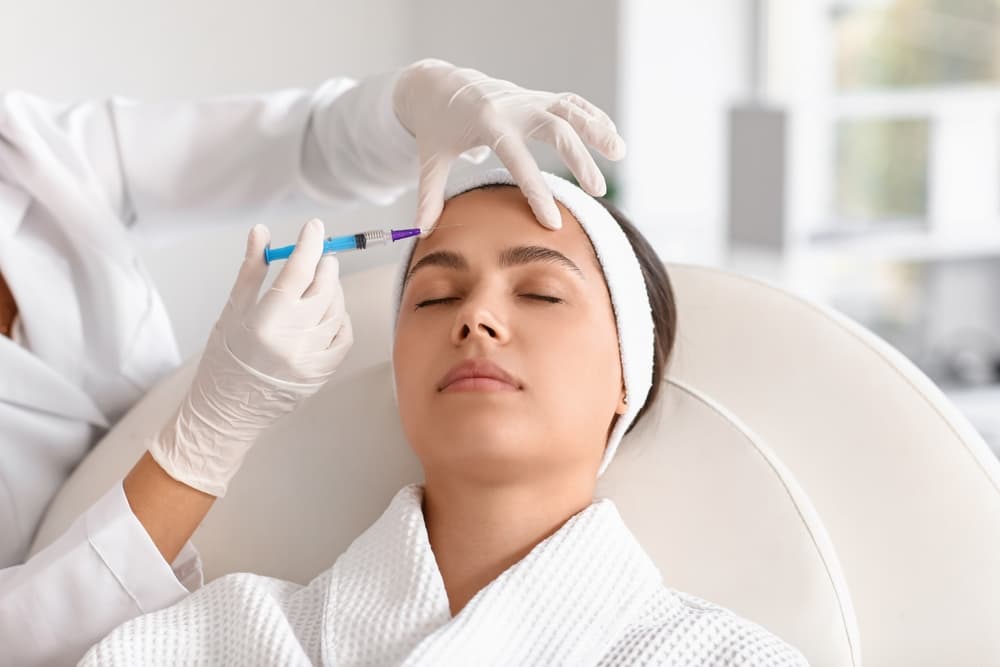
Botox temporarily halts muscle movements. Filler adds volume beneath the skin. The two serve different purposes. The correct choice is determined by a specialist physician's facial analysis. This article explains both treatments from a scientific perspective. It helps you choose the most suitable method for you.
Medical aesthetics is a rapidly growing field today. People show great interest in non-surgical methods. Botox and dermal fillers are among the most preferred minimally invasive procedures. The physician performs both treatments in an office setting. The patient returns to their social life the same day.
Many factors are important in treatment selection. Age, skin type, aesthetic goals, and anatomical needs influence this decision. A young patient may request Botox for preventive purposes. A middle-aged patient may seek filler for volume loss. An elderly patient may receive both treatments together.
This article scientifically explains the differences between Botox and fillers. It assists in choosing the right treatment. Each section contains brief answers and detailed explanations. Scientific references are provided at the end of the article.
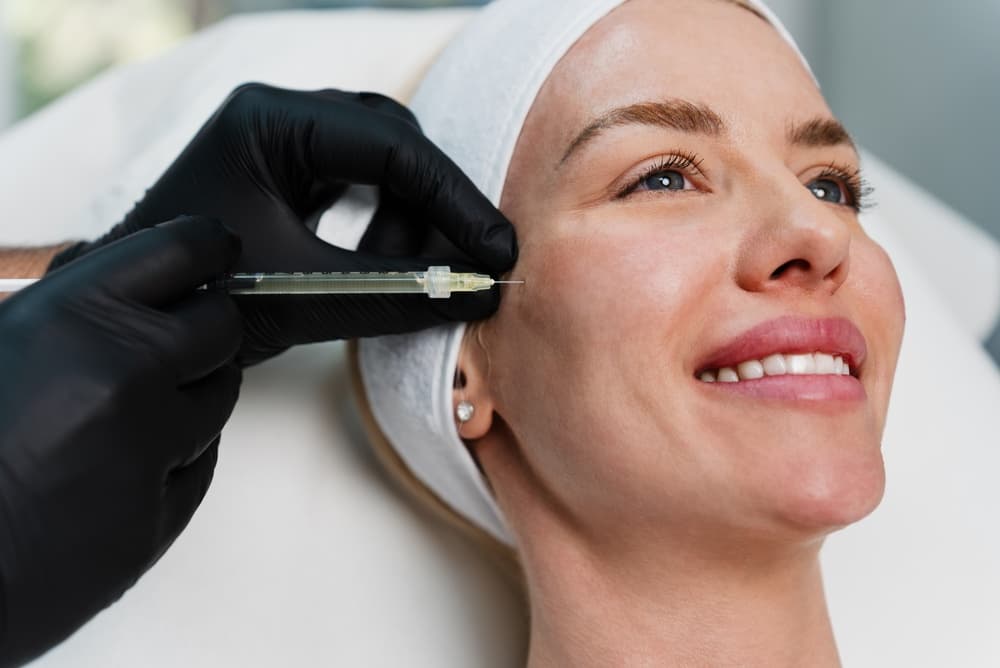
Botox is an injection containing botulinum toxin type A. It temporarily relaxes muscles. It prevents dynamic wrinkles. It is a non-surgical procedure. The application time is short.
Many patients ask the question, what is Botox? Botox first emerged for medical purposes. Doctors utilized this substance in the treatment of eye muscle spasms and excessive sweating. It later became widespread in the aesthetic field. Today, millions of people undergo Botox treatments. The U.S. Food and Drug Administration has approved this treatment. Scientific studies have proven its safety.
The effect of Botox is temporary. Muscle activity gradually returns after 3 to 6 months. Repeated applications can extend the effect. In patients who use it regularly, the depth of wrinkles decreases. Carruthers and Carruthers (2002) demonstrated the clinical safety of Botox.
Botulinum toxin binds to nerve endings. It blocks muscle contraction. The skin smooths out without wrinkles. This mechanism eliminates dynamic wrinkles.
Nerves send movement commands to muscles. Botox temporarily interrupts this transmission. Muscle movement decreases. The pressure on the skin lightens. The formation of wrinkles slows down. This effect is completely reversible. The body breaks down the toxin. Nerve-muscle transmission returns to its original state.
Carruthers and Carruthers (2002) detailed this mechanism. Their study demonstrated the principle of Botox reducing muscle activity. This finding laid the foundation for aesthetic applications.
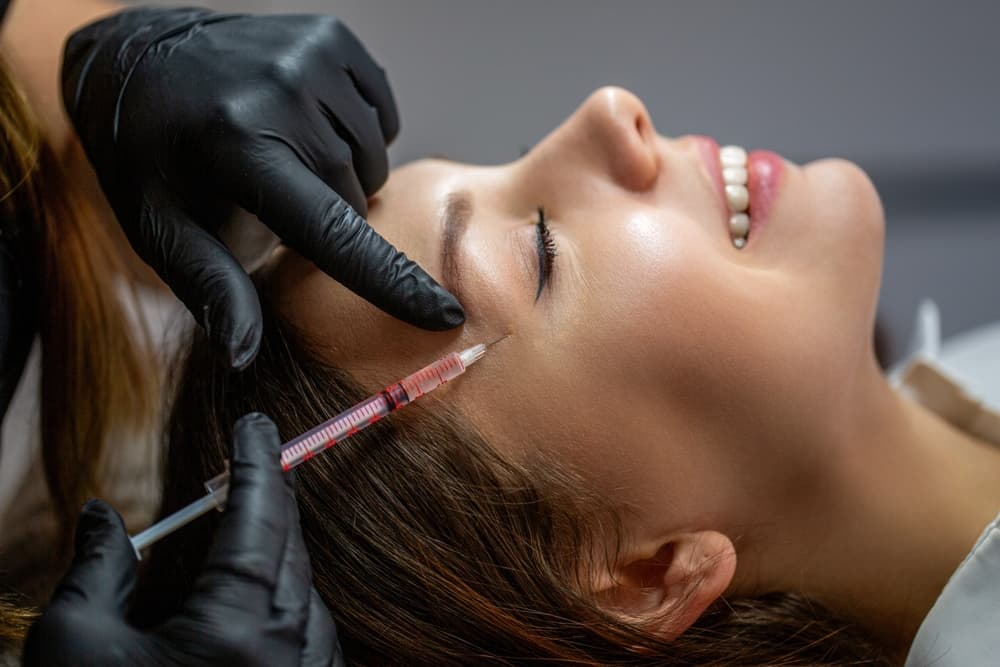
Botox is applied to the forehead, between the eyebrows, around the eyes, nose, chin, and neck. It is also used in the treatment of excessive sweating. The dosage and technique differ for each area.
Doctors most frequently treat forehead lines. Botox is very effective for frown lines, specifically in the glabella area. For crow's feet around the eyes, doctors use fine doses. Botox also corrects bunny lines on the nose. It softens the orange peel appearance in the chin area. Botox relaxes the muscles in neck bands. Doctors also inject Botox for excessive sweating in the armpits, palms, and soles of the feet. Gold (2004) demonstrated the effectiveness of Botox in the treatment of hyperhidrosis.
Botox application is quick. It does not require surgery. It offers protective anti-aging effects. The return to social life happens immediately.
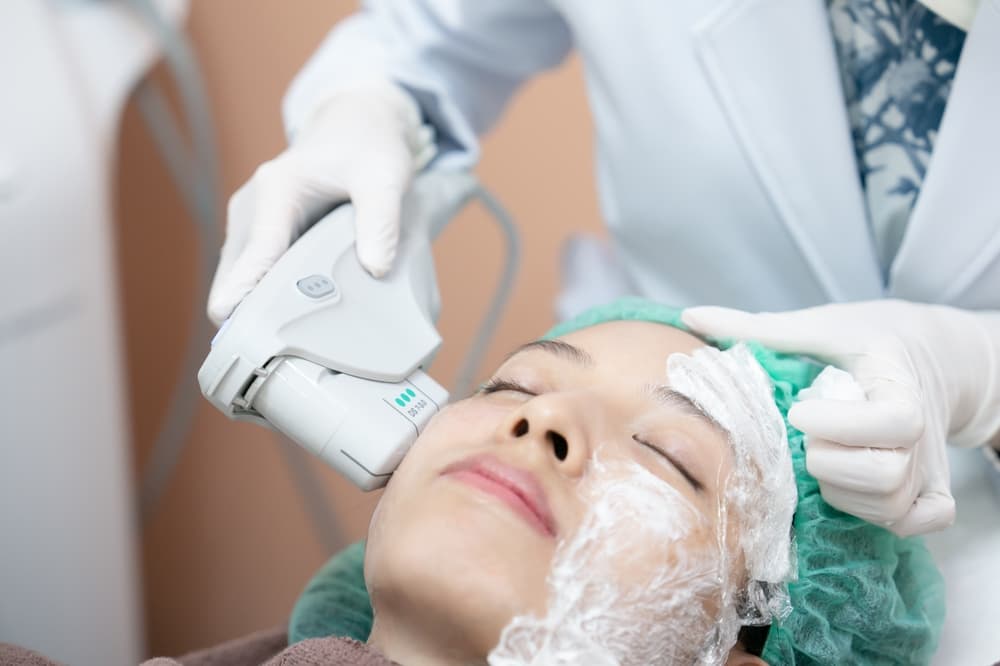
The doctor administers Botox in the office within 10 to 20 minutes. The needle tip is very fine. The patient returns to work the same day. There is no risk of surgical cuts, stitches, or anesthesia. Treatments that start at a young age delay the formation of wrinkles. This protective anti-aging approach is very popular today. Botox prevents dynamic wrinkles. The skin remains smoother in the long term.
Dermal fillers are substances injected by the doctor beneath the skin. They restore volume loss. They shape facial contours. They enhance subcutaneous support. Aesthetic doctors apply these substances using precise techniques.
The question of what dermal filler is often gets confused with Botox. However, they are completely different. During the facial aging process, bone, muscle, and fat tissue change. Volume loss occurs. The skin sags and droops. Fillers compensate for this loss. They contain substances like hyaluronic acid, calcium hydroxyapatite, and poly-L-lactic acid. Each substance has different durability and application areas. Monheit and colleagues (2006) researched the safety of hyaluronic acid fillers. Their study supported the widespread use of these products.
Dermal fillers inject substances beneath the skin. They restore volume loss. They support facial contours. They fill subcutaneous tissue.
Hyaluronic acid fillers have water-retaining properties. They increase skin moisture. They enhance the volume effect. Calcium hydroxyapatite fillers stimulate collagen production. Long-term skin quality improves. Poly-L-lactic acid fillers also provide collagen stimulation. Their effect gradually emerges. Permanent and semi-permanent filler options are available. The doctor selects the most suitable substance for the patient.
Hyaluronic acid fillers are the most popular option. Calcium hydroxyapatite-based fillers are suitable for deeper layers. Poly-L-lactic acid fillers support collagen production. Permanent and semi-permanent fillers meet different needs.
The body naturally produces hyaluronic acid. The risk of allergy is low. Its effect lasts between 6 to 18 months. Rzany and Lemperle (2006) showed that hyaluronic acid fillers are biocompatible. Calcium hydroxyapatite fillers are more permanent. They typically last for 12 to 18 months. Poly-L-lactic acid fillers provide gradual volume increase. They may require 2 to 3 sessions. Permanent fillers offer long-term results. However, the risk of complications is higher. The doctor discusses these risks with the patient.
Doctors lip filler, cheek filler, nasolabial lines, marionette lines, jawline, and under-eye filler are the most commonly applied areas. There are different types and techniques of fillers for each area.
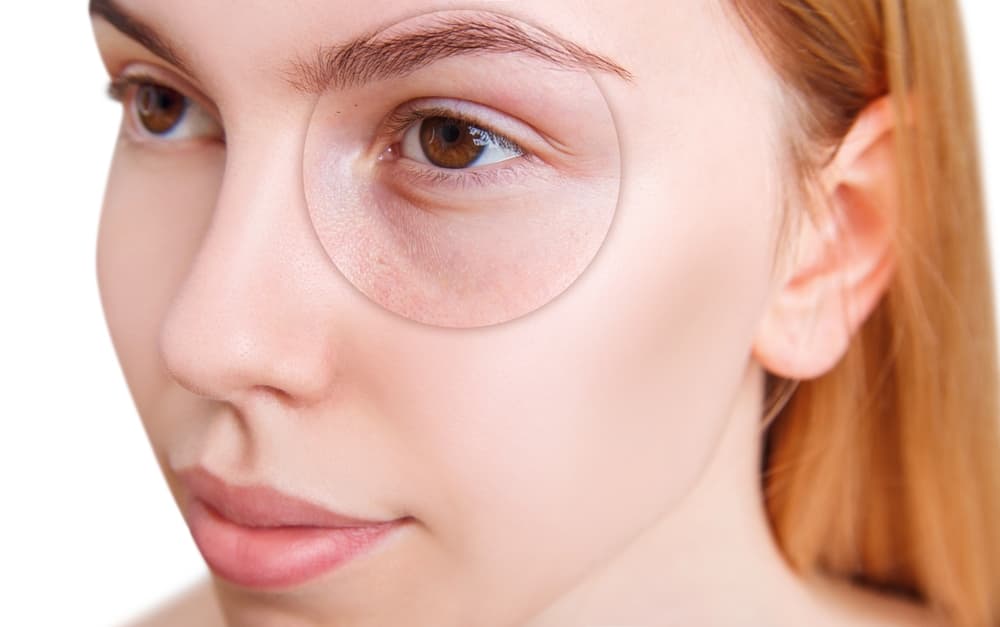
Lip filler increases lip volume. It corrects asymmetry. Cheek and cheekbone fillers give a youthful appearance to the face. Nasolabial lines extend from the sides of the nose to the corners of the mouth. The doctor fills these lines with filler. Marionette lines descend from the corners of the mouth to the chin. These lines create a sulky expression. Filler softens this expression. Filler defines the jawline. Under-eye light filler reduces dark circles. This procedure requires fine technique.
Botox relaxes the muscles. Filler adds volume. The two provide solutions to different problems. Botox targets dynamic wrinkles. Filler addresses static wrinkles and volume loss.
The difference between Botox and filler is one of the most frequently asked questions. These two treatments are not alternatives to each other. They are complementary procedures. Botox reduces muscle activity. Filler provides support beneath the skin. Sometimes patients only want Botox. Sometimes only filler is sufficient. Many patients receive both together. Coleman and Grover (2006) revealed that facial aging results from both muscle and volume loss. Therefore, combined approaches yield more natural results.
Botox blocks nerve-muscle transmission. Filler injects substance beneath the skin. This fundamental difference determines the treatment outcomes.
Botulinum toxin cuts off the signal from nerve endings to the muscle. Muscle movement decreases. The pressure on the skin is relieved. Filler creates physical volume. It fills subcutaneous spaces. It shapes facial contours. Botox has a biochemical effect. Filler provides mechanical support. Kane (2003) emphasized that dynamic and static wrinkles should be treated with different mechanisms.
Botox treats dynamic wrinkles. Filler addresses static wrinkles and volume loss. Filler resolves facial volume loss.
Dynamic wrinkles are caused by facial movements. Forehead lines, frown lines, and crow's feet are dynamic. Static wrinkles appear even without movement. Deep nasolabial lines and marionette lines are static. Facial volume loss is manifested by sunken cheeks and hollowed temples. Botox targets the dynamic ones. Fillers target the static ones and volume loss.
Botox provides a smoother skin appearance. Fillers create fuller and more contoured facial features. The two treatments yield different aesthetic results.
The skin in the treated area becomes smoother with Botox. Muscle movement decreases. Botox softens facial expression. However, this procedure does not add volume. Fillers create physical fullness. Fillers plump the cheeks. Fillers define the jawline. Fillers add volume to the lips. Fagien (2003) demonstrated the brow-lifting effect of Botox. Fillers support this effect. Together, they provide more pronounced results.
The effect of Botox lasts an average of 3 to 6 months. Fillers offer durability between 6 to 18 months. Results are influenced by metabolism, lifestyle, and area.
The body breaks down Botox. Its effect is temporary. Repeated applications can extend the duration of effect. The body also gradually absorbs hyaluronic acid fillers. However, this process takes longer. Calcium hydroxylapatite fillers show effects for 12-18 months. Poly-L-lactic acid fillers can last up to 2 years. De Boulle (2004) studied the factors affecting filler durability. Skin quality, injection depth, and product concentration are important.

The two treatments serve different purposes. Tables and comparisons show the details. Patients choose according to their needs.
In this section, we place both treatments side by side. We compare their features. We examine application times, recovery processes, and costs. This comparison makes it easier for you to make the right decision.
Botox prevents wrinkles. Fillers add volume. The table below explains the details.
Feature | Botox | Filler |
Dynamic wrinkles | Suitable | Not suitable |
Volume loss | Not suitable | Suitable |
Facial contouring | Limited effect | Strong effect |
Lip enhancement | Not suitable | Suitable |
Forehead lines | Suitable | Limited effect |
Frown lines | Suitable | Limited effect |
Botox is the first choice for dynamic wrinkles. Filler is the first choice for volume loss and static lines. Filler enables facial contouring. The physician performs lip enhancement only with filler. Botox shows superior effect on forehead and frown lines. Carruthers and colleagues (2002) demonstrated this distinction in clinical studies.
Both procedures take 15 to 30 minutes. The patient returns to social life within a few days. The patient takes similar precautions after both procedures.
Botox application takes 10 to 20 minutes. Filler application takes 15 to 30 minutes. The recovery process is mild for both. Redness after Botox fades within a few hours. Swelling after filler lasts for 2 to 3 days. The patient should avoid heavy exercise after both procedures. The patient should not apply pressure to the face. The use of sunscreen is important. Monheit and colleagues (2006) stated that both procedures are office-based and safe.
Costs vary based on the amount of product used and the area. Fillers are generally more expensive. The patient should evaluate the long-term costs.
The physician determines the botox price based on the number of units. The forehead area requires 10 to 20 units. The physician determines the filler price based on the number of syringes. Lip fillers may require 1 to 2 syringes. Cheek fillers may require 2 to 4 syringes. Filler products are generally more expensive than botox. However, fillers have a longer-lasting effect. Over the long term, the cost difference decreases. The physician presents the most economical and effective plan for the patient.
Botox is suitable for facial expression wrinkles, preventive anti-aging, and excessive muscle activity. It is ideal for young and middle-aged patients.
Facial expressions create wrinkles on the face. Botox reduces these movements. The patient initiates a preventive approach at an early age. Excessive muscle activity leads to jaw and neck problems. Botox relaxes these muscles.
Forehead, between the eyebrows, and around the eyes wrinkles are caused by muscle movements. Botox relaxes these muscles. Botox smooths the skin.
Forehead lines are formed by raising the eyebrows and forehead muscle contractions. Frown lines result from the overactivity of the glabella muscles. Crow's feet around the eyes appear due to the tightening of the eye muscles. Botox temporarily disables these muscles. Botox relieves the repetitive pressure on the skin. Kane (2003) demonstrated that these wrinkles are dynamic and can be effectively treated with botox.
Botox applied at a young age delays the formation of wrinkles. It provides a preventive effect. Early intervention preserves skin quality in the long term.
The use of botox increases towards the end of the twenties and the beginning of the thirties. There are no deep wrinkles in this age group. However, facial movements begin to leave marks on the skin. Botox prevents these marks. Botox ensures that the skin remains smooth for many years. This approach is a strategy for preventing aging. Carruthers and Carruthers (2002) noted that early applications reduce the depth of wrinkles.
The masseter muscle, teeth grinding, and neck bands are caused by excessive muscle activity. Botox relaxes these muscles. It provides functional and aesthetic relief.
Masseter botox thins the chewing muscle. Botox softens facial contours. Botox reduces teeth grinding and bruxism issues. Botox relaxes the tension in neck bands. Botox makes the lower facial contours appear smoother. These applications are for both aesthetic and therapeutic purposes. The patient feels both younger and more relaxed. Gold (2004) proved the success of botox in treating muscle overactivity.
Filler are more suitable for volume loss, facial contouring, and lip-under-eye applications. Patients of middle and advanced age often prefer fillers.
Aging progresses with volume loss. Cheeks sag. Temples sink in. Fillers compensate for these losses. They balance the facial contour profile. Aging thins the lips. Aging hollows the under-eye area. Fillers provide support to these areas.
Cheek hollowness and temple volume loss occur with aging. Fillers add volume to these areas. Fillers rejuvenate the face.
Cheekbones sag due to bone loss and fat loss with aging. The temple area sinks in. These changes create a sullen and tired expression. The physician injects hyaluronic acid fillers into these areas. Fillers instantly restore volume. Fillers reshape the facial oval. Coleman and Grover (2006) emphasized that facial volume loss is a primary indicator of aging. Fillers directly address this loss.
Fillers provide contouring for the chin tip, jawline, and nose shaping. They balance the profile. Fillers enable non-surgical profile correction.
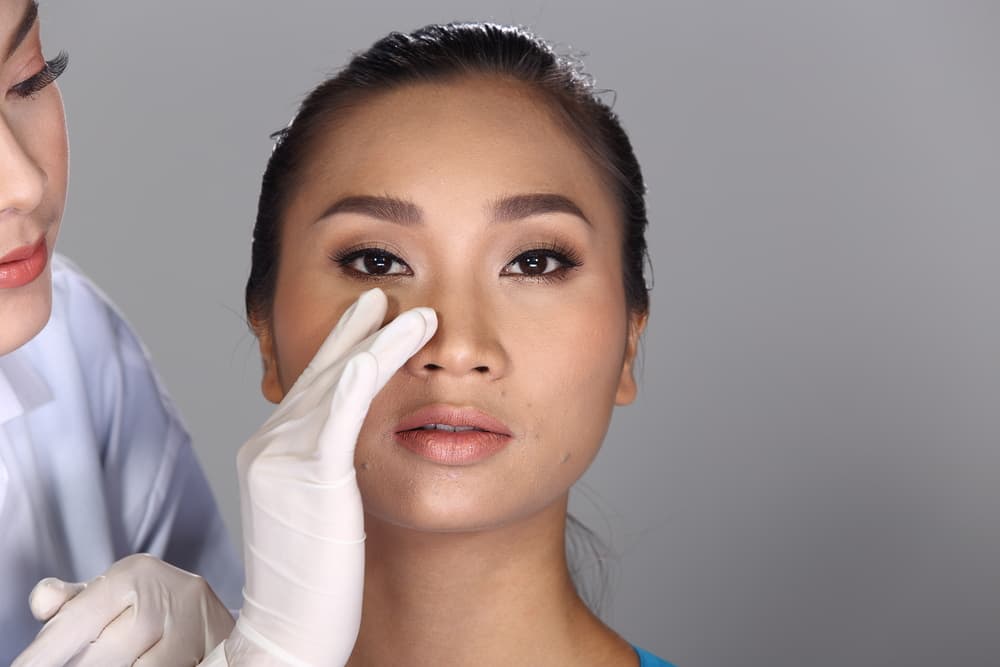
The physician enhances a recessed chin tip with fillers. The physician defines an indistinct jawline with fillers. The physician refers to this procedure as jawline shaping. The physician uses nose fillers for minor corrections. Fillers correct bone protrusions. Fillers lift the tip of the nose. This is a non-surgical alternative to rhinoplasty. Fillers are a powerful tool for balancing the profile. Rzany and Lemperle (2006) demonstrated that facial contouring is possible with fillers.
Fillers enhance lip volume, correct asymmetry, and reduce under-eye hollowness. Fine technique and proper product selection are essential.
Lip fillers increase lip volume. They define contours. Fillers correct asymmetry. However, excessive filling disrupts the natural appearance. An experienced physician delivers natural results. Under-eye light fillers reduce dark circles. Fillers fill under-eye hollowness. Fillers eliminate a tired appearance. This area is very thin and sensitive. Incorrect application carries a risk of complications. The physician uses specialized techniques for this area. Baumann (2002) emphasized the importance of proper product selection in under-eye applications.
Yes. Combined application yields more comprehensive results. The liquid facelift approach utilizes this combination. Many patients receive both treatments in the same session.
We answer yes to the question of whether Botox and fillers can be done together. Aging results from multiple factors. Muscle movements create wrinkles. Volume loss causes hollowness. A single treatment does not solve all issues. The combined approach relaxes the muscles and adds volume.
Combined treatment relaxes the muscles and adds volume. Combined treatment produces natural and balanced results. Combined treatment simultaneously addresses different causes of aging.
Botox smooths forehead lines. Filler adds volume to the cheeks. This combination makes the face look younger and more dynamic. Botox alone smooths the forehead but the cheeks may remain hollow. Filler alone fills the cheeks but forehead wrinkles may persist. Combined application eliminates this imbalance. Carruthers and colleagues (2010) reported that combined treatments yield more satisfying results.
It is a non-surgical facial rejuvenation method. This method uses Botox and fillers together. It creates a synergistic effect. It provides a non-surgical face lift.
Doctors also refer to liquid face lifting as injection-based facial rejuvenation. In this approach, the doctor evaluates the face holistically. Botox reduces wrinkles in the upper face. Filler adds volume to the mid and lower face. This combination rejuvenates the skin. This combination reduces sagging. This procedure carries no surgical risk. There is no recovery time. The results are natural and soft. Sundaram and Cassis (2010) noted that this approach has revolutionized facial rejuvenation.
The doctor evaluates facial analysis, age, and skin quality. The doctor determines aesthetic expectations. The doctor creates the plan accordingly. Every face is different. Every plan is personalized.
The doctor first examines the face. They perform a golden ratio assessment. The doctor checks skin quality, elasticity, and thickness. The doctor considers age and genetic factors. The doctor discusses aesthetic goals with the patient. The doctor establishes realistic expectations. The doctor recommends Botox to some patients. The doctor recommends fillers to some patients. The doctor recommends both to many. This planning process determines the success of the treatment. Kane (2003) emphasized that personalized planning yields the best results.
Both treatments have mild and temporary side effects. Choosing an experienced doctor significantly reduces risks. Serious complications are rare.
The doctor informs patients about side effects before the procedure. This transparency builds trust. Temporary redness, bruising, and swelling are the most common effects. These symptoms disappear within a few days.
Patients may experience redness, bruising, headache, and temporary asymmetry. The effects are short-lived. Serious complications are very rare.
Mild redness occurs at the injection site. This disappears within a few hours. Bruising is rare. However, vascular damage may lead to bruising. Headaches may occur mildly in some patients. Uneven injection dosage may cause temporary asymmetry. The doctor corrects this situation. The spread of Botox and muscle weakness are very rare complications. The doctor minimizes these risks with the correct dosage and technique. Carruthers and Carruthers (2002) showed that side effects are generally mild and temporary.
Swelling, bruising, sensitivity, and rare vascular complications may occur in the patient. Expert application is important.
Swelling after filler injection is an expected condition. It lasts for 2 to 3 days. Bruising occurs due to vessel damage during the injection. Sensitivity may persist for a few days. In rare cases, vascular complications may arise. Serious problems can occur if the filler material enters the blood vessel. Therefore, the physician must have a very good knowledge of anatomy. There is an antidote for hyaluronic acid fillers. The physician can dissolve the filler with the hyaluronidase enzyme. This safety feature distinguishes hyaluronic acid fillers. De Boulle (2004) stated that filler complications are rarely seen in experienced hands.
Choose an experienced physician. Use approved products. Anatomical knowledge and correct technique are essential. The physician prioritizes safety above all.
Choosing a physician is the most critical step in treatment. The patient should prefer a specialist or plastic surgeon. The physician should use products that have approval from the American Food and Drug Administration or the European Union. Fake or low-quality products pose serious risks. The physician must have detailed knowledge of facial anatomy. The physician should be knowledgeable about vascular and nerve structures. Sterile technique is essential. The physician should take a detailed patient history. The physician should inquire about allergy history and the use of blood thinners. Baumann (2002) outlined the fundamental principles of safe application.
Age, aesthetic goals, skin quality, and expert evaluation determine the decision. The physician should examine these factors as a whole.
The decision-making process may seem complex. However, the fundamental principles are simple. Your age, skin, and goals indicate the right treatment. The expert physician analyzes these factors. They present you with the most suitable plan.
Patients in their twenties are suitable for preventive botox. Patients aged thirty to forty may require combination treatment. Patients over fifty may require filler-focused planning.
In your twenties, your skin is youthful. There are no deep wrinkles. However, facial movements begin to leave traces. The patient may consider preventive botox during this period. In the thirties, the first wrinkles appear. Mild volume loss begins. During this period, a combination of botox and filler may be beneficial. In the forties, volume loss becomes more pronounced. The need for filler increases. In the fifties, skin sagging and volume loss are prominent. The physician plans a filler-focused treatment. The physician uses botox as a supportive measure. Coleman and Grover (2006) demonstrated that different treatment strategies are required at each stage of aging.
The goal of wrinkle reduction requires botox. The goals of adding volume and shaping the face require filler. Your goals determine the treatment.
Patients who only want to correct wrinkles may find botox sufficient. Patients seeking a fuller facial appearance require fillers. The physician uses fillers for profile correction and chin definition. Lip enhancement requires fillers. Botox corrects the forehead and brow area. Clearly communicate your goals with your physician. This communication forms the basis of the correct plan.
The distinction between dynamic and static wrinkles is important. Changes in facial fat tissue affect the plan. Each skin structure is different.
The physician should keep botox doses lower for thin and sensitive skin. The physician adjusts doses for thick and oily skin. If your facial bone structure is prominent, contouring with fillers becomes easier. If you have excess facial fat tissue, volume loss appears differently. The physician evaluates these anatomical details. They create a personalized plan for you. Kane (2003) emphasized the role of anatomical structure in treatment selection.
A personalized plan ensures safety. It creates realistic expectations. Expert analysis is essential. Choosing the right physician is half of the treatment.
The expert physician examines your face objectively. They notice details that you might not see. The physician determines which areas need botox and which need fillers. They explain the treatment plan to you. They manage your expectations. They eliminate the risk of excessive or incorrect application. They ensure you achieve safe and natural results. Baumann (2002) stated that expert evaluation plays a critical role in treatment success.
In this section, we answer the most frequently asked questions. We provide information with short and clear answers.
No. Botox relaxes muscles. Fillers add volume. They contain different substances and mechanisms. The two are not alternatives to each other.
Botox contains botulinum toxin. Fillers contain hyaluronic acid or similar substances. Botox blocks nerve signals. Fillers create physical volume. The issues treated are different. Application techniques are different. Results are different. The physician will tell you which is suitable for you.
Fillers generally last longer. Botox offers durability for 3 to 6 months. Fillers last between 6 to 18 months.
The body quickly breaks down botox. Its effect is temporary. The body also breaks down hyaluronic acid fillers. However, this process takes longer. Calcium hydroxylapatite and poly-L-lactic acid fillers are more permanent. However, the permanence of the filler depends on the area and metabolism. Fillers may dissolve faster in dynamic areas of the face.
This depends on personal needs. A young-skinned patient may start with botox. If the patient has volume loss, they prefer fillers.
If you are having aesthetic treatments for the first time, do not be afraid. Both procedures are safe. If you are in your twenties and have concerns about wrinkles, consider Botox. If you are in your thirties and your face looks sunken, consider fillers. The doctor will show you the most suitable starting point. Starting with small steps is the best approach.
Yes. Many patients receive both treatments in the same session. The specialist makes a plan. The duration of the procedure is extended, but the results are more comprehensive.
Applying in the same session is practical. The patient does not have to come on two different days. The doctor evaluates the face holistically. The doctor applies Botox first, then fillers. The order may change depending on the doctor's preference. The doctor manages the healing process together. The doctor evaluates the results together. This approach saves time.
Correct application does not change facial expression. Correct application preserves a natural look. An overdose or incorrect technique can affect expression.
Patients are most concerned about this. The correct dose of Botox does not freeze expression. The correct dose of Botox only reduces wrinkles. Fillers add natural volume. Fillers do not create a swollen or artificial appearance. An experienced doctor aims for natural aesthetics. Correct application does not change your face. You remain yourself. Correct application reveals a younger and more dynamic version of you.
The effects of Botox appear within 3 to 7 days. Filler results are immediately noticeable. As the swelling subsides, the results become clearer.
After Botox injection, the effect gradually begins. You will not feel anything in the first 24 hours. Mild tightness may appear on the second day. The effect fully manifests between the third and seventh days. Filler results appear immediately. However, there is swelling after the injection. The swelling disappears within 2 to 3 days. As the swelling subsides, the real results become clear. The patient evaluates the final result within a week.
The patient may experience a slight stinging sensation. Anesthetic creams reduce pain. The procedure is short. The pain is at a tolerable level.
Botox needles are very thin. The patient feels a slight sting. Most patients do not report pain. The patient may feel the filler injection a bit more distinctly. However, the doctor applies anesthetic cream before the procedure. Some filler products contain local anesthetics. The procedure duration is short. Pain is temporary. Sensitivity after the procedure lasts for a few hours.
Botox is suitable for dynamic wrinkles. Fillers are suitable for volume loss and shaping. A specialist evaluation provides the most accurate result. The two treatments are not alternatives to each other.
In this article, we examined both treatments in detail. Botox reduces muscle movements. Fillers add volume. Botox is a more suitable option for dynamic wrinkles. Fillers are more effective for static wrinkles and volume loss. Many patients receive both treatments together. This combined approach yields more comprehensive results.
The physician achieves the best results through detailed facial analysis and personalized planning. Expert physician evaluation is critical for safety and quality of results. Age, skin type, aesthetic goals, and anatomical needs determine the choice of treatment. Scientific evidence shows that both treatments are safe and effective.
Make this decision together with an expert physician. Set realistic expectations. Achieve natural and balanced results. Medical aesthetics makes you you again. A younger and more dynamic appearance is possible. Botox and fillers are powerful tools on this journey. In the right hands, both treatments yield excellent results.
Carruthers, Jean, and Alastair Carruthers. "Botulinum Toxin in Clinical Medicine." American Journal of Clinical , vol. 3, no. 3, 2002, pp. 215-217.
Carruthers, Jean, et al. "A Multicenter, Double-Blind, Randomized, Placebo-Controlled Study of Botulinum Toxin Type A." Journal of the American Academy of , vol. 46, no. 6, 2002, pp. 840-849.
Monheit, Gary D., et al. "Hyaluronic Acid Fillers: A Comprehensive Review." Surgery, vol. 32, no. 8, 2006, pp. 1068-1076.
Coleman, Sydney R., and Rajiv Grover. "The Anatomy of the Aging Face." Plastic and Reconstructive Surgery, vol. 118, no. 5, 2006, pp. 106-120.
Kane, Michael A. "Classification of Facial Wrinkles." Facial Plastic Surgery, vol. 19, no. 3, 2003, pp. 269-276.
Rzany, Berthold, and Gottfried Lemperle. Injectable Implants in Aesthetic Medicine. Springer, 2006.
Fagien, Steven. "Botulinum Toxin for Brow Lift." Ophthalmic Plastic and Reconstructive Surgery, vol. 19, no. 4, 2003, pp. 305-308.
Gold, Michael H. "Botulinum Toxin for Hyperhidrosis." Clinics, vol. 22, no. 4, 2004, pp. 485-490.
Baumann, Leslie. Cosmetic : Principles and Practice. McGraw-Hill, 2002.
De Boulle, Koenraad. "Management of Complications after Implantation of Fillers." Journal of Cosmetic , vol. 3, no. 1, 2004, pp. 2-15.
Sundaram, Hema, and Neil S. Cassis. "Liquid Facelift: Combining Neurotoxins and Fillers." Facial Plastic Surgery, vol. 26, no. 2, 2010, pp. 105-115.