Yükleniyor…
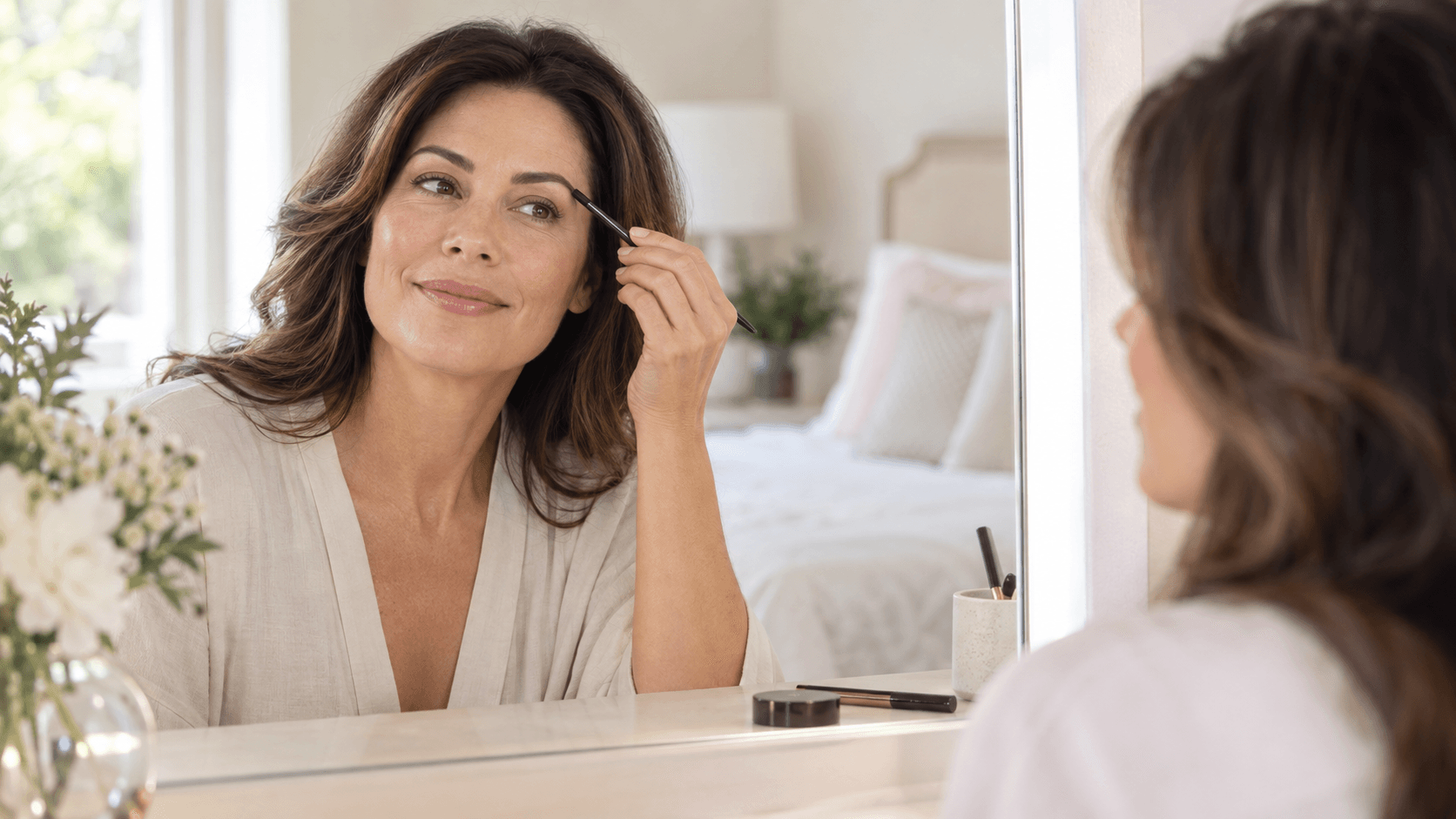
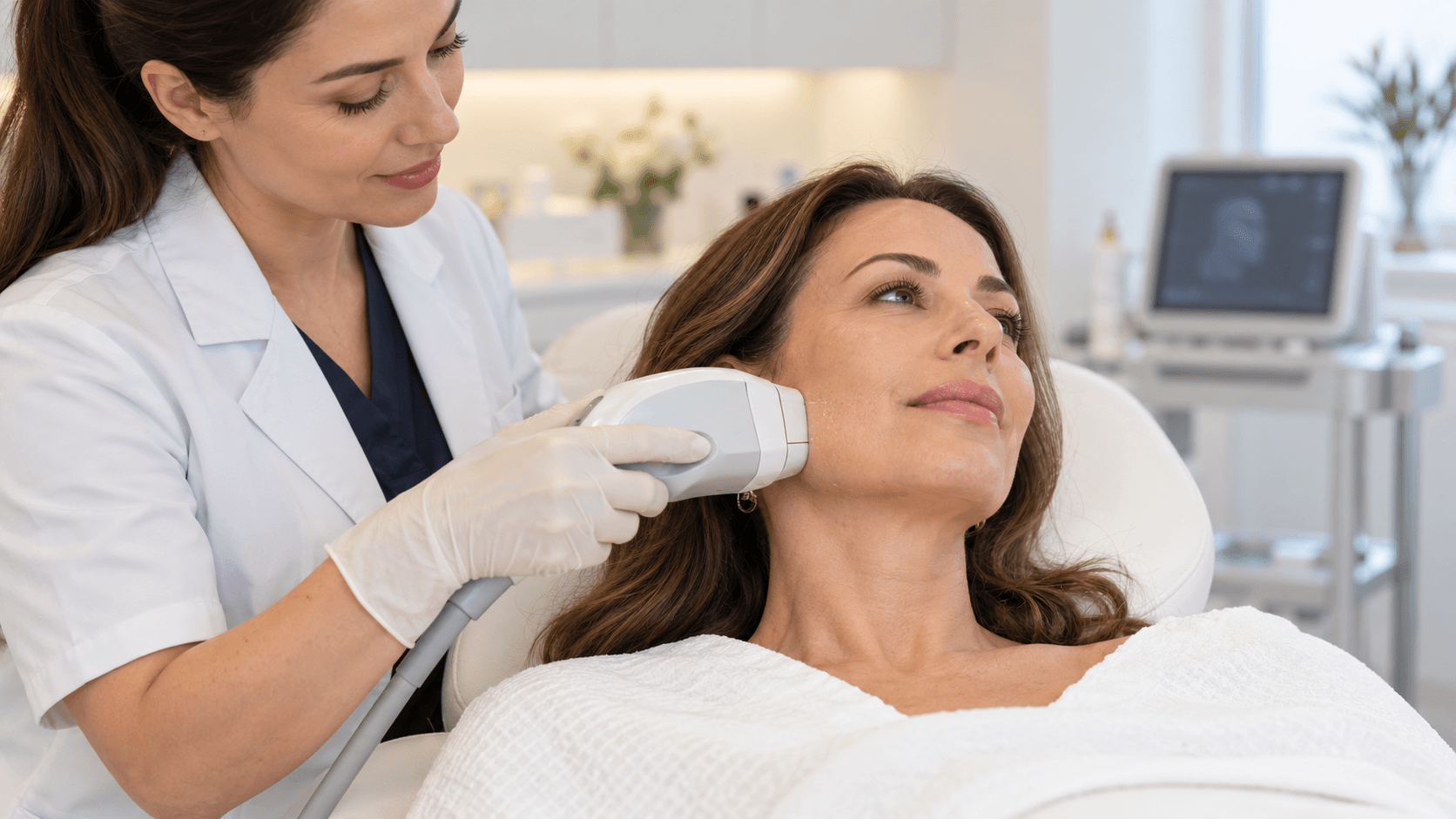
Laser eyebrow lifting can be applied after the procedure, but it must be started only when the skin has sufficiently healed. This period varies depending on the laser method used and the individual's healing speed. In non-ablative procedures, it usually takes 5 to 7 days, while in ablative procedures like CO₂ laser, it takes 10 to 14 days. The safest timeline is determined by the approval of the performing physician.
Laser eyebrow lifting is an increasingly preferred aesthetic procedure aimed at alleviating the sagging and tired appearance around the eyebrows. One of the most frequently asked questions by patients during the post-procedure period is when they can return to makeup. The reason is clear: most people want to return to their daily lives as soon as possible. However, rushing to apply makeup after laser treatment can prolong the healing process and lead to unwanted skin issues. This article addresses the use of makeup after laser eyebrow lifting within a scientific framework and provides a step-by-step safe roadmap.
Laser temporarily disrupts the skin barrier in the treatment area. During this period, fragrances, alcohol, and active ingredients in cosmetic products can lead to irritation and infection. The friction and pressure caused by makeup application can also stress the healing tissue, necessitating a delay in makeup use.
The laser application creates controlled damage. While the skin repairs this damage, it temporarily becomes more sensitive. Alster and West, in their studies examining ablative laser applications on the face, have shown that during the post-procedure period, the protective skin layer is largely damaged before the epidermis can regenerate (Alster and West 2035). At this stage, any cosmetic product applied can penetrate deeper layers and trigger an inflammatory response.
The brushes, sponges, and finger movements used during makeup application apply mechanical stress to the healing area. This stress can force the re-formation of blood vessels and prolong redness. Additionally, makeup applied too early can hinder the skin's own repair cycle and delay cellular renewal. Therefore, a short waiting period is a wise choice for long-term results.
Makeup should not be started until the skin is completely healed. In non-ablative lasers, this period is typically between 5 to 7 days, while in ablative CO₂ laser applications, it is between 10 to 14 days. However, if peeling, crusting, noticeable redness, or sensitivity persists, it is necessary to wait. The criterion before the timeline is the physician's approval.
The difference between ablative and non-ablative lasers directly determines the healing timeline. Ablative lasers vaporize the upper layer of the epidermis. Therefore, they require a more pronounced re-surfacing and the makeup ban lasts longer. Preissig and Hamilton reported in their review comparing the healing process of ablative fractional CO₂ laser applications that cosmetic procedures performed in the early period increase the risk of complications (Preissig and Hamilton 26).
Non-ablative treatments provide dermal heating without leaving the epidermis exposed. Therefore, crusting on the surface is rare, and a waiting period of 3 to 5 days may be sufficient. However, makeup should be postponed as long as dryness, flaking, or a slight burning sensation persists. The table below summarizes the differences between the two methods.
Feature | Ablative Laser (CO₂, Er:YAG) | Non-Ablative Laser |
Epidermis condition | Top layer is removed | Epidermis is preserved |
Crusting | Prominent | Mild or none |
Makeup waiting period | 10 to 14 days | 5 to 7 days |
Return to daily life | Approximately 2 weeks | A few days |
Doctor approval | Mandatory | Mandatory |
As the table shows, regardless of the method applied, the doctor's assessment is the final decision. Each skin has a different healing rate.
After healing is complete, mineral-based, hypoallergenic, fragrance-free, and non-comedogenic products should be preferred. Heavy and dense formulas should be avoided. Product selection should be made according to the current sensitivity of the skin.
Mineral-based products contain natural minerals such as zinc oxide and titanium dioxide. These ingredients have a low risk of irritation and provide natural sun protection properties. They are ideal for sensitive and healing skin.
Mineral formulas are free from synthetic preservatives, talc, and artificial fragrances. This composition reduces the likelihood of allergic reactions on skin that has weakened barriers after laser treatment. Additionally, mineral particles create a breathable layer on the skin and do not clog pores. Therefore, they are one of the safest options for initial makeup application.
Hypoallergenic products are formulations that minimize allergenic substance content. Fragrance-free products eliminate irritation caused by fragrance chemicals. Together, they reduce the risk of unnecessary reactions in healing skin.
Fragrance substances are one of the most common causes of contact dermatitis in cosmetic products. Dreno and colleagues found that perfumes and preservatives are major triggers in their study on cosmetic-related skin reactions (Dreno et al. 85). Since skin reactions after laser treatment can be stronger than normal, products free from such ingredients are a necessary choice.
Non-comedogenic products are formulations that do not clog pores. This feature helps prevent acne and microcyst formation, especially in porous areas like the forehead and around the eyebrows.
After laser treatment, the skin may produce more sebum for a while, and pore permeability may change. Comedogenic products can clog pores in this environment, leading to inflammatory lesions. Non-comedogenic formulas eliminate this risk and support the skin's return to its normal balance.
Lightweight foundations and concealers can be used when there are no scabs or open wounds on the skin, meaning after complete healing. These products provide light color correction without weighing down the skin and should be applied gently.
Heavy concealers create a thick layer that prevents the skin from breathing. Since tissue oxygenation in healing areas is critical, thin and lightweight products should be preferred in the first weeks. The amount of product should be kept minimal and applied with light touches using fingertips or a clean sponge.
Products containing perfume and alcohol, retinoids, AHA and BHA acids, intense exfoliants, and drying formulas should not be used until healing is complete. Mechanical and chemical applications that accelerate peeling should also be completely postponed.
The following list includes ingredients to avoid during the post-laser period and the reasons for avoidance.
Ingredients to Avoid | Why is it harmful? | When can it be resumed? |
Perfume and alcohol | Risk of irritation and contact dermatitis | After healing is complete |
Retinoids (tretinoin, retinol) | Thins the skin, increases sensitivity | 2 to 4 weeks after physician approval |
AHA and BHA acids | Accelerates exfoliation, stresses the barrier | After healing is complete |
Physical peeling products | Causes mechanical trauma | After flaking is completely finished |
Drying formulas | Slows down the repair of the skin barrier | After the skin returns to normal |
Retinoids and exfoliating acids are typically components that support skin renewal. However, during the post-laser period, the skin is already undergoing an intense repair process. These actives add extra burden and increase the risk of hyperpigmentation. Therefore, waiting is the best decision.
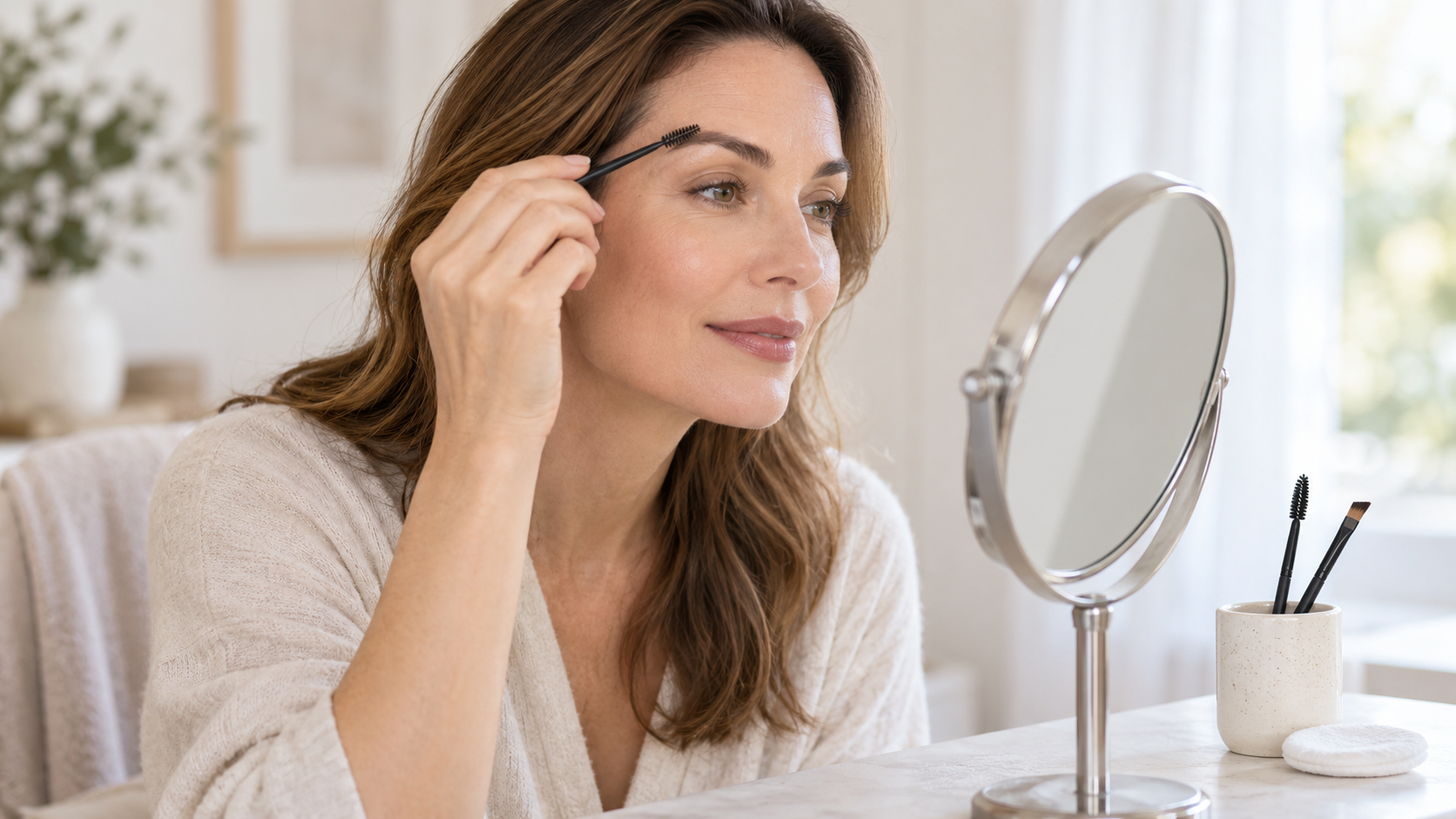
Pressure should not be applied to the treated area. Brushes, sponges, and applicators must be clean. Products should be applied gently without rubbing. Scabs should not be attempted to be covered. When removing makeup, friction should be minimized.
All these rules serve a single purpose: to avoid mechanical damage to the healing tissue. Dirty brushes carry bacteria, and these bacteria can lead to infection in skin with a weakened barrier. Therefore, it is important to regularly wash brushes and let them dry in the air in daily life.
Scabbing skin is the natural protective bandage of the skin. If this layer is attempted to be covered with concealer or a pencil, the natural shedding process is disrupted, and there is a risk of scarring. Scabs should fall off on their own. Gentleness is the main principle during this period.
A gentle, fragrance-free, and non-irritating cleanser should be used with lukewarm water. The skin should not be rubbed. After cleansing, a moisturizer that supports the skin barrier should be applied. The care products recommended by the physician should always take priority.
Lukewarm water dissolves dirt without drying the skin. Using hot water dilates the blood vessels and increases redness. Therefore, lukewarm water is ideal. During cleansing, light pressure with cotton or clean fingertips is sufficient. Rubbing movements should be completely avoided.
After cleansing, the moisturizer or barrier-repairing product recommended by the physician should be applied. These products contain barrier-supporting ingredients such as ceramides and hyaluronic acid. Moist skin heals faster and with less scarring.
Increased redness, burning, stinging sensation, new rashes, increased swelling, or unexpected sensitivity are important warning signs. If these symptoms occur, makeup should be immediately discontinued, and a healthcare professional should be consulted.
Redness that starts after healing is usually a sign of a reaction to a product. A burning and stinging sensation similarly suggests the presence of an irritating ingredient. Newly formed acne and rashes may indicate that the pores are clogged.
The table below compares symptoms and possible causes.
Symptom | Possible cause | What to do |
Increased redness | Irritating ingredient exposure | Stop using the product, consult a doctor |
Burning and stinging | Alcohol or perfume content | Immediate rinsing, pause makeup |
New rashes | Comedogenic product | Product change, monitoring |
Increased swelling | May be a sign of infection | Consult a doctor on the same day |
Unexpected color change | Post-inflammatory pigmentation | Check for early intervention |
Signs of swelling and inflammation should be taken seriously. Early intervention significantly reduces the risk of permanent scarring.
Healing skin is very sensitive to UV rays. A broad-spectrum sunscreen with at least SPF 30 should be applied daily. Physical protection methods such as hats and sunglasses should also be used. Sun exposure significantly increases the risk of pigment changes and irritation.
After laser treatment, melanocytes temporarily become more sensitive. When sunlight stimulates these cells, dark spots may appear on the skin. This condition is called post-inflammatory hyperpigmentation and may take months to resolve. Alster has noted in studies that post-laser sun exposure increases the risk of hyperpigmentation, indicating that this is the most common late complication (Alster 254).
Physical protection is safer than chemical protection. A wide-brimmed hat protects the upper part of the face from direct sunlight. UV-protected sunglasses also support the area around the eyes and brows. Protective products should be applied 20 minutes before going outside and reapplied every two hours.
No, the rules are not the same. While laser treatments affect the surface, surgical brow lift procedures involve deeper tissues and incisions. Makeup restrictions may be longer and stricter for patients with surgical incisions. In every case, patient-specific postoperative instructions should be followed.
Surgical brow lifting is a procedure where the subcutaneous tissues are displaced and stitches are present. Therefore, the risk of infection is higher, and it is necessary to avoid makeup on the incision line for a longer period. Makeup around the eyes and brows is generally restricted for two weeks or longer after surgery.
In laser applications, restrictions last for a shorter duration when there are no open wounds on the surface. Nevertheless, the differences between the two methods are significant, and the comparison table clearly illustrates this.
Criteria | Laser Brow Lifting | Surgical Brow Lifting |
Tissue damage | Superficial, controlled | Deep, involves incision |
Risk of infection | Moderate | Higher |
Makeup prohibition | 5 to 14 days | Generally 14 days and above |
Scarring | Rarely | Incision scar remains |
Regardless of the method applied, the written instructions provided by the physician must be followed. General information does not replace personal circumstances.
Gentle skin cleansing, appropriate moisturizing, protection of the skin barrier, avoiding unnecessary facial contact, limiting intense exercise and excessive sweating, and protection from environmental irritants are essential steps to support recovery.
Daily cleansing should be done with lukewarm water and a gentle cleanser. Moisturizer should be applied when the skin is slightly damp. This reduces water loss and accelerates barrier repair. The face should not be unnecessarily touched as hands carry bacteria.
Intense exercise should be postponed for the first week. Sweat can cause irritation and infection in the healing area. Similarly, sauna, steam baths, and excessively hot environments should be avoided. These simple precautions directly affect the quality of healing.
No, makeup should not be applied one day later. The skin is open and sensitive at this stage. Makeup significantly increases the risk of infection and irritation. It should be waited for at least 5 days.
Light mineral foundation can be used after healing is complete. However, all types of makeup, including foundation, should be postponed while healing continues. Light formulas should be the first choice.
Eyebrow pencil or eyebrow powder can be used after the scabbing and sensitivity in the eyebrow area have completely passed. This usually takes 7 to 10 days. Products should be clean and sharp.
Eye makeup can be applied earlier as you move away from the treatment area. However, if the eyebrow and forehead area are still sensitive, eye makeup should also be postponed. Care should be taken when applying products to the lash line.
No, even concealer should not be used before healing is complete. Thick formulas suffocate the skin and slow down the repair process. Redness should not be attempted to be covered.
Makeup should be rinsed off immediately and the use of products should be paused. If redness does not go away within 24 hours, a doctor should be consulted. The product's ingredient list should be checked.
One can usually return to their normal makeup routine 2 to 4 weeks later. This period depends on the skin returning to normal and the tolerance to active ingredients. Doctor approval is essential.
Makeup should only be started when the skin has healed sufficiently. Products should be chosen suitable for sensitive skin. Rubbing on the eyebrow and forehead area should be avoided. Sun protection should never be neglected. The recommendations given by the doctor according to the personal healing process should be strictly followed.
The entire content of this article revolves around a single main thought: patience is the most valuable medicine during the post-laser period. Early makeup poses a risk of permanent skin damage against a temporary beauty concern. Conscious waiting brings the best results both health-wise and aesthetically.
Alster, Tina S. "Prevention and Treatment of Side Effects and Complications of Cutaneous Laser Resurfacing." Plastic and Reconstructive Surgery, vol. 105, no. 4, 1999, pp. 1235-1243.
Alster, Tina S., and Thad L. West. "Textural Improvement and Rejuvenation with the Microdermabrasion Plus Nonablative Laser Combination." Surgery, vol. 31, no. 9, 2005, pp. 2035-2036.
Dreno, Brigitte, et al. "Allergic Contact Dermatitis to Cosmetic Ingredients." Journal of the European Academy of and Venereology, vol. 15, no. 2, 2001, pp. 83-86.
Preissig, Jason, and Sander Hamilton. "Current Status of Fractional Laser Resurfacing." Journal of the American Medical Association Facial Plastic Surgery, vol. 14, no. 3, 2012, pp. 20-25.