Yükleniyor…
Yes, laser brow lifting may cause slight swelling afterwards. This is a normal response of the tissues to controlled heat. Swelling is usually observed within the first 24–48 hours. In most cases, it significantly decreases within 1–3 days. It is much milder and shorter in duration compared to surgical methods.
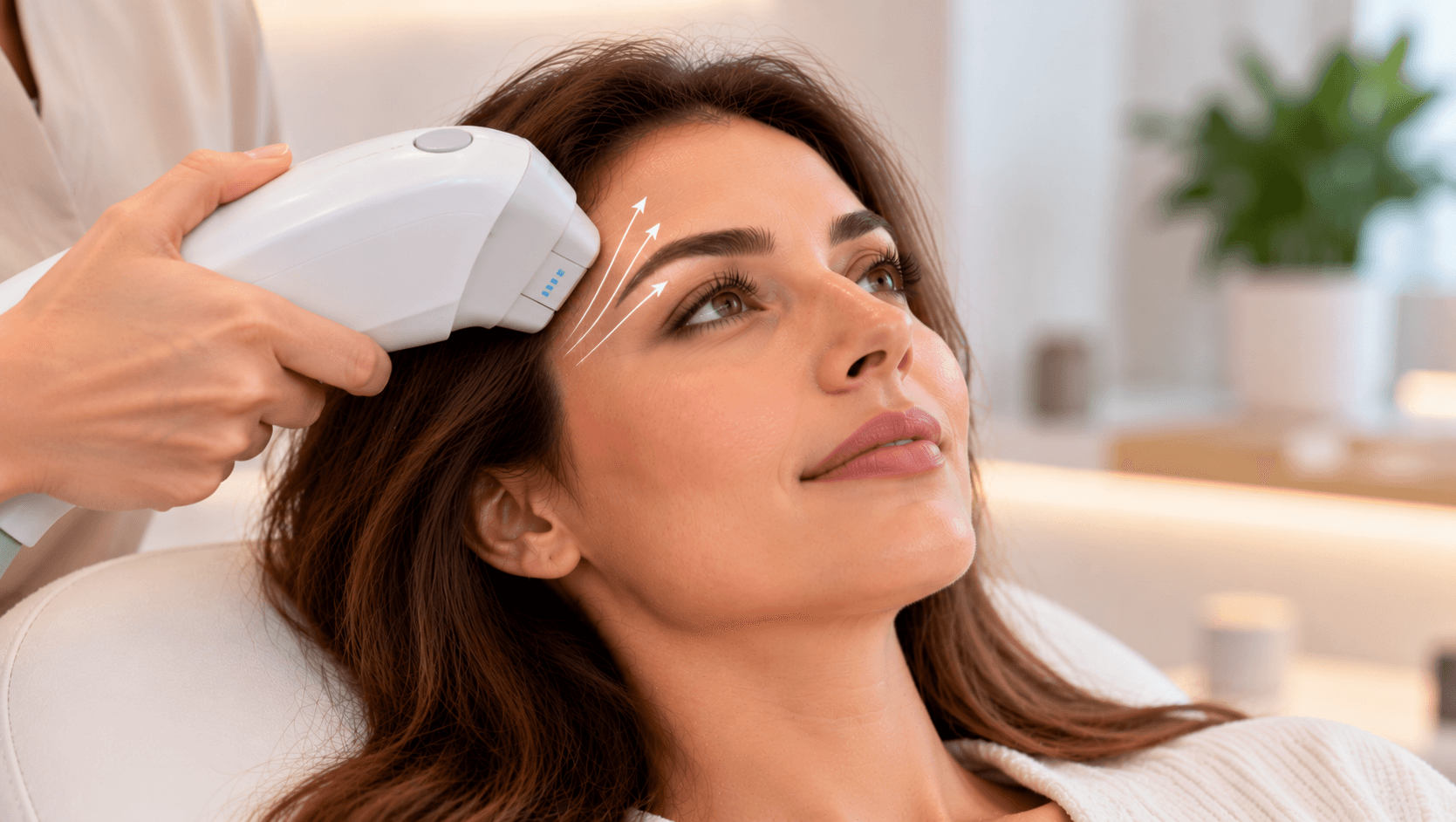
Laser energy reaches the deeper layers of the skin around the brow and eyes. Water molecules absorb this energy. Heat shortens and tightens collagen fibers. It also stimulates fibroblasts. These cells produce new collagen. The skin is remodeled from within.
The production of collagen and skin tightening lifts the brow position upwards. The skin appears firmer. This effect can be felt even after a single session. However, the actual results emerge within a few weeks with collagen remodeling.
The main difference from surgical brow lifting is the preservation of skin integrity. The laser does not damage the outer layer. The skin barrier remains intact. Therefore, the healing process is much faster. There are no wounds, stitches, or incisions. The procedure is minimally invasive. This structure directly shortens the healing process. The patient can return to normal activities on the same day.
Laser energy creates controlled thermal damage in the tissues. The body perceives this as a signal of injury. An inflammatory response begins immediately. Blood vessels dilate. Blood flow increases. This process is a vascular response. Temporary inflammation is the first step of healing.
The skin around the eyes is the thinnest area of the face. The tissue in this area is more sensitive to swelling. Blood vessels are located more superficially here. Fluid accumulation appears more pronounced under the thin skin. Therefore, edema is easily noticeable on the eyelids and around the brows.
Many factors play a role in the variation of swelling from person to person. Skin type, vascular density, and laser settings are among these factors. Some individuals may experience very mild swelling, while others may have slightly more pronounced swelling. This difference is completely normal.
There is a difference between mild edema and noticeable swelling. Mild edema is a slight fullness of the skin. Noticeable swelling is the puffiness of the eyelids and the stretching of the skin around the brows. Most patients experience mild edema.
Temporary swelling may be observed around the brows and upper eyelid. This swelling is usually short-lived. The first 24–48 hours is the most pronounced period. It then rapidly subsides. Skin type, laser energy, and the width of the treatment area affect the degree of swelling.
Lotfi and colleagues (2023) evaluated the side effects of edema, swelling, and redness after Endolift laser application for a week. The study showed that these effects are generally mild. Another clinical source reports that redness, swelling, and sensitivity mostly subside within a few days.
A feeling of fullness in the skin begins within the first few hours. This is due to the accumulation of heat in the tissues. Swelling peaks within the first 24 hours. The area around the eyes may appear slightly swollen.
Signs of healing begin between 24–48 hours. The blood vessels return to their normal diameter. Fluid circulation accelerates. The edema gradually subsides. Within a few days, swelling significantly decreases. The skin approaches its normal appearance.
Prolonged edema is rare. If swelling lasts more than three days, it is necessary to consult a healthcare professional. This situation depends on the individual's healing characteristics. Generally, swelling after laser eyebrow lifting does not last long.
In laser procedures, the integrity of the skin is preserved. The epidermis, or outer layer, is not damaged. Therefore, edema is very mild. In the surgical method, however, the tissue is directly manipulated. There are incisions, stitches, and deep tissue interventions.
Swelling and bruising in surgical eyebrow lifting last longer. After endoscopic surgery, swelling may continue for 1–2 days. After open surgery, this period can extend to about a week. In laser applications, however, swelling usually disappears within 1–3 days.
The healing expectations of the two methods are not the same. The duration of swelling in surgical sources should not be directly transferred to laser applications. Laser causes much less trauma. Therefore, the rate of recovery and the severity of swelling cannot be compared to surgery.
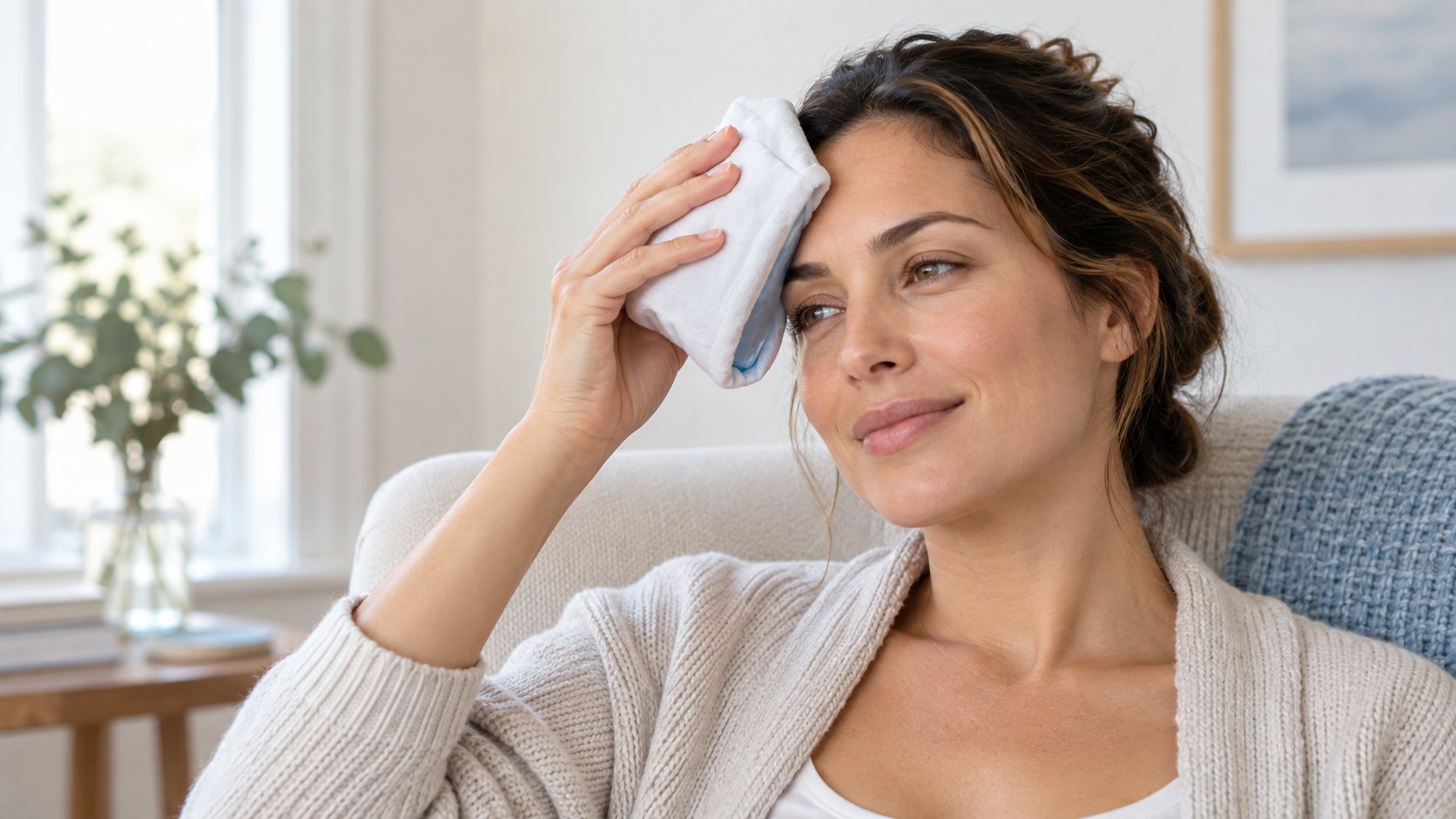
Cold compress reduces swelling by constricting blood vessels. This method slows down blood flow. It prevents fluid accumulation. However, direct contact of ice with the skin is prohibited. There must be a clean cloth in between.
The duration of application is adjusted according to the doctor's recommendations. Generally, 10–15 minutes is sufficient. Sessions can be repeated several times a day. Excessive cold can cause damage to the skin. Therefore, it is not correct to exceed the recommended time.
Keeping the head slightly elevated helps reduce swelling. Gravity helps move fluid away from the face. This simple precaution increases the rate of resolution of swelling.
Care should be taken with the sleeping position. The number of pillows can be increased. Sleeping on the stomach puts pressure on the eye area. This increases swelling. Manual pressure should not be applied to the eye area. Touching can move the fluid accumulation.
Intense exercise should be limited in the first days. Effort increases body temperature. Increased heat dilates blood vessels. This intensifies swelling. Excessive effort raises blood pressure.
The veins in the face are sensitive to this increase in pressure. Heavy exercise should be avoided in the first 48 hours. Light activities like walking do not cause problems. Gradual return to activities is the most appropriate approach.
Sauna, steam baths, and very hot showers should be avoided. Heat increases redness. It delays the resolution of swelling. Hot environments dilate the blood vessels. This situation negatively affects the healing tissues.
For the first few days, washing should be done with lukewarm water. Hot towel compresses should not be applied. The effect of heat on redness and swelling has been scientifically proven. Therefore, avoiding hot environments accelerates healing.
Gentle cleansing is the first rule. The skin becomes sensitive after the procedure. Harsh cleansers should not be used. Fragrance-free, pH-balanced products are preferred. Washing should be done with gentle motions.
Moisturizing is very important. Sensitive skin should be kept away from irritating actives. Retinol, acids, and similar strong ingredients should not be used in the first week. These substances can further sensitize the skin.
Sun protection is essential. High SPF sunscreens should be used. The skin is more vulnerable to sunlight after laser treatment. Sun exposure can lead to pigment changes. Makeup can generally be started after 24 hours. However, approval from the physician should be obtained.
Redness is the most commonly observed effect. A feeling of warmth may occur in the skin. This sensation disappears within a few hours. Sensitivity is a mild reaction to touch. The skin may feel slightly tight.
Temporary puffiness may be observed on the eyelid. This condition results from the spread of swelling to the eye area. Rarely, pigment changes or thermal damage may occur. This risk increases with incorrect settings or unsuitable skin types. Choosing the right physician minimizes these risks.
If swelling is progressively increasing, this is not normal. Severe or persistent pain is a warning signal. A significant increase in temperature may indicate an infection. Widespread redness exceeds normal limits.
If discharge, crusting, or signs of infection are observed, a doctor should be consulted immediately. Changes in vision are a very serious sign. If swelling continues outside the expected healing process, evaluation is necessary. Sudden and pronounced swelling around the eyes may require urgent intervention.
Yes, swelling temporarily alters the results. The eyebrows may appear different from the first days. Swelling can flatten the eyebrow line. This condition does not reflect the final result.
Swelling may create a perception of asymmetry. One eyelid may appear more swollen than the other. This is completely normal. It is not correct to evaluate the final result early. Collagen remodeling continues over time. Schmults and colleagues (2004) have shown that new collagen formation begins in the first month and becomes evident in the third month.
An early tightening sensation is felt after the procedure. This effect is due to the heat shortening the collagen fibers. A slight tightening of the skin can be observed in the first weeks. However, the main change occurs in the following period.
Collagen production is a process that unfolds over time. Fibroblasts continue to produce new fibers. This production continues from the third month to the sixth month. Patience is required in evaluating the result. Laser sources indicate that early changes appear within a few weeks and the result becomes apparent in the following months.
Returning to work is generally possible on the same day or the next day. Resuming social activities can occur within 24–48 hours. Light exercise can be done starting from the second day.
Intense sports should be postponed for at least 48–72 hours. Returning to the skincare routine should be done with gentle products. Sun exposure should be limited with high-protection creams. Direct exposure to the sun can delay healing.
The laser technology used determines the severity of swelling. In surface-protective lasers, swelling is milder. Laser energy and application settings are very important. High energy creates a more pronounced reaction.
Skin type and sensitivity are personal factors. Redness may be more pronounced in lighter skin. Anatomical features around the eyes also play a role. Thin skin shows swelling more. The width of the application area affects the amount of swelling. Personal healing characteristics and the correct application of post-procedure care directly change the outcome.
Factor | Effect on Swelling |
Type of Laser | Swelling is milder in surface-protective systems |
Energy Level | High settings increase the risk of noticeable swelling |
Skin thickness | Swelling is more visible in thin skin |
Application area | Larger areas have a higher potential for edema |
Quality of care | Proper care quickly reduces swelling |
Yes, swelling is completely normal. Controlled thermal damage activates the body's defense mechanism. During this process, blood vessels temporarily dilate. As a result, mild edema occurs. This is part of the healing process.
Swelling typically lasts 1–3 days. The first 24–48 hours is the most pronounced period. It then decreases rapidly. Resan and colleagues (2016) showed that the acute inflammatory response peaks in the first 24 hours after laser treatment. This finding supports that the swelling is short-lived.
Yes, swelling on the eyelids is normal. The area around the eyes has the thinnest skin on the face. Fluid accumulation appears more pronounced in this area. Swelling is usually localized on the upper eyelid and around the brow bone.
Yes, a cold compress is effective. Cold constricts blood vessels and slows down blood flow. This facilitates the dispersal of edema fluid. However, ice should not be applied directly to the skin.
Generally, light makeup can be applied after 24 hours. However, applying foundation or powder to the treatment area may be risky. Makeup should not be applied without the physician's approval.
Light walking can be done immediately. However, intense exercise should be postponed for 48–72 hours. Physical exertion raises body temperature. Increased heat intensifies edema. Sweat can irritate the treatment area.
No, this is not correct. Edema temporarily alters the brow line. The final result is seen after the swelling has completely subsided. Evaluation should be done after at least 2–4 weeks.
Yes, you should consult a doctor if the swelling lasts more than three days. Increased pain, redness, or heat are also reasons to seek medical attention. Early intervention prevents possible complications.
The physician's personal care instructions must be followed completely. Every skin type is different. Personalized recommendations are the most accurate guide. Products and medications that are not recommended should be strictly avoided. Especially blood thinners can increase swelling.
The treatment area should not be rubbed. Friction causes irritation. Sun protection is one of the most important steps. High SPF sunscreens should be used daily. In cases requiring monitoring, a healthcare professional should be consulted without delay.
Lotfi, Ehsan, et al. "Evaluation of Eyebrow Position and Upper Eyelid Laxity after Endolift Laser Treatment." Journal of Cosmetic , 2023.
Schmults, Chrys D., et al. "Nonablative Facial Remodeling: Erythema Reduction and Histologic Evidence of New Collagen Formation Using a 300-Microsecond 1064-nm Nd:YAG Laser." Archives of , vol. 140, no. 11, 2004, pp. 1373-1377.
Resan, Mirko, et al. "The Acute Phase of Inflammatory Response Involved in Corneal Wound Healing after Excimer Laser Treatment." Vojnosanitetski Pregled, vol. 73, no. 6, 2016, pp. 539-545.
"Fractional Laser Resurfacing Treats Photoaging by Promoting Neocollagenesis and Cutaneous Edema." PMC, 2020.
Paasch, Uwe, and Tarek Said. "Stimulation of Collagen and Elastin Production In-Vivo Using 1,540 nm Er:Glass Laser: Assessment of Safety and Efficacy." Journal of Cosmetic and Laser Therapy, vol. 22, no. 2, 2020, pp. 77-83.
"Nonablative Tissue Remodeling and Photorejuvenation." Seminars in Cutaneous Medicine and Surgery, Elsevier, 2007.
"Visible and Quantifiable Improvement in Skin Roughness and Texture Using a High Power Non-ablative 1540-nm Fractional Erbium: Glass Laser." Journal of Clinical and Aesthetic , vol. 15, no. 10, 2022, pp. 38-44.