Yükleniyor…

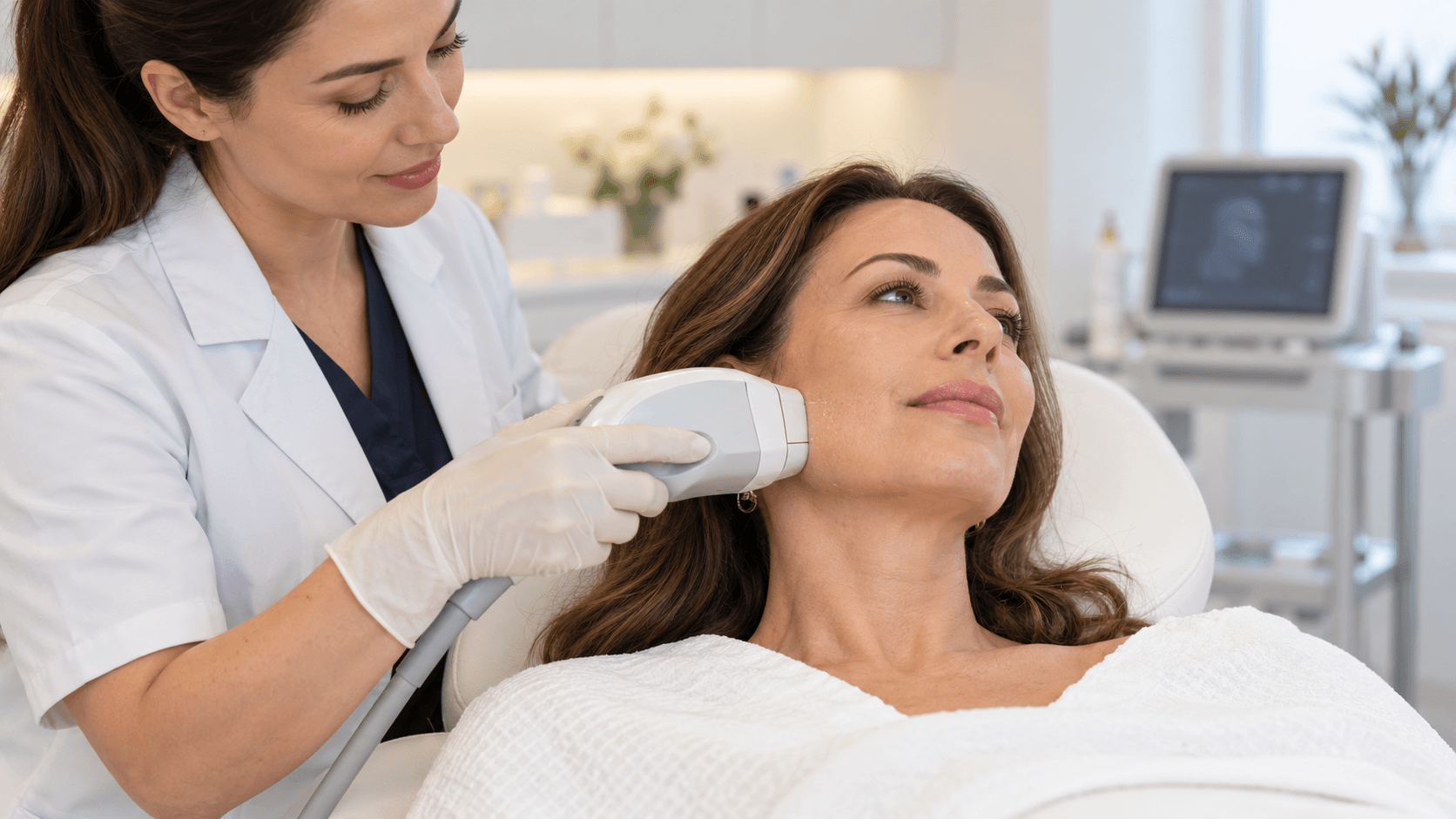
Laser Brow Lift is a non-surgical procedure aimed at making the skin appear tighter and lifted using low-power laser energy. Systems like Fotona VectorLift create controlled heat focal points in the dermis layer, activating the body's own repair system. The tissues heated during the procedure lead to redness as a natural defense response.
This redness is a temporary skin reaction for most individuals. When healthy skin cells perceive heat, blood vessels dilate, blood flow increases, and the skin takes on a pink or slightly red appearance. The main purpose of the procedure, which is collagen stimulation, begins precisely with this dilation of blood vessels and the subsequent chain of remodeling, so a slight redness is actually a sign that the treatment is working (Karu, 1998).
In this content, we explain based on scientific sources why redness occurs after laser brow lifting, how long it lasts, which skin types it can extend to, and what steps you should take to soothe the redness.
When the laser beam creates selective heating in the skin, blood vessels dilate, and this dilation appears as redness. This is a normal and temporary response of the skin to heat damage.
When the laser hits the skin, the light energy is absorbed by water and other target chromophores. The absorbed energy is converted to heat and creates controlled micro-heat areas in the dermis, known as selective photothermolysis. Manstein and colleagues have shown that these heat areas enable the rapid repair of healthy tissue surrounding the damaged area (Manstein et al., 2004). The same principle applies in brow lifting: the laser beam reaches the dermis, the temperature rises, and cells called fibroblasts are stimulated.
As the temperature rises, the skin dilates its superficial blood vessels to cool itself. This dilation of blood vessels produces both a sensation of warmth and visible redness. In the non-ablative laser study by Ross and colleagues, it was reported that the redness after the procedure was directly related to a temporary increase in dermal temperature and subsided within a few hours (Ross et al., 2002). Thus, redness is not a malfunction but a natural side effect of controlled heating.
The skin in the brow and eyelid area is thinner compared to other areas of the face. This thin structure leads to faster perception of heat and more pronounced vascular response. Additionally, this area has less adipose tissue, so heat transmission is different. As a result, even the same energy level can create more redness around the eyes. This is not a cause for concern; it is simply an anatomical characteristic of the area.
In most individuals, redness significantly decreases within a few hours, but in some, it may persist for up to 24 hours. The duration depends on the intensity of the procedure and skin type.
Immediately after the procedure, redness reaches its peak level. The delicate tissue around the eyes perceives heat intensely, so a pink or slightly red appearance dominates in the first 30 to 60 minutes. During this period, the skin also feels warm. Towards the end of the first hour, blood vessels gradually constrict, and the color tone begins to lighten. If a cold application is made, this regression speeds up.
Yes, it can persist, and this is expected. If the procedure intensity is high, the skin is fair and sensitive, or if the environment was warm on the day of the procedure, redness may last up to 24 hours. In the non-ablative laser study by Dierickx and colleagues, it was observed that redness related to dermal temperature can completely regress even after more than 24 hours (Dierickx et al., 2002). Redness that lasts beyond 24 hours and increases should be evaluated separately.
There are three main factors that determine the duration of redness: skin type, application energy, and post-procedure care. Thick and oily skin perceives heat more slowly, resulting in shorter redness duration. In thin and sensitive skin, the vascular response is strong, and regression may take longer. Intense energy application creates more heat accumulation. In individuals who do not use sunscreen after the procedure, redness may prolong.
Period | Expected Appearance | Approximate Duration |
Moment of Procedure | Prominent redness, feeling of warmth | 0-1 hour |
First Hours | Redness decreases rapidly | 1-6 hours |
First day | Light redness may remain | 6-24 hours |
Second day | Return to normal skin tone | 24-48 hours |
Redness gradually decreases, a short period of swelling may accompany it, and the skin typically returns to its normal appearance within 24 to 72 hours.
In the first 24 hours, redness slowly gives way to a slight irregularity in tone. A sensation of warmth in the skin may continue, but pain is not expected. The skin relaxes when moisturizer is applied. During this period, the skin barrier is temporarily sensitized, so harsh cleansers should be avoided. As observed by Ross et al., the heat-related repair process in the dermis is actively ongoing during this time (Ross et al., 2002).
Yes, it can accompany. Increased heat raises vascular permeability, and a small amount of fluid leaks between tissues. This condition is referred to as edema and is seen as mild swelling around the eyes. Swelling usually subsides within 24 to 48 hours, but it may take up to 72 hours for the edema to completely disappear. Cold compresses can shorten this process. Pronounced, painful, or unilateral swelling is not considered normal.
As the skin returns to its normal appearance, redness first turns pink and then regains its natural tone. The sensation of warmth completely disappears. Some individuals may experience fine peeling; this is a sign of dermal renewal and resolves within a few days. As the skin barrier recovers, the feeling of elasticity returns. The study by Tierney et al. on scar treatment confirms that superficial reactions after non-ablative laser treatment completely regress and the skin maintains its normal structure (Tierney et al., 2009).
Light and sensitive skin type, high application energy, and sun exposure after the procedure can lead to prolonged redness. These are normal variations and should be distinguished from complications.
Yes, it significantly affects it. Individuals with fair skin and red hair have superficial vascular structures, and their response to heat is stronger. Therefore, redness can be both more intense and longer-lasting. In darker skin types, heat distribution is different, and superficial redness usually lasts for a shorter duration; however, the risk of color change in these skin types should also be assessed. Skin analysis before the procedure is therefore essential.
Absolutely. In light sessions performed with low energy and short pulse duration, redness fades within hours. In sessions with more intense settings, heat accumulation increases and healing can extend to 24 to 48 hours. Tanzi and Alster have shown that energy density is directly related to the surface reaction time (Tanzi and Alster, 2002). Therefore, it is critically important for the practitioner to adjust the energy according to the skin.
Yes, it is the most significant external factor. Ultraviolet rays further dilate the vessels that become sensitive after the procedure and prolong redness. Additionally, sun exposure increases the risk of color changes in newly formed tissue. Using a high SPF sunscreen during the first week after the procedure significantly reduces this risk. If there are plans for sunbathing, the session should be postponed.
It can be. In skin with vascular sensitivity such as rosacea, redness may be more intense and prolonged. Skin that has recently undergone another laser or chemical peel treatment has a weakened barrier, and the reaction may be stronger. In these cases, the practitioner reduces the energy and extends the intervals between sessions. The individual must share their medical history completely.
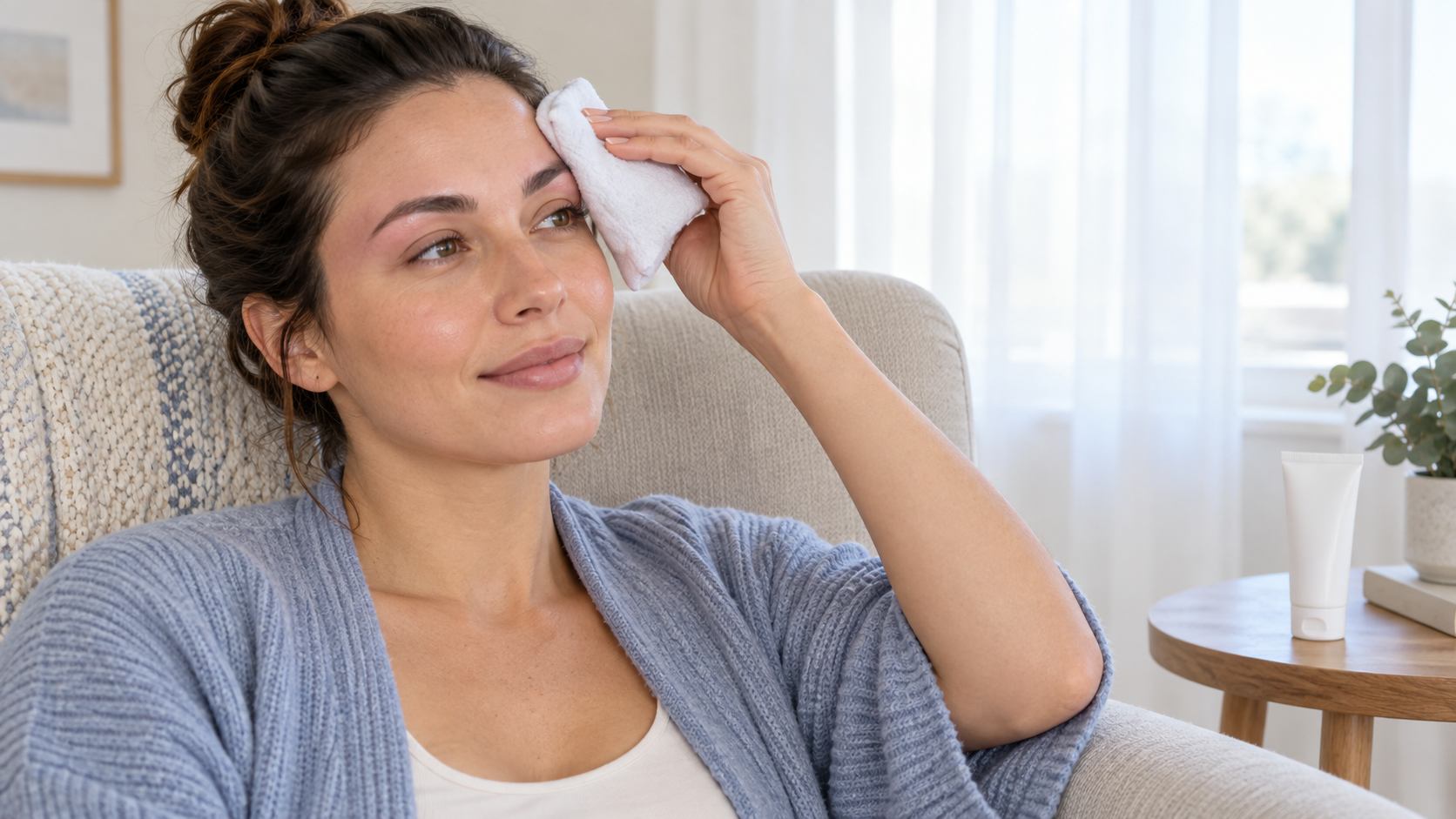
Keeping the skin cool, using broad-spectrum sunscreen, utilizing cooling products, and avoiding hot environments are the fastest steps to soothe redness.
For the first 24 hours, keeping the skin clean and avoiding harsh friction is sufficient. Gentle cleansing should be done with lukewarm water, and materials that cause friction, such as cosmetic cotton, should not be used. Hands should be clean when touching the skin. Actions such as squeezing, scratching, and rubbing increase heat accumulation and prolong redness. Allowing the skin to breathe is the simplest protection method.
Because the skin becomes photosensitive during the post-procedure period. Ultraviolet rays prolong redness and increase the risk of pigmentation. A broad-spectrum product with at least SPF 30 should be reapplied every morning during the first week after the procedure. Wearing a hat and sunglasses when going outside provides additional protection. This precaution is well supported scientifically because tissue is left vulnerable to ultraviolet light after heat damage (Dierickx et al., 2002).
If the skin feels warm in the first hours after the procedure, a cold compress can be applied with a clean cloth. Gel products that contain aloe vera, are fragrance-free, and alcohol-free can soothe redness. Consulting the practitioner before applying the product is the safest way. Ice should not be applied directly to the skin; this can cause frostbite. Cold application should be limited to 10 to 15 minutes.
Hot water, steam rooms, saunas, and intense exercise dilate blood vessels and prolong redness. During the first 48 hours post-procedure, a warm shower should be preferred, and the face should not be exposed to steam. Additionally, intense exercise raises body temperature, leading to the dilation of facial blood vessels. During this period, activities such as light-paced walking should be preferred.
Yes, mild warmth, burning, and itching can occur at the same time, and these usually completely disappear within a few hours.
Yes, it is normal. Since laser energy accumulates heat in the dermis, the skin feels warm at the end of the procedure. This sensation is similar to a very mild version of a sunburn but does not involve pain. A cold compress and a cool environment quickly reduce the feeling of warmth. Any significant warmth lasting more than 24 hours should be monitored. Karu explains that this vascular response to heat is the first link in the photobiological repair chain (Karu, 1998).
Mild burning is usually observed within the first few hours and does not exceed 12 hours. This sensation is a temporary response of superficial nerve endings to heat. The application of moisturizer and a cold compress provides relief. If the burning sensation is progressively increasing, feels like needle pricks, or causes discomfort in the eyes, the practitioner should be notified on the same day.
Yes, it can be. On the second or third day post-procedure, some individuals may experience mild itching. This is due to histamine release as the dermis regenerates and is a sign of healing. To suppress itching, the skin should not be pressed, and moisturizer should be used with doctor approval. If intense itching occurs along with blisters or crusting, evaluation is necessary. The study by Tierney et al. confirms that such superficial reactions completely resolve in non-ablative lasers (Tierney et al., 2009).
If redness is increasing instead of gradually decreasing, if there is severe pain or blistering, or if significant redness persists beyond 48 hours, professional evaluation is necessary.
In a normal course, redness fades slightly every hour. Conversely, if redness becomes more pronounced and spreads with each passing hour, this may indicate that the skin is reacting excessively to heat or the onset of an infection. In this case, rather than waiting, the practitioner should be contacted on the same day. Early intervention resolves most issues quickly and prevents the risk of permanent scarring.
Laser brow lifting is not a painful procedure; nothing more than mild discomfort is expected. Severe pain, throbbing, or a needle-like sensation may indicate deepening tissue damage. If these symptoms appear within the first 24 hours post-procedure, evaluation should be conducted without delay. Given the sensitive structures around the eyes, complaints should never be underestimated.
Fluid-filled blisters, open wounds, or color changes such as darkening are not normal reactions. These findings may indicate that the heat has exceeded the superficial tissue. Blisters should not be popped, the area should not be touched, and expert advice should be sought on the same day. Color changes can revert with appropriate care in the early stages; delaying treatment complicates the situation.
Because the person performing the procedure knows the energy level used, the number of pulses, and your skin type. With this information, they can accurately assess whether the reaction is normal or abnormal. Additionally, they will initiate appropriate treatment if necessary. All laser procedures applied to the eye area should only be performed by experienced and authorized healthcare professionals.
No, it is not the same. In non-ablation applications like Fotona VectorLift, redness is measured in hours, while in ablative procedures like carbon dioxide laser, it is measured in days or even weeks.
Ablative lasers vaporize the upper layer of the skin. This creates an open wound surface, and the body initiates intense inflammation to close this surface. As a result, redness, swelling, and scabbing can last for weeks. Manstein and colleagues noted that the fractional photothermolysis approach was developed for this reason, as non-ablation methods minimize the reaction by preserving superficial tissue (Manstein et al., 2004).
The wavelength and mechanism of action of the laser completely determine the healing process. In systems that do not create a superficial effect, the skin barrier is not disrupted, so redness lasts a short time. In systems that cause superficial destruction, repair starts from depth and the duration extends. Wunsch and Matuschka have shown that non-ablation light-based approaches stimulate collagen without raising dermal temperature (Wunsch and Matuschka, 2014).
Because their purposes and depths of effect are different. Carbon dioxide laser targets deep tissue renewal, accepting longer healing times. Non-ablation systems for brow lifting prioritize quick social recovery. They are applied for different expectations, not for the same condition. Therefore, drawing conclusions about one based on the redness duration of the other would be misleading.
Feature | Non-ablation Brow Lifting | Ablative Carbon Dioxide Laser |
Duration of Redness | Hours, rarely 24 hours | Days, weeks |
Skin Integrity | Not compromised | Upper layer evaporates |
Crusting | None | Expected |
Return to Daily Life | Same day or next day | A few days, even a week |
Purpose | Tightening and lifting | Deep tissue renewal |
Need for Anesthesia | Generally not required | Local or regional anesthesia |
Most people can return to their daily lives on the same day after the procedure; those with slight pinkness may prefer to wait 24 hours.
Yes, you can continue. In non-ablative procedures, there is no physical barrier as the skin integrity is not compromised. However, it should be noted that there may be slight discoloration on your face. If there is an important meeting or shoot, it is advisable to have the procedure done a day in advance for comfort. With cold compresses and sunscreen, your social appearance quickly returns to normal.
Makeup should not be applied on the day of the procedure. The next day, when the skin barrier has recovered, light makeup can be applied with clean products. Sponges and brushes must be clean. Heavy foundation and long-lasting products make it difficult for the skin to breathe in the first few days. Not sharing eye makeup products prevents the risk of infection.
Sunscreen with a high protection factor should be reapplied every two hours. A hat and wide-brimmed sunglasses provide extra protection. Staying in the shade during midday hours is the most effective method. During the first week after the procedure, going to the beach, sunbathing, and using tanning beds is absolutely not recommended. This rule is essential for even color recovery.
A slight tightening effect can be seen immediately, while the main lifting effect from collagen will gradually become noticeable within 2 to 8 weeks.
At the end of the procedure, the warmed tissue shows a slight tension immediately. This is a temporary effect and will fade within a few days. Still, many people notice a slight lift in their brows on the first day after the procedure. This early effect is due to the shortening of the dermis with heat. This alone is not sufficient for a permanent result.
The main result emerges from the fibroblasts producing new collagen. This process takes weeks. Wunsch and Matuschka have shown that skin density and collagen amount increase measurably with regular light-based stimulation (Wunsch and Matuschka, 2014). As new collagen fibers are organized, the brow line lifts and the area around the eyes tightens.
Because tissue renewal is a biological cycle. The collagen produced in the first weeks has not yet matured. The fibers strengthen, tighten, and restore elasticity to the skin over time. Most protocols recommend 2 to 4 sessions, and the final result continues to develop even after the last session. Ross and colleagues have reported that the histological effects of non-ablative treatments persist even months later (Ross et al., 2002).
The following answers summarize the scientific findings from the previous sections.
In most people, it significantly decreases within a few hours. On average, a slight pinkness may remain between 6 to 12 hours. In sensitive skin, this duration may extend to 24 hours. Redness lasting longer than 24 hours should be monitored.
Mild and gradually decreasing redness may last 24 to 48 hours in some individuals, and this is still within normal variation limits. However, if the redness is increasing, accompanied by pain, or if blisters are forming, it is not normal and requires evaluation.
Yes, it can be seen. Increased heat raises vascular permeability and allows a small amount of fluid to seep between tissues. This swelling usually subsides within 24 to 48 hours. Significant, painful, or unilateral swelling is not considered normal.
Yes, it can be done. A cold compress with a clean cloth for 10 to 15 minutes reduces both redness and the sensation of heat. Ice should not be applied directly to the skin. Cooling gels containing aloe vera also provide relief.
Short outings are possible with a high SPF sunscreen. However, intentional sunbathing, beach visits, and tanning beds are not recommended during the first week after the procedure. Physical protection methods like shade, hats, and sunglasses should be used together.
It should not be done on the day of the procedure. If the skin has recovered the next day, light and clean products can be used for makeup. Brush and sponge hygiene is important. If the skin is still warm and sensitive, makeup should be postponed.
If the redness exceeds 48 hours, increases progressively, is accompanied by pain or burning, or if there are blisters or color changes, immediate consultation is necessary. Early assessment is the most accurate approach rather than waiting and observing.
Redness after laser brow lifting is a temporary skin reaction caused by controlled heating and usually subsides within a few hours, completely resolving in about 24 hours for some individuals. This reaction indicates that the collagen stimulation process in the dermis has begun. The duration of redness varies depending on skin type, treatment intensity, and post-procedure care; it may last a bit longer in fair and sensitive skin.
If the redness intensifies, is accompanied by pain, causes blistering, or lasts longer than 48 hours, professional evaluation is mandatory. In every laser procedure applied to sensitive areas like around the eyes, the experience and competence of the practitioner directly affect the outcome. When performed by skilled hands, the procedure is safely completed with a short and tolerable redness process, and results become increasingly noticeable within weeks.
Dierickx, Christophe C., et al. "Histopathology of Nonablative Laser Skin Remodeling: A Clinical Histologic, and Immunohistochemical Study." Lasers in Surgery and Medicine, vol. 30, no. 2, 2002, pp. 113-119.
Karu, Tiina. The Science of Low-Power Laser Therapy. Gordon and Breach, 1998.
Manstein, Dieter, et al. "Fractional Photothermolysis: A New Concept for Cutaneous Remodeling Using Microscopic Patterns of Thermal Injury." Lasers in Surgery and Medicine, vol. 34, no. 5, 2004, pp. 426-438.
Ross, E. Victor, et al. "Long-Term Results After Nonablative Skin Remodeling: A Clinical Histologic, and Immunohistochemical Analysis." Lasers in Surgery and Medicine, vol. 30, no. 3, 2002, pp. 160-165.
Tanzi, Eric L., and Tina S. Alster. "Treatment of Atrophic Facial Acne Scars with a Dual-Mode Er:YAG Laser." Surgery, vol. 28, no. 7, 2002, pp. 551-555.
Tierney, Emily P., et al. "Treatment of Surgical Scars with Nonablative Fractional Laser versus Pulsed Dye Laser: A Randomized Controlled Trial." Journal of the American Academy of , vol. 60, no. 3, 2009, pp. 407-412.
Wunsch, Alexander, and Karsten Matuschka. "A Controlled Trial to Determine the Efficacy of Red and Near-Infrared Light Treatment in Patient Satisfaction, Reduction of Fine Lines, Wrinkles, Skin Roughness, and Intradermal Collagen Density Increase." Photomedicine and Laser Surgery, vol. 32, no. 2, 2014, pp. 93-100.