Yükleniyor…

Individuals who are not satisfied with the appearance of their jawline or chin may wish to enhance this area. Jawline filler can provide a non-surgical solution through dermal filler injections.
A soft-looking jawline and chin can arise due to aging or genetic factors. Jawline filler can particularly add definition, symmetry, balance, and contour to this area, especially in profile view.
However, not all filler materials and practitioners are the same. It is important to understand what jawline filler can and cannot solve to avoid undesirable results.
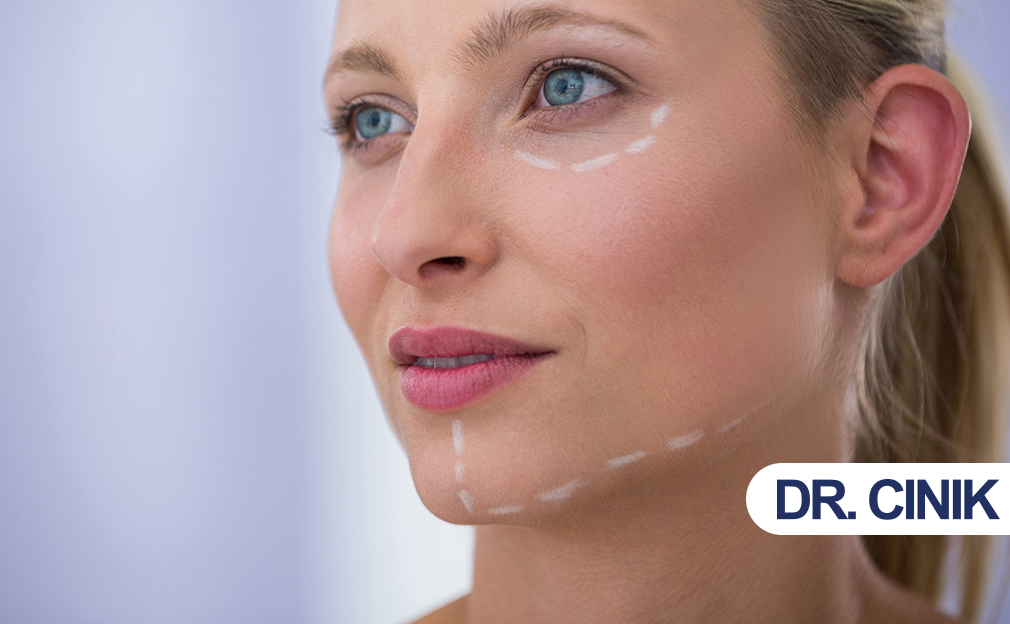
Jawline filler consists of gel-like substances injected beneath the skin. It adds volume and stimulates the production of hyaluronic acid or collagen. This can reduce the effects of sagging, loose skin appearance, and bone loss around the jawline.
Jawline filler can be used for the following purposes:
This procedure is also referred to as non-surgical jawline contouring. It is a minimally invasive procedure that should only be performed by an experienced and licensed specialist. Professionals who can perform the procedure include:
When strategically applied along the mandible, jawline filler makes the distinction between the jawline and neck more pronounced.
Not every type of filler is FDA-approved for this area of the face; however, many clinics use this application off-label. The most commonly used jawline fillers are:
Currently, the only FDA-approved filler for the jawline and chin is Juvederm Volux.
Jawline filler is generally not recommended alone to eliminate the appearance of a double chin; however, it can be beneficial when performed in conjunction with procedures like Kybella.
Jawline filler is not covered by health insurance when applied solely for aesthetic purposes. Fees may vary depending on your location and the doctor performing the procedure.
The type of filler recommended by your doctor can also partially affect the cost. Generally, jawline filler prices for Restylane Lyft, Juvederm Volux, and Radiesse are similar and can range from 4,000 TL to 15,000 TL per injection.
Age can also be a factor that affects the cost.
The filler is broken down and metabolized by the body over time. Your doctor may recommend a reminder dose (top-up) approximately every 6 months. Even these small additional doses can cost half of the initial procedure fee compared to jawline filler prices.
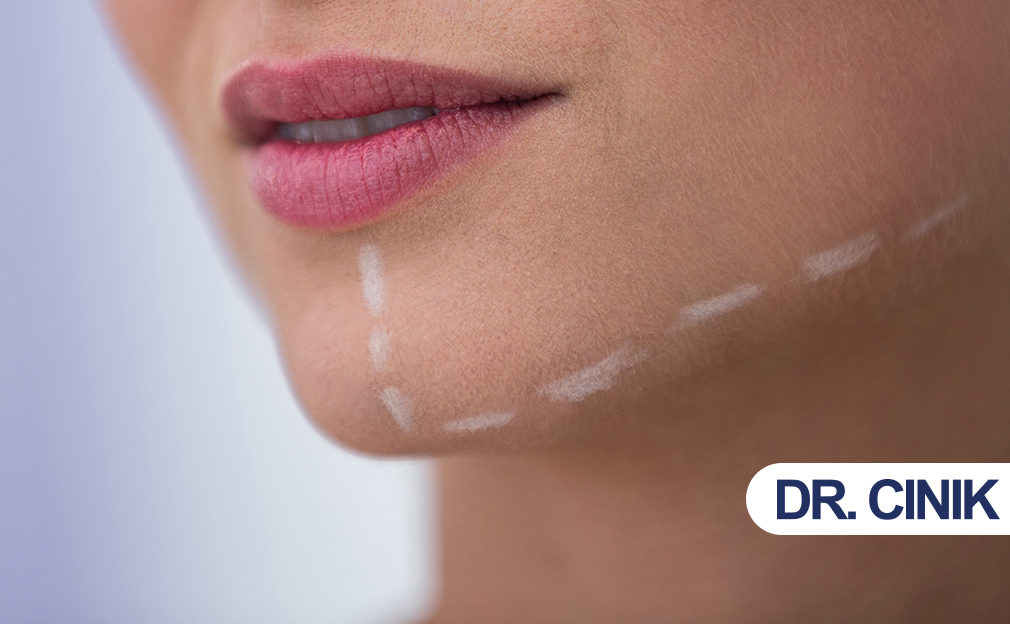
Jawline filler results can be seen immediately after the procedure.
Results may vary from person to person; however, in many individuals, hyaluronic acid fillers can last up to approximately 2 years, while calcium hydroxylapatite fillers can last up to about 15 months.
Regardless of the type of filler used, especially if regular reminder procedures are not performed, the effect may begin to diminish within 9–12 months.
Pain varies from person to person, and some individuals may experience more discomfort than others during jawline filler injections. If you have concerns about the discomfort you might expect, it would be beneficial to discuss this with your doctor beforehand.
Before the filler injection, your practitioner may numb the area with a topical anesthetic cream or another local anesthesia method.
If you consult an experienced specialist, jawline filler injections should not be painful. You may feel a brief pressure or an unusual sensation during each injection; however, this is generally not severe pain.
After the anesthetic cream wears off, you may experience mild pain or tenderness in the injection areas. This usually does not last more than a day.
If you experience severe or persistent pain, you should contact your doctor immediately.
During your initial consultation, be sure to ask your doctor what to expect during and after the jawline filler procedure.
Generally, the following steps are recommended before getting jawline filler:
It is recommended to arrive on the day of the jawline filler appointment without makeup and in comfortable clothing. The procedure generally proceeds as follows:

Even with slight swelling, results become visible immediately after the procedure. You can usually return to work or your daily life right after the jawline filler treatment.
To achieve the best results, you can pay attention to the following:
Common side effects may include:
Less commonly seen side effects:
Serious complications from dermal fillers are rare.
However, it is very important that the procedure is performed by an experienced and medically qualified specialist to minimize serious risks, such as accidental injection into facial vessels or nerves.
Possible serious complications may include:
Jawline fillers may not be suitable for everyone. Depending on the result you wish to achieve, you may consider the following alternatives:
Jawline filler is a temporary and non-surgical method used to enhance the jawline, chin, and overall facial appearance.
It is typically applied to create natural and subtle differences. However, even a slight increase in definition along the jawline can create a noticeable change in the overall expression of the face.
It is important to schedule an appointment with a licensed and experienced specialist to evaluate and discuss your goals regarding this procedure.