Yükleniyor…

The world of aesthetic medicine has undergone a revolutionary change in recent years. People are no longer opting for major surgeries that require long recovery times to reshape their facial features. Instead, they prefer non-surgical methods that offer quick, safe, and natural results. This is where hyaluronic acid fillers come into play. In this article, we will discuss what hyaluronic acid fillers are, how they work, where they are used, and their safety in detail based on scientific data. Our goal is to help you access accurate information and guide you on your aesthetic journey.
Hyaluronic acid fillers have become one of the fastest-growing areas in aesthetic medicine over the past twenty years. This rise can be explained by the increasing demand for non-surgical solutions and the proven scientific safety.
Looking back at the history of aesthetic medicine, the roots of filler applications date back to ancient times. However, the rise of hyaluronic acid-based fillers gained momentum in the early 2000s. People now prefer natural substances. The idea of injecting a substance that is already present in the body attracted both physicians and patients. Papakonstantinou and colleagues emphasized the key role of hyaluronic acid in skin aging in their review published in 2012. This scientific foundation further increased the popularity of fillers (Papakonstantinou et al. 2012). Today, millions of people safely choose this procedure every year.
Filler applications restore lost volume in the face and fill deep wrinkles. These procedures reshape facial features without the need for surgical intervention.
The aging process leads to loss of volume in the face. Bones dissolve, fat tissue shifts, and skin loses elasticity. This is where fillers come into play. The physician injects the filler beneath the skin. The filler immediately supports that area. As a result, sunken cheeks become fuller. Nasolabial folds soften. The harshness under the eyes diminishes. Facial rejuvenation is no longer only possible with facelift surgeries. Fillers have revolutionized this field.
This type of filler offers a natural appearance, has a short procedure time, results are visible immediately, and can be reversed if necessary. These features make it superior to other methods.
People are seeking naturalness in aesthetic procedures. No one wants an artificial look. Hyaluronic acid filler meets this expectation perfectly. If the physician uses the correct technique, the results appear extremely natural. Additionally, the patient sees the result immediately during the procedure. This instant satisfaction provides a significant advantage. Most importantly, the filler can be dissolved if needed with the enzyme hyaluronidase. This reversibility feature gives patients confidence.
This article will cover the scientific foundations of hyaluronic acid, types of fillers, application areas, advantages, side effects, and care recommendations.
Readers will find the answer to the question of what hyaluronic acid filler is in this article. They will also receive answers to questions such as how the filler is applied, which areas it is used on, and how long its effects last. This comprehensive guide, supported by scientific references, will serve as a resource for anyone looking to step into the world of aesthetic fillers.
Hyaluronic acid is a chain of sugars that is naturally produced in the body and has a high capacity to retain water. It helps keep the skin moist and elastic.
Hyaluronic acid is a long chain formed by the combination of D-glucuronic acid and N-acetyl-D-glucosamine units. This structure gives it a unique ability to bind water.
Papakonstantinou and colleagues detailed the chemical structure of hyaluronic acid in 2012. Hyaluronic acid is a non-sulfated glycosaminoglycan. The D-glucuronic acid and N-acetyl-D-glucosamine units are linked by beta bonds. These repeating disaccharide units form long polymer chains. When dissolved in water, hyaluronic acid creates a gel-like matrix. This matrix serves as the structural framework of the skin. It fills and supports the skin tissue due to its ability to form high-viscosity solutions (Papakonstantinou et al. 2012).
Hyaluronic acid is found in high concentrations in the skin, joints, eye tissues, and connective tissues. More than half of the total hyaluronic acid in the body is located in our skin.
Hyaluronic acid plays a role in many areas of the body. It has different functions in each area. Stern and Maibach studied the distribution of hyaluronic acid in the skin and its role in aging in 2008. Here are the details of these areas:
Skin: The skin is the organ with the highest concentration of hyaluronic acid. More than fifty percent of the total hyaluronic acid in an adult human is found in our skin. It is present in different concentrations in the epidermis and dermis layers, with higher amounts in the dermis layer. It helps keep the skin moist and plump.
Joints: Hyaluronic acid is found in high concentrations in joint fluids. This fluid nourishes the cartilage and reduces friction. It provides ease of movement and contributes to the healthy functioning of the joints.
Eye Tissues: Hyaluronic acid is abundant in the vitreous fluid of the eye. This fluid maintains the shape of the eye and balances the optical pressure. It is critical for eye health.
Connective Tissues: In connective tissues and cartilage, hyaluronic acid is a major component of the intercellular matrix. It supports cell movement, growth, and repair. It maintains tissue integrity (Stern and Maibach 2008).
Hyaluronic acid can bind up to a thousand times its weight in water. This property helps keep the skin moist, elastic, and plump.
The most remarkable feature of hyaluronic acid is its ability to retain water. One gram of hyaluronic acid can bind up to a liter of water. This extraordinary hydration capability keeps the skin looking fresh. Additionally, hyaluronic acid interacts with collagen and elastin fibers. This interaction strengthens the structural integrity of the skin. Hyaluronic acid also plays a role in cell signaling. It regulates inflammatory processes. It supports wound healing. It contributes to the skin's protective barrier function.
From the age of twenty-five, the skin's production of hyaluronic acid decreases. This loss leads to thinning, dryness, and wrinkling of the skin.
Papakonstantinou and colleagues demonstrated in 2012 that skin aging is directly related to the loss of hyaluronic acid. In young skin, hyaluronic acid is distributed evenly. As one ages, this distribution deteriorates. The concentration of hyaluronic acid decreases. The average concentration of hyaluronic acid in skin between the ages of nineteen and forty-seven is zero point three milligrams per gram. By the age of sixty, this value is halved. At seventy-five, it drops to zero point zero seven milligrams per gram. This dramatic decline weakens the skin's moisture retention capacity. Wrinkles deepen. Volume loss becomes more pronounced. Ultraviolet rays also accelerate the breakdown of hyaluronic acid. Therefore, sun protection is the most important step in anti-aging care (Papakonstantinou et al. 2012).
Hyaluronic acid filler is a temporary aesthetic material injected beneath the skin that addresses volume loss and fills wrinkles. It is a synthetic form of hyaluronic acid, which is naturally occurring in the body.
Dermal filler is the process of creating volume with substances injected beneath the skin. Hyaluronic acid fillers correct wrinkles by supporting the skin from below.
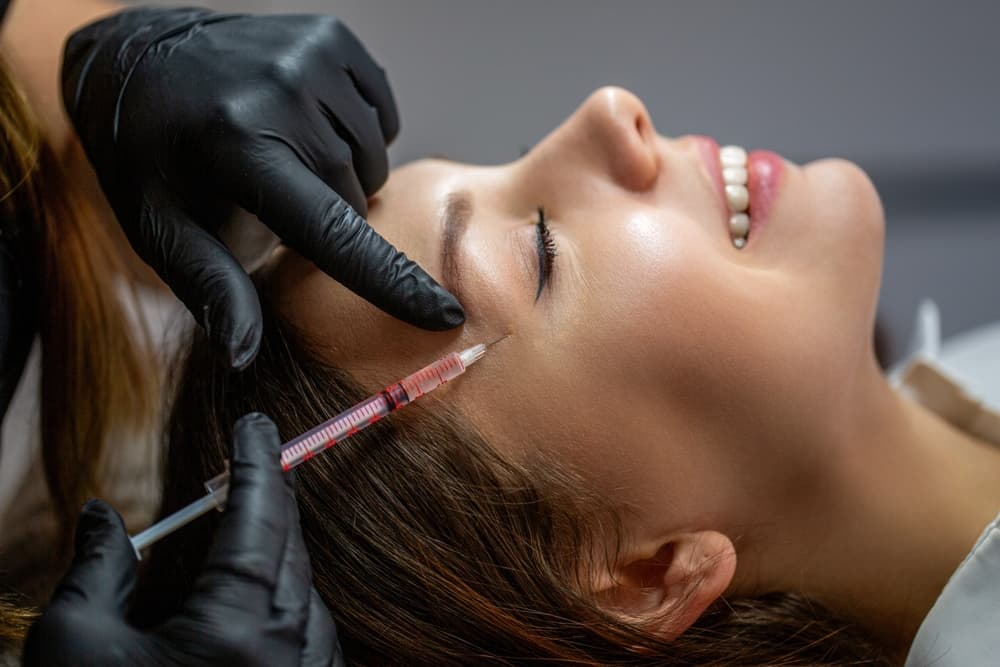
Dermal filler applications involve injecting material into the lower layers of the skin. This material fills the skin from the inside. When hyaluronic acid filler is placed under the skin, it immediately attracts water. This water retention property increases volume. The filler also stimulates fibroblasts. Fibroblasts produce new collagen. This dual mechanism provides healing both immediately and in the long term. The physician injects the filler beneath the skin. The filler immediately shapes that area. The skin surface smooths out. Contours become more defined.
These fillers consist of hyaluronic acid molecules produced synthetically. The molecules are linked together using cross-linking technology. This process enhances durability.
Hyaluronic acid fillers are produced in a laboratory setting. They are obtained through bacterial fermentation methods. This synthetic hyaluronic acid is very similar to its natural form in the body. However, natural hyaluronic acid breaks down very quickly. Cross-linking technology is used in fillers to slow down this breakdown.
Cross-linking technology is a chemical process that connects hyaluronic acid chains. These bonds allow the filler to remain in the skin for a longer period.
Natural hyaluronic acid breaks down in the skin within one to three days. This short lifespan is not suitable for filler applications. The cross-linking process creates molecular bridges between hyaluronic acid chains. These bridges prevent the chains from separating. The viscoelastic properties of the filler increase. Its durability extends. Different filler products have varying cross-linking densities. Low cross-linking density creates soft fillers. High cross-linking density creates firm and durable fillers. This difference allows the physician to choose different fillers for different areas.
When the filler settles under the skin, it immediately attracts water and creates volume. It also stimulates fibroblasts, promoting new collagen synthesis.
When the physician injects the filler under the skin, three things happen. First, the filler provides physical support. It fills the skin from beneath. Second, hyaluronic acid attracts water molecules. This hydration makes the skin appear plump and radiant. Third, the filler stimulates skin cells. Fibroblasts become activated. New collagen and elastin production begins. This biological effect continues even weeks after the procedure. Skin quality improves in the long term.
Hyaluronic acid fillers are completely broken down by the body over time. They can be instantly dissolved with the hyaluronidase enzyme when needed. These features enhance safety.
One of the greatest advantages of hyaluronic acid fillers is their temporary nature. The results are not permanent. This is reassuring for patients. If they are not satisfied with the results, the filler can be dissolved with the hyaluronidase enzyme. In a comprehensive review conducted in 2023, hyaluronidase was defined as the gold standard in the treatment of filler complications. This enzyme breaks down hyaluronic acid chains. The filler dissolves within a few hours. This reversibility feature distinguishes hyaluronic acid fillers from all other types of fillers (Hyaluronidase for Dermal Filler Complications 2023).
Hyaluronic acid fillers are superior to other types of fillers due to their natural appearance, flexibility, reversibility, and high safety profile.
There are many types of fillers available in the aesthetic market. Each has different characteristics and areas of use. Here is a comparison of hyaluronic acid fillers with their competitors:
Calcium hydroxylapatite fillers contain microspheres that mimic bone mineral. These fillers stimulate collagen production but are not as flexible as hyaluronic acid.
Calcium hydroxylapatite fillers consist of synthetic calcium hydroxylapatite microparticles. These particles are suspended in a gel carrier. Radiesse is the most well-known product in this group. These fillers are suitable for deep wrinkles and volume loss. However, they have a firmer texture compared to hyaluronic acid fillers. Their application area is limited. They are not reversible. In case of complications, hyaluronidase does not work.
Poli-L-laktik asit dolgular cildin kendi kolajenini üretmesini teşvik eder. Sonuçlar yavaş ortaya çıkar ancak uzun sürer.
Poli-L-laktik asit biyolojik olarak parçalanabilir bir sentetik polimerdir. Sculptra bu gruptaki bilinen üründür. Bu dolgu cilt altına enjekte edildiğinde hemen hacim oluşturmaz. Bunun yerine yavaş yavaş kolajen üretimini uyarır. Sonuçlar birkaç ay içinde belirginleşir. Etkisi birkaç yıl sürebilir. Ancak birden fazla seans gerekir. Hasta hemen sonuç görmez. Bu durum bazı hastalar için dezavantaj oluşturur.
PMMA dolgular kalıcı mikrosphäre içerir. Bu dolgular geri döndürülemez ve komplikasyon riski daha yüksektir.
Polimetilmetakrilat mikrosphärelerden oluşan kalıcı bir dolgudur. Bellafill bu gruptaki üründür. PMMA partikülleri cilt altında kalıcı olarak kalır. Bu durum uzun vadeli sonuçlar sağlar. Ancak komplikasyon riski artar. Alerjik reaksiyonlar görülebilir. Granülom oluşumu riski vardır. Hekim hyaluronidaz ile bu dolguyu eritemez. Bu nedenle hyaluronik asit dolgularına göre daha az tercih edilir.
Yağ enjeksiyonu hastanın kendi vücut yağından kullanır. Hyaluronik asit dolguları ise hazır ürünlerdir. Yağ enjeksiyonu daha invazivdir ve tutarlılığı daha düşüktür.
Yağ enjeksiyonu liposuction ile alınan yağın işlenip yüze enjekte edilmesini içerir. Bu işlem ameliyathane koşulları gerektirir. Yağın tutma oranı değişkendir. Bazen yüzde ellinin altında tutunur. Bu durum tekrar işlem gerektirir. Hyaluronik asit dolguları ise ofis ortamında uygulanır. Sonuçlar öngörülebilir ve tutarlıdır. Hasta hemen normal hayatına döner.
Hyaluronik asit dolguları doğal görünüm sağlar, esnek kullanım alanı sunar, geri döndürülebilir ve güvenlik profili yüksektir.
Aşağıdaki karşılaştırma tablosu farklı dolgu türlerinin özelliklerini özetler:
Özellik | Hyaluronik Asit | Kalsiyum Hidroksiapatit | Poli-L-Laktik Asit | PMMA | Fat Injection |
Naturalness | Very High | Medium | High | Low | Very High |
Instant Result | Yes | Yes | No | Yes | Partially |
Reversibility | Yes | No | No | No | Partially |
Ease of Application | Very Easy | Easy | Medium | Difficult | Difficult |
Complication Treatment | Easy | Difficult | Difficult | Very difficult | Medium |
Duration of effect | 6-18 months | 12-18 months | 2-3 years | Permanent | Variable |
Beer demonstrated in a study conducted in 2023 that flexible hyaluronic acid fillers adapt to dynamic facial movements. This flexibility is key to a natural appearance. The filler moves with the facial muscles when the patient smiles or talks. This does not create an artificial expression (Beer 2023).
Hyaluronic acid fillers can be safely applied to many areas of the face, from the lips to the jawline, and from under the eyes to the cheekbones.
The versatility of hyaluronic acid fillers makes them indispensable in aesthetic medicine. The physician applies fillers with different densities to different areas. Here are the most commonly preferred application areas:
Lip filler is a procedure to enhance lip volume and contour using hyaluronic acid. The results should be natural and aesthetic.
Lip filler is one of the most popular aesthetic procedures. The physician selects a soft consistency filler. The filler is injected into and around the lips. This procedure increases lip volume and defines the contours. Asymmetry is corrected. Wen and colleagues found in a meta-analysis conducted in 2026 that hyaluronic acid lip fillers provided an eighty-two percent improvement in aesthetic appearance. Patient satisfaction was at sixty-eight percent. The most common side effects were swelling, firmness, and bruising. Serious complications remained at one point one percent. These data indicate that lip filler is both effective and safe (Wen et al. 2026).
Deep lines extending from the corners of the nose to the corners of the mouth are filled with medium-density filler. The facial expression remains natural.
Nasolabial folds are one of the most prominent signs of aging on the face. These lines extend from the sides of the nose to the corners of the mouth. Medium-density hyaluronic acid filler fills these lines. The physician places the filler in the deep dermis. This technique softens the lines. It does not freeze the facial expression. The patient continues to smile. Results are lasting between six to twelve months.
Marionette lines are the lines that descend from the corners of the mouth to the chin. Filler fills these lines, brightening the facial expression.
Marionette lines extend from the corners of the mouth to the jawline. These lines create a sad and tired expression on the face. Hyaluronic acid filler fills these lines. The corners of the mouth lift. The facial expression appears more cheerful. The physician usually prefers a soft consistency filler. This area is a dynamic region. Flexible filler provides a natural result.
Cheekbone fillers add volume to the midface. High-density fillers provide structural support in this area.
Volume loss in the midface is one of the most prominent signs of aging. Cheekbones sag. The face appears hollow. High-density hyaluronic acid fillers support this area. The physician places the filler over the bone. Cheekbones become prominent again. The face looks youthful and dynamic. A systematic review published by MDPI in 2025 showed that hyaluronic acid fillers are significantly superior to placebo in midface rejuvenation. The rates of side effects remained low. Serious complications were rare (MDPI 2025).
Jawline fillers balance the facial profile. High-density fillers add sharpness to the chin and jawline.
The jawline is critical for the aesthetic balance of the face. A weak chin disrupts the facial profile. Hyaluronic acid fillers shape the chin and jawline. Mueller and colleagues proved in a 2022 study on jawline contouring that hyaluronic acid fillers significantly increased patient satisfaction. Patients maintained the results for a long time. Side effects were mild and temporary (Mueller et al. 2022). High cross-linked fillers provide structural support in this area. The jawline becomes sharper. The face gains an oval appearance.
Temple filler fills sunken temples. This procedure balances and rejuvenates the upper part of the face.
The temple area is often overlooked in aging. Volume loss in the temples causes the upper part of the face to appear hollow. Hyaluronic acid filler fills this void. The eyebrows are positioned more aesthetically. The upper third of the face is balanced. The physician works carefully in this area. Important vessels and nerves pass through this region. An expert physician performs this procedure safely.
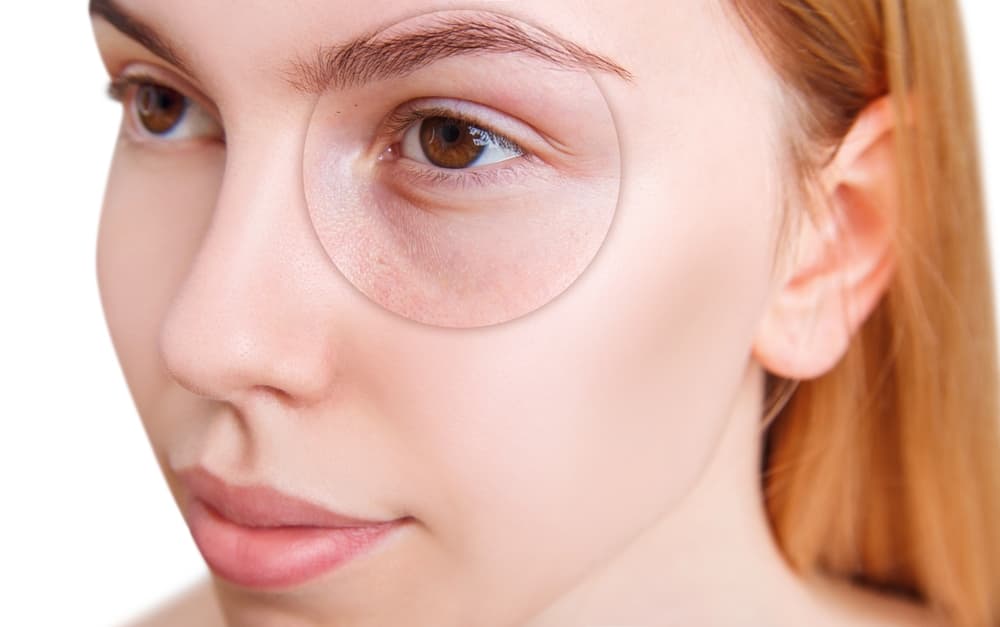
Under-eye light filler covers hollowness and darkness under the eyes. Specially formulated thin fillers are suitable for this delicate area.
The under-eye area is one of the most sensitive parts of the face. Under-eye hollowness, puffiness, and dark circles are major causes of looking older. Under-eye light filling is performed with specially formulated fine hyaluronic acid fillers. The physician places the filler on the bone using a cannula. This technique reduces the risk of bruising. In a prospective study conducted in 2020, seventy-five percent of patients who received under-eye fillers using the cannula technique were satisfied. A one hundred percent improvement was observed. No serious complications were seen. The average pain score was recorded as 1.7 out of 10. This data shows that the procedure is extremely safe and comfortable (Tear Trough Study 2020).
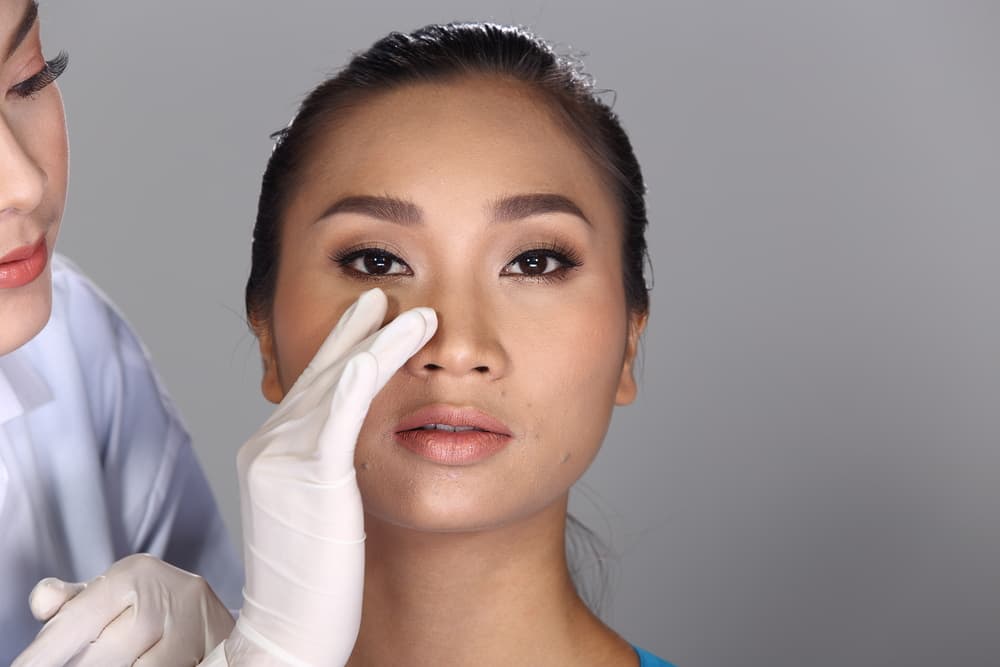
Nose filling is a procedure to correct the shape of the nose without surgery. Hyaluronic acid fills the hollowness on the bridge of the nose and lifts the tip of the nose.
Non-surgical rhinoplasty has become very popular in recent years. The physician injects hyaluronic acid filler into the bridge and tip of the nose. The hollowness on the bridge of the nose is filled. The tip of the nose is slightly lifted. It is ideal for small nose corrections. However, for significant nose shape irregularities, surgery is still the gold standard. The filler does not reduce the size of the nose. It only corrects the contours.
Hand rejuvenation reduces the appearance of veins and tendons on the back of the hand. Hyaluronic acid adds volume to the back of the hand.
The hands are one of the most visible areas of aging. The fat tissue on the back of the hand diminishes. Veins and tendons become more pronounced. Hyaluronic acid filler adds volume to the back of the hand. The skin thickens. Veins are concealed. The hands look young and plump. This procedure is usually performed with medium-density fillers.
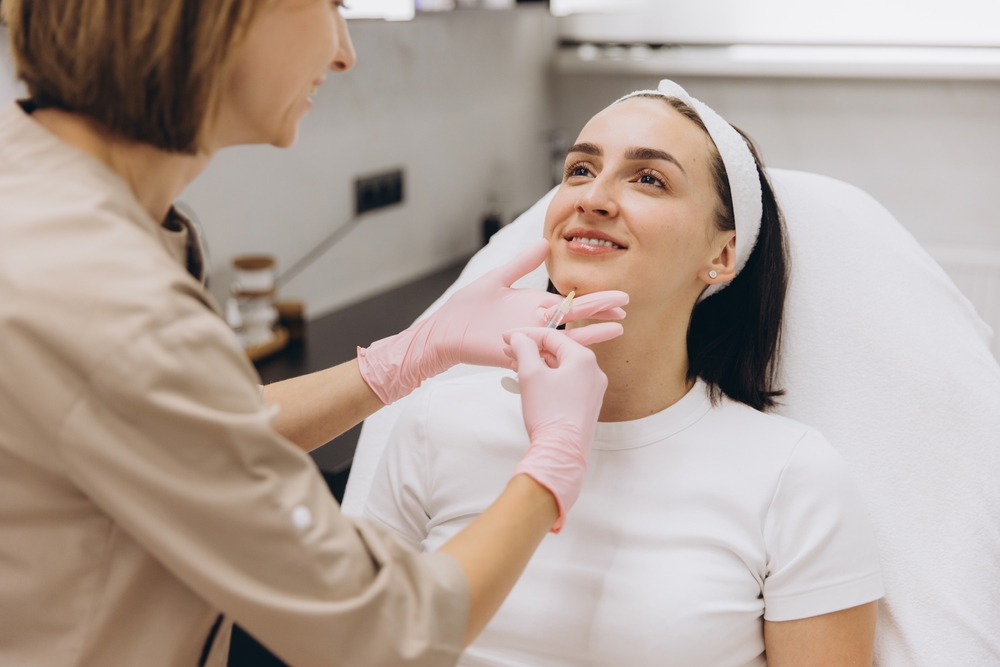
Adults showing signs of aging, experiencing volume loss, and not wanting surgical procedures are ideal candidates for this application.
Hyaluronic acid fillers appeal to a wide patient population. However, they may not be suitable for everyone. Here is the ideal candidate profile and contraindications:
Volume loss that begins in the thirties can be easily compensated with fillers. Fillers support the skin from within.
With aging, there is bone resorption, fat loss, and skin thinning in the face. These changes begin in the thirties and become pronounced after the age of fifty. Hyaluronic acid fillers compensate for these losses. The physician plans the filler according to the amount of loss. The patient immediately gains a youthful appearance.
Young patients use fillers to define the jawline, cheekbones, and lip contours. This procedure enhances aesthetic balance.
Fillers are not only used for anti-aging purposes. Young patients also prefer fillers to define their facial features. For example, the jawline can be made sharper. Cheekbones can be made more prominent. Lips can be aesthetically shaped. These applications enhance the golden ratio of the face.
Fillers do not require anesthesia, incisions, or stitches. The patient returns to their social life immediately. The risks are much lower compared to surgery.
Many patients are afraid of the idea of surgery. Surgery requires a long recovery period. The risk of complications is higher. Hyaluronic acid fillers eliminate these concerns. The procedure takes fifteen to thirty minutes. The patient goes home immediately. They can return to work the next day. This practicality makes fillers very appealing.
Signs of early aging appear as mild wrinkles and loss of volume. Light filler applications can reverse these signs.
Some individuals show signs of aging at a young age. This situation arises from genetic factors, lifestyle, and environmental influences. Early intervention is a preventive approach. Light filler applications prevent wrinkles. They compensate for volume loss. This proactive approach reduces the need for more extensive procedures in the future.
Pregnancy, breastfeeding, active skin infections, autoimmune diseases, and the use of blood thinners are contraindications for fillers.
Not every patient is suitable for fillers. Fillers are not recommended for pregnant and breastfeeding women. There is not enough safety data for this. Fillers are not applied to areas with active skin infections. Precautions are taken for patients with a history of herpes before lip fillers. The risk of bruising increases in patients using blood thinners. Some autoimmune diseases elevate the risk of complications. The physician assesses suitability by taking a detailed history.
The process consists of pre-procedure examination, filler selection, injection technique, and post-care stages. The physician manages this process meticulously.
The physician analyzes the patient's face. Volume losses, wrinkles, and asymmetries are identified. The patient's expectations are reviewed.
A detailed consultation is essential before the filler application. The physician examines the patient's face. Photos are taken. The patient explains why they want fillers. The physician sets realistic expectations. A medical history is taken. Allergies, medications, and past surgeries are recorded. This analysis allows for the creation of a personalized plan.
The physician selects the filler based on the treatment area, depth, and the patient's wishes. Soft fillers are applied to the lips, while hard fillers are applied to the jawbone.
Each area requires a different filler density. Soft fillers are suitable for delicate areas such as the lips and under the eyes. Medium-density fillers are ideal for nasolabial folds and marionette lines. High-density fillers are chosen for structural areas such as the cheekbones, chin, and jawline. The physician makes this selection based on skin thickness, the degree of volume loss, and the patient's preferences.
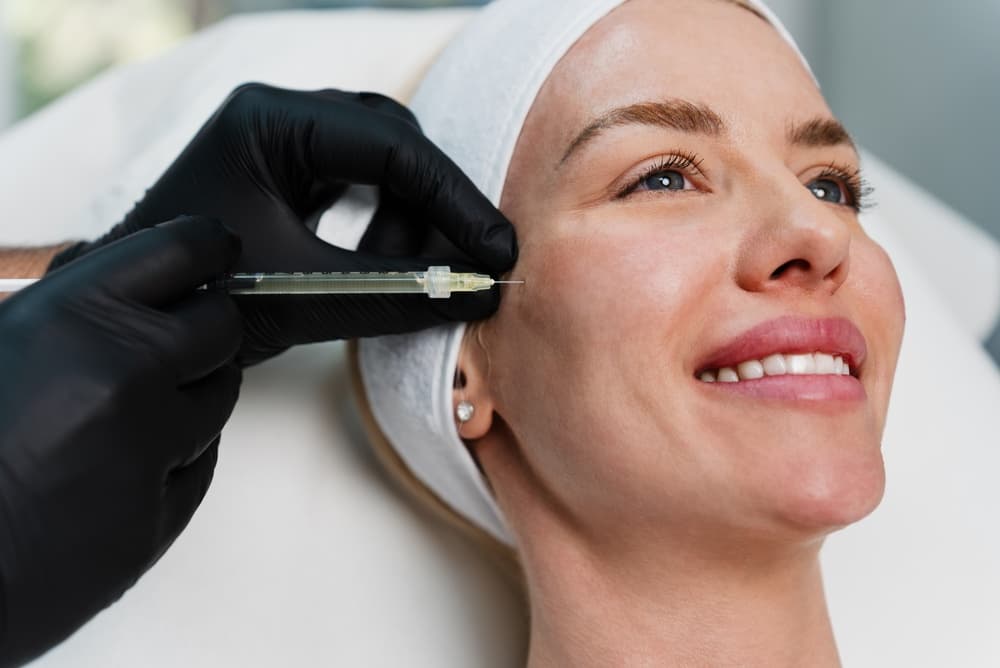
The physician places the filler under the skin using a needle or cannula. Each technique has different advantages and applications.
How is the Needle Application Performed?
The needle technique provides precise and controlled injection. The physician places the filler at specific points using small needles.
The needle technique is a traditional and common method. The physician punctures the skin with fine needles. The filler is injected in small amounts. This technique offers advantages in areas that require precision. However, the needle technique may slightly increase the risk of vascular injury. The likelihood of bruising is higher compared to the cannula. Beer demonstrated in his 2023 study that the effectiveness of needle and cannula techniques is equivalent, but the cannula technique results in less bruising and pain (Beer 2023).
How is the Cannula Application Performed?
The cannula technique is safer. The rounded tip of the cannula pushes through blood vessels and nerves. The risk of bruising decreases.
The cannula is a flexible injection tool with a rounded tip. The physician punctures the skin at a single point. The cannula advances under the skin. Because of its rounded tip, it does not damage blood vessels and nerves. This technique is especially preferred in sensitive areas such as under the eyes and lips. The cannula technique allows access to larger areas with a single entry. Patient comfort increases. The risk of complications decreases.
The procedure lasts between fifteen to forty-five minutes. The patient experiences minimal pain thanks to local anesthetic creams.
The filler application is performed in an office setting. The physician first cleans the area. Applies a cold compress or anesthetic cream. The filler product contains pain relievers like lidocaine. This ensures a comfortable experience for the patient. The duration of the procedure varies depending on the number of areas treated. A single area takes fifteen minutes. Multiple areas can extend up to forty-five minutes.
The patient sees the results immediately. Mild swelling and redness are normal. These symptoms disappear within a few hours to a few days.
At the end of the procedure, the patient looks in the mirror. The results are immediately visible. However, there may be slight swelling. This swelling slightly conceals the actual result. Swelling decreases within the first twenty-four hours. Redness is mild. Bruising is rarely seen. The patient can immediately return to normal activities.
Fillers are categorized into soft, medium, and firm based on their density. There is a different type of filler suitable for each area.
Soft fillers are suitable for lips, under the eyes, and fine wrinkles. These fillers provide natural mobility.
Low-density fillers contain less cross-linking. Therefore, they have a very soft consistency. The physician applies these fillers to delicate skin areas. They provide a natural feel in the lips. They reduce the risk of the Tyndall effect under the eyes. They yield excellent results in fine lines. However, these fillers do not provide structural support. They are insufficient for deep volume loss.
Medium-density fillers are ideal for nasolabial folds, marionette lines, and cheekbones. They provide balanced volume and support.
Medium-density fillers are the most commonly used category of fillers. They offer both flexibility and support. They fill nasolabial lines while preserving facial expression. They soften marionette lines. They add slight volume to the cheekbones. These fillers are versatile. They can be safely used in many different areas.
High-density fillers serve as a structural skeleton in areas close to the bone, such as the chin, jawline, and temples.
Fillers with high cross-linking are firm and durable. These fillers act as a skeleton under the skin. They enhance chin projection. They sharpen the jawline. They provide strong support to the cheekbones. These fillers are injected into the deep dermis or onto the bone. They are preferred in patients with significant volume loss. Results are lasting for twelve to eighteen months.
Choosing the wrong filler leads to unnatural results, complications, and early resorption. The physician must select a filler suitable for the area.
Each area of the face has different physical characteristics. The lips are mobile. They require a soft filler. The jawline is static. It requires a firm filler. The skin under the eyes is thin. It requires a very soft and fine filler. If the physician injects a soft filler into the jawline, the result may not be pronounced enough. If a firm filler is injected under the eyes, the Tyndall effect and swelling may occur. Choosing the right filler is critical for both aesthetics and safety.
Every face is unique. Personalized planning ensures natural and balanced results.
There is no one-size-fits-all solution in aesthetic procedures. The physician evaluates the patient's facial anatomy, age, skin type, and expectations. Some patients want a natural improvement with a subtle filler. Some patients expect more pronounced results. Personalized planning takes these differences into account. The physician applies different fillers to different areas. The amounts are adjusted. The results align with the overall aesthetics of the face.
Hyaluronic acid fillers are among the most preferred applications in aesthetic medicine due to their fast, practical, natural, safe, and reversible features.
The procedure is completed within half an hour in an office setting. The patient does not wait for anesthesia and preparation time.
Modern life is fast. People cannot tolerate long recovery times. Hyaluronic acid fillers perfectly respond to this need. A patient can have the procedure done during lunch break. They can return to their meeting immediately. This practicality distinguishes fillers from other aesthetic procedures.
If the physician uses the correct technique and the right amount of filler, the results integrate with the natural anatomy of the face.
Naturalness is the most important goal in aesthetics. People do not want to show that they have had a noticeable procedure. Hyaluronic acid fillers excel in this regard. The filler retains water under the skin. The skin maintains its own moisture. The increase in volume does not appear artificial. If the physician works with an artistic perspective, the results will be excellent.
The patient returns to their social life immediately after the procedure. Special care and long rest periods are not required.
Surgeries require days or even weeks for recovery. This period is very short for filler applications. The patient can apply makeup after the procedure. They can exercise the next day. They can travel. This minimal recovery time suits the lifestyle of modern individuals.
Aesthetic results are achieved without incisions, stitches, anesthesia, and operating room risks.
Surgical procedures always carry risks. There are risks of anesthesia complications, infection, wound opening, and scar formation. Hyaluronic acid fillers largely eliminate these risks. The procedure is non-invasive. The integrity of the skin is not compromised. Complications are rare and mild.
When the patient looks in the mirror at the end of the procedure, they see the change immediately. This instant feedback increases satisfaction.
In many aesthetic procedures, one has to wait weeks to see results. The situation is different with hyaluronic acid fillers. The patient sees the result immediately. This instant satisfaction is very valuable psychologically. The patient feels better when leaving the clinic.
The filler can be dissolved within a few hours using the enzyme hyaluronidase. This feature allows for the safe treatment of all filler complications.
No aesthetic procedure is completely risk-free. However, in the case of complications with hyaluronic acid fillers, there is an exit strategy. The hyaluronidase enzyme breaks down the hyaluronic acid chains. The filler is absorbed by the body. This reversibility feature gives great confidence to patients. The physician also works more comfortably. Because in case of a mistake, correction is possible.
Hyaluronic acid fillers typically last between six to eighteen months. However, this duration varies depending on many factors.
The application area, filler product, metabolism rate, and lifestyle determine the lifespan of the filler.
How Does the Application Area Affect Longevity?
Fillers dissolve more quickly in moving areas. Filler in the lips lasts shorter than that on the jawline.
Certain areas of the face are constantly in motion. The lips move while talking, eating, or kissing. This movement accelerates the breakdown of the filler. The under-eye area, however, is more static. Fillers last longer here. The jawline and temple areas are also immobile. Fillers in these areas are more durable.
How Does the Filler Product Determine Longevity?
High cross-linked fillers last longer. Low-density fillers dissolve more quickly.
The molecular structure of filler products varies. Some products contain more dense cross-linking. These fillers remain in the skin longer. Some products are softer. These fillers break down more quickly. The physician selects the product based on the longevity expectations.
What Role Does the Patient's Metabolism Play?
Individuals with a fast metabolism break down the filler more quickly. In young and active individuals, the rate of dissolution may increase.
Everyone's metabolism is different. Some people break down hyaluronic acid faster. This shortens the lifespan of the filler. In young patients, metabolism is generally faster. Therefore, the same filler may last longer in older patients. However, this generalization is not always accurate. Personal differences are important.
How Do Lifestyle Factors Affect Longevity?
Intense exercise, smoking, sun exposure, and stress accelerate the dissolution of the filler.
Lifestyle directly affects the longevity of aesthetic results. In individuals who exercise intensely, metabolism works quickly. The filler dissolves more rapidly. In smokers, skin circulation is impaired. The breakdown of hyaluronic acid accelerates. Sunlight speeds up skin aging. This shortens the lifespan of the filler. A stressful life also disrupts hormonal balance. Skin quality decreases. The effect of the filler diminishes.
Lip fillers last between six to nine months, facial fillers last between ten to eighteen months, and structural fillers last between twelve to twenty-four months.
The table below shows the average longevity durations in different areas:
Application Area | Average Longevity | Filler Density |
Lips | 6-9 months | Soft |
Under Eyes | 9-12 months | Thin/Soft |
Nasolabial Folds | 9-12 months | Medium |
Cheekbone | 12-18 months | Medium/High |
Jawline | 12-18 months | High |
Temples | 12-18 months | High |
Hands | 9-12 months | Medium |
Rzany and colleagues demonstrated in their 2024 PRIMAvera study that mid-face fillers remained effective for twelve months. Patient satisfaction remained high for an extended period. Side effects were mild and temporary (Rzany et al. 2024).
Sun protection, regular skin care, healthy nutrition, and doctor check-ups help prolong the results.
To maintain the results of fillers, the patient must take an active role. Daily use of sunscreen is essential. Products containing SPF 50 should be preferred. Regular use of moisturizer strengthens the skin barrier. Healthy nutrition supports skin quality. Drinking plenty of water enhances the effect of hyaluronic acid. Smoking and alcohol consumption should be avoided. Patients should attend follow-up appointments as recommended by their physician. Minor touch-ups can extend the results during these appointments.
Scientific research shows that hyaluronic acid fillers are extremely safe. Serious complications are rarely seen.
Meta-analyses and systematic reviews confirm that hyaluronic acid fillers have a high safety profile.
The scientific literature shows a broad consensus on the safety of hyaluronic acid fillers. Colon and colleagues examined the side effects observed after hyaluronic acid filler injections in a meta-analysis published in the Cureus journal in 2023. Swelling was identified as the most common side effect at a rate of forty-seven percent. Pain, redness, and bruising were other common reactions. However, serious complications remained extremely rare. This large data set demonstrated that fillers are generally safe (Colon et al. 2023).
Hyaluronic acid fillers are approved in many countries around the world. The U.S. Food and Drug Administration and European Union health authorities have deemed these products safe.
Hyaluronic acid fillers have been administered millions of times worldwide. International health organizations have confirmed the safety of these products. The U.S. Food and Drug Administration has approved many hyaluronic acid filler products. European Union health authorities have given similar approvals. These approvals are based on comprehensive clinical studies. Products undergo biocompatibility, safety, and efficacy testing before being released to the market.
Thanks to over twenty years of usage history, long-term safety data is available. This accumulation of experience increases confidence.
Hyaluronic acid fillers have been widely used since the 2000s. This long-term experience has taught us a lot. Short and long-term side effects are well documented. Complication management has improved. Product technologies have been enhanced. Twenty years of safety data cannot be achieved for a new product. This accumulation makes hyaluronic acid fillers one of the safest aesthetic procedures.
Experienced physicians minimize the risk of complications. Proper technique and knowledge of anatomy are key to safety.
Filler safety is not solely dependent on the product. The skill of the practitioner is very important. Nishikawa and colleagues showed in their observational study conducted in 2023 on forty-one thousand seven hundred seventy-five cases that most complications were related to a lack of practitioner experience. Ischemic events and tissue damage were rarely observed. However, these rare events typically occurred in practitioners with insufficient anatomical knowledge. This data proves how critical the selection of a physician is (Nishikawa et al. 2023).
Most side effects are mild and temporary. Swelling, redness, and bruising are considered normal. Serious complications are very rare.
In the first few days after the procedure, swelling, mild redness, sensitivity, and bruising may be observed. These symptoms resolve on their own.
How Long Do Redness and Swelling Last?
Redness and swelling usually disappear within a few hours to two days. Cold compresses can speed up the process.
Mild redness occurs on the skin after injection. This is a normal response of the skin to the injection. Swelling is also an expected reaction. The patient can apply a cold compress. This simple measure reduces swelling. Redness typically disappears within twenty-four hours.
How Is Sensitivity and Bruising Managed?
Mild pain and bruising at the injection site are normal. Pain relievers and arnica cream can help.
Some patients may feel slight sensitivity at the injection site. This sensation will fade within a few days. Bruising can especially be seen in areas with thin skin. Arnica cream or tablets can speed up the resolution of bruising. Aspirin and blood thinners should be discontinued before the procedure. This measure reduces the risk of bruising.
Infection, nodule formation, asymmetry, Tyndall effect, and vascular occlusion are rare but important complications to be aware of.
How Is the Risk of Infection Prevented?
Following sterile technique rules, having clean skin, and using quality products reduces the risk of infection to nearly zero.
Infection is very rare in filler injections. The physician works according to sterile technique rules. The skin is thoroughly disinfected. Disposable materials are preferred. The patient keeps the skin clean after the procedure. They avoid makeup for a few days. These measures minimize the risk of infection.
How Do Nodules and Bumps Form?
If the filler accumulates under the skin or is injected too superficially, a nodule may form. Massage or hyaluronidase can resolve this issue.
Nodule formation occurs as a result of uneven distribution of the filler. If the physician injects the filler too deep or too superficially, the risk of lump formation increases. An excessive amount of filler can also cause nodules. Early massage can resolve this issue. Permanent nodules can be dissolved with hyaluronidase.
How to Correct Asymmetry?
Slight asymmetries are corrected with filler. The physician performs this correction during the follow-up appointment.
The human face is not perfectly symmetrical. However, noticeable asymmetry may occur after the procedure. This situation usually arises from having more filler on one side. The physician makes a small touch-up on the deficient side during the follow-up appointment. This simple correction eliminates asymmetry.
What is the Tyndall Effect?
The Tyndall effect is a bluish discoloration that occurs as a result of superficial injection of filler in thin skin areas such as under the eyes.
The Tyndall effect arises from the refraction of light by the filler particles. The skin under the eyes is thin. If the filler is injected too superficially, a bluish appearance emerges from beneath the skin. This situation is aesthetically disturbing. The physician chooses the appropriate depth to avoid this complication. If it occurs, it can be easily corrected with hyaluronidase.
What are Vascular Complications and the Risk of Vascular Occlusion?
Vascular occlusion is the most serious complication. The physician prevents this risk with anatomical knowledge and the correct technique. An emergency hyaluronidase application can save lives.
Tamura and colleagues studied serious complications in a massive study covering two hundred ninety-three thousand three hundred seven cases in 2025. They identified twelve serious complications, most of which were infections and vascular occlusions. This rate is extremely low. However, vascular occlusion is a serious condition. If the filler enters an artery, blood circulation in that area stops. The tissue becomes deprived of oxygen. The physician must immediately diagnose this situation. A high dose of hyaluronidase should be injected urgently. This treatment prevents tissue damage (Tamura et al. 2025).
A specialist physician, a sterile environment, quality products, and the correct injection technique almost completely prevent complications.
The links in the safety chain are as follows: trained physician, approved product, sterile technique, correct anatomical knowledge, and patient selection. Each link in this chain must be strong. The physician must have excellent knowledge of facial anatomy. They should be aware of the course of the vessels. They must use the aspiration technique, which checks whether the needle has entered a vessel. All these precautions together minimize the risk of complications.
The first twenty-four hours are critical. The patient should avoid certain activities and protect their skin.
Cold compress should be applied. Hot showers, alcohol, and heavy makeup should be avoided.
The patient should apply a cold compress in the first twenty-four hours after the procedure. This precaution reduces swelling and bruising. Hot showers and saunas dilate blood vessels, which increases swelling. Alcohol consumption thins the blood and raises the risk of bruising. Heavy makeup products carry a risk of infection. The patient should not wear makeup for at least twelve hours.
Intense sports and heavy exercise should be postponed for the first twenty-four to forty-eight hours.
Intense physical activity increases blood pressure. This can worsen swelling and bruising. Additionally, excessive sweating can increase the risk of infection. The patient should limit activities to light ones for the first one to two days. Running, weight lifting, and intense cardio should be postponed.
Hot environments can accelerate the dispersion of the filler and increase swelling.
Hot tubs, saunas, steam rooms, and sunbathing are inappropriate for the first few days. Heat increases the movement of hyaluronic acid molecules. The shape of the filler can be distorted. It also dilates blood vessels, which can increase bruising and swelling. The patient should avoid excessively hot environments for about a week.
Clean makeup products should be used. Peeling and acidic products should be avoided for a few days.
The patient should use clean makeup brushes after the procedure. They should keep the skin clean. However, peeling products, retinol, and high-concentration acidic products should be postponed for the first few days. These products can irritate the skin. A gentle cleanser and moisturizer are sufficient.
The two-week follow-up appointment is critical for evaluating results and making corrections if necessary.
The doctor usually schedules a follow-up appointment two weeks later. During this appointment, the placement of the filler is assessed. Corrections are made if there is asymmetry or deficiency. Patient satisfaction is measured. This follow-up is important for both aesthetic and safety reasons.
Patients most commonly ask questions about pain, duration of results, dissolving, naturalness, pregnancy, and the difference from Botox.
Modern fillers contain local anesthesia. The patient feels a slight sting. The procedure is generally comfortable.
Most of today's hyaluronic acid fillers contain lidocaine. This pain reliever provides comfort during the injection. Additionally, the doctor applies an anesthetic cream before the procedure. A cold compress also reduces pain. The patient usually feels a mild discomfort. This sensation is tolerable.
Results are seen immediately. However, the final result takes shape within a week as the swelling goes down.
When the patient looks in the mirror at the end of the procedure, they notice the change immediately. However, slight swelling can obscure the true result a bit. Swelling decreases in the first few days. The final result appears after a week. This process requires patience. However, the result is worth the wait.
Yes. Hyaluronic acid fillers can be safely dissolved within a few hours using the enzyme hyaluronidase.
One of the biggest advantages of hyaluronic acid fillers is that they are reversible. If the patient is not satisfied with the results or if complications occur, hyaluronidase is injected. This enzyme breaks down the hyaluronic acid chains. The filler dissolves within a few hours. The skin returns to its original state. This safety feature is not available in other types of fillers.
An experienced physician achieves extremely natural results with the right amount and technique. An artificial appearance usually results from excessive filling.
A natural appearance depends on the physician's skill and artistic vision. Using filler sparingly and in the right places enhances the face. Excessive use of filler makes the face look swollen and artificial. The patient should have realistic expectations. The physician should also avoid going overboard. A good aesthetic result is about enhancing beauty without being noticed.
No. Filler is not recommended during pregnancy and breastfeeding. There is insufficient safety research available.
The safety of hyaluronic acid fillers during pregnancy has not been proven. Therefore, applications are not performed during this period. The same rule applies to breastfeeding mothers. The patient can undergo the procedure after giving birth and once breastfeeding is finished. This precaution is the best for both mother and baby.
Filler restores volume loss and fills wrinkles. Botox prevents dynamic wrinkles by reducing muscle movements.
Filler and Botox work through different mechanisms. Hyaluronic acid filler adds physical volume under the skin. It fills static wrinkles. Botox, on the other hand, is injected into the muscles. It temporarily weakens muscle movements. This reduces wrinkles on the forehead, between the eyebrows, and around the eyes. These two procedures complement each other. Many patients prefer both together.
Yes. The procedure can be repeated when the filler effect decreases or the patient desires more volume.
Hyaluronic acid fillers can be applied repeatedly. Many patients visit their doctor once or twice a year. New filler can be injected before the old filler is completely dissolved. This creates a cumulative effect. The results may last longer. The physician plans the appropriate timing.
Hyaluronic acid fillers are a safe, flexible, customizable, and essential part of modern aesthetic medicine that offers natural results.
Hyaluronic acid fillers have become the gold standard for non-surgical facial rejuvenation. Millions of people safely benefit from this technology.
The world of aesthetic medicine cannot be imagined without hyaluronic acid fillers. These products provide extraordinary flexibility for both physicians and patients. Non-surgical facial rejuvenation is no longer a dream. It can reshape the patient in the physician's office environment. This revolution has enabled the democratization of aesthetic medicine.
Hyaluronic acid fillers are a unique treatment option due to their safety profile, reversibility, and customizable nature.
Safety is the foundation of every aesthetic procedure. Hyaluronic acid fillers have an excellent track record in this regard. Flexibility is the ability to offer different solutions for different areas. Customizability allows for personalized planning for each patient. These three features together make hyaluronic acid fillers the best type of filler.
For successful results, the right patient, the right physician, and the right product must come together.
The triangle of success in aesthetic procedures is as follows: Suitable patient, expert physician, quality product. The patient should have realistic expectations. The physician must possess anatomical knowledge and artistic vision. The product must be approved and of high quality. The links of this triangle are interconnected. If one link weakens, the result is affected.
Hyaluronic acid fillers provide not only aesthetic beauty. They also offer an increase in self-confidence and psychosocial well-being.
The benefits of aesthetic procedures are not limited to appearance. The patient begins to feel better about themselves. Their self-confidence increases. Their social relationships are positively affected. They may be more successful in their professional life. These psychosocial benefits are supported by scientific studies. Patient satisfaction is not measured solely by the reflection in the mirror. The increase in quality of life is also important.
Beer, Kenneth. "Efficacy and Safety of Resilient Hyaluronic Acid Fillers Injected with Cannula for the Correction of Nasolabial Folds." Clinical, Cosmetic and Investigational , 2023, pp. 1-12.
Colon, Juan, et al. "Adverse Events Reported From Hyaluronic Acid Dermal Filler Injections to the Facial Region: A Systematic Review and Meta-Analysis." Cureus, vol. 15, no. 3, 2023, pp. 1-15.
Dai, Li, et al. "A Multi-Center Comparative Efficacy and Safety Study of Two Different Hyaluronic Acid Fillers for Treatment of Nasolabial Folds in a Chinese Population." Journal of Cosmetic , vol. 18, no. 4, 2019, pp. 755-761.
MDPI. "Efficacy and Safety of Hyaluronic Acid Fillers for Midface Augmentation: A Systematic Review and Meta-Analysis." Medicina, vol. 61, no. 10, 2025, pp. 1-15.
Mueller, Dirk, et al. "Longevity and Subject-Reported Satisfaction after Minimally Invasive Jawline Contouring." Journal of Cosmetic , vol. 21, no. 1, 2022, pp. 199-206.
Nishikawa, Aya, et al. "Current Status of Early Complications Caused by Hyaluronic Acid Fillers: Insights From a Descriptive, Observational Study of 41,775 Cases." Aesthetic Surgery Journal, vol. 43, no. 8, 2023, pp. 893-904.
Papakonstantinou, Eleni, et al. "Hyaluronic Acid: A Key Molecule in Skin Aging." Dermato-Endocrinology, vol. 4, no. 3, 2012, pp. 253-258.
Rzany, Berthold, et al. "Long-Term Performance and Safety of Princess VOLUME PLUS Lidocaine for Midface Augmentation: The PRIMAvera Clinical Study." Aesthetic Surgery Journal, vol. 44, no. 2, 2024, pp. 203-215.
Stern, Robert, and Howard Maibach. "Hyaluronan in Skin: Aspects of Aging and Its Pharmacologic Modulation." Clinics in , vol. 26, no. 2, 2008, pp. 106-122.
Tamura, Takanobu, et al. "Serious Complications of Hyaluronic Acid Fillers - A Retrospective Study of 290,307 Cases." Annals of Plastic Surgery, vol. 94, no. 5, 2025, pp. 630-633.
Tear Trough Study. "A Prospective Study on Safety, Complications and Satisfaction Analysis for Tear Trough Rejuvenation Using Hyaluronic Acid Dermal Fillers." Plastic and Reconstructive Surgery Global Open, vol. 8, no. 4, 2020, pp. 1-8.
Wen, Y. Edward, et al. "Efficacy and Safety of Hyaluronic Acid Lip Fillers: A Systematic Review and Meta-Analysis of Randomized Controlled Trials." Aesthetic Surgery Journal, vol. 46, no. 5, 2026, pp. NP24-NP32.
Hyaluronidase for Dermal Filler Complications. "Hyaluronidase for Dermal Filler Complications." Journal of Clinical Aesthetic , vol. 16, no. 6, 2023, pp. 45-52.