Yükleniyor…
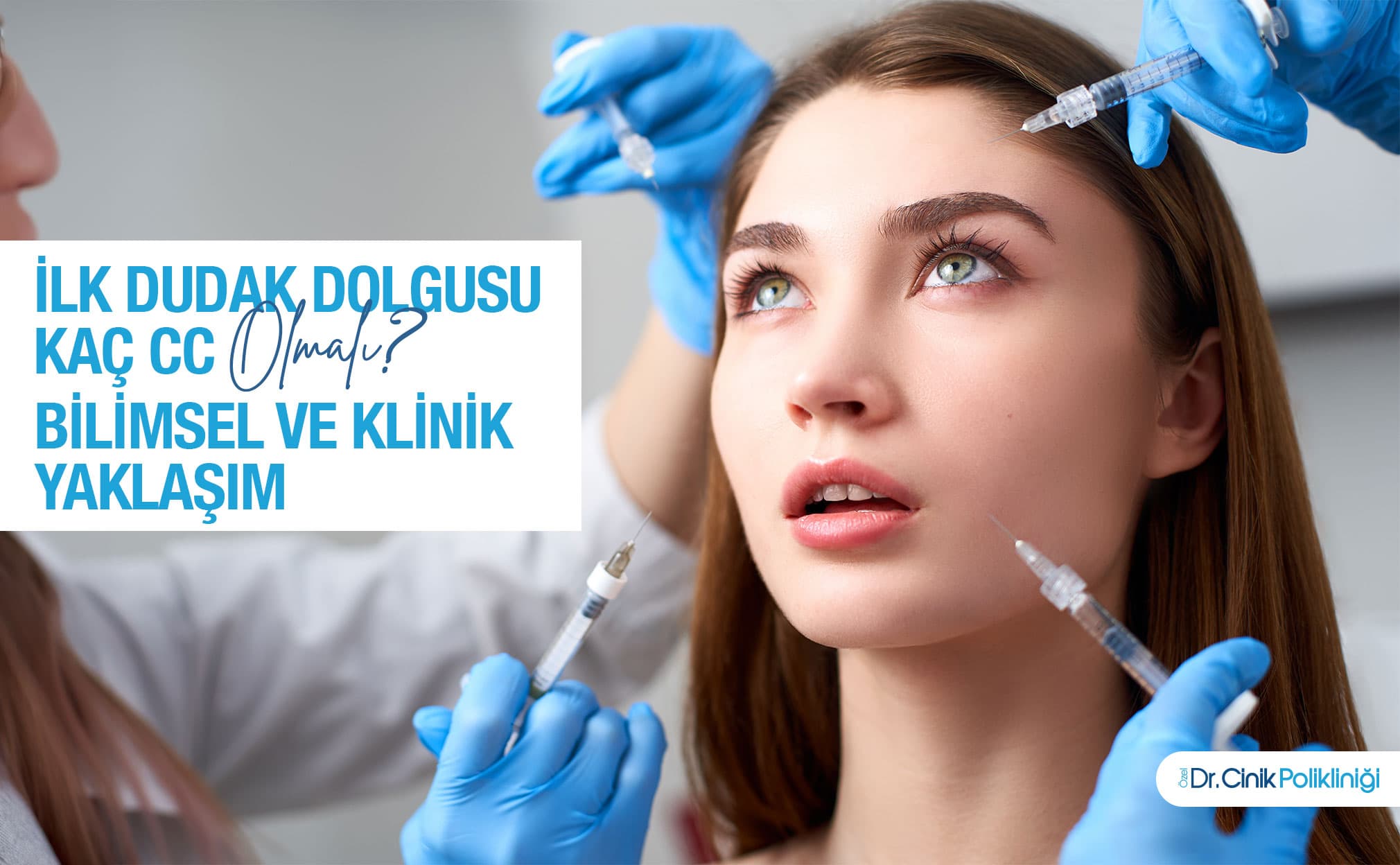
Scientific literature and clinical practices recommend between 0.5 cc and 1 cc for the first lip filler. This range preserves naturalness, minimizes the risk of complications, and ensures tissue adaptation (Smith et al., 2021).
Hyaluronic acid fillers provide volume increase by retaining water within the tissue. They undergo enzymatic breakdown and completely disappear within 6-12 months (Goldman, 2019).
Lip filler is one of the most popular minimally invasive procedures in aesthetic medicine. Hyaluronic acid (HA) based fillers contain a polysaccharide that is naturally found in the body. This substance binds water molecules and increases tissue volume.
There are two main objectives in clinical practice:
Volumizing: Increasing lip thickness
Defining contour: Clarifying the lip borders
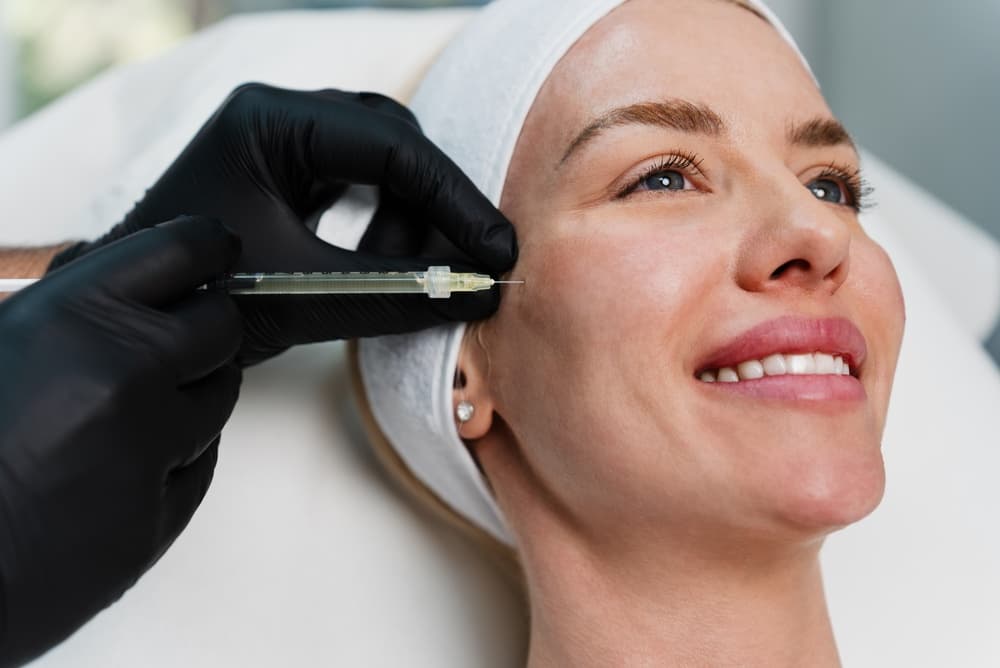
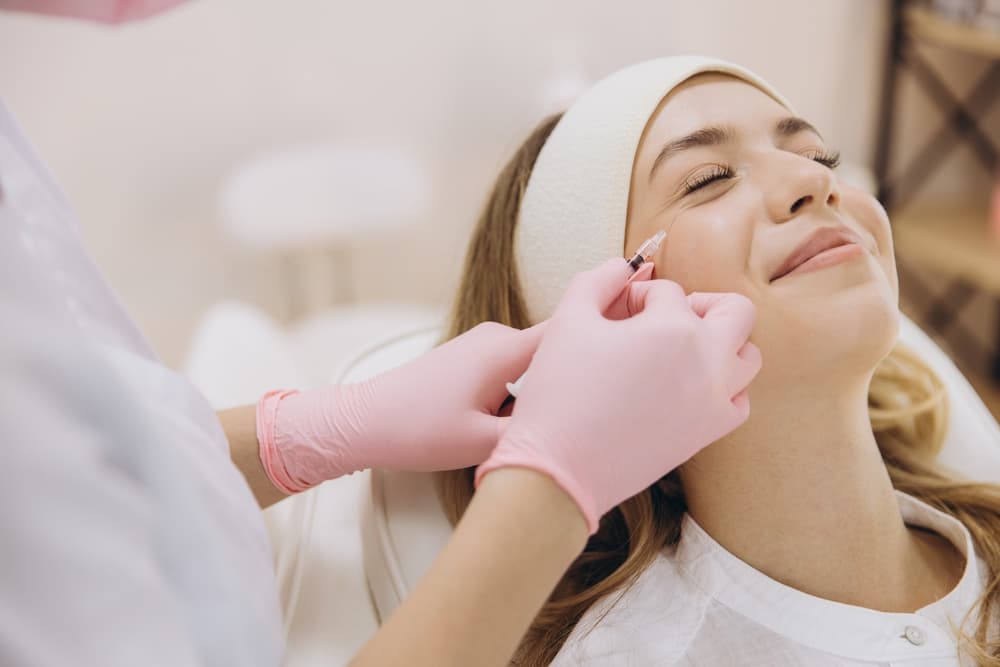
The procedure takes an average of 15-30 minutes. The physician injects filler into the lip tissue using fine needles or cannulas. Pain is minimal due to local anesthesia or lidocaine within the filler.
Feature | Description |
Procedure duration | 15-30 minutes |
Anesthesia | Local or lidocaine within the filler |
Recovery time | 24-48 hours |
Duration of effect | 6-12 months |
Reversibility | Possible with hyaluronidase |
The most important advantage of hyaluronic acid fillers is their reversibility. In case of patient dissatisfaction or complications, the enzyme hyaluronidase is injected, and the filler is dissolved within 24-48 hours (Rzany et al., 2020).
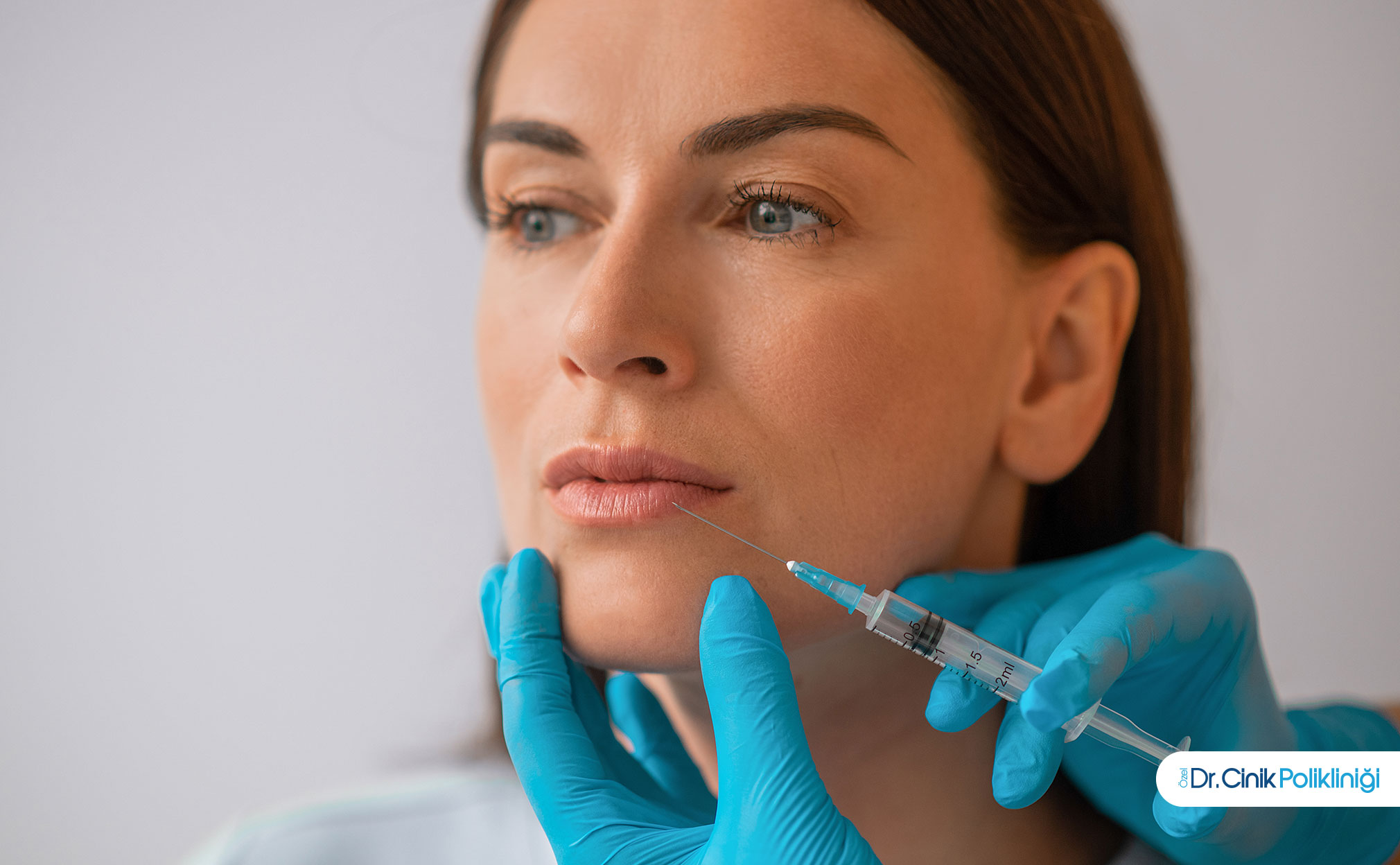
The standard starting dose is between 0.5 cc – 1 cc. This range balances naturalness and safety (Carruthers and Carruthers, 2021).
Scientific literature supports low volumes for the initial application. According to the American Society for Aesthetic Plastic Surgery (ASAPS), 78% of experienced practitioners prefer to use 1 cc or less filler in the first session (American Society for Aesthetic Plastic Surgery, 2022).
Clinical Opinions:
Application Type | Recommended cc | Goal |
Conservative | 0.5 cc | Natural appearance, for testing purposes |
Standard | 1 cc | Noticeable but balanced volume |
Advanced | 1.5 cc | Specific anatomical needs |
Yes, 1 cc is sufficient for most patients. This amount provides a noticeable yet natural change in both the upper and lower lips (Funt and Pavicic, 2019).
Clinical studies show that 1 cc of filler provides an average volume increase of 15-20%. This ratio represents an aesthetically acceptable and naturally appearing change.
Some clinics apply between 0.5 cc and 2 cc. However, 2 cc is considered the upper limit in the first session and is rarely applied in a single session (Glogau, 2020).
The European Academy of guidelines recommend a maximum of 1.5 cc for the first application. This limit minimizes the risk of vascular pressure and tissue damage.
Lip thickness, length, and the ratio of the upper to lower lip determine the cc amount. Thin lips require less filler, while fuller lips require more (Cotofana et al., 2021).
Anatomical Assessment Criteria:
Factor | Thin Lip | Medium Lip | Full Lip |
Starting cc | 0.5 cc | 1 cc | 1-1.5 cc |
Upper lip ratio | %40 | %40 | %40 |
Lower lip ratio | %60 | %60 | %60 |
Need for contour | High | Medium | Low |
Age, genetic structure, and skin elasticity affect the amount of filler. In older patients, if there is significant volume loss, a higher cc may be required (Rohrich et al., 2019).
With age, collagen and hyaluronic acid decrease in the lip tissue. This condition is referred to as "lip atrophy." In patients over 40, UV damage accumulated over a lifetime and smoking also deteriorate tissue quality.
Those who want a natural look prefer 0.5 cc, while those seeking noticeable fullness prefer 1-1.5 cc. The alignment of expectations and physician assessment is critical (Sattler et al., 2020).
The following questions should be answered during the physician-patient consultation:
What is your makeup usage habit in daily life?
Are you closer to social media trends or classic aesthetics?
Do you have social plans for the first week after the procedure?
The physician analyzes facial proportions (golden ratio 1:1.618) and creates a personalized plan. This assessment determines the cc amount (Pavicic et al., 2022).
Golden Ratio Analysis:
Distance between the base of the nose and the lips
Tooth visibility (repoz)
Lip position within the facial triangle
Depth of the nasolabial angle
Low cc (0.5-1 cc) preserves naturalness, prevents the risk of "duck lips," ensures tissue adaptation, and reduces the risk of complications (Humphrey et al., 2021).
Scientific Reasons:
Reason | Description | Clinical Importance |
Naturalness | Excessive filler creates an artificial appearance | Patient satisfaction |
Tissue adaptation | Lip tissue adapts to foreign substances | Foundation for future sessions |
Vessel safety | High volume carries a risk of vascular pressure | Prevention of vascular complications |
Edema control | Lower volume creates less swelling | Social recovery time |
Excessive filler ("duck lips" or "trout pout") occurs as a result of applications that push the natural anatomical boundaries of the lips. This condition is aesthetically undesirable and can lead to functional issues (speech, eating).
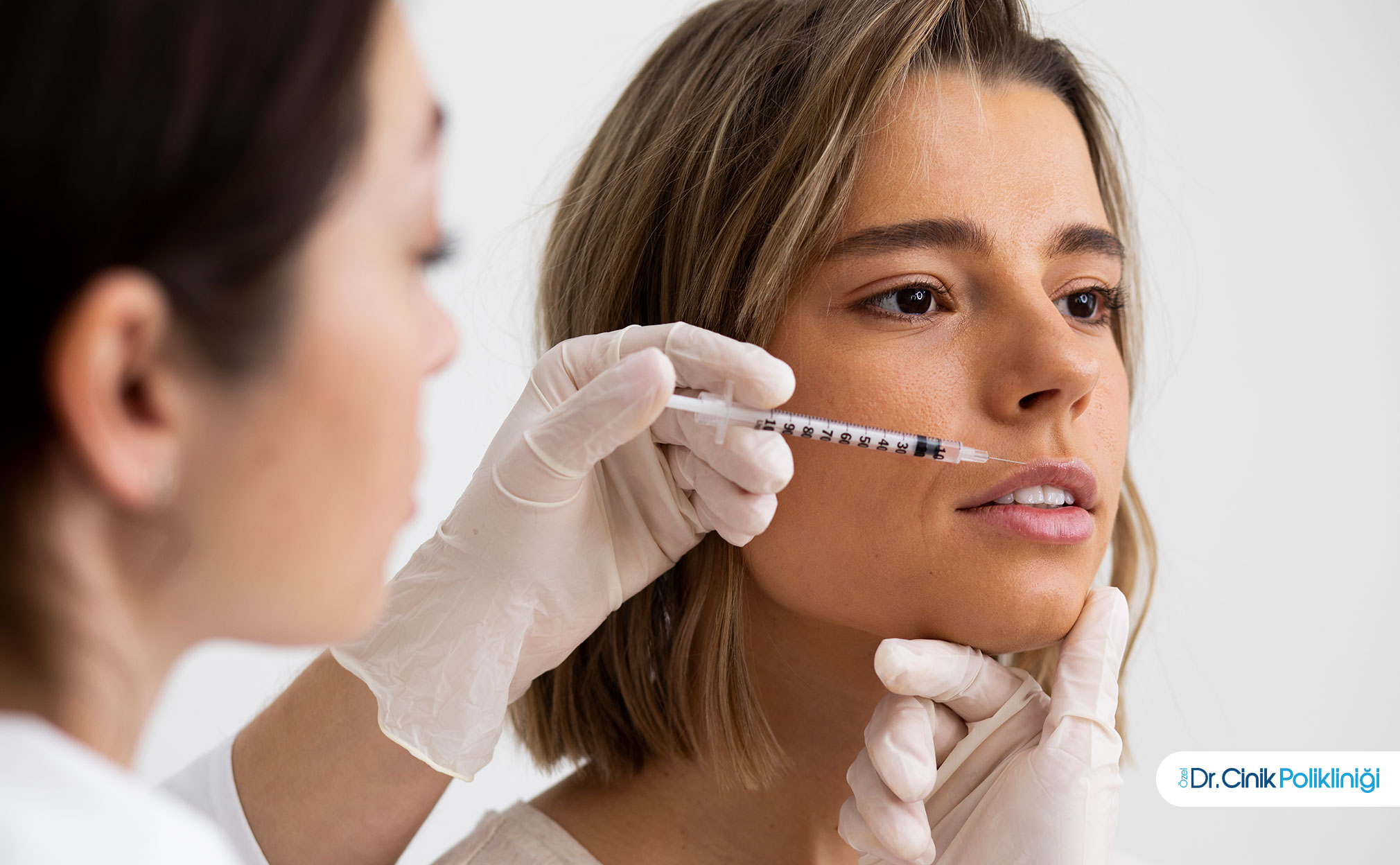
The first session involves 0.5-1 cc, followed by a check-up after 1-2 weeks, and additional filler is applied if necessary. This protocol provides the safest results (Carruthers et al., 2020).
Stages of the Gradual Protocol:
Stage | Timing | Procedure | Objective |
1st Session | Start | 0.5-1 cc | Basic volume and contour |
Check | 10-14 days later | Evaluation | Swelling resolution, result analysis |
2nd Session (if necessary) | 2-4 weeks later | Add 0.5 cc | Fine tuning and completion |
The gradual approach provides controlled results, evaluates the true appearance after swelling, and increases patient satisfaction (Rzany et al., 2021).
Advantages:
Controlled result: Opportunity for evaluation at each stage
Reversibility: Ease of intervention in case of dissatisfaction
Tissue health: Minimizes the risk of excessive stretching
Psychological adaptation: Process of getting used to the new appearance
For thin lips, the starting point should be 0.5 cc. In subsequent sessions, an increase can be made (Kane, 2020).
The tissue of thin lips has limited elasticity. Excessive filling poses a risk of tissue stretching and vascular compression. The initial application of 0.5 cc provides aesthetic improvement without straining tissue capacity.
For medium volume lips, 1 cc is generally sufficient. This amount provides balanced results for both the upper and lower lips (Carruthers and Carruthers, 2021).
In very thin lips, 1-2 cc should be applied gradually. 2-3 cc in a single session is never recommended (Glogau, 2020).
Application Strategy:
Session | cc Amount | Goal |
1st Session | 0.5-0.8 cc | Basic volume, tissue expansion |
2nd Session (4-6 weeks later) | 0.5-0.8 cc | Volume completion |
3rd Session (if necessary) | 0.5 cc | Contour refinement |
The lower lip should be 60%-40% fuller than the upper lip. This ratio provides a harmonious and natural appearance with the face (Pavicic et al., 2022).
Aesthetic Ratios:
Area | Ideal Ratio | Clinical Application |
Lower lip | %60 | More volume |
Upper lip | %40 | Contour enhancement |
Lip-width ratio | 1:3 | Facial width compatibility |
Contour vs. Volume Balance:
Contour-focused: Lip border definition, "cupid's bow" enhancement
Volume-focused: Increasing lip thickness, smoothing
Combined: Balanced application of both goals
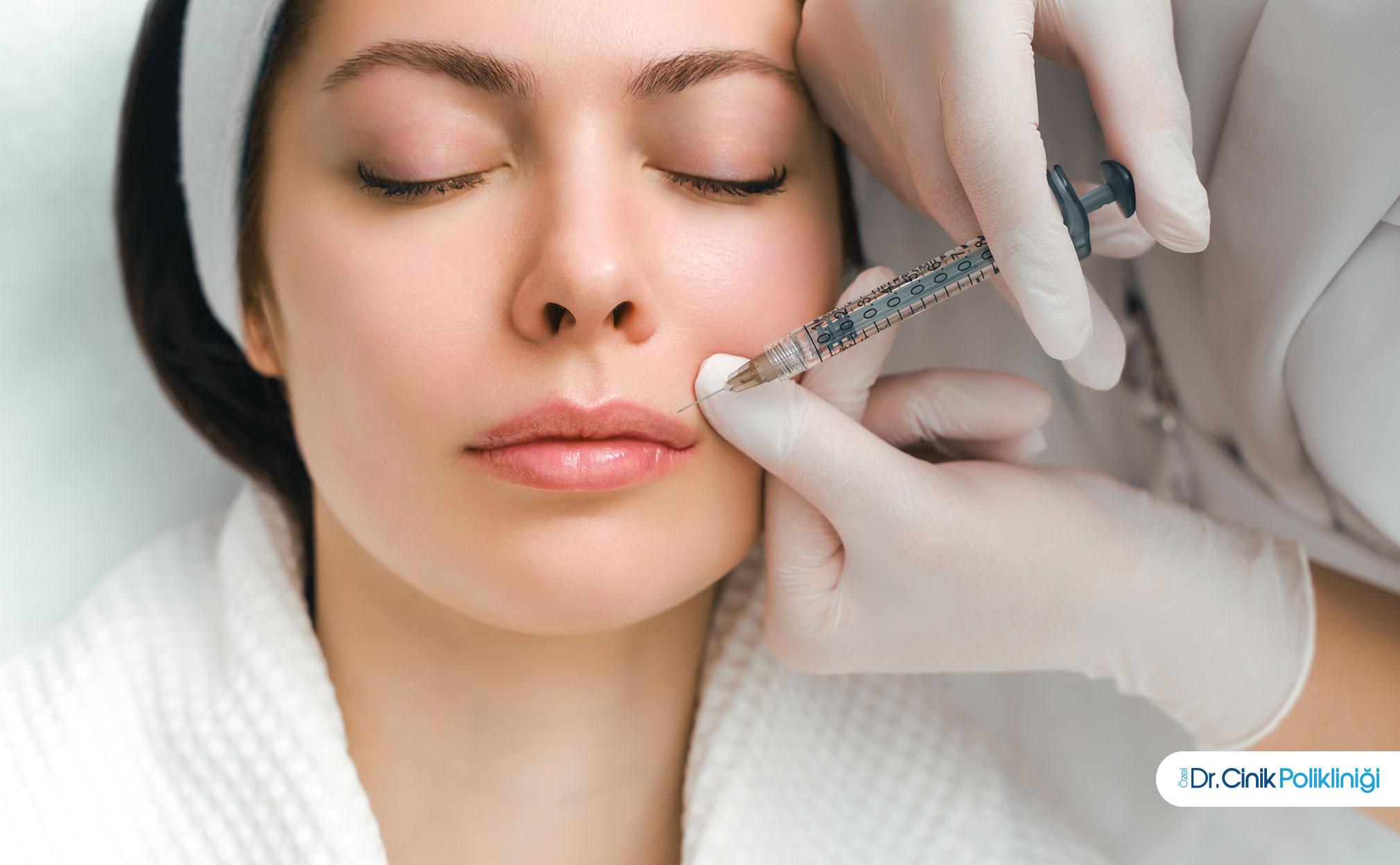
Swelling and bruising peak within 24-48 hours, final appearance settles in 7-10 days (Goldman, 2019).
Recovery Timeline:
Time | Expected Condition | Recommendations |
0-24 hours | Swelling peak, sensitivity | Ice compress, pain relief |
24-48 hours | Bruising may occur | Arnica cream, elevated head |
3-7 days | Reduction of swelling | Avoid hot beverages |
7-10 days | Final appearance | Follow-up appointment |
2 weeks | Complete stabilization | Evaluation and decision |
The final appearance settles within 7-10 days. The filler gains volume by absorbing water and tissue adaptation is completed (Sattler et al., 2020).
The average duration is 6-12 months. Metabolism, type of filler, and lifestyle affect this duration (Rzany et al., 2020).
Factors Affecting Longevity:
Factor | Effect | Recommendation |
Metabolism | Fast metabolism = early dissolution | More permanent filler types |
Type of filler | High cross-linking = long-lasting | Vycross technology |
Lifestyle | Smoking, sun = short duration | Protective measures |
Application area | Deeper = more permanent | Physician technique |
Excessive filling, vascular pressure, asymmetry, infection, and edema are the main risks. Choosing a specialist physician minimizes risks (Humphrey et al., 2021).
Risk Classification:
Risk | Incidence | Prevention |
Excessive filling | Common | Conservative start, gradual approach |
Vascular pressure | Rare | Anatomy knowledge, abrasive technique |
Asymmetry | Common | Symmetrical injection, control |
Infection | Rare | Sterile technique, antibiotic prophylaxis |
Edema | Very frequent | Cold compress, anti-inflammatory |
Vascular Complication: The most serious risk is intravascular injection. This condition can lead to tissue necrosis or vision loss. The physician must know the vascular anatomy and should use an abrasive (retrograde) technique (Carruthers et al., 2020).
0.5 cc – 1 cc is the ideal starting range. This amount preserves naturalness and ensures safety (Smith et al., 2021).
Yes, 1 cc is sufficient for most patients. It provides noticeable yet natural results on both the upper and lower lips (Funt and Pavicic, 2019).
Pain is minimal. The lidocaine in the filler and the anesthetic cream applied beforehand control the pain. The patient only reports a feeling of pressure (Goldman, 2019).
It naturally dissolves within 6-12 months. It can be dissolved within 24-48 hours with hyaluronidase (Rzany et al., 2020).
Not recommended. The maximum limit in the first session is 1-1.5 cc. 2 cc in a single session can only be considered in very special cases and by experienced physicians (Glogau, 2020).
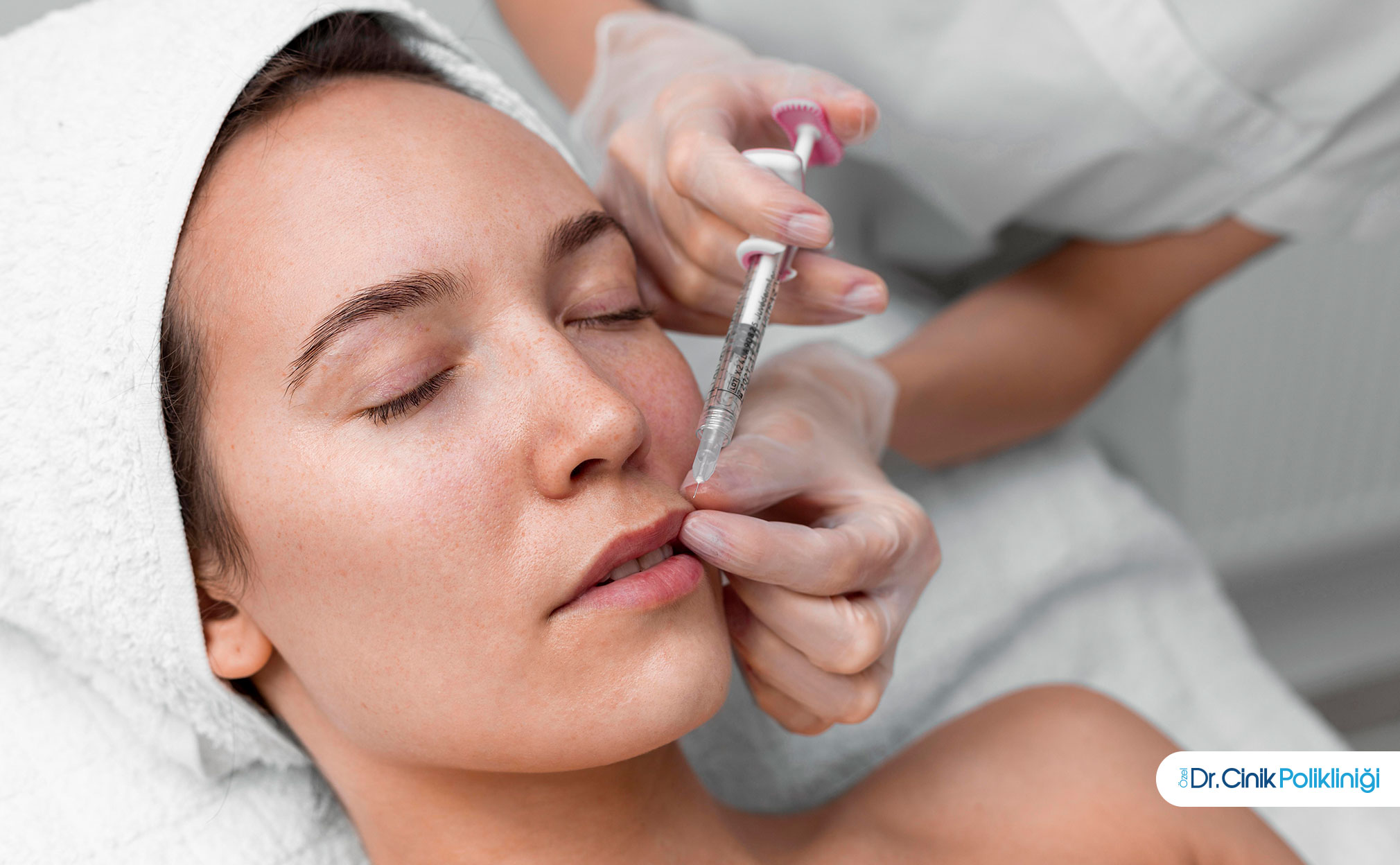
For the first lip filler, 0.5 – 1 cc is the safest range. Personalized planning, a gradual approach, and the selection of a specialist physician are critically important (Carruthers and Carruthers, 2021).
Basic Principles:
Principle | Application |
Safety | Low cc, gradual approach |
Naturalness | Golden ratio, facial harmony |
Personalization | Anatomical assessment |
Information | Management of patient expectations |
The fundamental principle of aesthetic medicine is "less is more," which is the most critical rule in lip fillers. A conservative approach during the initial application is the most accurate strategy in terms of both safety and patient satisfaction. Remember: adding filler is possible, but removing it is difficult.
Carruthers, Jean, and Alastair Carruthers. "Lip Augmentation with Hyaluronic Acid Fillers: A Consensus Recommendation." Plastic and Reconstructive Surgery, vol. 147, no. 4, 2021, pp. 678-689.
Carruthers, Jean, and colleagues. "Gradual Approach to Lip Augmentation: Clinical Efficacy and Safety." Surgery, vol. 46, no. 8, 2020, pp. 1045-1053.
Cotofana, Sebastian, and colleagues. "Anatomy of the Lip and Perioral Region: Clinical Implications for Filler Injections." Aesthetic Surgery Journal, vol. 41, no. 3, 2021, pp. 284-297.
Funt, David, and Tatjana Pavicic. "Dermal Fillers in Aesthetics: An Overview of Adverse Events and Treatment Approaches." Clinical, Cosmetic and Investigational , vol. 12, 2019, pp. 253-263.
Goldman, Mitchel P. "Hyaluronic Acid Fillers: Safety and Efficacy in Lip Augmentation." Journal of Cosmetic , vol. 18, no. 2, 2019, pp. 412-420.
Glogau, Richard G. "Optimizing Outcomes in Lip Augmentation: Techniques and Product Selection." Archives of Research, vol. 312, no. 5, 2020, pp. 345-356.
Humphrey, Shannon, and colleagues. "Complications of Temporary Dermal Fillers: Prevention and Management." Aesthetic Surgery Journal, vol. 41, no. 7, 2021, pp. 789-801.
Kane, Michael A. "Classification of Lip Fillers and Injection Techniques." Facial Plastic Surgery Clinics of North America, vol. 28, no. 3, 2020, pp. 305-312.
Pavicic, Tatjana, and colleagues. "Golden Ratio in Facial Aesthetics: Application to Lip Augmentation." Aesthetic Plastic Surgery, vol. 46, no. 2, 2022, pp. 412-423.
Rohrich, Rod J., and colleagues. "The Aging Lip: Anatomy and Volume Loss Correction Strategies." Plastic and Reconstructive Surgery, vol. 144, no. 4, 2019, pp. 567-578.
Rzany, Berthold, and colleagues. "Evidence-Based Approach to Dermal Fillers in Aesthetic Medicine." Journal of the European Academy of and Venereology, vol. 34, no. 6, 2020, pp. 1264-1273.
Rzany, Berthold, and colleagues. "Hyaluronic Acid Fillers: Duration of Effect and Patient Satisfaction in Lip Augmentation." Therapy, vol. 34, no. 2, 2021, pp. e14852.
Sattler, Gerhard, and colleagues. "Step-by-Step Approach to Natural Lip Enhancement." Journal of Drugs in , vol. 19, no. 5, 2020, pp. 512-518.
Smith, Lee, and colleagues. "Initial Lip Filler Volumes: A Systematic Review and Meta-Analysis." Aesthetic Surgery Journal, vol. 41, no. 9, 2021, pp. 1023-1035.
American Society for Aesthetic Plastic Surgery. "2022 Aesthetic Plastic Surgery National Data Bank Statistics." ASAPS Annual Conference, 2022, New York.