Yükleniyor…
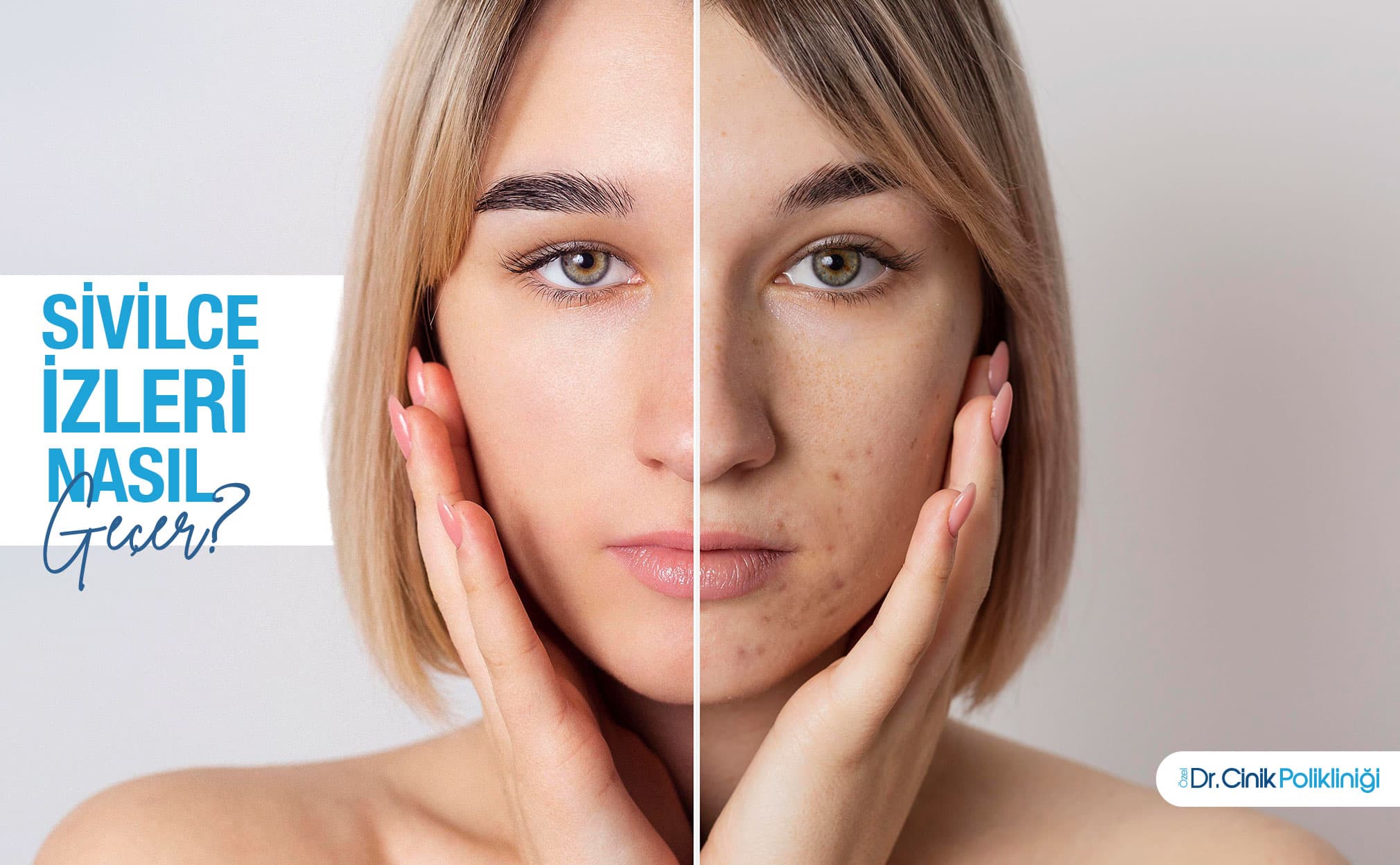
Yes, acne scars can fade. However, there is a difference between complete healing and significant improvement depending on the type of scar and treatment method. Atrophic scars (depressed scars) are due to collagen loss and may not completely disappear. However, with the right treatment, a 50-70% improvement in appearance is possible. Pigmented scars (red/brown spots) usually fade completely over time or with treatment.
Quick Answer: Acne scars can be treated. Superficial spots fade within 3-6 months, while deep depressed scars require clinical intervention. Early treatment increases the chances of success.
Acne scars and spots are different pathologies. Post-inflammatory hyperpigmentation (PIH) is the accumulation of melanin after inflammation. These spots occur due to melanin accumulation in the epidermis or dermis. Acne scars (scars) are due to tissue damage and collagen metabolism disorders.
Davis and Callender (2010) state that PIH is more common and persistent in individuals with darker skin. Individuals with Fitzpatrick skin types IV-VI have larger melanosomes and produce more melanin. Therefore, the risk of post-inflammatory pigmentation increases.
Table 1: Acne Scars vs. Spots
Feature | Acne Scar (Scar) | Acne Spot (PIH) |
Structure | Tissue damage, collagen loss/increase | Melanin accumulation |
Touch | Feels depressed or raised | Flat, only color change |
Permanence | Can be permanent, treatment is difficult | Generally temporary (3-24 months) |
Treatment | Requires collagen stimulation | Pigment suppressors are sufficient |
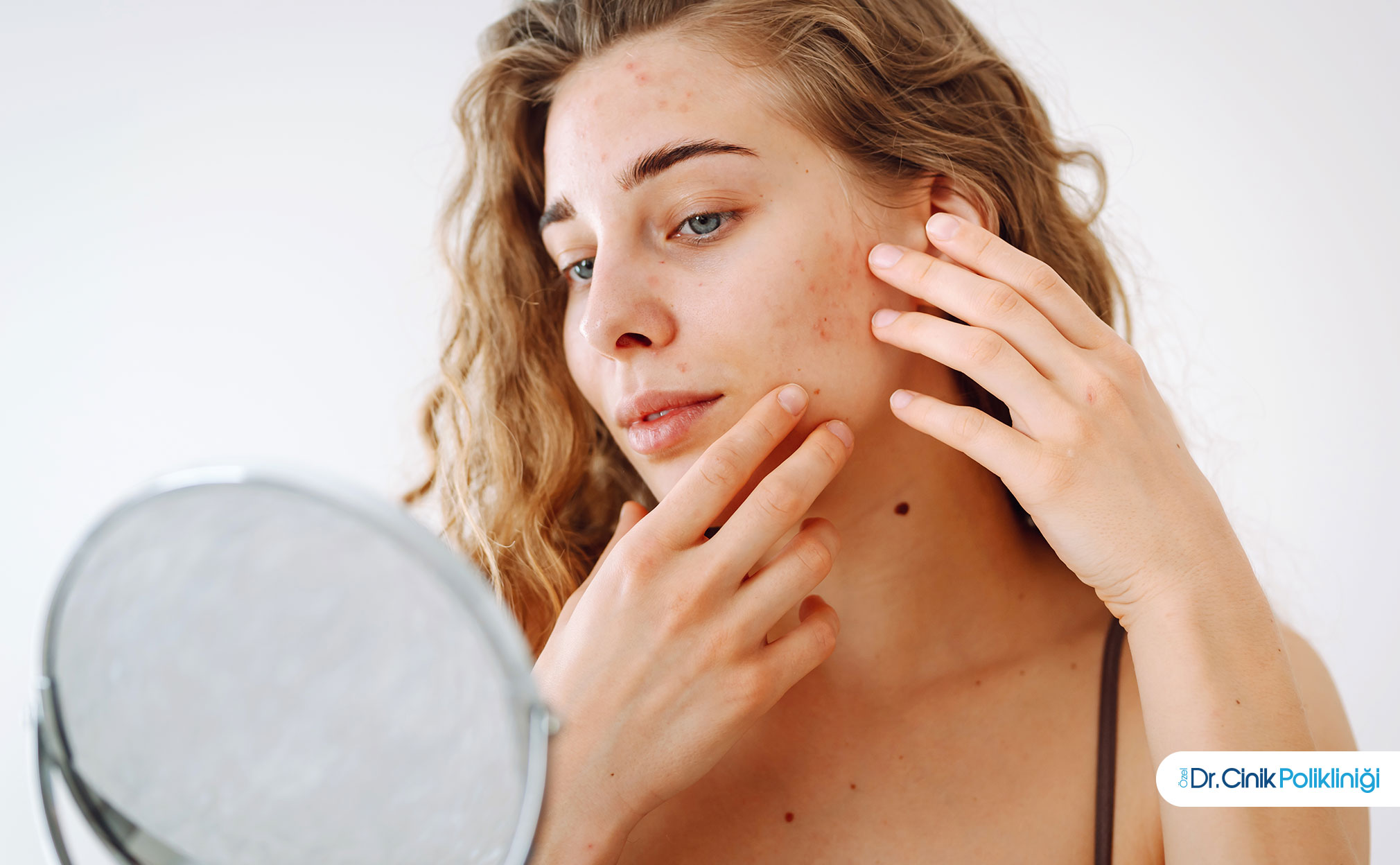
Atrophic scars are the most common type of acne scar. Depressions occur in the skin due to collagen loss. According to the classification by Jacob and colleagues, there are three subtypes:
Icepick scars (60-70%): Deep, narrow, V-shaped depressions
Boxcar scars (20-30%): Wide, well-defined edges, U-shaped depressions
Rolling scars (15-25): Wide, soft-edged, wavy appearance
In a 2025 retrospective study, 397 patients in Thailand were examined. Patients with atrophic scars received fractional laser or fractional radiofrequency treatment. The study showed that both methods provided more than 25% improvement. A success rate of 88.1% was achieved in the fractional radiofrequency group, and 71.9% in the fractional laser group (Yuthakorn et al., 2025).
These scars are due to excessive collagen production. Hypertrophic scars remain confined to the acne area. Keloids spread beyond the original wound. The risk of keloid formation is higher in individuals with darker skin.
Post-inflammatory erythema (PIE) is redness due to vascular dilation. Post-inflammatory hyperpigmentation (PIH) are brown spots due to increased melanin. Lyons et al. (2020) showed the limited efficacy of ' in the treatment of PIH, but that retinoids provided significant improvement.
Yes. Severe nodulocystic acne increases the risk of scar formation to 95%. Early treatment prevents collagen damage. The longer inflammation lasts, the more fibroblast activity is impaired.
Yes. Mechanical trauma activates melanocytes. This increases the risk of PIH. Additionally, deep tissue damage triggers scar formation.
Collagen production genes (COL1A1, COL3A1) and wound healing genes affect scar formation. The risk increases threefold in individuals with a family history of keloids.
Why is Using Sunscreen Essential?
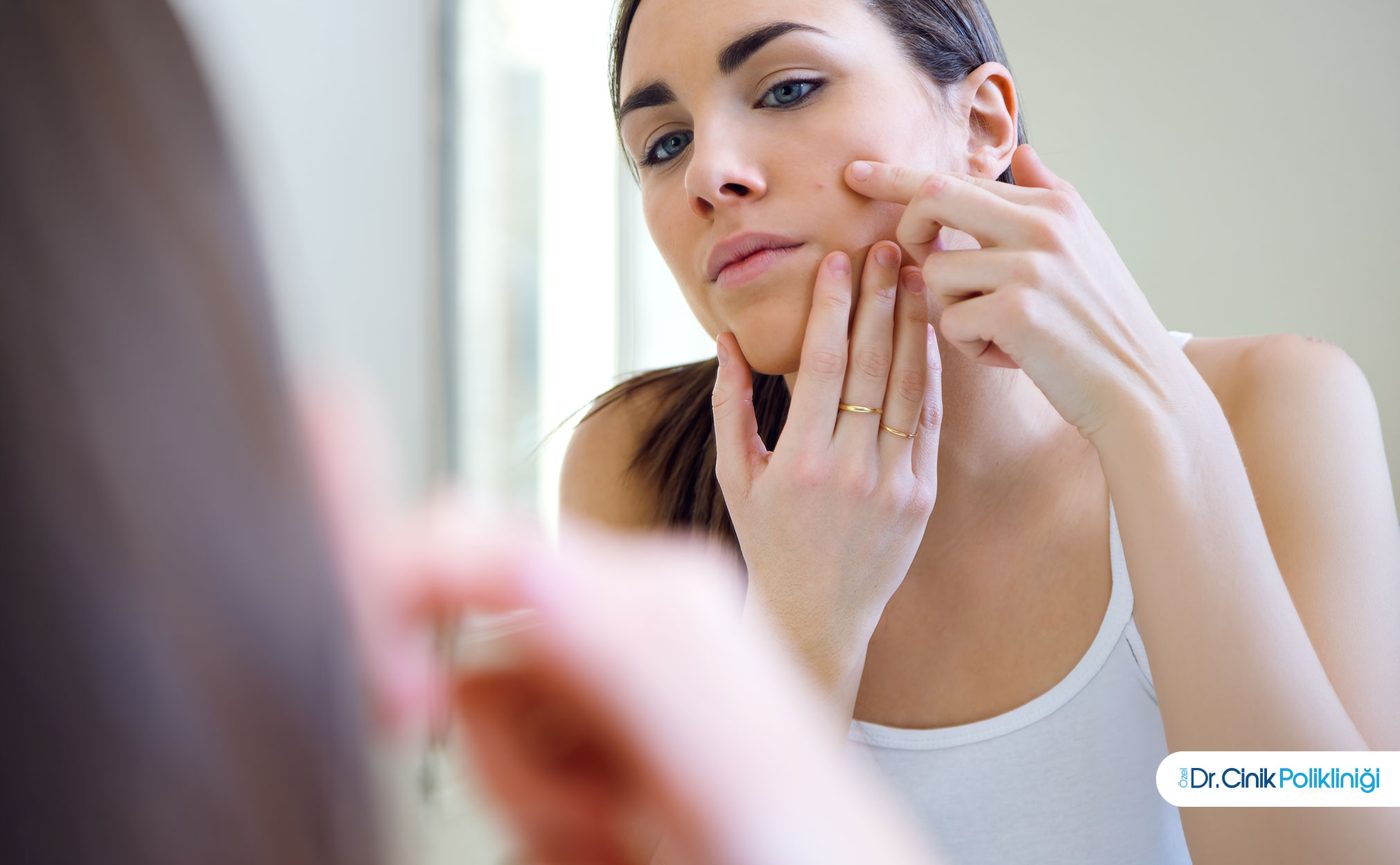
UV rays increase melanin production. This causes darkening of spots. Darji et al. (2017) emphasize that sun protection is critical in preventing PIH. SPF 30+ sunscreen should be used daily.
How Do AHAs (Alpha Hydroxy Acids) Work?
Glycolic acid and lactic acid exfoliate dead skin. This process accelerates cell renewal. Wang et al. showed that a 35-50% glycolic acid peel significantly improved acne scars in Asian patients. After 10 weeks of treatment, skin texture improved and pores shrank.
Table 2: Active Ingredients Available for Home Use
Ingredient | Mechanism | Duration of Effect | Level of Efficacy |
Glycolic acid (5-10%) | Keratolysis, cell turnover | 8-12 weeks | Moderate |
Lactic acid (5-12%) | Moisturizing, mild exfoliation | 12-16 weeks | Moderate-good |
Retinol (%0.25-1) | Collagen stimulation | 12-24 weeks | Good |
Azelaic acid (%15-20) | Tyrosinase inhibition | 8-12 weeks | Good |
How Do Retinoids Work?
Tretinoin and adapalene increase collagen synthesis. They also accelerate cell turnover. Grimes and Callender (2006) showed that 0.1% tazarotene cream reduced PIH by an average of 15% in patients with darker skin.
Is Azelaic Acid Beneficial?
Yes. Azelaic acid inhibits the tyrosinase enzyme. This enzyme is key to melanin production. In the study by Balińa and Graupe, 20% azelaic acid cream was as effective as 2% hydroquinone. Verallo-Rowell et al. (1989) reported that 73% of those using azelaic acid had a positive response, while this rate was 19% in the hydroquinone group.
How Do Laser Treatments Work?
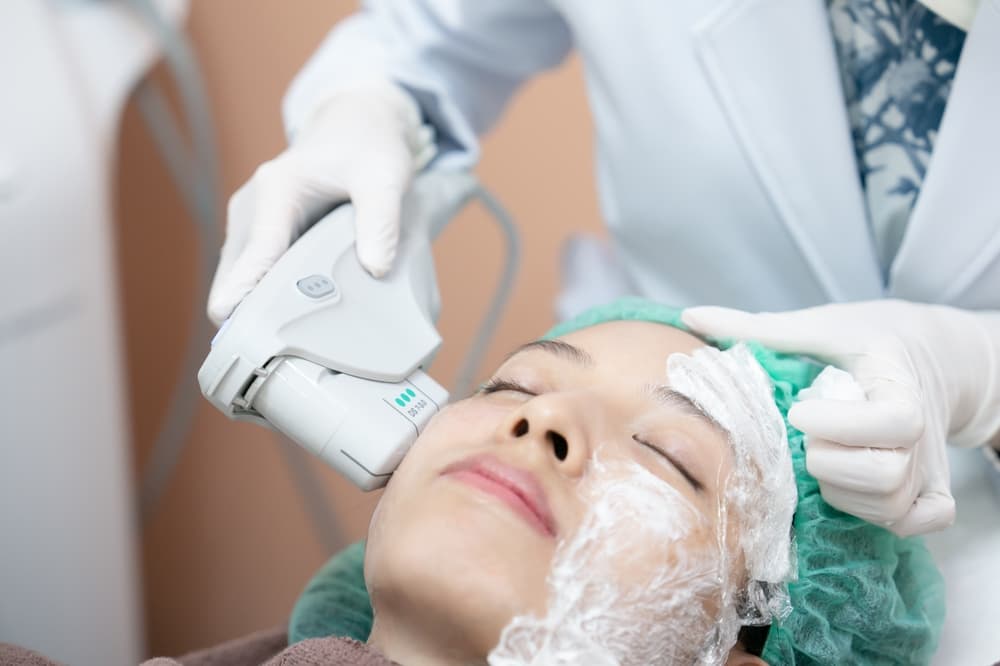
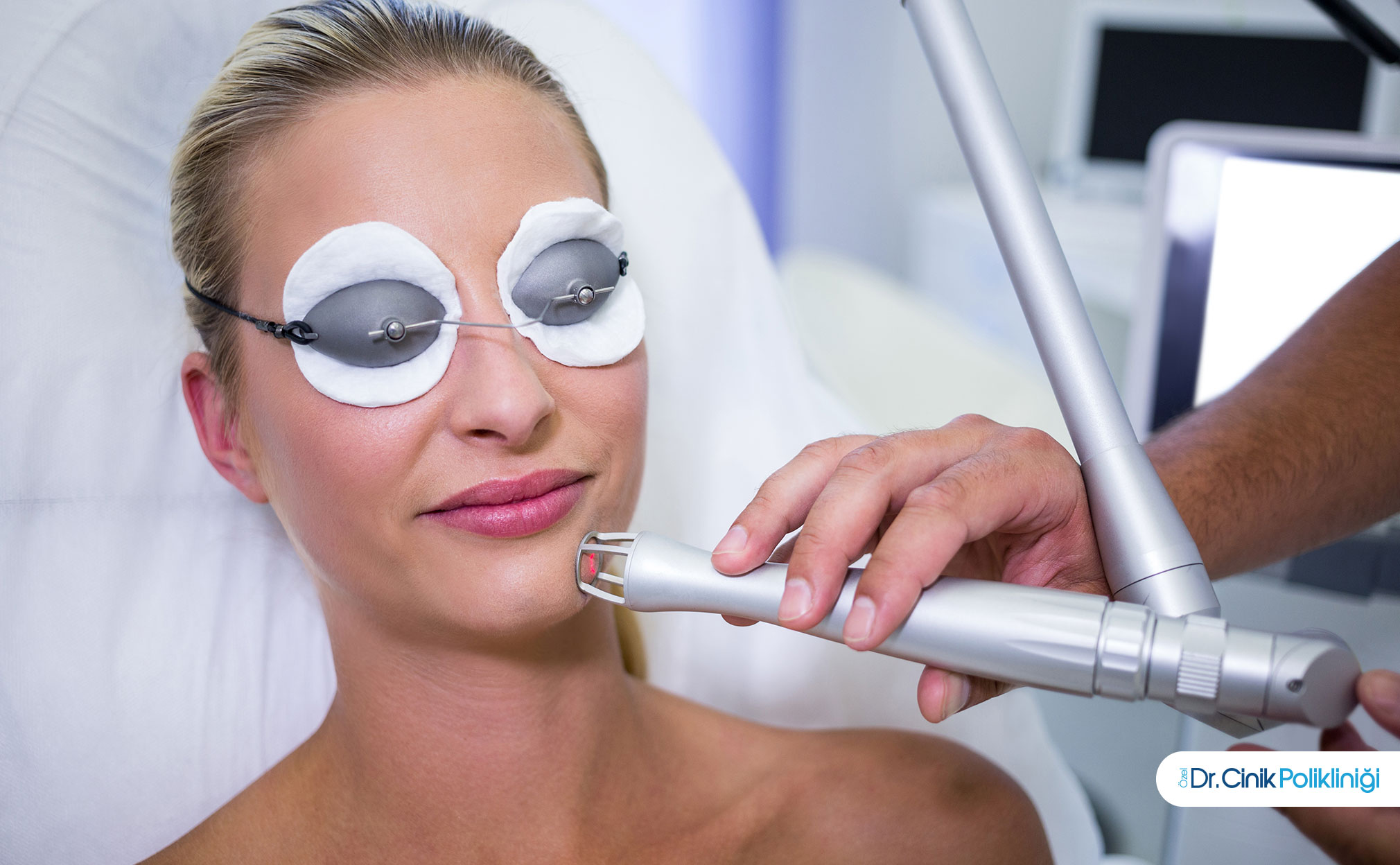
Fractional Lasers: Create controlled microthermal damage. This damage activates fibroblasts. New collagen and elastin production begins. Ablative fractional lasers (CO2, Er:YAG) provide 51-70% improvement in moderate to severe atrophic scars.
Non-ablative Lasers: Target the dermis while preserving the epidermis. They have fewer side effects and a longer healing time.
Picosecond Lasers: 1927 nm thulium fiber laser is effective in treating PIH in patients with darker skin. Bae et al. (2020) showed that this laser provided 43±25% improvement in Fitzpatrick skin types IV-VI.
Table 3: Comparison of Laser Treatments
Laser Type | Depth | Recovery Time | PIH Risk | Effectiveness |
Fractional CO2 | Deep | 7-14 days | Medium | Very high |
Fractional Er:YAG | Medium-deep | 5-10 days | Medium | High |
1064 nm Nd:YAG | Medium | 3-5 days | Low | High |
1927 nm Thulium | Superficial | 1-3 days | Very low | Medium-high |
Picosani 755 nm | Superficial | 1-2 days | Very low | Medium |
How Does Chemical Peeling Work?
Chemical peeling provides controlled kerato-coagulation. The epidermis and papillary dermis are targeted. Rana et al. showed that when a 70% glycolic acid peel is combined with microneedling, it significantly enhances scar healing compared to its standalone use.
Glycolic Acid Peel: Used in concentrations of 20-70%. Erbağcı and Akçali (2000) demonstrated that a 70% glycolic acid peel is superior to a 15% glycolic acid cream used for 24 weeks.
TCA Peel: A 30% TCA provides a medium-depth peel. Jain et al. (2022) reported that 30% TCA is more effective than 70% glycolic acid, but with more side effects.
What is Microneedling?
Microneedling is a collagen induction therapy. Needles create controlled microchannels. Growth factors are released through these channels. New collagen and elastin synthesis begins. In Sharad's study, the combination of microneedling with a 35% glycolic acid peel yielded significantly better results than microneedling alone.
What is the Difference Between Dermabrasion and Microdermabrasion?
Microdermabrasion provides superficial exfoliation. Alumina crystals or diamond tips are used. It is effective on superficial scars. Dermabrasion involves a deeper procedure and requires surgical techniques.
How Do Filler Injections Work?
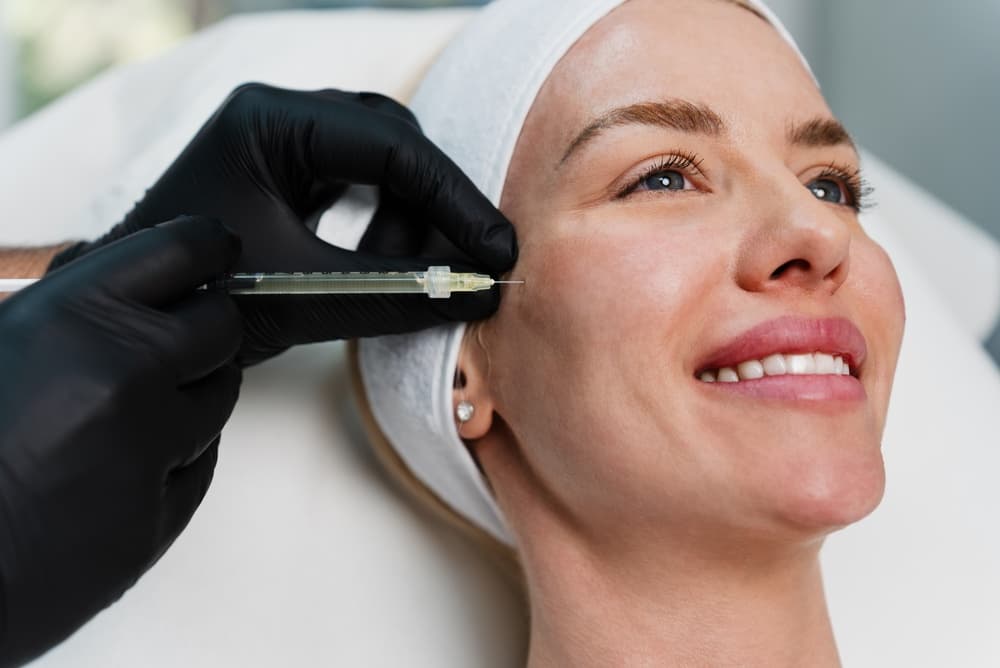
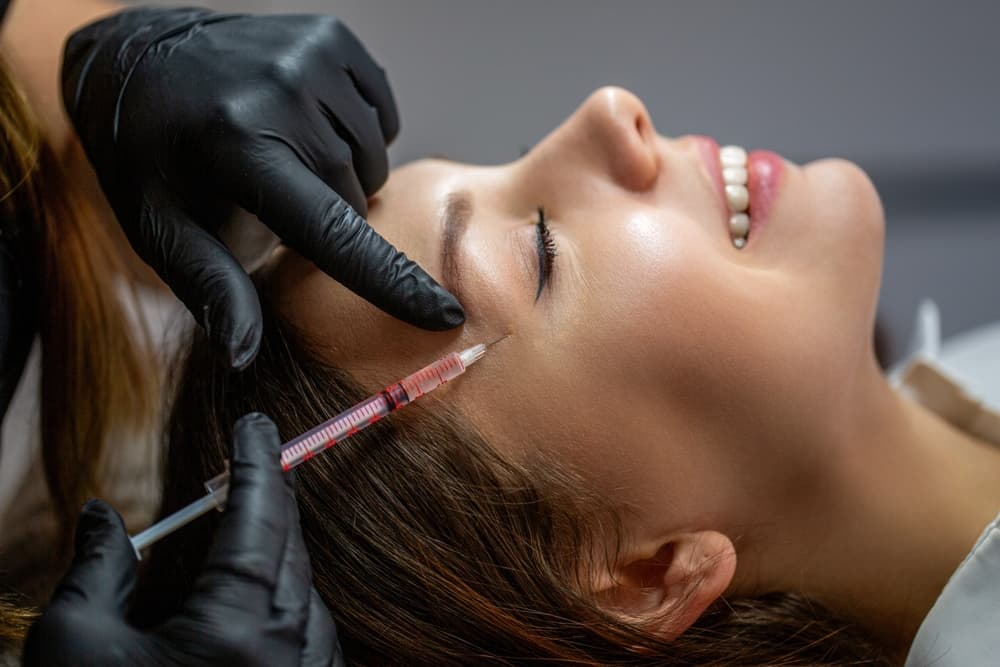
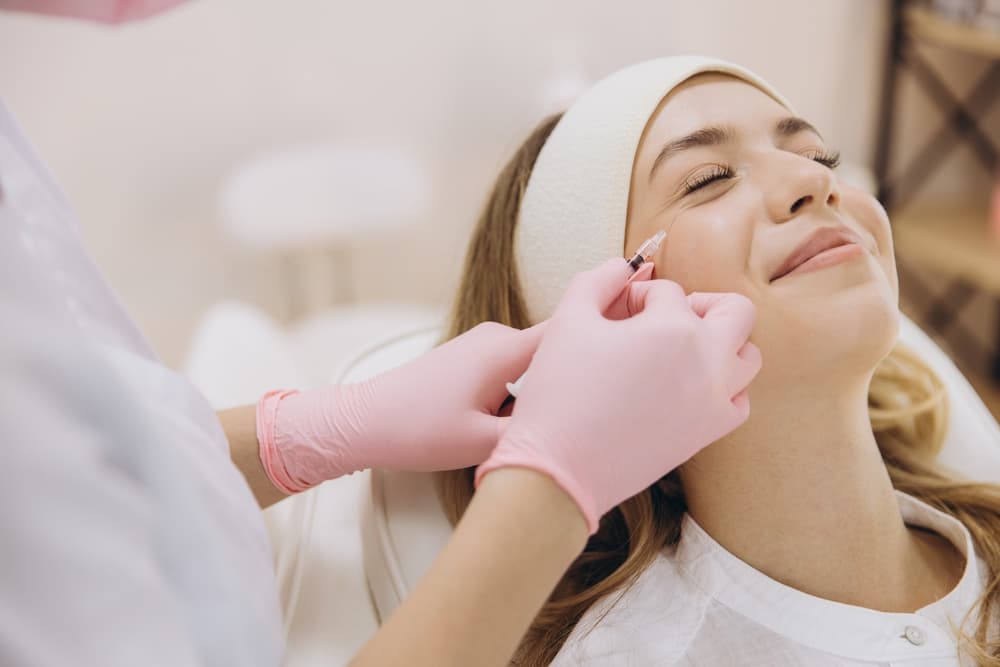
Hyaluronic Acid: Injected under atrophic scars. Provides immediate volume increase. Siperstein et al. (2022) showed that hyaluronic acid filler provides significant improvement in atrophic facial scars compared to placebo. Dierickx et al. (2018) reported that non-animal sourced stabilized hyaluronic acid gel is safe and effective in acne scars.
PLLA (Poly-L-lactic Acid): Provides gradual collagen stimulation. Beer (2007) demonstrated that a 7-session PLLA treatment resulted in significant improvement in moderate to severe acne scars.
When Are Steroid Injections Used?
Triamcinolone injection is applied in hypertrophic and keloid scars. Pearson et al. (2023) reported that a 0.05% desonide topical steroid resulted in a 28% reduction in the PIH clarity index.
It varies by scar type. For pigmented scars, picosecond lasers provide significant improvement in 2-4 sessions. For atrophic scars, ablative fractional lasers offer 25-40% improvement in a single session. However, the healing time is 7-14 days.
Table 4: Comparison of Treatment Speed
Treatment | Initial Effect | Maximum Effect | Number of Sessions |
Hyaluronic filler | Immediate | 2-4 weeks | 1-3 |
Ablative fractional laser | 2-4 weeks | 3-6 months | 1-3 |
Microneedling | 4-6 weeks | 3-6 months | 3-6 |
Chemical peeling | 4-8 weeks | 3-6 months | 4-8 |
Topical retinoid | 8-12 weeks | 6-12 months | Daily use |
Complete healing may not always be possible. However, significant cosmetic improvement is the standard treatment goal. Atrophic scars can be corrected by 70-85%. Pigmented scars usually disappear completely.
Treatment should begin as soon as acne appears. This approach shortens the duration of inflammation. It prevents collagen damage. Retinoids are effective in preventing both acne and scars.
Non-comedogenic products should be preferred. Gentle cleansing gels should be used. Excessive cleansing causes barrier damage. This increases the risk of PIH.
Consultation with a is essential for deep atrophic scars, keloid formation, or unresponsive PIH to home treatment. Laser selection in individuals with dark skin requires expertise. Incorrect laser selection can worsen PIH.
Acne scars are treatable conditions. However, a personalized approach is essential. The right treatment should be chosen according to the type of scar. Combined treatments are generally superior to single treatments. Regular care and patience yield the best results.
Superficial spots fade in 3-6 months. Deep depressed scars require 6-24 months of treatment. Clinical intervention shortens the duration.
SPF 30+ sunscreen, 5-10% glycolic acid, or 0.25-1% retinol can be used. Azelaic acid (15-20%) is effective for both acne and scars.
Laser is more effective for deep scars. Topical treatments may be sufficient for superficial spots. Combined use gives the best result.
They are usually temporary. However, if left untreated, they can last for years. The risk of permanence is higher in individuals with dark skin.
It varies according to the type of scar. Fractional laser or microneedling is preferred for atrophic scars, picosecond laser or chemical peeling for pigmented scars, and steroid injection for raised scars.
Bae, YSC, Rettig, S., Weiss, E., Bernstein, L., and Geronemus, R. (2020). "Treatment of post-inflammatory hyperpigmentation in patients with darker skin types using a low energy 1,927 nm non-ablative fractional laser: a retrospective photographic review analysis." Lasers in Surgery and Medicine, 52(1), 7-12.
Beer, K. (2007). "PLLA fillers for the treatment of acne scars." Journal of Drugs in , 6(12), 1224-1229.
Bulengo-Ransby, SM., Griffiths, C., Kimbrough-Green, CK., et al. (1993). "Topical tretinoin (retinoic acid) therapy for hyperpigmented lesions caused by inflammation of the skin in black patients." New England Journal of Medicine, 328(20), 1438-1443.
Callender, VD., Young, CM., Kindred, C., and Taylor, SC. (2012). "Efficacy and safety of clindamycin phosphate 1.2% and tretinoin 0.025% gel for the treatment of acne and acne-induced post-inflammatory hyperpigmentation in patients with skin of color." Journal of Clinical and Aesthetic , 5(7), 25-32.
Davis, EC., and Callender, VD. (2010). "Postinflammatory hyperpigmentation: a review of the epidemiology, clinical features, and treatment options in skin of color." Journal of Clinical and Aesthetic , 3(7), 20-31.
Dierickx, C., Larsson, MK., and Blomster, S. (2018). "Effectiveness and safety of acne scar treatment with nonanimal stabilized hyaluronic acid gel." Surgery, 44 Suppl 1, S10-S18.
Erbağci, Z., and Akçali, C. (2000). "Glycolic acid peels for atrophic acne scars." International Journal of , 39(10), 796-797.
Grimes, P., and Callender, V. (2006). "Tazarotene cream for postinflammatory hyperpigmentation and acne vulgaris in darker skin: a double-blind, randomized, vehicle-controlled study." Cutis, 77(1), 45-50.
Jain, A., Sangal, S., and Bhatia, R. (2022). "A comparative study of 70% glycolic acid and 30% trichloroacetic acid chemical peels in the treatment of facial atrophic acne scars." Journal of Cutaneous and Aesthetic Surgery, 15(3), 218-224.
Lyons, AB., Kohli, I., Nahhas, AF., et al. (2020). "Trichloroacetic acid model to accurately capture the efficacy of treatments for postinflammatory hyperpigmentation." Archives of Research, 312, 725-730.
Roggenkamp, D., Dlova, N., Mann, T., et al. (2021). "Effective reduction of post-inflammatory hyperpigmentation with the tyrosinase inhibitor isobutylamido-thiazolyl-resorcinol (Thiamidol)." International Journal of Cosmetic Science, 43(3), 292-301.
Siperstein, R., Nestor, E., Meran, S., and Grunebaum, L. (2022). "A split-face, blind, randomized placebo-controlled clinical trial investigating the efficacy and safety of hyaluronic acid filler for the correction of atrophic facial scars." Journal of Cosmetic , 21(8), 3768-3778.
Verallo-Rowell, VM., Verallo, V., Graupe, K., et al. (1989). "Double-blind comparison of azelaic acid and hydroquinone in the treatment of melasma." Acta Dermato-Venereologica, 69(4), 351-355.
Wang, CM., Huang, CL., Hu, CT., and Chan, HL. (1997). "The effect of glycolic acid on the treatment of acne in Asian skin." Surgery, 23(1), 23-29.
Yuthakorn, P., Pattanaprichakul, P., Yodsurang, V., et al. (2025). "Comparative Effectiveness and Safety of Fractional Laser and Fractional Radiofrequency for Atrophic Acne Scars: A Retrospective Propensity Score Analysis." Life, 15(9), 1379.
Zawar, VP., Agarwal, M., and Vasudevan, B. (2015). "Treatment of postinflammatory pigmentation due to acne with Q-switched neodymium-doped yttrium aluminum garnet in 78 Indian cases." Journal of Cutaneous and Aesthetic Surgery, 8(4), 222-226.