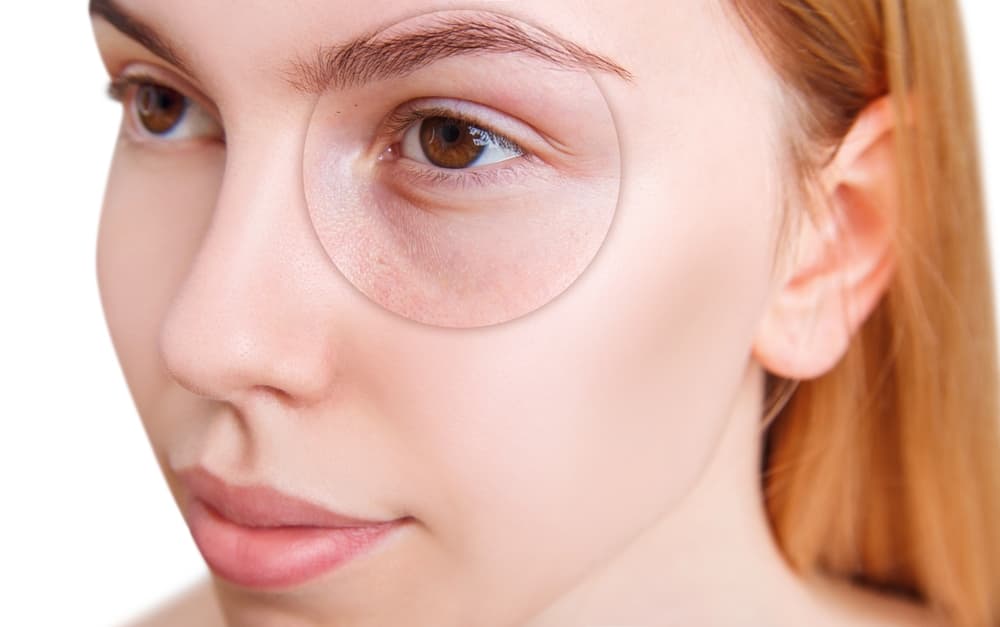
Yükleniyor…
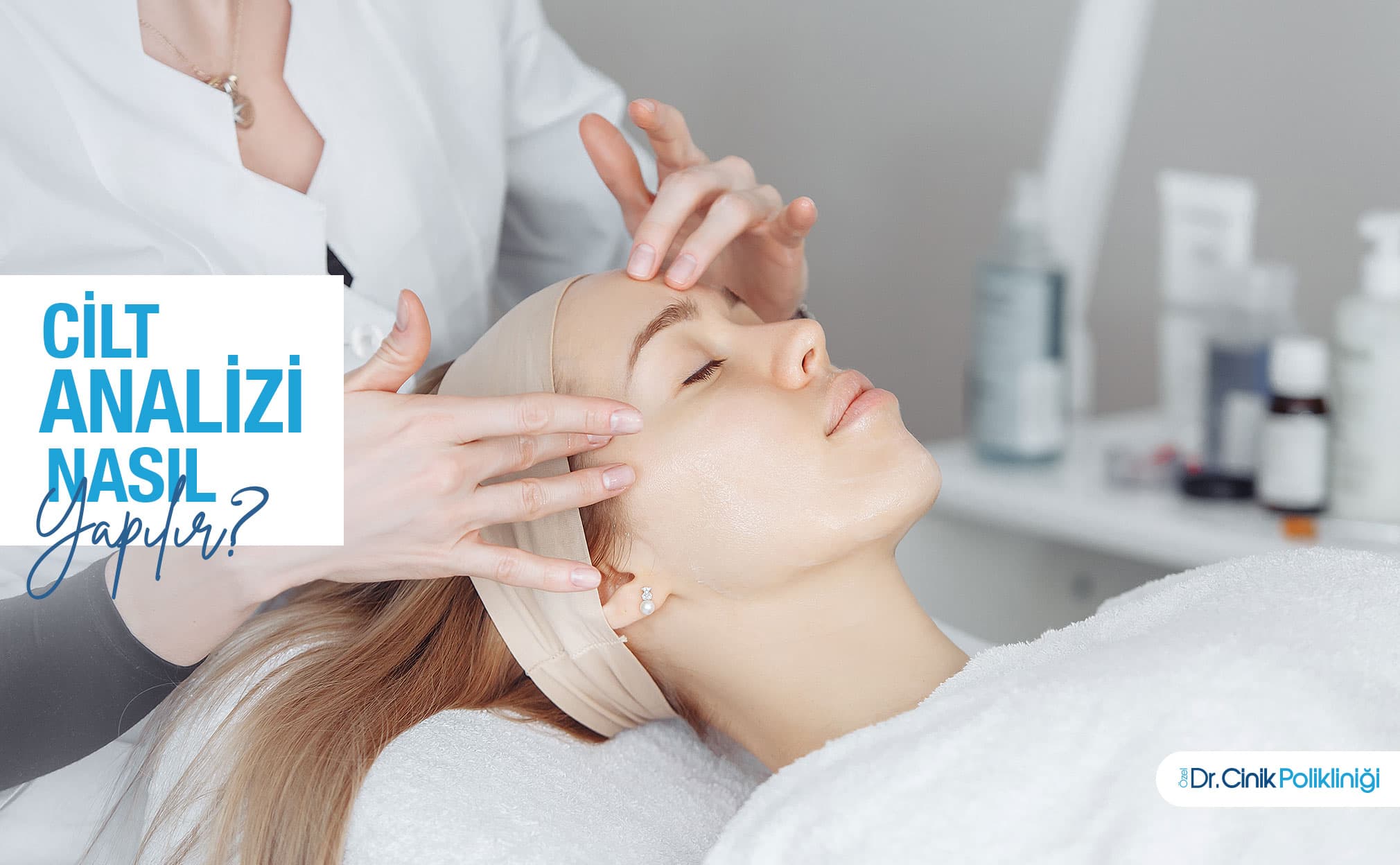
Skin analysis is a systematic evaluation process that determines an individual's skin type, issues, and needs to create an appropriate treatment plan. This process requires a multi-step approach consisting of anamnesis, visual examination, tactile assessment, and technological measurements.
Skin analysis is the systematic evaluation of the physical and functional characteristics of the skin, forming the basis of personalized treatment planning in and aesthetic practices.
Skin analysis is a systematic evaluation process that determines an individual's skin type, issues, and needs to create an appropriate treatment plan. This process is not just a superficial examination; it is a scientific approach that predicts the structure, functions, and future behaviors of the skin (Guerra et al., 2024).
The importance of skin analysis in and aesthetic practices is increasing. This is because each individual's skin structure is unique, and standard treatment protocols do not always yield the desired results. Personalized treatment planning is built on the data provided by skin analysis. This approach is essential for the accurate diagnosis and effective management of conditions such as acne, hyperpigmentation, rosacea, and signs of aging (Draelos, 2011).
Skin analysis guides clinical decisions across three axes: diagnostic purposes (determining skin type, disease detection), aesthetic goals (personalized care), and holistic assessment (genetic and environmental factors).
The primary diagnostic objective of skin analysis is to accurately determine skin types and subtypes. In addition to oily, dry, combination, and sensitive skin types, the subcategories of these types are also defined during the analysis process. For example, within oily skin, there are subtypes prone to acne, those that only experience shine, or those with pore problems.
The detection of conditions such as acne, hyperpigmentation, rosacea, dermatitis, and early aging is a critical part of the analysis. Early diagnosis and a preventive approach halt or slow the progression of these conditions. Fitzpatrick (1975) established a system based on skin phototypes to classify skin reactivity to the sun. This system guides clinicians regarding sunburn risk, phototherapy dosage, and cancer risk (Fitzpatrick, 1975).
Aesthetic goals include creating a personalized care plan, optimizing products and treatments, and monitoring treatment effectiveness. Accurate analysis determines which active ingredients to use, the frequency of treatment, and the expected results.
Product optimization aims to provide the skin with the right balance of moisture, lipids, and active ingredients it needs. Monitoring treatment efficacy becomes objective through before-and-after imaging and measurements (Goldsberry et al., 2014).
Holistic assessment considers genetic, environmental, and lifestyle factors together. Intrinsic factors include genetic structure, hormonal status, and age. Extrinsic factors encompass elements such as UV exposure, air pollution, dietary habits, stress, and sleep patterns.
Factor Type | Examples | Role in Analysis |
Intrinsic | Genetics, hormones, age | The natural aging rate and structural characteristics of the skin |
Extrinsic | UV, pollution, nutrition, stress | Sources of skin damage and preventable risks |
Lifestyle | Sleep, exercise, smoking | Habits that support or disrupt skin health |

Skin analysis consists of eight stages: preliminary consultation, initial observation, cleansing, detailed visual examination, tactile assessment, technological analysis, data recording, and result interpretation.
Accurate analysis begins with a comprehensive "intake" process. Medical history includes current illnesses, medications used, past treatments, and family history. Some medications (e.g., retinoids, antibiotics, hormonal treatments) directly affect skin structure.
Lifestyle assessment includes dietary habits, stress levels, sleep quality, and exercise routines. Skincare habits encompass the products used, frequency of application, and past reactions. Patient expectations and goals determine the focus of the treatment plan (Merrill, 2024).
Preliminary observation is the evaluation of the overall appearance of the skin. Oiliness levels may vary in the T-zone and cheeks. Dryness is determined by flakiness, dull appearance, or a feeling of tightness. Skin tone is examined for irregularities, redness, or paleness. Visible lesions such as acne, blackheads, pigmentation spots, and wrinkles are recorded.
Pre-analysis cleansing is crucial for accurate assessment. Removing makeup and product residues reveals the skin's natural state. This stage provides standardization before analysis and prevents misleading results.
The cleansing protocol begins with a cleanser suitable for the skin type, followed by allowing the skin to dry naturally. This process takes about 15-20 minutes and allows the skin's pH balance to return to normal.
Using a magnifying glass or skin analysis lamp reveals details that are not visible to the naked eye. Pore structure and distribution are assessed as expansion in oily areas and contraction in dry areas. Texture analysis includes roughness, smoothness, or irregularities. Pigmentation and redness assessment is conducted under a Wood lamp or polarized light (Lanigan, 2004).
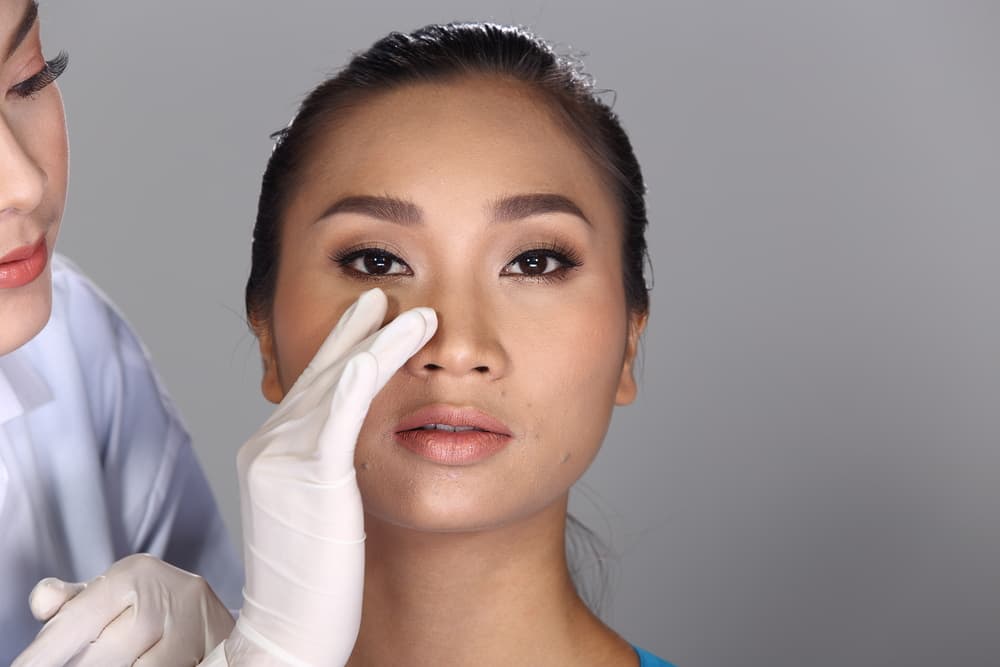
Tactile assessment is the manual evaluation of moisture level, elasticity, and surface roughness. Moist skin feels soft, flexible, and slightly cool. Dry skin feels rough, hard, and warm. Deep tissue structure is evaluated in terms of skin thickness, sagging potential, and muscle tone.
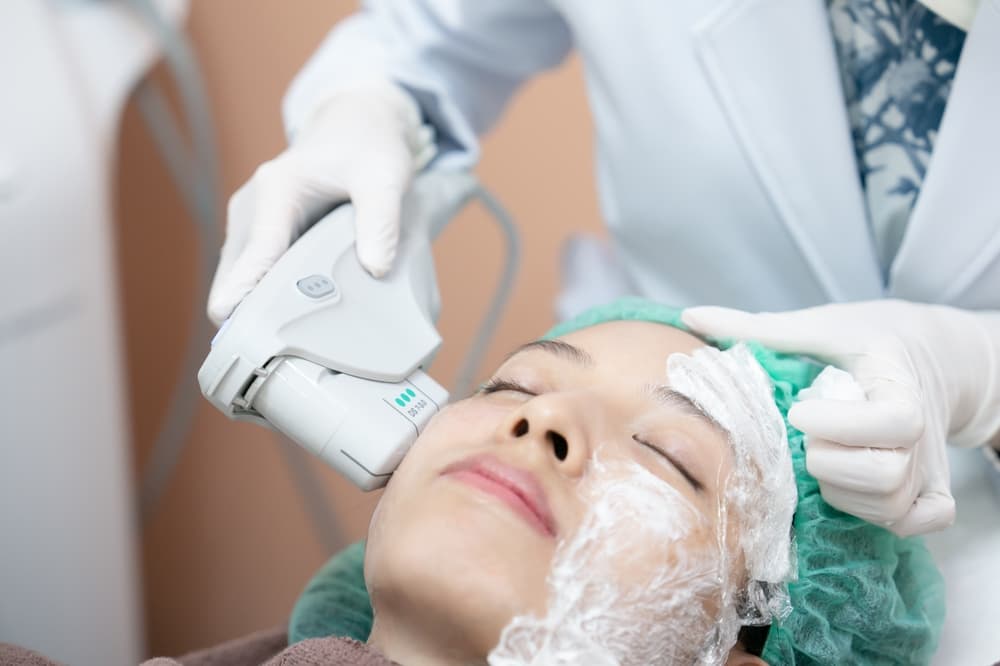
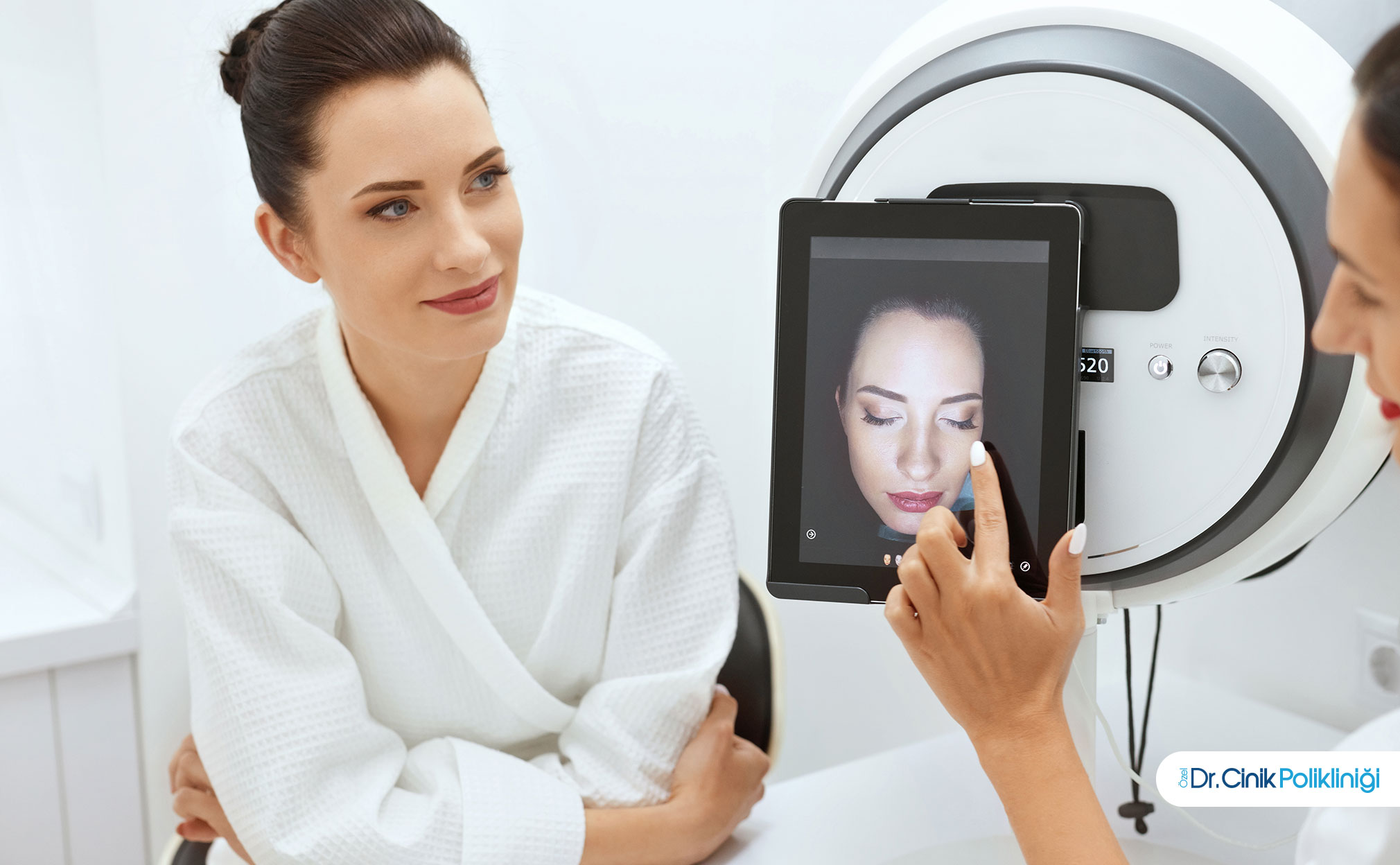
Technological devices enhance the accuracy of analysis results and provide standardization. Digital imaging systems, such as VISIA, measure eight parameters including wrinkles, UV damage, texture, pores, spots, and redness (Linming et al., 2018).
AI-supported analysis devices classify skin characteristics using deep learning algorithms. Moisture and sebum measurement provide quantitative data with corneometers and sebumeters. UV/Wood lamp assessment visualizes pigmentation disorders and bacterial colonization (Goldsberry et al., 2014).
Photo and image archiving requires shooting under standard lighting conditions, at a fixed distance, and from the same angle. Comparative analysis (before-after) objectively demonstrates treatment effectiveness. Clinical follow-up and progress measurement are ensured through analyses repeated at regular intervals.
Identifying priority skin problems determines the urgency of situations requiring immediate intervention. A personalized care protocol includes home care and clinical treatments based on analysis findings. A follow-up and control plan is established to monitor treatment response and make necessary adjustments.
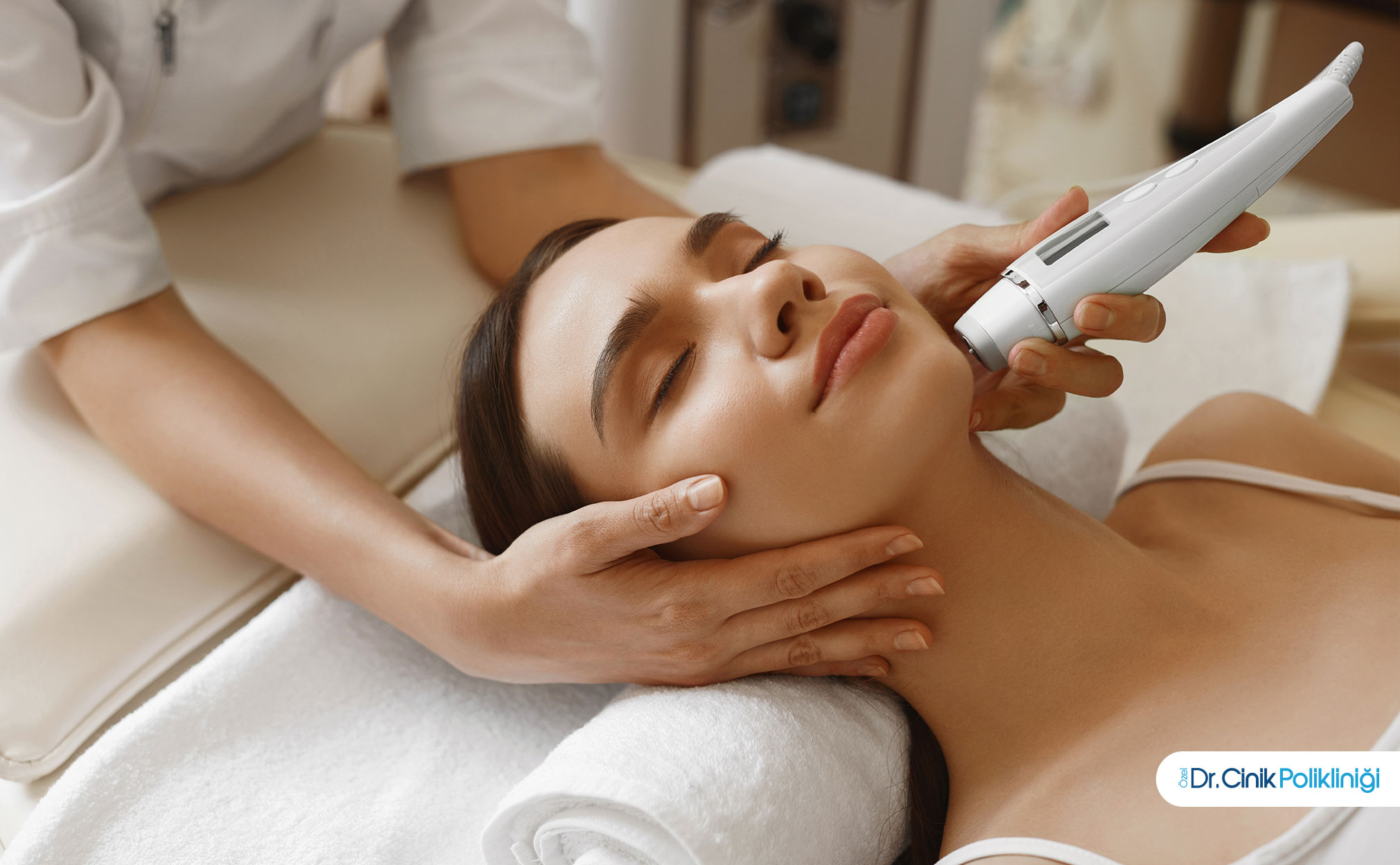
In skin analysis, basic equipment such as magnifying lamps, Wood lamps, dermatoscopes, pH measurement strips, as well as advanced technological devices like digital skin analysis systems and 3D imaging are used.
Equipment | Function | Field of Use |
Magnifying Lamp | 3-5x magnification, eliminates shadows | General skin examination |
Wood Lamp | UV light (365 nm), fluorescent detection | Pigmentation, bacteria, fungal infection |
Dermatoscope | 10x magnification, polarized light | Lesion structure, melanoma screening |
pH Measurement Strips | Skin acid-base balance | Sensitive skin, barrier function |
Dermatoscopes allow for detailed examination of skin lesions. These devices provide critical information about the pattern of pigment network, vascular structures, and lesion borders (Lanigan, 2004).
Digital skin analysis systems; platforms like VISIA, ANTERA 3D provide multiparametric measurements. Sebum and moisture measuring devices produce quantitative data and objectify treatment response. 3D skin imaging systems; devices like LifeViz Micro record the skin's microstructure in three dimensions and offer longitudinal comparison opportunities (Petit et al., 2018).
Skin analysis systematically evaluates skin type, moisture-sebum balance, pore condition, pigmentation, elasticity, and inflammation parameters.
Parameter | Evaluation Method | Clinical Significance |
Skin Type | Visual + tactile analysis | Product and treatment selection |
Moisture/Sebum Balance | Corneometer/Sebumeter | Barrier function, oil control |
Pore Condition | Magnifying lamp, digital analysis | Acne risk, aging indicator |
Pigmentation | Wood lamp, ITA° measurement | Risk of hyperpigmentation, laser parameters |
Elasticity | Palpation, Cutometer | Assessment of aging and sagging |
Inflammation | Visual scoring, redness mapping | Rosacea, sensitive skin management |
The analysis approach for Fitzpatrick skin types, ethnic differences, and sensitive skin is adapted considering pigmentation risk, treatment tolerance, and cultural factors.
Fitzpatrick (1975) classified skin phototypes between I-VI. This classification is based on the tendency to sunburn and tanning capacity (Fitzpatrick, 1975).
Phototype | Sunburn | Tanning | Clinical Features |
I | Always burns | Never tans | Very fair skin, red-blonde hair |
II | Usually burns | Minimal tanning | Fair skin, light eyes |
III | Sometimes burns | Slow tanning | Medium fair skin |
IV | Rarely burns | Easy tanning | Olive skin |
V | Very rarely burns | Dark tanning | Brown skin |
VI | Almost never burns | Deep tanning | Dark brown-black skin |
Ethnic differences affect analysis in terms of melanin density, follicular structure, and wound healing patterns. Individuals with dark skin have a higher risk of post-inflammatory hyperpigmentation (PIH). This situation requires avoiding aggressive treatments and necessitates slow, gradual approaches (Taylor, 2002).
In sensitive skin, pH changes, thermal changes, and mechanical friction can be triggers. Before analysis, the skin should not be exposed to irritants at least 24 hours prior. Cultural and environmental factors shape care habits, sun exposure, and cosmetic use.

Artificial intelligence is transforming diagnosis and treatment planning in skin analysis by providing more precise and data-driven results through deep learning models and computer vision.
AI-supported dermatoscopes use convolutional neural networks (CNN) to classify melanoma and skin lesions. Esteva and colleagues (2017) demonstrated that CNN models can diagnose skin cancer at a level comparable to . This technology democratizes access to expert knowledge in non-clinical settings (Esteva et al., 2017).
Data-driven assessment involves algorithmic analysis of thousands of skin parameters. Multimodal vision-based models like PanDerm have been trained on over 2 million images and have shown 10% higher performance than clinicians in early-stage melanoma detection (Yan et al., 2024).
Personalized creates treatment protocols by analyzing individual genetic profiles, microbiome structures, and environmental exposures. The Skin Quality Index (SQI) is a composite score calculated by artificial intelligence, providing objective monitoring of treatment response (Gupta et al., 2024).
Tele- offers remote skin assessment and consultation opportunities. High-resolution imaging and AI-supported triage systems facilitate access to specialists and increase access to healthcare services (Mayo Clinic Platform, 2025).
Inadequate history taking, incorrect lighting conditions, assessment based on a single measurement, device dependency, and lack of standardization are the most common errors in skin analysis.
Common Error | Conclusion | Solution |
Inadequate History Taking | Misdiagnosis, incompatible treatment | Use of a completed questionnaire |
Incorrect Lighting Conditions | Color distortion, pigment error | Standard light source (5500K) |
Single Measurement | Unreliable results | Triplicate measurement, averaging |
Device Dependency | Loss of clinical skills | Combination of device + manual assessment |
Lack of Standardization | Unrepeatable results | Protocol standardization, training |
Traditional methods offer experience, cost advantage, and holistic assessment. Technological methods provide objectivity, repeatability, and precise measurement. The ideal approach is the integration of both methods.
Criteria | Traditional Methods | Technological Methods |
Accuracy | High (in experienced practitioners) | Very high (calibrated device) |
Repeatability | Variable | High |
Cost | Low | High |
Training Requirement | Long-term practice | Device training + clinical knowledge |
Patient Experience | Personal contact | Technological interaction |
Data Archiving | Limited | Comprehensive, digital |
Subjectivity | High risk | Minimized |
The balance between clinical accuracy and subjective assessment is critical for patient satisfaction and treatment success. Future developments will include artificial intelligence-supported decision support systems and real-time biomarker measurements (Guerra et al., 2024).

Skin analysis has a multidisciplinary structure, forms the basis of personalized care, offers new approaches evolving with technology, and plays a critical role in clinical and aesthetic practices.
Skin analysis is an indispensable component of and aesthetic medicine. This process enables understanding the individual's unique skin characteristics, making accurate diagnoses, and developing effective treatment strategies. Optimal results are achieved when the experience and holistic perspective of traditional methods combine with the objectivity and precision of technological tools.
The integration of artificial intelligence and digital technologies is ushering in a new era in skin analysis. However, these technologies cannot replace the clinician's expertise and the therapeutic alliance established with the patient; they enhance it. The future will be shaped by data-driven, personalized, and accessible skin health services.
Draelos, Zoe Diana. "Robotic Cosmetic ." Journal of Cosmetic , vol. 10, no. 1, 2011, pp. 1-4.
Esteva, Andre, et al. "-Level Classification of Skin Cancer with Deep Neural Networks." Nature, vol. 542, no. 7639, 2017, pp. 115-118.
Fitzpatrick, Thomas B. "Sun and Skin." Journal of Investigative , vol. 65, no. 2, 1975, pp. 228-231.
Goldsberry, Ashley, et al. "VISIA System: A Possible Tool in the Cosmetic Practice." Journal of Drugs in , vol. 13, no. 11, 2014, pp. 1312-1314.
Guerra, Lucas O., et al. "Methods for Skin Image Analysis and Their Applications in and Cosmetic Research: A Comprehensive Review." Italian Journal of and Venereology, vol. 159, no. 2, 2024, pp. 146-160.
Gupta, Priyanka, et al. "Transforming Skin Quality Evaluation With AI: From Subjective Grading to Data-Driven Precision." Journal of Cosmetic , 2024.
Lanigan, Sean W. "Lasers in ." Medicine, vol. 32, no. 10, 2004, pp. 34-36.
Linming, F., et al. "Comparison of Two Skin Imaging Analysis Instruments: The VISIA from Canfield vs the ANTERA 3D CS from Miravex." Skin Research and Technology, vol. 24, no. 1, 2018, pp. 3-8.
Mayo Clinic Platform. "The Latest AI Developments in ." Mayo Clinic Platform, 14 Oct. 2025.
Merrill, Richard. "Skin Analysis Methodology: Proper Steps and Equipment for Dermal Assessment in the Clinical Practice and Spa." Dermascope, 24 Oct. 2024.
Petit, Laurence, et al. "Validation of 3D Skin Imaging for Objective, Repeatable Quantification of the Severity of Atrophic Acne Scarring." Skin Research and Technology, vol. 24, no. 1, 2018, pp. 9-17.
Taylor, Susan C. "Skin of Color: Biology, Structure, Function, and Implications for Disease." Journal of the American Academy of , vol. 46, no. 2, 2002, pp. S41-S62.
Yan, Yuan, et al. "PanDerm: A Multimodal Vision Foundation for ." Nature Medicine, 2024.