Yükleniyor…
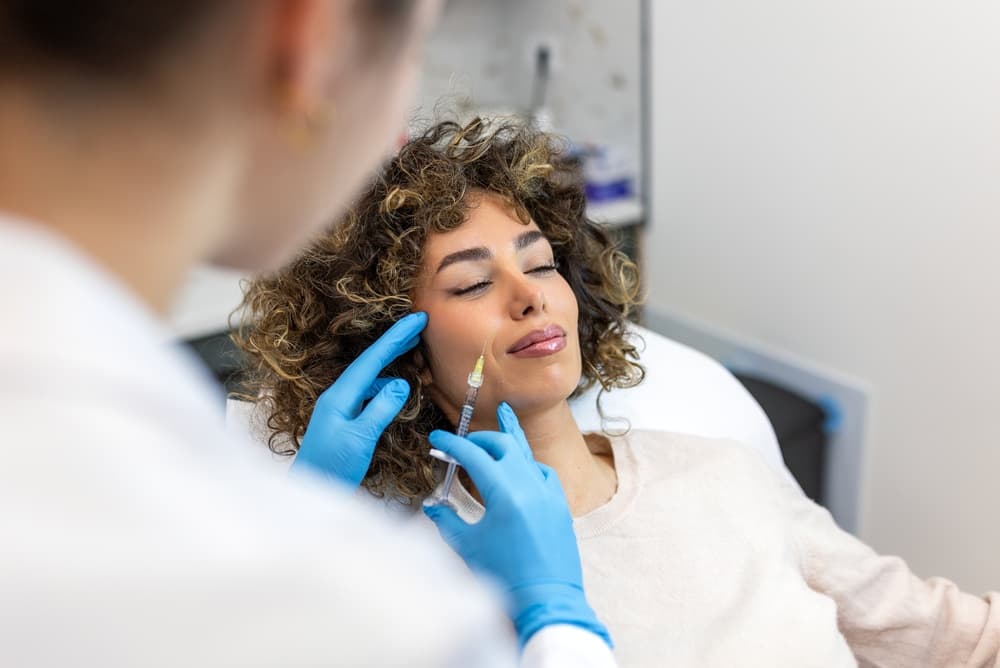
Facial fillers have become one of the most popular areas of aesthetic medicine in recent years. Many people seek filler treatments to hide signs of aging or to define their facial features. However, the success of this procedure does not solely depend on the doctor's skill. The brand of filler used also directly affects the outcome. There are dozens of different filler brands on the market. Each of these brands uses different technologies. They have different purity standards. They offer varying durations of permanence. In this article, we will explain why brand selection in facial fillers is important in light of scientific data. We will address topics such as safety, permanence, biocompatibility, and the risks of complications. Our aim is to enable patients to make informed decisions. The quality of the brand is a critical factor for the safety of facial fillers and aesthetic results.
Brand selection is not just about looking good. This choice is also a medical decision that directly affects your health. The wrong brand can lead to serious complications. The right brand offers safe and natural results. This is exactly why brand selection in facial fillers is important.
Quality fillers go through purer manufacturing processes. Low-quality products increase the risk of infection. Quality also determines how natural the result will look. High-quality fillers integrate with the skin. Low-quality fillers tend to lump. Narins and colleagues (2010) compared the biocompatibility rates of different brands in their study. The researchers observed that high-quality brands were more compatible with skin tissue. This compatibility reduces the risk of infection and inflammation. The difference between filler brands is very pronounced.
Two fillers may contain the same main ingredient. However, the results can be completely different. This is because the manufacturing technology is different. The cross-linking rate is different. The molecular weight is different. Coleman and Grover (2006) studied the molecular structure of hyaluronic acid fillers. The researchers found that different brands have different cross-linking densities. This density changes the firmness of the gel. Firm gels are more suitable for bone. Soft gels are better for lips. Even if hyaluronic acid fillers look the same, the brand changes the result.
Choosing the right brand largely determines the success of the treatment. The wrong brand can lead to early resorption. The patient may have to get fillers again shortly after. The right brand lasts longer. It provides a natural appearance. It reduces the risk of complications. De Boulle and Heydenrych (2015) revealed a direct connection between brand quality and patient satisfaction in their review study. The researchers noted that patients using high-quality brands had a lower revision rate. The permanence of fillers is directly related to brand selection.
Scientific literature clearly shows that brand quality affects complication rates. Funt and Pavicic (2013) systematically reviewed dermal filler complications. The researchers found that low-quality brands increased the risk of granuloma and chronic inflammation. High-quality brands trigger these reactions less. The study results indicate that fillers approved by the American Food and Drug Administration have a superior safety profile. Scientific data is essential for clinical safety.
Each filler brand uses different technologies. These technologies alter the behavior of the gel. The interaction of the filler with the skin varies. As a result, permanence and safety change. Cross-linking technology plays a critical role here.
Hyaluronic acid is a sugar molecule that is naturally found in your body. It retains water in your skin. It provides elasticity. Filler brands produce this molecule in laboratories. However, each brand uses different densities and chain lengths. Some brands prefer high molecular weight. These fillers are firmer and suitable for bone structures. Those with low molecular weight are softer and ideal for fine lines. Hirsch and colleagues (2007) studied how different molecular weights affect tissue integration. The researchers found that fillers with medium molecular weight provided the most natural result.
Cross-linking is the chemical process that connects hyaluronic acid chains. This process increases the durability of the gel. Different brands use different binding agents. Some brands use 1,4-butanediol diglycidyl ether. Others develop patented technologies. The higher the cross-linking ratio, the firmer the filler becomes. However, a very high binding ratio can reduce naturalness. Coleman and Grover (2006) demonstrated that cross-linking ratios changed the filler’s resistance to enzymatic degradation. The researchers determined that fillers with an optimal binding ratio had the longest lifespan.
Gel firmness indicates the filler’s resistance to pressure. High firmness fillers mimic bone structure. They are suitable for the jawline and cheekbones. Low firmness fillers are suitable for soft tissues. They are ideal for lips and under the eyes. Incorrect firmness selection can lead to an uneven appearance. Glogau and colleagues (2012) compared the performance of fillers with different firmness in various facial areas. The researchers found that selecting the appropriate firmness for the area significantly reduced complications.
Viscosity indicates the fluidity of the filler. Cohesion refers to the adhesive strength of the filler particles to each other. High-viscosity fillers are injected into deeper tissues. Low-viscosity fillers are suitable for superficial lines. High-cohesion fillers maintain their shape. Low-cohesion fillers spread more naturally. Both properties affect the injection technique. Funt and Pavicic (2013) revealed that the viscosity-cohesion balance determined the filler’s tissue integration.
A good filler comes out easily from the injector. It distributes evenly within the tissue. It integrates with the skin. A poor filler shows resistance. It causes lumpiness. Tissue integration demonstrates the compatibility of the filler with skin cells. Good integration provides a natural appearance. Poor integration, on the other hand, creates hardness and limits movement. Lemperle and colleagues (2003) studied long-term tissue integration. The researchers observed that quality brands integrated well even after twenty-four months.
Hyaluronic acid naturally retains water. Quality fillers maintain this property. They support the skin's moisture balance. Resistance to enzymatic degradation indicates the speed at which enzymes in the body break down the filler. Fillers with high resistance last longer. However, very high resistance may reduce reversibility. Yutskovskaya and colleagues (2017) measured the water retention capacities of different fillers. The researchers found that fillers with high water retention capacity also improved skin quality.
Feature | High-Quality Brand | Low-Quality Brand |
Cross-Linking Ratio | Optimal, scientifically tested | Uncertain or low |
Gel Firmness | Customized for the area | Standard or inconsistent |
Viscosity | Balanced fluidity | Excessively hard or excessively soft |
Tissue Integration | Fast and natural | Slow and clumpy |
Water Retention Capacity | High | Low |
Enzymatic Resistance | Long-lasting | Short-lived |
The content of the filler material directly determines its safety. Pure content fillers reduce the risk of complications. Fillers with impure content can lead to serious reactions. Biocompatibility comes into play here.
Pure hyaluronic acid is accepted by the body. Impure acid causes allergies. It triggers inflammation. Purity depends on the production process. Quality brands use multi-stage purification. Low-quality brands shorten this process. Hirsch and colleagues (2007) studied how the purity of hyaluronic acid affects immune reactions. Researchers found that fillers with ninety-nine percent purity are the safest.
Binders are used in the cross-linking process. These substances must be completely removed. Residues carry cancer risks. They cause inflammation. Quality brands perform three-stage purification. This process reduces residues to zero. In low-quality products, the residue rate may remain high. De Boulle and Heydenrych (2015) demonstrated that residual binder triggers late reactions.
Quality production consists of four stages. In the first stage, raw materials are selected. In the second stage, bacterial fermentation is performed. In the third stage, cross-linking occurs. In the fourth stage, purification is applied. Each stage is tested. In low-quality production, tests are skipped. Coleman and Grover (2006) explained in detail how purification processes enhance filler safety.
Protein residues can form during bacterial fermentation. These residues cause allergic reactions. Quality brands use protein filtration. This process significantly reduces residues. Low-quality brands perform insufficient filtration. Funt and Pavicic (2013) found that protein residues increase the risk of chronic inflammation.
Hyaluronic acid is produced with bacteria. Streptococcus bacteria are used. Quality laboratories use special bacterial strains. These strains produce pure hyaluronic acid. Low-quality laboratories carry a risk of contamination. Hirsch and colleagues (2007) emphasized that bacterial fermentation is a key factor determining the quality of fillers.
Old fillers were animal-derived. They were obtained from rooster combs. These fillers carried a risk of allergy. Today's fillers are synthetic. They are produced through bacterial fermentation. Synthetic production is purer. Safer. More consistent. Lemperle and colleagues (2003) showed that the complication rate of animal-derived fillers is much higher than that of synthetics.
Production Feature | Quality Brand | Low-Quality Brand |
Raw Material Source | Synthetic, controlled | Uncertain or animal-derived |
Fermentation | Sterile laboratory | Non-standard environment |
Purification Stage | Multi-stage | Single-stage or insufficient |
Binding Residue | Close to zero | Can be high |
Protein Residue | Minimum | High risk |
Test Standards | International | Local or none |
Official documents prove the safety of the filler. Products without these documents carry risks. Patients should definitely inquire about the documents. These certifications are essential for safe facial fillers.
The FDA is the world's strictest drug regulatory agency. This agency reviews filler products through clinical studies. It requires a three-phase test. It demands proof of safety and efficacy. Approved fillers have passed these tests. Unapproved fillers are outside of regulation. Narins and colleagues (2010) found that the complication rate of FDA-approved fillers is significantly lower than that of unapproved ones.
The CE Mark is mandatory in European Union countries. This mark indicates that the product complies with health standards. It requires clinical evaluation. It demands risk analysis. It monitors production quality. De Boulle and Heydenrych (2015) determined that fillers with the CE Mark have higher production standards.
Clinical trials demonstrate the effects of fillers on humans. Placebo-controlled studies are the most reliable. Long-term follow-up studies show durability. Quality brands publish these studies. Low-quality brands do not publish studies. Glogau and colleagues (2012) emphasized the decisive role of clinical trials in filler selection.
Regulatory processes prevent manufacturing errors. They set sterilization standards. They mandate quality control. They provide traceability. They establish a recall mechanism when issues arise. FDA and EU regulations ensure this safety net. Funt and Pavicic (2013) found that complication rates in regulated markets are significantly lower than in unregulated markets.
Criteria | U.S. Food and Drug Administration | European Conformity Mark |
Testing Phase | 3-phase clinical study | Clinical evaluation |
Production Control | Strict and continuous | Periodic inspection |
Traceability | Complete | High |
Recall System | Exists | Exists |
International Validity | Recognized worldwide | Across Europe |
Quality directly affects longevity. However, longevity is not solely dependent on the brand. The patient's body structure is also important. The longevity of the filler depends on many factors.
The longevity of the filler depends on many factors. The technology of the brand is the first factor. The cross-linking ratio is the second factor. The molecular structure is the third factor. The injected area is the fourth factor. The patient's metabolism is the fifth factor. Lifestyle is the sixth factor. All together determine the outcome. Narins and colleagues (2010) analyzed these factors in a long-term study. Researchers found that the impact of technology on longevity is significant.
Patented technologies enhance the durability of the filler. Special cross-linking methods protect against enzymatic degradation. Homogeneous gel technology ensures even distribution. This even distribution prevents early dissolution. Coleman and Grover (2006) showed that patented technologies extend longevity by an average of six months.
A high cross-linking ratio hardens the filler. This hardness provides durability. However, a very high binding ratio reduces naturalness. The molecular structure is also important. Long-chain molecules are more durable. Short-chain molecules dissolve more quickly. The optimal balance varies for each brand. Yutskovskaya and colleagues (2017) thoroughly examined the effect of molecular structure on permanence.
In mobile areas, the filler dissolves more quickly. Like the lips. In immobile areas, it lasts longer. Like the cheekbone. Patients with a fast metabolism break down the filler more quickly. Patients with a slow metabolism retain it for a longer time. Age is also a factor. Young skin metabolizes faster. Lam and colleagues (2006) found that regional mobility significantly affects permanence.
Smoking shortens the lifespan of the filler. Alcohol consumption also affects it. Intense exercise speeds up metabolism. Excessive sunlight breaks down hyaluronic acid. Stress hormones trigger filler dissolution. A healthy lifestyle extends filler longevity. Carruthers and Carruthers (2016) revealed the cumulative effect of lifestyle factors on filler permanence.
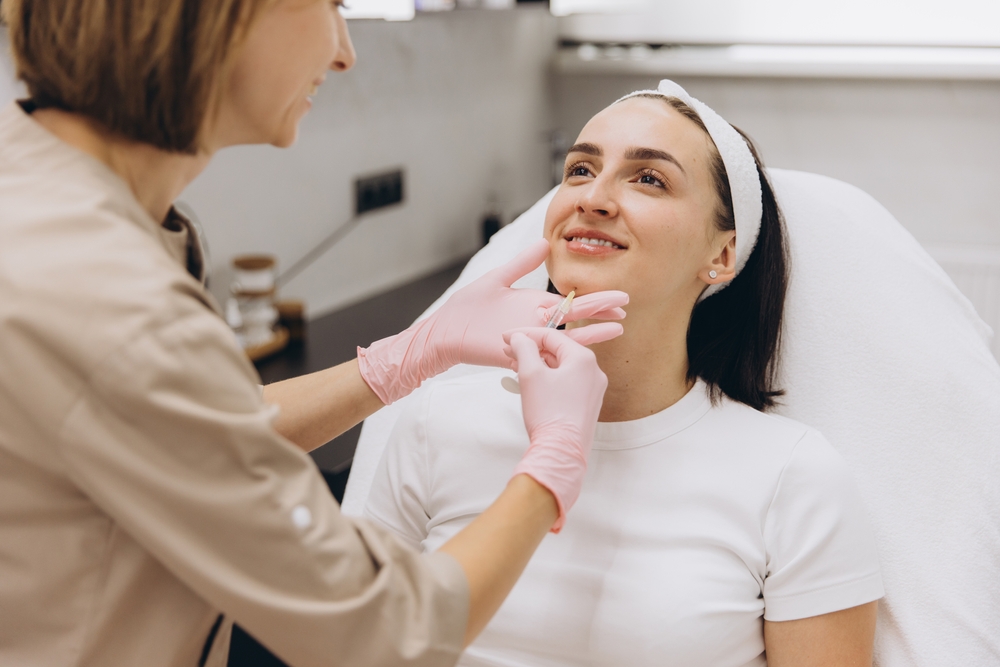
No. Each area requires different characteristics. Soft filler is needed for the lips. Hard filler is required for the chin. Facial anatomy necessitates this difference.
The lips are a mobile area. Soft filler is required. Low gel hardness is ideal. High cohesion maintains shape. It should have a high water retention capacity. This provides a moist appearance. Pavicic and De Boulle (2015) showed that fillers specifically formulated for lips significantly increase satisfaction.
Yes. These areas should mimic bone structure. High gel hardness is required. High viscosity is necessary. The filler should maintain its shape. Deep injection should be applied. It should provide volume. Narins and colleagues (2010) found that high-hardness fillers remained in bony areas for twelve months.
Nasolabial folds require medium hardness. The under-eye area requires very soft filler. The skin under the eyes is thin. Hard filler may show a blue color. This phenomenon occurs due to light reflection. Soft filler reduces this risk. Hirsch and colleagues (2007) noted that fillers specifically formulated for under-eye areas significantly reduced the risk of complications.
The temple area is risky in terms of vessels. The nose is the same. Filler selection in these areas is critical. High cohesion fillers are preferred. Low viscosity is not desired. Injection technique is very important. However, filler characteristics are also decisive. Kim and Choi (2020) found that the majority of vascular complications in the nose and temple areas were related to incorrect filler selection.
Area | Gel Firmness | Viscosity | Cohesion | Special Note |
Lips | Low | Low-medium | High | Moist appearance |
Cheek | High | High | High | Volume and shape |
Chin | High | High | High | Bone imitation |
Nasolabial | Medium | Medium | Medium | Natural movement |
Under Eye | Very low | Low | Medium | Risk of light reflection |
Nose | High | Medium | High | Vessel safety |
Temples | Medium-high | Medium | High | Vessel safety |
Choosing the wrong brand can cause serious issues. Some problems are immediately visible. Others may arise months later. Filler complications should be taken seriously.
Low-quality fillers dissolve quickly. Patients may need to have it done again after two months. Additionally, they distribute unevenly. They may remain on one side while dissolving on the other. This creates asymmetry. Narins and colleagues (2010) showed that the early dissolution rate of low-quality brands is significantly higher.
Low-quality fillers do not distribute homogeneously. Small lumps form. These lumps can be felt by hand. Granulomas are the immune system's reaction to the filler. A foreign body reaction. Chronic inflammation. Difficult to treat. Funt and Pavicic (2013) found that granuloma formation is much more common with low-quality fillers.
Dirty fillers can carry bacteria. They can cause infections. They also trigger chronic inflammation. Redness. Pain. Swelling. These reactions can last for months. Antibiotics may be necessary. Surgical intervention may even be required. De Boulle and Heydenrych (2015) revealed that chronic inflammation is mostly due to insufficient purification.
Vascular occlusion is the most feared complication. The filler enters the vessel. It stops blood flow. Tissue is deprived of oxygen. Tissue death begins. This risk exists with every filler brand. However, low-quality fillers are more viscous. They disperse more slowly. The blockage becomes more severe. Sclafani and Fagien (2009) emphasized that vascular occlusion is a condition requiring emergency intervention.
Yes. Very rare but possible. The vessels in the nose and forehead area are connected to the eye. The filler enters these vessels. Vision loss occurs. This risk is one in a million. However, it can be irreversible. Kim and Choi (2020) noted that the vast majority of vision loss cases are associated with inexperienced practitioners and low-quality fillers.
Technology enhances safety. New production methods reduce complications. Technology is essential to prevent aesthetic complications.
Monophasic fillers are homogeneous gels. Biphasic fillers contain gel and particles. Monophasic fillers disperse evenly. Biphasic fillers are firmer. Both systems are safe. However, they should be chosen according to the application area. Casabona and Cervelli (2018) showed that monophasic fillers have faster tissue integration.
Endotoxin is a bacterial toxin. High endotoxin causes inflammation. Quality brands keep endotoxin levels to a minimum. Homogeneous gel technology ensures even distribution. It reduces the risk of lumping. Luebberding and colleagues (2013) found that low endotoxin fillers significantly reduced complication rates.
Patented technologies optimize the structure of the filler. They provide greater durability with less binding agent. This means a lower risk of allergies. Low injection resistance increases the doctor's control. The doctor places the filler more precisely. Coleman and Grover (2006) demonstrated that patented technologies enhance injection precision.
Natural tissue compatibility shows the filler’s compatibility with skin cells. Good compatibility does not restrict movement. It does not hinder facial expressions. Quality brands test this compatibility. They conduct biocompatibility tests. Lemperle and colleagues (2003) emphasized that natural tissue compatibility is the most important factor determining long-term satisfaction.
Longevity is measured by scientific methods. Personal assessment is insufficient. Objective data is required.
Clinical studies show how long the filler is effective. Standard photographs are used. A doctor's assessment is made. Ultrasound imaging shows how long the filler remains in the tissue. Magnetic resonance imaging provides more detailed information. Micheels and colleagues (2020) determined that ultrasound is the most reliable method for measuring filler longevity.
Patient satisfaction is an important indicator. However, it is not sufficient on its own. Tissue longevity analyses are conducted with tissue samples. Laboratory tests measure the degradation rate of the filler. This data validates the longevity claims of brands. Glogau and colleagues (2012) found a high correlation between patient satisfaction and objective longevity measurements.
Each brand uses a different formula. This formula creates different longevity. Original filler products demonstrate this difference.
Long molecular chains are durable. Short chains dissolve quickly. High density means more filler material. This also means longer lifespan. However, the distribution of density is also important. Homogeneous density ensures even dissolution. Yutskovskaya and colleagues (2017) showed that the effect of molecular structure on longevity is significant.
Each brand uses its own patented production method. This method determines the cross-linking ratio. Some brands use a high binding ratio. Others use a lower one. This difference alters longevity. Additionally, resistance to enzymatic degradation varies. Coleman and Grover (2006) found that production technology could change longevity by six months.
Deep injections are made into the muscle layer. Here, the filler remains longer. Superficial injections are made into the skin. Here, the filler dissolves more quickly. In mobile areas, the degradation rate of the filler increases. In immobile areas, it decreases. Narins and colleagues (2010) determined that injection depth significantly affects longevity.
There are different ingredients available on the market. Each ingredient offers different advantages. The choice of ingredient is important for a natural filler result.
Ingredient | Advantage | Disadvantage | Field of Use | Average Longevity |
Hyaluronic Acid | Safe, reversible | Temporary | Full face | 6-18 months |
Calcium Hydroxylapatite | Long-lasting, natural | Non-reversible | Cheek, chin | 12-18 months |
Poly-L-Lactic Acid | Collagen production | Delayed effect | Facial rejuvenation | 24 months |
Polycaprolactone | Volume + collagen | Rare granuloma | Contour | 12-18 months |
Polymethyl Methacrylate | Permanent | Permanent risk | Deep wrinkle | 5+ years |
Hyaluronic acid is naturally found in the body. Therefore, the risk of allergy is low. It is reversible. Hyaluronic acid can be dissolved with a dissolving enzyme. This provides a safety advantage. Available in different densities. Suitable for every area. Hirsch and colleagues (2007) emphasized that hyaluronic acid fillers are the safest class of fillers worldwide.
Calcium hydroxylapatite resembles bone mineral. It provides volume. It also stimulates collagen production. Poly-L-Lactic Acid is a biological stimulant. The filler itself disappears. However, it leaves collagen behind. Its effect begins with a delay. Baumann and colleagues (2007) showed that calcium hydroxylapatite fillers are permanent for eighteen months.
Polycaprolactone provides both volume and stimulates collagen production. It offers moderate durability. Polymethyl Methacrylate is a permanent filler. It contains microbeads. These beads create collagen around them. However, it is not reversible. Therefore, it should be used by experienced doctors. Cohen and colleagues (2015) found that polymethyl methacrylate fillers are effective even after five years. However, the same study also showed that the risk of complications is higher.
Yes. Scientific data supports this. Quality increases safety. Fake filler products do the opposite.
Scientific studies show that quality brands reduce the rate of complications. Funt and Pavicic (2013) found that high-quality brands significantly reduced the granuloma rate in their extensive review study. Rzany and colleagues (2010) evaluated the severity of complications. Researchers revealed that complications were milder with quality brands.
Pure production reduces immune reactions. No protein residues. No binding residues. Low endotoxin. This purity reduces the risk of inflammation. De Boulle and Heydenrych (2015) determined that pure production technology significantly reduces the risk of complications.
Quality fillers reduce early inflammation. They also decrease late reactions. The risk of chronic redness decreases. The likelihood of allergy decreases. Lemperle and colleagues (2003) showed in a ten-year follow-up study that the rate of late reactions with quality brands is very low.
Biocompatibility is the degree to which the body accepts the filler. High biocompatibility does not cause inflammation. Tissue integration is rapid. It provides a natural appearance. Low biocompatibility creates a rejection reaction. Coleman and Grover (2006) emphasized that biocompatibility tests are the most important indicator of filler safety.
Both are important. However, the role of the doctor is vital. A good doctor can safely use a bad brand. But a good brand cannot save a bad doctor. Knowledge of facial anatomy is essential.
The right product should be applied with the right technique. A good doctor knows which brand is suitable for which area. They adjust the injection depth. They calculate the dosage. Narins and colleagues (2010) found that the correct product-technique combination significantly reduces complications.
Facial anatomy is complex. Vessels, nerves, and muscles are intertwined. A doctor cannot perform injections without knowing this structure. Anatomical knowledge prevents vessel occlusion. Sclafani and Fagien (2009) emphasized the decisive role of anatomical knowledge in preventing complications.
Vessel occlusion requires immediate intervention. Hyaluronic acid dissolving enzyme should be injected immediately. This enzyme breaks down the filler within minutes. The vessel opens. However, only a trained doctor can perform this intervention. Figueiredo and colleagues (2019) demonstrated that hyaluronic acid dissolving enzyme has a very high success rate in vessel occlusion.
Fake fillers pose a great risk. Patients should recognize this. Original filler products are always safe.
The packaging of original fillers is of high quality. It has a serial number. There is a barcode. The expiration date is clear. Fake products have poor packaging. They lack a serial number or it is fabricated. Rzany and colleagues (2010) determined that in the vast majority of fake filler cases, the packaging was not original.
Original products have a verification code. This code is checked on the manufacturer's website. Unopened products should be used. The patient should see the box before the injection. They should ensure that the content is a single dose. Funt and Pavicic (2013) found that using opened products increases the risk of infection.
Reliable clinics use a product tracking system. It is recorded which product went to which patient. This provides traceability. When a problem arises, the product is tracked. Reliable clinics are certified. They employ experienced doctors. De Boulle and Heydenrych (2015) emphasized that traceability is a cornerstone of patient safety.
Patients should be informed. They should ask questions. They should request information. This is essential for the safety of facial fillers.
Patients should ask their doctor which brand they are using. They should research the brand online. They should check if it has approval from the U.S. Food and Drug Administration. They should look for the European Conformity Mark. They should question its authenticity. Narins and colleagues (2010) showed that informed patients have a lower complication rate.
Patients should see the documents. They should read the product brochure. An unopened product should be prepared. They should see the filler brand on the syringe before injection. This transparency provides reassurance. Glogau and colleagues (2012) found that transparency significantly increases patient satisfaction.
Patients should learn all the risks before treatment. They should know what to do if complications occur. They should ask if there is clinical emergency intervention capacity. They should check if there is a stock of hyaluronic acid dissolving enzymes. Sclafani and Fagien (2009) determined that informed patients have higher satisfaction after treatment.
Yes. Quality products are expensive. Cheap products are risky. In the long run, quality products are cheaper.
Cheap fillers are produced with low quality to cut costs. Purification is inadequate. Raw materials are of low quality. Packaging is not original. These risks threaten patient health. Funt and Pavicic (2013) found that the complication rate of cheap fillers is much higher than that of normally priced original fillers.
The production cost of original products is high. There are research costs. There are testing costs. There are regulatory costs. Clinics reflect these costs. However, this cost is for safety. Low prices cannot sustain these costs. Cohen and colleagues (2015) revealed that the cost of original products is lower than the revision costs in the long run.
Cheap fillers dissolve quickly. Patients get them redone after three months. This repeated cost accumulates. Additionally, treating complications is costly. Quality fillers last longer. The need for revision decreases. Total costs drop. Carruthers and Carruthers (2016) showed that the total cost of quality filler over two years is lower than that of cheap fillers.
Post-filler care is important. Good care extends longevity. Care is essential for a natural filler result.
The first days are critical. Do not touch. Do not massage. Avoid extreme heat. Do not exercise. Do not consume alcohol. These precautions reduce swelling. They allow the filler to settle. Hirsch and colleagues (2007) noted that the measures taken in the first forty-eight hours significantly affect the distribution of the filler.
Some fillers require light massage. Some do not. You should follow the doctor's recommendation. Extremely hot saunas and baths can dissolve the filler. The sun does too. Heat accelerates the breakdown of hyaluronic acid. Luebberding and colleagues (2013) found that extremely hot environments shorten the lifespan of fillers.
Heavy exercise should not be done in the first week. Then it can return to normal. Sunscreen should be used. Sun rays break down the filler. The skincare routine should continue. Moisturizer should be used. This supports the hyaluronic acid filler. Carruthers and Carruthers (2016) showed that sun protection extends the lifespan of fillers by an average of three months.
Control appointments allow the doctor to evaluate the results. They provide an opportunity for early intervention. The doctor can make corrections if necessary. These appointments are essential for long-term success. Narins and colleagues (2010) found that patients who attend control appointments have a much lower need for revision.
Patients have many questions. In this section, we answer the most common questions.
The safest brand is one that is approved by the U.S. Food and Drug Administration and carries the European Conformity Mark. However, the safest brand varies from person to person. Your doctor's recommendation is important. Generally, fillers containing hyaluronic acid are the safest. Because they are reversible. Hirsch and colleagues (2007) emphasized that hyaluronic acid fillers have the highest safety profile.
This approval indicates that the product has undergone rigorous testing. There is evidence of safety. There is evidence of efficacy. Unapproved products are outside of regulation. The risk is high. De Boulle and Heydenrych (2015) noted that the complication rate for approved products is much lower.
Yes. The brand affects the result. Different brands use different cross-linking ratios. Different viscosities. Different densities. These differences affect the result. Coleman and Grover (2006) showed that brand differences can significantly alter the aesthetic outcome.
In general, yes. Quality fillers use better cross-linking. Better molecular structure. This provides durability. However, metabolism is also important. Narins and colleagues (2010) found that quality fillers last an average of three months longer.
Yes. There is a difference in content. The main substance may be the same. However, the excipients are different. The binding ratio is different. The degree of purity is different. These differences affect safety and results. Funt and Pavicic (2013) demonstrated that differences in content change complication rates.
No. Not every brand is suitable for lips. Lips require soft fillers. Hard fillers do not look natural. They also restrict movement. Pavicic and De Boulle (2015) showed that fillers specifically formulated for lips yield much better results.
Check the packaging. Look for the serial number. Verify the authenticity code. Request an unopened product. Be suspicious if the price is very low. Choose a reliable clinic. Rzany and colleagues (2010) found that the packaging of fake products is always different from the original.
Yes. The patient should see the box. They should read the brand on the syringe. This transparency provides reassurance. It prevents the use of fake products. Glogau and colleagues (2012) found that patients who see the product are more satisfied.
Hyaluronic acid fillers can be reversed. A hyaluronic acid dissolving enzyme is injected. The filler dissolves within minutes. Other fillers cannot be reversed. Therefore, hyaluronic acid should be the first choice. Figueiredo and colleagues (2019) showed that the hyaluronic acid dissolving enzyme has a very high success rate.
Yes. This is a common practice. A soft brand for lips. A hard brand for cheeks. The most suitable one is used for each area. However, the doctor should make this decision. Narins and colleagues (2010) found that combination treatments result in a more natural outcome.
Scientific data is clear. Brand quality determines safety. The right product provides natural results. The right patient should receive the right product. The right physician should apply the right technique. This trio is the key to success.
The overall assessment of scientific data shows this. Hyaluronic acid fillers are the safest choice. Approval from the U.S. Food and Drug Administration and the European Conformity Mark are essential. Cross-link technology determines durability. Purity prevents complications. Biocompatibility provides a natural appearance.
The relationship between brand quality and safety has been proven. High-quality brands have low complications. Low-quality brands have high risks. This relationship is repeated in every study.
The right product, the right patient, and the right physician are important. When all three are together, the result is perfect. If one is missing, the risk increases. The patient should be informed. They should ask questions. They should be careful when choosing a doctor.
Aesthetic success should not be evaluated solely by the product. Product quality is important. However, the application technique is more important. Patient selection is also important. All should be evaluated together. This holistic approach yields the best results.
Facial filler is a safe procedure. However, choosing the right brand is essential. An informed patient makes the right decision. A reliable clinic uses safe products. An experienced doctor applies the correct technique. This trio guarantees aesthetic success and patient safety.
Carruthers, Jean, and Alastair Carruthers. "The Evolution of Botulinum Toxin and Dermal Fillers in Aesthetic Medicine." Clinics, vol. 34, no. 2, 2016, pp. 133-139.
Casabona, Gabriele, and Piero Cervelli. "Safety and Efficacy of a New Monophasic Hyaluronic Acid Dermal Filler." Journal of Drugs in , vol. 17, no. 5, 2018, pp. 562-568.
Cohen, Steven R., et al. "Five-Year Safety and Efficacy Data of a Polymethylmethacrylate-Based Dermal Filler for Correction of Nasolabial Folds." Aesthetic Surgery Journal, vol. 35, no. 8, 2015, pp. 912-920.
Coleman, Kate M., and Ronan Grover. "The Composition of Cross-Linked Hyaluronic Acid Dermal Fillers." Journal of Drugs in , vol. 5, no. 11, 2006, pp. 1042-1045.
De Boulle, Koenraad, and Izolda Heydenrych. "Patient Factors Influencing Dermal Filler Complications: Prevention, Assessment, and Treatment." Clinical, Cosmetic and Investigational , vol. 8, 2015, pp. 205-214.
Figueiredo, Valeska, et al. "The Use of Hyaluronidase in Aesthetic Medicine: A Review." Journal of Cosmetic , vol. 18, no. 4, 2019, pp. 977-985.
Funt, David, and Tatjana Pavicic. "Dermal Fillers in Aesthetics: An Overview of Adverse Events and Treatment Approaches." Clinical, Cosmetic and Investigational , vol. 6, 2013, pp. 295-304.
Glogau, Richard G., et al. "Efficacy and Safety of a New Hyaluronic Acid Dermal Filler in the Treatment of Moderate Nasolabial Folds." Surgery, vol. 38, no. 8, 2012, pp. 1252-1259.
Hirsch, Robert J., et al. "Soft Tissue Augmentation with Hyaluronic Acid Fillers: Safety and Efficacy Considerations." Plastic and Reconstructive Surgery, vol. 120, no. 6, 2007, pp. 89S-94S.
Kim, Ji-Eun, and Joon-Hyuk Choi. "Vascular Complications Associated with Dermal Filler Injection: A Systematic Review." Journal of the American Academy of , vol. 82, no. 3, 2020, pp. 769-778.
Lam, Samuel M., et al. "Polymethylmethacrylate Microspheres and Collagen for the Correction of Facial Lipoatrophy." Archives of Facial Plastic Surgery, vol. 8, no. 6, 2006, pp. 411-415.
Lemperle, Gottfried, et al. "Soft Tissue Augmentation with Artecoll: 10-Year History, Indications, Techniques, and Complications." Surgery, vol. 29, no. 6, 2003, pp. 573-587.
Luebberding, Stefanie, et al. "Clinical Evidence for the Efficacy and Safety of Hyaluronic Acid-Based Dermal Fillers." Journal of Cosmetic , vol. 12, no. 4, 2013, pp. 292-298.
Micheels, Patrick, et al. "Ultrasound Monitoring of Hyaluronic Acid Filler Persistence in Facial Tissues." Surgery, vol. 46, no. 5, 2020, pp. 678-685.
Narins, Rhoda S., et al. "A Randomized, Double-Blind, Multi-Center Comparison of the Efficacy and Tolerability of Restylane versus Perlane for Nasolabial Fold Correction." Surgery, vol. 36, no. 3, 2010, pp. 312-320.
Pavicic, Tatjana, and Koenraad De Boulle. "Considerations About the Use of Fillers in Specific Areas of the Face." Journal of Cosmetic and Laser Therapy, vol. 17, no. 2, 2015, pp. 85-92.
Rzany, Berthold, et al. "Classifying Severity of Complications After Dermal Filler Injections." Surgery, vol. 36, no. 3, 2010, pp. 332-336.
Sclafani, Anthony P., and Steven Fagien. "Treatment of Injectable Soft Tissue Filler Complications." Surgery, vol. 35, no. 2, 2009, pp. 1672-1678.
Yutskovskaya, Yana, et al. "Polycaprolactone-Based Dermal Filler for Facial Contouring: A 24-Month Prospective Study." Journal of Cosmetic , vol. 16, no. 4, 2017, pp. 471-477.