Yükleniyor…
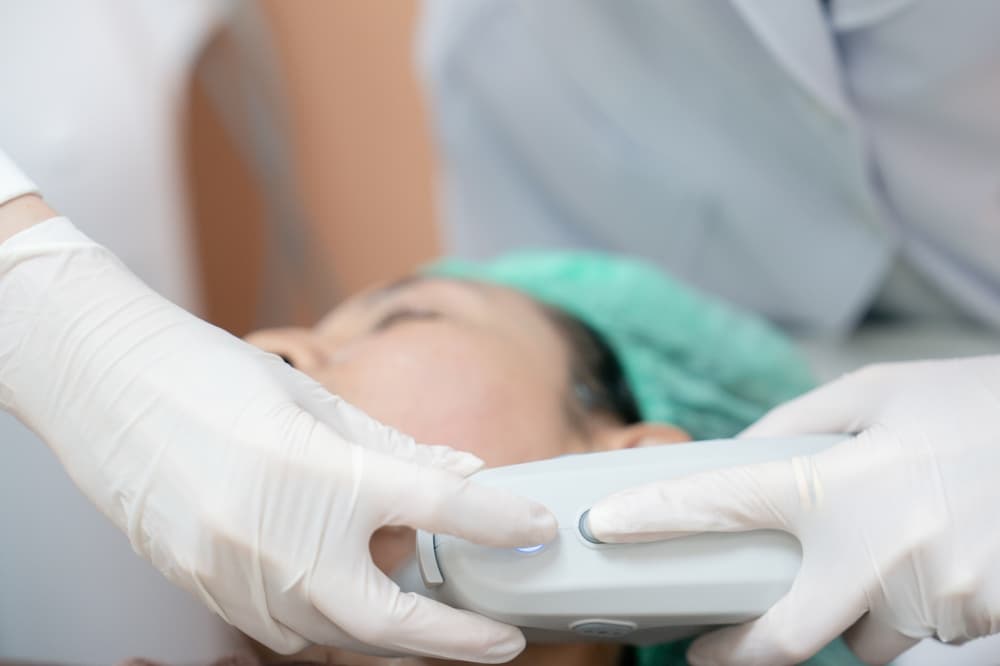
Ulthera is a non-surgical facial rejuvenation system that uses micro-focused ultrasound technology. This system delivers focused energy to the deep layers of the skin. The energy triggers the production of collagen and elastin. Thus, the skin tightens, resulting in a lifting effect.
People want to avoid surgical risks. Non-surgical methods eliminate the risk of anesthesia. The recovery time is almost nonexistent. Patients return to their daily lives immediately. These advantages change preferences. More than seven million non-surgical aesthetic procedures are performed worldwide. This number increases every year.
The device focuses ultrasound waves at specific depths of the skin. This focusing creates controlled thermal damage in the deep dermis and superficial musculo-aponeurotic system. The heat stimulates fibroblast cells. These cells produce new collagen fibers. The epidermis remains unharmed. The device sends energy at three different depths. These depths are one and a half millimeters, three millimeters, and four and a half millimeters. Each depth targets a different tissue layer. The doctor can see the target tissue on the screen. Thus, energy is delivered with precision.
Alam and colleagues (2010) demonstrated the efficacy of this technology in brow lifting. In the study, significant brow lifting was observed in eighty-six percent of patients. The average lifting distance was one point seven millimeters.
This article describes ideal candidates in light of scientific data. It examines age groups. It discusses skin structure and expectations. It summarizes the criteria used by doctors in patient selection. It presents combined treatments and factors affecting outcomes.
Ulthera uses imaging-capable micro-focused ultrasound technology. This technology targets the deep layers of the skin. The device sends energy at three different depths. These depths are one and a half millimeters, three millimeters, and four and a half millimeters. Each depth targets a different tissue layer. The doctor can see the target tissue on the screen. Thus, energy is delivered with precision. The device focuses ultrasound waves at specific depths of the skin. This focusing creates controlled thermal damage in the deep dermis and superficial musculo-aponeurotic system. The heat stimulates fibroblast cells. These cells produce new collagen fibers. The epidermis remains unharmed.
Alam and colleagues (2010) demonstrated the efficacy of this technology in brow lifting. In the study, significant brow lifting was observed in eighty-six percent of patients. The average lifting distance was one point seven millimeters.
Micro-focused ultrasound concentrates sound waves at a small focal point. This concentration creates thermal coagulation points in deep tissues. Each point has a very small volume. Surrounding tissues are not damaged. The epidermis is fully preserved. The technology generates heat above sixty degrees Celsius. This heat denatures collagen proteins. Denatured collagen initiates the body's repair response.
White and colleagues (2007) demonstrated that this technology can create thermal damage in the superficial musculoaponeurotic system. This finding established an alternative target to surgical facelift.
The superficial musculoaponeurotic system is a layer of connective tissue that surrounds the facial muscles. This layer provides deep structural support for the skin. Surgical facelift procedures lift this layer. Ulthera also targets this layer. However, it delivers energy without surgery. When the SMAS is targeted, the skin lifting effect is enhanced. Results last longer. The skin gains structural support beyond superficial tightening.
Thermal coagulation points activate fibroblast cells. These cells are the skin's repair cells. Fibroblasts synthesize new collagen fibers. At the same time, elastin production also increases. New collagen thickens the skin. New elastin restores the skin's elasticity. This process peaks within two to three months. Results continue for twelve to eighteen months.
Recent histological studies have shown that heat shock protein positive fibroblasts accumulate at thermal coagulation points. These cells produced mature collagen and new elastin fibers within ninety days.
Feature | Ulthera | Focused Ultrasound |
Imaging | Simultaneous ultrasound imaging available | No imaging or limited |
Energy control | Direct hit to target tissue | Hit rate variable |
Depth options | One and a half mm, three mm, four and a half mm | Generally three mm and four and a half mm |
Safety profile | Proven epidermis protection | Higher risk of side effects |
Approval status | Approved by the U.S. Food and Drug Administration | Approval status varies by device |
Ulthera precisely targets energy with imaging technology. The doctor sees beneath the skin on the screen. Thus, the energy goes to the correct layer. Focused ultrasound devices generally do not have this imaging feature. This deficiency can increase the risk of side effects.
Ulthera addresses a specific patient profile. Individuals with mild to moderate skin sagging benefit from this treatment. Patients who do not want surgical operations consider this option. Individuals who desire a natural and gradual improvement will be satisfied. Those with a busy work schedule prefer the absence of recovery time. Young individuals looking to take preventive measures can also receive this treatment.
Yes. These individuals achieve the best results from the treatment. Their skin still has sufficient elasticity. Collagen reserves support new production. The degree of sagging is not advanced. Ultrasound energy effectively tightens these tissues. The results are noticeable and appear natural.
Shome and colleagues (2019) applied this treatment to fifty adult patients. Six months later, blinded evaluators observed improvement in ninety-three percent of the patients. Eighty-five percent of the patients were satisfied with the results. These rates demonstrate the effectiveness of the treatment for mild to moderate sagging.
These patients should explore non-surgical options. Surgery carries anesthesia risks. Scars may remain after surgery. The recovery process takes weeks. Ulthera eliminates these risks. The procedure duration is between thirty to ninety minutes. The patient returns home immediately. They continue with their daily activities.
Results are not immediately visible. A slight tightening sensation is felt in the first days after the procedure. Real results gradually become noticeable within two to three months. This process depends on the rate of new collagen formation. Gradual change makes it difficult for people around to notice. This creates an impression of natural rejuvenation.
There is no recovery time after the procedure. The patient leaves the clinic immediately. They can apply makeup. They can go to their meeting. They can continue their sports activities. There may be slight redness on the face. This redness subsides within a few hours. This advantage attracts those who are active in business life.
Yes. Patients in their thirties can receive this treatment for preventive purposes. Early intervention delays skin sagging. Collagen production is still strong at this age. The treatment preserves existing collagen reserves. Thus, signs of aging appear later.
Age directly affects the treatment response. In young patients, collagen production is rapid. In middle-aged patients, sagging is pronounced. In older patients, the skin structure has changed. Different expectations arise for each age group.
Age Group | Skin Condition | Expected Result | Treatment Frequency |
25-30 years | Preventive period | Preventive effect | Single session |
30-40 years | Slight sagging | Significant tightening | Single session |
40-55 years | Moderate sagging | Moderate lifting | One or two sessions |
55+ years | Advanced sagging | Limited improvement | Combined treatment |
This age group is ideal for preventive and protective treatment. The skin still has sufficient collagen production capacity. The loss of elasticity has just begun. The treatment halts this loss and can even reverse it. Results are quick and noticeable. The skin remains youthful for many more years.
In this group, skin sagging is more pronounced. Marionette lines have deepened. The jawline has loosened. Neck sagging has begun. The treatment corrects this moderate sagging. Results may be slightly less noticeable compared to the younger group. However, the satisfaction rate remains high.
Results are limited for those over fifty-five. The skin has lost a lot of elasticity. There is excess skin. Ultrasound energy cannot lift this excess. Surgical options may be more suitable. However, elderly patients with mild sagging can still benefit from the treatment.
Yes. Preventive use is possible for those over twenty-five. However, a doctor's evaluation is essential. Young skin may not need treatment. The doctor examines the skin quality and plans treatment if necessary. A preventive approach helps prevent future sagging.
The doctor thoroughly examines each patient's skin structure. This examination forms the basis of the treatment plan. Different skin types require different energy levels. The suitability assessment is based on five main factors.
Factor | Ideal Condition | Challenging Condition |
Elasticity | High | Low |
Collagen Level | Sufficient | Decreased |
Skin Thickness | Medium | Very thick or very thin |
Fat Tissue | Low or medium | Excessive |
Sun Damage | None or minimal | Severe |
High elasticity responds better to treatment. Elastic skin utilizes new collagen more effectively. The tightening effect becomes noticeable. Results diminish in skin with low elasticity. These skins may first undergo treatments to improve skin quality.
Skin with sufficient collagen reserves better supports the production of new collagen. Collagen is the skeleton of the skin. If this skeleton is strong, the repair process accelerates. In skins with decreased collagen, supportive treatments may be considered.
Thin skin transmits ultrasound energy better. Energy easily reaches the target layer. In thick skin, energy settings change. The doctor may use higher energy in thick skins. However, this may also increase pain.
Excess fat tissue can weaken energy transmission. The fat layer can absorb ultrasound waves. This reduces the energy reaching the target layer. Results may be more limited in oily skin.
In skin that has suffered sun damage, the collagen structure is disrupted. Ultraviolet rays break down elastin fibers. This alters the treatment response. Sun-damaged skin can first undergo photorejuvenation treatments. Subsequently, Ulthera is planned.
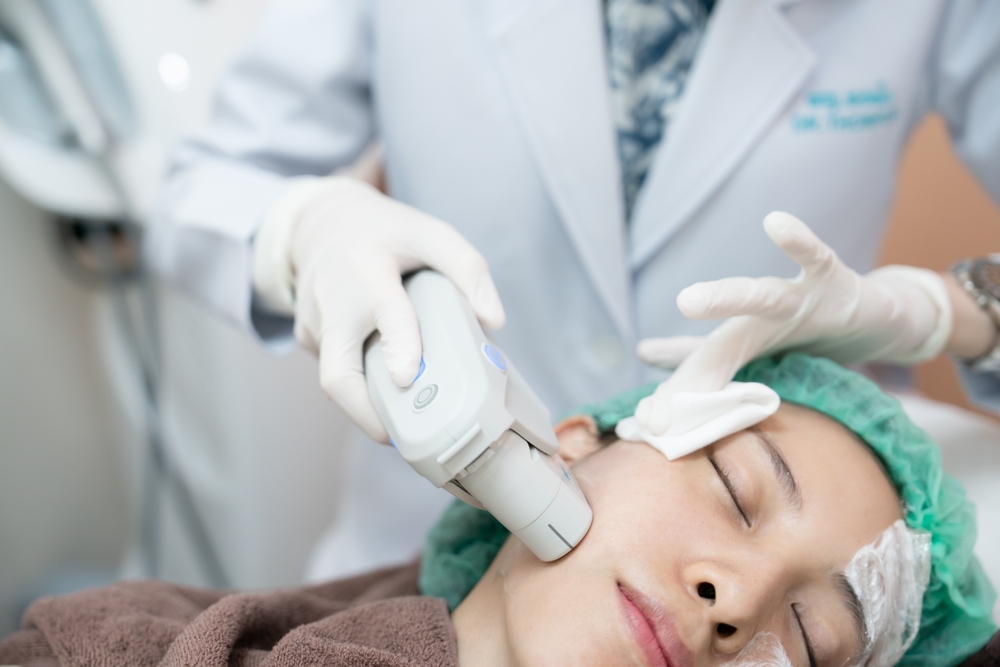
The treatment is applied to many areas of the face and body. Each area receives energy at different depths. The most common areas are the eyebrows, forehead, around the eyes, cheeks, jawline, double chin, neck, and décolletage.
Area | Target Depth | Expected Recovery | Duration |
Eyebrow | Four and a half mm | One point seven mm lift | Ninety days |
Forehead | Three mm and four and a half mm | Reduction of wrinkles | Ninety to one hundred eighty days |
Around the Eyes | One and a half mm and three mm | Correction of eyelid looseness | Sixty to ninety days |
Cheeks | Three mm and four and a half mm | Sagging reduction | Ninety-180 days |
Jawline | Four point five mm | Line definition | Ninety days |
Double chin | Four point five mm | Tightening | Ninety-180 days |
Neck | Three mm and four point five mm | Sagging reduction | Ninety-180 days |
Décolleté | One point five mm and three mm | Wrinkle improvement | Sixty-ninety days |
An average of seven millimeters of lift is achieved in the brow area. This amount approaches surgical brow lifting. Energy is applied to the area above the brow. The thermal effect tightens the connective tissue. The brow rises to its natural position. Results are fully visible within ninety days.
Alam and colleagues (2010) reported an average lift of seven millimeters in this area. This change was found to be clinically significant in eighty-six percent of patients.
Significant tightening is observed in forehead wrinkles. The forehead muscle does not relax. However, fine lines on the skin become less noticeable. Deep wrinkles do not completely disappear. The skin texture generally becomes smoother.
It provides slight improvement in eyelid looseness. The appearance of excess skin on the upper eyelid decreases. Under-eye bags lighten. However, fillers or surgery may be necessary for severe bags. This area is treated with low energy.
Moderate improvement is observed in cheek sagging. Nasolabial lines lighten. Cheek contour becomes more defined. Suh and colleagues (2011) reported a seventy-seven percent improvement in this area among Korean patients.
It enhances the definition of the jawline. Marionette lines lighten. The lower jaw area appears sharper. This effect restores the oval appearance of the face. In men, it strengthens the jawline. In women, it creates a more delicate facial contour.
It provides tightening in the submental area. The appearance of a double chin decreases. This area is treated at a depth of four and a half millimeters. Energy does not target the fat tissue. It only tightens the connective tissue. Results become noticeable within three to six months.
Significant tightening occurs in the neck skin. The skin over the platysma muscle tightens. The appearance of a turkey neck lightens. The neck becomes more harmonious with the face. This area can be treated alone or in conjunction with the face.
Improvement is seen in chest wrinkles. Sun damage lines lighten. The skin texture appears smoother. This area is less painful compared to the face. The patient can wear normal clothing immediately.
Like any treatment, Ultherapy is not suitable for everyone. Certain conditions make the treatment risky. The doctor carefully evaluates these conditions. Individuals with advanced sagging, excess skin, active infections, pregnant or breastfeeding, those with pacemakers, and those with unrealistic expectations should not undergo this treatment.
Condition | Risk Level | Alternative |
Advanced sagging | High | Surgical facelift |
Excess skin | High | Skin removal surgery |
Active infection | Medium | After the infection |
Pregnancy | Uncertain | After childbirth and breastfeeding |
Pacemaker | High | Radiofrequency or surgical |
Unrealistic expectations | Psychological | Psychological counseling |
In these patients, the skin is very loose. Ultrasound energy cannot lift this looseness. Excess skin continues to sag. Surgical facelift removes excess skin. The muscle layer is tightened. The results are much more pronounced compared to non-surgical methods.
Excess skin blocks ultrasound energy. The energy cannot penetrate deep enough into the skin. Sagging is caused by excess skin. This excess cannot be corrected with energy. Surgical removal may be the only solution.
Infection increases the risk of the procedure. Thermal energy can spread the infection. An open wound is a gateway for bacteria. The infection must completely resolve before treatment. Evaluation is done after the antibiotic treatment is completed.
Safety studies during these periods are insufficient. The effects of ultrasound energy on the baby are unknown. Hormonal changes alter the skin structure. Results are unpredictable. Treatment is postponed until after childbirth and breastfeeding.
Ultrasound energy can disrupt electronic devices. Pacemakers may experience rhythm changes. Insulin pumps may have dosage errors. Metal implants can heat up. These patients should consider alternative methods.
Treatment provides limited correction. Those expecting surgical results may feel disappointed. The doctor should manage expectations in advance. Examples should be shown with photos. The patient should understand what the treatment can and cannot do.
The doctor examines each patient individually. This assessment determines the success of the treatment. Facial anatomy, degree of sagging, type of aging, medical history, previous procedures, and expectations are evaluated in order.
Every face is different. The doctor examines the bone structure. High-cheeked faces receive different energy. Tissue distribution determines the location of fat pads. Muscle structure affects energy depth. This analysis creates a personalized plan.
The doctor pulls and releases the skin. The skin's rebound speed is measured. The degree of sagging is recorded with photos. Mild sagging is suitable for treatment. Advanced sagging requires surgery. This measurement determines the treatment decision.
Aging due to bone loss is different from aging due to skin sagging. Bone loss refers to the resorption of the jaw and cheekbones. In this case, fillers may be more appropriate. Skin sagging refers to the loosening of connective tissue. In this case, Ulthera is ideal.
Chronic diseases and medications affect the treatment plan. Blood-thinning medications increase the risk of bruising. Autoimmune diseases slow down the healing process. The doctor is aware of all medications and diseases. Accordingly, energy settings are adjusted.
Previous filler or thread procedures alter energy distribution. Fillers transmit ultrasound differently. Threads can disrupt energy focusing. The doctor knows the history and type of previous procedures. Accordingly, treatment is planned.
The doctor listens to the patient's goals. Realistic expectations are established. Before-and-after examples are shown with photos. The patient understands the limits of the treatment. Satisfaction increases with the management of expectations.
Age, genetics, lifestyle, smoking, nutrition, and sunscreen use directly affect the results. Each factor alters collagen production and skin repair.
Factor | Positive Effect | Negative Effect |
Young age | Rapid collagen response | - |
Good genetics | Slow aging | - |
Healthy lifestyle | Quick repair | - |
Smoking | - | Collagen breakdown |
Poor nutrition | - | Insufficient building blocks |
Sunscreen | Protection | - |
Sun damage | - | Structural degradation |
In younger patients, fibroblast cells are more active. These cells produce new collagen more quickly. The skin responds better to energy. In older age, cell activity decreases. The repair process slows down. Therefore, results are more pronounced in younger patients.
Genetic structure determines the rate of skin aging. In some families, skin laxity begins early. In others, the skin remains tight for many years. Genetics affects fibroblast activity and collagen quality. This factor cannot be changed. However, treatment maximizes genetic potential.
Stress increases cortisol hormone. This hormone reduces collagen production. Regular sleep releases growth hormone. This hormone accelerates repair. Exercise increases blood circulation. Thus, nutrients reach the skin better.
Smoking reduces collagen production. Nicotine constricts blood vessels. The skin cannot receive oxygen and nutrients. Free radicals break down existing collagen. Results are poor in patients who smoke. Quitting smoking before the procedure is recommended.
A protein-rich diet supports new collagen synthesis. Vitamin C is a cofactor in collagen synthesis. Zinc and copper support enzyme activity. Sugary foods weaken collagen through glycation. A balanced diet enhances treatment results.
Sunscreen prevents ultraviolet damage. Ultraviolet rays break down collagen. After treatment, the skin may become sensitive to the sun. Sunscreen protects newly formed collagen. The doctor recommends broad-spectrum sunscreen. This habit increases the longevity of results.
It is sufficient on its own for mild sagging. In moderate and advanced cases, combined treatments are more successful. The doctor plans according to the patient's needs.
Combination therapies provide superior results in patients with multiple signs of aging. When deep wrinkles, volume loss, and sagging are present together, a single method is insufficient. A combined approach targets each issue with a separate method.
Botulinum toxin corrects dynamic wrinkles. It softens the lines formed by frowning. Ulthera addresses sagging. When used together, they provide complete facial rejuvenation. Botulinum toxin smooths the upper surface. Ulthera tightens the underlying structure.
Fillers restore volume loss. Cheekbones become fuller. Nasolabial lines are filled. Ulthera tightens the skin. This duo targets structural and tissue-based aging simultaneously. Treatments can be performed in the same session or at different times.
Biostimulants increase collagen production. They contain poly-L-lactic acid or calcium hydroxyapatite. These substances stimulate fibroblasts. When used together with Ulthera, a synergistic effect occurs. The skin strengthens both structurally and tissue-wise.
Mesotherapy and platelet-rich plasma enhance skin quality. Mesotherapy injects vitamins and minerals into the skin. Platelet-rich plasma releases growth factors. These support treatments reinforce the results of Ulthera. The skin appears brighter and more vibrant.
Combination | Target | Mechanism of Action |
Botulinum toxin | Dynamic wrinkles | Muscle relaxation |
Dermal filler | Volume loss | Filler material |
Biostimulant | Increased collagen | Fibroblast stimulation |
Mesotherapy | Skin quality | Nutrient injection |
Platelet-rich plasma | Repair speed | Growth factors |
Results become more apparent in individuals with strong collagen production, slight sagging, a healthy lifestyle, and regular skincare routines. These factors accelerate the repair process.
Young and healthy skin produces new collagen more quickly. Fibroblast cells immediately sense the energy. Initial changes begin within two weeks. Skin texture noticeably changes within a month. These patients are the most satisfied group with the treatment.
Slight sagging requires less energy to correct. The skin has a small distance to be lifted. Energy easily reaches the target. The repair process is short. Results become apparent within one to two months.
Exercise and regular sleep accelerate the repair process. Exercise increases lymph circulation. Sleep supports cell renewal. Stress management lowers cortisol levels. These patients always achieve better results.
Skin repair is enhanced in individuals using moisturizers and antioxidants. Moisturizers protect the skin barrier. Antioxidants neutralize free radicals. The use of retinol supports collagen production. These habits extend treatment results.
This section answers the most frequently asked questions by patients. Each question is explained briefly and clearly.
No. Each patient requires prior evaluation. The doctor examines the skin type. Asks about medical history. Discusses expectations. Refers unsuitable patients.
The ideal age range is between thirty and fifty-five. In this age range, the skin produces sufficient collagen. Sagging is mild or moderate. Results are most apparent.
Yes. The beard area in men is evaluated carefully. Beard follicles transmit energy differently. Male skin is thicker than female skin. The doctor adjusts the energy settings accordingly. Results are effective in men as well.
For most patients, one session is sufficient. In cases of slight sagging, one session provides noticeable results. In advanced cases, a second session may be necessary. The second session is planned six months after the first session.
Mild tightening is immediately noticeable. This effect is temporary. Full results become apparent within two to three months. Collagen production peaks during this time. Results reach their maximum at six months.
Results last between twelve to eighteen months. The duration depends on lifestyle. It lasts longer in non-smokers. The longevity increases in those who use sunscreen. Annual maintenance sessions extend the effect.
No. It does not replace surgical facelift. However, it is a non-surgical alternative. Surgery removes excess skin. Ulthera only provides tightening. Expectations should be adjusted according to this limit.
Yes. The use of sunscreen is essential. The skin may become sensitive to the sun after the procedure. Broad-spectrum sunscreen should be used. Sun exposure should be avoided. These precautions make the treatment safe even in the summer months.
Yes. Ultrasound technology does not target melanin. This feature allows safe treatment for all skin types. It is safe even for patients with darker skin. Unlike laser treatments, it does not carry a risk of burning.
Chen and colleagues (2011) demonstrated the safety of this treatment in Asian patients. No serious side effects were observed in patients with Fitzpatrick skin types three and four.
Immediately. Social isolation is not required after the procedure. The patient can attend a meeting right after leaving the clinic. They can wear makeup. They can exercise. Mild redness subsides within a few hours.
If you have mild sagging, do not want surgery, and have realistic expectations, this treatment is suitable for you. However, the final decision is made by a specialist physician.
The ideal candidate is between thirty and fifty-five years old. They have mild or moderate sagging in their skin. Skin elasticity is still at a sufficient level. The patient desires a natural and gradual change. They do not want to take a break from their daily life. They do not smoke. They eat healthily. They use sunscreen.
Realistic expectations are the key to treatment success. Ulthera is not a magic wand. It rejuvenates your skin. However, it does not turn you back to your twenties. Expecting surgical results can lead to disappointment. The doctor should manage these expectations in advance.
Personalized assessment is essential. Instead of internet research, a specialist physician examination is required. The doctor examines your skin. They conduct an analysis. They create a personalized plan for you. This plan aligns with your anatomical structure and goals.
The specialist physician examination is fundamental to treatment success. An experienced doctor selects the correct energy level. They target the correct depth. They minimize the risk of side effects. Results are directly related to the doctor's skill.
Ulthera is a powerful option in non-surgical facial rejuvenation. It provides safe and effective results in the right candidates. If your age, skin type, and expectations are suitable, you may consider this treatment. Scientific data supports the safety and efficacy of the treatment. However, each patient is different. The decision should always be made in consultation with a physician.
Alam, Murad, et al. "Ultrasound tightening of facial and neck skin: a rater-blinded prospective cohort study." Journal of the American Academy of , vol. 62, no. 2, 2010, pp. 262-269.
White, William M., et al. "Selective creation of thermal injury zones in the superficial musculoaponeurotic system using intense ultrasound therapy: a new target for noninvasive facial rejuvenation." Archives of Facial Plastic Surgery, vol. 9, no. 1, 2007, pp. 22-29.
Khan, U., et al. "A Systematic Review of the Clinical Efficacy of Micro-Focused Ultrasound Treatment for Skin Rejuvenation and Tightening." Cureus, 2021.
Shome, Debraj, et al. "Use of Micro-focused Ultrasound for Skin Tightening of Mid and Lower Face." Journal of Cutaneous and Aesthetic Surgery, vol. 12, no. 4, 2019, pp. 222-227.
Suh, Dong Hye, et al. "Intense focused ultrasound for the treatment of wrinkles and skin laxity in seven different facial areas." Annals of , 2011.
Fabi, Sabrina G. "Microfocused ultrasound with visualization for skin tightening and lifting: my experience and a review of the literature." Surgery, vol. 40, 2014, pp. S164-S167.
Oni, Georgette, et al. "Evaluation of microfocused ultrasound for improving skin laxity in the lower face." Therapy, 2020.
Chen, Jenny, et al. "Safety study of transcutaneous focused ultrasound for non-invasive skin tightening in Asians." Lasers in Surgery and Medicine, vol. 43, 2011, pp. 366-375.
Chang, Sung Eun, et al. "Treatment of facial laxity with microfocused ultrasound with visualization." Journal of Cosmetic and Laser Therapy, 2015.
Kerscher, Martina, et al. "Efficacy of micro-focused ultrasound with visualization in clinical research and daily practice." Journal of the European Academy of and Venereology, 2017.
Alster, Tina S., and Elizabeth L. Tanzi. "Noninvasive lifting of arm, thigh, and knee skin with transcutaneous intense focused ultrasound." Surgery, vol. 38, 2012, pp. 754-759.
Gliklich, Richard E., et al. "Clinical pilot study of intense ultrasound therapy to deep dermal facial skin and subcutis." Lasers in Surgery and Medicine, 2007.
Laubach, Horst, et al. "Effects of intense ultrasound on the skin and subcutaneous tissue." Lasers in Surgery and Medicine, 2008.