Yükleniyor…
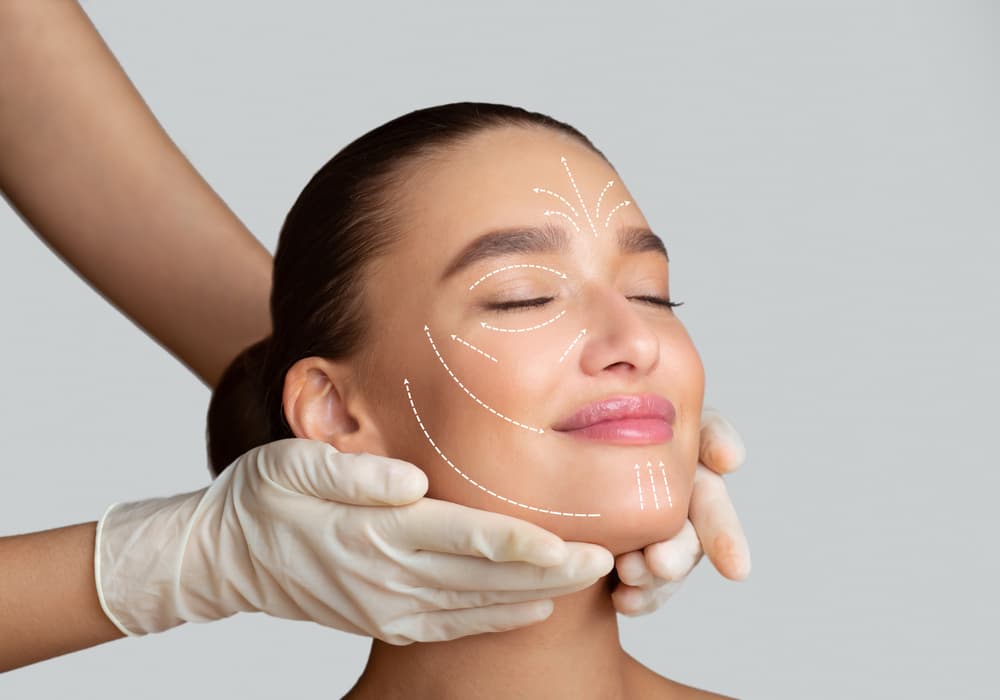
French thread lift is a modern skin tightening method that reshapes facial contours without the need for surgical intervention. This technique creates an instant lifting effect by placing biodegradable threads under the skin while also supporting collagen production in the long term. So, is this method really suitable for everyone? Who benefits the most from this application? This article thoroughly discusses the ideal candidate profile, expectations, and limitations of the French thread lift in light of scientific data.
The French thread lift is a non-surgical facial rejuvenation technique that mechanically lifts facial tissue by placing special biodegradable threads under the skin and stimulates collagen synthesis.
This method has found a wide application in aesthetic medicine since the early 2000s. The primary goal is to reposition the loosened tissue through special materials placed in the deeper layers of the skin. The procedure is performed under local anesthesia, and the patient can return to their daily activities on the same day. The French thread lift eliminates the skin incision, long recovery process, and general anesthesia risks associated with traditional facelift surgery. Therefore, it offers a strong alternative for individuals experiencing mild to moderate skin sagging.
The application is based on the principle that the biodegradable threads placed under the skin interact with the tissue to mechanically lift the loosened area.
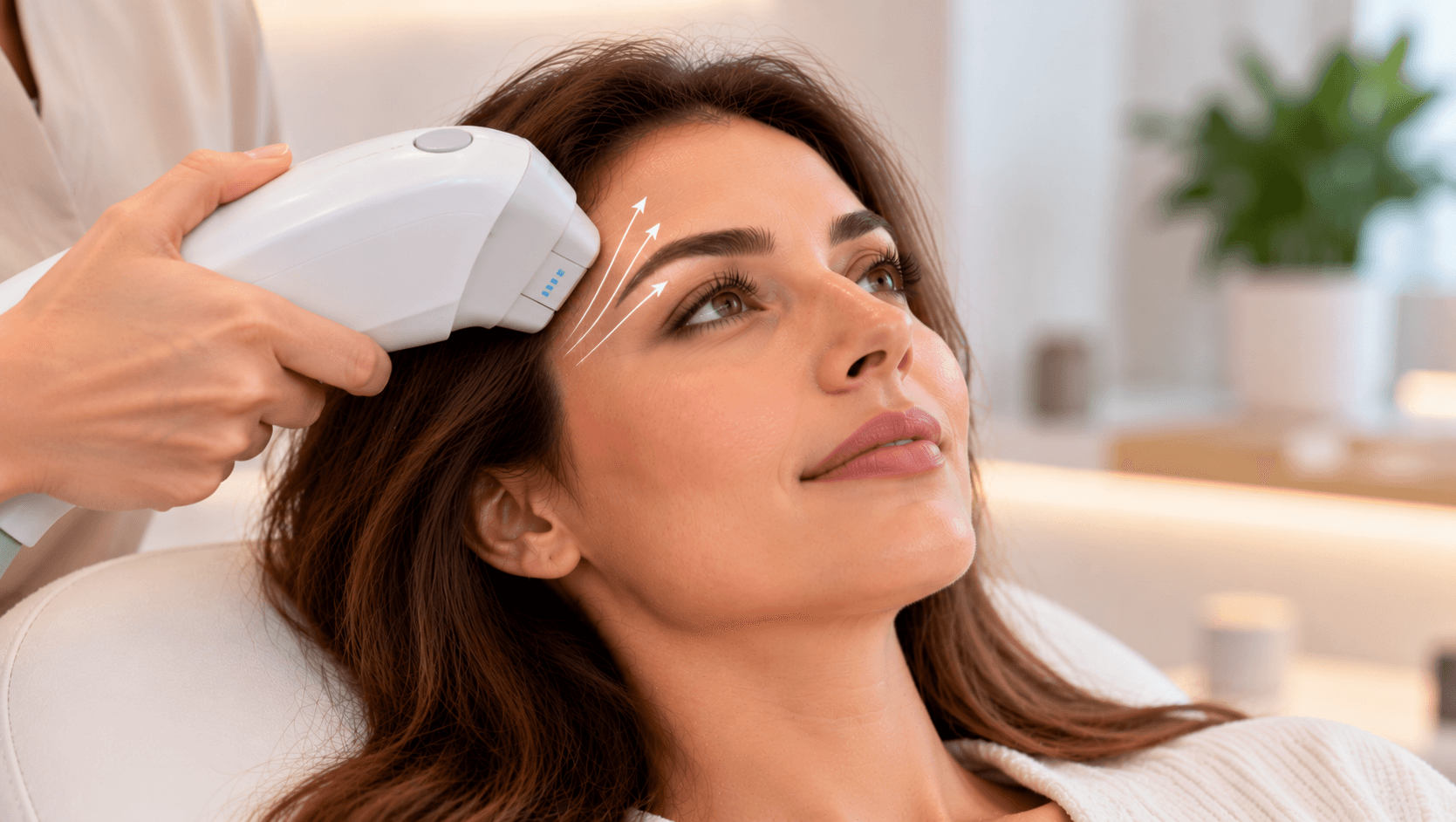
During the procedure, the specialist directs specially designed threads into the subcutaneous layer of the skin through thin cannulas. These threads create anchoring points in different layers of facial tissue. The conical structures on the threads anchor to the subcutaneous tissue, reversing the effects of gravity. Thus, the cheeks, jawline, and neck area are naturally lifted. This mechanical support provides the patient with an immediate feeling of tightening. After the threads are placed, the body initiates a controlled healing response to this foreign material. This response activates fibroblast cells and triggers the formation of new collagen fibers.
In the French thread lift, special threads made from biodegradable materials such as poly-L-lactic acid and polycaprolactone, which have conical structures, are used.
The threads preferred in the French thread lift are made from materials that dissolve over time in the body and turn into harmless substances. Threads containing poly-L-lactic acid remain in the tissue for an average of 18 to 24 months, providing continuous collagen stimulation during this period (Cho et al. 2743). Polycaprolactone threads, on the other hand, are more long-lasting and can maintain their effect for up to two years. These materials are completely eliminated from the body by breaking down into carbon dioxide and water. The conical structures on the threads provide versatile anchoring to the subcutaneous tissue. Thanks to these conical structures, the thread does not slip back when it moves in a single direction. Thus, the lifting effect is securely fixed. The biocompatibility of the material minimizes the risk of allergic reactions.
The threads anchor in the layers of fat and connective tissue beneath the skin, acting as a mechanical scaffold by pulling these layers upward.
In the facial area, the skin has underlying fat tissue and tightening connective tissue. French lifting threads are strategically placed between these layers at specific points. The conical structures on the threads grip these soft tissues like small hooks, creating a vertical lifting force. This force pushes sagging cheek tissue upward and backward. At the same time, the threads promote the formation of new connective tissue between the skin and the underlying tightening layer. This newly formed connective tissue helps keep the skin in place even after the threads dissolve. Thus, beyond the mechanical lifting effect, a biological support network is also established.
The threads create a slight controlled inflammatory response beneath the skin, activating fibroblasts and initiating new collagen synthesis.
Every biodegradable material placed under the skin acts as a stimulant that triggers the body's natural defense mechanism. Macrophage cells and multinucleated giant cells gather around the thread. These cells secrete growth factors. Growth factors activate fibroblasts. Activated fibroblasts begin to produce type I and type III collagen fibers. Histological studies show a significant increase in new collagen fibers two weeks after the placement of the threads (Kapicioglu et al.). Six months later, this collagen network significantly increases the thickness and firmness of the skin. The poly-L-lactic acid threads used in French lifting support collagen production for a longer duration compared to polydioxanone threads. This prolonged effect ensures that the results are more lasting.
French lifting provides stronger mechanical grip thanks to conical structures and offers longer-lasting collagen stimulation with poly-L-lactic acid material.
Polydioxanone threads are generally thorny or flat. The effect duration of these threads is typically between six to eight months. In contrast, poly-L-lactic acid threads used in French lifting remain in the tissue for 18 to 24 months. The conical structures provide grip over a wider surface area compared to thorny structures. This reduces the risk of skin indentations. Additionally, poly-L-lactic acid dissolves more slowly than polydioxanone. This slow dissolution process allows for prolonged collagen production. Polycaprolactone threads are also a strong alternative, but French lifting stands out as one of the best systems for balancing mechanical lifting and biostimulation.
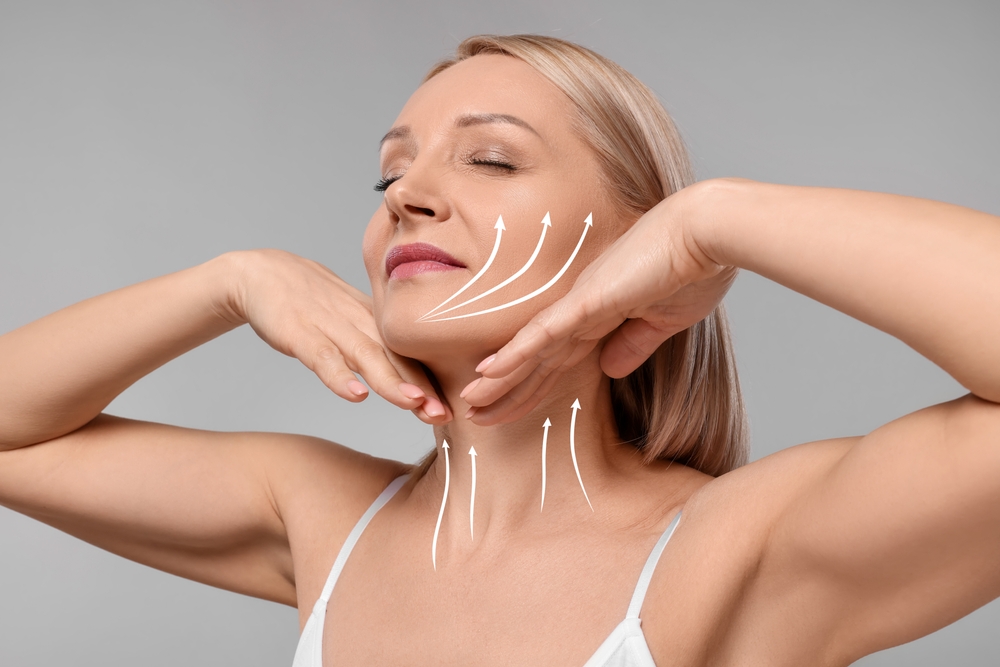
Adults with mild to moderate skin sagging, who do not want surgery, prefer a natural appearance, and seek quick social recovery can benefit from this method.
French lifting is not a universal method that can be applied to people of all ages and skin types. This technique addresses a specific patient profile. Proper candidate selection directly affects the success of the results. A qualified physician recommends this procedure after thoroughly evaluating the facial anatomy, skin quality, and the patient's expectations. The characteristics of ideal candidates are discussed in detail in the following subheadings.
Yes, this method is the ideal solution, especially for those experiencing mild to moderate skin sagging.
Skin sagging is one of the most noticeable signs of aging. The French lift is designed for intervention in the early and mid-stages where the skin begins to move downward due to gravity. This technique yields excellent results in cases where the cheeks have slightly sagged, the jawline has started to lose its definition, but excess skin is not yet apparent. Surgical facelift provides a solution by removing excess skin in cases of advanced sagging. However, such an invasive intervention is not necessary for mild sagging. The French lift offers patients in this intermediate stage an opportunity to rejuvenate without surgical risk.
Absolutely yes, it is the best non-surgical alternative for those who do not want the risks of general anesthesia, incision scars, and long recovery periods.
Many patients avoid lying on the operating table and going under the knife. This is a completely understandable preference. The French lift is performed with local anesthesia. No incisions are made on the skin. This minimizes the risks of infection, bleeding, and scarring. Patients can return home the same day after the procedure. They can fully resume their social lives within a few days. These features offer a significant advantage for individuals with a busy work schedule or those who do not want to experience the psychology of surgery.
Yes, especially those who experience contour loss in the jawline and cheek area will achieve a sharper and younger facial contour with the French lift.
Facial contour is one of the most important symbols of youth. Over time, the cheek tissue shifts downward, and the jawline becomes less defined. This change causes the face to appear more tired and older. The French lift repositions the cheek tissue upward and backward, rediscovering the jawline. Slight looseness in the double chin area can also be corrected with the same technique. The result is a more triangular face shape and a more aesthetic profile. This transformation revitalizes the patient's entire facial expression.
Yes, it provides a protective and therapeutic effect for the first signs of sagging and wrinkles that appear from the late 30s.
Aging does not occur suddenly; it happens gradually. Intervening in the early stages of this process means avoiding the need for more aggressive treatments in the future. The French lift not only reverses early signs of aging but also slows down the skin's aging process. By increasing collagen production, it maintains the skin's elasticity. Thus, patients go through their natural aging processes in a more controlled and aesthetic manner. This approach is defined in aesthetic medicine as "preventive rejuvenation."
Yes, this method offers a natural and dynamic rejuvenation instead of an overly stretched and artificial appearance.
Some aesthetic interventions change a person's facial expression and leave an artificial look. The French lift rejuvenates by using the skin's own tissue. The threads support the skin from within rather than pulling and stretching it from the outside. This internal support allows the facial expressions to remain natural. When the patient smiles, speaks, or changes their facial expression, the skin moves naturally. The result is a look that does not give the feeling of having undergone a procedure, but rather a rested and vibrant appearance. This naturalness is one of the features that patients are most satisfied with.
Yes, after the procedure, patients can mostly return to their normal social activities within 24 to 48 hours.
The pace of modern life means that people cannot wait for weeks to heal at home. The French lift provides a perfect response to this need. The procedure takes an average of 30 to 60 minutes. Thanks to local anesthesia, the patient remains awake and can walk out immediately afterward. There may be slight swelling and bruising on the face, but these symptoms can be easily covered with makeup. Most patients can return to work the next day. This quick recovery makes the French lift attractive for business professionals, educators, and anyone with an active social life.
Results are most pronounced and long-lasting in individuals aged 35 to 55.
Age is an important factor that affects the results of the French lift. However, it should be noted that age alone is not the sole determinant. Skin quality, genetic makeup, and lifestyle also directly affect the results. Nevertheless, general trends show higher satisfaction rates in certain age groups.
Yes, the French lift performed in the 30s slows down the aging process and creates a preventive effect.
The thirties is the period when the first signs of sagging in the skin begin to appear. Interventions made at this stage do not stop aging but slow it down. The French lift can be applied with fewer threads in this age group. The aim is not to create a dramatic change but to preserve the skin's structure. Thanks to collagen stimulation, the skin becomes more resilient against future sagging. This strategy is known in aesthetic medicine as "prejuvenation," which is a proactive approach to preventing aging.
Yes, this age range constitutes the most ideal candidate group for the French lift.
The forties and fifties are the periods when mild to moderate sagging in the skin becomes apparent. Excess skin is not yet at an advanced level. Skin elasticity is sufficient to respond to healing. The French lift provides both an immediate lifting effect and long-term collagen increase in patients in this age group. In a study conducted by Rezaee Khiabanloo and colleagues on 193 patients, the satisfaction rates of patients and surgeons were 94% in the first week and rose to 99% by the sixth month (Rezaee Khiabanloo et al. 84). This data supports the high success rate in the middle-aged group.
Results may be more limited and shorter-lived in those over 55; combined treatments are more logical in this age group.
As age increases, skin elasticity decreases. The rate of collagen production slows down. Excess skin becomes more pronounced. These conditions mean that a French thread lift alone may not be sufficient. However, patients in this age group are not completely hopeless. A French thread lift can provide a slight tightening and improvement in skin quality for these patients. It can be used in conjunction with filler applications or skin rejuvenation techniques for more pronounced results. The important thing is for the patient to have realistic expectations.
Skin quality affects the results of a French thread lift more than age; patients with elastic and thick skin achieve better results at any age.
Some 50-year-old patients have much better skin quality than some 35-year-olds. This difference arises from factors such as genetic makeup, sun protection habits, nutrition, and smoking. Thick, well-hydrated skin that maintains its elasticity provides a stronger holding area for the threads. Additionally, this skin type responds more quickly to collagen production. Therefore, experts assess skin quality before age. Patients with high skin quality leave satisfied from a French thread lift at any age.
The ideal candidate is an individual with good skin elasticity, mild sagging, realistic expectations, and a healthy lifestyle.
Choosing the right candidate is the backbone of the success of a French thread lift. Every face has a unique anatomy. Each patient's expectations are different. Therefore, a comprehensive preliminary assessment is essential. The specialist examines both objective criteria and analyzes the psychological state of the patient during this assessment.
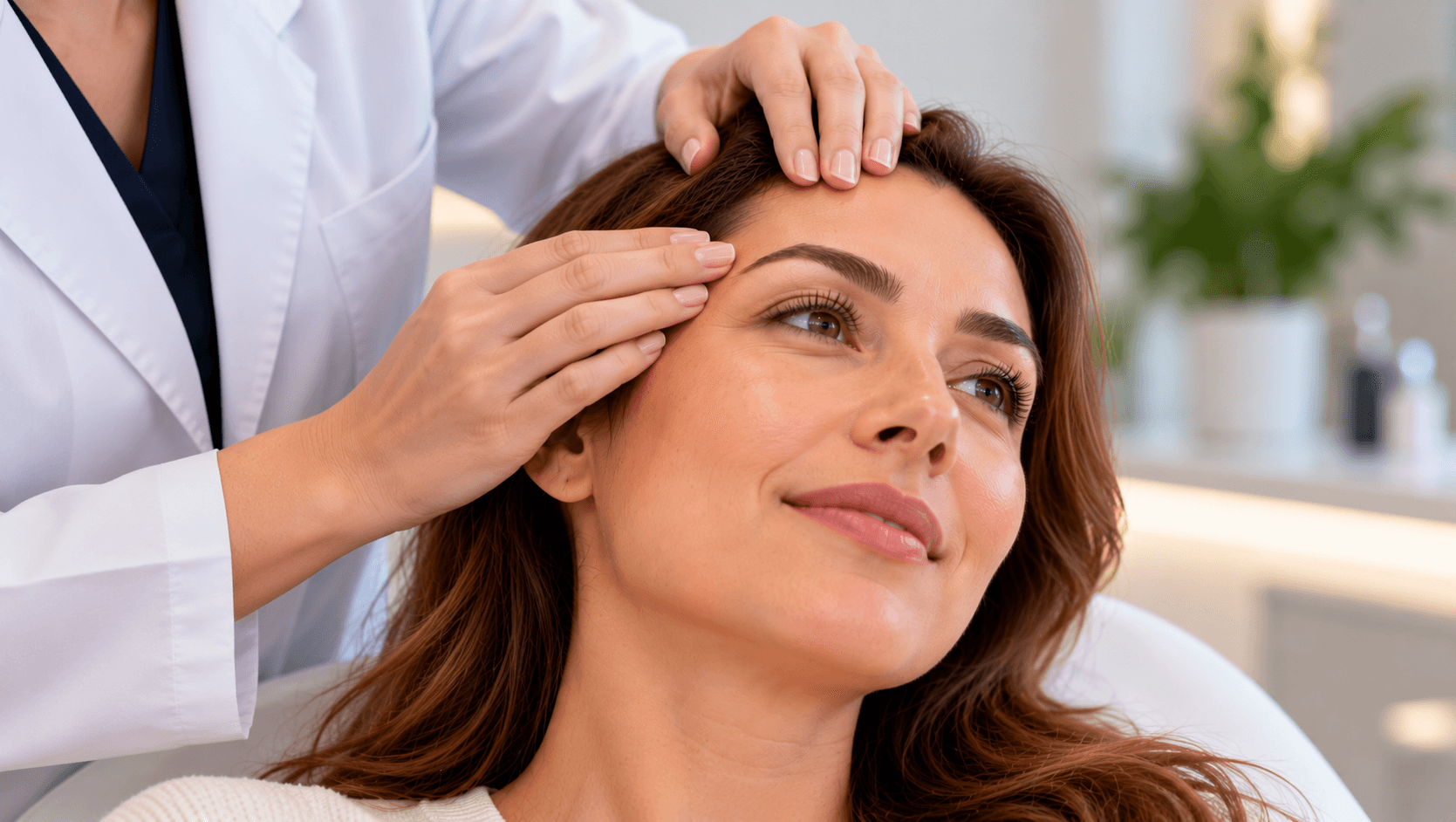
The specialist gently pinches the skin to test the rebound speed; a quick rebound is an indicator of good elasticity.
Skin elasticity is the most critical physical parameter for a French thread lift. Skin that has lost its elasticity resists the lifting force of the threads. The specialist examines the thickness, moisture content, and rebound capacity of the skin during the examination. Skin type classification is performed. Oily and thick skins generally yield better results compared to thin and dry skins. This is because oily skin provides better cushioning for the threads and offers stronger retention. This assessment forms the basis of the treatment plan.
The amount and distribution of fat tissue in the face directly affect the holding power and lifting effect of the threads.
The soft tissue in the facial area serves as a foundation for the threads. In patients with sufficient fat tissue, the threads hold more securely. However, in excessive fatty tissue, the threads may slip. In patients with very little fat tissue, the contours of the threads may be visible under the skin. The specialist evaluates the thickness of the fat layer in different areas of the face. This analysis is used to determine how many threads will be placed in each area. The fat pads in the midface play an important role in cheek lifting procedures.
The specialist measures the amount of skin droop in centimeters and determines whether the sagging is mild, moderate, or advanced based on this value.
The degree of sagging is the most important criterion that determines the treatment plan. Mild sagging means a shift of 1-2 millimeters. Moderate sagging is a shift of 3-5 millimeters. Advanced sagging is over 5 millimeters. The French thread lift provides excellent results for mild and moderate sagging. In cases of advanced sagging, surgical intervention is more appropriate. The specialist also considers the patient's facial expression while making this measurement. Because some sagging becomes more pronounced with facial movements.
The specialist carefully examines the structure of the facial muscles, bony protrusions, and the location of the blood vessels.
The facial area has a complex anatomical structure. Nerves, blood vessels, and salivary glands are structures that need to be carefully preserved beneath the skin. The threads of the French thread lift should be placed without damaging these structures. The specialist evaluates the asymmetry of the face. Because no face is perfectly symmetrical. The treatment plan is prepared to correct these asymmetries. Additionally, the bony structure is examined. In patients with strong bony protrusions, the threads hold more securely.
The specialist conducts a detailed interview with the patient to understand their expectations and explains whether these expectations can be technically met.
Unrealistic expectations are one of the biggest enemies of aesthetic medicine. Some patients expect dramatic results like surgical facelift from the French thread lift. When these expectations cannot be met, patient dissatisfaction arises. The specialist clearly explains to the patient what is possible and what is not before the procedure. Simulations are made using photographs. The patient gets the opportunity to envision the post-procedure appearance. This communication creates a safe ground for both the physician and the patient.
Individuals with advanced sagging, significant excess skin, active skin disease, uncontrolled chronic conditions, or unrealistic expectations should avoid this method.
Every aesthetic method has its limitations. The French thread lift is no exception. Identifying unsuitable candidates is as crucial as selecting the right candidates. In some cases, when this method is applied, the results can be disappointing and may even pose health risks.
No, in cases of advanced sagging, the French thread lift is insufficient, and surgical facelift is recommended.
Advanced sagging indicates that the skin has lost its resistance against gravity significantly. In this case, there is a noticeable excess of skin. The threads of the French thread lift cannot lift such a large excess of skin. The excessive load on the threads may cause them to break early or lead to indentations in the skin. Surgical facelift offers a permanent solution by removing this excess skin and reshaping the underlying tissue. Therefore, surgical options are primarily evaluated for patients with advanced sagging.
No, in patients with significant skin excess, the French lift does not sufficiently tighten the skin and unwanted folds may occur.
Skin excess appears in the later stages of aging. This excess is not just sagging tissue. The skin itself has also stretched. Since the French lift does not cut and remove the skin, it cannot eliminate this stretching. When the threads lift the skin, the excess skin may create folds in other areas. This situation leads to an aesthetically unpleasing appearance. In these patients, surgical intervention removes both the excess skin and tightens the underlying tissue.
No, if there is an active infection in the treatment area or anywhere on the face, the procedure should be postponed.
Infection is one of the most serious contraindications for the French lift. The procedure is not performed in cases of active acne, herpes, or bacterial infections. This is because when the threads are placed under the skin, there is a risk of the infection spreading to deeper tissues. This situation can lead to serious complications and permanent scars. The patient will be re-evaluated for the procedure after the infection has completely healed. Additionally, prophylactic antibiotic use may be assessed by the specialist.
Yes, uncontrolled diabetes, blood clotting disorders, and autoimmune diseases negatively affect healing.
Chronic diseases directly affect the body's healing capacity. Uncontrolled diabetes increases the risk of skin infection and delays wound healing. Patients using blood-thinning medications have a higher risk of bruising and bleeding. Autoimmune diseases alter the body's response to the threads. Therefore, the patient's overall health status is thoroughly examined before the procedure. If necessary, consultations with relevant specialists are sought. The procedure can be planned after the disease is brought under control.
No, aesthetic procedures should be postponed during pregnancy and breastfeeding.
During pregnancy and breastfeeding, the body undergoes a hormonally very active process. The skin structure may vary during this period. Additionally, the effects of anesthetic agents and painkillers used during the procedure on the baby are unknown. Therefore, procedures are not recommended for patients in this period. Patients will be re-evaluated after the breastfeeding period is completed and hormones are balanced. This approach is the safest for both mother and baby.
Yes, unrealistic expectations lead to psychological dissatisfaction and repeated requests for procedures.
Psychological conditions such as body dysmorphic disorder or excessive perfectionism pose a serious risk for aesthetic procedures. These patients may still feel inadequate after the procedure. The specialist evaluates the patient's psychological state before the procedure. In suspected cases, a psychiatric consultation may be requested. Aesthetic medicine is also responsible for protecting the patient's mental health. Therefore, procedures are not performed on patients who are not mentally prepared.
The cheeks, jawline, double chin, eyebrows, neck, and midface are the most common areas for the French lift application.
The French lift can be specifically tailored to different areas of the face. Each area has its unique anatomical features. Therefore, the angle, depth, and number of threads used vary from region to region. The specialist may intervene in one or several of these areas in the same session according to the patient's needs.
Yes, the cheeks are one of the most successfully treated areas with the French lift.
The cheek area is one of the most prominent areas showing sagging on the face. Over time, the cheek fat pads slide downward. This sliding leads to the deepening of the nasolabial fold and the distortion of the facial oval. The French lift lifts the cheek tissue upwards and backwards. Thus, the depth of the nasolabial fold decreases. The face gains a younger and more dynamic expression. The cheek lifting procedure is usually planned together with jawline tightening.
The French lift redefines a relaxed jawline and prevents the formation of a double chin.
The jawline forms the lower boundary of the face. In a young face, this line is sharp and clear. With aging, this line softens and the double chin area becomes more pronounced. The French lift reveals the jawline by lifting the cheek and neck tissues upwards. This effect becomes apparent even from the profile view. A sharp jawline makes the face look more aesthetic and younger. In male patients, this effect creates a more masculine expression.
Yes, mild to moderate double chin sagging can be corrected with the French lift.
The double chin area is the region between the neck and the chin. Mild fat accumulation and skin laxity in this area can be treated with the French lift. The threads lift the neck tissue upwards and backwards. This tightens the double chin area. However, for advanced double chin problems, liposuction or surgical options may be more appropriate. The French lift is usually applied in conjunction with jawline procedures in the double chin area.
Yes, low brows can be lifted a few millimeters with the French lift.
Brows are one of the most important parts of facial expression. Low brows make the face look tired and sad. The French lift enters from the temple area to lift the brows upwards. This lifting effect also opens up the eye area. The patient achieves a more rested and vibrant expression. However, the brow lift procedure has a limited area of effect. For very low brows, endoscopic brow lifting may be more effective.
Yes, mild laxity in the front area of the neck can be tightened with the French lift.
The neck is one of the areas that shows the earliest signs of aging. Skin thinning and constant movement cause the neck area to loosen quickly. The French thread lift reduces this looseness by lifting the neck skin upwards. The threads are placed under the skin layer over the neck muscles. This procedure decreases the prominence of neck lines. However, the neck area has a sensitive anatomy. Therefore, the specialist performing the procedure in this area must have advanced experience.
The midface is the central area where the French thread lift is most effectively applied.
The midface extends from under the eyes to above the lips. Sagging in this area causes the nasolabial fold to deepen and leads to under-eye bags. The French thread lift addresses these issues simultaneously by lifting the midface tissue upwards. The cheekbones become more pronounced. The face takes on a more triangular and youthful shape. Midface lifting usually forms the basis of French thread lift sessions.
Distortion of the facial oval, loosening of the jawline, sagging cheeks, deepening of the nasolabial fold, marionette lines, and mild neck looseness are corrected with this method.
The French thread lift takes a holistic approach to address the signs of aging on the face. Each aesthetic issue arises from a unique mechanism. The French thread lift offers a common solution to many of these problems. This is because most of these issues stem from a common cause: the downward shift of soft tissue.
The French thread lift restores the triangular shape of the face by lifting the cheek and jaw tissue upwards.
A youthful face has a triangular shape that narrows from the forehead to the jawline. With aging, this triangle turns upside down. The cheeks widen, and the jaw area narrows. The French thread lift corrects this reversal. When the cheek tissue is lifted, the upper part of the face widens. When the jawline becomes more defined, the lower part narrows. This geometric change restores the youthful proportions of the face. The patient feels fitter and more dynamic when looking in the mirror.
The threads create a sharp jaw profile by pulling the soft tissue in the jaw area upwards and backwards.
Looseness in the jawline is not just an aesthetic issue. It also changes the entire expression of the face. A loose jawline gives an impression of uncertainty and fatigue. The French thread lift places the threads in this area at specific angles. The threads create a vertical force by anchoring to the connective tissue beneath the skin. This force reshapes the jawline. The result is a clearer and more aesthetic profile.
Cheek sagging is corrected by lifting it upwards with threads placed in the cheek area.
Cheek sagging is one of the most prominent signs of aging on the face. This sagging causes the nasolabial fold to deepen and the marionette lines to become more pronounced. The French thread lift repositions the cheek fat pad. Thus, the cheeks settle over the cheekbones. This change rejuvenates the entire midface area. The patient achieves a more positive and energetic expression.
Lifting the cheek tissue naturally reduces the depth of the nasolabial fold.
The nasolabial fold is the line that extends from the corner of the nose to the corner of the mouth. This line is slight and indistinct in youth. With aging, it deepens. The French lift does not directly fill this fold. Instead, it reduces the depth of the fold by lifting the tissue above it. This approach provides a much more natural result. Because fillers can sometimes leave an artificial appearance. The French lift addresses this issue by using the face's own tissue.
Marionette lines are softened by lifting the corner of the mouth.
Marionette lines are the lines that descend from the corners of the mouth to the jawline. These lines make the face appear sad and sullen. The French lift supports the corner of the mouth tissue upward with threads in this area. Thus, the depth of the marionette lines decreases. The corners of the mouth slightly turn upward. This change makes the facial expression more cheerful and positive.
Threads placed in the neck area reduce sagging by lifting the neck skin.
The neck is a region that draws attention as much as the face. Loose neck skin is one of the most prominent signs of aging. The French lift places special threads in the front area of the neck. These threads lift the neck skin vertically. At the same time, they create a new support network over the neck muscles. This support delays the skin from sagging again. The result is a smoother and younger-looking neck.
A younger facial contour, tighter skin, a natural lifting effect, and increased collagen production are expected.
The French lift is a method that provides results both immediately and in the long term. Patients see a change in the mirror right after the procedure. However, the real results emerge in the following weeks and months. This two-phase effect distinguishes the French lift from other methods.
Threads lift the facial tissue, restoring the triangular face shape of youth.
Facial contour is one of the most important indicators of youth. The French lift mechanically reshapes this contour. The cheeks settle into place. The jawline becomes more defined. The neck tightens. When these changes come together, the face achieves youthful proportions. The patient feels more rested and energetic. This feeling directly affects self-confidence.
Increased collagen enhances the thickness and tightness of the skin, creating a smooth texture.
Skin tightness does not only mean the absence of sagging. It also means maintaining the skin's elasticity. The French thread lift creates new collagen and elastin fibers under the skin. These fibers provide internal support to the skin. The skin becomes thicker and more resilient. Pores shrink. Fine wrinkles smooth out. This effect becomes noticeable even without makeup.
Since the threads support the skin from within rather than pulling it from the outside, facial expressions remain completely natural.
Naturalness is one of the greatest goals of aesthetic medicine. The French thread lift is one of the rare methods that achieve this goal. Because the procedure strengthens the skin's own structure. Facial muscles move freely. Expressions are not distorted. When the patient laughs, cries, or is surprised, their facial expression remains entirely their own. This naturalness is appreciated by others. People say "you look great" instead of "you had something done."
As the threads stimulate fibroblasts under the skin, the body begins to produce its own collagen, and this support network remains even after the threads dissolve.
Collagen is the scaffold of the skin. With aging, this scaffold weakens. The French thread lift rebuilds this scaffold. The mild inflammatory response created by the threads under the skin activates fibroblasts. These cells produce new collagen over weeks and months. Even after the threads dissolve, this collagen network remains. Thus, results continue independently of the physical presence of the threads. This biostimulation effect is one of the most valuable features of the French thread lift.
A slight lift is seen immediately; the real results become apparent within 2-3 months with increased collagen.
The French thread lift offers a two-phase result profile. The first phase is mechanical lifting. The patient sees an immediate difference in the mirror at the end of the procedure. However, this initial effect does not reflect the true potential of the threads. The second phase is biological renewal. There is slight swelling in the first weeks. As this swelling subsides, the true contour emerges. In the second and third months, collagen production peaks. During this period, the skin reaches its tightest and brightest state. By the sixth month, the results are fully settled.
Results typically last between 18 to 24 months; however, lifestyle and skincare can extend or shorten this duration.
Longevity is one of the most frequently asked questions by patients. The French thread lift is not a permanent method. However, its results are not temporary either. The duration of the threads' dissolution and the body's collagen production rate are the main factors determining longevity.
The dissolution time of the material used, the patient's metabolism rate, skin quality, and lifestyle directly affect longevity.
Longevity is not dependent on a single factor. Poly-L-lactic acid threads last longer compared to polydioxanone threads. In individuals with a fast metabolism, the threads dissolve more quickly. Smoking reduces collagen production, leading to early loss of results. The use of sunscreen preserves skin quality, extending the results. These factors should be evaluated together.
Results last longer in younger patients and individuals with thick skin.
Young skin responds more quickly to collagen production. Additionally, sagging progresses more slowly in young skin. Therefore, results in patients in their 30s and 40s tend to be more permanent compared to those in their 50s and 60s. In patients with thick skin, the threads hold more securely and have a longer effect. In patients with thin skin, however, results may be somewhat shorter-lived. However, regular maintenance and repeat procedures enhance longevity at any age.
Healthy eating, regular sleep, avoiding smoking, and sun protection significantly extend results.
Lifestyle is the biggest determinant of skin aging. Smoking reduces the amount of oxygen in the skin and breaks down collagen fibers. Sun rays age the skin by creating free radicals. Alcohol disrupts the skin's moisture balance. Healthy eating provides the necessary amino acids and vitamins to the skin. Regular sleep supports the release of growth hormone, which plays a critical role in skin repair. Therefore, adherence to post-procedure lifestyle recommendations directly affects the permanence of results.
Studies show that the results of the French lift last an average of 18-24 months, and patient satisfaction increases over time.
In a study published by De Benito and colleagues in 2011, it was noted that facial rejuvenation procedures using threads with absorbable cones are safe and effective (De Benito et al. 248). Research by Abraham and his team in 2009 revealed that thread lift results can remain stable in the long term (Abraham et al. 178). In a study by Sarigul Guduk and Karaca involving 148 patients, absorbable threads were found to have a high safety profile and low complication rates (Sarigul Guduk and Karaca 1189). This scientific data supports that the French lift is both a safe and permanent option.
A detailed patient assessment, review of medical history, cessation of smoking and alcohol, and the creation of a realistic treatment plan are necessary.
Pre-procedure preparation directly affects the success of the results. Open communication between the patient and the physician is the most important element at this stage. Reviewing every detail enhances both safety and satisfaction.
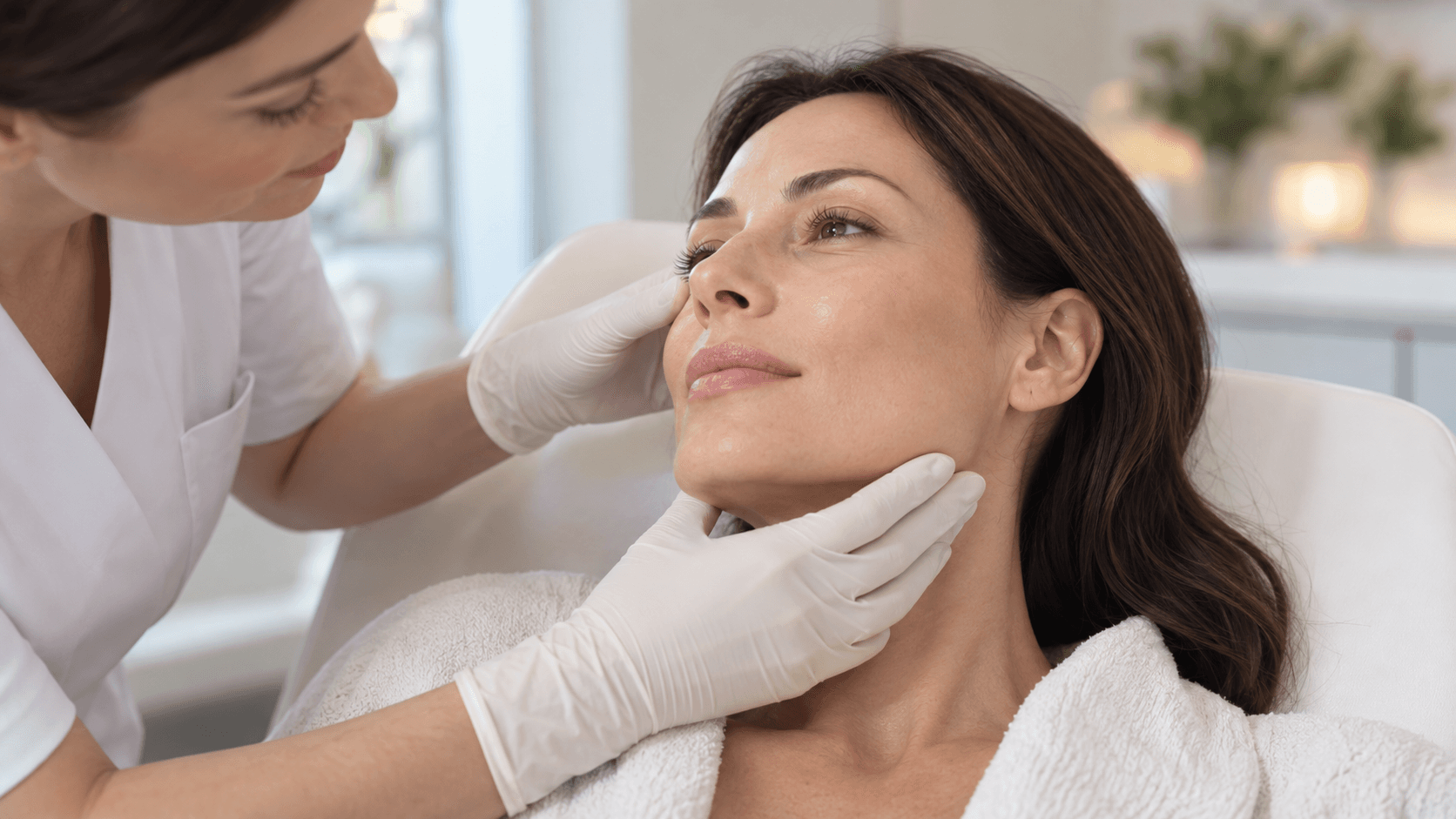
The specialist thoroughly examines the patient's facial anatomy, skin quality, degree of sagging, and overall health status.
Patient assessment is not just a physical examination. It also includes a psychological evaluation. The specialist understands the patient's expectations. Previous aesthetic procedures are inquired about. Allergy history is examined in detail. Skin type is determined. Photographs are taken. These photographs are used for comparison after the procedure. Additionally, the patient's tendency to bleed and risk of scarring are also evaluated.
Blood thinners, anti-inflammatory medications, and certain herbal teas increase the risk of bleeding and bruising.
Some medications affect the blood coagulation mechanism. Medications like aspirin and ibuprofen increase the risk of bleeding. Supplements such as ginkgo biloba, fish oil, and green tea can also thin the blood. Therefore, these medications should be discontinued a few days before the procedure. The specialist records all medications and supplements the patient is using. If necessary, the patient's internist or cardiologist is contacted. This precaution minimizes the risk of bruising and swelling.
Smoking and alcohol delay healing, increase the risk of infection, and reduce the permanence of results.
Smoking narrows blood vessels, reducing blood flow to the skin. This slows down wound healing. Additionally, the chemicals in cigarettes suppress collagen production. Alcohol disrupts the body's ability to retain water. This can increase post-procedure swelling. Alcohol also weakens the immune system. Therefore, the risk of infection rises. Ideally, smoking and alcohol should be stopped two weeks before the procedure.
The specialist shows the patient what kind of change to expect after the procedure with photos and simulations.
An unrealistic plan leads to disappointment. The specialist clearly explains the limits of the procedure to the patient. For example, it is noted that a French lift can raise the jawline a few millimeters but cannot change the bone structure. The number of procedures, the number of threads to be used, and the expected healing process are planned in detail. The patient receives this plan in writing. Thus, both the physician and the patient start the procedure with the same expectations.
The recovery process is quick and comfortable; the first 24 hours require rest, careful care in the first week, and social return is possible within a few days.
One of the biggest advantages of the French lift is the short and comfortable recovery process. Patients do not deal with the care required after major surgery. However, taking some precautions can enhance the quality of the results.
In the first 24 hours, the face should be kept clean, makeup should not be applied, a cold compress should be used, and plenty of water should be consumed.
The first day after the procedure lays the foundation for healing. The facial area should not be touched. The needle entry points should be kept clean. A cold compress reduces swelling and bruising. The patient should sleep with their head elevated. This position regulates blood flow and accelerates the reduction of edema. Pain relief medications should be taken in the dosage recommended by the specialist.
In the first week, excessive facial movements should be avoided, hard foods should not be chewed, gentle care should be taken while washing the face, and sunscreen should be used.
The first week is a critical period during which the threads are anchored under the skin. During this time, movements that excessively strain facial expressions should be avoided. Laughing, yawning, and opening the mouth too wide can put stress on the threads. Washing the face should be done with gentle movements. Harsh scrubbing should be avoided. The use of sunscreen reduces skin sensitivity and prevents color changes.
Mild swelling and bruising are normal; swelling resolves on its own in 2-3 days, while bruising takes 5-7 days.
Swelling and bruising are expected and considered normal symptoms after the procedure. Swelling typically peaks on the second day and then decreases rapidly. Bruises are caused by damage to small vessels under the skin. These bruises may vary depending on skin tone. In patients with fair skin, bruising may be more pronounced. However, it can easily be covered with makeup. Cold compresses and arnica creams can speed up this process.
Most patients can return to work and social life within 24-48 hours.
The French thread lift promises a quick return to daily life. The patient can walk immediately after the procedure. They can take a shower the next day. However, heavy physical activities should be avoided for the first few days. Makeup can be applied after 24 hours. Participation in social activities is generally possible from the second day onwards. This quick recovery is one of the most preferred features of the method.
Heavy exercises should be avoided for the first two weeks; facial massages and excessive facial movements should be limited for one month.
Exercise can increase swelling by raising blood pressure. Therefore, running, weight lifting, and intense cardio activities should be postponed for the first two weeks. Facial massage can displace the threads. For this reason, professional facial treatments and massages should be suspended for the first month. Excessive laughing, frowning, and teeth clenching should also be limited. These precautions ensure the safe anchoring of the threads.
Yes, the French thread lift is a safe method when performed by an experienced specialist, and the rates of serious complications are low.
Safety is the top priority in aesthetic procedures. The French thread lift does not leave permanent foreign bodies in the body because it uses biodegradable materials. However, as with any medical intervention, there are some risks. These risks can be minimized with the correct technique and proper patient selection.
Temporary swelling, bruising, mild pain, slight indentation in the skin, and rarely infection may occur.
Side effects are usually mild and temporary. Swelling and bruising are the most common symptoms. These resolve on their own within a few days. Mild pain may be felt in the first 48 hours. This pain can be managed with standard pain relievers. Slight indentation in the skin may result from the threads being placed very close to the skin. This condition usually improves within a few weeks. There is a rare risk of infection.
Cold compress for swelling, arnica cream for bruising, paracetamol for pain, and massage for indentations are recommended.
Temporary complications can be easily managed with simple measures. Cold compress reduces swelling by constricting blood vessels. Arnica cream accelerates the resolution of bruising. Paracetamol safely controls pain. Mild indentations in the skin can be corrected with gentle massages as shown by the specialist. These complications usually resolve completely within two weeks.
Sterile technique, skin disinfection before the procedure, and the use of antibiotic cream afterward minimize the risk of infection.
Infection is one of the most serious complications. However, with the right precautions, this risk can be reduced to very low levels. The procedure room should be prepared under fully sterile conditions. The specialist should use sterile gloves and drapes. The skin should be thoroughly cleaned with iodine or chlorhexidine before the procedure. After the procedure, antibiotic cream should be applied to the needle entry points. The patient should avoid touching these areas for the first 24 hours.
An experienced specialist who knows facial anatomy well and places the threads at the correct depth and angle minimizes the risk of complications.
The French thread lift is not as simple a procedure as it appears. The facial area has a complex structure filled with nerves, blood vessels, and salivary glands. An inexperienced practitioner may cause damage to these structures. Additionally, placing the threads at the wrong depth can lead to indentations and asymmetries in the skin. Therefore, patients should prefer certified and experienced specialists. Reviewing the specialist's past case photos is one of the best ways to make the right choice.
Meta-analyses report the swelling rate at 34%, bruising rate at 26%, skin indentations at 7%, and infection at around 2%.
A comprehensive review article published by Tong and Rieder in 2019 examined thread lift complications in detail (Tong and Rieder 931). In a 2018 study by Lee and his team, it was noted that swelling and bruising were the most common temporary side effects in procedures performed with polydioxanone threads in Asian patients (Lee et al. 189). The 2019 research by Bertossi and colleagues revealed the effectiveness and complication profile of facelift procedures performed with barbed threads (Bertossi et al. 241). This scientific data shows that the French thread lift generally has a safe profile, but minor side effects can be frequently observed.
The French thread lift is less invasive compared to surgical facelifts; however, it offers a more pronounced lifting effect compared to fillers and HIFU.
There are many options for facial rejuvenation in aesthetic medicine. Each method has its own unique advantages and limitations. Patients should compare these options to choose the one that is most suitable for them. The table below compares these methods.
Comparison Criteria | French Lift | Classic Facelift | PDO Thread Lift | Filler Applications | HIFU |
Invasiveness | Minimal | High (Surgical) | Minimal | Minimal | Non-invasive |
Anesthesia | Local | General | Local | Local | None |
Recovery Time | 2-3 days | 2-3 weeks | 2-3 days | 1-2 days | None |
Duration of Effect | 18-24 months | 10-15 years | 6-12 months | 12-18 months | 12-18 months |
Lifting Effect | Medium | High | Mild-Medium | None | Mild |
Collagen Effect | High | None | Medium | None | Medium |
Naturalness | Very High | Variable | High | Medium | High |
Cost | Medium | High | Low | Variable | Medium |
Classic facelift provides permanent results by cutting and removing skin; French lifting is a non-surgical, less risky, and faster healing alternative.
Classic facelift is considered the gold standard. This method removes excess skin and reshapes the underlying tissue. Results can last 10-15 years. However, it requires general anesthesia. Scarring may occur. The healing process takes weeks. French lifting is an excellent intermediate solution for patients who do not require this aggressive approach. The procedure is performed under local anesthesia. There are no scars. The patient returns home the same day. However, the results are not as dramatic and permanent as surgical options.
French lifting lasts longer with poly-L-lactic acid material and provides stronger hold due to its conical structures.
PDO threads are made of polydioxanone material. This material dissolves in 6-8 months. The poly-L-lactic acid threads used in French lifting last 18-24 months. PDO threads are typically thorny in structure. French lifting threads, on the other hand, are conical. Conical structures provide hold over a wider surface area. This reduces the risk of skin indentations. Additionally, poly-L-lactic acid continues to stimulate collagen for a longer duration.
Fillers add volume but do not lift; French lifting provides natural rejuvenation by lifting the skin.
Filler applications inject substances like hyaluronic acid under the skin. These substances fill areas with volume loss. However, fillers cannot lift sagging tissue. Excessive use of fillers can make the face appear swollen and artificial. French lifting lifts the skin without adding volume. This lifting effect rejuvenates by using the face's own tissue. The two methods can also be used as complementary combinations.
HIFU tightens deep tissue by heating it with ultrasound waves; French lifting offers mechanical lifting and collagen stimulation together.
HIFU is high-intensity focused ultrasound technology. This method triggers new collagen formation by heating the tissue beneath the skin. However, HIFU does not have an immediate lifting effect. Results gradually appear over months. French lifting provides both immediate lifting and long-term collagen increase. HIFU is a painless and non-invasive method. French lifting is minimally invasive. When used together, the two methods create a synergistic effect.
Holistic rejuvenation can be achieved by using French threads, fillers, botulinum toxin, lasers, and skin care together.
A single method cannot always solve every problem. Therefore, combined treatments are an indispensable part of modern aesthetic medicine. French threads lift the skin. Fillers restore volume loss. Botulinum toxin smooths dynamic wrinkles. Lasers improve skin quality. Skin care maintains the skin's moisture balance. The combined use of these methods provides rejuvenation at every layer of the face. The result is a more comprehensive and natural transformation.
French threads are not painful, last 30-60 minutes, results are partially visible immediately, can be repeated, leave no marks, can be applied to men, and facial expressions remain natural.
Patients often face many questions before the procedure. Knowing the answers to these questions reduces anxiety and allows for a more informed decision about the procedure. Below are the most frequently asked questions and clear answers.
No, thanks to local anesthesia, there is no pain during the procedure; there may be slight discomfort afterwards.
Before the procedure, local anesthetic creams and injections are applied to the treatment area. This way, the patient does not feel pain during the placement of the threads. Some patients may feel the threads moving under the skin. This sensation is more of a pressure feeling than pain. There may be slight pain in the first few hours after the procedure. However, this pain can be easily controlled with standard pain relievers. Most patients describe the level of pain as very mild.
It lasts on average between 30 to 60 minutes; the duration may vary depending on the number of areas treated and the facial region.
The French thread technique can be quickly applied in office conditions. Application to a single area takes about 30 minutes. A full face application may take up to 60 minutes. This time does not include preparation and waiting time for anesthesia. The patient can return to their normal life the same day, as if they had gone to work during their lunch break.
Yes, an immediate lifting effect is observed; however, the real and final results appear within 2-3 months.
When the patient looks in the mirror at the end of the procedure, they see an immediate difference. This difference is the result of mechanical lifting. However, this initial appearance may be somewhat exaggerated due to swelling and edema. As the swelling goes down, the true contour emerges. With increased collagen, the skin reaches its best state from the second month onwards. Therefore, at least two months should be waited to evaluate the final results.
Yes, when the effects begin to diminish, French threads can be reapplied to the same area.
The French lift is a repeatable method. After the threads dissolve, the skin gradually returns to its former state. This recovery process varies from person to person. Generally, a follow-up procedure can be planned after 18-24 months. Repeat procedures are as safe as the initial procedure. In fact, during repeat procedures, the skin may respond better due to the previous increase in collagen. Some patients plan annual maintenance sessions for longer-lasting effects.
No, the French lift leaves entry points the size of a needle hole, and these disappear completely within a few days.
No blades are used in the French lift. Only fine needles and cannulas are used. These entry points are a few millimeters in diameter. After the procedure, these points close up. There are no scars within a few days. In fact, most patients cannot remember the locations of the entry points a week after the procedure. This absence of scars is one of the greatest aesthetic advantages of the method.
Yes, the French lift is successfully applied to men and creates a more masculine jawline.
Facial rejuvenation is not exclusive to women. Men can also complain about signs of aging. The French lift can be applied in accordance with male facial anatomy. The goal for men is not to feminize the face but to create a more dynamic and energetic expression. Defining the jawline creates a more masculine profile. The procedure can be performed by entering through the beard area in men. This way, the entry points are completely concealed.
Yes, the French lift does not interfere with the facial muscles, so the facial expression remains completely natural.
Some aesthetic procedures leave an artificial expression by affecting the facial muscles. The French lift intervenes in the connective tissue beneath the skin. It releases the muscles. Therefore, when the patient smiles, frowns, or looks surprised, they use a completely natural expression. When the face changes expression, the skin moves naturally. This naturalness is one of the features that patients are most satisfied with.
Yes, when the two methods are used together, lifting and volume increase are achieved simultaneously.
The French lift and fillers are two complementary methods. The French lift lifts sagging tissue. However, it cannot fill areas with volume loss. This is where fillers come into play. If there is a lack of volume in the cheekbones, above the lips, or along the jawline, fillers can be used. It is possible to apply both methods in the same session or in different sessions. This combination reshapes both the contour and volume of the face.
The French lift is the best option for adults with mild to moderate sagging, who do not want surgery, prefer a natural appearance, and desire a quick social turnaround.
The French lift is one of the most significant innovations in aesthetic medicine. This method establishes an excellent bridge between surgical and non-invasive techniques. When the right candidate is selected, the results will satisfy both the patient and the specialist.
Individuals aged 35-55, with good skin elasticity, mild to moderate sagging, a healthy lifestyle, and realistic expectations are ideal candidates.
The ideal candidate is the one who gains the highest benefit from the French lift. In these individuals, the skin responds quickly to the threads. The results are long-lasting. The patient feels rejuvenated after the procedure. Patients in this profile typically achieve satisfaction that lasts for years with just one session.
The experience of the specialist, the quality of the materials used, the patient's skin structure, and adherence to post-procedure care determine success.
Success is not dependent on a single factor. An experienced specialist makes the right planning. Quality materials provide safe and effective results. Good skin structure ensures quick healing. Compliance with post-procedure recommendations increases the permanence of the results. When these four factors come together, the French lift reaches its highest potential.
Every face is unique; personalized assessment maximizes both safety and satisfaction.
General information obtained from the internet can never replace a specialist examination. Each patient's facial anatomy, skin quality, and expectations are different. Therefore, a one-on-one consultation with a specialist should always be conducted before the procedure. This consultation is essential for both the physician to get to know the patient and for the patient to trust the physician. Personalized planning reduces the risk of complications and enhances the quality of the results.
Scientific data shows that the French lift is safe and effective but has a limited lifting capacity; therefore, realistic expectations are essential.
A study by Rezaee Khiabanloo and colleagues on 193 patients showed that patient satisfaction reached 99% at the sixth month (Rezaee Khiabanloo et al. 84). Research by Savoia and his team in 2014 revealed that the results of thread lifting increased over time (Savoia et al. 103). A study by Kang and colleagues in 2017 indicated that vertical lifting techniques are effective in Asian patients (Kang et al. 1263). These scientific findings demonstrate that the French lift is a reliable method but may not yield the same results for every patient. Therefore, patients should have realistic expectations based on scientific data before the procedure.
Abraham, Reji F., et al. "Thread-Lift for Facial Rejuvenation: Assessment of Long-Term Results." Archives of Facial Plastic Surgery, vol. 11, no. 3, 2009, pp. 178-183.
Bertossi, Diego, et al. "Effectiveness, Longevity, and Complications of Facelift by Barbed Suture Insertion." Aesthetic Surgery Journal, vol. 39, no. 3, 2019, pp. 241-247.
Cho, Seong Wook, et al. "Efficacy Study of the New Polycaprolactone Thread Compared with Other Commercialized Threads in a Murine Model." Journal of Cosmetic , vol. 20, no. 9, 2021, pp. 2743-2749.
De Benito, Julio, et al. "Facial Rejuvenation and Improvement of Malar Projection Using Sutures with Absorbable Cones: Surgical Technique and Case Series." Aesthetic Plastic Surgery, vol. 35, no. 2, 2011, pp. 248-253.
Kang, Seong H., et al. "Vertical Lifting: A New Optimal Thread Lifting Technique for Asians." Surgery, vol. 43, no. 10, 2017, pp. 1263-1270.
Lee, Hee, et al. "Outcome of Facial Rejuvenation with Polydioxanone Thread for Asians." Journal of Cosmetic and Laser Therapy, vol. 20, no. 4, 2018, pp. 189-192.
Rezaee Khiabanloo, Samad, et al. "Outcomes in Thread Lift for Face and Neck: A Study Performed with Silhouette Soft and Promo Happy Lift Double Needle, Innovative and Classic Techniques." Journal of Cosmetic , vol. 18, no. 1, 2019, pp. 84-93.
Sarigul Guduk, Sule, and Necmettin Karaca. "Safety and Complications of Absorbable Threads Made of Poly-L-Lactic Acid and Poly Lactide/Glycolide: Experience with 148 Consecutive Patients." Journal of Cosmetic , vol. 17, no. 6, 2018, pp. 1189-1193.
Savoia, Antonio, et al. "Outcomes in Thread Lift for Facial Rejuvenation: A Study Performed with Happy Lift Revitalizing." and Therapy, vol. 4, no. 1, 2014, pp. 103-114.
Tong, Lixia X., and Evan A. Rieder. "Thread-Lifts: A Double-Edged Suture? A Comprehensive Review of the Literature." Surgery, vol. 45, no. 7, 2019, pp. 931-940.