Yükleniyor…
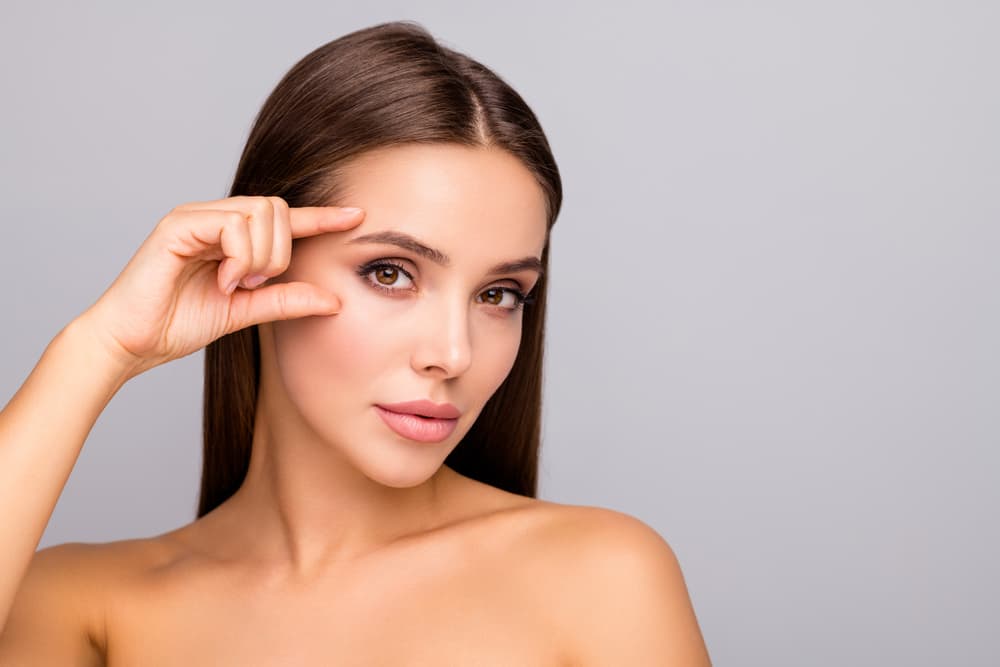
Laser eyebrow lifting is suitable for adult individuals experiencing mild to moderate eyebrow drooping, who do not want surgical procedures, wish to return to their daily lives quickly, and aim for a natural appearance. This method tightens the skin from within using laser energy that stimulates collagen production. The eyebrows are lifted. The facial expression appears more vibrant and youthful.
The laser eyebrow lifting procedure is one of the fastest-growing areas of aesthetic medicine. The eye area and eyebrow region are among the most prominent areas of the face. The position of the eyebrows directly affects an individual's facial expression. Droopy eyebrows can create a tired, angry, or sad expression. This situation can have negative effects both in social and professional life. Interest in non-surgical facial rejuvenation methods is increasing every day. Patients no longer want long recovery times and surgical risks. Laser technologies perfectly meet this need. In this article, we will discuss what laser eyebrow lifting is, who it is suitable for, how it is applied, its advantages, and limitations in detail. Each section will include scientific research, providing a reliable source to guide you in your decision-making process.
Laser eyebrow lifting is a non-surgical facial rejuvenation method that stimulates collagen and elastin production by controlled heating of the subcutaneous tissues with laser energy. This procedure activates fibroblasts in the dermis layer. Fibroblasts produce new connective tissue fibers. The skin tightens from within. The eyebrows are naturally lifted.
Laser eyebrow lifting is an important part of periorbital rejuvenation. The periorbital area encompasses the eye area and eyebrows. This region shows the first signs of aging. The skin here is thin. Collagen loss is rapid. Laser technologies offer specific solutions for this delicate area. The upper layer of the skin is protected during the procedure. The energy reaches deep. This ensures safe and effective rejuvenation.
The laser sends controlled heat energy under the skin. This heat stimulates fibroblasts. Fibroblasts produce new collagen fibers. The skin tightens. The eyebrows are lifted.
The laser beam works on the principle of selective photothermolysis in the skin. Light at a specific wavelength reaches the target tissue. Heat energy creates controlled damage in the dermis. This damage initiates the body's repair mechanism. During the repair process, new collagen and elastin fibers are synthesized. This biological process is called neocollagenesis and neoelastogenesis. Liu and colleagues (2008) demonstrated in a study on a mouse model that laser application increased dermal thickness and elevated collagen fiber density. Researchers noted that different types of lasers increased the synthesis of collagen types one and three at different levels. These findings form the scientific basis for the mechanism of skin tightening by laser.
Laser heat creates controlled damage in the dermis. The body synthesizes new collagen and elastin to repair this damage. This process is called neocollagenesis. Fibroblasts are the main cells in this process.
Collagen is the building block of the skin. Collagen type one makes up 80 to 85% of the skin. Collagen type three is between 10 and 15%. These fibers provide tension and durability to the skin. Elastin fibers provide the skin's elasticity. With aging, these fibers decrease. Laser energy increases the metabolic activity of fibroblasts. Cells produce more protein. Orringer and colleagues (2004) demonstrated that carbon dioxide laser application induces collagen remodeling in photo-damaged human skin. Researchers have found a significant increase in messenger RNA levels of type one procollagen and type three procollagen after laser treatment. They also noted an increase in the synthesis of tropoelastin and fibrillin. These findings clearly reveal the role of laser in skin rejuvenation.
Brow lifting and skin tightening work through the same mechanism. Both procedures rely on increased collagen. As collagen increases, the skin tightens. The brows are naturally lifted.
The laser brow lifting procedure affects not only the brow area but also all surrounding tissues. Forehead lines soften. Wrinkles around the eyes decrease. Skin tone improves. This holistic effect arises from the skin tightening properties of the laser. Collagen fibers wrap the skin like a net. As this net strengthens, the skin is pulled upwards. The tissue above the brow bone lifts. Thus, the brows reach a more youthful position. This process occurs without surgical intervention. The skin utilizes its own healing power.
Laser brow lifting does not make incisions. Surgical brow lifting cuts and stitches. The healing time for laser is short. The permanence in surgery is longer.
Surgical brow lifting removes excess skin and secures the remaining tissue upwards. This method is effective in patients with advanced brow drooping. However, there are risks associated with surgery. Anesthesia is required. Scarring may occur. Healing takes two to four weeks. Laser, on the other hand, delivers energy to the deeper layers of the skin. The surface remains intact. The patient returns home immediately after the procedure. They resume daily activities within a few days. Laser results are temporary. They last from six to eighteen months. Surgical results, however, are permanent for years. But laser can be repeated. New collagen production is achieved in each session.
Comparison Item | Laser Brow Lifting | Surgical Brow Lifting |
Mechanism of Action | Stimulating collagen production | Tissue excision |
Procedure Duration | 30-60 minutes | 1-3 hours |
Anesthesia | Local cream or sedation | General anesthesia |
Recovery Time | 1-3 days | 2-4 weeks |
Scar | None | Possible |
Longevity | 6-18 months | Years |
Risk Profile | Low | Medium-High |
Suitable Patient | Mild-moderate ptosis | Severe ptosis |
Eyebrow drooping occurs as a result of aging, collagen loss, gravity, genetic factors, sun damage, and poor lifestyle habits. These factors can work alone or together. As a result, the eyebrows move downward over time. Facial expression changes.
Eyebrow ptosis, referred to as brow ptosis in medical literature, means the downward displacement of an organ or tissue from its normal position. Eyebrow ptosis is not just an aesthetic issue. In advanced cases, it can also narrow the field of vision. It exerts pressure on the upper eyelid. Therefore, evaluating the position of the eyebrows is important from both aesthetic and functional perspectives.
As we age, the skin thins. Fat tissue diminishes. Muscles relax. The bone structure also changes. All of these factors pull the eyebrows down.
The aging process leads to significant anatomical changes in the eyebrow area. The epidermis layer of the skin thins. The collagen and elastin fibers in the dermis layer decrease. Subcutaneous fat tissue begins to dissolve. The frontalis muscle, which lifts the eyebrows, weakens. The orbicularis oculi muscle, which pulls the eyebrows down, becomes dominant. Resorption is observed in the frontal and orbital bones. This bone loss narrows the base on which the eyebrows sit. Real and colleagues (2016) classified eyebrow ptosis according to age groups. Researchers found that the average position of the eyebrow tail in individuals aged 18-30 is 2.14 centimeters. In the 31-60 age group, this measurement drops to 1.9 centimeters. In the 61-100 age group, it declines to 1.27 centimeters. These data prove that aging objectively changes the position of the eyebrows.
Collagen is the skeleton of the skin. When collagen decreases, the skin relaxes. The relaxed skin cannot hold the eyebrows. The eyebrows begin to droop.
Collagen is a protein produced by fibroblast cells. It provides tension and durability to the skin. After the age of twenty-five, the body starts to lose collagen at a rate of 1% per year. This loss accelerates during menopause. As collagen decreases, the skin thins. The dermis layer weakens. The skin cannot hold the tissues in the eyebrow area in place. The eyebrow tail drops first. Then the middle part of the eyebrow is affected. This process progresses gradually. Laser eyebrow lifting procedures come into play at this point. Laser helps to compensate for the lost collagen.
Gravity continuously pulls tissues downward. Over the years, this gravitational force accumulates. As skin elasticity decreases, the effect becomes more pronounced.
Gravity exerts a constant force on our bodies. In youth, skin elasticity is high. Elastin fibers balance the effects of gravity. However, with aging, elastin fibers weaken. The collagen network loosens. The downward pulling force of gravity can no longer be balanced. The eyebrow tissues gradually slide down. This effect accelerates especially after the age of forty. The use of eyebrow muscles throughout the day also supports this drooping. The muscles that lift the eyebrows weaken. The muscles that lower the eyebrows become dominant. As a result, the eyebrows permanently shift downward.
If there is early eyebrow drooping in the family, the risk increases for the individual as well. Genetic makeup determines the quality of collagen. High-quality collagen ages more slowly.
Genetic factors account for 50% to 60% of skin aging. In some families, early eyebrow drooping is observed. This condition is related to hereditary collagen structure. Variations in type I collagen genes affect how quickly the skin ages. Additionally, the facial bone structure is also genetic. Individuals with low eyebrow bones show signs of eyebrow drooping earlier. Even the usage habits of facial muscles can be shaped genetically. Therefore, taking a family history is important in assessing the risk of eyebrow drooping.
The harmful rays of the sun break down collagen. The skin loses its elasticity. This condition is referred to as photoaging.
Ultraviolet rays from the sun directly damage skin cells. UVA rays penetrate down to the dermis. UVB rays affect the epidermis. These rays create free radicals. Free radicals break down collagen and elastin fibers. Rittié and colleagues (2021) noted that ultraviolet radiation increases matrix metalloproteinase enzymes, which degrade collagen. Researchers have shown that sun damage leads to pathological changes in the skin known as solar elastosis. Solar elastosis is a condition where abnormal elastic material accumulates instead of normal collagen. This condition reduces the skin's firmness. The eyebrow area is an area exposed to the sun. Photoaging begins early in individuals who do not use hats or sunscreen. Eyebrow drooping also accelerates as a result.
Smoking reduces collagen synthesis. Stress hormones damage the skin. Irregular sleep hinders repair. All these factors accelerate eyebrow drooping.
Smoking is one of the most significant preventable causes of skin aging. Knuutinen and colleagues (2002) found that the synthesis rates of type I and type III collagen decreased by 18% and 22%, respectively, in smokers. Researchers have recorded that matrix metalloproteinase-8 levels increased by 100% in smokers. This enzyme breaks down collagen. Morita (2022) published a review study showing that tobacco smoke causes premature aging of the skin and suppresses collagen synthesis. Stress also releases cortisol hormone. Cortisol reduces collagen production. Irregular sleep hinders cell repair. Alcohol dries out the skin. When all these factors come together, eyebrow drooping becomes inevitable.
Individuals with mild to moderate eyebrow drooping, who do not want surgical procedures, wish to return to their daily lives quickly, see the first signs of aging, and seek a more youthful facial expression can benefit from this procedure. Proper patient selection is the key to success.
Laser eyebrow lifting is not a universal solution applicable to everyone. The physician must evaluate the patient in detail. Skin type, age, degree of eyebrow drooping, and overall health status are important. The procedure yields excellent results in patients who meet specific criteria. In this section, we will examine the characteristics of ideal candidates one by one.
Laser technology corrects mild to moderate ptosis. It may be insufficient for advanced drooping. Therefore, proper patient selection is very important.
Real and colleagues (2016) classified eyebrow ptosis into four degrees. One centimeter eight millimeters and above is considered normal. One centimeter seven to one centimeter five is first-degree ptosis. One centimeter four to one centimeter two is second-degree. Laser eyebrow lifting is effective in first and second-degree ptosis. In these cases, there is no excess skin. Increased collagen sufficiently lifts the eyebrow. However, in third and fourth-degree ptosis, where the measurement is one centimeter one and below, excess skin has formed. In this case, laser treatment is insufficient. Surgical intervention is required. Therefore, the physician must measure the degree of the patient's ptosis.
Many patients experience fear of surgery. Some do not want general anesthesia. Laser offers these patients a non-surgical option.
Making the decision to undergo surgery is not easy for everyone. The risks of general anesthesia, post-operative pain, the possibility of scarring, and a long recovery process discourage many patients from treatment. Laser brow lifting comes into play at this point. The patient remains awake during the procedure. The application is performed in a comfortable environment. After the procedure, the patient goes home immediately. This is particularly appealing for individuals with a busy work schedule. Additionally, those with a surgical history and those at risk of undergoing surgery again may also turn to laser methods.
After the laser procedure, the patient goes home immediately. Daily activities can be resumed within a few days. This is ideal for those who are active in their work life.
The pace of modern life makes it difficult for people to tolerate long recovery times. The return to daily life after laser brow lifting is very quick. Most patients can return to work the next day. Makeup can be applied two to three days later. Sports and heavy activities are allowed after a week. This short recovery period is a significant advantage for both men and women who are active in their work life. Especially those who work in front of cameras find an opportunity to rejuvenate without disrupting their social life.
Collagen loss begins in the thirties. Early intervention yields better results. Laser acts as a protective treatment during this period.
The thirties is the period when the first signs of skin aging appear. Fine lines emerge around the eyes. The tail of the brow slightly droops. The skin loses its brightness. These early signs are the ideal time for laser treatment. Early intervention halts collagen loss. Skin quality is preserved. Laser plays both a therapeutic and protective role during this period. Individuals in their forties and fifties also benefit from the procedure. However, those who start early maintain a youthful appearance for a longer time.
Laser not only lifts the brow. It also targets forehead lines and relaxation around the eyes. The periocular area is completely rejuvenated.
The laser brow lifting procedure provides holistic periocular rejuvenation rather than just a localized treatment. Forehead lines soften with increased collagen. The fine lines known as crow's feet around the eyes improve. The relaxation of the upper eyelid decreases. Skin tone becomes more even. This multifaceted effect ensures greater satisfaction for patients from the procedure. A single treatment addresses multiple issues. This is advantageous in terms of both cost and time.
Eyebrows frame the face. Raised eyebrows open up the face. The individual appears younger and more vibrant.
The position of the eyebrows is one of the main determinants of facial expression. Low eyebrows create a tired, sad, or angry expression. This can negatively affect social relationships. After laser brow lifting, the eyebrows return to their natural positions. The eyes appear more open. The face overall gains a more lively and energetic aura. This change is not limited to just appearance. The individual's self-confidence also increases. They feel better in their work life and social circles.
Individuals with advanced eyebrow ptosis, excessive skin laxity, those undergoing active skin infections, those with open wounds, pregnant or breastfeeding women, and those with unrealistic expectations are not suitable for this procedure. The physician must evaluate these contraindications.
As with any medical procedure, there are certain situations where laser eyebrow lifting should not be performed. These limitations exist for the safety of the patient. Additionally, knowing the situations where the procedure may fail is important for both the physician and the patient. Incorrect patient selection leads to dissatisfaction and unnecessary expenses.
In advanced ptosis, there is a significant amount of excess skin. Laser cannot remove this much tissue. In this case, surgical eyebrow lifting is required.
Real and colleagues (2016) stated that there is a surgical indication in third and fourth degree eyebrow ptosis. Measurements of one centimeter and below fall into this group. In these patients, the tail of the eyebrow is very low. It overlaps the upper eyelid. The field of vision may narrow. Laser is insufficient to correct such advanced droopiness. Because laser does not remove skin. It only tightens the existing skin. Excess skin must be surgically removed. The physician should guide the patient to the correct method.
Laser tightens the skin but does not remove it. Excess skin can only be removed surgically. Surgery is recommended for these patients.
With aging, especially in the upper eyelid and eyebrow area, skin laxity occurs. This condition is called dermatochalasis. Laser energy improves the quality of the existing skin. However, it cannot reduce the amount of skin. Even after laser treatment, loose skin continues to sag in patients with significant skin excess. This situation is not aesthetically satisfying. Surgical intervention removes the excess skin. The remaining tissue is fixed upwards. The result is superior both functionally and aesthetically.
Active infection increases the risk of complications after laser treatment. Infection should be treated before the procedure. Otherwise, wound healing may be impaired.
Active infection is a temporary contraindication for laser treatment. Herpes simplex virus, bacterial infections, or fungal infections fall into this group. When laser is applied to the infected area, the infection may spread. Wound healing is delayed. The risk of scarring increases. The physician should carefully examine the skin before the procedure. If there is an active lesion, the procedure is postponed. Laser treatment is planned after antibiotic or antiviral treatment is completed.
Laser should not be applied to areas with open wounds. Laser further damages the injured tissue. It should be waited until healing is complete.
In any case where the integrity of the skin is compromised, laser treatment is risky. Open wounds, burns, peeling, or unhealed surgical suture lines are barriers to laser treatment. Laser energy further heats the damaged tissue. Secondary damage occurs. Wound healing is impaired. The risk of hyperpigmentation increases. The physician should check the skin surface before the procedure. Laser sessions can be planned after the wound has completely closed and the skin has returned to normal.
Hormones during pregnancy make the skin more sensitive. The safety of laser treatment during this period has not been fully proven. It is best to postpone it during breastfeeding as well.
Pregnancy and breastfeeding are special times when significant hormonal changes occur in a woman's body. Fluctuations in estrogen and progesterone levels alter skin color and sensitivity. There is insufficient scientific research on the effects of laser treatment during this period. Therefore, the primary approach is to postpone the procedure. The same precaution is taken during breastfeeding for the safety of the baby. Women considering planned pregnancies are also advised to schedule the procedure accordingly.
Laser does not provide surgical results. Patients should be aware of this limit. Unrealistic expectations lead to dissatisfaction.
Managing patient expectations is one of the cornerstones of aesthetic medicine. Some patients expect dramatic changes from laser treatment similar to surgery. However, laser offers gradual and natural improvement. The procedure raises the eyebrows a few millimeters. It does not provide centimeter-level changes like surgery. The physician must clearly explain to the patient during the initial consultation what the procedure can and cannot achieve. Examples should be shown with photographs. A written information and consent form should be signed. Patients without realistic expectations should be properly guided before the procedure.
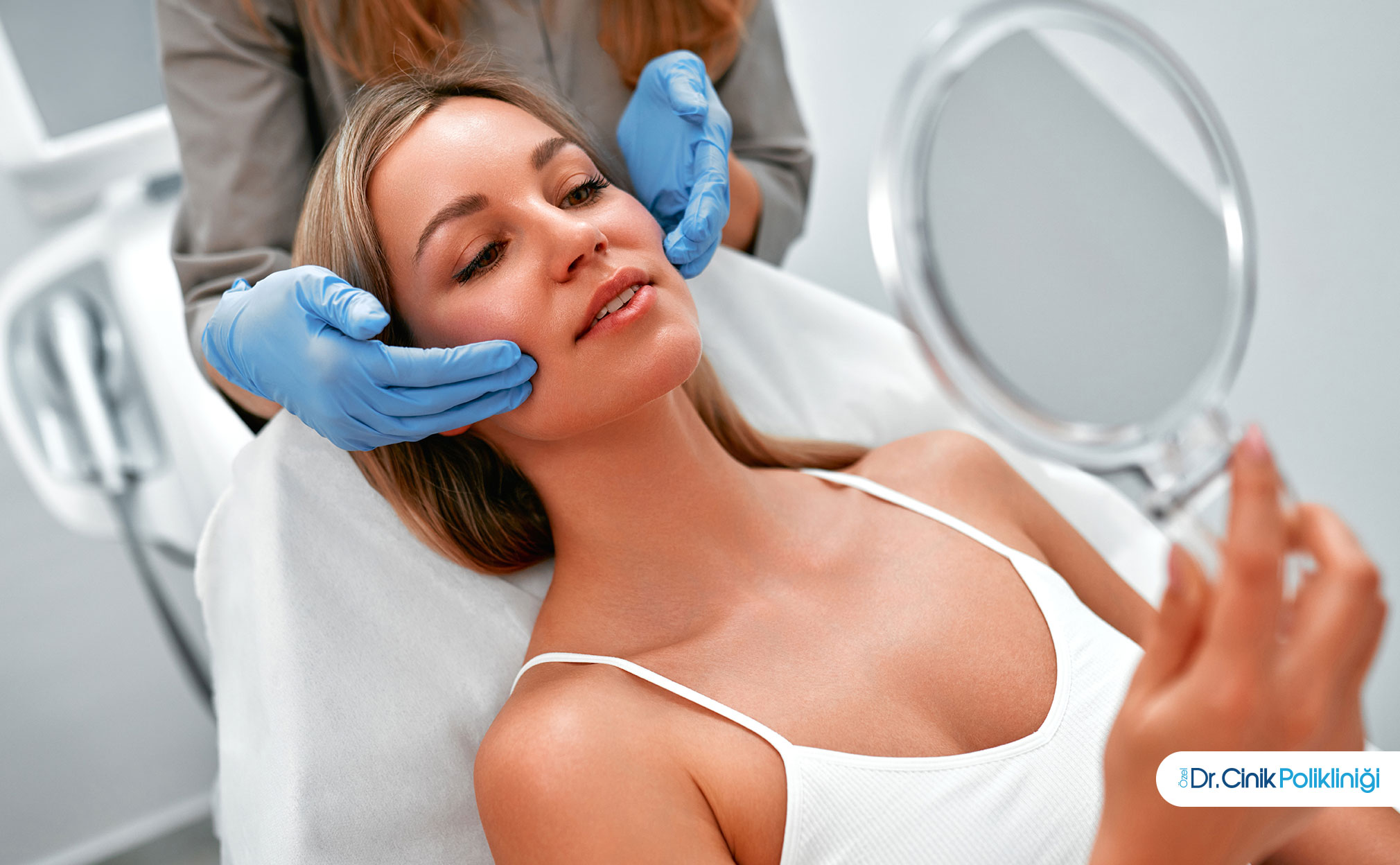
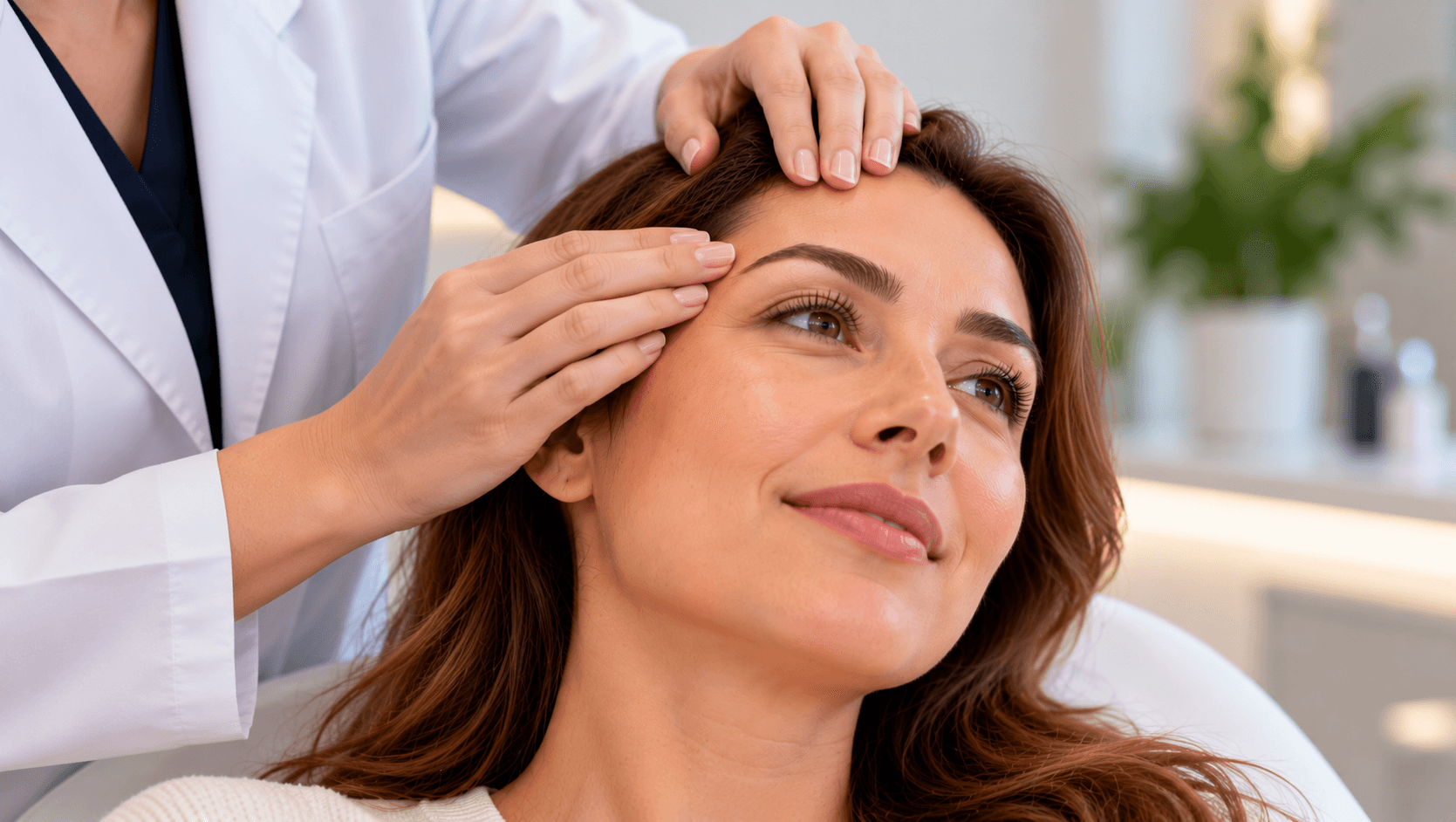
The physician examines the facial anatomy. Evaluates eyebrow symmetry. Measures skin elasticity. Checks for eyelid sagging. Determines patient expectations. These evaluations are essential for a safe and successful procedure.
The evaluation conducted before laser eyebrow lifting forms the basis of the treatment plan. The physician looks not only at the eyebrows but also at the entire face and the patient's overall condition. This holistic approach provides personalized treatment. Accurate assessment prevents complications. It also maximizes patient satisfaction.
Every facial structure is different. The physician examines the bone structure, muscle condition, and fat distribution. This analysis determines the treatment plan.
Facial anatomy varies significantly from person to person. The width of the forehead bone, the prominence of the brow bone, the condition of the orbital fat pads, and the thickness of the frontalis muscle affect the treatment. The physician evaluates the patient's face in three dimensions. Asymmetries are noted. Skin thickness is estimated. This analysis determines the depth and energy level at which the laser will be applied. It is also decided at this stage whether combined treatment is necessary.
The height of the two eyebrows may not be equal. The physician measures this difference. The treatment plan is prepared to correct the symmetry.
There is no perfect symmetry in natural faces. However, pronounced asymmetries can create aesthetic issues. The physician compares the height of the tail of the eyebrows, the thickness of the eyebrows, and their tilt. Documentation is done with photographs. The laser application can be planned by giving more energy to the lower eyebrow side. This way, symmetry is corrected. However, the physician should not promise the patient complete symmetry. Naturalness must always be preserved.
Skin with good elasticity responds better to laser treatment. The physician tests the skin's elasticity by stretching it. In some cases, measurements are taken with devices.
Skin elasticity directly affects laser results. Skin with high elasticity organizes new collagen better. Tightening becomes more pronounced. The physician lightly stretches the skin with their fingers and observes the rebound speed. Objective measurements can also be made with a cutometer or devices. In elderly patients with very low elasticity, the effect of the laser may be limited. In this case, combined treatments may be considered. The patient should be informed about this.
Eyelid drooping is different from brow ptosis. The physician distinguishes between these two conditions. If necessary, a separate treatment plan for the eyelid is made.
Upper eyelid drooping and brow ptosis can be confused with each other. However, the treatments for these two conditions are different. In eyelid drooping, the problem lies in the skin and muscle. In brow ptosis, the problem is in the brow position. The physician asks the patient to raise their eyebrows. If the eyelid drooping improves, the main problem is brow ptosis. If it does not improve, eyelid surgery may be necessary. If this distinction is not made correctly, the patient may be dissatisfied. Nilforoushzadeh and colleagues (2022) demonstrated that Endolift laser application is effective in patients with upper eyelid and brow ptosis. However, surgical options become prominent in advanced eyelid drooping.
The physician consults with the patient in detail. What the procedure can and cannot do is explained. Written consent is obtained.
The initial consultation is the most critical moment in the treatment process. The physician must understand why the patient wants this procedure. The patient's motivation, expectations, and fears are listened to. The steps of the procedure, possible side effects, recovery process, and the permanence of the results are explained. The patient is shown example photos from previous cases. A written informed consent form is signed. This form protects both the patient and the physician legally. Open communication is the key to success.
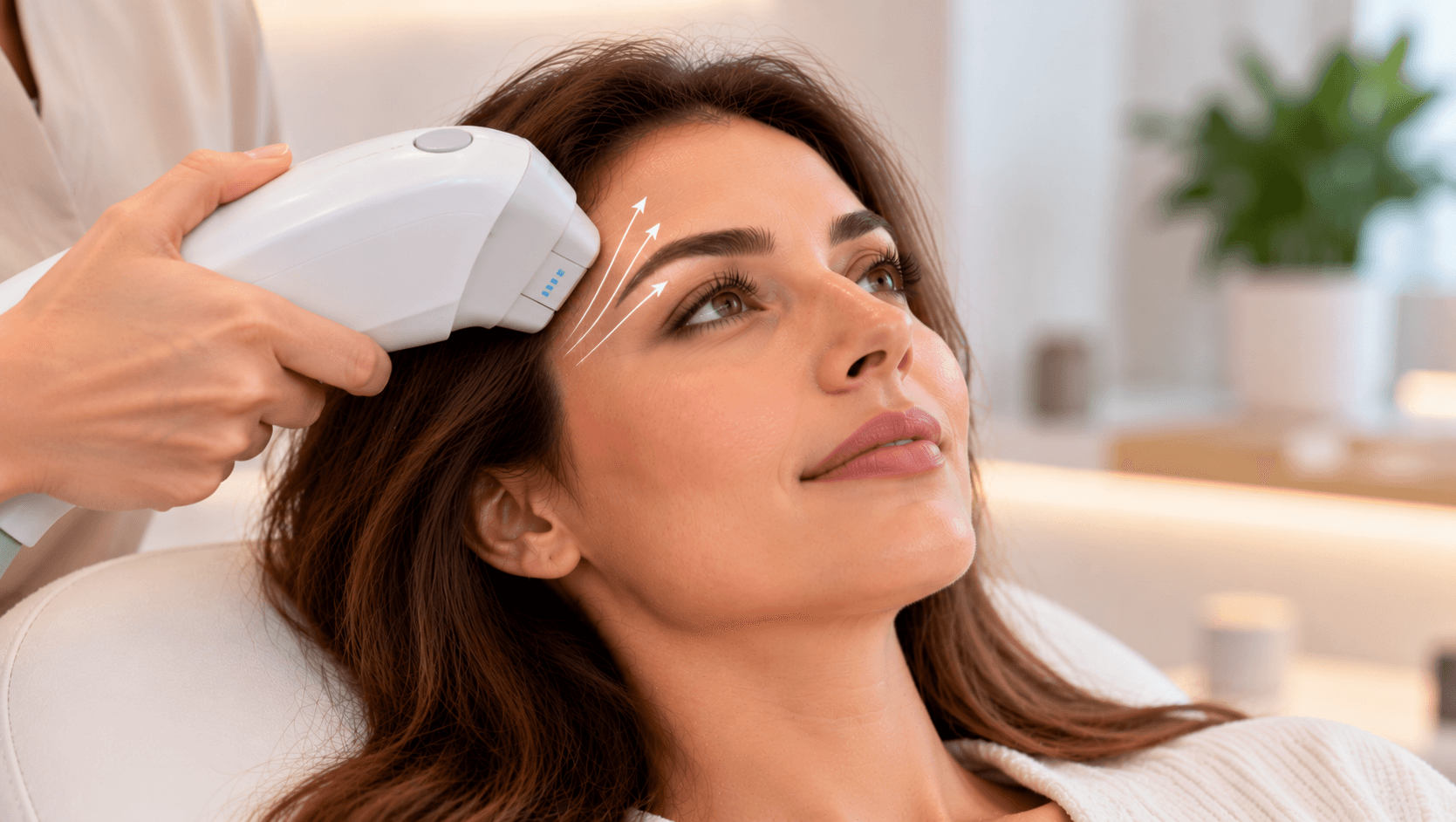
The physician applies the laser device around the eyebrows. The procedure takes approximately thirty to sixty minutes. A slight feeling of warmth occurs. Usually, a local anesthetic cream is sufficient. The patient remains awake during the procedure.
The laser brow lifting procedure should be performed by an experienced physician in a sterile environment. The skin is cleaned before the procedure. Makeup is completely removed. The physician adjusts the laser parameters according to the previously determined plan. Energy level, wavelength, and number of pulses are determined individually.
Fractional lasers, non-ablative lasers, and fractional radiofrequency devices are used. Each technology has different depths and mechanisms of action.
Laser technologies are grouped into three main categories. The first group consists of non-ablative lasers. These lasers transmit heat energy to the skin. The epidermis is preserved. The second group includes fractional lasers. These lasers create microscopic channels in the skin. Surrounding tissues are not damaged. The third group consists of fractional radiofrequency systems. These devices penetrate the skin with micro-needles and deliver radiofrequency energy. Huang et al. (2025) demonstrated that a non-ablative fractional laser with a wavelength of 1927 nanometers is effective in periorbital rejuvenation. Kim et al. (2023) histologically proved that fractional microneedle radiofrequency reduces periorbital wrinkles and increases collagen content. The physician selects the most suitable device according to the patient's skin type and the depth of the problem.
A single session lasts between thirty to sixty minutes. The number of sessions varies depending on the individual's condition. Generally, two to four sessions are recommended.
The duration of the procedure depends on the size of the area to be treated. If only the brow area is to be treated, thirty minutes is sufficient. If the forehead and eye area are included, it may extend to sixty minutes. Sessions are spaced four to six weeks apart. This period is necessary for collagen production. In mild cases, two sessions may be sufficient. In moderate cases, three to four sessions are recommended. In advanced cases, the number of sessions should not be increased as laser treatment may be insufficient. Instead, combined treatments should be considered.
A slight warming and stinging sensation occurs. Most patients do not find this situation uncomfortable. Anesthetic cream is applied to those with a low pain threshold.
When laser energy reaches beneath the skin, it generates heat. This heat can create a mild stinging or warmth sensation. Most patients tolerate this situation easily. However, everyone's pain threshold is different. For sensitive patients, a local anesthetic cream is applied before the procedure. The cream is left on for thirty to sixty minutes. Some devices also have cooling systems. These systems cool the skin surface. Patient comfort increases. There is no pain left after the procedure.
Generally, local anesthetic cream is sufficient. General anesthesia is not required. The patient remains awake during the procedure.
Laser brow lifting is a minimally invasive procedure. Therefore, there is no need for general anesthesia. Local anesthetic cream numbs the pain receptors on the skin surface. The patient is fully conscious. They can communicate with the physician. This situation ensures the patient's comfort during the procedure. It also avoids the risks associated with general anesthesia. Sedation is rarely needed and may only be considered for very anxious patients.
The physician cleans the skin. The laser head is moved around the brow area. The patient feels heat and a slight tapping sensation. After the procedure, a cooling gel is applied.
Before the procedure begins, the eyes are covered with special protective covers. The physician cleans the skin and applies an antiseptic solution. The laser device is moved along the lines determined around the eyebrows. A brief sensation of heat occurs with each pulse. During the procedure, the physician observes the skin's reaction. Redness and swelling are considered normal. At the end of the procedure, a cooling gel or mask is applied to the skin. This application provides relief. It reduces redness. The patient receives post-procedure care instructions and is sent home.
Mild redness and swelling occur in the first few days. Daily life can be resumed within one to three days. The use of sunscreen is essential. Moisturizer support is important.
The period following laser eyebrow lifting is a critical phase that completes the success of the procedure. The patient must diligently follow the physician's recommendations during this period. Proper care prevents complications. It increases the permanence of the results. The healing process varies from person to person. However, the general course is similar.
Redness, swelling, and mild sensitivity are normal. These findings disappear within two to five days. A cold compress provides relief.
The first few hours after the procedure is when the skin shows its most active reaction. Redness is caused by the heat effect of the laser. Swelling is the beginning of the body's healing process. There may be a slight stinging and tightness sensation. These findings are not situations to be concerned about. Applying a cold compress reduces swelling and redness. The skin should be treated gently. Harsh contact and rubbing should be avoided. Sleeping with the head elevated on the first night reduces swelling.
Most patients return to work the next day. Makeup can be applied two to three days later. Intense exercise begins after a week.
Laser eyebrow lifting allows for a quick return to social life. Most patients continue their normal activities the day after the procedure. However, since the skin is sensitive, excessive sun exposure should be avoided on the first day. Makeup should be postponed until the skin barrier returns to normal. Generally, mineral makeup products can be used after two to three days. Heavy exercise, hot showers, and saunas are not recommended for a week. These activities can increase swelling. They can also raise the risk of infection.
A gentle cleanser should be used in the first week. Products containing acids should be avoided. Moisturizer should be applied regularly.
After the procedure, the skin barrier temporarily weakens. Therefore, gentle care products should be selected. pH-balanced cleansers are preferred. Peelings that cause harsh friction should be avoided. Products containing retinol, glycolic acid, and salicylic acid should be postponed for a week. Moisturizers accelerate skin repair. Products containing hyaluronic acid and ceramides are ideal. The care cream recommended by the physician should be used regularly.
After laser treatment, the skin becomes sensitive to the sun. Sunscreen should be reapplied daily. Staying in the shade is recommended.
After the laser procedure, the skin temporarily becomes more sensitive to ultraviolet rays. Exposure to the sun can lead to hyperpigmentation. This situation is particularly risky for dark skin types. High-factor sunscreen should be used. Products with at least thirty factors and broad-spectrum protection are preferred. Sunscreen should be reapplied every two to three hours. Wearing a hat and sunglasses is also recommended. This protection is essential not only for the first week but also for maintaining results in the long term.
Laser brow lifting does not involve cuts. It provides a natural appearance. The recovery time is short. It supports collagen production. The eye area is completely rejuvenated. These advantages make the method one of the most popular non-surgical procedures today.
Among non-surgical facial rejuvenation methods, laser is one of the most scientifically proven techniques. Clinical studies conducted over the years support the effectiveness and safety of laser treatment. Patients are satisfied both aesthetically and functionally.
The integrity of the skin is not compromised. There are no scars. The risk of infection is very low. Patients can return to their daily lives immediately.
The greatest advantage of laser brow lifting is that it works without making cuts on the skin. Surgical methods require incisions, bleeding, and stitches. These situations increase the risk of infection and scarring. With laser, the skin surface is preserved. Energy only reaches the target tissue. This selectivity minimizes side effects. Patients can immediately return to their normal lives after the procedure. There is no need to take a break from work. Social plans are not disrupted.
Laser does not pull the skin from the outside. It tightens the skin through internal collagen production. The results do not appear excessive or artificial.
Naturalness is one of the most important goals of modern aesthetic medicine. Patients no longer want overly stretched and expressionless faces. The laser utilizes the skin's own repair mechanisms. Results gradually emerge. Eyebrows do not suddenly shoot up. The skin gradually tightens over weeks. This natural process allows rejuvenation without being noticed by the environment. There is no appearance of having undergone a procedure after treatment.
Recovery is much faster compared to surgery. Swelling and redness subside within a few days. There is no need to take a break from work.
The recovery time is very important for the patient from a practical perspective. Recovery from surgical brow lifting takes weeks. Bruises and swelling can persist for a long time. With laser, this period is measured in days. Most patients return to their normal appearance within one to three days. Redness can easily be covered with makeup. This is ideal for those who are active in their work and have a busy social life.
Laser stimulates fibroblasts. New collagen synthesis begins. This effect continues for months. The skin becomes permanently of higher quality.
The most valuable feature of laser is its ability to enhance skin quality. Surgery only changes the position. However, laser improves the biology of the skin. Liu and colleagues (2008) demonstrated that laser application increased hydroxyproline content in a mouse model. Hydroxyproline is a building block of collagen. Orringer and colleagues (2004) proved that carbon dioxide laser increased the production of type I procollagen, type III procollagen, tropoelastin, and fibrillin in photo-damaged skin. These findings show that laser provides not just a temporary cosmetic effect but real tissue renewal.
The laser targets not only the eyebrows but the entire periorbital area. Forehead lines are softened. Wrinkles around the eyes are reduced.
Although laser brow lifting may seem like a localized procedure, its effects are widespread. Static lines in the forehead area are filled with increased collagen. Crow's feet, known as wrinkles around the eyes, are softened. Loose skin on the upper eyelid is reduced. Skin tone improves. This holistic periorbital rejuvenation makes the patient appear younger and more vibrant. Huang and colleagues (2025) reported statistically significant improvements in eye area wrinkles, pigmentation, and pore appearance with a 1927-nanometer laser.
Results vary from person to person. The duration of effect ranges from six to eighteen months. Multiple sessions may be required. In older patients, the effect may be limited. These limitations help the patient develop realistic expectations.
As with any medical procedure, there are certain limits to laser brow lifting. These limits arise from the nature of the method. The physician must clearly explain these limits to the patient. This way, the patient can make an informed decision. Satisfaction rates increase.
No. Every skin structure is different. The rate of collagen production varies from person to person. Age, skin type, and lifestyle affect the outcome.
Laser results are based on biological responses. Each person's biology is unique. In a young patient, fibroblasts work quickly. Collagen production is abundant. In older patients, this process is slower. In smokers, collagen synthesis is suppressed. In those using sunscreen, results are more lasting. Laser parameters should be set lower for darker skin types. This may lessen the effect. The physician should conduct an individual assessment for each patient.
The average duration of effect is six to eighteen months. This duration may extend depending on skin care. Regular maintenance sessions increase longevity.
Laser brow lifting is not a permanent procedure. The aging process continues. However, the duration of effect is long. In patients with good skin care, results can be seen for eighteen months or longer. A maintenance session every six months refreshes the effect. Using sunscreen slows collagen breakdown. Healthy eating and avoiding smoking also extend the duration. The patient must take responsibility to maintain the results.
In mild cases, one session may be sufficient. For moderate cases, two to four sessions are recommended. A wait of four to six weeks is expected between each session.
Kim and colleagues (2023) demonstrated statistically significant improvement after three sessions of fractional microneedling radiofrequency application. The researchers noted that the sessions were conducted four weeks apart. A similar protocol is applied in laser brow lifting. A slight improvement is observed after the first session. The second and third sessions strengthen the effect. The fourth session consolidates the results. The number of sessions is planned according to the physician's assessment. Excessive sessions may strain the skin.
In older age, the rate of collagen production slows down. Skin elasticity decreases. Fibroblast activity declines. Therefore, the response may be more limited.
With aging, the capacity of cells to regenerate decreases. Fibroblasts respond slowly to laser stimulation. The amount of collagen produced is less than in younger individuals. Elastin fibers have lost their former elasticity. As a result, skin tightening remains limited. However, this does not mean that lasers are completely ineffective for older patients. Results may be more modest. Nevertheless, a noticeable improvement is still achieved. Combined treatments are more recommended for this group.
Laser works by stimulating collagen production from within. Surgery cuts and removes tissue. Healing with laser is measured in days. Healing in surgery is measured in weeks. Laser offers a temporary effect. Surgery provides permanent results. These differences create criteria for patient selection.
The patient should choose the method that is most suitable for their condition and expectations. The physician should objectively explain the pros and cons of these two methods. Sometimes the patient's expectations are met with surgery. Other times, laser is sufficient. The correct matching is the key to success.
Laser performs collagen remodeling with thermal energy. Surgery physically removes and fixes the tissue. The biological basis of the two methods is completely different.
Laser brow lifting works on the principle of biostimulation. Heat energy temporarily denatures the collagen fibers in the dermis. This initiates the body's repair process. New collagen fibers replace the old damaged ones. Surgical brow lifting, on the other hand, is a mechanical intervention. The skin is cut. Excess skin is removed. The brow tissue is pulled upwards. It is fixed to the bone or fascia. This difference determines the results and permanence of the two methods.
Laser results last from six to eighteen months. Surgical results are permanent for years. However, the aging process continues in both cases.
The effect of the laser depends on the new collagen produced by the body. Over time, this collagen also ages. It breaks down. Gravity continues to have an effect. Therefore, the effect gradually diminishes. In surgery, however, the tissue is physically lifted. This position is maintained for years. But the aging process continues even after surgery. New collagen loss occurs. The skin may loosen again. Therefore, surgery does not promise infinite permanence. However, it offers results that last much longer than laser.
Normal life can be resumed within a few days after laser treatment. Two to four weeks of rest is required after surgery. Bruising and swelling are much less with laser.
The recovery process determines how much it will affect the patient's daily life. There may be slight redness and swelling after laser treatment. This condition resolves within a few days. After surgery, however, stitches, bruising, and swelling can last for weeks. During this time, the patient may have to limit their social activities. A break from work may be necessary. This difference is particularly decisive for those who work in fast-paced environments.
The risk of infection and scarring from laser treatment is almost nonexistent. In surgery, there can be risks related to anesthesia, bleeding, and scarring. Laser is a method that does not disrupt tissue integrity.
Risk assessment is an indispensable part of medical decisions. Laser brow lifting is a procedure with minimal risk. Skin integrity is preserved. Therefore, the likelihood of infection is low. Scarring does not occur. Surgery, on the other hand, is more invasive. General anesthesia may be required. Anesthesia carries its own risks. Bleeding and hematoma can occur. Scarring is always a possibility. Nerve damage can rarely be observed. The patient should consciously evaluate these risks.
Laser is suitable for mild to moderate ptosis. Advanced ptosis and excess skin require surgery. Patient expectations and lifestyle also influence the decision.
Patient selection is fundamental to aesthetic surgery. For young and middle-aged patients with mild brow drooping, laser is ideal. Those who do not want to take surgical risks also prefer the laser route. In older patients with significant excess skin, surgery is more logical. Similarly, if brow drooping affects vision, surgery is a functional necessity. The physician and patient decide together. This decision is based on both medical criteria and the patient's social needs.
It can be combined with fractional laser, radiofrequency, high-intensity focused ultrasound, botulinum toxin, dermal fillers, and eye area rejuvenation treatments. Combined approaches enhance the results.
Modern aesthetic medicine focuses on a holistic approach rather than a single method. Each treatment targets a different issue. When these treatments are used together, synergy occurs. Facial rejuvenation becomes more comprehensive. The physician creates a personalized protocol according to the patient's needs.
Fractional laser renews the skin surface. When used in conjunction with laser brow lifting, it provides overall facial rejuvenation.
Fractional lasers create microscopic treatment areas in the skin. These areas are quickly repaired by surrounding healthy tissue. As a result, the skin is renewed. Pigmentation improves. Wrinkles diminish. When fractional laser is used together with laser brow lifting, both deep tightening and surface renewal are achieved. Huang et al. (2025) have demonstrated that fractional laser provides significant improvement in periorbital wrinkles and pigmentation. This combination offers comprehensive rejuvenation in the periorbital area.
Radiofrequency heats deep tissues. It induces collagen contraction. When used together with laser, the effect is enhanced.
Radiofrequency energy heats deep tissue layers with electric current. This heat causes the existing collagen fibers to shorten immediately. A tightening sensation occurs right away. Then, new collagen production begins. Gold et al. (2019) have shown that monopolar radiofrequency application statistically significantly increases type one and type three collagen and newly synthesized collagen. The researchers found a decrease in elastin content. This finding supports that radiofrequency tightens the skin. When laser and radiofrequency are used together, effects are achieved at different depths.
High-Intensity Focused Ultrasound delivers energy to deep layers. The tightening effect is significant. It can be combined with brow lifting.
High-Intensity Focused Ultrasound sends focused energy to the deep dermis and superficial muscle layer using sound waves. This energy creates controlled thermal damage. Collagen remodeling begins. Alam et al. (2021) demonstrated that the application of High-Intensity Focused Ultrasound significantly increased brow height in Asian patients. Researchers found that the average brow height increased by one and a half millimeters over twelve weeks. This deep effect is complemented by the superficial effect of laser. When both technologies are used together, both deep and superficial tightening is achieved.
Botulinum toxin relaxes the brow depressor muscles. This helps the brow to lift. It creates a synergistic effect when combined with laser.
Botulinum toxin temporarily prevents muscle contraction. The brow-lowering muscles, particularly the orbicularis oculi and corrugator supercilii muscles, are relaxed with botulinum toxin. When these muscles relax, the frontalis muscle that lifts the brow becomes more dominant. As a result, the brows lift. Huang et al. (2000) showed that the application of botulinum toxin lifts the brows by an average of one to three millimeters. Steinsapir (2015) proved that the microdroplet botulinum toxin technique is safe and effective, reduces forehead lines, and lifts the brows. When botulinum toxin is used together with laser, the laser tightens the skin. Botulinum toxin balances the muscles. The result is more pronounced and longer-lasting.
Fillers compensate for volume loss. They can be applied to the temple area and over the brow bone. When used with laser, three-dimensional rejuvenation is achieved.
With aging, volume loss occurs in the face. Particularly, the fat pads over the temple area and brow bone dissolve. This volume loss makes brow drooping more pronounced. Dermal fillers restore this lost volume. Fillers containing hyaluronic acid can be injected around the brow bone. This application provides support to the brows. When used together with laser, the skin is tightened from within and supported from the outside. Three-dimensional rejuvenation is obtained.
Under-eye light filler, chemical peeling, and medical skin care complement the eye area. The periocular region is holistically renewed with laser brow lifting.
Periocular rejuvenation is not limited to brow lifting. Under-eye bags and dark circles are separate issues. In this case, under-eye light filler or hyaluronic acid filler can be used. Chemical peeling evens out skin tone. Medical skin care maintains the skin's moisture and brightness. When all these treatments are planned together with laser brow lifting, the entire eye area is completely renewed. The patient achieves a younger and more vibrant look.
The first tightening is noticeable immediately. Collagen production takes three to six months. The final result appears after three to six months. The permanence of the results depends on skin care.
Laser results appear gradually, not instantly. This is due to the natural mechanism of the procedure. The body needs time to produce new collagen. Patients who are patient achieve the best results. The physician should explain this process to the patient in advance.
A slight feeling of tightness occurs immediately after the procedure. In the first week, the skin appears brighter. After one month, a slight lifting becomes noticeable.
Immediately after the laser application, a slight feeling of tightness occurs in the skin due to the heat effect. This sensation may last for the first few days. Within the first week, a brightness and freshness in the skin is noticeable. This is due to increased circulation and accelerated cell metabolism. After one month, collagen production begins. A slight lifting is observed in the eyebrows. This effect becomes more pronounced in two to three months.
Collagen synthesis continues for three to six months. Fibroblasts remain active during this period. New collagen fibers replace the old damaged tissue.
Collagen production does not start immediately after the laser. The inflammatory phase continues for the first few weeks. During this process, cleaning cells remove the damaged tissue. Then the proliferative phase begins. Fibroblasts become activated. New collagen fibers are synthesized. This phase accelerates from the third week. The most intense period is the second and third months. Orringer and colleagues (2004) showed that collagen synthesis continues for at least six months after carbon dioxide laser treatment. Researchers have indicated that the remodeling process can take up to twelve months. Therefore, patients should wait at least six months for the final result.
The final result is seen after three to six months. This period is necessary for collagen maturation. Patients who are patient achieve the best results.
After collagen fibers are produced, they need to mature. New collagen is initially irregular. Over time, it forms a regular network. This maturation process determines the quality of the result. There is a noticeable improvement in the third month. By the sixth month, the final result appears. The skin is completely tightened. The eyebrows have reached their final position. During this period, regular care and sun protection are very important.
Age, skin type, sun protection, smoking, nutrition, and care sessions affect permanence. Those who take good care achieve results for a longer time.
The permanence of the results depends not only on the quality of the procedure but also on the patient's behaviors afterward. In younger patients, collagen production lasts longer. In darker skin types, melanin can reduce the effect of the laser. In those who do not use sunscreen, photoaging accelerates. In smokers, collagen breakdown accelerates. Healthy nutrition provides the building blocks for the skin. Regular care sessions refresh the effect. All these factors should be evaluated together.
Regular use of sunscreen, healthy eating, medical skin care, maintenance sessions, and avoiding smoking enhance the permanence of results. It is essential for the patient to take responsibility.
Laser brow lifting is just the beginning. Maintaining the results is in the hands of the patient. The doctor performs the procedure. However, long-term success depends on the patient's lifestyle. In this section, we will explore ways to keep the results at their best.
Sunscreen prevents photoaging. It slows down collagen breakdown. At least a factor thirty should be used daily.
Harmful rays from the sun are a primary cause of skin aging. Rittié and colleagues (2021) noted that ultraviolet radiation activates matrix metalloproteinases, breaking down collagen. Therefore, the use of sunscreen is mandatory after laser treatment. A broad-spectrum product should be chosen. It must provide UVA and UVB protection. The factor should be at least thirty. Sunscreen should be applied in the morning and reapplied every two to three hours throughout the day. During summer months, a factor fifty may be preferred. A hat and sunglasses also provide extra protection.
Drinking plenty of water hydrates the skin. Regular sleep aids in repair. Stress management lowers cortisol levels. All of these maintain skin health.
The skin is a reflection of the body. What is inside is reflected outside. Drinking at least two liters of water a day maintains the skin's moisture balance. Seven to eight hours of sleep supports cell repair. Stress releases cortisol hormone. This hormone reduces collagen production. Meditation, exercise, and hobbies help manage stress. A balanced diet provides the vitamins and minerals the skin needs. All these habits extend the results of laser treatments.
Products containing vitamin C, retinol, and hyaluronic acid support collagen production. A regular care routine should be established with a doctor's recommendation.
Medical skin care is different from cosmetic products. Active ingredients affect skin cells. Vitamin C neutralizes free radicals with its antioxidant properties. Retinol accelerates cell renewal. Hyaluronic acid plumps the skin with its moisture-retaining capacity. Peptides are small protein fragments that stimulate collagen synthesis. These products should be selected and used regularly with a doctor's recommendation. Incorrect products can irritate the skin.
A maintenance session every six to twelve months refreshes the effect. Collagen production remains continuously stimulated. Results are preserved for a longer time.
Laser results diminish over time. However, maintenance sessions slow down this decline. A light laser session repeated every six months or annually keeps collagen production active. These sessions should not be as intense as the initial treatment. Maintenance sessions performed with low energy are sufficient. The doctor determines the frequency of maintenance based on the patient's skin condition. Patients who maintain regular care can preserve their youthful appearance for years.
Smoking destroys collagen. It reduces skin elasticity. Smoking after laser treatment shortens the results. Quitting is the best investment.
Smoking is one of the most harmful factors in skin aging. Knuutinen and colleagues (2002) proved that collagen synthesis decreases and matrix metalloproteinase levels increase in smokers. Morita (2022) published a comprehensive review showing that tobacco smoke causes premature aging of the skin. Smoking after laser treatment rapidly breaks down newly formed collagen. This significantly reduces the benefits of the procedure. Patients who quit smoking see an improvement in skin tone. Collagen production accelerates. Laser results last much longer.
Laser brow lift is generally applied to those over twenty-five years old. It is not permanent but can be repeated. The results look natural. It does not completely correct eyelid sagging. Multiple sessions are required. It is not painful. Makeup can be applied a few days later. It is also suitable for men. It is not the same procedure as Botox. Longevity increases with care and maintenance.
In this section, we answer the questions that patients are most curious about. Each question reflects a real concern encountered in clinical practice. Clear and concise answers help the patient make the right decision.
It is generally applied to adults over twenty-five years old. It is effective during the period when collagen loss begins. There is no upper age limit, but the effect may be limited in older age.
Twenty-five years is the period when collagen loss gradually begins in the skin. From this age, laser can be used as a preventive treatment. The thirties, forties, and fifties are the most preferred periods. It can also be applied over sixty years old. However, fibroblast activity is low in this age group. Results may be more modest. Still, a noticeable improvement is achieved. The physician should adjust expectations accordingly for each age group.
No, it is not permanent. The effect lasts six to eighteen months. However, regular maintenance can extend the duration. Aging cannot be stopped but can be slowed down.
Laser brow lift does not stop the aging process. However, it slows it down. The duration of effect varies from person to person. In younger individuals who take good care of their skin, it can last eighteen months or longer. In those who do not maintain their skin, the effect may diminish in six months. However, the procedure can be repeated. Each time, new collagen production is stimulated. This indicates that the laser is a sustainable rejuvenation strategy.
Yes, they look natural. The laser tightens the skin from within. It does not pull or stretch from the outside. The results appear gradually.
Naturalness is one of the most important advantages of laser treatment. In surgery, there can sometimes be an overly lifted or startled expression. This risk does not exist with laser. The brows gradually lift with the tightening of their own tissues. People around may not notice that the patient has had a procedure. They only think the patient looks younger and more vibrant. This natural transition is the feature that patients are most satisfied with.
No, it does not completely correct it. It can help with mild drooping. Advanced drooping requires eyelid surgery. The physician makes this distinction.
Eyelid drooping and brow sagging are different issues. Laser tightens the skin in the brow area. This provides slight support to the upper eyelid. However, the effect is limited in patients with significant excess skin on the eyelids. In this case, eyelid surgery should be considered. The physician should differentiate between these two conditions during the examination. If necessary, a consultation with an eye specialist can be arranged.
Generally, two to four sessions are recommended. A wait of four to six weeks is expected between each session. Planning is done according to the individual's needs.
The number of sessions depends on the degree of brow sagging and skin quality. In mild cases, two sessions may be sufficient. Three sessions are recommended for moderate cases. If there are deep wrinkles and significant looseness, four sessions may be necessary. The interval between sessions is essential for collagen production. Early repeated sessions can strain the skin. The physician should determine the optimal intervals.
No, it is not painful. There may be a slight warming and tingling sensation. This feeling is minimized with anesthetic cream. Most patients tolerate the procedure comfortably.
Pain perception varies from person to person. Laser brow lifting is easily tolerated by those with a low pain threshold. The anesthetic cream applied before the procedure numbs the skin. Some devices also have cooling tips. The maximum sensation during the procedure is warmth and slight tingling. There is no pain afterward. Occasionally, there may be a slight feeling of tightness.
Yes, it can be applied two to three days later. The skin is sensitive in the first few days. Mineral makeup products should be preferred. Cleaning should be done gently.
After the procedure, the skin barrier temporarily weakens. Therefore, makeup should not be applied immediately. Mineral-based foundation and powder can be used two to three days later. Liquid foundations and heavy concealers should be postponed for a few more days. Makeup removal should be done with gentle motions. Rubbing harshly can irritate the skin. Brushes and sponges should be clean.
Yes, it is suitable for men as well. Brow sagging is common in men. Natural results are also suitable for the male face. It is effective regardless of gender.
Brow sagging in men can occur earlier and be more pronounced compared to women. Men's brows are generally thicker and heavier. This increases the effect of gravity. Laser brow lifting works on men with the same principle. The results remain natural and masculine. The brows do not lift excessively. Facial expression becomes more vibrant. Confidence increases in professional and social life.
No, it is not the same procedure. Laser tightens the skin. Botox relaxes the muscles. The two complement each other. When used together, they yield better results.
Laser and botulinum toxin work through completely different mechanisms. Laser strengthens the skin's connective tissue. Botulinum toxin prevents muscle contractions. Laser supports the skin from within. Botulinum toxin corrects the position from the outside. Huang et al. (2000) demonstrated that botulinum toxin lifts the eyebrows by an average of one to three millimeters. When both procedures are performed together, the laser tightens the skin. Botulinum toxin ensures muscle balance. The result is both natural and pronounced.
Sunscreen, healthy eating, regular maintenance, avoiding smoking, and using moisturizer enhance longevity. Physician recommendations should be followed.
The longevity of results is in the patient's hands. Sunscreen is the most important factor. Healthy eating provides the building blocks for the skin. Regular maintenance sessions refresh the effect. Avoiding smoking protects collagen. Using moisturizer strengthens the skin barrier. When all these measures are used together, laser results are preserved at the highest level and for the longest duration.
Alam, Murad, et al. "Effect of High-Intensity Focused Ultrasound on Eyebrow Lifting in Asians." Journal of Cosmetic , 2021.
Gold, Michael H., et al. "Radiofrequency Facial Rejuvenation: Evidence-Based Effect." Journal of Cosmetic , vol. 18, no. 5, 2019, pp. 1423-1429.
Huang, Chang-Ming, et al. "Nonablative Fractional 1927-nm Laser for Periorbital Rejuvenation: A Prospective, Double-Arm, Open-Label Trial." Journal of Cosmetic , vol. 24, no. 6, 2025, e70274.
Huang, Wen, et al. "Browlift with Botulinum Toxin." Surgery, vol. 26, no. 1, 2000, pp. 1-3.
Kim, Hee-Jin, et al. "Periorbital Skin Rejuvenation of Asian Skin Using Fractional Microneedle Radiofrequency." Journal of Cosmetic , PMC, 2023.
Knuutinen, Antti, et al. "Smoking Affects Collagen Synthesis and Extracellular Matrix Turnover in Human Skin." British Journal of , vol. 146, no. 4, 2002, pp. 588-594.
Liu, Huaxu, et al. "Laser Induced Collagen Remodeling: A Comparative Study in Vivo on Mouse Model." Lasers in Surgery and Medicine, vol. 40, no. 1, 2008, pp. 13-19.
Morita, Akimichi. "Tobacco Smoke Causes Premature Skin Aging." Journal of Science, vol. 109, no. 1, 2022, pp. 3-8.
Nilforoushzadeh, Mohammad Ali, et al. "Effect of Endolift Laser on Upper Eyelid and Eyebrow Ptosis Treatment." Journal of Cosmetic , vol. 21, no. 8, 2022, pp. 3380-3385.
Orringer, Jeffrey S., et al. "Connective Tissue Remodeling Induced by Carbon Dioxide Laser Resurfacing of Photodamaged Human Skin." Archives of , vol. 140, no. 11, 2004, pp. 1327-1332.
Real, Daniel Sundfeld Spiga, et al. "Clinical Classification of Brow Ptosis." Revista Brasileira de Cirurgia Plástica, vol. 31, no. 3, 2016, pp. 354-361.
Rittié, Laure, et al. "The Impact of Ultraviolet Radiation on Skin Photoaging." Journal of Cosmetic , PMC, 2021.
Steinsapir, Kenneth D. "Cosmetic Microdroplet Botulinum Toxin A Forehead Lift: A New Treatment Paradigm." Ophthalmic Plastic and Reconstructive Surgery, vol. 31, no. 4, 2015, pp. 263-268.