Yükleniyor…
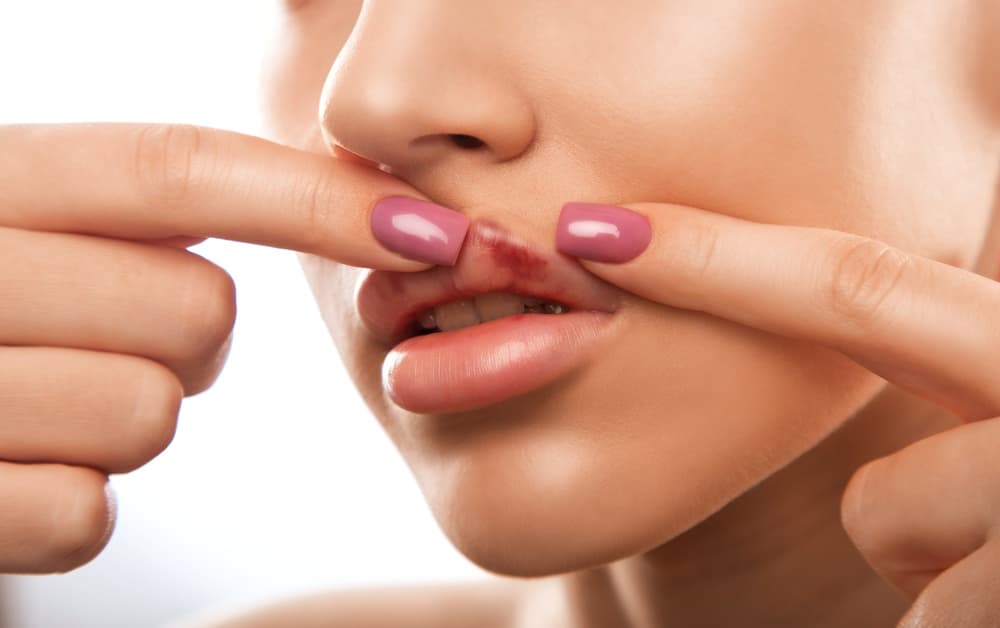
Lip fillers, one of the most popular procedures in aesthetic medicine, are frequently preferred by individuals who want to have full and symmetrical lips. However, swelling and bruising on the lips after the procedure is inevitable. These symptoms are part of the body's natural healing process. Many patients ask when the swelling and bruising after the lip filler will subside. This article answers that question in light of scientific data. It also explains the healing process day by day. It examines the factors affecting the duration of swelling and bruising. It presents the correct care methods. It teaches how to distinguish between normal and abnormal findings. It indicates when the final results will be visible. The article also answers frequently asked questions. All information is based on current scientific research. Our goal is to provide patients with comprehensive and accurate information. This way, we aim to reduce their concerns and enable them to make informed decisions.
Swelling and bruising occur as a result of direct impact on tissues and blood vessels during the injection. When the needle penetrates the lip tissue, it creates a small trauma. The body responds to this trauma with an inflammatory response. This response is seen as swelling and redness. Hyaluronic acid-based fillers have water-retaining properties. This feature causes temporary swelling. Bruising occurs when blood vessels are damaged by the needle tip. Each individual's healing rate is different. Therefore, the duration of swelling and bruising varies from person to person.
When the needle enters the lip skin and underlying tissue, it creates mechanical trauma. This trauma activates the body's defense system. Immune cells rush to the site. These cells attempt to repair the damaged area. During the procedure, the lip tissue is physically stressed. This stress triggers an inflammatory response. Symptoms of inflammation include swelling, redness, and tenderness. The larger the trauma, the more pronounced the swelling may be. An experienced physician applies the injection technique correctly. This minimizes the trauma. However, it is not possible to completely eliminate the trauma. Each needle entry creates a small tissue disruption. The body sends fluid to repair this disruption. This fluid accumulation creates swelling. Swelling causes the lips to appear puffy. In the first hours after the procedure, this swelling begins rapidly. The patient feels fullness and tightness in their lips. Diwan and colleagues noted in their review study in 2023 that swelling and puffiness after lip fillers are the most commonly observed expected side effects (Diwan et al. 2023).
Hyaluronic acid is a substance naturally found in the structure of the skin. This substance has the capacity to bind water molecules. Hyaluronic acid can retain up to a thousand times its weight in water. Papakonstantinou and his research team studied the role of hyaluronic acid in skin aging in 2012. They emphasized the unique water-binding ability of this substance (Papakonstantinou et al. 2012). This property makes it ideal as a filler. However, immediately after injection, the filler draws water from the surrounding tissue. This water-drawing process creates a temporary increase in volume. The lips appear fuller than expected. This may concern patients. However, this is a temporary situation. Thanks to its water-retaining property, the filler distributes within the tissue. Thus, it provides a natural fullness. The excessive fullness in the initial days is completely normal. Hyaluronic acid gradually adapts to the surrounding tissue. Its water retention capacity balances out. The lips approach their actual size. This process usually takes a few days. Hyaluronic acid also supports collagen production. This support strengthens the lip tissue in the long term.
The lips are one of the most vascular areas of the face. Blood vessels are very dense in this area. When the needle tip touches one of these vessels, blood seeps out. The leaked blood accumulates under the skin. This accumulation appears as a bruise. A bruise is actually a small bleeding spot. Bruises are easily noticeable on the lips because the skin is thin. The extent of the vascular damage determines the size of the bruise. A small bruise occurs when a small vessel bursts. A noticeable bruise appears when a large vessel is affected. Bruises usually start as purple. Then they turn green. After that, they take on a yellowish color. This color change is a sign of healing. Blood cells break down and are cleared by the body. This cleansing process takes a few days. Bruising is a common side effect after lip fillers. However, this risk can be reduced with the correct technique.
Every person's body structure is different. This difference directly affects the healing process. In some individuals, swelling resolves quickly. In others, this period is prolonged. Genetic factors determine the speed of healing. Individuals with a strong immune system heal quickly. Those with a high metabolism eliminate swelling more rapidly. In older individuals, blood vessels are more fragile. Therefore, the likelihood of bruising increases. Healing slows down in smokers. Because smoking disrupts blood circulation. Chronic conditions like diabetes prolong the healing process. Stress and insufficient sleep also slow down healing. Individual factors determine the duration of swelling and bruising. Patients should know their own body structure. This way, they can create realistic expectations.
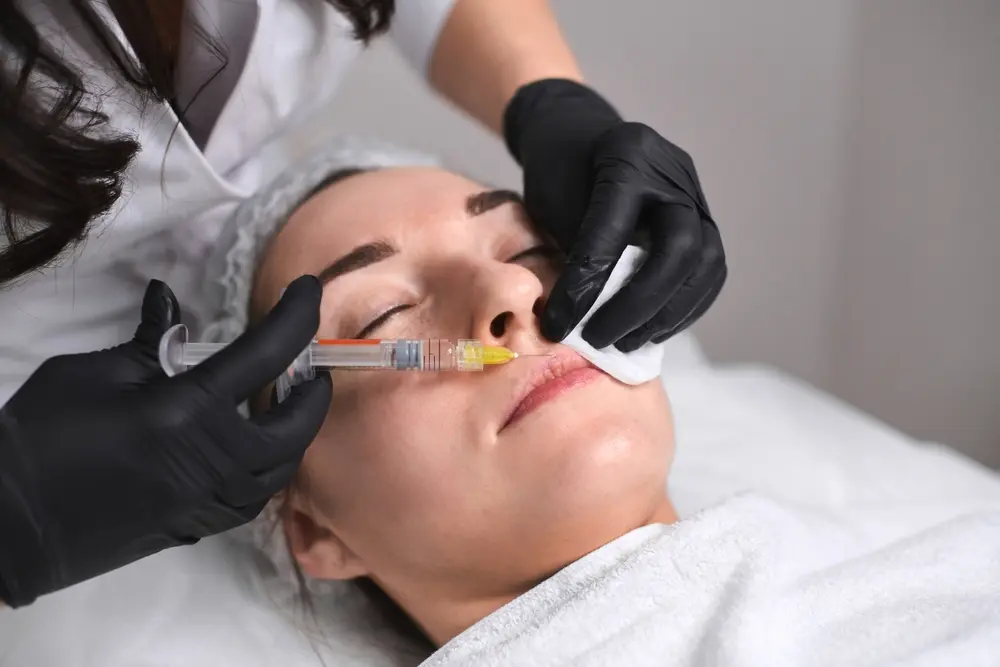
Swelling and bruising generally follow a specific timeline. Swelling begins within the first 24 hours. Swelling peaks within the first 48 hours. Swelling starts to decrease within 3 to 5 days. By the end of the week, the lips approach a natural appearance. The final result appears after 2 weeks. This timeline is applicable for most patients. However, individual differences may be observed.
Swelling begins in the lips immediately after the procedure. This swelling is a natural result of injection trauma. The lips appear larger than their normal size. The patient feels tightness in their lips. This tightness is due to the water retention of hyaluronic acid. Additionally, tissue swelling enhances this sensation. Mild redness occurs in the lips. Small red spots can be seen at the injection sites. These spots are the needle entry points. Some patients may experience slight bleeding. This bleeding usually stops within minutes. A feeling of numbness in the lips may continue. This sensation is due to the effect of local anesthesia. Applying a cold compress helps control swelling. The first 24 hours is the most critical period. The patient should rest during this time. They should avoid heavy activities. They should drink plenty of water. They should not touch their lips.
On the second day, swelling reaches its highest level. The body maintains its inflammatory response at full strength. Immune cells continue to repair the damaged area. This repair process increases fluid accumulation. Hyaluronic acid draws in maximum amounts of water from the surroundings. The lips appear much fuller than expected. This situation causes anxiety in patients. However, this is completely normal. Asymmetry may be felt in the lips. One lip may appear more swollen than the other. This asymmetry is temporary. As swelling decreases, symmetry improves. On the second day, lip movements may become difficult. Eating and speaking may cause discomfort. A feeling of hardness occurs in the lips. This hardness indicates that the filler has not softened yet. It is necessary to continue applying cold compresses. Sleeping with the head elevated reduces swelling. It is essential to avoid alcohol and smoking.
The third day is a milestone. Swelling begins to noticeably decrease. The lips appear more proportionate. The inflammatory response slows down. The body starts to eliminate edema. Hyaluronic acid adapts to the surrounding tissue. Water retention balance is established. Bruises change color. The purple color turns green. This color change indicates the breakdown of blood cells. Lip contours begin to become more defined. The lip border becomes clearer. The patient feels more comfortable. Eating becomes easier. Speech returns to normal. Healing accelerates on the fourth and fifth days. Remaining swelling lessens. The lips approach their natural texture. Applying makeup becomes possible. However, care must be taken with the lips.
By the seventh day, swelling significantly subsides. The lips return to nearly their normal size. Most of the bruising disappears. Remaining bruises take on a slight yellowish color. The lips feel softer. The filler settles within the tissue. Lip movements become completely natural. The patient can comfortably return to daily activities. It is safe to apply makeup. Using sunscreen is important. The lips may still be slightly swollen. However, this swelling is not noticeable to others. The lip contour becomes clearer. Volume increase appears natural. The patient can better evaluate the results of the procedure. However, it is necessary to wait two weeks for the final result.
The fourteenth day is when the final result can be seen. All swelling completely resolves. Bruises completely disappear. Hyaluronic acid fully integrates within the tissue. The lips regain their natural volume. The volume increase is at the desired level. Symmetry is fully achieved. The lips feel soft and natural. The patient can evaluate the result. If corrections are needed, a doctor's check-up is done during this period. It is determined whether a touch-up procedure is necessary. The two-week period is sufficient for the filler to settle. At the end of this period, the lips reach the aesthetic goal. Patient satisfaction is at its highest level.
The recovery process shows different symptoms each day. If patients are aware of this process, their concerns decrease. Monitoring day by day is important for proper care. The table below summarizes this process.
Day | Swelling Status | Bruising Status | General Feeling |
Procedure Day | Mild Start | None or very mild | Tightness and numbness |
Day 1 | Increase continues | Mild bruising begins | Sensitivity increases |
Day 2 | Peak point | Significant bruising | Most uncomfortable day |
Day 3 | Reduction begins | Color change | Relaxation begins |
Days 4-7 | Rapid decrease | Fading continues | Return to normal life |
Week 2 | Almost none | Completely gone | Final result evident |
Month 1 | None | None | Completely natural appearance |
The doctor completes the procedure. Swelling begins immediately in the lips. Red spots are visible in the injection areas. The patient feels fullness in the lips. This fullness is due to the filler material and edema. The feeling of numbness continues. This sensation is a residual effect of anesthesia. A cold compress should be applied. The patient should rest. The lips should not be touched. Eating may be difficult. Liquid foods should be preferred. Plenty of water should be consumed.
Swelling continues to increase. The lips appear at their widest. Bruises begin to become more pronounced. Sensitivity is at its highest level. There may be a feeling of warmth in the lips. This sensation is an indication of an inflammatory response. A cold compress should continue to be applied. The head should be elevated while sleeping. Alcohol and smoking are strictly prohibited. Heavy exercise should not be done.
On this day, swelling reaches its peak. The lips appear at their most swollen. Bruises are at their most pronounced. The patient feels the most discomfort on this day. Lip movements are restricted. Speaking and eating are difficult. However, this condition is temporary. Cold compress and elevated head position should continue. The patient should prepare themselves mentally. The situation will improve in two days.
A turning point arrives. Swelling begins to decrease. The lips look smaller. Bruises change color. Instead of purple, green tones are seen. The patient feels a sense of relief. Daily activities can gradually resume. However, caution is still necessary. Pressure should not be applied to the lips. Hot environments should be avoided.
Swelling decreases rapidly. The lips look more natural every day. Bruises continue to fade. Yellowish colors are seen. The lip contour becomes clearer. Makeup can be applied. Sun protection is important. The patient returns to their normal life. However, excessive exercise should be avoided.
Swelling completely disappears. Bruises vanish. The lips feel soft and natural. The patient can see the results fully. A doctor’s check-up can be done. Touch-up evaluations are made during this period. Patient satisfaction increases.
The lips become completely natural. The filler material has fully settled within the tissue. There are no side effects left. The patient has achieved the desired aesthetic appearance. The results are maintained for a long time.
The duration of bruising depends on many factors. Mild bruises pass quickly. Pronounced bruises may take longer. The location of the bruise also affects the duration. Bruising is easily noticeable on the lips due to the thin skin. However, these bruises are temporary.
Mild bruises generally disappear within 3 to 5 days. These bruises occur due to small vessel rupture. The amount of bleeding is minimal. The body quickly clears the blood cells. The purple color begins to fade rapidly. Green and yellow tones are seen in a short time. The patient can apply a cold compress during this process. Arnica cream supports healing. Mild bruises can be easily covered with makeup.
Moderate bruises last 7 to 10 days. Severe bruises can persist for up to 14 days. Major vessel damage causes these bruises. There is significant blood accumulation. The body requires more time to absorb the blood. The color change of the bruise occurs slowly. The first 3 days are dominated by purple. After that, green and yellow tones appear. Complete disappearance may take up to 2 weeks. Patience is required during this time. A warm compress can increase blood circulation in the later days. However, a cold compress should be preferred in the first few days.
Bruises that occur on the upper lip disappear quickly. This area is rich in blood circulation. Bruises at the corners of the lips may take a little longer. Bruises close to the skin surface appear more pronounced. Deep tissue bruises emerge slowly to the surface. Therefore, visible bruises may start later. However, deep bruises are generally larger. Bruises in the lip mucosa remain inside. They are not easily noticeable from the outside. Superficial bruises are visible from the outside. These bruises can be aesthetically disturbing.
Most bruises completely disappear within 14 days. However, in some individuals, this period can extend up to 21 days. In elderly patients, vascular fragility is higher. Therefore, the duration of bruising is prolonged. Those using blood thinners experience longer-lasting bruises. Healing is slower in smokers. Bruises appear more pronounced in individuals with lighter skin tones. However, in all cases, bruises are temporary. They do not leave permanent marks. If a bruise lasts longer than 3 weeks, it is necessary to consult a doctor. This situation is rare.
The duration of swelling varies from person to person. Some factors shorten this duration. Some factors prolong it. Patients should be aware of these factors. This way, they can form realistic expectations.
Factor | Effect on Swelling Duration |
Type of filler material | Hyaluronic acid fillers retain more water |
Amount injected | A larger amount of filler creates more swelling |
Application technique | Blunt needle technique reduces swelling |
Lip anatomy | Swelling may be more pronounced in individuals with thin skin |
Age and metabolism | Swelling resolves more quickly in younger individuals |
Previous procedures | Swelling may decrease in repeat procedures |
Personal tendency to edema | Swelling lasts longer in those with a tendency for edema |
Hyaluronic acid fillers have water-retaining properties. This characteristic affects the duration of swelling. Cross-linked hyaluronic acid is denser. This density means more water retention. Therefore, swelling may last a bit longer. However, these fillers are longer-lasting. Softer fillers retain less water. Swelling resolves more quickly with these fillers. The viscoelastic property of the filler is important. High viscoelasticity can create more tissue reaction. The doctor selects the right type of filler. Thus, the desired result and swelling balance is established. Coppini and the research team demonstrated in their systematic review conducted in 2024 that the side effects after lip fillers are related to product characteristics (Coppini et al. 2024).
The more filler the doctor injects, the more pronounced the swelling will be. This is because a larger volume occupies space within the tissue. Additionally, as the amount of hyaluronic acid increases, water retention also increases. There is a difference in swelling between 1 milliliter and 2 milliliters of filler. The patient determines the dosage together with the doctor. Conservative doses create less swelling. However, some patients desire more pronounced volume. In this case, one must accept the duration of swelling. The procedure can be done in two sessions. Thus, a small amount of filler is used in each session. Swelling becomes more controlled.
The technique used by the doctor directly affects swelling. Injections made with a fine needle create more trauma. Each needle entry is a separate tissue puncture. The blunt-tip needle technique uses fewer entry points. This technique reduces the risk of swelling and bruising. The aspiration technique prevents injection into blood vessels. Slow injection reduces pressure. Thus, tissue trauma is minimized. The doctor's experience is critically important at this point. A good doctor knows anatomy well. They inject at the correct plane. This knowledge shortens the duration of swelling.
The structure of lips varies from person to person. Some individuals have looser lip tissue. This loose tissue allows for more swelling to accumulate. Some individuals have thinner lip skin. Swelling appears more pronounced in thin skin. In those with thick lip muscles, swelling is not noticeable. Because muscle tissue conceals the swelling. In individuals with a defined lip border, contour appears more quickly. However, swelling occurs in these individuals as well. The aesthetic effect is simply different.
The metabolism of young individuals works quickly. This rapid functioning eliminates swelling quickly. In young patients, swelling usually subsides within 3 days. In older individuals, metabolism slows down. Lymphatic circulation and blood circulation decrease. This situation delays the elimination of swelling. In older patients, swelling can last from 5 to 7 days. The collagen structure also changes with age. This change affects the settling speed of the filler. Young tissues accept the filler more quickly.
In individuals receiving filler for the first time, swelling is more pronounced. Because the tissue encounters this substance for the first time. The tissue responds more strongly to foreign substances. In repeat procedures, the tissue is accustomed. The inflammatory response is milder. Swelling is less and lasts shorter. However, this rule does not apply to everyone. In some individuals, the same swelling occurs with every procedure. The doctor evaluates previous procedures. Thus, a new procedure can be planned.
Some individuals are naturally prone to swelling. The bodies of these individuals are prone to fluid accumulation. Swelling after lip filler lasts longer in these individuals. In individuals with allergic tendencies, the inflammatory response can be severe. However, the risk of allergy with hyaluronic acid is low. Still, individual sensitivities vary. Hormonal cycles also affect swelling. Those undergoing procedures during their menstrual period may experience slightly more swelling. High salt intake increases swelling. Therefore, diet before the procedure is important.
The formation of bruises increases with certain factors. Patients can control these factors. Some factors are congenital. Others are related to lifestyle. Acting consciously reduces the risk of bruising.
The lips have a very dense vascular structure. This density increases the risk of bruising. In some individuals, the blood vessels are closer to the surface. It is more likely for bruising to occur in these individuals. Those with dark pink lip color have a high density of blood vessels. A fine needle can easily touch these vessels. However, an experienced doctor protects the vessels. A blunt-tipped needle can put pressure on the vessels. Still, complete protection is not possible. The vascular structure is a congenital characteristic. This feature cannot be changed.
Blood thinning medications significantly increase the risk of bruising. Medications like Warfarin prevent blood clotting. This situation prolongs bleeding at the injection site. Aspirin also thins the blood. In fact, aspirin is one of the medications that increases the risk of bruising the most. The doctor asks about medications before the procedure. Patients should stop using aspirin a week prior. However, heart patients should consult their doctors. Abruptly stopping blood thinners can be dangerous. Therefore, communication with the doctor is essential.
Aspirin affects platelets. Platelets are the cells that stop bleeding. Aspirin disrupts the function of these cells. Medications like ibuprofen also increase bleeding. These medications should be stopped before the procedure. Generally, they should be discontinued 7 to 10 days in advance. Patients using aspirin tend to have more pronounced bruising. The duration of bruising is also extended. Natural supplements also increase risk. Fish oil, ginkgo biloba, and vitamin E increase bleeding. These supplements should also be stopped before the procedure.
Alcohol dilates blood vessels. Dilated vessels are more prone to bleeding. Alcohol also thins the blood. It is necessary to avoid alcohol 24 to 48 hours before the procedure. The incidence of bruising increases by 60% in patients who consume alcohol. This rate has been proven by scientific studies. Alcohol consumption also slows down healing. The liver produces blood clotting factors. Alcohol disrupts liver function. This disruption prolongs the bleeding time.
Smoking constricts blood vessels. Constricted vessels cannot carry oxygen. This situation slows down tissue healing. Bruising lasts longer in smokers. This is because blood circulation is insufficient. Nicotine damages blood vessel walls. This damage increases vascular fragility. Smoking also weakens the immune system. A weak immune system is slow to clear blood cells. It is best to quit smoking before the procedure. At least, smoking should be avoided one day before and after the procedure.
Heavy exercise increases blood pressure. High blood pressure causes blood to leak from the vessels. This leakage triggers the formation of bruises. Exercise also raises body temperature. Increased heat dilates blood vessels. Dilated vessels are prone to bleeding. Exercise is prohibited for the first 24 to 48 hours after the procedure. Light walking is allowed. However, running, weight lifting, and yoga should be avoided. To reduce the risk of bruising before exercise, a break of 24 hours is necessary.
Proper care methods reduce swelling and bruising. These methods accelerate healing. Patients should adhere to these recommendations. This way, they will have a more comfortable healing process.
Cold compresses constrict blood vessels. Constricted vessels reduce blood leakage. This situation prevents the formation of bruises. Cold also reduces inflammation. When inflammation decreases, swelling also subsides. A cold compress should be started immediately after the procedure. The first 24 hours is the most effective period. The ice pack should be wrapped in a clean cloth. Ice should not be applied directly to the skin. It should be applied for 10 to 15 minutes each time. A 10-minute break should be taken in between. It should be repeated 4 to 6 times a day. Cold compresses also reduce pain. The patient feels more comfortable.
Touching the lips can displace the filler. This displacement increases swelling. It also raises the risk of infection. The patient should not constantly touch their lips. They should not press their lips together. They should avoid kissing. Hard foods should be avoided. Because hard foods put pressure on the lips. Using a straw puts strain on the lips. Therefore, drinking through a straw should be avoided. The lips should remain at rest. As the pressure decreases, the swelling also reduces.
When the head is elevated, swelling does not go down. Gravity does not hold the swelling in the lips. This helps reduce puffiness. The head should be kept 30 degrees elevated using a pillow. Lying on your back is the most suitable position. Lying on your stomach puts pressure on the lips. This pressure increases swelling. Sleeping with the head elevated is important for the first 3 nights. This position also regulates blood circulation. Regular blood circulation supports healing.
Water flushes out body toxins. This elimination helps resolve swelling. People who drink plenty of water heal faster. At least 2 to 3 liters of water should be consumed daily. Water also ensures that hyaluronic acid works properly. Hyaluronic acid binds water molecules. This binding helps the filler look natural. However, carbonated drinks should be avoided. Because carbonated drinks can increase bloating. Caffeinated beverages lead to water loss. This loss negatively affects swelling.
Alcohol and smoking slow down healing. Alcohol dilates blood vessels. This dilation increases the risk of bruising. Smoking disrupts oxygen transport. This disruption delays tissue repair. Alcohol and smoking should not be used before and after the procedure. It is necessary to avoid them for at least 48 hours. Ideally, they should be completely avoided for 1 week. During this time, clean blood circulation is ensured. Clean blood supports cell repair.
Heavy exercise raises blood pressure. High pressure causes fluid leakage from the vessels. This leakage increases swelling. Exercise also raises body temperature. Increased heat dilates blood vessels. Dilated vessels worsen swelling. Exercise is prohibited for the first 24 to 48 hours. Light walking is allowed. However, running, cycling, weight lifting, and yoga are prohibited. Light activities can be resumed after 3 days. Normal exercise routines can be resumed after 1 week.
The doctor provides specific instructions after the procedure. These instructions are tailored to the patient. The patient must follow these instructions completely. If an antibiotic cream is prescribed, it should be applied regularly. If pain relief medication is recommended, it should be taken in the appropriate dosage. However, pain relievers containing aspirin should be avoided. Because aspirin thins the blood. If a follow-up appointment is scheduled, it must be attended. The doctor can detect early adverse conditions. Early intervention prevents potential problems. The patient should not lose communication with their doctor.
The patient should be aware of normal symptoms. This way, unnecessary panic can be avoided. However, they should also recognize abnormal symptoms. If these symptoms are observed, the doctor should be consulted. The table below compares normal and abnormal findings.
Normal Findings | Abnormal Findings |
Mild pain | Severe increasing pain |
Mild swelling | Progressive swelling |
Mild bruising | Skin whitening or bruising |
Sensitivity | Widespread redness |
Temporary hardness | Signs of fever and infection |
Mild pain is normal in the first days after the procedure. This pain is caused by injection trauma. It can be controlled with pain relievers. Swelling is the most common symptom. Swelling occurs in every patient. It lasts from 2 to 7 days. Bruising is also frequently seen. Bruising disappears within 1 to 2 weeks. Sensitivity is felt when touching the lips. This sensitivity decreases within 3 days. Temporary hardness is due to the presence of the filler material. This hardness softens within 2 weeks. Redness is observed at the injection sites. This redness begins to fade within 24 hours.
Severe pain is not normal. Pain should not increase over time. Increasing pain may be a sign of infection. Widespread redness is also not normal. If redness spreads from the lips to the face, a doctor should be consulted. Progressive swelling should decrease after 3 days. If swelling is increasing, this is abnormal. Skin whitening is a sign of vascular occlusion. Hong and colleagues noted in their 2023 study that vascular occlusion manifests with skin whitening and pain (Hong et al. 2023). This condition requires urgent intervention. If bruising is spreading and painful, a doctor should be consulted. Fever, chills, and pus are signs of infection. If these symptoms are observed, the physician should be contacted immediately. Delays can lead to serious consequences.
The patient must be patient to see the final result. Early assessment can be misleading. Because swelling conceals the true volume. It takes time for the filler to integrate with the tissue.
Hyaluronic acid gradually mixes with the surrounding tissue after injection. This mixing process is called integration. During integration, the filler establishes water balance. In the initial days, it retains excessive water. Then this balance normalizes. The filler stabilizes within the tissue. This stabilization lasts for 2 weeks. The doctor monitors the patient during this process. If there is any irregularity, they intervene. Once integration is complete, the lips feel natural.
The final result is usually seen after 2 weeks. However, in some patients, this period may extend up to 4 weeks. In older patients and repeat procedures, integration may occur more quickly. This is because the tissue recognizes the previous filler. The patient should look in the mirror after 2 weeks. The volume seen at this time is the permanent volume. If they are not satisfied, they should talk to the doctor. However, decisions should not be made before 2 weeks.
During the follow-up appointment, the doctor evaluates the result. This appointment is usually scheduled for 2 weeks later. The doctor examines lip symmetry. They check the distribution of the filler. If there is an issue, they intervene early. The follow-up appointment also reassures the patient. The patient shares their concerns with the doctor. If necessary, the doctor plans touch-ups. This appointment should not be missed.
Sometimes the initial procedure does not yield the desired result. This is normal. Because not every tissue responds the same way. Asymmetry may need to be corrected. One lip may remain thinner than the other. The volume increase may be insufficient. In these cases, a touch-up is performed. Touch-ups are usually planned 2 to 4 weeks later. During this time, the previous filler fully settles. Small amounts of filler are added during the touch-up. Thus, the result is perfected.
Patients have many questions in mind. This section answers the most common questions. The answers are based on scientific data.
Swelling usually lasts from 3 to 7 days. The first 48 hours is the most pronounced period. Reduction begins from the 3rd day. By the end of 1 week, swelling significantly decreases. However, complete resolution may take 2 weeks. Individual factors affect this duration.
Bruises typically disappear within 7 to 14 days. Mild bruises resolve within 3 to 5 days. Prominent bruises may last up to 2 weeks. The color changes progress from purple to green to yellow. Complete disappearance may take up to 3 weeks. However, this duration is rare.
Lips appear large due to the water-retaining property of hyaluronic acid. Additionally, inflammatory edema also increases volume. This enlargement is temporary. By the end of 2 weeks, the lips return to their true size. The patient should not panic in the early period.
No. The result should not be evaluated before the swelling goes down. Swelling conceals the true volume. Early evaluation can be misleading. The final result is seen after 2 weeks. The doctor also waits for this period. It is not correct to make hasty decisions.
It is not possible to completely avoid bruising. This is because the blood vessels in the lips are very dense. However, the risk of bruising can be minimized. The right technique, cold compress, and avoiding blood thinners can help. In some patients, bruising is very mild. These bruises are almost unnoticeable.
Ice application should be done in the first 24 to 48 hours. Each session lasts 10 to 15 minutes. It should be repeated 4 to 6 times a day. Ice should not be applied directly to the skin. It should be applied through a cloth. After 48 hours, ice is not necessary.
No. It does not last the same duration for everyone. Swelling subsides more quickly in younger individuals. In older individuals, it lasts longer. Metabolism rate is an important factor. In those prone to edema, swelling lasts longer. The duration of bruising depends on the vascular structure. Each person's body structure is different.
The patient can return to normal life after 3 to 5 days. However, heavy exercise should start after 1 week. Makeup can be applied after 3 days. Social activities are safe after 5 days. A fully normal life returns after 2 weeks. During this time, the lips look completely natural.
Swelling and bruising after lip filler are part of the expected healing process. Swelling usually peaks in the first 48 hours. It significantly decreases within 5 to 7 days. Bruises typically disappear within 7 to 14 days. The final aesthetic result can be evaluated in most patients within about 2 weeks. Proper care practices support the healing process. These practices reduce the risk of adverse situations. Cold compress, elevated head position, and adequate water intake are important. Avoiding blood-thinning medications is essential. It is necessary to stay away from alcohol and smoking. The patient should be aware of normal and abnormal symptoms. If abnormal symptoms are observed, a doctor should be consulted. Each patient's healing time is different. Patience and proper care yield the best results. Scientific data shows that this process is safe. Lip filler is a successful application of aesthetic medicine. Proper expectations and informed patient satisfaction enhance outcomes.
Coppini, Maria, et al. "Aesthetic lip filler augmentation is not free of adverse reactions: lack of evidence-based practice from a systematic review." Frontiers in Oral Health, vol. 5, 2024, pp. 1-10.
Diwan, Zoya, et al. "Evaluation of current literature on complications secondary to lip augmentation following dermal filler injection." Journal of Clinical and Aesthetic , vol. 16, no. 7, 2023, pp. 26-33.
Hong, Ga-Young, et al. "Management strategies for vascular complications in hyaluronic acid filler injections: A case series analysis." Journal of Cosmetic , vol. 22, no. 11, 2023, pp. 1-8.
Papakonstantinou, Eleni, et al. "Hyaluronic acid: A key molecule in skin aging." Dermato-Endocrinology, vol. 4, no. 3, 2012, pp. 253-258.