Yükleniyor…

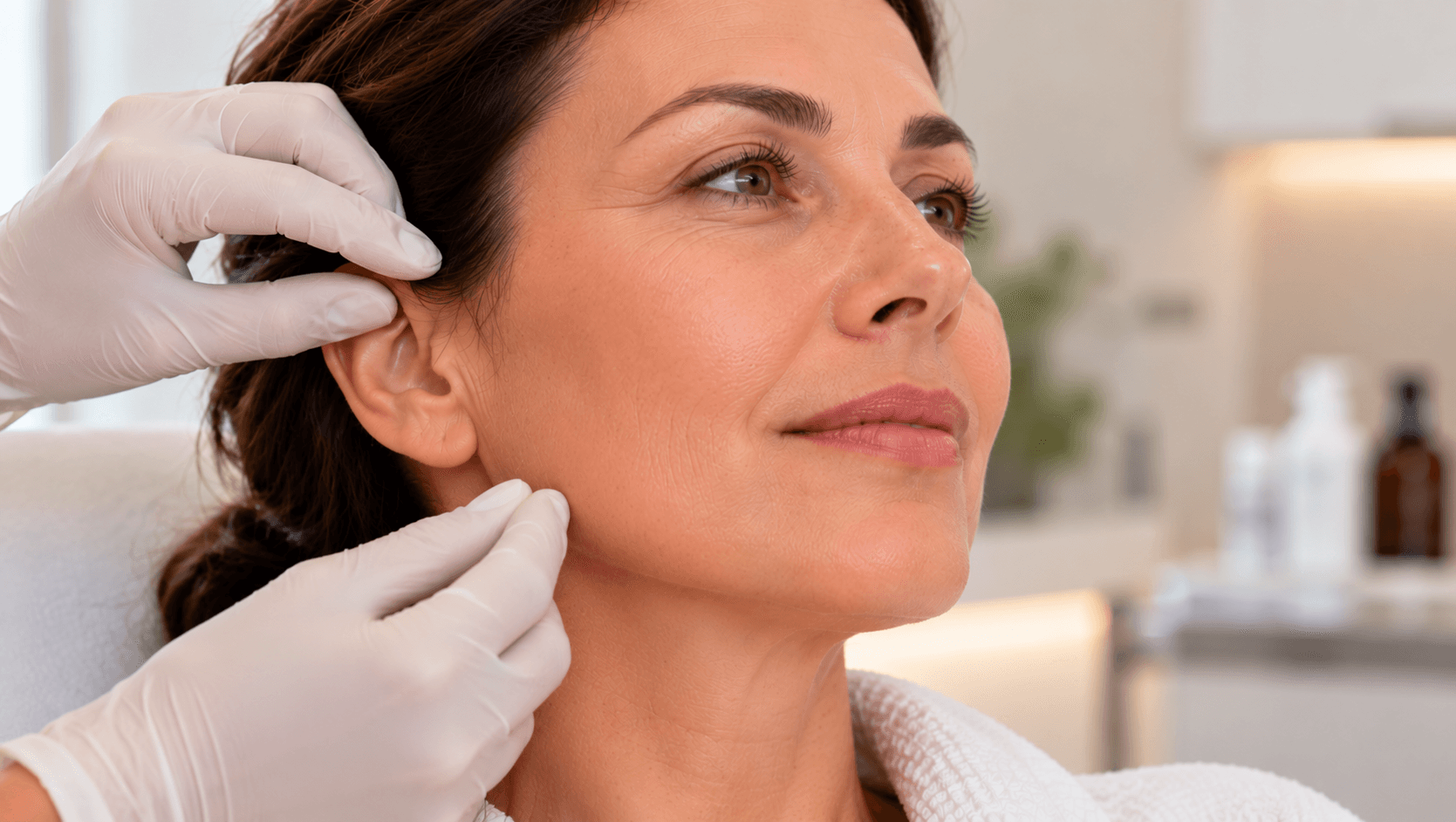
The French thread lift is an aesthetic procedure used to tighten facial features without the need for surgical incisions. It is normal to experience slight swelling and bruising after the procedure, which is often a natural part of the healing process. Studies show that thread lifting procedures can be accompanied by temporary swelling and bruising, and these symptoms typically resolve within a few days to two weeks for most patients (Suh et al. 2015). In this article, we will examine the causes of swelling and bruising after a French thread lift, the normal course of these symptoms, ways to reduce them, and when to consult a physician step by step.
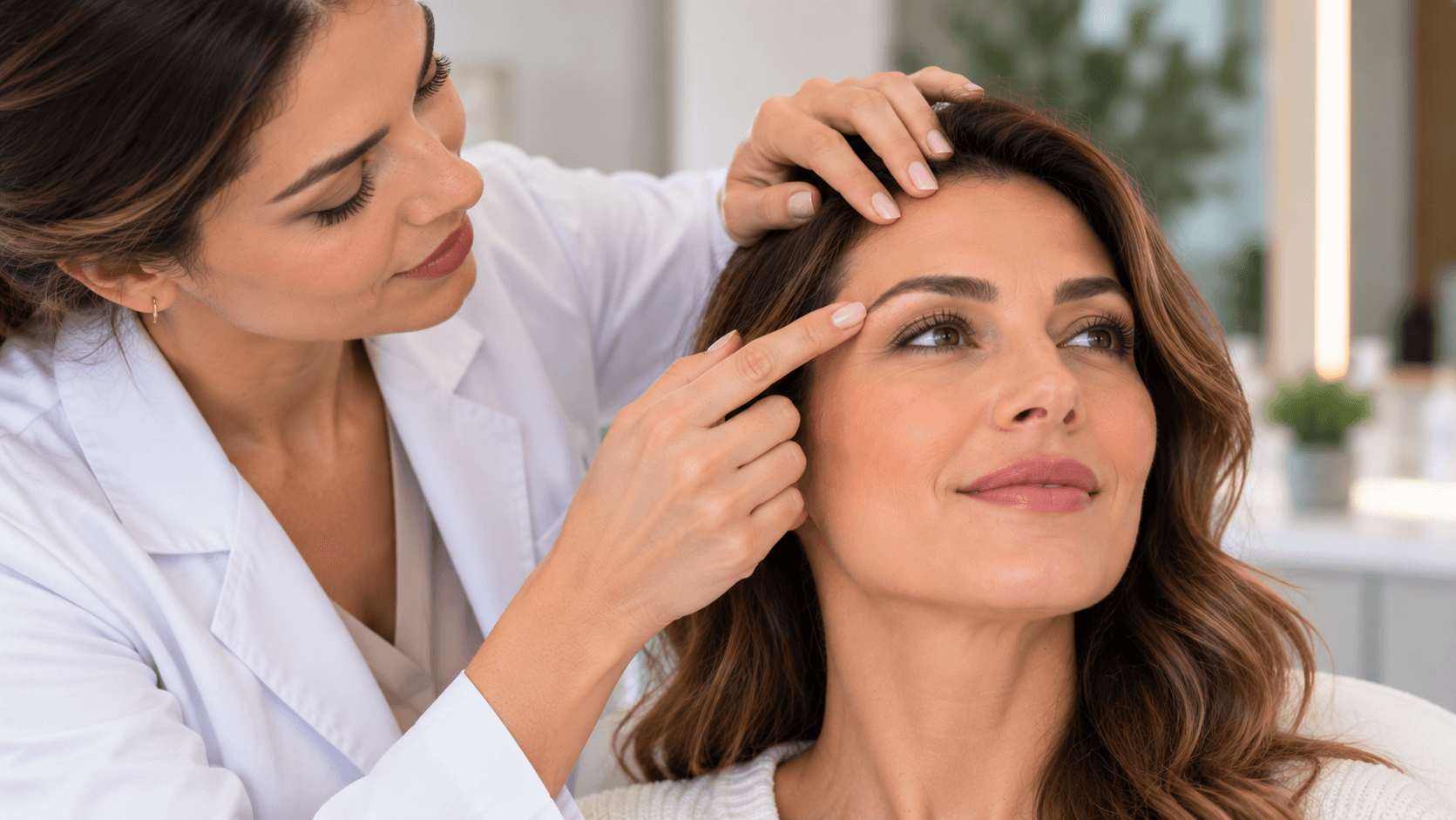
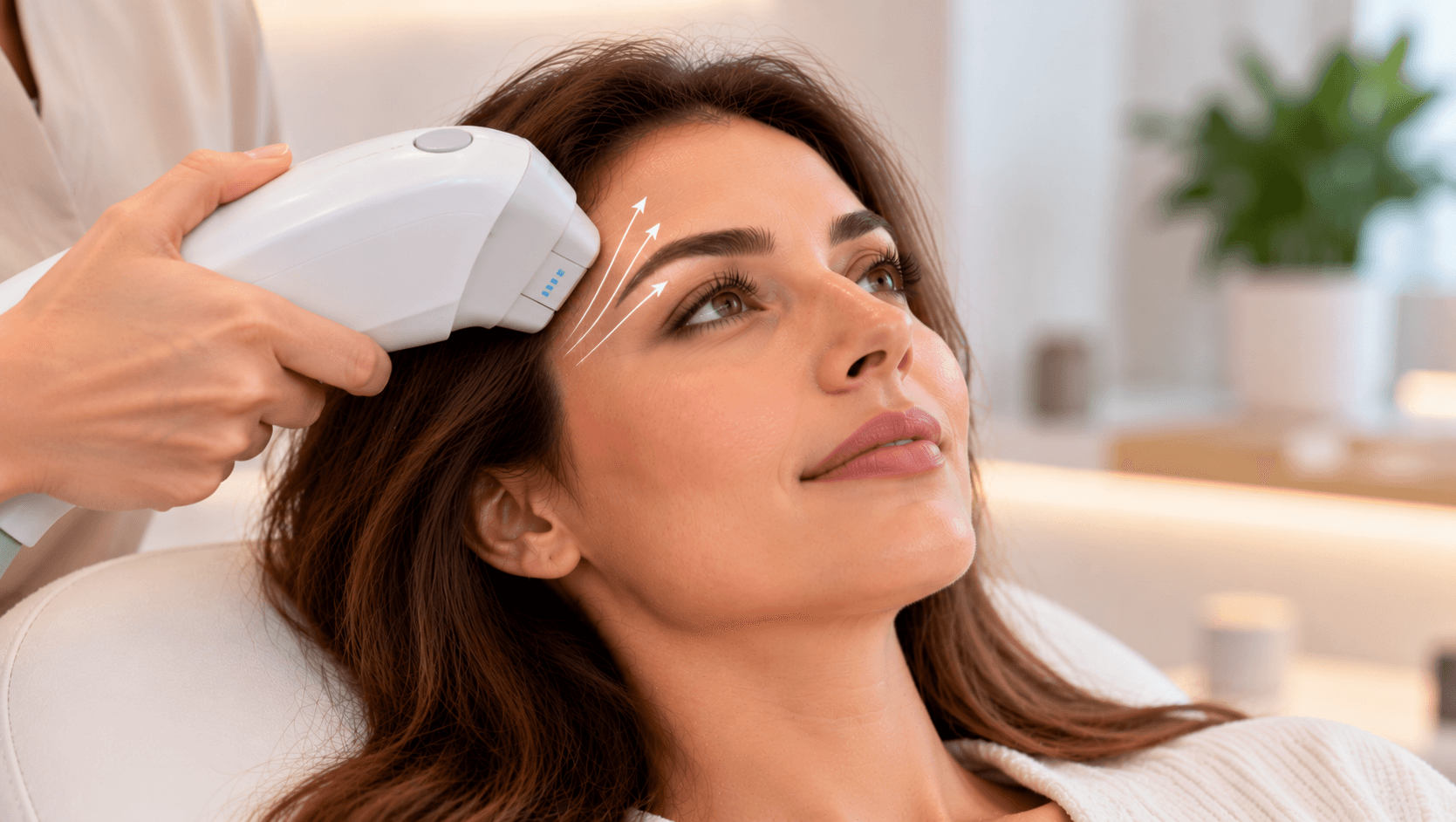
A French thread lift is a minimally invasive technique that involves placing special threads under the skin to lift sagging facial tissue. Its purpose is to reduce sagging in the midface area, define the jawline, and achieve a more youthful appearance.
The threads are typically made from absorbable materials and support the formation of new collagen in the skin as they dissolve over time (Villa et al. 2008). These two effects, immediate lifting and long-term tightening, make the French thread lift popular.
The most common temporary changes encountered in the post-procedure period include:
Mild to moderate swelling
Bruising and discoloration of the skin
Sensitivity to touch
Tightness and pulling sensation in the face
Mild pain in the treatment areas
These symptoms are natural indicators of tissue healing and usually resolve spontaneously (Guo and DiPietro 2010).
Swelling and bruising begin in the earliest stages of healing, specifically in the first hours following the procedure. Swelling reaches its peak level within the first 24–48 hours and then gradually decreases (Kazil et al. 2020). Bruising may last slightly longer than the swelling and fades away by turning a yellowish color.
Swelling is a result of the body's controlled tissue response to the procedure and is an expected condition. There are three main reasons for this response: thread placement, the formation of edema, and temporary slowing of lymphatic circulation.
When threads are placed under the skin, the tissue responds with a controlled reaction to this foreign material. This response allows local anti-inflammatory cells to come to the area and leads to fluid accumulation in the region. This process is a natural repair mechanism necessary for the stabilization of the thread (Villa et al. 2008).
Increased vascular permeability causes fluid accumulation between tissues, leading to edema. Edema is part of the healing process as it allows reparative cells and nutrients to reach the area. However, this fluid accumulation temporarily makes facial features appear fuller.
The facial area is densely covered with lymphatic vessels. During the procedure, the temporary slowing of these vessels can delay the removal of fluid and prolong swelling. Keeping the head elevated facilitates this circulation, speeding up the resolution of edema.
Since the cheek and mid-face areas are rich in blood and lymphatic vessels, swelling may be more pronounced in these regions. In areas with less vascular density, such as the jawline, edema is usually milder.
Bruising results from the accumulation of blood under the skin due to damage to small vessels during the procedure. This condition is harmless and typically resolves significantly within a week for most patients (Suh et al. 2015).
Threads are placed under the skin using fine needles or cannulas. During these insertions, superficial small vessels may be damaged. Blood leaking from the vessel wall creates a purple discoloration under the skin.
Blood accumulating under the skin changes color from reddish to blue as it loses oxygen, and then to yellowish and greenish tones. This color change is a sign that the bruise is healing.
The level of bruising varies depending on vascular structure, skin thickness, use of blood thinners, and individual vessel fragility. Some patients may experience almost no bruising after the procedure, while others may have noticeable bruises. Both situations are considered normal.
Yes, bruising can sometimes shift downward from the treatment area due to gravity. For example, a bruise in the cheekbone area may move down toward the jawline within a few days. This spreading is harmless and does not delay healing.

In most patients, swelling significantly decreases within 3–7 days, while bruising resolves within 7–14 days (Kazil et al. 2020). The total duration for complete resolution may vary depending on individual healing capacity.
The first two days are the period when swelling is at its peak. The face may appear fuller, and the feeling of tightness becomes most pronounced. Cold compresses and keeping the head elevated are the most effective supportive measures during this time.
From the middle of the first week, swelling begins to decrease rapidly. Bruises change color and reduce in size. Most patients can fully return to their daily lives by the end of the week.
Symptoms should gradually decrease a little more each day. Swelling should not decrease one day and then noticeably increase the next day. Gradual reduction is the most reliable sign that healing is progressing healthily (Guo and DiPietro 2010).
The main factors affecting recovery time are:
Skin type and age
Smoking
Treatment area and number of threads
Compliance with post-procedure care instructions
General health status
Mild to moderate swelling, bruising in the treatment areas, slight sensitivity, a feeling of tightness in the face, and temporary sensitivity to touch are considered normal. It is also common for swelling not to be at the same level on both sides, as the two halves of the face are asymmetric and the procedure may not progress identically on both sides (Suh et al. 2015).
Swelling and bruising can be significantly alleviated with proper care practices. The most effective methods are cold compresses, keeping the head elevated, and full compliance with physician recommendations.
Applying a cold compress within the first 24–48 hours after the procedure constricts blood vessels, reducing swelling and blood accumulation. It should be applied intermittently with a cloth or towel, and direct contact of ice with the skin should be avoided.
Keeping the head elevated facilitates the drainage of lymphatic fluid from the face and prevents the accumulation of swelling overnight. Using an extra pillow while sleeping is a simple yet effective method.
Intense exercise increases heart rate and blood pressure, exacerbating swelling and bruising. Light activities such as walking should be preferred in the first week, and heavy sports should be postponed.
Alcohol increases swelling by dilating blood vessels and intensifies bruising by increasing vascular permeability. Avoiding alcohol consumption for a few days before and after the procedure accelerates recovery.
Pressure applied to the face can cause the threads to shift. During the first week, you should avoid leaning on your face, wearing tight clothing, or rubbing the face.
The care instructions recommended by your physician are determined based on your skin type and application technique. Full compliance with the instructions reduces the risk of complications and enhances the quality of the final result.
Facial massage should not be performed in the early period. For the first 1-2 weeks, massage can cause the threads to shift or dissolve prematurely, as they have not yet anchored in the tissue (Kazil et al. 2020).
Pressure applied in the early period can cause the threads to slip under the skin. This can negatively affect the outcome and may necessitate additional corrective measures.
The threads are not stable until new tissue forms around them after placement. Massage performed before this stabilization process is complete can lead to loosening of the threads or asymmetrical positioning.
The timing for starting massage varies based on the number of threads, the area of application, and your skin type. While some patients may start massage after 2 weeks, for others this period may extend to 4 weeks. The decision should always be made by your physician.
Although lymphatic massage may seem technically beneficial, performing it without physician approval risks the safety of the threads. Any massage performed without approval can jeopardize the outcome.
The following activities should be avoided for the first 1-2 weeks:
Activity | Duration of Avoidance | Reason |
Intense exercise and sports | 1–2 weeks | Increases swelling and bruising |
Applying pressure to the face | 2 weeks | Can cause thread displacement |
Extremely hot environments | 1 week | Dilates blood vessels |
Prolonged sun exposure | 2 weeks | Increases skin sensitivity |
Intense facial expressions | First few days | Disrupts thread tension |
Invasive cosmetic procedures | Until physician approval is obtained | Complicates healing |
These precautions ensure the safe fixation of the threads and maintain the permanence of the result.
If swelling is increasing instead of decreasing, if there is sudden and unilateral noticeable swelling, or if severe pain accompanies it, a physician should be consulted. These symptoms may indicate complications such as infection or hematoma (Kazil et al. 2020).
Increasing swelling
Sudden and noticeable unilateral swelling
Severe or increasing pain
Noticeable redness and increased warmth
Fever or general condition disturbance
Signs of unexpected bleeding or hematoma
If the bruising is rapidly expanding, accompanied by a hard and noticeable swelling, associated with severe pain, or worsening after the expected healing period, it cannot be considered normal and a physician should be consulted. These conditions may indicate uncontrolled bleeding or tissue damage.
Signs of infection include increasing redness, localized increase in temperature, worsening pain, abnormal discharge, fever, and deterioration of general condition. If these symptoms occur, consult your physician without delay (Guo and DiPietro 2010).
Possible complications of thread lifting procedures include prolonged edema, hematoma, infection, visible or palpable threads, thread displacement, facial asymmetry, inflammatory reactions, and rarely vascular or nerve injuries (Kazil et al. 2020). Most of these complications are rare and can resolve with appropriate treatment.
Factors affecting the healing process include the type and number of threads, the application area, skin structure, the individual's healing capacity, smoking habits, adherence to care instructions, and the experience of the practitioner. An experienced practitioner and the correct technique significantly reduce the risk of complications (Villa et al. 2008).
Most patients can return to work within 2–3 days and fully resume their social life within a week. Exercise can be resumed after 1–2 weeks, and makeup and skincare can be started a few days later. The timing of other procedures affecting the face should be determined by your physician.
Final results are generally evaluated after 4–6 weeks. In the initial days, swelling may alter the facial contours. As the swelling decreases, the true contour emerges, and as collagen production increases, the skin becomes progressively firmer (Suh et al. 2015). A follow-up examination ensures that the results are accurately assessed by your physician.
If there are rapidly worsening symptoms, unilateral noticeable swelling, severe pain, fever, abnormal discharge, or symptoms that do not improve within the expected time, a physician should be consulted immediately. The difference between normal healing and complications lies in the progression of symptoms: normal symptoms gradually decrease, while symptoms of complications gradually increase.
Yes, mild to moderate swelling is the most common and completely normal symptom after the procedure. Swelling usually significantly decreases within 3–7 days.
Bruising typically disappears within 7–14 days for most patients. Depending on individual vascular structure and the extent of the procedure, this duration may be extended by a few days.
Swelling reaches its peak level within the first 24–48 hours. During this period, the face may appear fuller than normal, and this condition is temporary.
Cold compresses, keeping the head elevated, avoiding alcohol, and postponing intense activities can help bruises fade more quickly.
Mild bilateral differences are normal. However, sudden and pronounced unilateral swelling should be reported to the physician.
Yes, cold compresses can be safely applied within the first 48 hours and help reduce swelling and bruising.
Light walking can begin a few days later. Intense sports and heavy exercise should be postponed for 1–2 weeks.
The timing for starting facial massage should be determined by your physician. Generally, it can begin as early as 2 weeks later, and in some cases, 4 weeks later.
If swelling increases instead of decreasing, if there is sudden unilateral swelling, if pain intensifies, or if fever accompanies it, you should consult a doctor immediately.
Bruising alone is not a sign of infection. However, if bruising is accompanied by redness, increased warmth, or discharge, it should be evaluated for infection.
Mild swelling and bruising after French thread lifting are the results of the natural tissue response to the placement of the threads and typically resolve spontaneously within a few days to two weeks for most patients. Gradual reduction of symptoms each day is the most reliable sign of healthy healing. Cold compresses, keeping the head elevated, and adherence to care instructions can accelerate this process. However, if swelling or bruising worsens, if unilateral swelling suddenly increases, or if fever and pain accompany it, consult your physician without delay. Early diagnosis and intervention ensure the safe management of any potential complications.
Guo, S., and DiPietro, L. A. "Factors Affecting Wound Healing." Journal of Dental Research, vol. 89, no. 3, 2010, pp. 219-229.
Kazil, J. M., Nguyen, A. T., Reavey, P. L., and colleagues. "Cosmetic Threads: A Systematic Review of the Literature." Plastic and Reconstructive Surgery, vol. 146, no. 3, 2020, pp. 341-348.
Suh, D. H. S., Jang, H. W., Lee, S. J., Lee, W. S., and Ryu, H. J. "Outcomes of Polydioxanone Knotless Thread Lifting for Facial Rejuvenation." Surgery, vol. 41, no. 6, 2015, pp. 720-725.
Villa, M. T., White, L. E., Alam, M., Yoo, S. S., and Walton, R. L. "Barbed Sutures: A Review of the Literature." Plastic and Reconstructive Surgery, vol. 121, no. 3, 2008, pp. 102e-108e.