Yükleniyor…
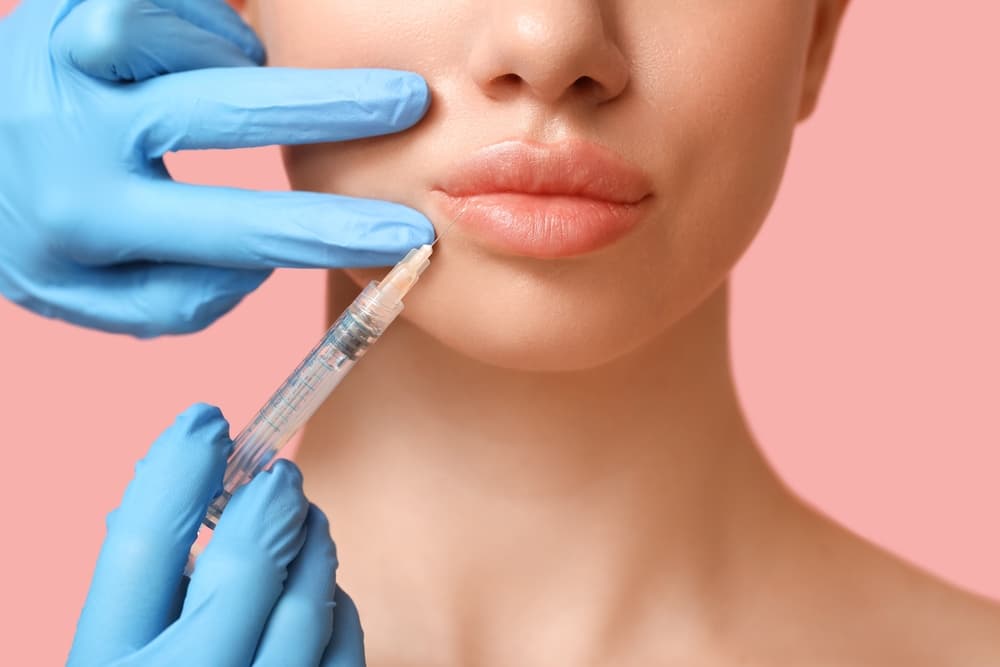
The world of aesthetic medicine offers new techniques and products every day. Lip filler applications are among the most preferred minimally invasive procedures in this field. Many patients encounter different prices for lip fillers while researching, which can be confusing. However, there are scientific and clinical reasons behind these differences.
Lip filler costs are not based on a single item. Many components come together to form the total cost.
When a clinic determines a price, it first calculates the cost of the filler material. Hyaluronic acid-based filler products have different price segments. Premium products carry a higher cost. Standard products are more affordable. The physician's fee is the second major component. An experienced specialist will charge a higher fee. Clinic expenses are the third important factor. Clinic rent, sterilization, technological infrastructure, and personnel costs reflect in the price. Consultation and follow-up services are also included in the fee. Some centers charge a fee for the initial examination. Some centers offer this service for free. Follow-up appointments and control examinations are also part of the cost.
There is no standard price. This is because each patient's lip anatomy is different. Each patient's aesthetic expectations are different. Treatment plans are personalized. Regional differences also affect the price. Operating costs are higher in large cities. High demand drives prices up. Corporate variables are also important. Accredited clinics have higher standards. These standards increase the cost.
Cost Component | Description | Price Impact |
Filler material | Brand and quality of the hyaluronic acid product | High impact |
Physician fee | Level of experience and expertise of the practitioner | High impact |
Clinic expenses | Rent, equipment, sterilization, staff | Medium impact |
Consultation | Initial examination and planning process | Low impact |
Follow-up services | Control appointments and touch-ups | Medium impact |
The filler material is the most significant determinant of lip filler cost. Hyaluronic acid-based filler products are the most common option on the market. These substances are naturally found in the body. Due to their biocompatible structure, the risk of allergy is low. However, not all hyaluronic acid products are the same.
Production technology directly affects the price. Fillers produced with cross-link technology are more durable. These products are more expensive. The safety profile also affects the cost. Products approved by international health authorities are safer. These approved products carry a higher price. The duration of durability makes a significant difference. There is a serious cost difference between a filler that lasts six months and one that lasts eighteen months. Naturalness and tissue compatibility are also characteristics that distinguish premium products. High-quality fillers provide a softer tissue feel. They maintain a natural appearance during lip movements.
There are differences between premium and standard filler brands. Premium products use advanced production technology. They offer a more homogeneous structure. They carry a lower risk of swelling and bruising. Standard products meet basic needs. They are shorter-lived. They are more affordable.
The longevity of the filler affects the price. Longer-lasting products are more expensive in the first session. However, if we conduct a long-term cost-benefit analysis, these products may be more economical. The total cost difference between getting standard filler twice a year and premium filler once a year may decrease. Funt and Pavicic compared the safety profiles and clinical outcomes of hyaluronic acid-based filler products in their 2013 study. They showed that different cross-link densities change the duration of durability (Funt and Pavicic 2013).
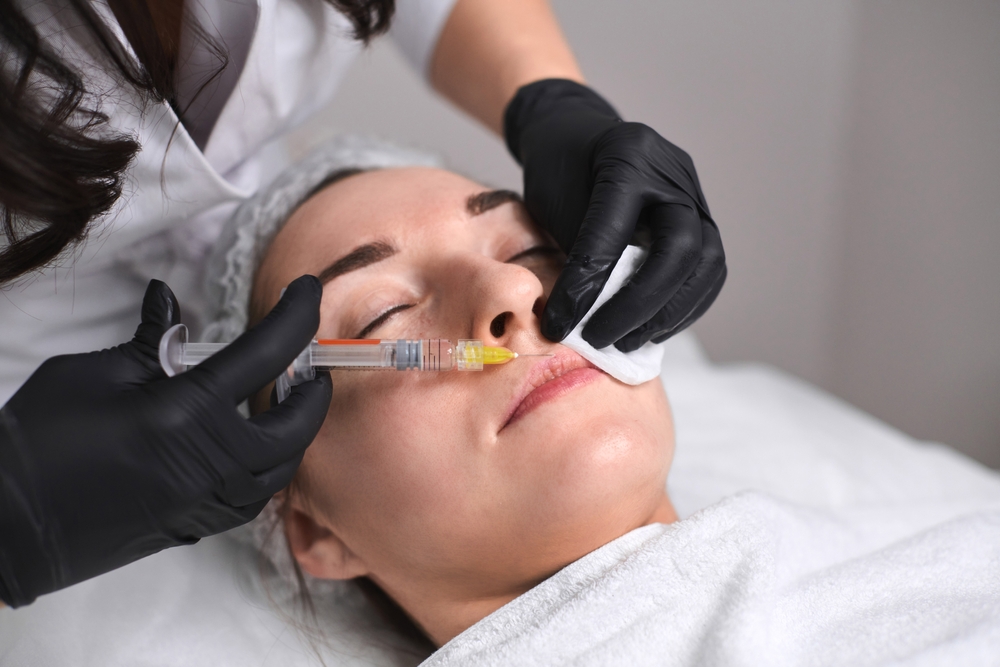
Lip anatomy directly affects the price. Thin lips may require more product. Asymmetrical lip structures may need additional filler for symmetry correction. Lips with volume loss demand more intensive volumization.
Clinics typically offer 0.5 ml and 1 ml syringe options. 0.5 ml applications aim for slight volumization. This option is more cost-effective. 1 ml applications provide moderate volume enhancement. The cost is higher. Some patients require 1.5 ml or 2 ml of product. These situations arise in patients aiming for significant volume increase. Lip contouring procedures also require additional product.
There are situations that require more product usage. Patients seeking noticeable volume increase receive more fillers. Lip contour enhancement procedures require additional injection points. Symmetry correction procedures necessitate injecting more product into asymmetrical areas. Each additional syringe increases the total cost.
Applied Amount | Goal | Estimated Duration | Cost Impact |
0.5 ml | Slight volume, natural appearance | 15-20 min | Low |
1 ml | Moderate volume, noticeable fullness | 20-30 min | Medium |
1.5 ml | Advanced volume, contouring | 30-40 min | High |
2 ml | Maximum volume, symmetry correction | 40-50 min | Very high |
Each patient comes with different expectations for lip aesthetics. Patients who desire a natural look achieve results with minimal product use. This creates lower-cost treatment plans. Patients who want noticeable volume and projection require additional products. The number of sessions increases. The total cost rises.
The personalized design approach affects pricing. The specialist physician analyzes facial ratios. They apply golden ratio assessments. The cupid's bow line, lip border line, and lip projection are measured. Combined aesthetic planning comes into play. Just lip fillers may be insufficient. The physician may recommend chin fillers, nasolabial fillers, or facial contouring. These combined plans increase the total cost. However, they provide more satisfying results in terms of facial integrity.
Raspaldo and colleagues emphasized the importance of a three-dimensional approach in natural rejuvenation results in their 2012 study. They stated that volume restoration in the perioral area should be evaluated within the integrity of facial aesthetics (Raspaldo et al. 2012).
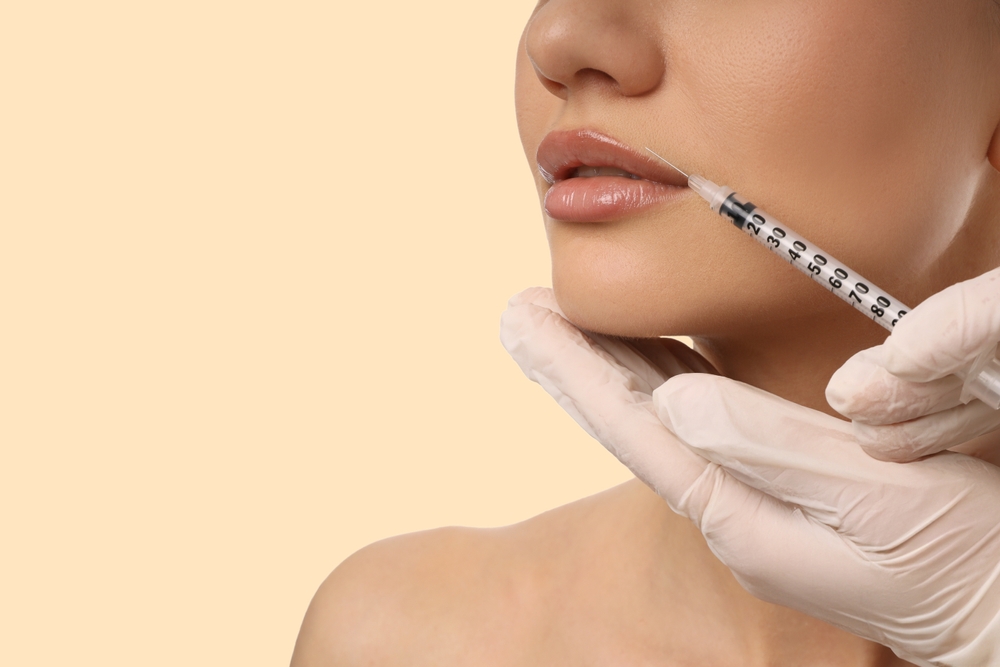
The level of expertise directly affects the results of lip fillers. Knowledge of anatomy ensures injection safety. The physician is well aware of the lip vessels, nerves, and muscle structure. Injection techniques determine the quality of results. An experienced physician injects at the correct depth, angle, and amounts. Complication management is vital. Although rare, vascular complications may arise. An experienced specialist recognizes and intervenes in this situation immediately.
Experienced practitioners charge higher fees. This is because their success rates are higher. The quality of aesthetic results is top-notch. Patient satisfaction increases. The need for revision decreases. Low-cost procedures carry potential risks. Unsatisfactory results may occur. The need for revision incurs additional costs. In fact, the correction process can sometimes be more challenging than the initial procedure.
Côté and Cartier examined hyaluronic acid filler products in 2012. They demonstrated that the experience of the practitioner directly affects complication rates and patient satisfaction. They proved that fillers applied by expert hands have better aesthetic and safety outcomes (Côté and Cartier 2012).
Low prices seem attractive. However, it is necessary to question the reasons behind this price. Cheap filler products may be used. The safety profile of these products is uncertain. Poor-quality products carry a risk of infection. The likelihood of granuloma formation increases. Asymmetric distribution and lumping may be observed. Unauthorized practitioners may perform the procedure. These individuals lack knowledge of anatomy. Serious complications may arise. There is a risk of tissue necrosis, blindness, or permanent damage. Revision procedures incur additional costs. The correction process can be long and arduous. Patient psychology may also be negatively affected.
The city where the clinic is located affects the price. In large cities, rental costs are higher. Personnel costs increase. High demand drives prices up. In smaller cities, operating costs are lower. This allows for more affordable prices.
The prestige and equipment of the clinic determine the cost. It requires investment in technological infrastructure. Laser devices, ultrasound imaging systems, and digital planning tools affect the price. Patient experience is important. Comfortable waiting areas, sterile operating rooms, and modern equipment create costs. Accreditation and quality standards bring additional expenses. International quality certifications require auditing processes. These processes are reflected in the price.
Medical tourism reveals price differences worldwide. Turkey offers competitive prices in aesthetic medicine. The same procedures are much more expensive in European countries and the United States. There are reasons for this difference. Operating costs are lower in Turkey. Physician fees are structured differently. Material costs are similar. However, the total cost differs. Clinics in Turkey accept a high volume of patients. This reduces the unit cost. The quality of service is at a high level. Modern clinics meet international standards. Experienced physicians are involved. Therefore, Turkey is one of the leading destinations in medical aesthetic tourism.
Country | Average Cost Level | Service Quality | Medical Tourism Potential |
Turkey | Medium-affordable | High | Very high |
Germany | High | High | Medium |
United Kingdom | Very High | High | Low |
United States | Very High | High | Low |
Cyprus | Medium | Medium-High | High |
Standard lip filler applications involve basic volumizing procedures. The physician injects the product into the body of the lip. This process is quick. It requires less technical precision. Advanced lip shaping techniques are more complex. The Russian lip technique uses vertical injections. This technique increases lip height. Lip contouring procedures require specific injections to the border line. Designing the cupid's bow requires meticulous work. The physician carefully shapes the upper lip curve.
As technical difficulty increases, costs rise. The duration of the procedure extends. The need for expertise increases. The need for precise application requires more concentration. The physician dedicates more time to these procedures. More planning is done. More expensive products may be chosen. Finer needles and specialized injection tools may be used.
Beer emphasized in a 2016 article that lip aesthetics is not just about volume. He proved that defining the lip border and redefining the lip structure yield more aesthetic results (Beer 2016).
Advanced techniques test the artistic ability of the physician. The physician works with micro details in lip aesthetics. Every millimeter matters. The measurement and planning process for lip symmetry takes longer. A detailed consultation with the patient is conducted. Continuous assessment occurs during the procedure. Additional time is allocated for result optimization. These techniques carry a higher risk of product waste. Because small corrections are made in precise procedures. The amount of filler may increase. However, the result is much more natural and aesthetic.
The initial treatment cost includes the consultation and planning process. The physician examines the lip structure. Takes photographs. Creates a treatment plan. This preparation phase requires time and effort. In the first session, the physician performs the main volumization.
Control and touch-up applications may constitute a separate cost item. Some clinics include touch-ups in the initial price. Some clinics charge an additional fee. Symmetry corrections are made during the touch-up session. Small additions are made for result optimization. The patient and the physician evaluate the result together.
Long-term maintenance costs vary according to the duration of permanence. Hyaluronic acid fillers are gradually absorbed by the body. Therefore, repeat applications are necessary. A filler that is repeated every six months incurs a cost twice a year. A filler that lasts twelve months incurs a cost once a year. The patient should take this repetition frequency into account when calculating the annual total cost.
De Boulle and colleagues studied the metabolism of hyaluronic acid filler products in 2013. They demonstrated that cross-link density alters the absorption rate and thus affects the frequency of repeat applications (De Boulle et al. 2013).
When calculating the annual cost, the patient considers several factors. They learn the duration of the filler product's permanence. Determine the frequency of repeat applications. Calculate the unit cost of each session. The annual total cost is calculated as follows: Unit cost divided by permanence duration (months) multiplied by 12. For example, if a filler costing 6,000 TL lasts for 12 months, the monthly cost is 500 TL. If a filler costing 3,000 TL lasts for 6 months, the monthly cost is again 500 TL. However, more frequent clinical visits mean more time loss and greater risk of procedures.
Consultation fees are charged separately at some centers. The initial examination fee can range from 200-500 TL. Anesthetic creams and auxiliary products incur costs. Local anesthesia injections may be subject to additional charges. Post-procedure care products are recommended. Lip moisturizers, special care creams, and sunscreens add extra expenses.
Follow-up appointments and control examinations are also part of the cost. Some centers offer the first control for free. However, the second or third control may be chargeable. If a revision is needed, this procedure carries additional costs. The patient should ask about all these hidden costs in advance. This way, they can plan their budget accurately.
Additional Service | Cost Status | Note |
Initial consultation | Free or paid | Varies by clinic |
Anesthetic cream | Usually included | Rarely an extra charge |
Post-procedure care kit | Extra charge | Recommended products |
1st follow-up appointment | Usually included | 1-2 weeks later |
Revision / touch-up | Partially included or extra charge | According to clinic policy |
The cheapest option is not always the best option. There is a direct relationship between safety, quality, and results. Cheap filler products may come from unknown sources. Poor-quality products can lead to serious complications. Unauthorized practitioners lack anatomical knowledge. This increases the risk of permanent damage. Revision procedures can significantly increase the total cost.
It offers a value-based treatment approach. Patients should not only question the price but also ask what they are getting. Which filler brand is being used? What expertise does the physician have? What standards does the clinic adhere to? What do the follow-up services include? The answers to these questions reveal the true value. Alongside price, safety, aesthetic result quality, and patient experience should be evaluated.
Fagien and Bernardin examined the correlation between the rheological properties of hyaluronic acid-based filler products and clinical outcomes in 2019. They proved that product quality directly affects aesthetic results and thus, cost is an indicator of quality (Fagien and Bernardin 2019).
Patients should ask clear questions when receiving a price quote. Which filler brand will be used? This question reveals product quality. How many ml of product will be applied? This question clarifies the total cost. Are follow-up appointments included in the price? This question uncovers hidden costs. Who will perform the procedure? This question indicates the level of expertise. How will potential revisions be charged? This question highlights the risk of additional costs.
The answers to these questions clarify patient expectations. A transparent communication is established between the doctor and the patient. The treatment plan is created accordingly. Thus, surprise costs do not arise. The patient plans their budget accurately. The sense of security increases.
The brand and quality of the filler material have the highest impact on the price. The amount used comes in second. The experience of the doctor ranks third. These three factors account for eighty percent of the total cost.
Yes. Generally, more expensive products have a denser cross-link structure. This structure prolongs the absorption time. However, this is not always the case. Some standard products also offer good longevity. Doctor recommendations and product characteristics should be evaluated together.
No. A 1 ml application is not suitable for every patient. In patients with thin lip structures, 1 ml can create excessive volume. For patients wanting a natural look, 0.5 ml may be sufficient. The doctor evaluates the lip anatomy and recommends the appropriate amount.
Absolutely yes. An experienced doctor performs a safer procedure. They provide more aesthetic results. They reduce the risk of complications. They eliminate the need for revisions. In the long run, they lower the total cost. Safety and aesthetic results justify the price difference.
The patient determines the unit session cost. They learn the average longevity of the filler product. They calculate the annual number of repetitions. The formula unit cost multiplied by the annual number of repetitions gives the annual total cost. Additional services and touch-ups are also included in this calculation.
Pavicic and Cotofana studied facial anatomy and aging processes in 2021. They emphasized the complex anatomical structure of the lip area. They stated that this complex structure should only be safely intervened by experienced doctors (Pavicic and Cotofana 2021).
Lip filler prices are not dependent on a single factor. Product quality, practitioner experience, the amount used, and patient expectations collectively determine the cost. The brand and quality of hyaluronic acid-based filler products form the basis of the price. The amount used directly affects the total cost. Doctor experience guarantees the quality of safety and aesthetic results. Clinical standards and geographical location explain price differences. Injection techniques and treatment complexity increase the fee. Additional services and hidden costs affect the overall budget.
For safe and successful results, patients should not only look at the price. Quality, expertise, and patient safety should also be evaluated. The cheapest option may seem attractive in the short term but can carry higher costs and risks in the long term. A value-based approach is the most accurate path. The patient asks informed questions. The physician provides transparent answers. Together, they create a personalized treatment plan. This way, budget, aesthetic expectations, and safety are all maximized. Use this guide on your lip aesthetics journey. Rely on scientific data. Safely undergo your treatment in expert hands.
Beer, Kenneth R. "Redefining the Lip-Look: From Volume to Defined Borders." Journal of Drugs in , vol. 15, no. 9, 2016, pp. 1093-1098.
Côté, Stéphanie, and Hugues Cartier. "Hyaluronic Acid Fillers: A Review of the Literature." Journal of Cutaneous and Aesthetic Surgery, vol. 5, no. 4, 2012, pp. 233-239.
De Boulle, Koenraad, et al. "A Review of the Metabolism of 1,4-Butanediol Diglycidyl Ether-Crosslinked Hyaluronic Acid Dermal Fillers." Surgery, vol. 39, no. 12, 2013, pp. 1758-1766.
Fagien, Steven, and Michael C. Bernardin. "Correlation of Rheological Properties with Clinical Outcomes of Hyaluronic Acid-Based Dermal Fillers." Aesthetic Surgery Journal, vol. 39, no. 12, 2019, pp. 1341-1350.
Funt, David, and Tatjana Pavicic. "Dermal Fillers in Aesthetics: An Overview of Adverse Events and Treatment Approaches." Clinical, Cosmetic and Investigational , vol. 6, 2013, pp. 295-316.
Pavicic, Tatjana, and Sebastian Cotofana. "Anatomy of the Aging Face." Facial Plastic Surgery Clinics of North America, vol. 29, no. 3, 2021, pp. 279-287.
Raspaldo, Hervé, et al. "Global, 3-Dimensional Approach to Natural Rejuvenation: Part 1- Recommendations for Volume Restoration and the Perioral Area." Journal of Cosmetic , vol. 11, no. 4, 2012, pp. 279-289.