Preventive Botox: Is It Possible to Stop Wrinkles Before They Start?
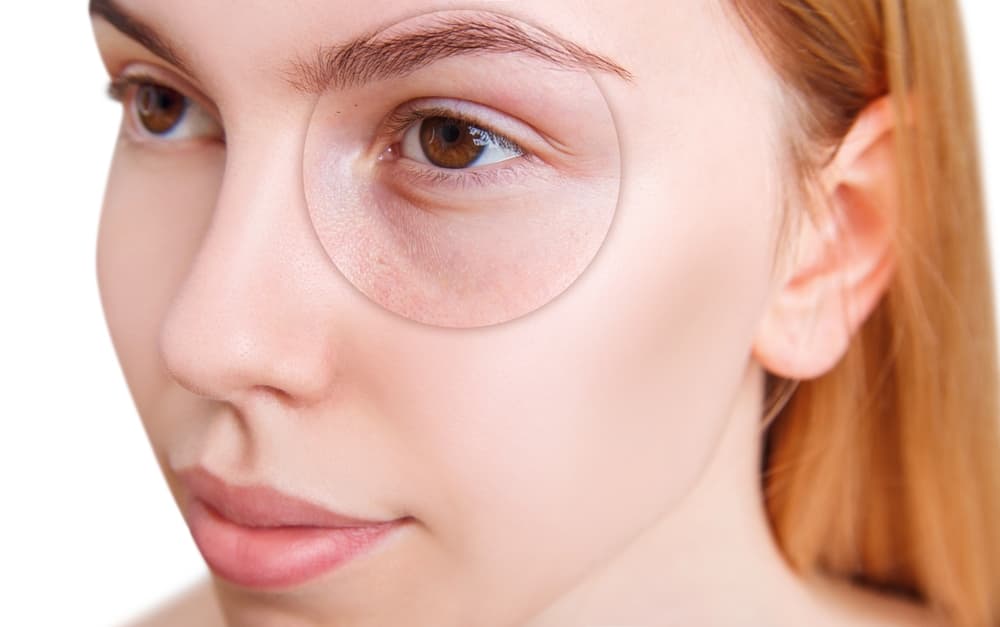
Is it possible to take action before the first signs of skin aging appear? Nowadays, more and more people are looking for ways to prevent wrinkles from deepening. This is where "preventive botox" comes into play, aiming to slow down the aging process with low-dose botulinum toxin injections administered before lines form. So how effective is this approach, who is it suitable for, and is it really safe? In this article, we will discuss in detail what preventive botox is, how it works, and its benefits and risks supported by scientific data.
What is preventive botox and how does it work?
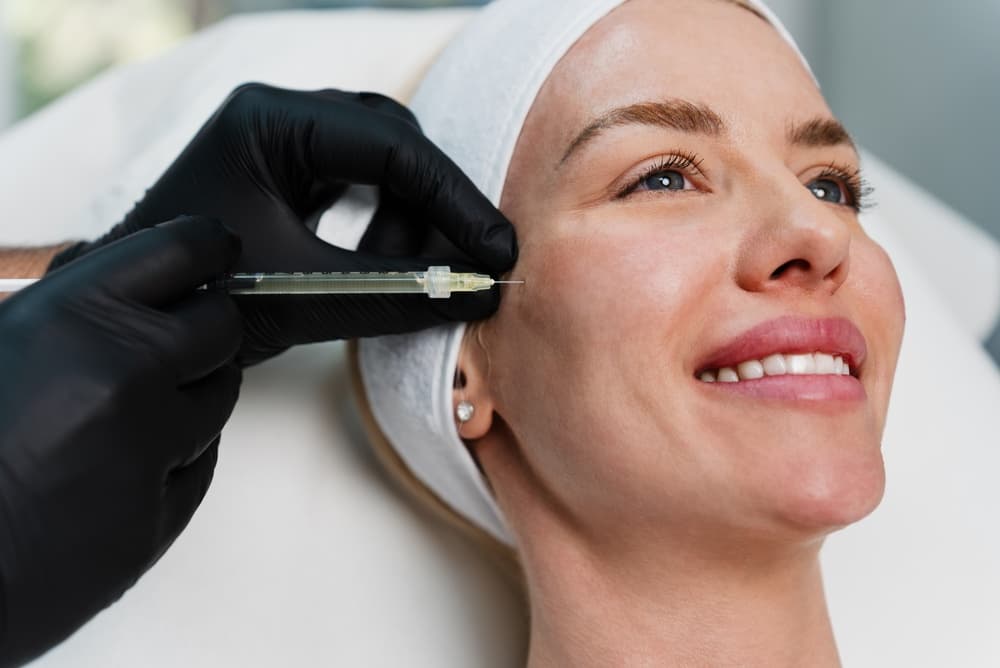
"Preventive botox" refers to low-dose botulinum toxin injections administered before expression lines settle in. The substance used is the same as standard Botox for aesthetic purposes. Botulinum toxin temporarily halts the signals that cause muscle contractions, thereby weakening the targeted muscles. This can prevent the formation of wrinkles related to facial expressions.
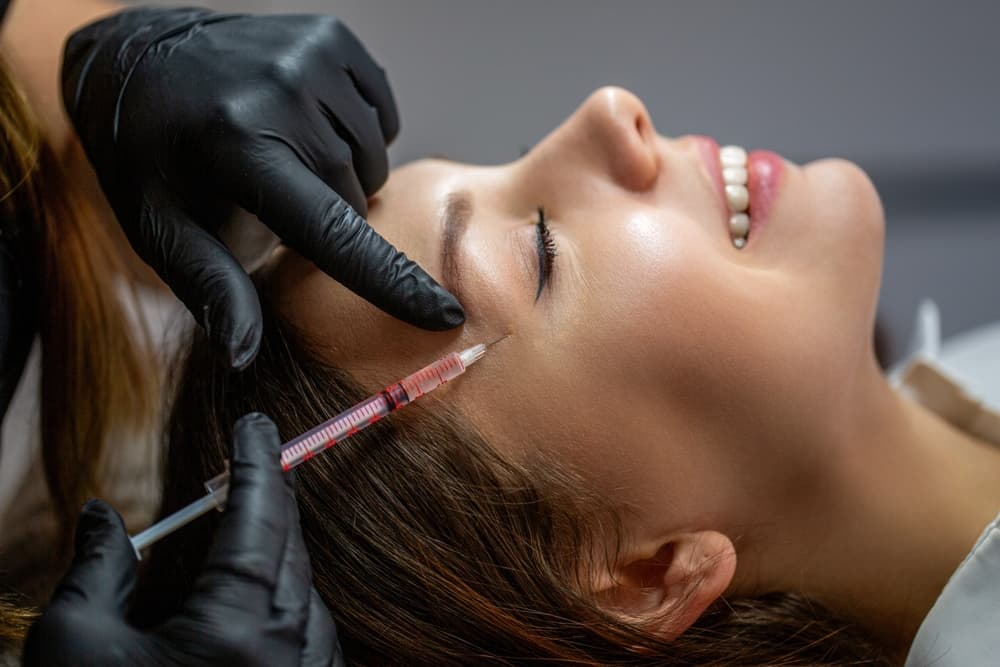
It is generally applied to prevent dynamic wrinkles in areas such as between the eyebrows, the forehead, and the corners of the eyes. Its effects are temporary, typically lasting 3-4 months. At the end of this period, the muscles regain function, and the lines may gradually return. Therefore, it needs to be repeated at regular intervals.
All botox applications technically have "preventive" properties because they prevent the establishment of wrinkles in the skin by reducing muscle movements. However, the term "preventive botox" usually refers to protective injections performed at younger ages and with lower doses.
At what age should it start, and what are its effects?
The starting age for preventive botox varies from person to person. Genetic predisposition, skin type, and expression habits are determining factors. It can generally be considered from the mid-20s when the first fine lines begin to appear.
While some experts advocate for botox to be done before lines form, others suggest intervening before the first lines become prominent. The common point is to intervene before they deepen. When established lines form, botox alone may not be sufficient; additional treatments such as fillers or lasers may be needed.
When applied regularly, it helps delay the establishment of expression lines, maintaining a smooth appearance of the skin. Compared to individuals in the same age group, less pronounced wrinkle formation can be observed. Additionally, long-term use may affect expression habits by causing some facial muscles to contract less.
What do scientific data say?
Long-term scientific studies on preventive botox are limited. Although experts at the Cleveland Clinic find it theoretically effective, they note that there is insufficient concrete and large-scale evidence. Many studies are based on short-term results.
However, observational studies and case reports are promising. For example, one study observed that an identical twin who received regular botox for 13 years had fewer wrinkles than their sibling who never had it done. This suggests that long-term applications may prevent line formation.
According to data from the American Society for Surgery, botox applications among individuals under 30 increased by 50% between 2012 and 2016. This indicates a growing interest in preventive botox among the younger population.
How is a personalized application done?
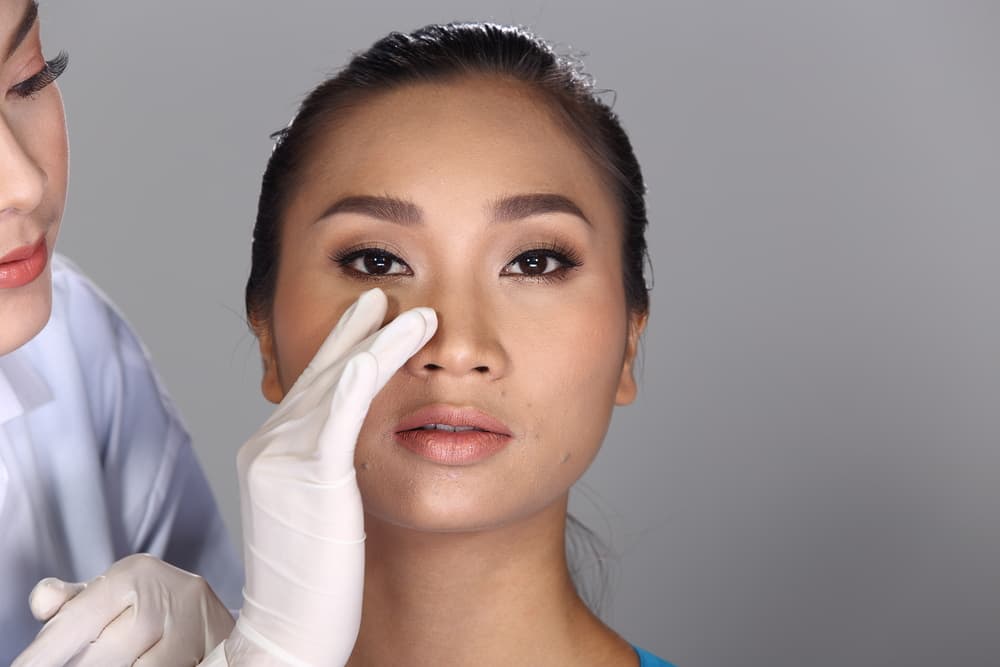
Preventive botox is a procedure that should be planned specifically for each individual. Each person's muscle strength, expression usage, and skin structure are different. Therefore, the dose and injection areas should be determined according to the individual.
In younger patients, lower doses are generally preferred. Areas such as the forehead, between the eyebrows, and around the eyes are frequently targeted. Some experts indicate that by applying small doses only to the lines between the eyebrows, they can prevent both the frowning appearance and forehead lines.
The treatment should be shaped according to muscle strength, expression habits, and patient expectations. If necessary, it can be combined with methods such as lasers or fillers.
Are there risks associated with early or frequent applications?
Preventive botox is generally safe. However, starting at a very young age or applying it too frequently can carry certain risks. These include:
- Unnecessary medical intervention and exaggerated aesthetic expectations
- Long-term muscle weakness (atrophy) due to high doses
- Temporary stiffness in facial expressions
- Rarely, the development of immunity to the toxin
In cases of muscle atrophy, muscle function gradually returns over time. Immune resistance is very rare and usually occurs as a result of high doses and frequent applications. Therefore, one should adhere to the principle of "less is more."
Does aging accelerate when botox is stopped?
When botox is stopped, the face does not suddenly age. Lines that did not form during treatment may appear over time once treatment is discontinued. However, this does not mean that aging has accelerated. Botox merely delays the signs of aging; the process continues.
Your skin returns to its natural aging process before starting botox. In fact, since no wrinkles formed during the botox treatment, the skin may be in better condition compared to others in the same age group.
How can the frozen face effect be prevented?
One of the most criticized effects of botox is the frozen facial expression. This usually occurs due to high doses or incorrect injection techniques. To prevent this:
- Doses should be kept low
- Should only be applied to necessary muscles
- Micro-dose techniques should be used
- The application should be personalized
Choosing the right physician and scheduling follow-up appointments after treatment reduces this risk. The goal is to prevent fine lines while preserving natural expressions.
Conclusion
Preventive botox can be an effective method to slow down wrinkle formation when applied at the right time and by expert hands. Those who start at a young age may require less intervention. However, this method does not completely stop aging; it merely delays certain effects.
The application should be performed consciously, with realistic expectations. Botox yields the best results when combined with healthy living, sun protection, and skincare habits. It should be remembered that botox is just a tool; it is not the sole key to a youthful appearance.