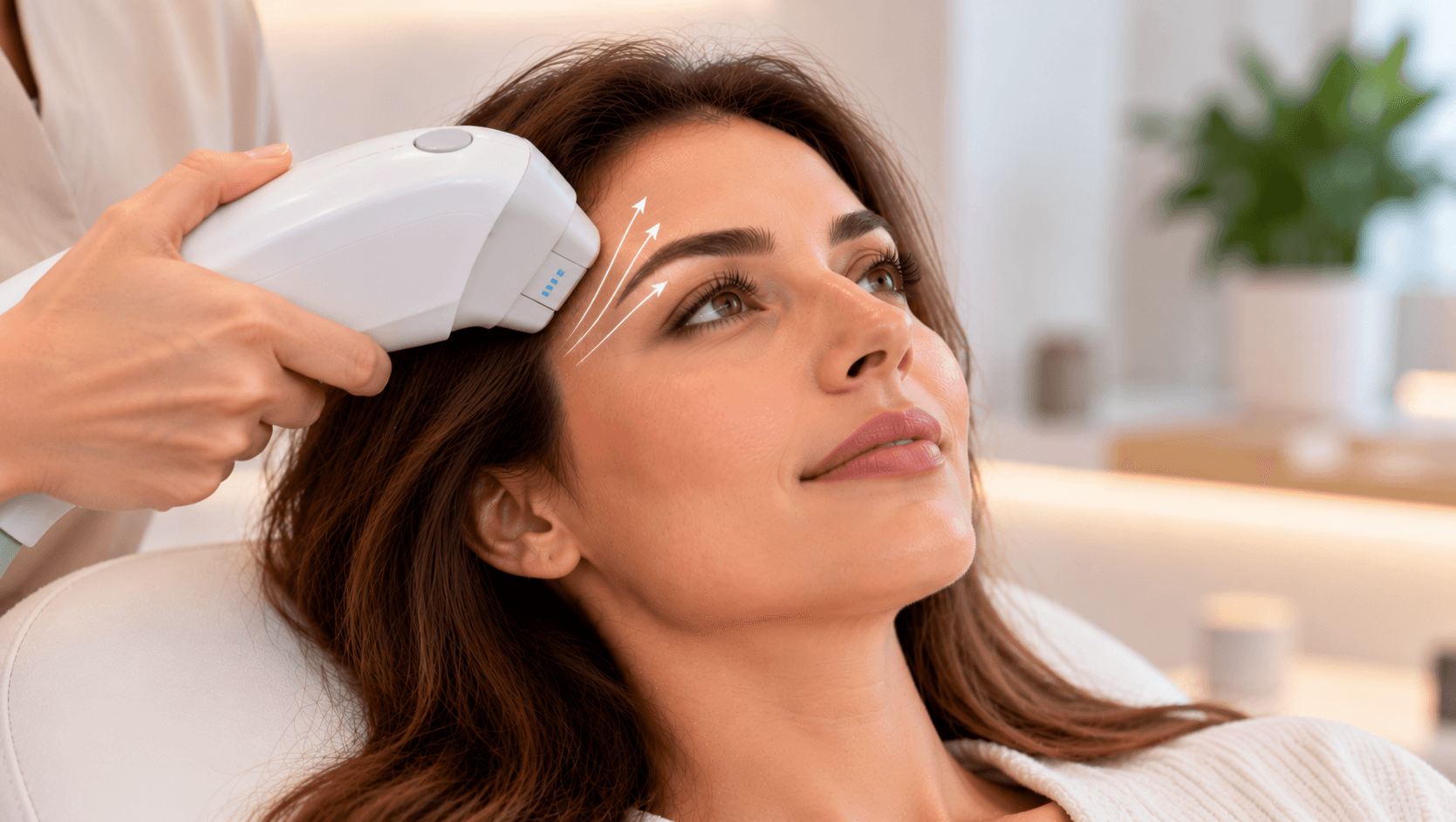
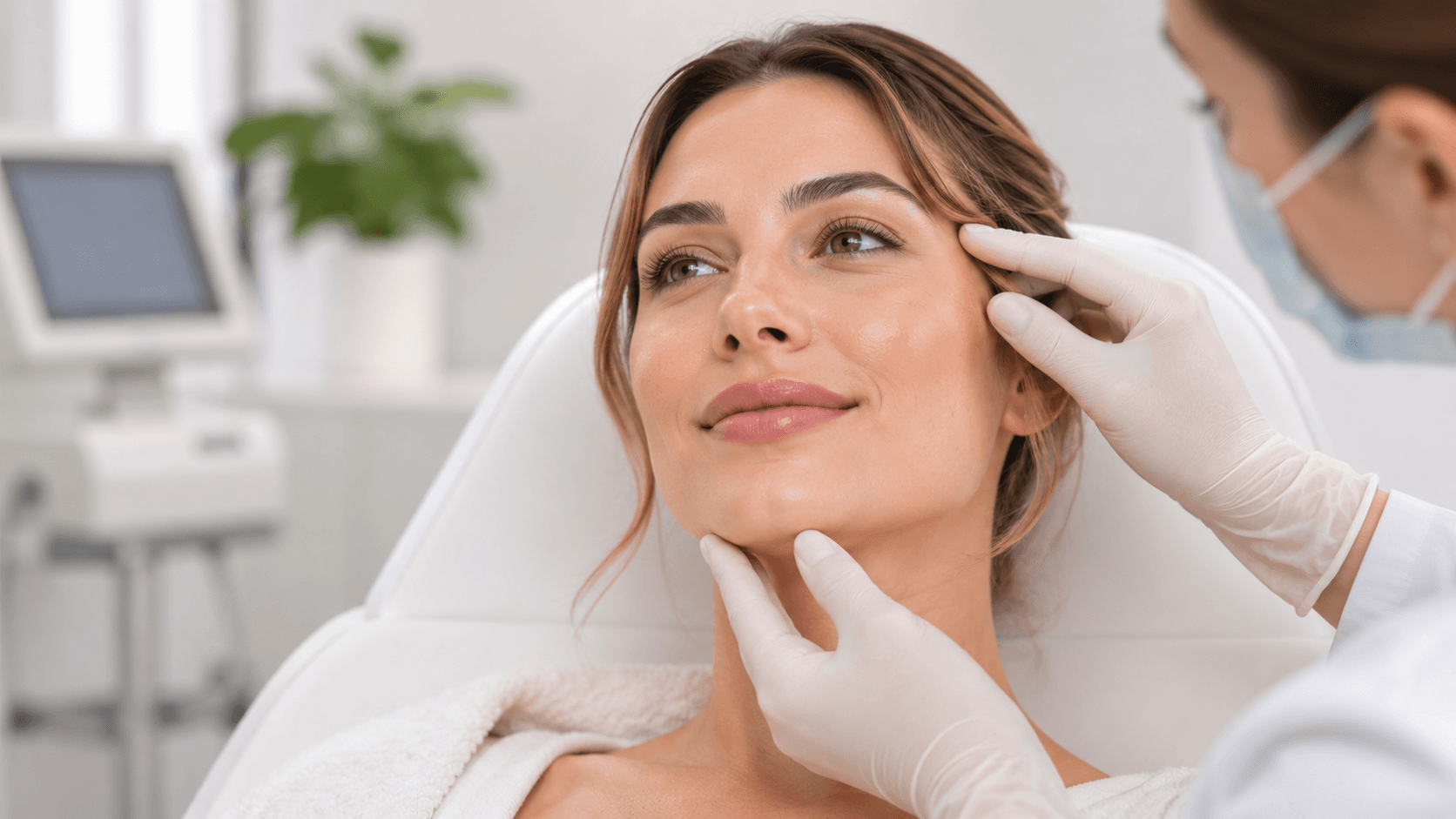
Can Ulthera and dermal fillers be performed together?
Yes, in suitable patients, Ulthera and dermal fillers can be administered together as part of the same aesthetic treatment plan. Clinical studies show that microfocused ultrasound and filler injections can be safely combined in the same patient (Casabona and Michalany 2014). However, a specialist should always determine the order and timing of the procedures.
These two treatments target two distinct signs of facial aging. Ulthera tightens the skin and lifts sagging tissues. Dermal fillers restore lost facial volume and support the contours. In most people, the aging process causes both issues at the same time. The skin becomes lax, supporting tissues weaken, and the fat pads of the face diminish. For this reason, combination treatment plans skin tightening and volume restoration within a single framework.
Physicians use the combination in two ways. In the first approach, both procedures are performed on the same day. In the second, the sessions are scheduled on different days with a waiting period between treatments. The appropriate approach depends on the facial anatomy, treatment areas, filler material used, and the patient’s skin structure. Therefore, the treatment sequence and intervals require a personalized assessment (Sundaram et al. 2016).
How Does Ulthera Tighten the Skin and Provide a Lifting Effect?
Ulthera delivers microfocused ultrasound energy to specific depths of the skin. The energy creates controlled thermal points in the target tissue. These points stimulate new collagen production, and the skin gradually tightens over time (White et al. 2007).
The device focuses ultrasound waves on the deeper layers without cutting the skin’s surface. Thanks to its imaging capability, the physician can see on the screen which tissue layer is being targeted before delivering the energy. The energy creates thermal points of approximately 60 to 70 degrees Celsius in the deeper layers of the dermis and in the superficial muscular aponeurotic system that forms the supporting tissue of the face. This heat affects only millimetric areas without damaging the surrounding tissue (Laubach et al. 2008).
The thermal points initiate a natural repair response in the tissue. Fibroblast cells become activated and produce new collagen fibers. Existing collagen fibers contract and remodel. Scientists describe this process as collagen remodeling. Clinical studies confirm measurable tightening of the facial and neck skin after a single session (Alam et al. 2010).
Physicians use Ulthera particularly for three concerns: skin laxity, reduced definition of the jawline, and sagging in the neck area. Studies conducted on Asian skin have also reported similar tightening results (Suh et al. 2011). Ulthera does not add volume. The sole aim of the treatment is to tighten lax tissue and provide upward support to the facial contours.
How Do Dermal Fillers Restore Facial Volume?
Dermal fillers are gel-like substances injected into areas that have experienced volume loss. These substances support collapsed tissue from beneath and reshape the facial contours (Sundaram and Cassuto 2013).
Today, the most widely used group of fillers consists of hyaluronic acid-based products. Hyaluronic acid is a molecule naturally found in human skin with a high water-retention capacity. Its laboratory-produced forms bind water after being placed in the skin and add volume to the area where they are injected. One of the most important characteristics of these fillers is that they are reversible. When necessary, the physician can dissolve the filler using the enzyme hyaluronidase.
Each facial area has a different purpose when it comes to filler treatment. Cheek fillers restore the lift of the midface. Temple fillers balance hollowing in the upper face. Chin fillers enhance the contour of the lower face. Lip fillers compensate for loss of volume and definition. For each area, the physician selects a product with a different density and flowability (Sundaram and Cassuto 2013).
Dermal fillers differ from skin-tightening devices in one fundamental respect. Fillers create volume and contour, but they do not tighten lax tissue. This distinction explains why the two treatments are not competitors but complementary procedures. Understanding this complementary relationship also reveals the rationale behind combined treatment.
Which Aesthetic Concerns Do Ulthera and Dermal Fillers Target Together?
Combined treatment addresses skin laxity and facial volume loss in the same person. Ulthera lifts sagging tissue, while fillers restore lost volume.
Facial aging does not progress through a single mechanism. The skin loses elasticity, the fat pads of the face shrink, and bony support diminishes. These changes occur during the same period in most patients. Patients seek treatment with concerns about both sagging and hollowing. A treatment using a single method corrects only one aspect of this overall picture.
The lower face provides the clearest example of this combination. Definition of the jawline decreases due to both skin laxity and a lack of volume in the chin. Ulthera tightens the lax tissue, while filler supports chin projection. The same applies to the cheeks. When cheek volume decreases, the skin shifts downward, creating a lax appearance.
Multiple anatomical factors contribute to a tired and aged facial appearance. Combined treatment addresses these factors within a single plan. The two procedures do not repeat the same function. Each addresses a different aesthetic need (Casabona and Michalany 2014).
What Is the Difference Between Ulthera’s Lifting Effect and the Volume-Enhancing Effect of Fillers?
Ulthera tightens the skin and supportive tissues, while dermal fillers compensate for volume loss. The two procedures work at different anatomical layers and through different mechanisms.
It is important to distinguish the concepts of lifting and adding volume. Lifting means moving existing tissue upward and tightening it. Adding volume, on the other hand, means placing a material where tissue has been lost. In a building with a sagging roof, repairing the roof is similar to lifting, while refilling the vacant floor is similar to adding volume.
This distinction directly influences treatment selection. In a patient with significant facial sagging, tightening is the priority. In a patient with hollowing cheeks but taut skin, volume restoration is the priority. For a patient presenting with both findings, the physician plans both treatments together (Fabi and Goldman 2014).
Feature | Ulthera | Dermal Fillers |
Primary goal | Skin tightening and lifting | Volume restoration and contouring |
Mechanism of action | Thermal effect through microfocused ultrasound | Placement of material through injection |
Target tissue | Deep dermis and supporting tissue | Fat pads and supraperiosteal planes |
Onset of results | Gradually over weeks and months | Early after the procedure |
Most common treatment areas | Lower face, jawline, neck | Cheeks, temples, chin, lips |
Should Ulthera or Dermal Fillers Be Performed First?
In combination treatments, physicians generally plan Ulthera before filler injections. International expert consensus recommends applying energy-based devices before injection procedures (Sundaram et al. 2016).
There is a practical reason for this sequence. When Ulthera is performed first, the physician evaluates the tissue without filler or edema. The true degree of skin laxity can be assessed clearly. After the lifting effect has been achieved, the need for volume is reassessed. This helps prevent the unnecessary use of fillers.
The situation is different for patients who have previously had fillers. In areas containing filler, it may be necessary to readjust the depth and intensity of the ultrasound energy. Therefore, the order of priority varies according to facial anatomy, the type of filler, the treatment area, and the clinical evaluation. Rather than following a fixed rule, an individualized plan is essential (Sundaram et al. 2016).
Can Ulthera and Dermal Fillers Be Performed on the Same Day?
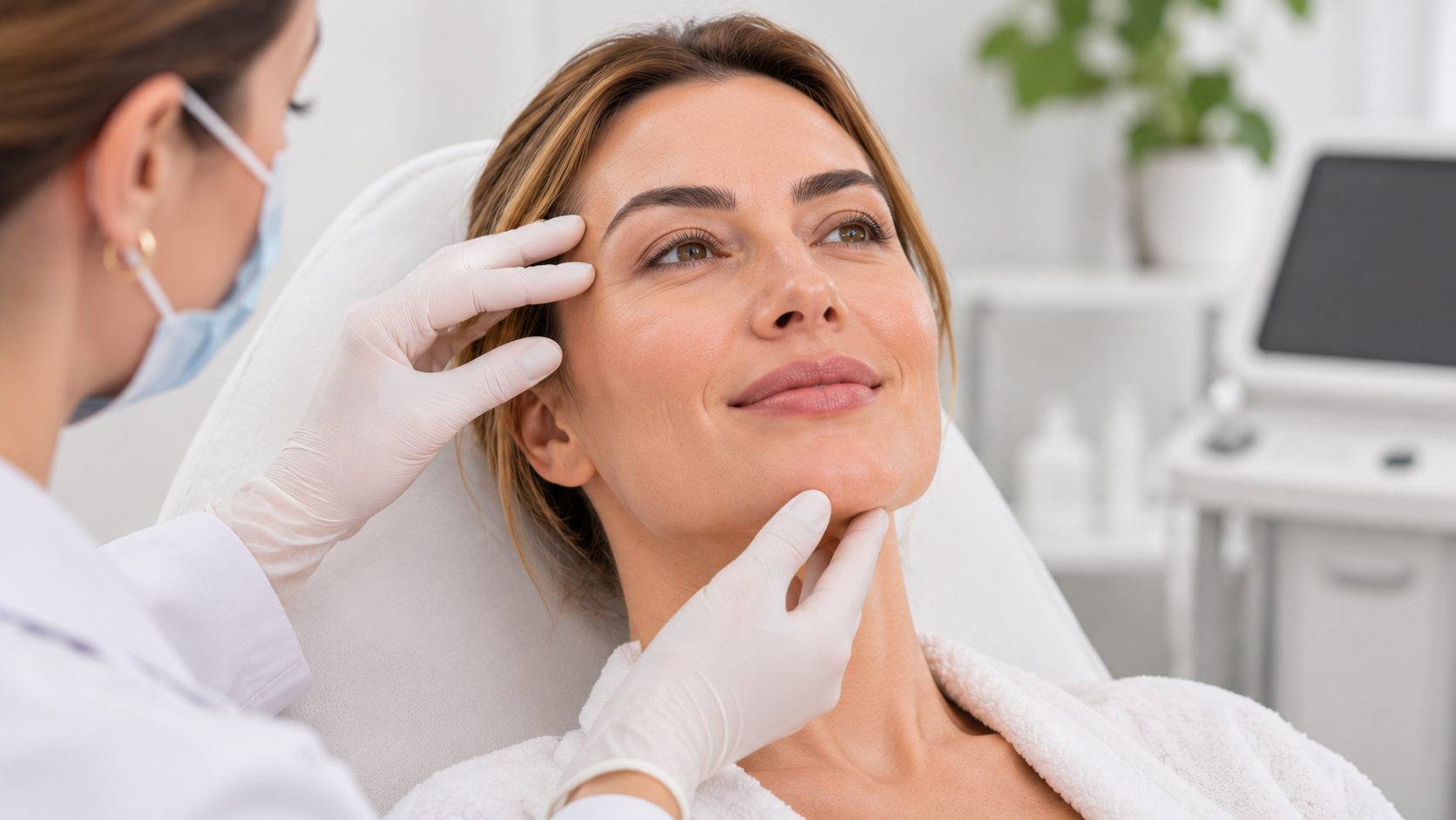
Yes, both procedures can be performed on the same day in some patients. In this case, the physician performs Ulthera first, followed by filler injections.
The decision to perform them on the same day depends on three criteria. The physician evaluates whether the treatment areas overlap, the condition of the skin that day, and the goals of the treatment. If the areas are separate, performing both treatments on the same day is easier. If both procedures are performed on the same area, the tissue response is monitored more carefully.
Both approaches have their own specific advantages. The table below compares the two options:
Comparison criterion | Same-day treatment | Separate sessions |
Number of appointments | One visit | Two or more visits |
Recovery process | Temporary reactions occur during the same period | The response to each treatment is monitored separately |
Assessment of results | The effects of the two treatments may overlap | Each result is measured separately |
Planning flexibility | More limited | The amount of filler becomes clear after the lifting treatment |
Temporary reactions such as swelling and tenderness may affect the treatment plan. Significant edema makes filler assessment more difficult. Therefore, the specialist who performs the treatment must make the final decision regarding treatment on the same day (Fabi and Goldman 2014).
How Long Should You Wait Between Ulthera and Dermal Fillers?
There is no fixed waiting period that applies to everyone between the two treatments. The timing is determined individually based on the treatment areas, the filler material, and the skin’s healing rate (Sundaram et al. 2016).
It is not clinically accurate to reduce the waiting period to a single number. Every patient’s tissue response is different. In some patients, post-procedure swelling subsides within a few days, while in others, it may last longer. Assessing the filler before the swelling has completely subsided may lead to misleading results. Similarly, applying ultrasound too soon after filler treatment can make it difficult to evaluate the material’s placement.
Timing becomes particularly important in areas where fillers have previously been administered. The physician will not schedule an ultrasound session without determining when the filler was injected and which layer it was placed in. Allowing sufficient time between treatments provides an important advantage for clinical assessment. The physician can see the actual result of the first treatment and plan the next step accordingly.
Does Ulthera Affect Existing Dermal Fillers?
Current scientific evidence suggests that a properly planned Ulthera treatment does not have a significant adverse effect on existing fillers. However, the evidence is limited, and each case requires individual assessment (Casabona and Michalany 2014).
Ultrasound energy generates heat in the tissue it contacts. Since filler material is also located within tissue, the effect of this heat on fillers has been investigated as a scientific question. In their studies combining fillers and microfocused ultrasound, Casabona and Michalany (2014) reported no adverse interaction and even demonstrated histologically that the combination increased collagen production.
Nevertheless, careful planning is essential. The physician must ask about the type of filler, the layer in which it was placed, and the date of application. A filler placed in a deep layer is not exposed to the same heat as a superficial filler. Therefore, individuals who have previously received fillers should share their complete treatment history with their physician before treatment. Sharing this information is the first step toward safe planning.
What Are the Advantages of Combining Ulthera and Dermal Fillers?
The primary advantage of the combination is that different signs of aging are addressed through separate mechanisms within a single treatment plan. The result is a more balanced and comprehensive facial rejuvenation (Casabona and Michalany 2014).
The first advantage is the complementary effect. Skin laxity is addressed with ultrasound, while volume loss is treated with fillers. The second advantage is a more defined facial contour. The lifting effect tightens the jawline, while fillers provide underlying support. The third advantage is comprehensive planning. The physician evaluates multiple signs of aging in a single assessment and structures the treatment sequence accordingly.
The fourth advantage is personalization. Since every patient’s facial anatomy is different, the treatment areas also vary from person to person. The fifth advantage is balance. A treatment focused solely on increasing volume may make the face look puffy, while a treatment focused only on tightening may leave volume deficiencies unaddressed. A combined approach avoids both extremes. Nevertheless, results depend on skin structure, signs of aging, application technique, and the treatment plan. No combination can promise the same result for everyone.
Who Is a Suitable Candidate for a Combination of Ulthera and Dermal Fillers?
People with mild to moderate skin laxity who also experience volume loss in specific areas of the face are the most suitable candidates for combination treatment.
An appropriate candidate profile consists of several factors. The individual should need both lifting and volume enhancement. Their general health should be suitable for the procedures, and their skin should be able to tolerate the treatment. It is also important for the candidate to have realistic expectations. A patient expecting a surgical-level transformation may be disappointed with nonsurgical methods (Alam et al. 2010).
During the evaluation, the physician assesses skin laxity, loss of fatty tissue, and facial anatomy together. This assessment may reveal that some individuals are better suited to a single treatment rather than a combination. For example, surgical options may be more appropriate for a patient with advanced sagging. Combination treatment is not suitable for everyone, and selecting the right patient accounts for half of the success (Fabi and Goldman 2014).
What Are the Risks of Combining Ulthera and Dermal Fillers?
Both procedures have their own specific side effects. These side effects are usually temporary, but the rare and serious complications associated with dermal fillers should also be understood (Beleznay et al. 2015).
Temporary redness, tenderness, swelling, and discomfort in the treatment area may occur after Ulthera treatment. These symptoms usually resolve spontaneously within a few days. After dermal filler treatment, swelling, bruising, and reactions at the injection site are more common. These reactions are also generally short-lived.
A rare but serious complication of dermal filler injections is accidental injection into a blood vessel. This can lead to vascular occlusion, impaired circulation in the skin, and, very rarely, vision loss (Beleznay et al. 2015). International consensus reports emphasize that this risk can be minimized through an experienced practitioner, proper technique, and thorough anatomical knowledge (Signorini et al. 2016).
Planning the two treatments together introduces an additional consideration. When two procedures are performed during the same period, it may be difficult to determine which treatment is responsible for post-procedure symptoms. Therefore, the treatment areas, dosages, and order of treatment must be planned meticulously. Combination treatment should always be performed by experienced and qualified healthcare professionals (Signorini et al. 2016).
How Does the Recovery Process Progress After Combined Ulthera and Dermal Filler Treatment?
Recovery is generally quick, and patients return to their daily lives on the same day. Swelling during the first few days is temporary and does not reflect the final result.
After Ulthera, patients can resume their normal activities immediately after the procedure. Mild redness and sensitivity are more noticeable during the first few hours. With dermal fillers, swelling and bruising may occur at the injection sites and last for several days. When both procedures are performed on the same day, these temporary effects occur during the same period.
Patience is important during the recovery process. The true appearance of the filler result can be assessed after the swelling subsides. Since Ulthera’s effect depends on collagen remodeling, it develops over several weeks (Alam et al. 2010). Following the aftercare instructions provided by the physician supports recovery. Follow-up appointments play a critical role in accurately evaluating the results and planning minor adjustments if necessary.
When Are the Results of Ulthera and Dermal Fillers Visible?
Filler results are noticeable immediately after the procedure, while Ulthera results develop gradually over a period of two to six months (Alam et al. 2010).
The timelines of the two treatments differ. Hyaluronic acid fillers provide an immediate volumizing effect, but the true result becomes clear after the swelling subsides. Ulthera, on the other hand, initiates a process that stimulates collagen production. This biological process takes several weeks, and the most noticeable tightening generally emerges after the second month (Fabi and Goldman 2014).
Treatment | First noticeable effect | When the result settles |
Dermal fillers | Day of the procedure | After the swelling subsides, generally within 1 to 2 weeks |
Ulthera | Begins within 2 to 4 weeks | Gradual development over 2 to 6 months |
The strength of the results varies depending on the patient’s anatomy, the materials used, and the application technique. Follow-up examinations are highly important for long-term evaluation. During follow-up appointments, the physician assesses the effects of both treatments separately.
How Are Ulthera and Dermal Filler Treatments Individually Planned?
Planning begins with a comprehensive analysis of facial anatomy and the signs of aging. Based on this analysis, the physician determines the treatment sequence, session intervals, and treatment intensity.
The first step in planning is a detailed facial analysis. The physician evaluates skin laxity, facial volume, fat distribution, and loss of contour separately. The patient’s aesthetic treatment history is then reviewed. The type, date, and area of any previous fillers are recorded. This information enables the safe mapping of ultrasound treatment areas and filler injection sites.
Good planning is also measured planning. The path to natural-looking results lies in avoiding excessive treatment. At each session, the physician uses only the amount of energy and filler necessary. As results emerge, the treatment plan is reviewed and revised when needed (Sundaram et al. 2016).
Frequently Asked Questions About Ulthera and Dermal Fillers
Can Ulthera and dermal fillers be performed together?
Yes. In suitable patients, the two treatments can be combined within the same aesthetic plan. The specialist determines the sequence and timing based on an individualized assessment (Casabona and Michalany 2014).
Should Ulthera or fillers be performed first?
Consensus recommendations support planning energy-based treatments before filler injections (Sundaram et al. 2016). However, the plan may vary for patients who have previously received fillers.
Can Ulthera be performed on someone who has previously had fillers?
Yes, previous filler treatment is not an absolute contraindication to Ulthera. The physician plans the treatment after evaluating the filler’s location, type, and application date.
Do Ulthera and fillers provide better results when performed together?
The combination may provide a more comprehensive result by targeting different signs of aging at the same time. However, no physician can guarantee that combining the treatments will automatically produce better results.
Can Ulthera replace dermal fillers?
No. Ulthera tightens the skin and provides a lifting effect, while fillers restore volume. The two treatments are not direct alternatives to one another.
How long should you wait between Ulthera and fillers?
The waiting period is not fixed. It is determined according to the treatment areas, treatment plan, and clinical evaluation. In some cases, both treatments may be performed on the same day.
Can Combining Ulthera and Dermal Fillers Offer a More Comprehensive Approach to Facial Rejuvenation?
Yes, with proper patient selection and planning, the combination can offer a more comprehensive approach to facial rejuvenation. The two treatments function as complementary procedures that address different aesthetic needs.
Ulthera tightens the skin and provides upward support to the tissue. Dermal fillers compensate for volume loss and enhance facial contours. When these two effects are combined, they create balanced rejuvenation that cannot be achieved with a single method. The scientific literature contains clinical and histological evidence supporting this complementary relationship (Casabona and Michalany 2014).
The success of the combination depends on three conditions: appropriate patient selection, the correct treatment sequence, and personalized planning. Expert assessment plays a fundamental role in achieving natural and balanced results. Treatment decisions should always be made by an experienced physician who performs a facial analysis.
References
Alam, Murad, et al. "Ultrasound Tightening of Facial and Neck Skin: A Rater-Blinded Prospective Cohort Study." Journal of the American Academy of , vol. 62, no. 2, 2010, pp. 262-269.
Beleznay, Katie, et al. "Avoiding and Treating Blindness from Fillers: A Review of the World Literature." Surgery, vol. 41, no. 10, 2015, pp. 1097-1117.
Casabona, Gabriela, and Natália Michalany. "Microfocused Ultrasound with Visualization and Fillers for Increased Neocollagenesis: Clinical and Histological Evaluation." Surgery, vol. 40, supplement 12, 2014, pp. S194-S198.
Fabi, Sabrina Guillen, and Mitchel P. Goldman. "Retrospective Evaluation of Micro-Focused Ultrasound for Lifting and Tightening the Face and Neck." Surgery, vol. 40, no. 5, 2014, pp. 569-575.
Laubach, Hans-Joachim, et al. "Intense Focused Ultrasound: Evaluation of a New Treatment Modality for Precise Microcoagulation Within the Skin." Surgery, vol. 34, no. 5, 2008, pp. 727-734.
Signorini, Massimo, et al. "Global Aesthetics Consensus: Avoidance and Management of Complications from Hyaluronic Acid Fillers: Evidence- and Opinion-Based Review and Consensus Recommendations." Plastic and Reconstructive Surgery, vol. 137, no. 6, 2016, pp. 961e-971e.
Suh, Dong Hye, et al. "Intense Focused Ultrasound Tightening in Asian Skin: Clinical and Pathologic Results." Surgery, vol. 37, no. 11, 2011, pp. 1595-1602.
Sundaram, Hema, and Daniel Cassuto. "Biophysical Characteristics of Hyaluronic Acid Soft-Tissue Fillers and Their Relevance to Aesthetic Applications." Plastic and Reconstructive Surgery, vol. 132, supplement 4S-2, 2013, pp. 5S-21S.
Sundaram, Hema, et al. "Consensus Recommendations for Combined Aesthetic Interventions in the Face Using Botulinum Toxin, Fillers, and Energy-Based Devices." Surgery, vol. 42, no. 5, 2016, pp. 586-597.
White, W. Matthew, et al. "Selective Creation of Thermal Injury Zones in the Superficial Musculoaponeurotic System Using Intense Ultrasound Therapy: A New Target for Noninvasive Facial Rejuvenation." Archives of Facial Plastic Surgery, vol. 9, no. 1, 2007, pp. 22-29.
Get in touch with our expert team
Related Posts