Yükleniyor…
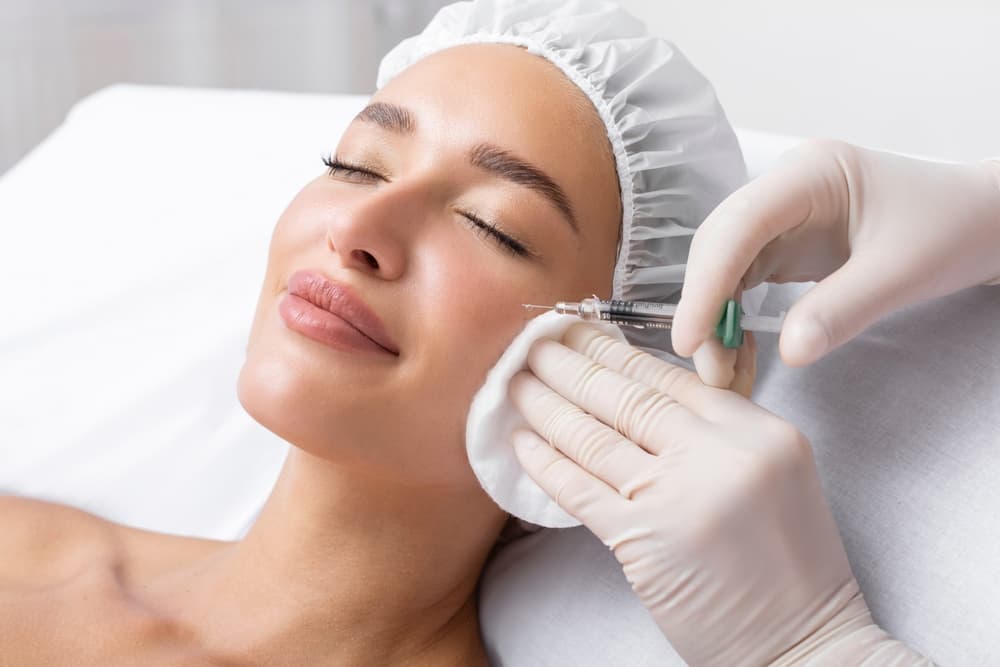
Cheekbone filler enhances the prominence and balance of the cheekbones with special substances injected by a specialist physician into the middle part of the face. This procedure is a non-surgical method. It offers natural and safe results. In facial aesthetics, cheekbones are one of the most important indicators of youth and vitality. Aging reduces the fat tissue over these bones. Skin elasticity decreases. Facial contours soften. Cheekbone filler compensates for these losses. It adds volume. It rebalances facial proportions. A natural appearance is achieved with personalized planning.
Cheekbone filler is a non-surgical aesthetic procedure applied by specialist physicians to add volume to the middle part of the face. This method uses special substances containing hyaluronic acid or calcium hydroxyapatite. In facial aesthetics, cheekbones are one of the most important structures that determine the overall proportions and symmetry of the face. Strong and prominent cheekbones add youth and vitality to the face. The aging process leads to a decrease in fat tissue in the face and a loss of skin elasticity. These changes result in the cheekbones becoming less prominent. Cheekbone fillers compensate for this volume loss. They reshape facial contours. In non-surgical facial shaping, these fillers provide quick results and a minimal recovery process. Individuals who wish to enhance their facial features prefer this method. The specialist physician plans the procedure in accordance with the natural anatomy of the face. Thus, a personalized and natural appearance is achieved.
Cheekbone filler consists of biocompatible substances injected by a specialist physician onto or around the cheekbones in the cheek area. These substances create volume under the skin. They support the bone structure. Hyaluronic acid-based fillers contain a sugar molecule naturally found in the body. This feature ensures the filler is safe and biocompatible. Fillers containing calcium hydroxyapatite provide a stronger lifting effect. These substances also support collagen production. Long-lasting biostimulatory filler options activate the skin's own repair mechanisms. Each type of filler serves different aesthetic goals. The specialist physician selects the most suitable filler type according to the patient's facial structure and expectations. The right product selection is the key to successful results.
Aging causes the fat tissues in the face to shift and decrease. Particularly, the fat compartments in the mid-face gradually sag over time. This reduces the support over the cheekbones. Skin elasticity also decreases with age. Elastin and collagen fibers weaken. When these changes occur together, sagging and indentations develop in the cheeks. Facial contours soften and become less defined. Nasolabial lines deepen. Shadowing in the under-eye area increases. The face takes on a tired and aged appearance. Pessa and Rohrich detail how the fat compartments in the face change with aging (Pessa 2008). Cheekbone fillers reverse this process. They restore lost volume. They recreate the youthful proportions of the face.
Non-surgical facial contouring aims to enhance facial features without going under the knife. Cheekbone filler is one of the most effective methods in this area. The procedure is performed by a specialist physician in an office setting. The patient can return to their daily life immediately. Fillers create instant volume beneath the skin. This quickly improves facial proportions. De Maio notes that minimal invasive aesthetic procedures have revolutionized facial rejuvenation (De Maio 2004). Cheek filler is one of the most important examples of this minimal approach. The patient does not have to wait for long recovery processes. They achieve visible results instantly. The risks are much lower compared to surgical operations.
Cheekbones are the most prominent bony structures located in the middle of the face. These bones determine the overall symmetry and proportions of the face. In a youthful face, the cheekbones appear prominent and full. With aging, the tissue over these bones thins. The bones themselves can also erode over time. This causes the middle part of the face to sag. Cheekbone filler supports these anatomical structures. It maintains natural facial proportions. It reduces the effects of aging.
Cheekbones provide solid support to the middle section of the face. This support ensures that the upper, middle, and lower parts of the face appear balanced. Youthful and balanced facial proportions are directly related to the prominence of the cheekbones. They also significantly contribute to the profile view. Prominent cheekbones enhance the aesthetic appearance of the nose and chin. Rohrich and Pessa emphasize the central role of cheekbones while studying the anatomy of fat compartments in the face (Rohrich 2007). These bones define the play of light and shadow on the face. Prominent bones give the face a three-dimensional appearance. Flat and less prominent bones make the face look tired and flat.
Aging has multifaceted effects on the cheekbones. Loss of fat tissue reduces the fullness over these bones. Skin elasticity decreases with the weakening of collagen and elastin fibers. Sagging and volume deficiency appear in the cheeks. Pessa's 2008 study shows how the deep medial fat compartment thins with aging. This thinning causes the cheekbones to become less prominent. Additionally, bone loss is also a part of aging. Cheekbones lose volume over time. This bone loss leads to further sagging of the face. Cheekbone filler compensates for both fat loss and the visual effects of bone loss.
Cheekbone filler works with special materials injected beneath the skin by a specialist physician. These materials use mechanisms of physical volume enhancement and biological stimulation. Different types of fillers have different principles of action. Hyaluronic acid-based fillers create volume with their water-retaining capacity. Calcium hydroxyapatite fillers both provide volume and stimulate collagen production. The specialist physician selects the appropriate materials according to the patient's needs.
Three main groups of substances are used in cheekbone fillers. Hyaluronic acid-based fillers are the most commonly preferred products. These substances are naturally found in the body. They retain skin moisture. They add volume. Calcium hydroxyapatite-based fillers have a denser structure. These substances provide deep tissue support. They support collagen production for a long time. Long-lasting bio-stimulating filler options contain substances like poly-L-lactic acid. These products gradually increase the skin's own collagen production. Results appear over time. However, the duration of effect is longer.
Carruthers and Carruthers validate the effectiveness of hyaluronic acid-based fillers in skin rejuvenation through clinical studies (Carruthers 2007). Tzikas investigates the success of calcium hydroxyapatite fillers in enhancing facial soft tissue (Tzikas 2004). Both groups of substances are considered safe. However, their application areas and depths differ.
Cheekbone fillers work through three main mechanisms. The first mechanism is volume enhancement. The injected substance creates a physical volume under the skin. This volume fills in sunken tissues. The second mechanism is mimicking bone support. The fillers create an artificial support layer over the cheekbones. This support lifts the midsection of the face. The third mechanism contributes to collagen production. Especially calcium hydroxyapatite and bio-stimulating fillers stimulate fibroblasts. New collagen fibers are formed. Skin quality improves over time. Bass details these versatile effects of injectable filler techniques in facial rejuvenation (Bass 2015).
Cheekbone fillers enhance many features of the face simultaneously. They not only define the cheekbones but also balance the overall proportions of the face. They improve symmetry. They support the appearance of the lower face. They reduce nasolabial lines. They soften under-eye transitions. These versatile effects demonstrate the power of fillers in facial aesthetics.
More defined and sharp cheekbones are achieved through proper injection techniques. The specialist injects filler at strategic points on or around the cheekbones. This filler creates a lifting effect over the bones. Facial contours are strengthened. It creates a more attractive facial profile. After the procedure, the cheekbones appear immediately more defined. However, the results settle fully after the swelling goes down. A natural look is maintained by avoiding excessive filler.
Facial symmetry is improved in a balanced manner with cheekbone fillers. Congenital asymmetries are corrected with varying amounts of filler injection. Age-related volume loss can lead to symmetry issues. If one cheek has more volume loss, the specialist applies more filler to that side. This way, both sides of the face appear balanced. Symmetry correction requires fine adjustments. The specialist evaluates the patient's face from all angles. Injection points are determined accordingly.
The volume of the midface directly affects the lower face. When cheekbone fillers lift the midface, the chin and jawline also appear more aesthetic. Full cheeks make the chin look thinner and sharper. This effect occurs by balancing the overall proportions of the face. More balanced facial proportions create a look closer to the golden ratio. Strong cheekbones and a defined jawline create a masculine expression in men. In women, this combination offers a more elegant and youthful appearance.
Nasolabial folds are wrinkles that extend from the sides of the nose to the corners of the mouth. A decrease in cheek support causes these lines to deepen. Cheekbone fillers lift the cheeks. This lifting softens the nasolabial folds. The depth of the lines decreases. This contribution to facial rejuvenation is an indirect effect of the filler. The patient may only want to define their cheekbones. However, improvement in their nasolabial folds can be a pleasant surprise.
The transition area between the under-eye and midface shows the first signs of aging. Shadows and indentations occur in this area. The face looks tired. Cheekbone fillers increase the volume of the midface. This volume increase supports the under-eye area. Transitions become softer. Under-eye bags and shadowing decrease. The facial expression appears more dynamic and lively. The patient feels more energetic.
Cheekbone fillers are suitable for a wide range of patients. However, not everyone is an ideal candidate for this procedure. The specialist evaluates the patient's overall health status, skin quality, and expectations. Choosing the right candidate is fundamental to successful results.
Individuals with genetically flat or slightly prominent cheekbones benefit greatly from this procedure. Those experiencing volume loss due to aging regain the lost fullness. Patients who do not want surgical procedures can safely choose fillers. Both men and women who want to enhance their facial contours use this method. The procedure can be applied regardless of skin type. However, results may vary in very thin or loose skin.
Before treatment, the specialist examines the patient's overall health status. Active infections, autoimmune diseases, and blood clotting disorders may pose contraindications for the procedure. Skin quality affects the naturalness of the results. Good quality skin appears more compatible with the filler. Evaluating expectations is the most important step. The specialist informs the patient about realistic outcomes. Excessive expectations lead to dissatisfaction.

There are many types of fillers available on the market. However, certain products are more commonly used for cheekbone fillers. Hyaluronic acid and calcium hydroxyapatite are the two most popular options. Each product has its unique advantages.
Hyaluronic acid fillers are the most preferred type of cheek fillers. The biggest advantage of these fillers is that they are reversible. If the patient is not satisfied with the result or if complications occur, the filler can be dissolved with the enzyme hyaluronidase. This feature enhances safety. Additionally, hyaluronic acid fillers provide very natural results. They work in harmony with the skin. The risk of swelling and bruising is low. The duration of effect is between 12 to 18 months. Carruthers and Carruthers demonstrate the safety and efficacy of these products through comprehensive studies (Carruthers 2007).
Calcium hydroxylapatite fillers have a denser structure. These fillers provide deep tissue support. They offer a stronger lifting effect. They are particularly suitable for patients who want pronounced cheekbones. These materials support collagen production for a long time. The skin quality may remain improved even after the effect of the filler has worn off. Tzikas shows the effectiveness of calcium hydroxylapatite fillers in enhancing facial soft tissue (Tzikas 2004). However, these fillers are not reversible. Therefore, the choice of a specialist physician becomes even more critical.
Age and aesthetic goals determine the selection. Younger patients achieve natural results with a slight increase in volume. Older patients regain lost support with denser fillers. Patients with thin skin who desire natural results prefer hyaluronic acid fillers. Patients seeking a more pronounced bone structure and a strong lifting effect may lean towards calcium hydroxylapatite fillers. The specialist physician makes this assessment and recommends the right product.
Feature | Hyaluronic Acid Filler | Calcium Hydroxylapatite Filler |
Main Component | Hyaluronic acid | Calcium hydroxylapatite |
Mechanism of Action | Volume enhancement | Volume enhancement and support for collagen production |
Duration of Permanence | 12-18 months | 12-18 months or longer |
Reversibility | Yes, it is possible | No, it is irreversible |
Level of Naturalness | Very natural results | Natural and pronounced results |
Application Depth | Medium depth | Deep tissue support |
Risk Level | Low | Low-Medium |
The cheekbone filler application requires careful planning and technical knowledge. The specialist physician performs the procedure in an office setting. The patient undergoes a detailed consultation before the procedure. Facial analysis forms the basis of the treatment plan. Injection techniques determine the naturalness of the results.
During the initial consultation, the specialist physician examines the patient's face from all angles. Photographs are taken. Facial proportions are evaluated. The current condition of the cheekbones, skin quality, and symmetry are analyzed. The patient shares their expectations and concerns. The specialist physician provides information about realistic results. The procedure plan is created after this analysis and discussion. The patient learns what to pay attention to before the procedure.
Treatment planning is based on the results of the facial analysis. The specialist physician decides which type of filler will be used. Injection points are determined. The amount of filler is planned. This planning is personalized. The symmetry of both sides of the face is taken into account. The patient is informed about the plan. A consent form is signed. The date and time of the procedure are set.
There are two main injection techniques used for cheekbone filler. The cannula method is applied with a blunt-tipped and flexible cannula. This method reduces the risk of vascular injury. The likelihood of bruising decreases. The patient feels less pain. The fine needle method is used for more precise procedures. The needle passes through specific points on the skin. The specialist injects the filler into strategic areas. Swift and Michael emphasize that the three-dimensional study of facial anatomy is critical for injection safety (Swift 2013). The specialist chooses the correct technique according to the patient's anatomy.
The procedure duration is typically between 30 to 45 minutes. First, the skin is cleaned. An anesthetic cream is applied. This cream is left on for 15-20 minutes. After that, the specialist performs the injections. The patient feels slight pressure during the procedure. However, the pain is minimal. After the procedure, the patient can immediately get up. They see the initial results in the mirror.
Mild swelling and redness are normal in the first hours after the procedure. These symptoms decrease within 24-48 hours. The patient should keep their head elevated. They should avoid hot environments. They should refrain from excessive facial movements. The specialist provides detailed care instructions. The patient carefully follows these instructions.
Cheekbone filler offers many advantages. These advantages make the procedure a popular option. It has superior aspects compared to surgical alternatives. The patient receives quick results. They can continue their daily life with minimal interruption.
Cheekbone filler does not require going under the knife. The specialist does not cut the skin. There are no stitches. There is no risk of general anesthesia. The patient can return home immediately after the procedure. This feature makes the procedure attractive. Especially those with busy schedules prefer this convenience. De Maio states that minimally invasive procedures are indispensable in modern aesthetics (De Maio 2004).
The recovery process is very fast. The patient can return to their normal activities on the day of the procedure. Swelling and bruising subside within a few days. Makeup can be applied after 24 hours. Exercise is allowed a few days later. This minimal recovery is one of the biggest advantages of the procedure.
Filler materials create instant volume under the skin. The patient immediately sees the difference in the mirror. The cheekbones become more pronounced after the procedure. However, it takes 2-4 weeks for the results to fully settle. During this time, the filler settles in place. The swelling completely subsides. Natural results emerge.
The specialist evaluates each patient's face individually. The amount and points of injection are planned specifically for the person. They avoid excessive filling. They preserve the natural movements of the face. The patient feels younger and more dynamic. However, they do not notice anything foreign done to their face.
Cheekbone filler affects not just one area but the entire face. Lifting the mid-face balances the upper and lower face. The facial proportions approach the golden ratio. This improvement in overall harmony changes the patient's entire appearance. The patient notices not only the change in the cheekbones but also the overall rejuvenation of their face.
There are many important points to know before the procedure. By learning this information, the patient can have a more comfortable process. Realistic expectations increase the success of the procedure. Certain medications and supplements should be avoided. Choosing a specialist physician is the most critical decision.
The patient should have a detailed conversation with the specialist physician before the procedure. Cheekbone filler changes the face. However, it does not completely alter the bone structure. Results are obtained within natural limits. The patient can get an idea by looking at before and after photos. The specialist physician clearly explains what is possible and what is not.
A few days before the procedure, substances that have a blood-thinning effect should be avoided. Aspirin, ibuprofen, omega-3 supplements, ginkgo biloba, and vitamin E increase the risk of bleeding. Alcohol consumption raises the risk of swelling and bruising. The specialist physician provides a specific list for the patient. The patient adheres to this list meticulously.
Cheekbone filler is not as simple a procedure as it seems. Facial anatomy is complex. Vascular and nerve structures require careful work. An experienced specialist physician minimizes the risk of complications. They provide natural results. The patient should research the physician's certifications and experience. Beleznay and colleagues show that most filler complications arise from a lack of expertise (Beleznay 2015).
Proper evaluation of facial anatomy is fundamental to successful results. The specialist physician examines the position, depth, and relationship of the cheekbones with surrounding tissues. They analyze the condition of fat compartments. They measure skin quality and thickness. This evaluation determines the injection plan. Rohrich and Pessa emphasize that anatomical knowledge of facial fat compartments is critical in filler applications (Rohrich 2007).
The recovery process is generally smooth and quick. However, the patient must follow certain rules. The first 24 hours are critical. Managing swelling and bruising increases comfort. Restrictions on sports and physical activity preserve the quality of the results.
In the first 24 hours, the patient should keep their head elevated. They should not touch their face. They should avoid hot showers and saunas. They should not make excessive facial expressions. They should not apply pressure to their face. Sleeping in a position that keeps the face elevated is beneficial. These precautions ensure that the filler settles properly.
Swelling is a normal response after the procedure. Ice compresses reduce swelling. Mild swelling subsides within 2-3 days. Bruising is rarely seen. If it occurs, it begins to fade within 5-7 days. Arnica cream or tablets can accelerate bruise healing. The patient should be aware that these symptoms are temporary.
Intense sports and physical activities can be lightly resumed after the first 48 hours. However, excessive sweating can increase swelling. Sports that risk impact to the face should be avoided for a week. Yoga and light walking are suitable after 24 hours. The patient should listen to their body signals.
It takes 2 to 4 weeks for the results to fully settle. During this time, the filler completely integrates under the skin. Swelling completely subsides. The filler merges with surrounding tissues. The patient sees the final results at the end of this period. The specialist physician schedules a follow-up appointment. The results are evaluated during this appointment. Minor adjustments are made if necessary.
Cheekbone filler is generally a safe procedure. However, like any medical procedure, it has some risks. Temporary side effects are seen in most patients. Rare complications can be minimized with the selection of a specialist physician.
Temporary side effects appear within the first few days after the procedure. Swelling is the most common symptom. Mild bruising may occur at the injection sites. Sensitivity and redness of the skin may be observed. These symptoms resolve spontaneously within 3-7 days. The patient should remain calm during this process.
Rare complications include infection, vascular occlusion, and asymmetry. Infection can occur in non-sterile conditions or when care instructions are not followed. Vascular occlusion occurs when the filler is injected into a blood vessel. This is a serious complication that requires immediate intervention. Asymmetry can be observed when an unequal amount of filler is applied. Beleznay and colleagues emphasize that the risk of vascular occlusion should be known by specialist physicians (Beleznay 2015).
The most important step in reducing risks is the selection of a specialist physician. An experienced physician knows anatomy well. They use the correct techniques. Sterile conditions reduce the risk of infection. The patient must diligently follow care instructions. Excess filler should be avoided. Applying in small amounts and in sessions increases safety.
Longevity is one of the most curious topics for patients. The duration of cheekbone filler depends on the product used and the patient's metabolism. Generally, results vary between 1 to 2 years.
Hyaluronic acid fillers typically last 12 to 18 months. This duration depends on the degree of cross-linking of the product. Denser fillers last longer. Calcium hydroxylapatite fillers are also permanent for similar durations. However, the collagen stimulation effect can extend the visible effect of the filler. Bio-stimulatory fillers may offer longer-lasting effects. However, it takes time for the full results to become apparent.
There are many factors that affect permanence. Metabolism rate is an important factor. Individuals with a fast metabolism break down the filler more quickly. The product used determines permanence. High-quality and dense fillers last longer. The amount injected also plays a role. More filler can provide longer-lasting results. However, excessive amounts can compromise naturalness.
Using sunscreen is important for maintaining results. UV rays accelerate skin aging. They shorten the lifespan of the filler. Healthy eating preserves skin quality. Smoking reduces collagen production. It weakens the effect of the filler. Regular skin care helps prolong the results. The patient should attend follow-up sessions regularly.
Cheekbone fillers and surgical cheek implants offer different advantages. Both methods enhance the cheekbones. However, their approaches and results differ. The patient makes a choice based on their needs.
Cheek implants provide a permanent solution. Once placed, they can last a lifetime. Cheekbone fillers, on the other hand, are temporary. They need to be repeated every 1-2 years. However, the temporariness of the filler is also an advantage. As the face changes, the amount and position of the filler can be adjusted. Implants do not offer this flexibility.
Cheekbone fillers offer a minimal recovery process. The patient can return home the same day. They can resume normal activities within 1-3 days after the procedure. Cheek implants involve a surgical operation. General anesthesia is required. Recovery takes 2-4 weeks. Swelling and bruising may last longer. The patient may need to limit social activities during this time.
Cheekbone fillers are a low-risk procedure. Complications are rare and usually mild. Cheek implants carry surgical risks. There may be infections, implant displacement, and anesthesia complications. Removing an implant requires a new operation. The filler can be dissolved if necessary or absorbed by the body over time.
Younger patients and those undergoing aesthetic procedures for the first time prefer fillers. Since fillers are temporary, they do not require a commitment. Older patients and those seeking permanent results may consider implants. However, implants are a more invasive procedure. The patient should discuss in detail with the doctor to make the right choice.
Feature | Cheekbone Filler | Surgical Cheek Implant |
Procedure Type | Injection | Surgical operation |
Anesthesia | Cream or local anesthesia | General anesthesia or sedation |
Recovery Time | 1-3 days | 2-4 weeks |
Duration | 1-2 years | Permanent |
Risk Level | Low | Medium |
Cost | Lower | Higher |
Reversibility | Yes, possible | No, difficult |
Many questions are asked about cheekbone fillers. In this section, we answer the most common questions.
Cheekbone filler is not a painful procedure. The skin is prepared with a numbing cream before the application. The patient may feel slight pressure or a prick during the injection. However, this sensation is tolerable for most patients. There may be slight sensitivity after the procedure, which will subside within a few hours.
When applied correctly, cheekbone filler makes the face look very natural. The expert avoids excessive filling. It preserves the natural movements of the face. The patient feels younger but does not notice anything foreign has been done to their face. Naturalness depends on the skill of the expert and the personalized planning for the patient.
Cheekbone filler can be safely applied to men. Men desire more defined and masculine facial features. Enhancing the cheekbones adds attractiveness to the male face. The application technique is adjusted according to male anatomy, targeting sharper and more pronounced bones. Achieving natural results in men requires different aesthetic principles than in women.
The patient can return to daily life immediately after the procedure. However, light activities are recommended for the first 24 hours. Makeup can be applied the next day. Participation in social activities is comfortably possible after 2-3 days. The patient should plan according to the level of swelling and bruising.
The amount of milliliters applied depends on the patient's facial structure and goals. Generally, 1 to 3 milliliters of filler is used for each side. The total varies between 2 to 6 milliliters. A smaller amount may be preferred in the first session. If necessary, a second session is planned. Excessive filling disrupts naturalness.
Initial results are seen immediately after the procedure. However, final results appear after 2 to 4 weeks. During this time, swelling completely subsides. The filler settles under the skin. At the end of this period, the patient sees the most natural and clear results.
Hyaluronic acid-based fillers can be dissolved with the enzyme hyaluronidase. This enzyme breaks down the filler within a few hours. If the patient is not satisfied with the result or if complications arise, this option can be used. Calcium hydroxylapatite fillers are irreversible. Therefore, the application of these fillers should be planned more carefully.
Cheekbone filler is one of the most effective and safe methods of modern aesthetics. This procedure defines facial features. It brings youthfulness and vitality. It offers natural results. Its minimally invasive nature is a reason for patients' preference.
More balanced and attractive facial features are achieved through proper planning and expert application. Cheekbone filler increases midface volume. It balances facial proportions. It improves symmetry. It supports the lower face. This versatile effect changes the overall appearance of the face. The patient feels more confident.
Cheekbone fillers play a central role in facial aesthetics. They reverse the effects of aging. They restore lost volume. They improve skin quality. They offer a non-surgical solution. These features make the filler an indispensable tool.
Every face is unique. Personalized planning is the key to successful results. The expert physician evaluates the patient's anatomy, age, skin type, and expectations. This assessment creates a special map. The procedure is performed according to this map. The results are both natural and personalized.
Safe application is possible with an experienced expert physician. Facial anatomy is a complex structure. Blood vessels and nerves require careful handling. The expert physician prevents complications. They provide natural results. The patient should take time to choose a physician. They should research certifications, experience, and references.
A natural, youthful, and balanced facial appearance is possible with cheekbone filler. This procedure strengthens one of the most important structures of the face. The midface is lifted. Contours become more defined. The face looks more three-dimensional and vibrant. The patient feels younger and more dynamic. This change is positive not only physically but also psychologically.
Bass, Lawrence S. "Injectable Filler Techniques for Facial Rejuvenation." Facial Plastic Surgery, vol. 31, no. 1, 2015, pp. 38-49.
Beleznay, Katie, et al. "Avoiding and Treating Blindness from Fillers: A Review of the World Literature." Surgery, vol. 41, no. 10, 2015, pp. 1097-1117.
Carruthers, Jean, and Alastair Carruthers. "Hyaluronic Acid Gel in Skin Rejuvenation." Journal of Cosmetic and Laser Therapy, vol. 9, no. 3, 2007, pp. 158-164.
De Maio, Mauricio. "The Minimal Approach: An Innovation in Facial Cosmetic Procedures." Aesthetic Plastic Surgery, vol. 28, no. 5, 2004, pp. 295-300.
Pessa, Joel E., and Rod J. Rohrich. "The Youthful Cheek and the Deep Medial Fat Compartment." Plastic and Reconstructive Surgery, vol. 121, no. 6, 2008, pp. 2109-2112.
Rohrich, Rod J., and Joel E. Pessa. "The Fat Compartments of the Face: Anatomy and Clinical Implications for Cosmetic Surgery." Plastic and Reconstructive Surgery, vol. 119, no. 7, 2007, pp. 2219-2227.
Swift, Arthur, and Remington Michael. "The Facial Burrows: A Three-Dimensional Anatomy of the Midface." Plastic and Reconstructive Surgery, vol. 132, no. 4, 2013, pp. 751-761.
Tzikas, Tom L. "Evaluation of the Radiance FN Soft Tissue Filler for Facial Soft Tissue Augmentation." Archives of Facial Plastic Surgery, vol. 6, no. 4, 2004, pp. 234-239.