
Can a French Thread Lift and Dermal Fillers Be Performed at the Same Time?
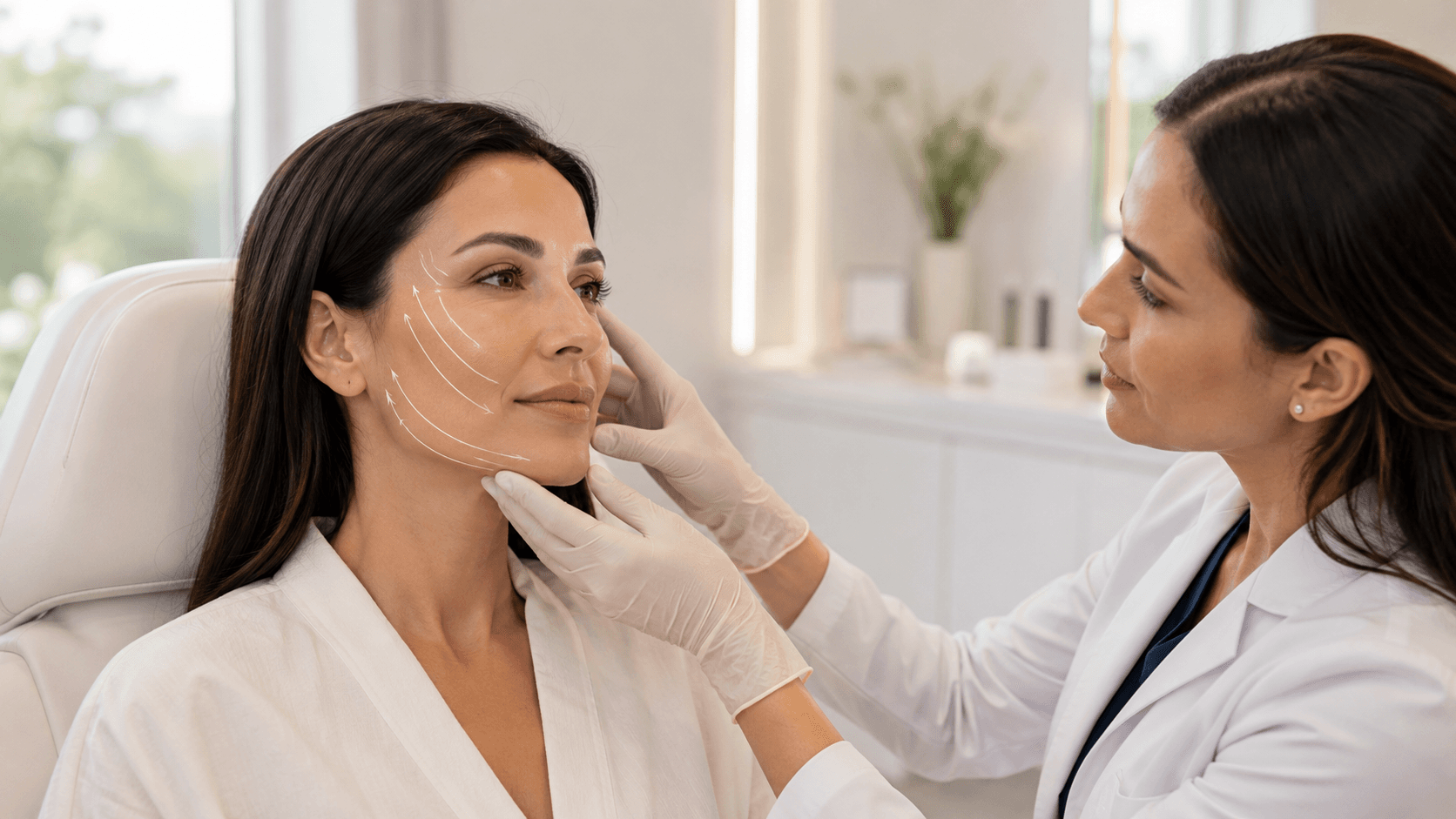
Yes, Fransız Askısı and dermal fillers can be performed together within the same facial rejuvenation plan in suitable patients. The scientific literature shows that combining thread lifting and fillers can provide safe and effective results with appropriate patient selection (Wan et al. 2025). However, this decision is not automatic for every patient. The physician makes the decision after evaluating the skin structure, facial anatomy, filler material to be used, and thread-lifting technique together.
These two procedures address different aesthetic needs. Fransız Askısı supports and lifts sagging tissues. Dermal fillers restore lost facial volume. Both concerns frequently occur together in the same face. Therefore, a combined approach makes it possible to address the face comprehensively in terms of both sagging and volume loss.
Nevertheless, it is not necessary to perform both procedures together for every patient. For some patients, thread lifting alone is sufficient. For others, fillers alone provide the right solution. The decision to perform the procedures in the same session is the result of a personalized treatment plan. This article answers the question of whether Fransız Askısı and fillers can be performed together in light of scientific evidence and explains, one by one, critical topics such as the order of application, suitable candidate profile, risks, and the recovery process.
What Kind of Change Does Fransız Askısı Create in the Face?
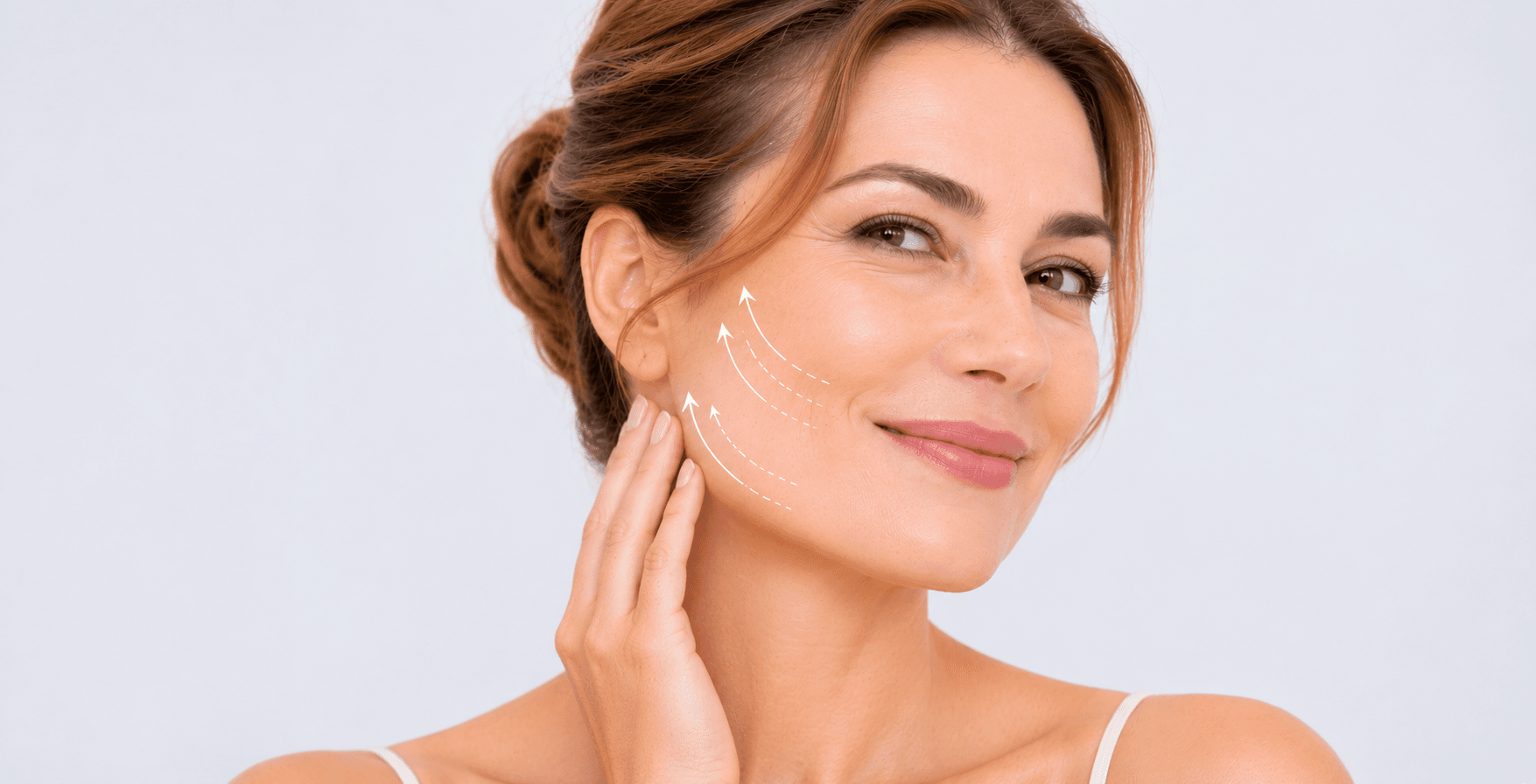
Fransız Askısı is a thread-lifting method that supports and lifts sagging facial tissues without requiring surgical incisions. During the procedure, specially designed threads are placed beneath the skin. These threads provide mechanical support to the tissue and create a lifting effect against gravity. Systematic reviews report that thread-lifting procedures provide measurable improvement in mild to moderate tissue sagging (Gülbitti et al. 2018).
The most noticeable effects of the method appear in the midface, cheeks, jawline, and facial contour. Soft tissue that has descended in the cheek area is repositioned. The jawline becomes more defined. The facial contour is tightened. The threads also stimulate collagen production in the surrounding tissue. This biological response continues for some time even after the threads dissolve (Wollina 2024).
There is an important distinction here. Skin laxity and facial volume loss are two different problems. Laxity is the downward displacement of tissue under the effect of gravity. Volume loss is the reduction of bone and fatty tissue. Fransız Askısı targets the first problem. It does not resolve the second. This distinction forms the rationale for combined treatment and lays the foundation for the next section.
The outcome of the procedure varies from person to person. Facial anatomy, skin elasticity, and the degree of aging directly affect the result. Long-term follow-up studies demonstrate that the longevity of thread-lifting results is limited and that the choice of technique is important (Abraham et al. 2009).
What Purposes Are Dermal Fillers Used for in Facial Rejuvenation?
The primary function of dermal fillers is to restore the facial volume lost with age. Hyaluronic acid-based products are the most commonly preferred type of filler for facial rejuvenation. Hyaluronic acid is a molecule naturally found in the human body. It has a high water-retention capacity and provides the skin with both volume and hydration support (Funt and Pavicic 2013).
The main treatment areas for fillers are the cheekbones, cheeks, nasolabial folds, chin, and lips. Filler applied to the cheekbone area enhances midface projection. Filler applied to the nasolabial area softens deep lines. Chin filler balances the contour of the lower face. International consensus reports recommend selecting fillers according to the anatomical characteristics of the treatment area and the desired outcome (Sundaram et al. 2016).
Fillers support facial contours and improve volume balance. However, there is one thing fillers do not do. Filler treatment does not mechanically lift sagging tissue. It may create an indirect supporting effect by adding volume, but it does not reposition the tissue. This limitation explains why thread lifting and fillers are not alternatives to one another, but complementary treatments.
How Do French Thread Lifts and Dermal Fillers Complement Each Other?
While a French Thread Lift provides tissue support and upward repositioning, dermal fillers restore volume. The two methods affect different anatomical layers of the face and different components of the aging process. Therefore, when used together, they create a balance that neither treatment could achieve on its own.
Comparison Criterion | French Thread Lift (Thread Lift) | Dermal Filler |
Primary effect | Supports and lifts sagging tissue | Restores lost volume |
Target concern | Skin laxity, tissue descent | Volume loss, deep lines |
Main treatment areas | Midface, jawline, facial oval | Cheekbones, cheeks, nasolabial lines, chin, lips |
Mechanism of action | Mechanical lifting and collagen stimulation | Adding volume and providing hydration |
Function it cannot perform | It cannot add volume | It cannot mechanically lift tissue |
A typical scenario in clinical practice is as follows. A patient with volume loss in the cheek area may also have sagging in the lower face. If fillers are used alone, the sagging persists. If thread lifting is used alone, the lack of volume continues to make the face look tired. Planning both methods together creates a more balanced facial contour. Clinical studies show that combining hyaluronic acid fillers with lifting threads provides significant improvement in both volume and contour in the midface (Wan et al. 2025).
A caution is necessary here. A combined approach is not a substitute for excessive filler use. Preserving natural facial proportions is always essential. The goal is not to use more material, but to place the right material in the right layer.
What Is the Most Suitable Treatment Sequence for a French Thread Lift and Fillers?
The treatment sequence is determined by evaluating facial anatomy, tissue sagging, and volume loss together. There is no single universal sequence. Nevertheless, the clinical rationale in most patients is to perform the thread lift first, followed by fillers.
When the threads are placed first, the tissue is repositioned. The physician can then clearly assess the remaining volume deficiency based on this new position. This prevents an unnecessary increase in the amount of filler. This approach reduces the risk of overcorrection. In some cases, however, fillers may have been administered previously. In this scenario, the physician must evaluate the type, amount, placement, and date of the existing filler treatment. The thread lift plan is then shaped according to this information.
The procedures may be performed in the same session or divided into separate sessions. A same-session treatment saves the patient time. Separate sessions, however, allow the results of each procedure to be monitored individually and make it easier to distinguish the source of any complications. The consensus study by Moon et al. (2021), which examined a combined facial rejuvenation approach, recommends planning fillers or a thread lift approximately two weeks after botulinum toxin treatment. The same study does not recommend performing fillers and a thread lift together on the same day. The rationale is to prevent overcorrection and manage unwanted effects that may result from multiple procedures (Moon et al. 2021). This recommendation is valuable, but it is not a universal rule for every French Thread Lift technique. The final decision is made by the treating physician based on the patient’s tissue characteristics.
Who Is Suitable for the French Thread Lift and Filler Combination?

The most suitable candidates for the combined treatment are individuals with mild to moderate facial sagging and volume loss in the cheek area. Patients who want to define their facial oval and need both tissue support and added volume benefit the most from this approach.
Skin elasticity and tissue quality are two important factors that determine the outcome. Skin with preserved elasticity responds better to the lifting effect of the threads. In patients with high tissue quality, the filler distributes more evenly. Having realistic expectations is also part of being a suitable candidate. The combined treatment provides a noticeable rejuvenation, but it does not transform the face into a different one.
The situation is different in patients with advanced skin laxity. In this group, the lifting capacity of the threads may be insufficient. The physician may consider surgical facelift as an option for these patients. Proper candidate selection is the foundation of both safety and satisfaction.
Which Factors Should Be Evaluated Before the Combined Treatment?
A successful combined treatment begins with a detailed preliminary assessment. This evaluation both ensures treatment safety and improves the accuracy of the treatment plan.
The physician first asks about the patient’s previous aesthetic treatments. The type, anatomical areas, amount, and date of any previously used filler materials are documented. A history of permanent or semi-permanent fillers may directly affect the thread lift plan. The existing facial asymmetry, skin thickness, and tissue mobility are then assessed. These findings determine the number of threads, entry points, and filler treatment areas.
Overall health is also part of the assessment. The medications the patient takes, particularly blood thinners, can affect the risk of bruising and bleeding. A history of allergies is a determining factor in filler selection. If there is an active infection or skin problem in the treatment areas, the procedure is postponed. Finally, the physician determines whether the patient’s expectations are anatomically realistic. Unrealistic expectations can turn even a technically successful procedure into dissatisfaction.
What Risks May Arise When French Thread Lift and Filler Are Performed Together?
The most common side effects of the combined treatment are temporary: swelling, bruising, tenderness, and redness. These reactions usually subside spontaneously within a few days. Less common risks vary depending on the type of procedure.
Risk | Related Procedure | Clinical Appearance |
Thread irregularity and asymmetry | French Thread Lift | Contour irregularity, difference between the two sides |
Thread becoming prominent beneath the skin | French Thread Lift | Thread line that can be felt or seen |
Nodule formation | Dermal filler | Hardness or lump beneath the skin |
Unwanted change in volume | Dermal filler | Overly full or unbalanced appearance |
Infection | Both procedures | Increased warmth, pain, discharge |
Vascular occlusion | Dermal filler | Skin blanching, severe pain, rare vision loss |
Risks specific to thread lifts include irregular thread placement, asymmetry, and the thread becoming prominent beneath the skin. Risks specific to fillers include nodule formation and unwanted changes in volume. Expert consensus reports emphasize that most of these complications can be prevented through proper technique and appropriate product selection (Urdiales-Gálvez et al. 2017).
A rare but serious complication of filler treatments is vascular occlusion. If filler material enters a blood vessel, tissue damage and, in very rare cases, vision loss may occur (Funt and Pavicic 2013). Symptoms such as sudden changes in vision, severe pain, or skin blanching require urgent medical evaluation. Planning multiple procedures together may make it more difficult to determine which procedure caused a complication if one occurs. Therefore, it is important to document each step of the treatment.
How Does the Recovery Process Progress After Combined Procedures?
The recovery process is generally mild and predictable. Swelling, bruising, and mild tenderness after the procedure are normal signs of healing. The severity and duration of these symptoms vary depending on the individual, the scope of the treatment, and the technique used.
Pressure should not be applied to the facial area during the initial recovery period. Unnecessary massage should be avoided. This precaution helps protect the placement of the threads and prevents the filler from shifting. Your physician’s recommendations regarding sleeping position, facial cleansing, and daily activities should be followed. Keeping the head slightly elevated during the first few days helps reduce swelling.
The treating physician determines when you can return to intense physical activity. As a general rule, activities that increase blood pressure should be limited during the first few days. Follow-up appointments are an integral part of this process. During follow-up examinations, both thread placement and filler distribution are evaluated. If necessary, minor corrections are planned at this stage.
How Long Do the Results Last When a French Thread Lift and Filler Are Performed Together?
Combined treatment is not a permanent facial rejuvenation method, and the results of the two procedures do not last for the same length of time. This is because thread lifting and dermal fillers have different mechanisms of action.
The results of a French Thread Lift depend on the characteristics of the threads used, the application technique, and the individual’s tissue structure. Absorbable threads are gradually broken down by the body over time. However, the collagen network that forms around the threads continues to provide a lifting effect for some time. Different thread materials remain in the tissue for varying lengths of time (Wollina 2024). Hyaluronic acid fillers are also naturally broken down by the body over time, and their effects gradually diminish (Funt ve Pavicic 2013). Therefore, the effects of the filler and the threads may weaken at different times.
The aging process continues after the procedure. Skin elasticity, lifestyle, sun exposure, and the treatment technique affect the longevity of the results. Regular follow-up and planned supplementary treatments when necessary help maintain the achieved appearance.
How Does a Combined French Thread Lift and Filler Treatment Differ from Surgical Facelift Surgery?
A combination of a French Thread Lift and filler is not a direct alternative to surgical facelift surgery. The two approaches are intended for different patient groups and different levels of concern.
Comparison Criteria | French Thread Lift and Filler | Surgical Facelift |
Nature of the procedure | No surgical incision; threads and injections | Intervention on the underlying tissues through incisions |
Targeted degree of sagging | Mild to moderate | Moderate to severe |
Recovery period | Short; return to social activities within days | Longer; may take several weeks |
Duration of results | Limited; repeat treatment may be required | More long-lasting |
Anesthesia | Usually local | Usually general anesthesia or deep sedation |
The French Thread Lift provides tissue support through threads. Surgical facelift procedures directly address the underlying structures in cases of more advanced skin and tissue laxity. Dermal fillers restore volume; surgery does not add volume but repositions the tissues and removes excess skin. The two approaches differ clearly in terms of the scope of the procedure, recovery period, and longevity of the results. Long-term evaluations of thread lift results show that this method does not achieve the same outcomes as surgery (Abraham et al. 2009). The physician provides honest guidance between the two options based on the patient’s degree of sagging.
Frequently Asked Questions About the French Thread Lift and Fillers
Can Fillers Be Administered After a French Thread Lift?
Yes, fillers can be administered after a thread lift. In fact, many treatment plans include fillers as the next step following a thread lift. The physician determines the timing and injection sites based on the position of the threads. Direct intervention over the thread pathway is avoided.
Can a French Thread Lift Be Performed After Fillers?
Yes, a French Thread Lift can be performed after fillers. However, the type, amount, location, and date of application of the previously administered filler must be assessed. The thread lift plan may need to be modified if permanent fillers are present. Sharing this information completely with the physician is essential for safety.
Can a French Thread Lift and Dermal Filler Be Performed on the Same Day?
In some patients, the two procedures can be planned during the same session; however, this is not suitable for every patient. Consensus recommendations take a cautious approach to performing them on the same day and consider it safer to divide the procedures into separate sessions (Moon et al. 2021). The final decision is based on the physician’s tissue assessment.
Do a French Thread Lift and Dermal Filler Make the Face Look Fuller?
These two functions should be distinguished from one another. Dermal filler adds volume to the face and is the primary treatment responsible for the fuller appearance. A thread lift supports and elevates the tissues; it does not add volume. In combined treatment, the volumizing effect comes from the filler, while the lifting effect comes from the thread lift.
Do a French Thread Lift and Dermal Filler Provide a Natural Appearance?
Yes, when performed under the right conditions, they provide a natural appearance. A natural result depends on three factors: selecting the right patient, using an appropriate amount of product, and creating a treatment plan tailored to the facial anatomy. Using excessive material is the most common mistake that compromises a natural look. For this reason, planning should always be measured and conservative.
Can People Who Have Previously Had Dermal Filler Undergo a French Thread Lift?
Yes, they can. Previous filler treatments do not, by themselves, constitute a contraindication. However, existing fillers must be assessed by a physician. The layer and amount in which the filler is located affect the thread-placement plan.
References
Abraham, Robert F., Robert J. DeFatta and Edwin F. Williams. "Thread-Lift for Facial Rejuvenation: Assessment of Long-Term Results." Archives of Facial Plastic Surgery, vol. 11, no. 3, 2009, pp. 178-183.
Funt, David and Tatjana Pavicic. "Dermal Fillers in Aesthetics: An Overview of Adverse Events and Treatment Approaches." Clinical, Cosmetic and Investigational , vol. 6, 2013, pp. 295-316.
Gülbitti, Haydar Aslan, et al. "Thread-Lift Sutures: Still in the Lift? A Systematic Review of the Literature." Plastic and Reconstructive Surgery, vol. 141, no. 3, 2018, pp. 341e-347e.
Moon, Hee Jin, et al. "A Review on the Combined Use of Soft Tissue Filler, Suspension Threads, and Botulinum Toxin for Facial Rejuvenation." Journal of Cutaneous and Aesthetic Surgery, vol. 14, no. 3, 2021, pp. 193-202.
Sundaram, Hema, et al. "Global Aesthetics Consensus: Hyaluronic Acid Fillers and Botulinum Toxin Type A: Recommendations for Combined Treatment and Optimizing Outcomes in Diverse Patient Populations." Plastic and Reconstructive Surgery, vol. 137, no. 5, 2016, pp. 1410-1423.
Urdiales-Gálvez, Fernando, et al. "Preventing the Complications Associated with the Use of Dermal Fillers in Facial Aesthetic Procedures: An Expert Group Consensus Report." Aesthetic Plastic Surgery, vol. 41, no. 3, 2017, pp. 667-677.
Wan, Jie, Hyun Jin Park, Hee Sun Choi and Kwang Ho Yi. "A Pilot One and Two-Year Prospective, Blinded Clinical Evaluation of Efficacy, and Safety of Combined Treatment with Crosslinked Hyaluronic Acid Dermal Filler and Barbed Polydioxanone Suspension Threads for Mid-Face Contour Enhancement." Journal of Cosmetic , vol. 24, no. 2, 2025, e16700.
Wollina, Uwe. "Thread Lifts for Facial Rejuvenation: Not Always the Best Choice." CosmoDerma, vol. 4, 2024, p. 60.
Get in touch with our expert team
Related Posts