Yükleniyor…
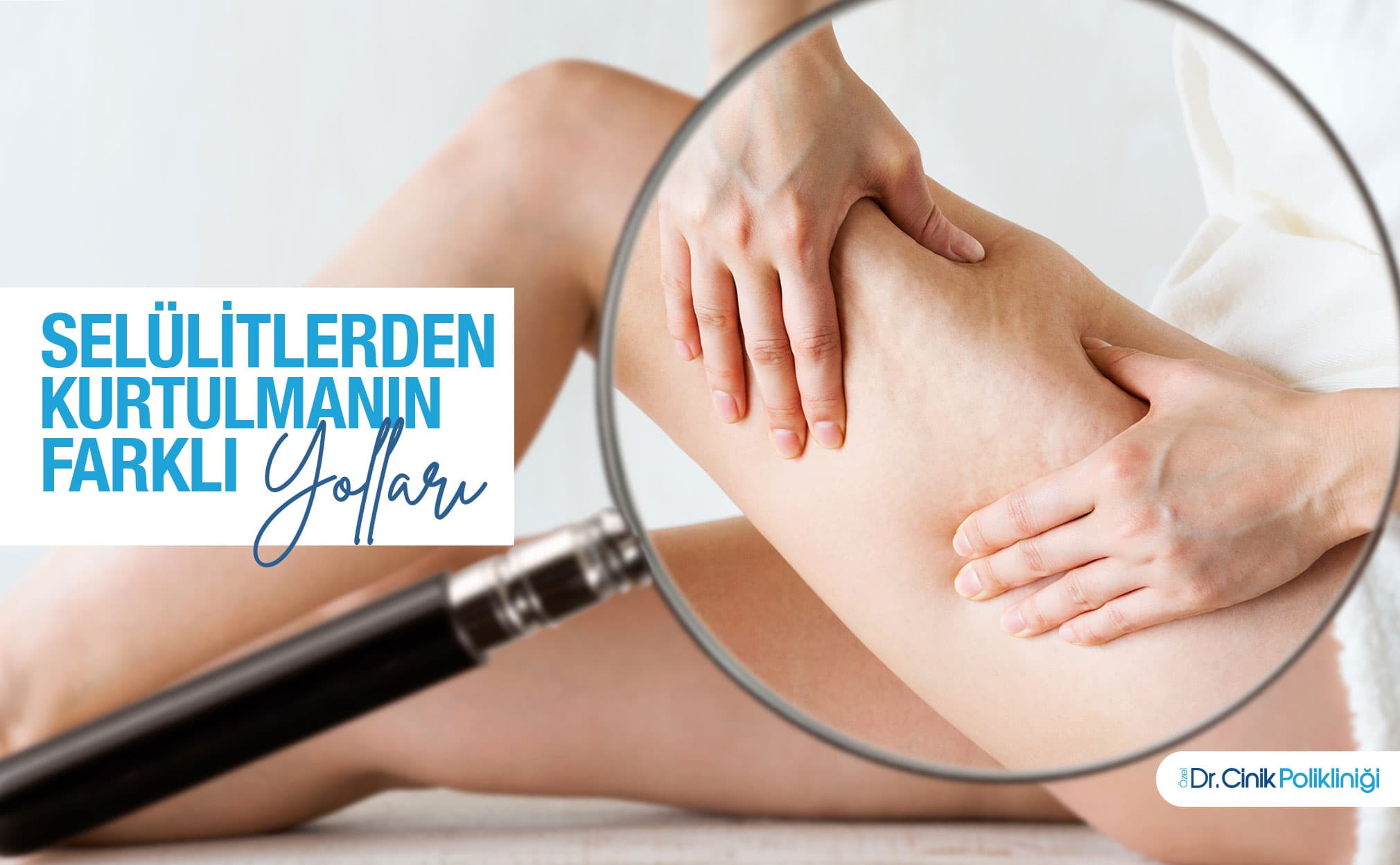
Cellulite is the "orange peel" appearance that occurs when subcutaneous fat pushes upward between connective tissue bands. The prevalence in women is between 85-90%. It is rare in men because in men, connective tissue bands are arranged crosswise, while in women they extend vertically (Rossi and Vergnanini, 2000).
Cellulite is defined as "edematous fibrosclerotic panniculopathy" or "gynoid lipodystrophy." This condition results in an irregular, dimpled appearance of the skin, particularly in the hip and upper thigh areas. Scientific research shows that cellulite is not just a cosmetic problem, but a complex condition associated with microcirculation disorders and connective tissue degeneration (Hexsel et al., 2012).
The prevalence of cellulite in women increases with age. This condition, which starts in the twenties, can reach up to 95% after menopause. Hormonal factors, genetic predisposition, and lifestyle are the main contributors to the formation of cellulite. Hormones such as estrogen, progesterone, and insulin trigger the growth of fat cells and the weakening of connective tissue (Kruglikov and Scherer, 2023).
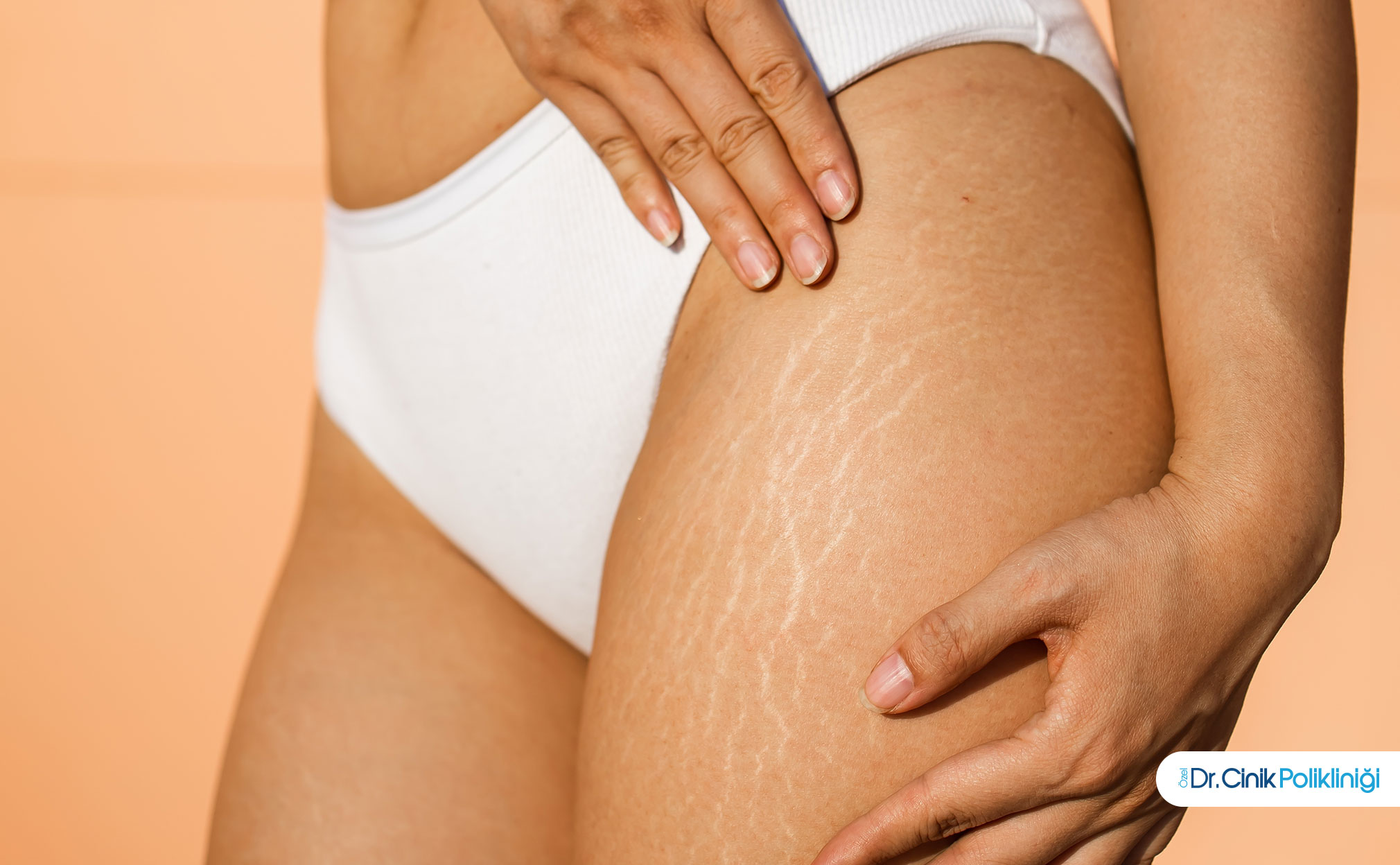
Cellulite forms as a result of the growth of subcutaneous fat cells (adipocytes), the pulling down of the skin by connective tissue septa (fibrous bands), and the reduction of dermis thickness. When these three factors come together, the "orange peel" appearance emerges (Bass and Kaminer, 2020).
The skin consists of three main layers: epidermis (outer layer), dermis (middle layer), and hypodermis (subcutaneous fat layer). The hypodermis plays a critical role in the formation of cellulite. In women, the fat lobules in the hypodermis are large and rectangular in shape. These lobules are surrounded by vertically oriented fibrous septa.
These septa connect the skin to the deep fascia. As fat cells grow or connective tissue weakens, the septa pull the skin downwards. At the same time, the growing fat lobules push upwards. This mechanical pulling creates dimples in the skin. In men, because the septa are arranged in a crosshatch pattern, this pulling is balanced and cellulite does not form (Cotofana and Kaminer, 2022).
Estrogen plays a central role in the pathogenesis of cellulite. Estrogen receptors are found in fat cells and stimulate lipogenesis (fat formation). At the same time, estrogen reduces collagen synthesis by suppressing fibroblast activity. This leads to the weakening of connective tissue.
Insulin resistance and high insulin levels also increase lipogenesis. Cortisol (the stress hormone) alters fat distribution and causes fat accumulation in the hips and thighs rather than the abdominal area. When thyroid hormones slow down metabolism, lymphatic drainage is disrupted and edema increases (Kruglikov and Scherer, 2023).
Family history is a strong predictor of cellulite development. Genetic variants affect fat cell size, collagen type, and microcirculation quality. A sedentary lifestyle slows circulation and increases lymphedema. A high-sodium diet exacerbates edema. Smoking disrupts microcirculation and weakens collagen structure.
Female gender, age range of 25-55, family history, history of pregnancy, weight fluctuations, and a sedentary lifestyle are the main risk factors. However, cellulite can also be seen in slim women because fat cell size and connective tissue quality are more determinant than the number of fat cells (Wang et al., 2022).
Cellulite is almost exclusively found in women. In men, androgens (testosterone) thicken connective tissue and ensure the cross-arrangement of septa. In women, estrogen dominance eliminates this protective effect. As age increases, estrogen levels drop, but collagen loss and decreased skin elasticity exacerbate the appearance of cellulite.
Weight gain causes hypertrophy (growth) of fat cells and increases the visibility of cellulite. However, losing weight does not eliminate fat cells; it only reduces their size. Therefore, cellulite can remain in slim women as well. Poor muscle tone weakens the structural framework that supports the skin, making the dimples more pronounced.
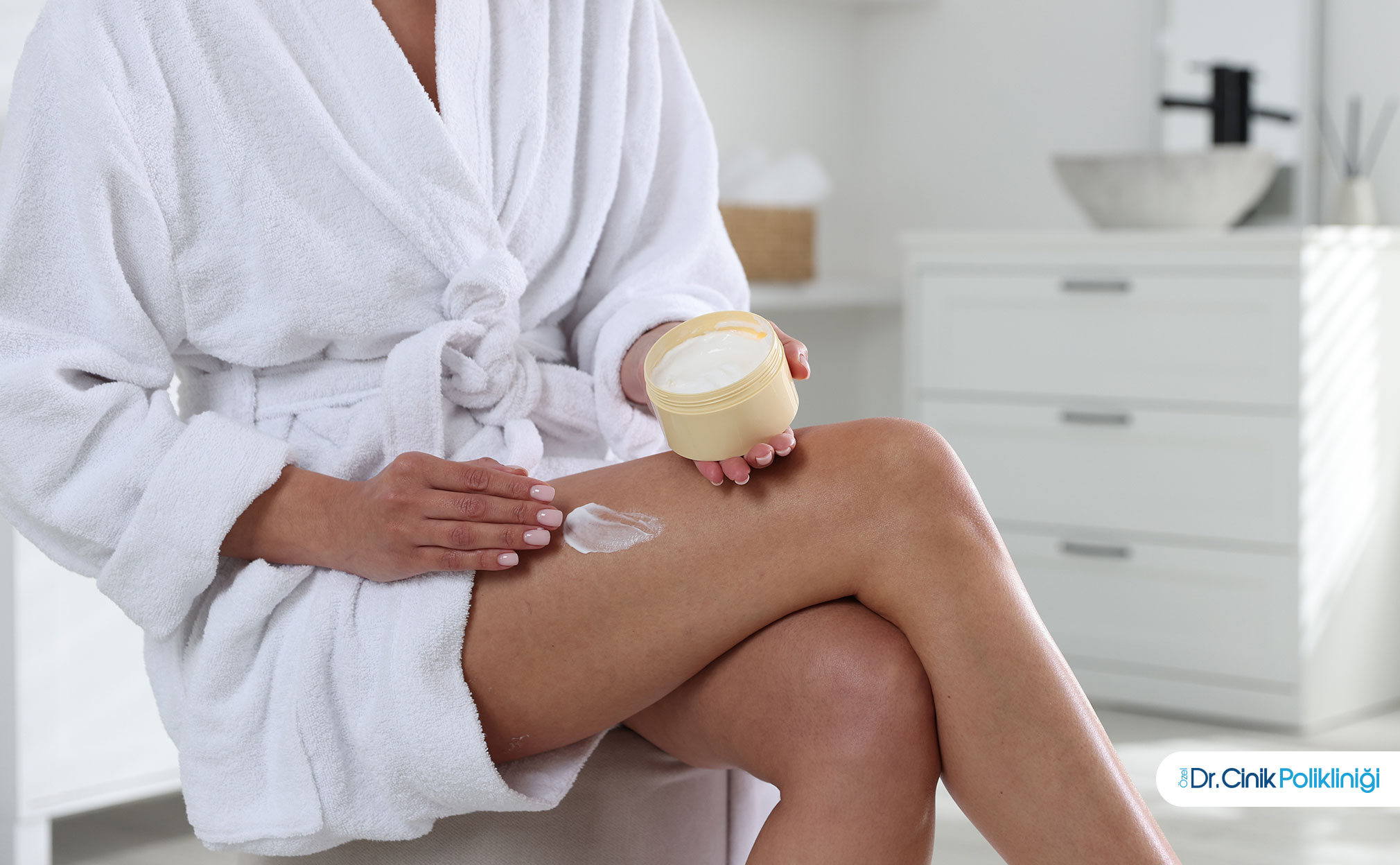
Cellulite cannot be completely eliminated. Existing treatments improve appearance but do not offer a permanent solution. The most effective approach is a combination of lifestyle changes, topical products, and medical treatments (LaTowsky et al., 2023).
Scientific literature clearly indicates that there is no "one miracle solution" for cellulite treatment. The 2023 clinical guidelines from the American Academy of emphasize the superiority of combination therapies. Treatment selection should be personalized according to the severity of cellulite, the patient's lifestyle, and expectations.

Regular resistance exercises and muscle strengthening can improve the appearance of cellulite by 20-30%. However, exercise does not eliminate fat cells; it only makes the skin appear smoother by increasing muscle tone. An anti-inflammatory diet and adequate hydration are supportive (Piotrowska et al., 2022).
Exercises that increase muscle tone reduce the appearance of cellulite. Movements targeting the hip and leg muscles are particularly effective:
Squats and lunges (strengthen leg and hip muscles)
Deadlifts (work the posterior chain muscles)
Step-up exercises (activate the gluteus medius)
Plank variations (provide core stabilization)
In a randomized controlled study, a 12-week gluteal muscle strengthening program resulted in a significant improvement in cellulite severity scores (Knobloch et al., 2013). However, this improvement is associated with an increase in muscle volume and improvement in skin tightness rather than fat loss.
Anti-inflammatory nutritional principles support microcirculation:
Food Group | Examples | Mechanism |
Omega-3 fatty acids | Salmon, walnuts, flaxseeds | Reduces inflammation |
Antioxidants | Blueberries, pomegranates, green tea | Neutralizes free radicals |
Vitamin C | Rose hips, peppers, citrus fruits | Supports collagen synthesis |
Protein | Chicken, eggs, legumes | Muscle repair and growth |
Reducing salt intake controls swelling. Drinking at least 2-3 liters of water daily supports lymphatic drainage.
Topical products only provide superficial improvement. Products containing retinol can increase dermal thickness in the long term. Caffeine shows a temporary tightening effect. However, no cream can cut fibrous septa or destroy fat cells (Castellanos-García et al., 2024).
Retinoids (vitamin A derivatives) increase fibroblast activity and stimulate the synthesis of collagen types I and III. Products containing 0.3-1% retinol concentration can increase dermal thickness by 10-20% with 6-12 months of use. This thickening reduces the depth of cellulite dimples. However, since retinol causes sun sensitivity, the use of SPF is mandatory.
Caffeine stimulates lipolysis (fat breakdown) and increases blood circulation. However, this effect is temporary (a few hours). Aminophylline (a bronchodilator) inhibits phosphodiesterase in fat cells. However, clinical studies show that the superiority of topical products over placebo is limited (Dupont et al., 2014).
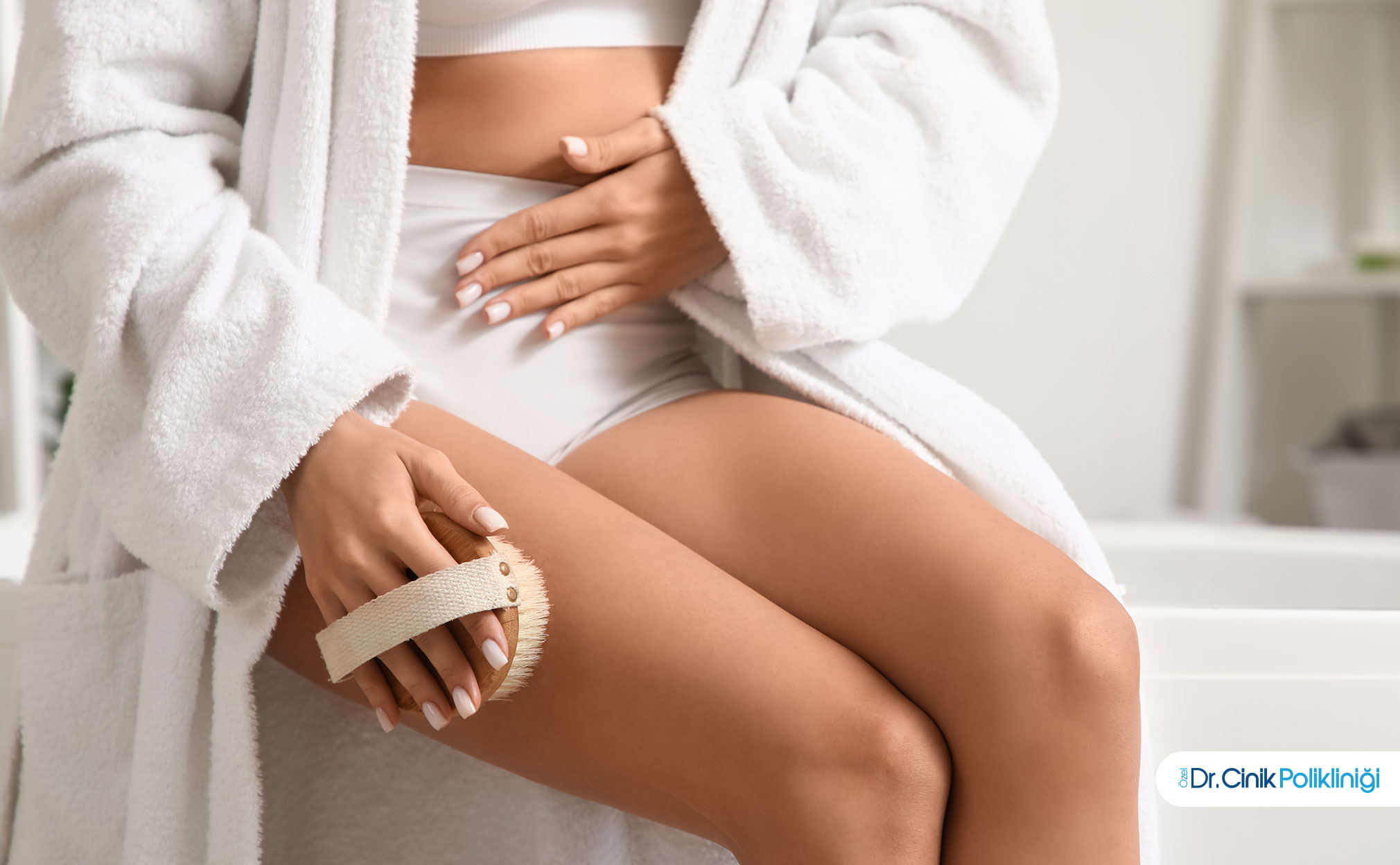
Quick Answer: Methods such as massage, endermology, radiofrequency, ultrasound, and shockwave therapy increase lymphatic drainage, stimulate collagen production, and exert mechanical effects on fibrous septa. However, they require multiple sessions and results are temporary (LaTowsky et al., 2023).
Endermology (LPG) mechanically manipulates the skin with vacuum and motorized rollers. This process increases lymphatic flow, reduces swelling, and improves microcirculation. However, the effects are short-lived (a few days). It is recommended to have 2 sessions per week, totaling 15-20 sessions. Studies have shown moderate improvement but that cellulite is not completely eliminated (Güleç, 2009).
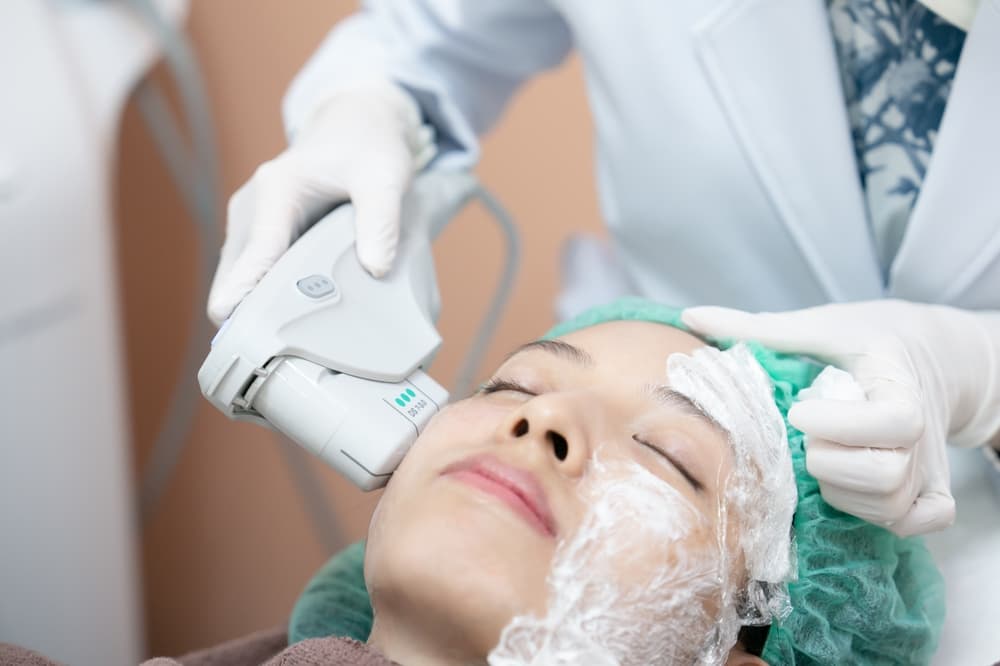
Radiofrequency (RF) energy heats the dermis, triggering collagen remodeling. Tripolar RF devices can increase skin firmness in 6-12 sessions. High-Intensity Focused Ultrasound (HIFU) targets deep tissue. However, evidence for cellulite is limited. Side effects are rare, but there is a risk of burns and pain (Mlosek et al., 2012).
Focused extracorporeal shock wave therapy (ESWT) affects fibrous septa with mechanical energy. A randomized controlled study published in 2013 showed that 6 sessions of ESWT (0.35 mJ/mm²) resulted in a 24% improvement in cellulite severity scores. A statistically significant difference was observed compared to the control group (Knobloch et al., 2013).
A study published in 2024 showed that the acoustic subcision device (Resonic) provided significant improvement in the appearance of cellulite lasting up to 52 weeks in a single session. Blind evaluators accurately identified post-treatment photos with a rate of 95.2% (Tanzi et al., 2024).
Subcision (cutting of fibrous bands) and enzyme injections (collagenase) are effective minimal invasive methods for moderate to severe cellulite. Subcision results can last 2-3 years. Collagenase injections (QWO) are FDA approved and break down fibrous septa (Kaminer et al., 2017; Sadick et al., 2019).
Subcision is the mechanical cutting of fibrous septa. Vacuum-assisted subcision (Cellfina device) penetrates up to 6 mm deep and cuts the septa. In a multicenter study by Kaminer and colleagues, a single session was performed on 55 women, achieving a ≥1 point improvement in 94% of cases within 1 year. Results continued for up to 3 years (Kaminer et al., 2017).
Laser-assisted subcision (Cellulaze) uses a wavelength of 1440 nm. This method cuts the septa and heats the dermis to increase collagen synthesis. In a study by DiBernardo and colleagues, 57 patients maintained a 90% improvement after 1 year (DiBernardo et al., 2013).
Collagenase clostridium histolyticum (CCH-aaes) contains bacterial enzymes that hydrolyze type I and III collagen. It was approved by the FDA in 2020 for moderate to severe cellulite. In two phase 3 studies, 3 treatment sessions (spaced 21 days apart) provided clinically significant improvement in 68% of patients (Goldman et al., 2019).
Side effects include pain, bruising, and swelling at the injection site. They typically resolve spontaneously within 2-3 weeks. Serious allergic reactions are rare (less than 1%).
Laser lipolysis breaks down fat cells and tightens the skin. Non-ablative lasers trigger collagen remodeling. Results can last 6-12 months. However, evidence is limited and multiple sessions are required (Sasaki, 2013).
The 1440 nm Nd:YAG laser breaks down fat cell membranes and releases triglycerides. At the same time, dermal heating provides collagen contraction. However, evidence is insufficient to prove that it is more effective than liposuction for cellulite treatment.
Liposuction is not recommended for cellulite. Fat removal does not affect fibrous septa and may worsen the appearance in some cases. Liposuction in cellulite-affected areas can lead to contour irregularities (Hexsel and Mazzuco, 2000s).
Fat transfer (fat grafting) can be used in combination techniques. However, these invasive procedures carry a long recovery time and risk of complications.
No. Cellulite is not only seen in overweight individuals. A single cream does not eliminate cellulite. There is no quick solution. Scientific evidence does not support these claims (Emanuele, 2013).
Myth | Truth | Source |
"It only occurs in overweight people" | It is also seen in thin women | Kruglikov and Scherer, 2023 |
"Creams completely eliminate it" | Only superficial effect | Castellanos-García et al., 2024 |
"Detox eliminates cellulite" | No scientific basis | Emanuele, 2013 |
"It is not seen in men" | It is rarely seen | Rossi and Vergnanini, 2000 |
Treatment selection is based on the degree of cellulite. For mild cellulite, lifestyle changes and topical products are sufficient. For moderate cases, non-invasive methods (shock wave, RF) are added. In advanced cases, subcision or collagenase injections are considered. Combination is always superior (LaTowsky et al., 2023).
The Cellulite Severity Scale (CSS) evaluates 5 parameters:
Number of dimples
Depth of dimples
Skin irregularity
Skin sagging
Environmental findings
The score ranges from 0 to 15. 0-5 is mild, 6-10 is moderate, and 11-15 is severe.
Biotechnological solutions (targeted collagenases), combined energy systems (RF + ultrasound + laser), and new collagen stimulators are being developed. However, selective targeting of fibrous septa is the most promising area (Arora et al., 2022).
Cellulite is a common, harmless, and difficult-to-treat condition. It cannot be completely eliminated. The most effective approach is: lifestyle changes (exercise + nutrition) + topical support (retinol) + a personalized combination of medical/technological treatments (subcision, shockwave, collagenase).
Scientific research emphasizes that patients should have realistic expectations. A 100% flattening should not be the goal. A 50-70% improvement is clinically significant and satisfactory in terms of patient satisfaction.
Arora, G., Patil, A., Hooshanginezhad, Z., Fritz, K., Salavastru, C., Kassir, M., Goldman, M.P., Gold, M.H., Adatto, M., Grabbe, S., et al. "Cellulite: Presentation and management." Journal of Cosmetic , vol. 21, no. 4, 2022, pp. 1393-1401. https://doi.org/10.1111/jocd.14815
Bass, L.S., and Kaminer, M.S. "Insights into the pathophysiology of cellulite: a review." Surgery, vol. 46, suppl, 2020, pp. S77-S85.
Castellanos-García, I., Ramírez-Zuluaga, L., Páez-Cárdenas, L., Villalba-Moreno, D., Caicedo-León, M., Singer, E., Pincelli, T., Bruce, A., and Aristizabal-Torres, M. "Cellulite & Skin Tightening: A Review of Pathophysiology and Topical Treatment." Reviews, vol. 5, no. 1, 2024, e70011. https://doi.org/10.1002/der2.70011
Cotofana, S., and Kaminer, M.S. "Anatomic update on the 3-dimensionality of the subdermal septum and its relevance for the pathophysiology of cellulite." Journal of Cosmetic , vol. 21, no. 8, 2022, pp. 3232-3239.
DiBernardo, B.E., et al. "A prospective study of the safety and efficacy of a 1440-nm pulsed Nd:YAG laser with a side-firing fiber for the treatment of cellulite." Plastic and Reconstructive Surgery, vol. 131, no. 6, 2013, pp. 1347-1356.
Dupont, E., Journet, M., Oula, M.L., Gomez, J., et al. "An integral topical gel for cellulite reduction: results from a double-blind, randomized, placebo-controlled evaluation of efficacy." Clinical, Cosmetic and Investigational , vol. 7, 2014, pp. 73-88.
Emanuele, E. "Cellulite: advances in treatment: facts and controversies." Clinics in , vol. 31, no. 6, 2013, pp. 725-730.
Goldman, M.P., et al. "Collagenase clostridium histolyticum for the treatment of edematous fibrosclerotic panniculopathy (cellulite): a randomized trial." Surgery, vol. 45, no. 8, 2019, pp. 1047-1056.
Güleç, A.T. "Treatment of cellulite with LPG endermologie." International Journal of , vol. 48, no. 3, 2009, pp. 265-270.
Hexsel, D.M., and Mazzuco, R. "Subcision: a treatment for cellulite." International Journal of , vol. 39, no. 7, 2000, pp. 539-544.
Hexsel, D., Siega, C., Schilling-Souza, J., Stapenhorst, A., et al. "Assessment of psychological, psychiatric, and behavioral aspects of patients with cellulite: a pilot study." Surgical and Cosmetic , vol. 4, no. 2, 2012, pp. 131-136.
Kaminer, M.S., Coleman, W.P. III, Weiss, R.A., Robinson, D.M., et al. "A multicenter pivotal study to evaluate tissue stabilized-guided subcision using the Cellfina device for the treatment of cellulite with 3-year follow-up." Surgery, vol. 43, no. 10, 2017, pp. 1240-1248.
Knobloch, K., Joest, B., Krämer, R., and Vogt, P.M. "Cellulite and Focused Extracorporeal Shockwave Therapy for Non-Invasive Body Contouring: a Randomized Trial." Clinical, Cosmetic and Investigational , vol. 6, 2013, pp. 135-142.
Kruglikov, I.L., and Scherer, P.E. "Pathophysiology of cellulite: Possible involvement of selective endotoxemia." Obesity Reviews, vol. 24, no. 2, 2023, e13517. https://doi.org/10.1111/obr.13517
LaTowsky, B., Jacob, C., Hibler, B.P., Lorenc, P.Z., Petraki, C., and Palm, M. "Cellulite: Current Treatments, New Technology, and Clinical Management." Surgery, vol. 49, suppl., 2023, pp. S8-S14.
Mlosek, R.K., Woźniak, W., Malinowska, S., Lewandowski, M., et al. "The effectiveness of anticellulite treatment using tripolar radiofrequency monitored by classic and high-frequency ultrasound." Journal of the European Academy of and Venereology, vol. 26, no. 6, 2012, pp. 696-703.
Piotrowska, A., Czerwińska-Ledwig, O., Stefańska, M., Pałka, T., Maciejczyk, M., Bujas, P., Bawelski, M., Ridan, T., Żychowska, M., Sadowska-Krępa, E., et al. "Changes in Skin Microcirculation Resulting from Vibration Therapy in Women with Cellulite." International Journal of Environmental Research and Public Health, vol. 19, no. 6, 2022, pp. 3385.
Rossi, A.B., and Vergnanini, A.L. "Cellulite: a review." Journal of the European Academy of and Venereology, vol. 14, no. 4, 2000, pp. 251-262.
Sadick, N.S., Goldman, M.P., Liu, G., Shusterman, N.H., et al. "Collagenase clostridium histolyticum for the treatment of edematous fibrosclerotic panniculopathy (cellulite): a randomized trial." Surgery, vol. 45, no. 8, 2019, pp. 1047-1056.
Sasaki, G.H. "Single treatment of grades II and III cellulite using a minimally invasive 1,440-nm pulsed Nd:YAG laser and side-firing fiber: an institutional review board-approved study with a 24-month follow-up period." Aesthetic Plastic Surgery, vol. 37, no. 6, 2013, pp. 1073-1089.
Tanzi, E.L., Robertson, D., LaTowsky, B., Jacob, C., Ibrahim, O., and Kaminer, M.S. "Improvement in Cellulite Appearance After a Single Treatment Visit With Acoustic Subcision: Long-Term Findings From a Multicenter Clinical Trial." Surgery, 2024.
Wang, J.V., Bajaj, S., Mehrabi, J.N., and Geronemus, R.G. "Real-world experiences of patients with cellulite: implications for newer treatment modalities." Surgery, vol. 48, no. 9, 2022, pp. 1023-1024.