Yükleniyor…
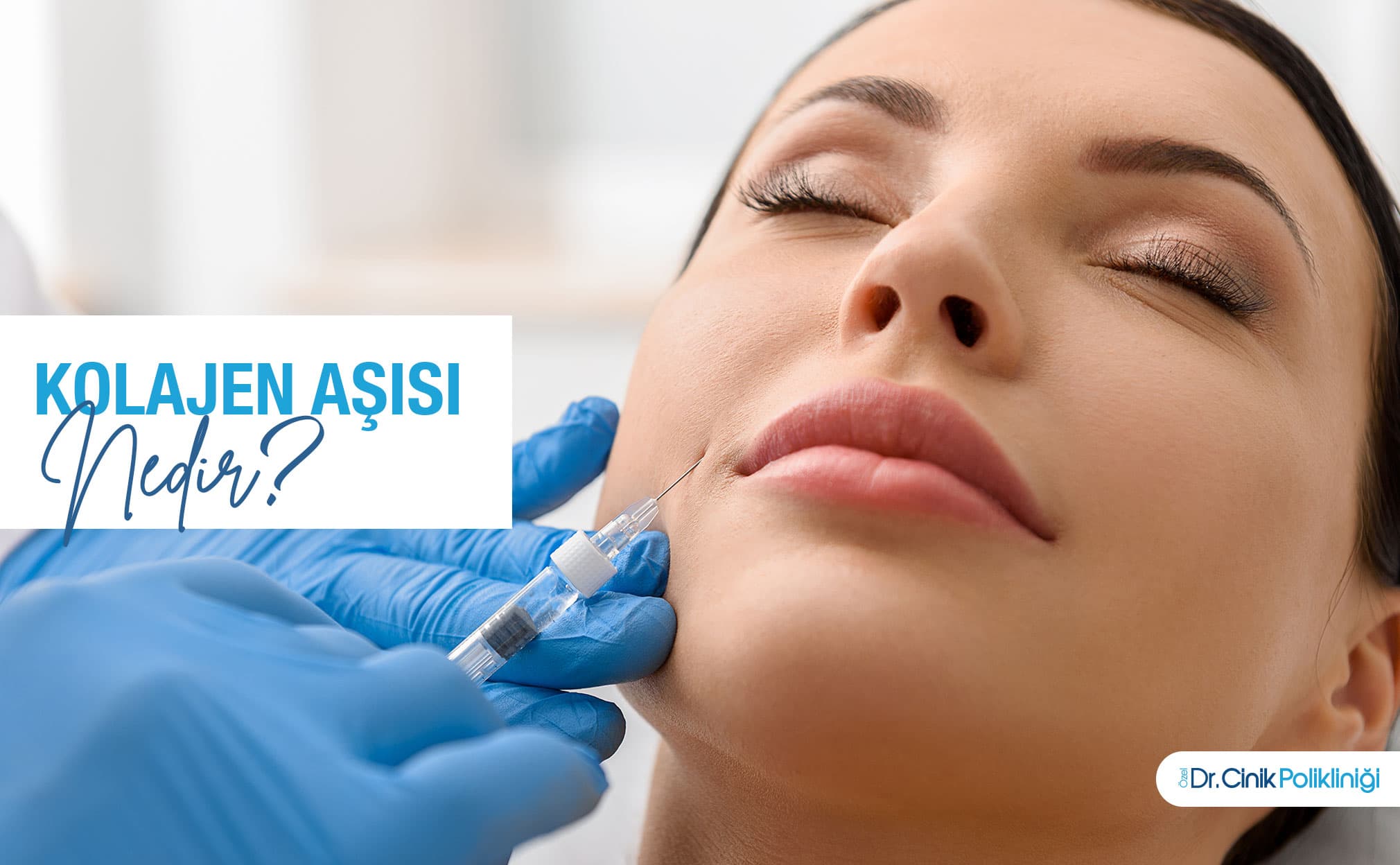
Collagen injection, is a minimally invasive injection treatment aimed at improving skin quality. This method activates the skin's own repair mechanisms and supports tissue renewal. This treatment, which is gaining increasing interest in the fields of aesthetic and regenerative medicine, enhances endogenous collagen synthesis through fibroblast activation. During the aging process, an average annual collagen loss of about 1 to 1.5 percent occurs (Shuster 2005). This loss manifests as decreased skin elasticity, fine wrinkles, and volume loss. Collagen injection aims to slow down this biological regression and maintain the structural integrity of the skin. This article explains collagen injection techniques, mechanisms of action, clinical outcomes, and patient safety in light of scientific data.
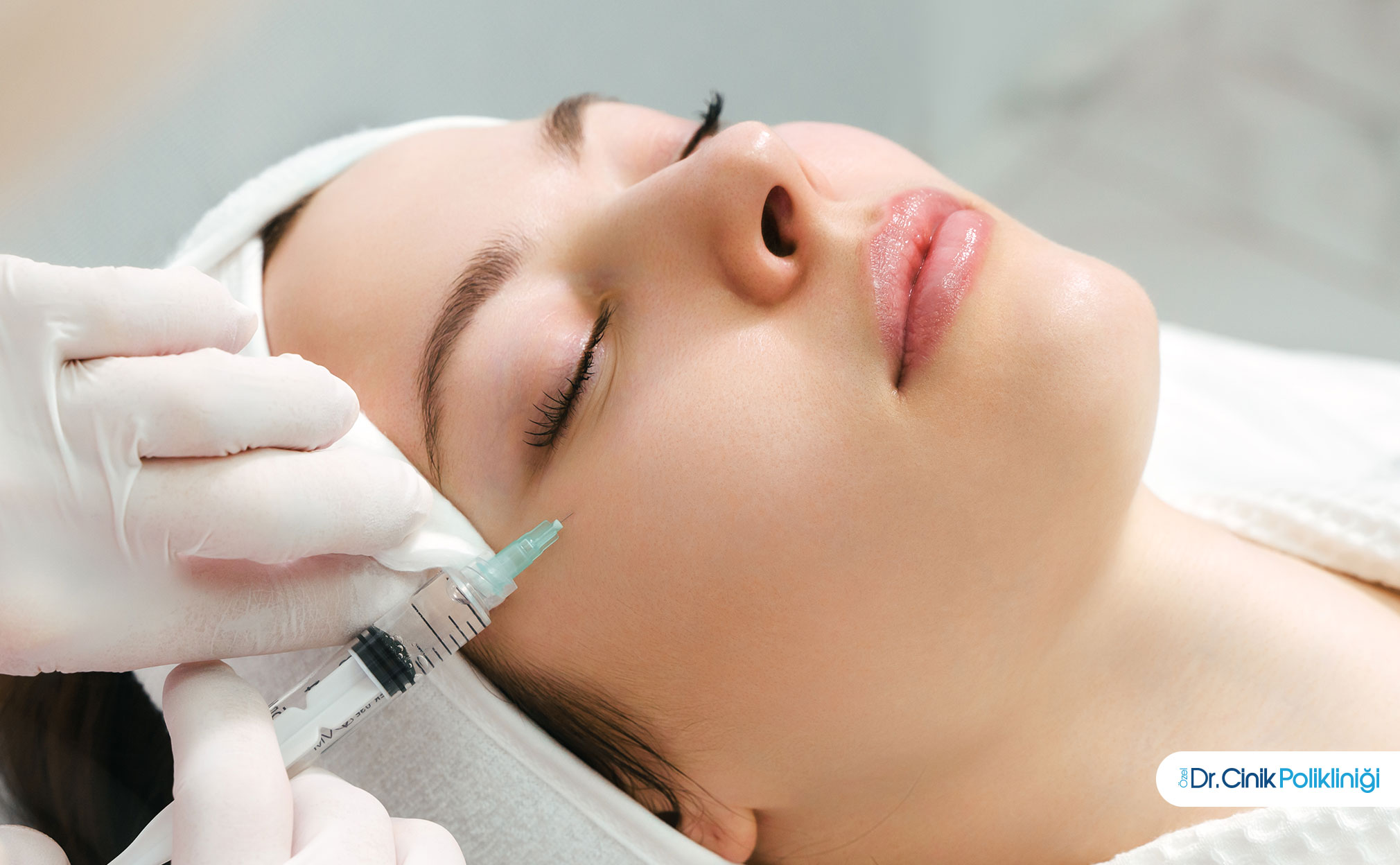
Collagen is the fundamental building block of connective tissue and skin health. This protein is part of the most abundant protein family in the body and constitutes the main component of the extracellular matrix.
Collagen has a triple helix structure formed by the coiling of three alpha chains. Type I and Type III collagen play key roles in the skin. Type I collagen forms thick fibers and provides skin durability. Type III collagen produces thin fibers and assists in the maturation of Type I collagen. These two types create a tight network within the extracellular matrix and provide tensile strength to the skin. With aging, fibroblasts become less active and collagen production decreases by about 1.0 to 1.5 percent per year. This reduction is the main cause of fine wrinkles and loss of elasticity (Varani et al. 2006).
Collagen Type | Main Location | Function |
Type I | Skin, tendon, bone, teeth | Provides durability and tensile strength |
Type II | Cartilage tissue | Protects joint surfaces and absorbs shock |
Type III | Skin, blood vessels, internal organs | Forms a flexible support network and supports the maturation of Type I |
Exposure to the sun, smoking, and air pollution activate matrix metalloproteinase enzymes and break down collagen fibers. Fisher and his team demonstrate that ultraviolet light increases MMP-1, MMP-3, and MMP-9 enzymes by thousands of times. These enzymes lead to signs of aging in the skin by breaking down Type I and Type III collagen (Fisher et al. 2009).
Collagen injection is the process of injecting collagen or substances that stimulate collagen production directly into the skin. This treatment adopts a biostimulation approach that does not aim to add volume.
Classic fillers provide instant volume and fill gaps. Collagen injection stimulates fibroblasts to produce the skin's own collagen. Therefore, results appear gradually and offer a natural look. In cosmetic applications, facial rejuvenation is targeted, while in medical fields, joint and tissue repair is aimed. The treatment improves skin quality, enhances tissue hydration, and provides elasticity.
Feature | Collagen Injection | Volume-Adding Filler |
Mechanism of Action | Fibroblast activation and new collagen synthesis | Physical volume and filling effect |
Onset of Results | Gradual improvement within 2-4 weeks | Instant visible results |
Duration of Effect | 12-24 months | 6-18 months |
Naturalness | High, produced from own tissue | Medium, established substance |
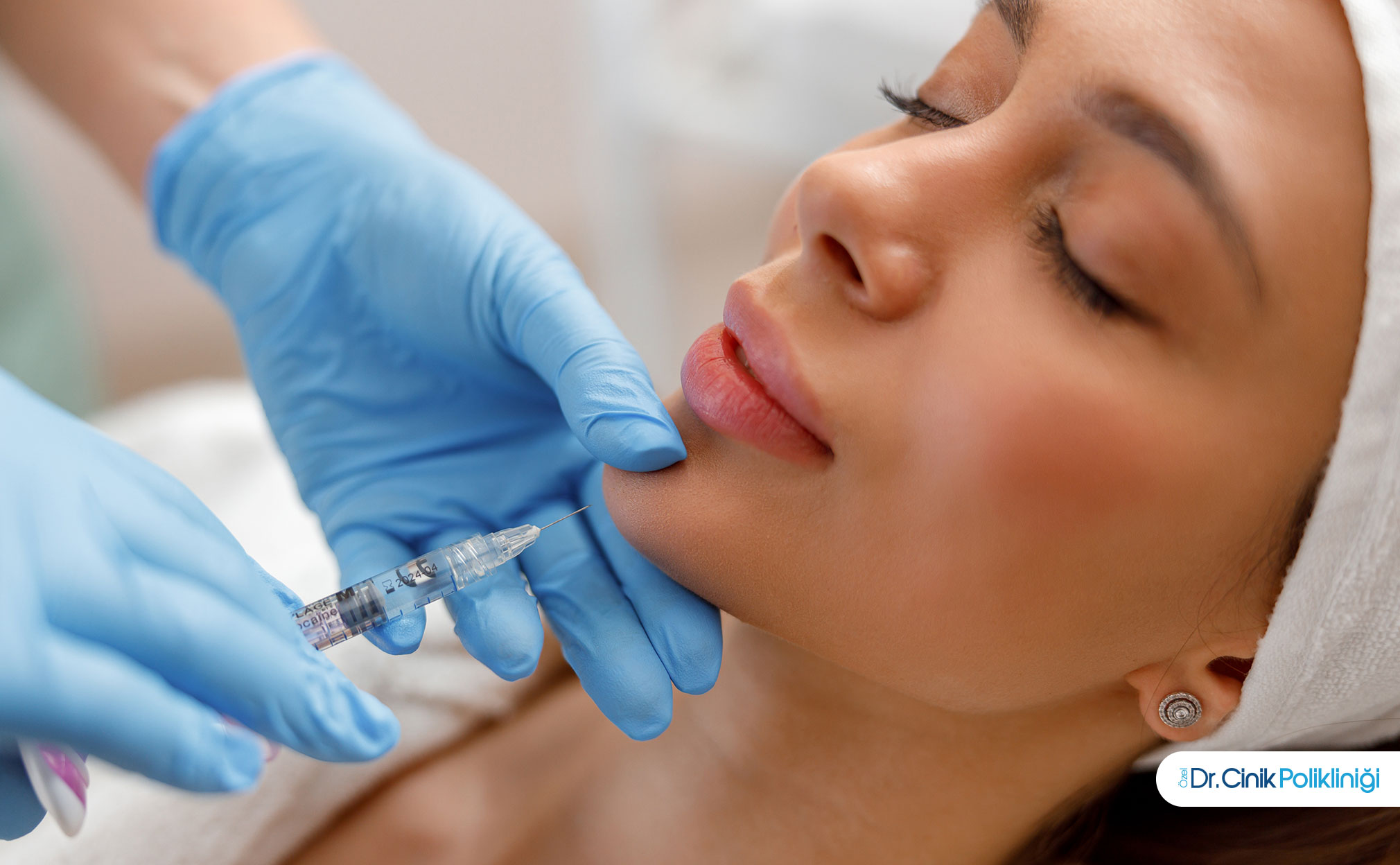
Collagen injection rejuvenates the skin through mechanotransduction and cellular activation. The injected substance acts as a biological stimulant on fibroblasts.
Fibroblasts are activated when they come into contact with the injected microspheres or polynucleotide chains. These cells increase the synthesis of Type I and Type III collagen. They also support the production of elastin and proteoglycans. The dermal matrix is reorganized with new fibers, and skin firmness increases. Calcium hydroxyapatite microspheres create a three-dimensional scaffold within the tissue. This scaffold increases mechanical tension and forces fibroblasts to biosynthesize (Goldie et al. 2024).
Polynucleotides upregulate the adenosine 2A receptor in macrophages. This process promotes M2 macrophage polarization and reduces oxidative stress. The conditioned environment increases SMAD2 and STAT3 phosphorylation in fibroblasts, thereby enhancing collagen density (Byun et al. 2025).
Collagen injection types are divided into three main categories. Each category works through different biological mechanisms.
Direct collagen injections contain ready-made collagen from animal or synthetic sources. Biostimulant injections trigger the skin's own collagen production. Combined protocols bring together multiple methods.
Direct collagen injections deliver pure collagen protein beneath the skin. This method provides immediate tissue support, but the duration of effect is limited.
Animal-derived collagens are typically obtained from bovine or porcine tissues. Synthetic collagens are produced in laboratory settings. These injections fill fine wrinkles and improve skin tone. However, the body breaks down foreign proteins over time. Therefore, repeated sessions are necessary. They carry a risk of allergy, and a skin test is recommended beforehand.
Biostimulant injections create a repair response from within the skin. These agents activate fibroblasts for a prolonged period.
Calcium hydroxyapatite microspheres provide spherical structures with a diameter of 25-45 micrometers. These spheres generate new collagen through fibroblast activation and show effects for 12-18 months. Poly-L-lactic acid increases dermal collagen synthesis by modulating M2 macrophage polarization (Oh et al. 2023). Polynucleotides are salmon-derived DNA fragments that establish a temporary scaffold in the extracellular matrix. This scaffold provides a surface for fibroblast adhesion and stimulates collagen synthesis through mechanical forces (Byun et al. 2025).
Type of Biostimulant | Main Substance | Onset of Effect | Duration of Effect |
Calcium Hydroxylapatite | Synthetic Microspheres | 4-8 weeks | 12-18 months |
Poly-L-Lactic Acid | Biodegradable Polymer | 6-8 weeks | 18-24 months |
Polynucleotide | Salmon DNA Fragments | 2-4 weeks | 6-12 months |
Combined protocols integrate collagen injections with complementary methods. This approach optimizes the results.
Platelet-rich plasma contains growth factors and enhances fibroblast proliferation. Kakudo and his team demonstrate that this plasma supports the proliferation of human skin fibroblasts (Kakudo et al. 2008). Mesotherapy injects vitamin and mineral mixtures under the skin. However, the histological study by El-Domyati and his team reveals that mesotherapy alone does not provide statistically significant collagen increase (El-Domyati et al. 2012). Laser and radiofrequency devices create controlled thermal damage and trigger collagen remodeling. These combinations enhance skin rejuvenation results in a multifaceted way.
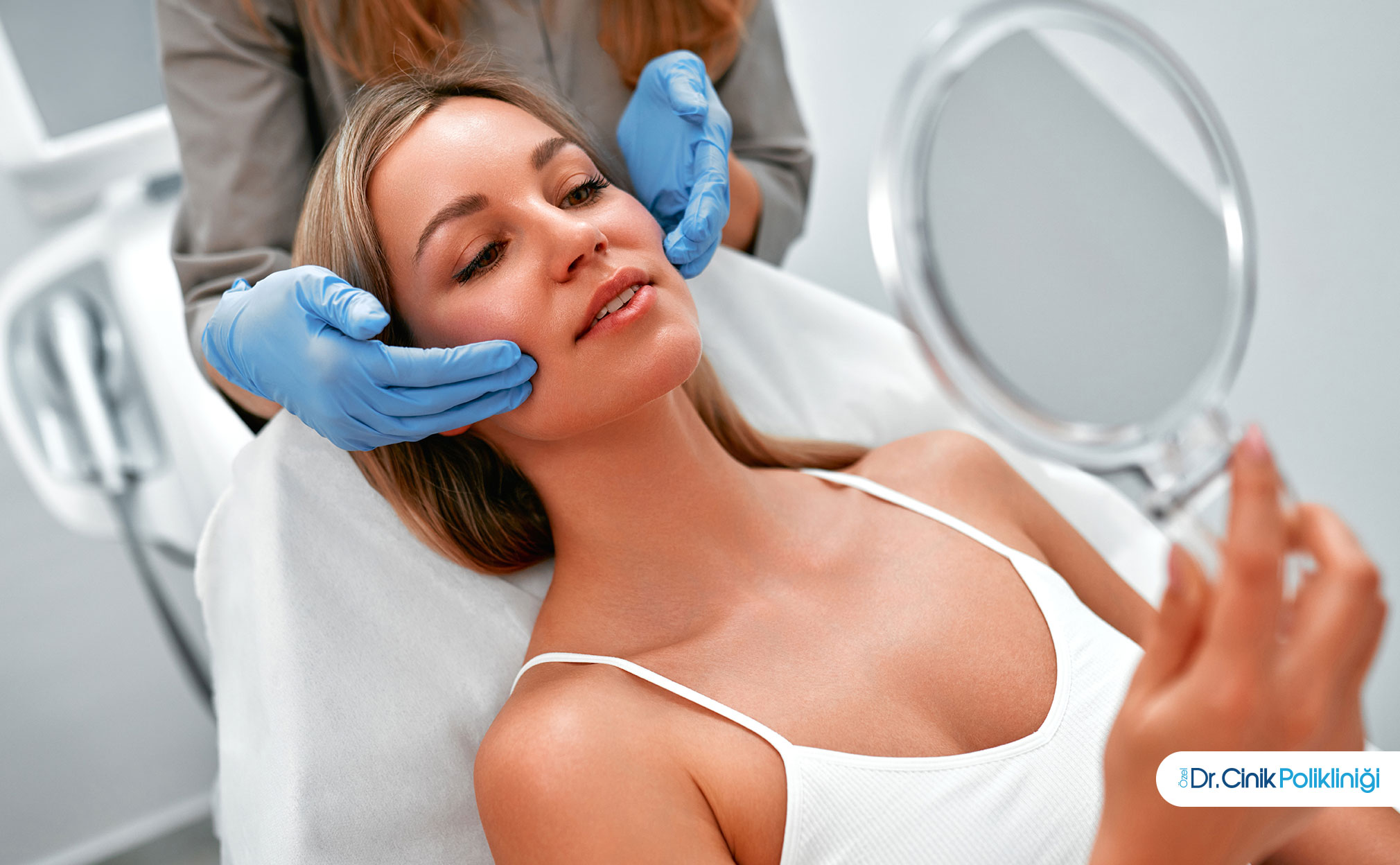
Collagen injections are applied using standard injection protocols. The physician begins the procedure with a patient assessment.
The physician first analyzes the skin type and evaluates the depth of wrinkles. A local anesthetic cream is applied 30-45 minutes before the procedure. Injection is performed into the dermal or subdermal plane using a fine needle or cannula. The micro-bolus technique allows for the even distribution of small amounts. The fanning technique provides equal distribution over larger areas. The number of sessions typically ranges from 2 to 4, and sessions are planned 2-4 weeks apart.
Collagen injections have a wide range of applications in aesthetic and medical fields. Indications are determined based on skin type and degree of aging.
In aesthetic , collagen injections are applied to the face, neck, and décolletage area. This treatment targets fine wrinkles, loss of elasticity, and irregularities in skin tone.
Fine wrinkles become particularly pronounced around the eyes and above the lips. Collagen injections soften these lines and restore the skin's smooth appearance. Acne scars create depressions due to tissue loss. Biostimulant agents support new tissue formation in these areas and reduce scar depth. Irregularities in skin tone arise from sun damage and aging. The treatment helps to regulate melanin distribution and gives the skin a radiant appearance.
In medical use, collagen injections serve as supportive therapy for joint diseases and soft tissue injuries.
Osteoarthritis is characterized by the wear of cartilage tissue. Collagen injections increase the viscosity of joint fluid and reduce pain. In tendon and ligament injuries, biostimulant substances accelerate tissue repair. These applications support the rehabilitation process in sports medicine and orthopedics. The use of collagen injections also creates an area for tissue repair in the healing of burns and surgical scars.
Collagen injections show objective and subjective improvements in clinical studies. Results gradually develop depending on the natural pace of biological processes.
The onset of effect typically becomes noticeable between the second and fourth week. Maximum effect is observed between eight and twelve weeks later. This period is necessary for the maturation of new collagen fibers and the remodeling of the dermal matrix. The duration of effect varies between 12-24 months depending on the type of agent used. Patient satisfaction is high because the results appear natural and do not freeze expression. Kim and his team found an 89% increase in collagen density in the areas where platelet-rich plasma was applied (Kim et al. 2011).
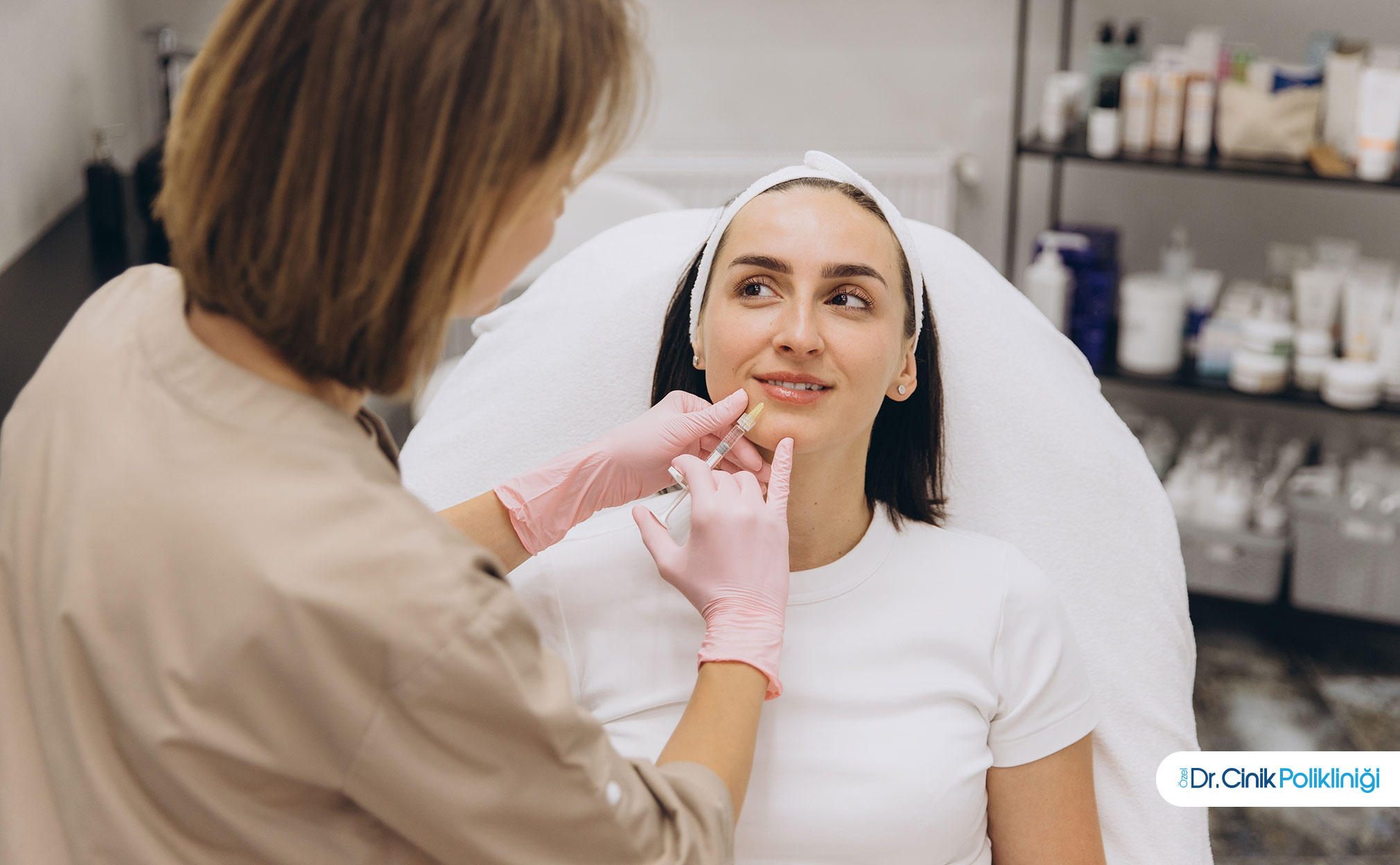
Collagen injection offers many advantages due to its minimally invasive nature. However, it has some limitations.
Advantages include being non-surgical, providing natural results, and showing gradual effects. The patient can return to their daily activities immediately after the procedure. Disadvantages include the need for repeated sessions and the fact that it is not permanent. Additionally, it takes 2-3 months for the results to fully manifest. Therefore, it may not be suitable for patients expecting immediate results.
Advantages | Disadvantages |
Does not carry surgical risks | Not permanent |
Provides a natural appearance | Requires multiple sessions |
Short recovery time after the procedure | Takes time for the full effect to be seen |
Supports the skin's own tissue production | Cost may increase with repeated sessions |
Collagen injection is generally considered a safe treatment. Side effects are mild and temporary.
Common side effects include redness, swelling, and bruising at the injection site. These symptoms typically resolve on their own within 24-72 hours. Rarely, allergic reactions, infections, or nodule formation may occur. Bernardo and his team observed an increase in Type I and Type III collagen biosynthesis in poly-L-lactic acid applications and reported that nodule formation has decreased with modern techniques (Bernardo et al. 2024). The physician minimizes the risk of infection by adhering to sterile technique rules. Patients with a history of allergies undergo a detailed assessment prior to the procedure.
Collagen injection may not be suitable for every patient. Certain health conditions contraindicate the treatment.
Safety studies during pregnancy and breastfeeding are insufficient. Therefore, physicians do not recommend procedures for patients in this period. Injections are not performed in areas with active skin infections. Autoimmune diseases carry a risk of excessive inflammatory response. Patients with collagen allergies should be particularly cautious with animal-derived products. Patients using blood thinners are evaluated for the risk of bruising.
Proper care optimizes the results of collagen injections and reduces complications.
Before the procedure, it is necessary to avoid aspirin and alcohol 48 hours prior. The patient cleans their skin and removes makeup. For the first 24 hours after the procedure, the injection area should not be touched. Sun protection is provided with SPF 50+ sunscreen. Physical activity is restricted for the first 48 hours. The use of moisturizer supports the skin barrier. Hot showers, saunas, and steam baths are not recommended for the first week.
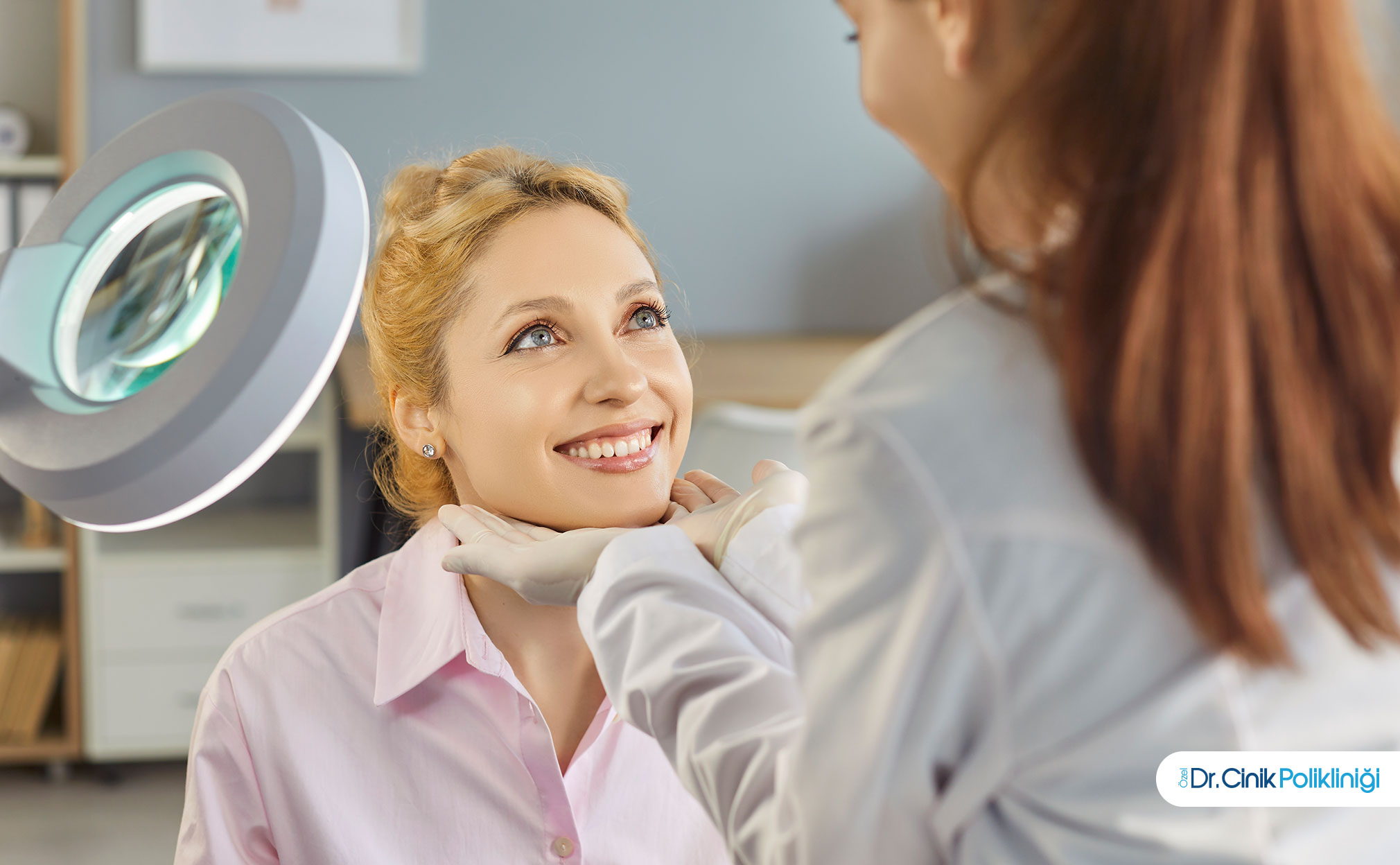
Collagen injection is an option among skin rejuvenation methods. Patients can also consider other techniques based on their needs.
Hyaluronic acid fillers create instant volume and filling effect. These substances bind water molecules and hydrate the skin. Platelet-rich plasma contains autologous growth factors. Cho and his team have shown that this plasma increases Type I collagen and matrix metalloproteinase-1 expression (Cho et al. 2012). Mesotherapy nourishes the skin with vitamin cocktails but may not provide significant collagen increase on its own (El-Domyati et al. 2012). Laser and radiofrequency devices trigger collagen remodeling with heat energy. When combined with collagen injections, these methods can yield synergistic results.
Method | Mechanism of Action | Duration of Effect | Suitable Patient Profile |
Collagen Injection | Fibroblast activation | 12-24 months | Those seeking natural and gradual results |
Hyaluronic Acid Filler | Volume and hydration | 6-18 months | For those seeking immediate noticeable change |
Platelet-Rich Plasma | Growth factors | 6-12 months | For those preferring autologous treatment |
Thermal collagen remodeling | 6-12 months | For those with skin tone and texture irregularities |
Collagen injection is a significant part of the biostimulation approach in modern aesthetic medicine. This method promises naturalness and long-lasting tissue healing.
Biostimulation utilizes the skin's own repair capacity. Therefore, results are personalized according to the patient's biological response. Combined treatment protocols offer superior results by bringing together different mechanisms. For example, the combination of calcium hydroxyapatite with laser provides both deep tissue tightening and improvement in superficial skin quality. Guida and his team have confirmed through systematic reviews that calcium hydroxyapatite is safe and effective in facial applications (Guida et al. 2023). McCarthy and his team note that the regular spherical structure of calcium hydroxyapatite microspheres produces a less inflammatory response, and this feature enhances safety (McCarthy et al. 2024).
Collagen injection is an effective and minimally invasive method aimed at improving skin quality. It offers natural results and provides long-term biological effects.
This treatment increases endogenous collagen synthesis through fibroblast activation. Personalized planning enhances the success rate. The patient should accept gradual improvement within realistic expectations. Scientific research shows that biostimulant agents play a role in dermal matrix remodeling and increasing skin elasticity. A systematic review by Fisher and his team in 2024 emphasizes that biostimulants are gaining increasing importance as adjunctive treatment in facial rejuvenation (Fisher et al. 2024). Proper patient selection, sterile technique, and appropriate aftercare are key to optimal results.
Bernardo, Rafael T. R., et al. "Effect of Poly-l-Lactic Acid and Polydioxanone Biostimulators on Type I and III Collagen Biosynthesis." Skin Research and Technology, vol. 30, no. 4, 2024, e13681.
Byun, Kyung-A, et al. "Polynucleotides Enhance Collagen Synthesis via Modulating Phosphoenolpyruvate Carboxykinase 1 in Senescent Macrophages: Experimental Evidence." International Journal of Molecular Sciences, 2025.
Cho, Jung Woo, et al. "Platelet-rich plasma induces increased expression of G1 cell cycle regulators, type I collagen, and matrix metalloproteinase-1 in human skin fibroblasts." International Journal of Molecular Medicine, vol. 29, no. 1, 2012, pp. 32-36.
El-Domyati, Moetaz, et al. "Efficacy of mesotherapy in facial rejuvenation: a histological and immunohistochemical evaluation." International Journal of , vol. 51, no. 8, 2012, pp. 913-919.
Fisher, Gary J., et al. "Matrix-degrading Metalloproteinases in Photoaging." Journal of Investigative Symposium Proceedings, vol. 14, no. 1, 2009, pp. 20-24.
Fisher, Gary J., et al. "Pathophysiology of premature skin aging induced by ultraviolet light." The New England Journal of Medicine, vol. 337, no. 20, 1997, pp. 1419-1428.
Fisher, Geoffrey, et al. "The Emerging Role of Biostimulators as an Adjunct in Facial Rejuvenation: A Systematic Review." Surgery, 2024.
Goldie, Kate, et al. "Consensus Agreements on Regenerative Aesthetics: A Focus on Regenerative Biostimulation With Calcium Hydroxylapatite." Surgery, vol. 50, no. 11S, 2024, pp. S172-S176.
Guida, Stefania, et al. "A Systematic Review of Radiesse (Calcium Hydroxylapatite) and Carboxymethylcellulose: Evidence and Recommendations for Treatment of the Face." Journal of Cosmetic , vol. 23, no. 2, 2023, pp. 701-703.
Kakudo, Natsuko, et al. "Proliferation-promoting effect of platelet-rich plasma on human adipose-derived stem cells and human dermal fibroblast." Plastic and Reconstructive Surgery, vol. 122, no. 4, 2008, pp. 1352-1360.
Kim, Dong Hye, et al. "Can platelet-rich plasma be used for skin rejuvenation? evaluation of effects of platelet-rich plasma on human dermal fibroblast." Annals of , vol. 23, no. 4, 2011, pp. 424-431.
McCarthy, Aoife, et al. "A Morphological Analysis of Calcium Hydroxylapatite and Poly-l-Lactic Acid Biostimulator Particles." Journal of Cosmetic , vol. 23, no. 1, 2024, pp. 99-106.
Oh, Seong Joon, et al. "Poly-l-Lactic Acid Fillers Improved Dermal Collagen Synthesis by Modulating M2 Macrophage Polarization in Aged Animal Skin." Cells, vol. 12, no. 9, 2023, p. 1320.
Quan, Taihao, et al. "Solar ultraviolet irradiation reduces collagen in photoaged human skin by blocking transforming growth factor-β type II receptor/Smad signaling." The American Journal of Pathology, vol. 165, no. 3, 2004, pp. 741-751.
Shuster, Sam. "Osteoporosis, like skin aging, is caused by collagen loss which is reversible." Medical Hypotheses, vol. 65, no. 3, 2005, pp. 426-432.
Varani, James, et al. "Decreased collagen production in chronologically aged skin: roles of age-dependent alteration in fibroblast function and defective mechanical stimulation." The American Journal of Pathology, vol. 168, no. 6, 2006, pp. 1861-1868.