Yükleniyor…
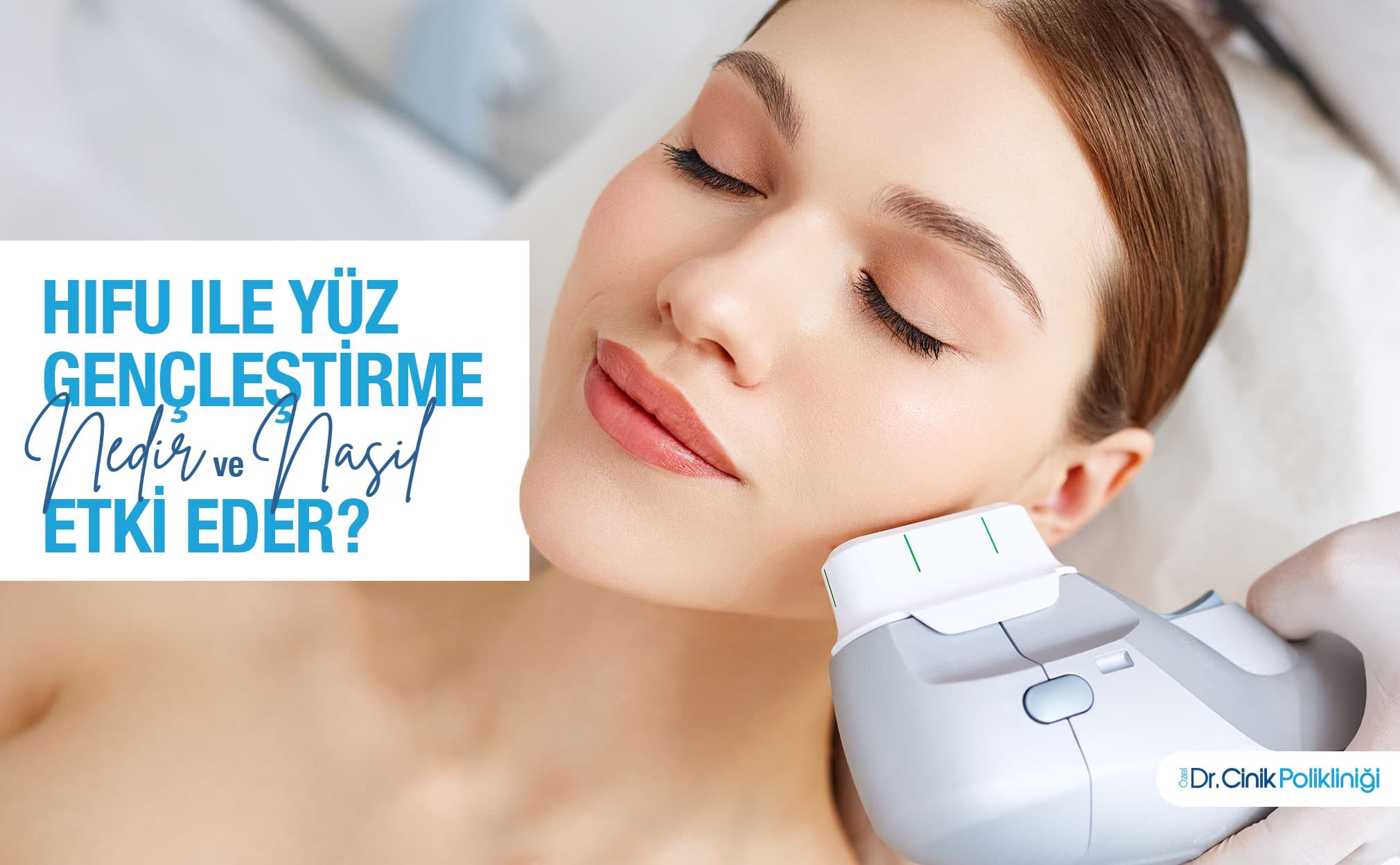
HIFU (High-Intensity Focused Ultrasound) is a non-invasive facial rejuvenation method that triggers collagen production by sending focused ultrasound energy to the deep layers of the skin. This technology provides skin tightening and lifting effects without surgical intervention.
HIFU is a non-surgical facial rejuvenation method adapted from therapeutic ultrasound technology for aesthetic applications.
High-Intensity Focused Ultrasound is the aesthetic adaptation of ultrasound technology used in cancer treatment. This technology began to be used in aesthetic medicine in the early 2000s (Gold, 2015). The FDA (U.S. Food and Drug Administration) approved HIFU devices for facelift and wrinkle treatment in 2009 (Suh et al., 2011).
HIFU is a non-invasive treatment method used in and aesthetic medicine to create lifting effects. This method delivers energy to deep tissues without damaging the surface of the skin. It is based on the principles of medical ultrasonography but uses much higher energy densities (Kim et al., 2017).
HIFU is a unique technology that can reach the SMAS layer without damaging the epidermis and offers an alternative to surgical facelifts.
HIFU technology is distinguished from other non-invasive methods by three key features:
Does not damage the epidermis: While laser treatments affect the upper layer of the skin, HIFU impacts the deeper layers without touching the skin's surface. This feature eliminates the recovery time (Fabi et al., 2015).
Reaches the SMAS layer: It can penetrate to the Superficial Musculoaponeurotic System (SMAS) layer targeted in facelift surgery. This depth (4.5 mm) cannot be reached by other non-invasive methods (Lee et al., 2016).
Offers a surgical alternative: It provides an effective alternative to surgical intervention for patients seeking non-surgical facelifts. Research shows that HIFU is as effective as 60-80% of surgical results (Oni et al., 2017).
HIFU initiates the natural healing process and collagen production by creating controlled thermal damage in the subcutaneous tissues.
Focused sound waves are transmitted to the dermis, creating controlled heat between 45–65°C and initiating the regeneration process with micro-damage.
HIFU devices send focused ultrasound waves to specific depths of the skin. This energy generates temperatures between 45–65°C at target points (Glatt et al., 2019). This temperature range is optimal for the denaturation (structural change) of collagen fibers.
The controlled thermal damage mechanism works as follows:
Process | Description | Result |
Energy transmission | Focused ultrasound waves | Deep tissue heating |
Thermal damage | Micro coagulation points | Cell renewal signal |
Healing | Inflammatory response | New collagen synthesis |
Micro-damages trigger the body's natural healing mechanism. In this process, growth factors are released and fibroblast cells are activated (Shono et al., 2015).
Fibroblast activation increases, new collagen fibers are synthesized, and skin elasticity and firmness improve.
The mechanism of action of HIFU occurs at the cellular level:
Fibroblast activation: Heat damage stimulates fibroblast cells. These cells produce collagen, the structural protein of the skin. Studies observed a 40-60% increase in fibroblast activity after HIFU (Zhao et al., 2018).
New collagen synthesis: The production of Type I and Type III collagen increases. These new fibers strengthen the structural integrity of the skin. Histological studies reported a 35% increase in collagen density after 3 months (Rossi et al., 2014).
Elastin reorganization: Reorganization occurs in elastin fibers. This process restores the skin's elasticity.
The dermis, subdermal connective tissue, and SMAS layer are targeted.
HIFU technology uses probe heads specific to the layers at different depths of the skin:
1.5 mm depth: Dermis layer close to the skin surface. Used for fine wrinkles and skin texture.
3.0 mm depth: Deep layers of the dermis and subdermal connective tissue. Provides tightening at medium depth.
4.5 mm depth: SMAS layer. This depth is the anatomical structure targeted in surgical face lifting. It has been proven that HIFU creates its strongest lifting effect at this depth (Sasaki and Tevez, 2017).
It is used to reduce signs of aging such as sagging, wrinkles, and loss of elasticity.
The jawline, double chin area, brow lifting, and nasolabial folds are the main application areas.
HIFU technology provides effective results in specific areas of the face:
Jawline: Reduces sagging in the lower jaw area. Increases the prominence of the mandibular line. Studies reported 70-85% patient satisfaction in this area (Fitzgerald and Rubin, 2014).
Double chin area: Targets the fat tissue under the neck. Provides tightening in the submental area.
Brow lifting: Applied to the forehead area to elevate the brow position. Provides an average increase of 2-3 mm in brow height (Kennedy et al., 2015).
Nasolabial folds: Creates a reduction in depth of wrinkles extending from the sides of the nose to the corners of the mouth.
Individuals over 30 years old, those with mild to moderate skin sagging, and patients who do not want surgery are ideal.
The ideal patient profile for HIFU treatment has the following characteristics:
Age range: Individuals aged 30-65 respond best. The skin's collagen production capacity is sufficient in this age range (Gold, 2015).
Degree of sagging: Those with mild to moderate skin sagging. In cases of advanced sagging, surgery may be more appropriate.
Lifestyle: Patients seeking natural-looking results without a recovery process.
Patient Feature | Eligibility | Description |
30-50 years | High | Active collagen metabolism |
Mild sagging | High | Optimal lifting effect |
Not wanting surgery | High | Non-invasive advantage |
Advanced sagging | Low | Surgery is more effective |
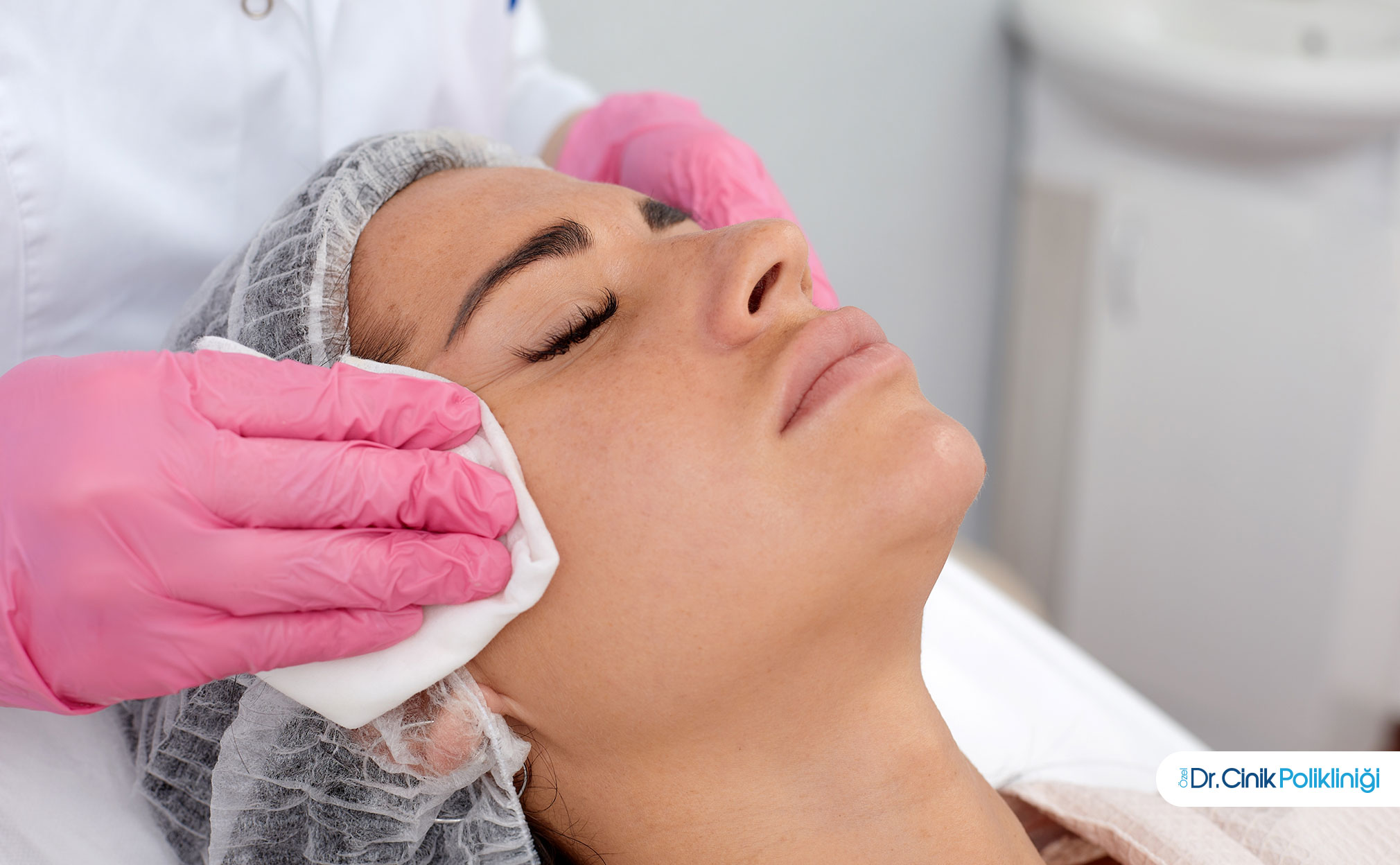
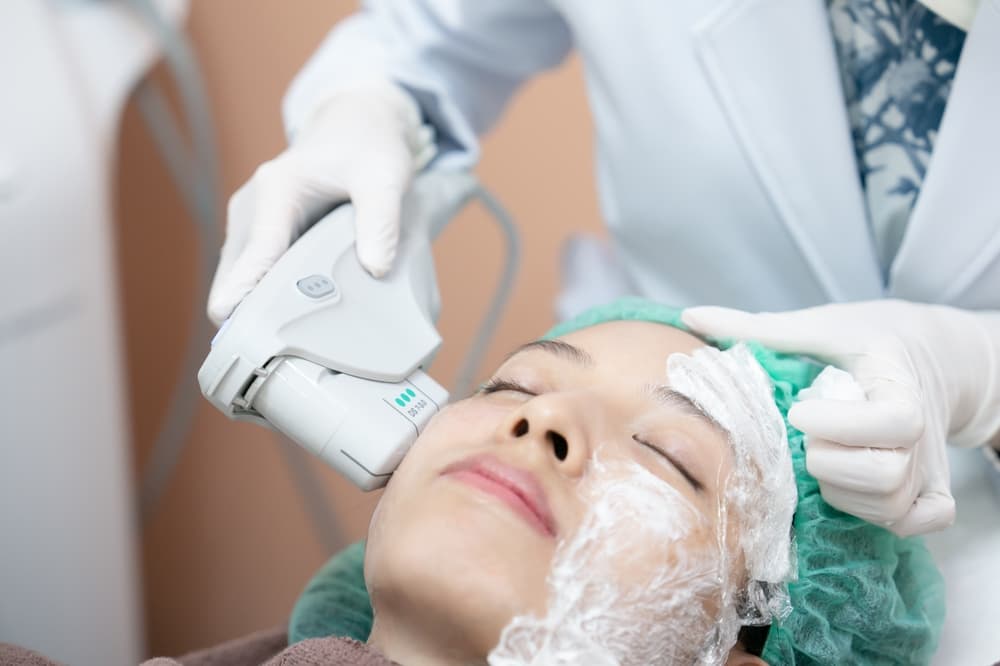
After skin analysis, the device applied with ultrasound gel transmits energy to the target depths.
Skin analysis, photographic assessment, and personalized planning are conducted.
A comprehensive evaluation process is applied before HIFU treatment:
Skin analysis: Skin type, thickness, and degree of sagging are assessed. The amount of fat tissue is measured. This analysis plays a critical role in determining energy levels (Dayan, 2015).
Photographic assessment: Pre-treatment photos are taken under standard lighting conditions. These images allow for objective evaluation of results.
Medical history: Medication use, previous aesthetic procedures, and contraindications are inquired.
Ultrasound gel application occurs, followed by determining energy settings and targeted energy transmission to the layers.
The HIFU application follows a standard protocol:
1. Cleansing and gel application: The skin is cleansed. Ultrasound gel is applied to optimize energy transmission.
2. Energy settings: Energy levels are determined based on skin thickness and target depth. Typical energy levels range from 0.5-1.5 J/cm² (Kim et al., 2017).
3. Systematic application: The device head is moved systematically along lines in the target area. A distance of 2-3 mm is left between each shot.
It lasts an average of 30–60 minutes and usually a single session is sufficient.
Treatment duration: Full face application takes 45-60 minutes. Regional applications (only chin or forehead) may take up to 30 minutes.
Number of sessions: A single session is sufficient for most patients. However, a second session may be recommended 6 months later for patients with signs of advanced aging (Suh et al., 2011).
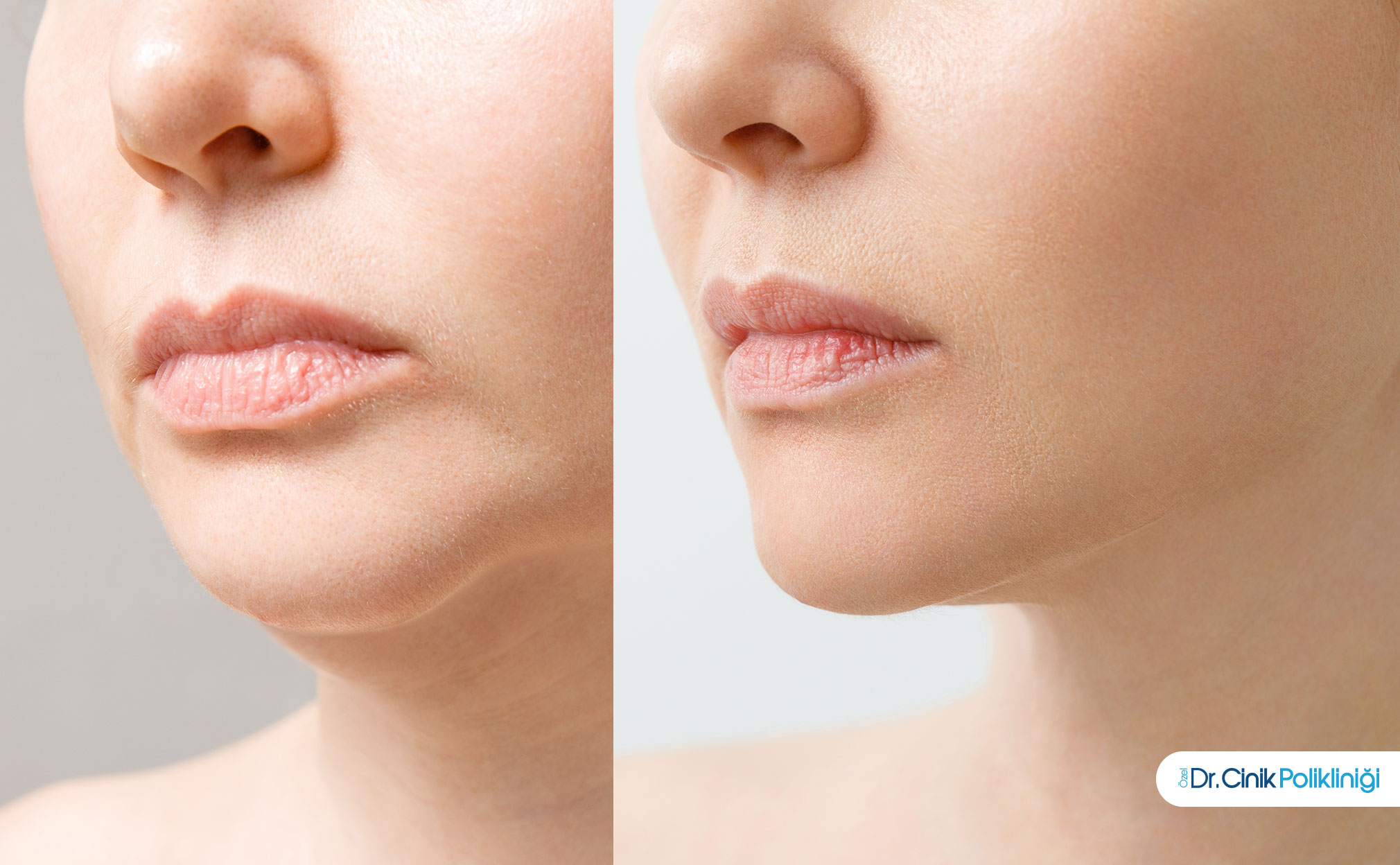
Results begin within 2–3 weeks, with maximum effect seen in 3–6 months.
Immediate mild tightening, early results in 2–3 weeks, maximum lifting effect seen in 3–6 months.
HIFU results develop over time:
Immediate effect: A slight tightening sensation occurs after treatment. This is due to thermal contraction.
2-3 weeks: Early collagen renewal begins. A mild lifting effect is observed.
3-6 months: Maximum effect period. New collagen maturation is completed. The most noticeable results are observed during this period (Glatt et al., 2019).
Time Frame | Observed Effect | Biological Process |
0-7 days | Mild swelling, sensation of tightening | Inflammatory response |
2-4 weeks | Early lifting | Fibroblast activation |
3-6 months | Maximum result | New collagen maturation |
12-18 months | Permanent effect | Structural reorganization |
Lasts on average 12–18 months, varies depending on age and lifestyle.
The permanence of HIFU results varies from person to person:
Average duration: 12-18 months. In some patients, it can extend up to 24 months.
Factors affecting:
Age: Results last longer in younger patients
Sun protection: Effect lasts longer in those using UV protection
Smoking: Smoking shortens the results
Skin care: Regular moisturizing and antioxidant use prolongs the effect (Rossi et al., 2014)
Non-invasive and safe: Performed without surgical incisions. Does not carry anesthesia risks. It is an FDA-approved technology (Suh et al., 2011).
No recovery time: Normal activities can be resumed immediately after treatment. It is referred to as "lunch break aesthetics." Makeup can be applied the same day.
Natural-looking results: Provides gradual improvement instead of sudden changes. Does not create an "artificial" or "surgical" appearance.
Collagen-based rejuvenation: Utilizes the body's own healing mechanisms. Supports natural collagen production.
Gradual and natural effect: Results gradually appear over weeks.
Long-lasting results with a single session: Provides effects for 12-18 months with a single application. It is a cost-effective solution.
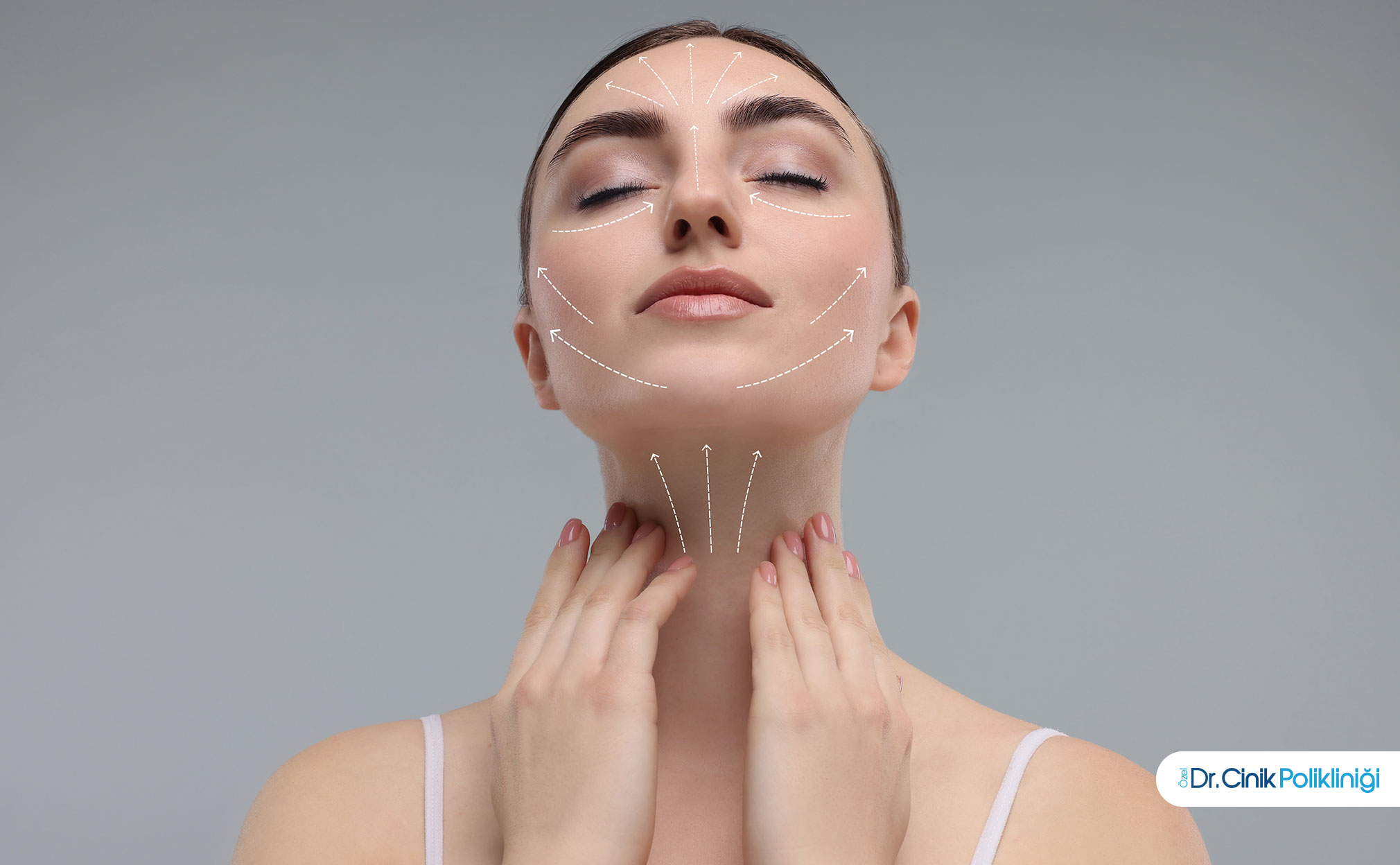
HIFU is generally safe, but temporary side effects may occur.
Redness: Mild redness after treatment is normal. It usually resolves within 2-4 hours.
Mild swelling: Mild swelling may occur in the treated area. It resolves within 24-48 hours.
Tingling sensation: Temporary numbness or tingling may be experienced during and after treatment. It is due to temporary stimulation of nerve endings (Fabi et al., 2015).
Temporary numbness: Occurs due to temporary involvement of facial nerves. It fully resolves within 2-6 weeks.
Hyperpigmentation: Rarely occurs. It can be prevented with sun protection.
Insufficient clinical results: Not every patient may experience the same degree of effect. Age and skin quality affect the results.
Side Effect | Frequency | Duration | Prevention |
Redness | Common | 2-4 hours | Cold compress |
Swelling | Common | 24-48 hours | Elevated head |
Pain | Moderate | 24 hours | Pain relief |
Numbness | Rare | 2-6 weeks | Waiting |
HIFU offers less invasive but shorter-lasting results as a non-surgical alternative.
Feature | HIFU | Surgical Facelift |
Invasiveness | No (Non-invasive) | Yes (Surgical) |
Anesthesia | Local cream or none | General anesthesia |
Recovery time | None (instant return) | 2-4 weeks |
Result duration | 12-18 months | 5-10 years |
Risk profile | Minimal | Surgical risks |
Cost | Lower | Higher |
Naturalness | Gradual | Sudden change |
Oni and colleagues' (2017) comparative study showed that HIFU is as effective as 60-80% of surgical results, but with a much lower risk of complications.
HIFU reaches deeper layers, provides effects at the SMAS level, and creates a stronger lifting effect.
HIFU works at different depths compared to other non-invasive energy-based treatments:
Depth comparison:
HIFU: 1.5-4.5 mm (up to SMAS level)
Fractional laser: 0.1-1.5 mm (epidermis and superficial dermis)
Radiofrequency (RF): 2-4 mm (dermis)
Mechanism of action: HIFU creates high temperatures at a single point with focused energy. This provides stronger tissue contraction (Sasaki and Tevez, 2017).
Outcome comparison: HIFU is superior to laser and RF in terms of lifting effect. However, fractional lasers are more effective in improving skin surface texture.
The effectiveness of HIFU is based on controlled thermal damage and collagen remodeling mechanisms.
Reorganization of collagen fibers, increase in dermal thickness, and tissue contraction occur.
Biopsy studies show the microscopic effects of HIFU on the skin:
Collagen reorganization: New organization is observed in Type I collagen fibers. The fibers become more compact and organized (Zhao et al., 2018).
Dermal thickness: Ultrasound measurements showed a 15-20% increase in dermal thickness after 3 months. This increase is due to new collagen accumulation.
Tissue contraction: The thermal effect causes immediate shortening of collagen fibers. This provides an "instant lifting" effect.
A measurable increase in skin tightening, improvement in facial contour, and a minimal side effect profile have been demonstrated.
Clinical studies in the scientific literature reported the following findings:
Skin tightening: An average 30% increase in skin elasticity measured with a Cutometer device (Rossi et al., 2014).
Facial contour: Significant improvement in the jawline angle measured by computerized image analysis. An average angle correction of 3-5 degrees (Lee et al., 2016).
Patient satisfaction: In a multicenter study involving 500 patients, 85% patient satisfaction was reported. Results remained stable for 6 months (Gold, 2015).
Severe skin sagging: They are more suitable candidates for surgical facelift. HIFU may be insufficient in this case.
Open wounds or infection: Not applied to areas with active skin infections. There is a risk of herpes simplex activation.
Pregnancy: It is a relative contraindication. Fetal safety data is insufficient. It can be applied in the postpartum period.
Other contraindications:
History of skin cancer
Active acne vulgaris
Metal implants (ultrasound reflection)
Tendency to form keloid scars
HIFU is an effective, safe, and scientifically-based non-invasive rejuvenation method for mild to moderate signs of aging.
HIFU technology has become an important part of modern aesthetic medicine. Scientific evidence supports the effectiveness and safety of this method.
It naturally increases collagen production: It activates the body's own repair mechanisms. It does not use artificial fillers.
Offers an alternative to surgery: It is an effective option for those who do not want to take the risk of surgery. It is especially ideal for patients aged 30-50.
It is a clinically proven technology: Supported by FDA approval and numerous scientific studies. Histological and clinical data confirm its effectiveness.
HIFU is a reliable option for facial rejuvenation with proper patient selection and appropriate application technique. However, realistic expectations are important. It does not promise the same results as surgery, but provides natural and safe rejuvenation.
Dayan, Steven H. "Facial rejuvenation with focused ultrasound." Facial Plastic Surgery Clinics, vol. 23, no. 2, 2015, pp. 211-222.
Fabi, Sabrina Guillen, et al. "Noninvasive skin tightening: focus on new ultrasound techniques." Clinical, Cosmetic and Investigational , vol. 8, 2015, pp. 47-52.
Fitzgerald, Rebecca, and Ashley Rubin. "Safety and efficacy of micro-focused ultrasound plus visualization for the treatment of nasolabial folds." Journal of Cosmetic and Laser Therapy, vol. 16, no. 5, 2014, pp. 260-265.
Glatt, Philip, et al. "Histologic evaluation of skin tightening in a porcine model using micro-focused ultrasound with visualization." Surgery, vol. 45, no. 9, 2019, pp. 1150-1158.
Gold, Michael H. "Ultrasound tightening and rejuvenation." Clinics, vol. 33, no. 1, 2015, pp. 107-115.
Kennedy, J., et al. "Non-invasive skin tightening with focused ultrasound." Journal of Cutaneous and Aesthetic Surgery, vol. 8, no. 1, 2015, pp. 16-22.
Kim, Jeong-Eun, et al. "Histologic changes in the skin after high-intensity focused ultrasound treatment." Annals of , vol. 29, no. 6, 2017, pp. 706-712.
Lee, Hee Jung, et al. "Safety and efficacy of a non-invasive high-intensity focused ultrasound device for facial rejuvenation." Journal of Cosmetic and Laser Therapy, vol. 18, no. 7, 2016, pp. 367-372.
Oni, Georgette, et al. "High-intensity focused ultrasound: current status for facial aesthetics." Aesthetic Surgery Journal, vol. 37, no. 5, 2017, pp. 573-582.
Rossi, Antonella, et al. "The use of high-intensity focused ultrasound in aesthetic ." Therapy, vol. 27, no. 6, 2014, pp. 359-362.
Sasaki, Gordon H., and A. Tevez. "Clinical efficacy and safety of focused ultrasound therapy for noninvasive skin tightening and facial rejuvenation." Aesthetic Surgery Journal, vol. 37, no. 3, 2017, pp. 261-270.
Shono, Masayuki, et al. "Histological evaluation of the effects of high-intensity focused ultrasound on skin rejuvenation." Plastic and Reconstructive Surgery Global Open, vol. 3, no. 12, 2015, pp. 1-8.
Suh, Dong Hye, et al. "Intense focused ultrasound tightening in Asian skin: clinical and pathologic results." Surgery, vol. 37, no. 11, 2011, pp. 1595-1602.
Zhao, Yan-E, et al. "Investigation of the efficacy of focused ultrasound in the treatment of photoaging." Journal of Cosmetic , vol. 17, no. 6, 2018, pp. 1097-1104.