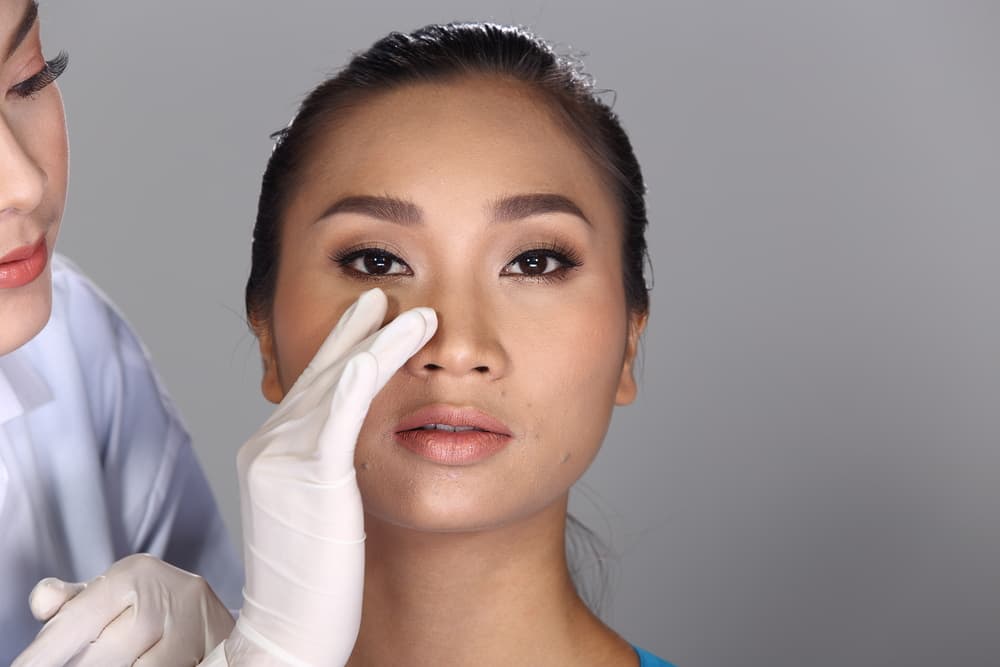
Yükleniyor…

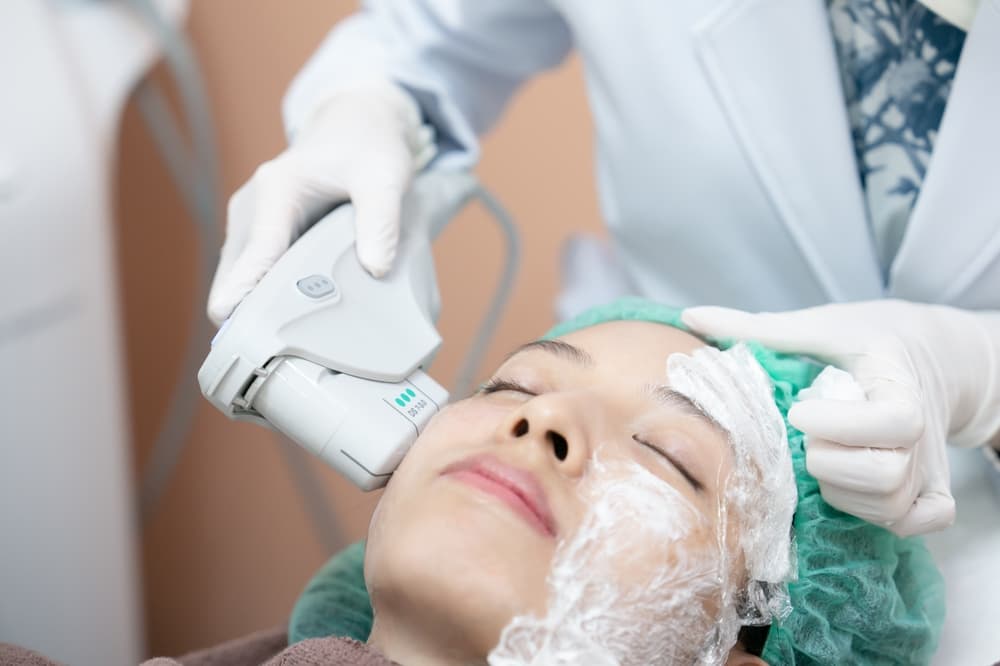
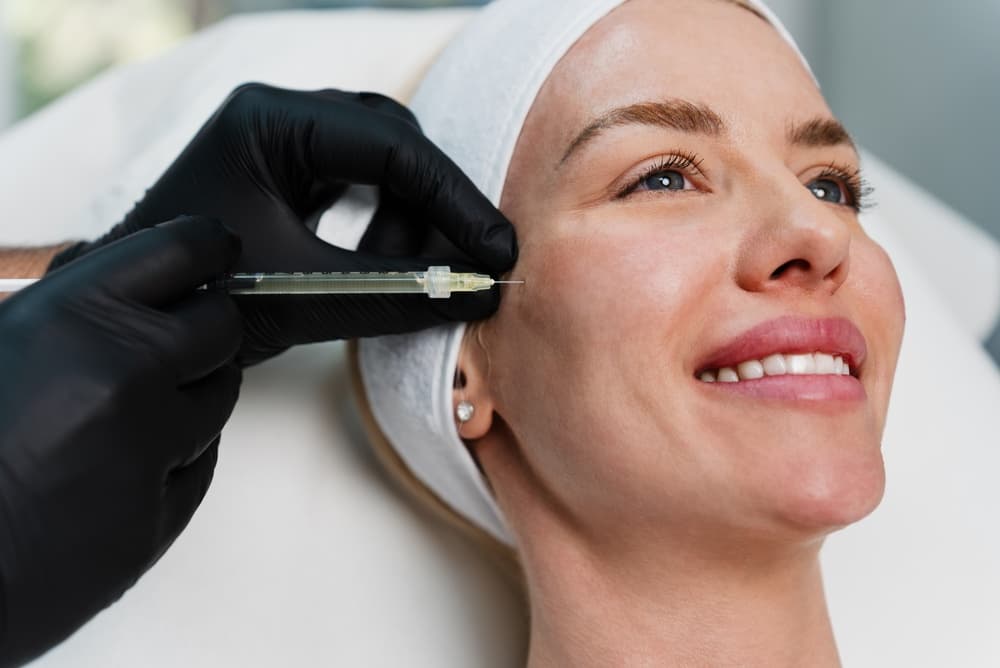
Liquid facelift is a non-surgical procedure that addresses issues related to facial aging using a combination of facial fillers and neuromodulators. There are many different types of fillers available on the market. Some are hyaluronic acid-based, some are calcium-based, and some encourage your body to produce its own collagen. For example, fillers like Voluma provide a lifting effect to the cheeks by adding volume, while fillers like Juvéderm and Restylane help to fill in wrinkles around the mouth. Neuromodulators such as BOTOX, Dysport, and more recently Jeuveau can help soften wrinkles in the forehead area and improve the appearance of crow's feet.
Quick Facts
About - Liquid facelift procedures involve the application of dermal filler injections to the face. - These fillers plump the skin, reducing wrinkles and sagging.
Safety - Be sure to share your medical history with your or plastic surgeon before the procedure. - Common side effects include bruising, swelling, and redness after the procedure. - This is a medical procedure and must be performed by a licensed, experienced professional.
Convenience - The procedure can be performed in your 's or plastic surgeon's office. - It typically takes 15–30 minutes and can be completed in a single session. - Recovery time is very short, so you won’t need to take time off work. - You can find a qualified practitioner online.
Cost - Liquid facelift procedures are more economical compared to surgical facelifts. - The exact cost depends on the type of filler used and your doctor's fees. - It is unlikely that health insurance will cover this procedure.
Effectiveness - Liquid face lifting procedures provide lighter and more natural results compared to surgical face lifting; their effect is not as dramatic. - However, it can make the skin appear fuller and more youthful. - It is effective in reducing the appearance of wrinkles and sagging.
What is non-surgical liquid face lifting?

Liquid face lifting is a procedure that involves injecting dermal fillers into the skin to plump it up. The difference from surgical face lifting is that no incisions are made in the skin.
The aim of liquid face lifting is to reduce sagging and wrinkles. In addition:
The ideal candidate for liquid face lifting is someone with relatively few wrinkles and mild sagging. If you have significant skin sagging or are looking for much more dramatic results, surgical face lifting may be more suitable for you.
How much does liquid face lifting cost?
In general, liquid face lifting procedures are less expensive than surgical face lifts. The cost of liquid face lifting depends on several factors such as:
To learn the exact cost of liquid face lifting, it is best to consult a or plastic surgeon in your area to clarify the procedures you need. Since it is a cosmetic procedure, it is unlikely that your health insurance will cover it.
After liquid face lifting, you generally do not need to take time off work except for the day of the procedure.
How does liquid face lifting work?
The connective tissues in your skin — such as collagen and elastin — weaken and break down as you age. You may also lose fat tissue in your face; this can cause your face to appear sunken. Many people think this makes them look older and seek a procedure to “reverse” this effect.
Fillers work by filling in gaps in the layers of the skin. This results in fuller skin and reduces the appearance of wrinkles and sagging.
How is liquid facelift performed?
After finding a or plastic surgeon who can perform the procedure, you discuss your desired results with them. Your doctor examines your skin and face and informs you about the procedure.
At the beginning of the procedure, local anesthesia may be applied to numb the area where the injection will be made.
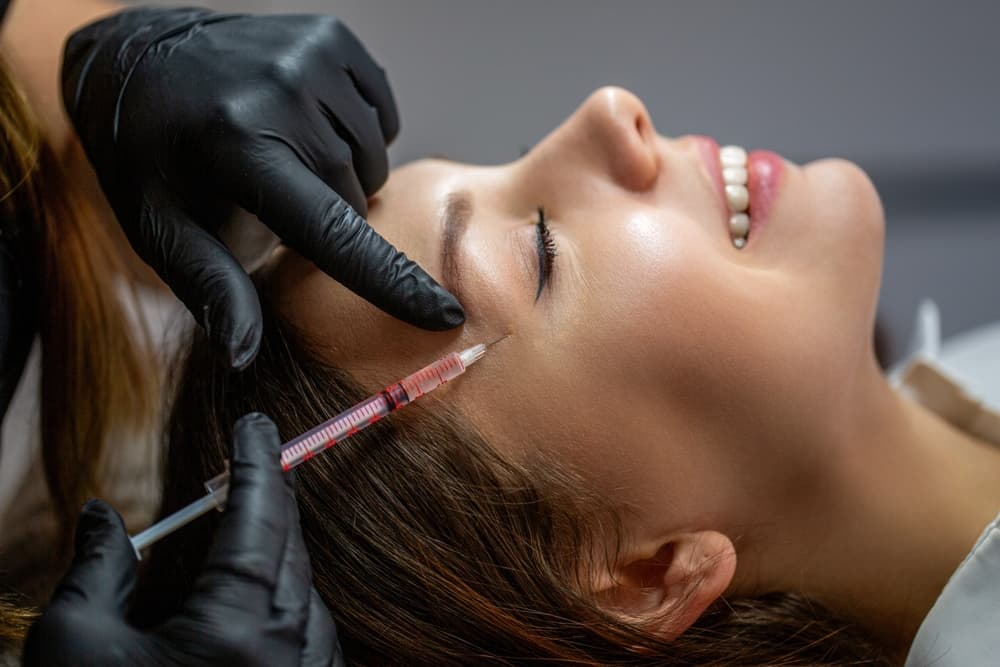
Then, injections are made into your face. According to the American Academy of , injections may cause a slight stinging sensation. Each injection typically lasts a few minutes, and all injections can be done in a single session. The entire session usually takes between 15–30 minutes.
Targeted areas in liquid facelift
Liquid facelift procedures are generally applied to the face; however, dermal fillers can also be used for the hands.
If you want a face-focused procedure, your or plastic surgeon can target many different areas. These include:
However, everyone's procedure is different, and the areas for injection are determined entirely based on your desired results.
Are there any risks or side effects?
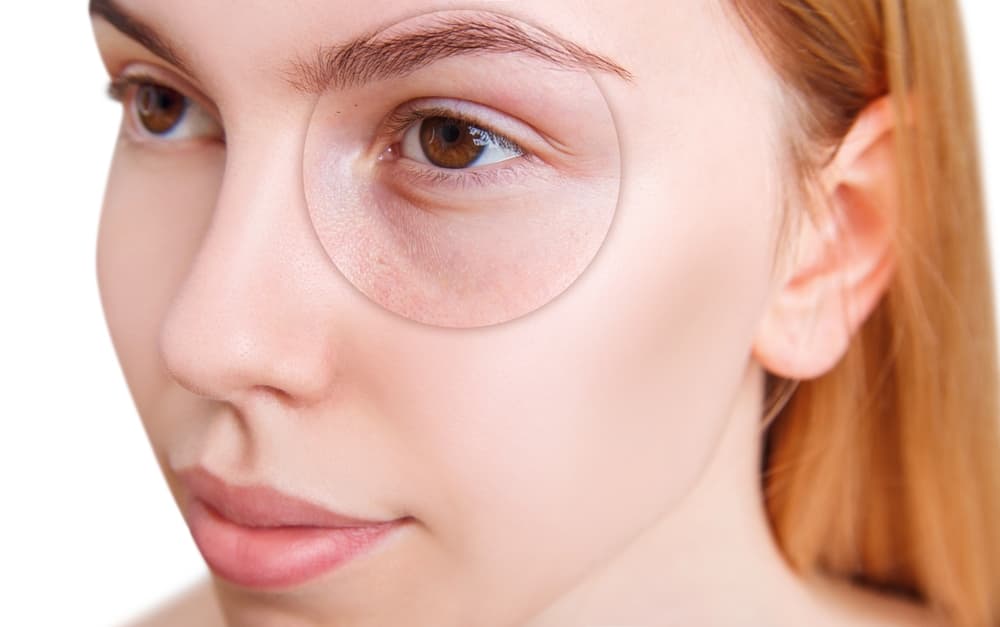
Liquid facelift procedures generally show less bruising compared to surgical facelifts; however, you may still experience slight bruising after the procedure. The likelihood of bruising is higher when fillers are applied around the eyes.
If you are taking blood-thinning medications, bruising may be more pronounced. Therefore, it is very important to inform your doctor about all medications and supplements you are taking, even if it is just a multivitamin.
Some pain, swelling, and redness may also be observed after the procedure.
Aside from these common side effects, there have been reports of rarer but more serious reactions. The risks of liquid facelift are very low, and side effects may include:
Although these cases are quite rare, it is important to carefully monitor your skin and inform your doctor if you experience symptoms similar to flu or allergies.
What should you expect after liquid facelift?
You should be able to return to work the next day. However, if there is significant bruising, you may want to take a short leave.
Your will inform you about skincare after the filler. According to the American Academy of , your doctor may recommend applying ice to your face immediately after the procedure to reduce swelling. You will likely be advised to avoid intense exercise the next day and to stay away from the sun and tanning beds.
If your used a filler containing poly-L-lactic acid, you may need to massage the injected area. Unless your specifically recommends massaging, avoid touching the injection sites for at least three days.
Results are usually visible immediately; however, if a filler containing poly-L-lactic acid was used, you may need to wait a few weeks to see the results.
Depending on the type of filler used, results can last from 6 to 24 months. At the end of this period, you may need to get a touch-up to maintain the appearance. Discuss with your how long your filler will last and when you should plan your next procedure.
Preparing for liquid facelift procedure
The liquid facelift procedure requires very little preparation. Ideally, you should not have any of the following on the day of the procedure:
Additionally, you should avoid the following for two days prior to the procedure as they may increase the risk of bruising:
Make sure to get enough sleep the night before the procedure and arrive half an hour early for your appointment. This will help you feel more comfortable and ready for the procedure.
To be safe, always ask your if there is anything special you need to do in preparation.
Liquid facelift vs. traditional (surgical) facelift
Many people prefer liquid facelifts compared to surgical facelifts because:
However, surgical facelift is much more pronounced and has a higher likelihood of delivering dramatic results. If you are unsure whether a liquid facelift or a surgical facelift is more suitable for you, consulting with a or plastic surgeon would be the best approach.
How to find a qualified specialist?
Remember that liquid facelift procedures are medical procedures that must be performed by medical professionals. When looking for a practitioner, ask about their experience and expertise in liquid facelifts. Also, request to see before-and-after photos of previous procedures they have performed.
Are you a suitable candidate for a liquid facelift?
Ideal candidates for a liquid facelift are those with mild signs of aging (fine lines, wrinkles, or minimal volume loss) and do not have excessively sagging skin or noticeable jowl sagging.
One point to keep in mind when considering a liquid facelift is that these treatments require maintenance and repeat applications, and their purpose is solely to enhance volume or soften wrinkles.
Remember that there is a limit to what can be achieved with fillers while maintaining a natural appearance. If you have significant excess skin in your face and neck area or sagging along your jawline, fillers may not be able to completely and effectively address this.
In the case of an untrained and inexperienced person administering fillers, you may end up with a swollen, artificial appearance that disrupts your natural features. Therefore, always consult with a board-certified and experienced plastic surgeon who has advanced training before undergoing any procedure.
Results and Recovery Process of Liquid Facelift
Liquid facelift procedures are performed in a clinical setting due to their minimally invasive nature. The procedure is often completed in less than an hour; however, you can choose to divide the process into multiple sessions if you wish. Liquid facelift is nearly painless; it usually does not require anesthesia, and most fillers contain anesthetic ingredients or cooling systems to make your experience more comfortable.
After the procedure, very little — and often no — recovery time is needed, and there are minimal aesthetic signs that can be covered with light makeup. You may experience minor side effects such as slight swelling, bruising, redness, or firmness in the areas where injections were made; however, these are temporary side effects and typically resolve on their own within a few days.
Are you ready for a liquid facelift?
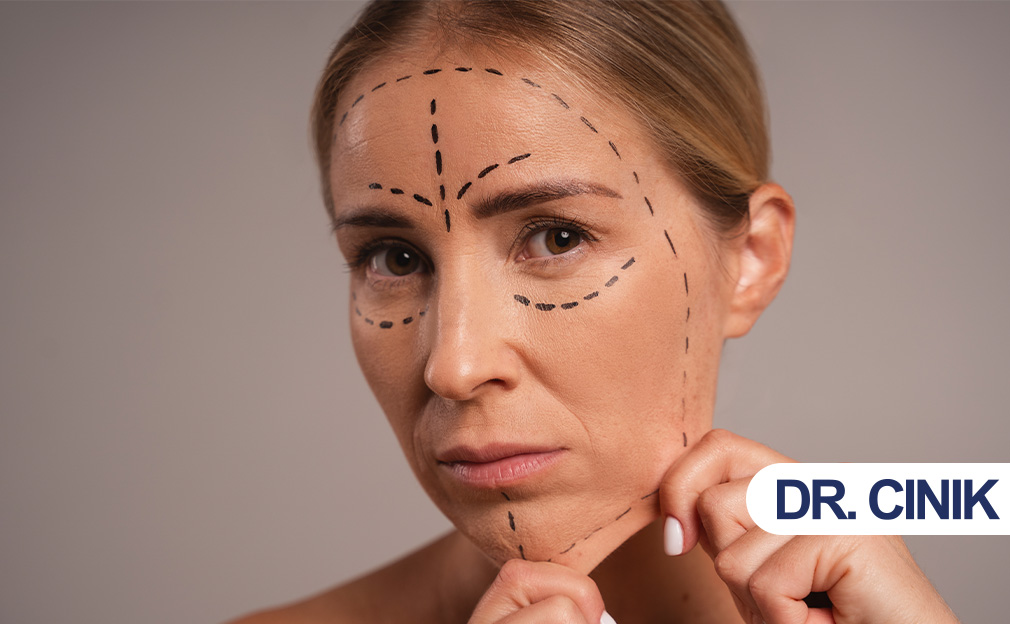
If you have previously tried individual injection treatments but are looking for a more comprehensive solution to the signs of aging on your face, a liquid facelift may be the method you are seeking. By consulting with an experienced plastic surgeon, you can explore injection combinations that will make you look younger and more refreshed.
FAQ
Why should I undergo a facelift when fillers solve many wrinkles and volume issues?
Fillers and BOTOX are ideal for correcting early signs of aging typically seen in younger patients under 50 years old. However, these are temporary solutions.
How long does the effect of a liquid facelift last?
BOTOX lasts approximately 3–4 months, while fillers are effective for about 12–18 months. Ideal candidates for liquid facelift are those with superficial wrinkles, experiencing slight hollowness due to volume loss, but whose skin elasticity is still largely normal.
With the natural aging process, tissue laxity and skin sagging occur on the face. For fillers to be effective, there needs to be a structure they can push against; therefore, skin that has lost collagen and elasticity due to advanced aging may not benefit fully from fillers. In fact, in such cases, filler application can lead to an artificial and overly full appearance where the natural definition of facial features and expressions is lost, and proportions are distorted. In these situations, surgical tightening of the skin becomes the best option.
What is the price difference between liquid facelift and actual (surgical) facelift?
Generally, the cost of filler and BOTOX procedures is lower than that of surgical facelift procedures. However, keep in mind that filler applications are temporary and need to be repeated regularly to maintain their effects. Over time, when considering the total cost, surgical facelift may become more economical compared to fillers.
What is the difference between the recovery time after filler and a facelift? There is no recovery time for filler procedures. You can return to work immediately after the procedure. Unlike fillers, patients require approximately 2 weeks of recovery time after surgical facelifts to return to work and normal activities. However, the results of facelift surgery are long-lasting.
Do filler injections hurt?
Clearly, it can hurt a little; however, the sensation of pain varies from person to person and depends on the individual's pain threshold. If you are not treated by an experienced and qualified doctor, the procedure can be quite painful. We use many methods to enhance our patients' comfort; one of these is the application of a topical (local) anesthetic cream that takes about 20 minutes to take effect. Most filler products also contain 0.3% lidocaine (a type of local anesthetic) to make the procedure more comfortable. When injecting into the lips or nasolabial folds, some patients may prefer a lidocaine dental block to temporarily numb the relevant nerves.
Are there any side effects of the procedure?
The rate of reactions to filler materials is quite low. However, some common reactions related to the injection may occur after treatment; these include swelling, redness, pain, itching, discoloration, and sensitivity at the injection site. To reduce these minor side effects, an ice pack is applied immediately after the injection.
If you are using any anti-inflammatory medication like Advil, you should be aware that these can increase bruising and bleeding at the injection site. Although very rare, like any medical procedure, there are certain risks associated with filler injections.