Yükleniyor…

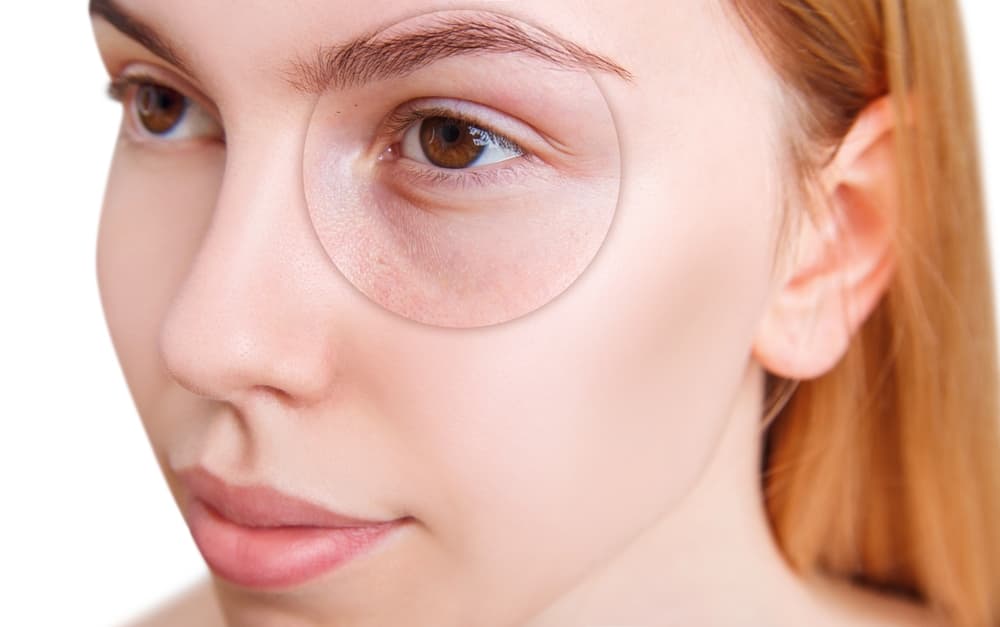
Nasolabial lines are common wrinkles that form along the inner cheeks and extend from under the nose to the corners of the mouth.
Everyone has these lines to a certain degree; however, they can become more pronounced and deeper over time due to aging and other factors.
Although there are many different methods for wrinkle treatment, generally recommend dermal filler applications as the first option.
Depending on the depth of the nasolabial lines and the presence of additional skin issues such as sagging, different treatment methods may also be preferred.
Therefore, it is important to evaluate the benefits and potential risks in detail with a .
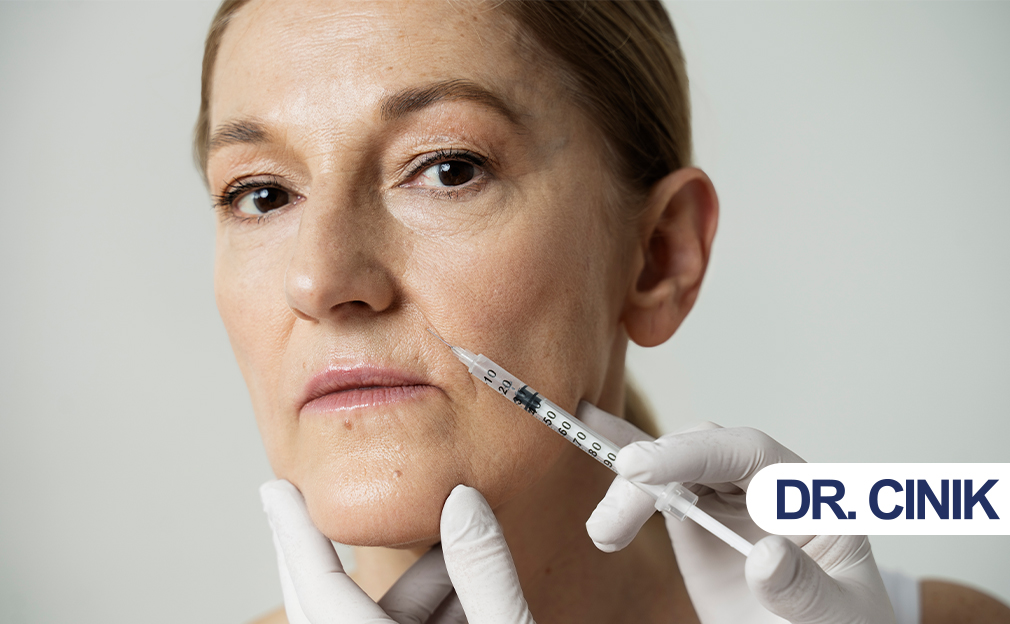
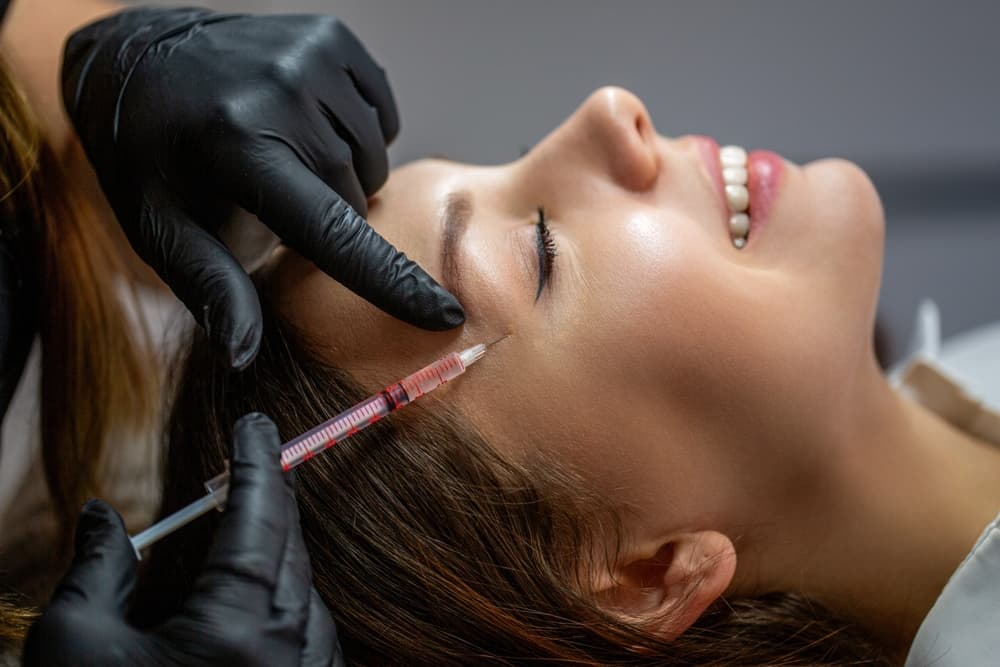
Dermal fillers are injectable substances used in the treatment of facial wrinkles. They work by "plumping" the area where they are applied, making fine lines and deep wrinkles appear smoother.
All types of fillers support the production of collagen, which naturally decreases with age and helps restore volume and firmness to the skin.
The most commonly used fillers for nasolabial lines contain hyaluronic acid. This transparent substance is naturally found in the skin and helps maintain the skin's moisture balance and elasticity.
Approved hyaluronic acid-based fillers for the treatment of nasolabial lines include:
In some cases, may also recommend different types of fillers such as calcium hydroxylapatite (Radiesse) or poly-L-lactic acid (Sculptra) for this area.
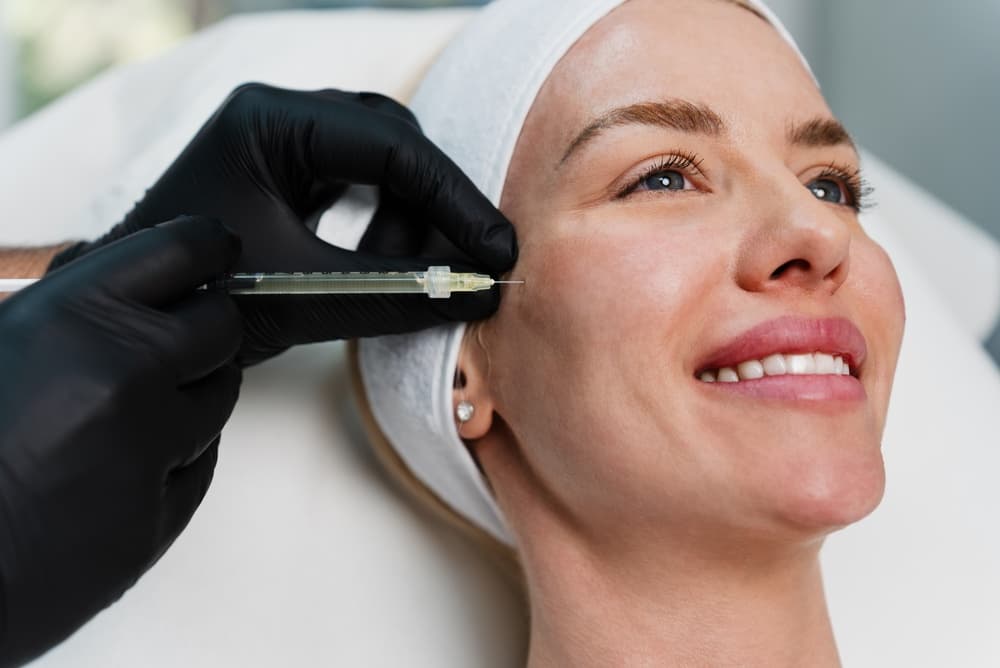
Once the most suitable type of filler is determined, the injects the filler directly into the designated points along the nasolabial lines. Over time, the body naturally breaks down these fillers.
When does nasolabial filler settle: Generally, the effect of filler injections lasts 6 to 18 months. Benefits of Using Filler for Nasolabial Lines
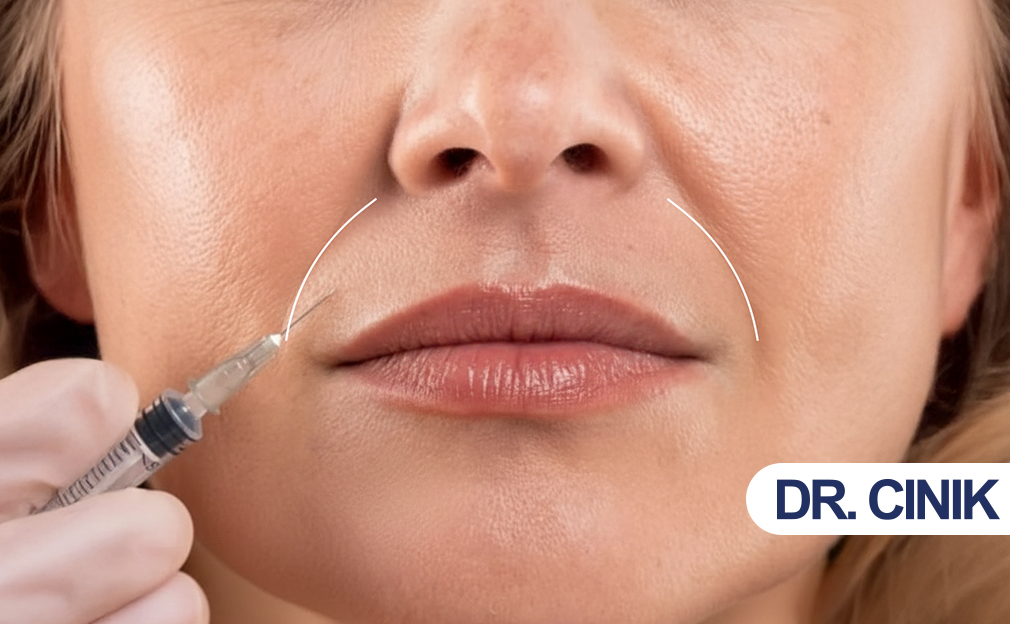
often recommend filler applications for nasolabial lines instead of more invasive procedures like surgery. Although results may vary from person to person, dermal fillers generally provide the following benefits:
During the consultation, the may show you images of their previous work to demonstrate their experience with filler applications.
If you are curious about the results of such applications, you can review the before and after photos from the .
Filler applications for nasolabial lines are often preferred by because the risk of infection, bleeding, and serious side effects is much lower compared to major surgical procedures.
However, dermal fillers can cause some mild side effects. These effects usually resolve on their own within a few days. It is important to discuss the following potential risks with a :
Rare side effects include:
What Are the Prices for Nasolabial Filler?
The exact cost of filler treatment for nasolabial lines may vary depending on the brand of the product used, the amount of filler required, and the area where the procedure is performed.
As of 2025, the estimated prices for dermal fillers used in nasolabial filler procedures are as follows:
It is recommended to obtain information about the total cost before starting the treatment. Health insurances generally do not cover aesthetic procedures like dermal fillers; however, some clinics may offer different payment options to reduce costs.
The good news is that generally, you do not need to take time off work after a dermal filler procedure. As long as you feel well, you can return to work the same day or the next day.
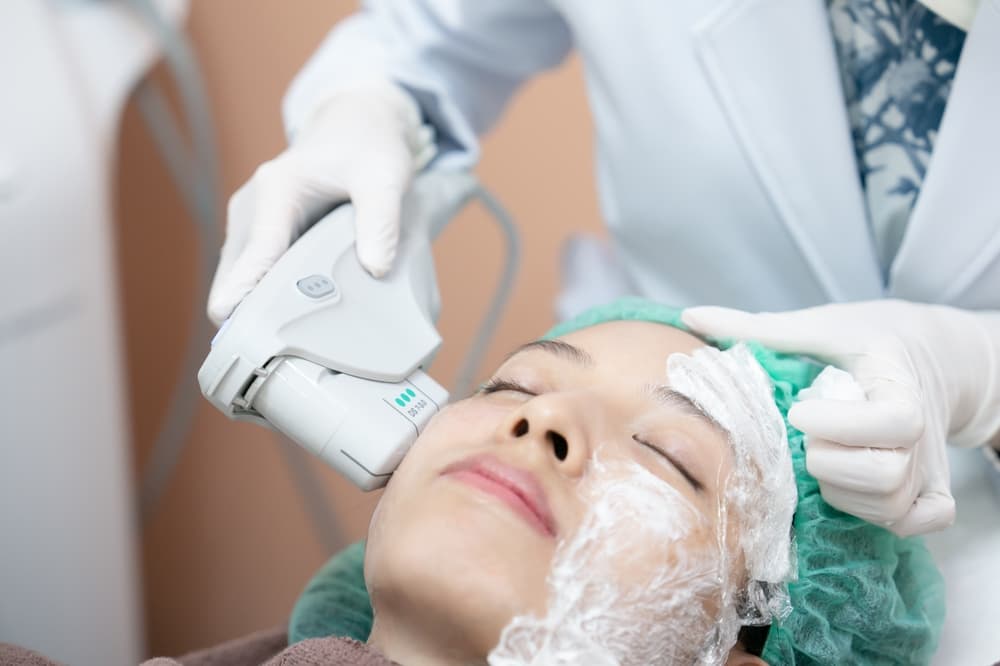
Dermal fillers are a non-invasive option for treating deep wrinkles. However, if fillers do not provide the desired result, there are more invasive methods available to soften nasolabial lines.
You can discuss the following treatments with a :
What Causes Nasolabial Lines?
Everyone has nasolabial folds; however, as we age, these lines may become more pronounced due to natural collagen loss. When collagen decreases, the skin becomes less tight and elastic, leading to deeper wrinkles of this kind.
Another reason for the prominence of nasolabial folds with age is that the cheeks tend to lose volume over time and flatten. This causes the skin to sag downwards, further deepening the lines around the cheeks.
In addition, some controllable factors also play a role in the formation of nasolabial folds. Prolonged and intense sun exposure contributes to skin aging (photo-aging) by damaging the elastin and collagen in the skin.
This can cause wrinkles like nasolabial folds to appear more pronounced. To prevent skin cancer and photo-aging, using sunscreen every day is of great importance.
Other risk factors for nasolabial folds include:
Quitting smoking can be difficult; however, a doctor can help you create a suitable and sustainable quitting plan.
Summary
The most frequently recommended first treatment option by for nasolabial folds is dermal fillers.
This method is less invasive and more economical compared to surgical procedures, and is generally safe and effective. It is important to thoroughly discuss potential side effects and costs before starting treatment.
How long do nasolabial fillers last: Although nasolabial filler applications provide long-lasting effects, they are not permanent. The effects of these injections typically last for 6 to 18 months, and the skin completely breaks down the filler over time.
If you want more pronounced results, you can evaluate different treatment options with a .