Yükleniyor…
Many people feel insecure about the shape or size of their noses, but not everyone is ready for surgical nose aesthetics (rhinoplasty). Nose filler, also known as nasal filler or liquid rhinoplasty, offers a non-surgical alternative to correct certain nasal deformities. However, like any aesthetic procedure, nose filler has both advantages and significant risks that need to be carefully evaluated.
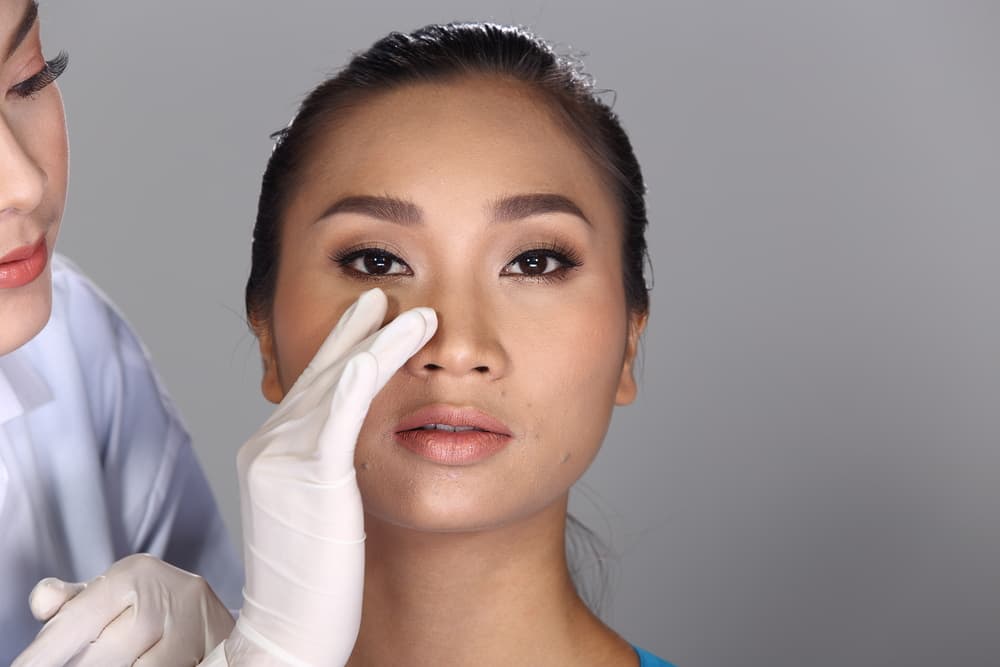
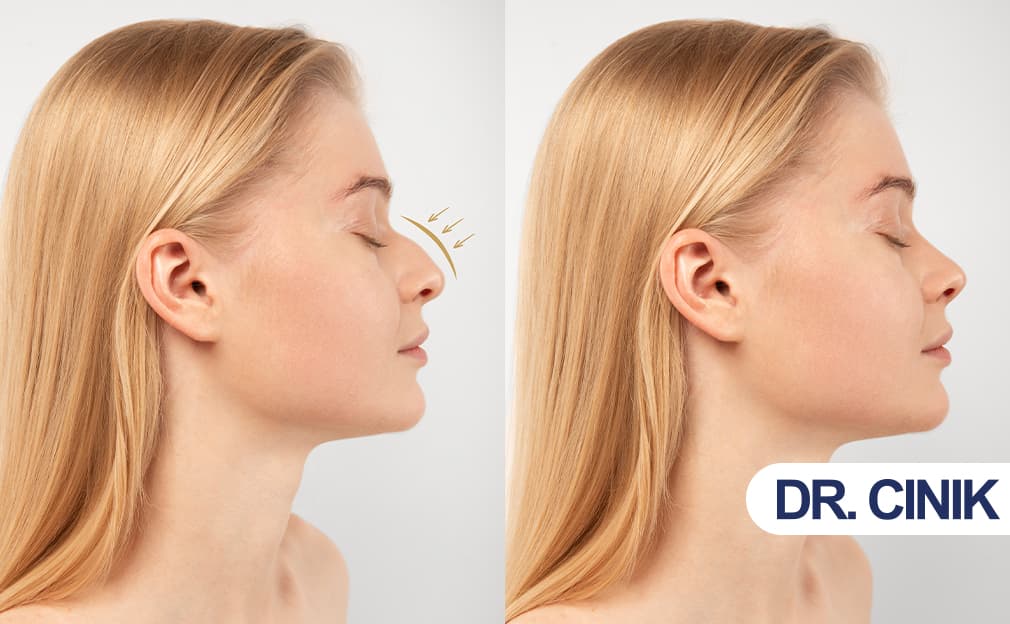
Nose filler is a non-surgical aesthetic procedure that typically uses injectable dermal fillers such as Restylane, Juvéderm, or Belotero, allowing for the temporary reshaping of the nose. This nasal application can help correct issues such as a dorsal hump or minor asymmetries, or make the tip of the nose appear more defined. Unlike surgical nose aesthetics, filler injections provide immediate results without the need for general anesthesia or a long recovery process.
The nose filler injection technique involves the strategic placement of small amounts of filler to make the nose appear straighter, more symmetrical, or proportionate to the other areas of the face.
Nose Filler Treatment Details
What happens before the nose filler (non-surgical nose aesthetics)?
Your healthcare provider will meet with you to discuss your aesthetic expectations. They will ask what you would like to change or improve about your nose. They may also take photos of your nose to assist in treatment planning.
Some individuals may not be suitable candidates for nose filler. However, your healthcare provider will evaluate you to determine the most appropriate treatment option for you.
How is nose filler done?
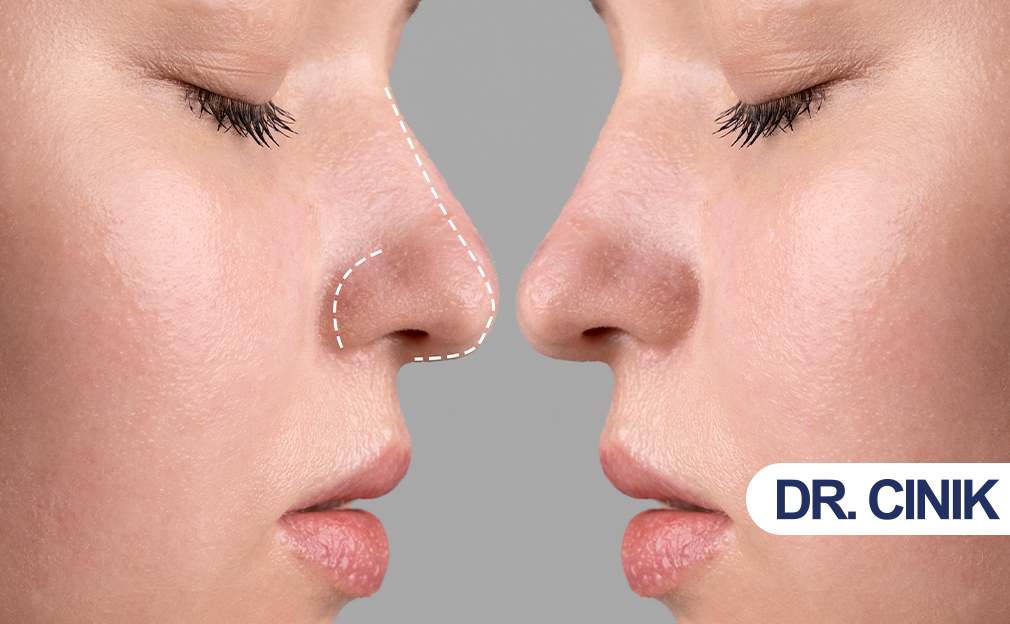
In nose filler, dermal fillers are used to shape the nose. Dermal fillers typically contain a gel-like substance that includes hyaluronic acid and adds volume when injected beneath the skin.
When performed by a licensed and experienced healthcare provider, nose filler can provide impressive results that may last up to six months.
What happens during the nose filler (non-surgical nose aesthetics)?
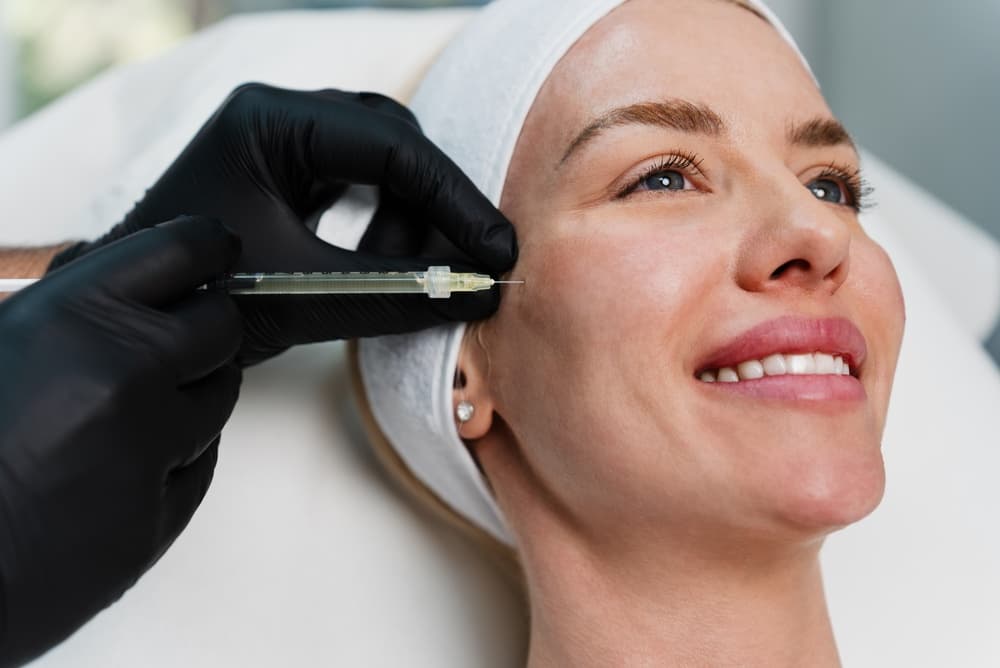
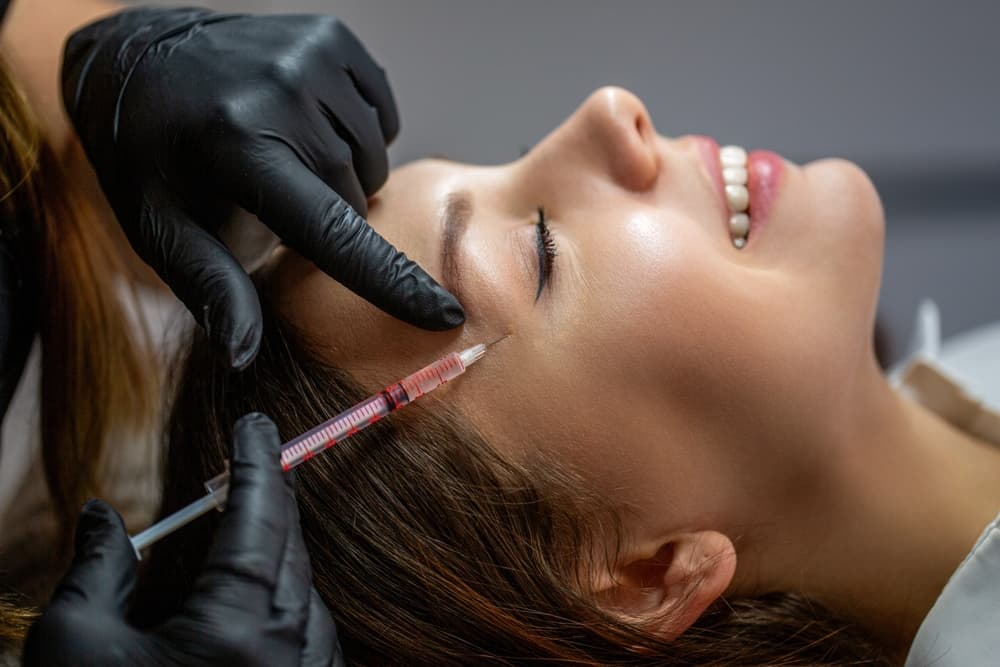
During the nose filler procedure, your healthcare provider may apply a topical anesthetic to numb your skin. Then, they inject the dermal filler into specific areas of your nose to achieve the desired results. In some cases, your healthcare provider may use botulinum toxin (Botox) injections instead. You may feel slight pressure during this procedure.
The entire procedure usually takes 45 minutes or less.
What happens after a nose filler (non-surgical nose aesthetics)?
After the nose filler application, most people experience minor side effects such as redness and sensitivity in the treated area. These symptoms typically last only a day or two.
Additional side effects may include:
Risks and Benefits of Nose Filler
What are the advantages of nose filler (non-surgical rhinoplasty)?
The most significant advantage of nose filler is that many people can achieve the desired results without the need for plastic surgery. There are also other advantages.
For example:
Is nose filler safe?
Every procedure carries certain risks. However, because the nose contains numerous blood vessels and is close to the eyes, nose filler is a more technical and complex application compared to other dermal filler procedures.
To prevent possible complications, nose filler should be performed by a licensed specialist, such as a plastic surgeon. Otherwise, issues such as the following may arise:
How long does recovery take?
There is no need for rest after the nose filler. You can return to your normal activities immediately.
Your healthcare professional will provide you with specific instructions to manage any side effects you may experience.
How long does the effect of nose filler last?
In most cases, the effect of nose filler lasts approximately six months. Depending on the type of dermal filler used, results may last a bit longer.
Is it worth getting a nose filler?

This depends on your aesthetic goals. If you want a subtle, minor change in your appearance and do not need to improve nasal function, a nose filler may be suitable for you.
However, if you want to reduce the size of your nose or make significant changes to its structure, traditional rhinoplasty may be more appropriate for you.
When should I see a doctor?
When should I see my healthcare professional?
If you have recently had a nose filler and experience any of the following conditions, contact your healthcare professional immediately:
FAQ
What is the recovery time for nose filler?
One of the biggest advantages of nose filler is that there is no recovery time after the procedure. You can continue your day as normal immediately after the nose filler treatment.
Does nose filler hurt?
Everyone's pain threshold is different, so it is difficult to give a definitive answer to this question. However, in general, liquid nose aesthetics (nose filler) procedures may cause some discomfort. Typically, a type of anesthetic (numbing cream or local anesthesia) is applied before the procedure, which numbs the area and minimizes pain. Additionally, many fillers contain lidocaine, which further reduces discomfort.
Is nose filler safe?
Nose filler is a moderately risky procedure; however, choosing a qualified professional with medical training makes the procedure as safe as possible. There are many important arteries in the nose, and damaging one of these vessels with a needle can lead to serious consequences. Therefore, it is very important that the person performing the procedure has comprehensive knowledge of facial anatomy and ample experience. Be sure to review the qualifications of the specialist before deciding on the procedure to ensure they are truly competent.
Is there anything I need to do to prepare for my nose filler treatment?
Avoid using aspirin, ibuprofen, vitamin E, and fish oil supplements one week before your treatment, as these can increase the risk of bleeding and bruising. However, if you are taking medications prescribed by your doctor, do not stop them. Instead, be sure to consult your specialist first.
Additionally, it is best to avoid alcohol 24 hours before the nose filler, as it can increase the risk of bruising.
Who is not a suitable candidate for nose filler?
If you want to reduce the size of your nose, nose filler is not a suitable treatment for you. Fillers can create changes by filling certain points of the nose shape; however, they cannot reduce the size of the nose. It is also important to remember that nose filler is most suitable for small and limited corrections rather than creating significant changes.
If you are allergic to any of the substances in the filler, you should definitely not undergo this procedure. Additionally, injections are not recommended if your skin is swollen, infected, or irritated.
Nose filler is also not recommended if you are pregnant or breastfeeding.
What happens if I don't like the results of the nose filler?
Dermal fillers containing hyaluronic acid are temporary, and if you are not satisfied with the results, they can be dissolved with an enzyme called hyaluronidase. After hyaluronidase is injected, the nose returns to its natural shape.
How long do the results of the nose filler last?
Each individual metabolizes the filler at a different rate; however, when hyaluronic acid-based fillers are used, the results of the nose filler typically last between 6 to 18 months. At the end of this period, you can choose to have the procedure done again if you wish.