Yükleniyor…
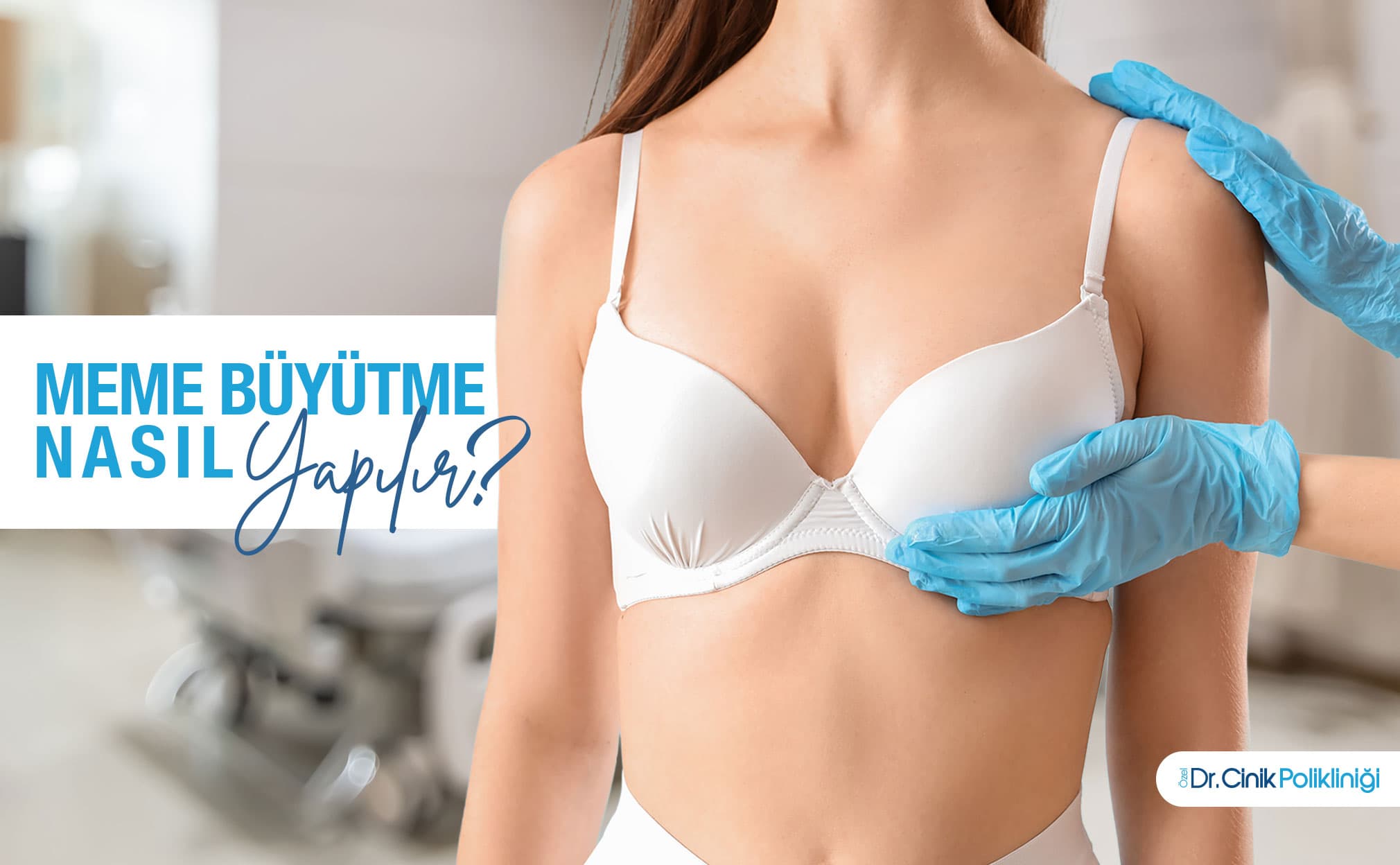
Breast augmentation is a cosmetic surgical procedure that increases breast volume through silicone implant placement or autologous fat injection. The surgery lasts 1-2 hours under general anesthesia. The recovery process continues for 4-6 weeks. Results are permanent for 10-20 years, but implants are not lifetime devices.
Breast augmentation is among the most commonly preferred aesthetic procedures for women worldwide. In the United States, approximately 250,000 breast augmentation surgeries were performed in 2023. Turkey has become a prominent destination in this field due to its cost-effective and high-quality healthcare services. So how does this procedure work exactly? Which methods are safe? What should patients pay attention to? This guide explains the entire process step by step in light of current scientific evidence.

Breast augmentation is an aesthetic or reconstructive surgery performed to increase the volume of breast tissue. It is applied for reasons such as congenital small breasts, volume loss after childbirth, asymmetry, or breast reconstruction after mastectomy.
The medical term for breast augmentation, "augmentation mammaplasty," is performed for two main purposes. The first is to improve aesthetic appearance. The second is to reconstruct the breast after breast cancer. The procedure is performed using implants containing silicone gel or saline solution. Alternatively, the patient's own body fat can also be used.
Patients typically seek the procedure with the following expectations:
Balancing body proportions
Increasing self-confidence
Ensuring better fit of clothing
Restoring breast shape after childbirth
Choosing the right patient is critical for the success of the operation. Surgeons evaluate the patient's overall health status, psychological expectations, and anatomical structure. Patients with unrealistic expectations are not suitable candidates for surgery.
There are three main methods: silicone implants, saline implants, and autologous fat transfer. Each method has its own advantages and limitations. The surgeon selects the most appropriate technique based on the patient's anatomy and desires.
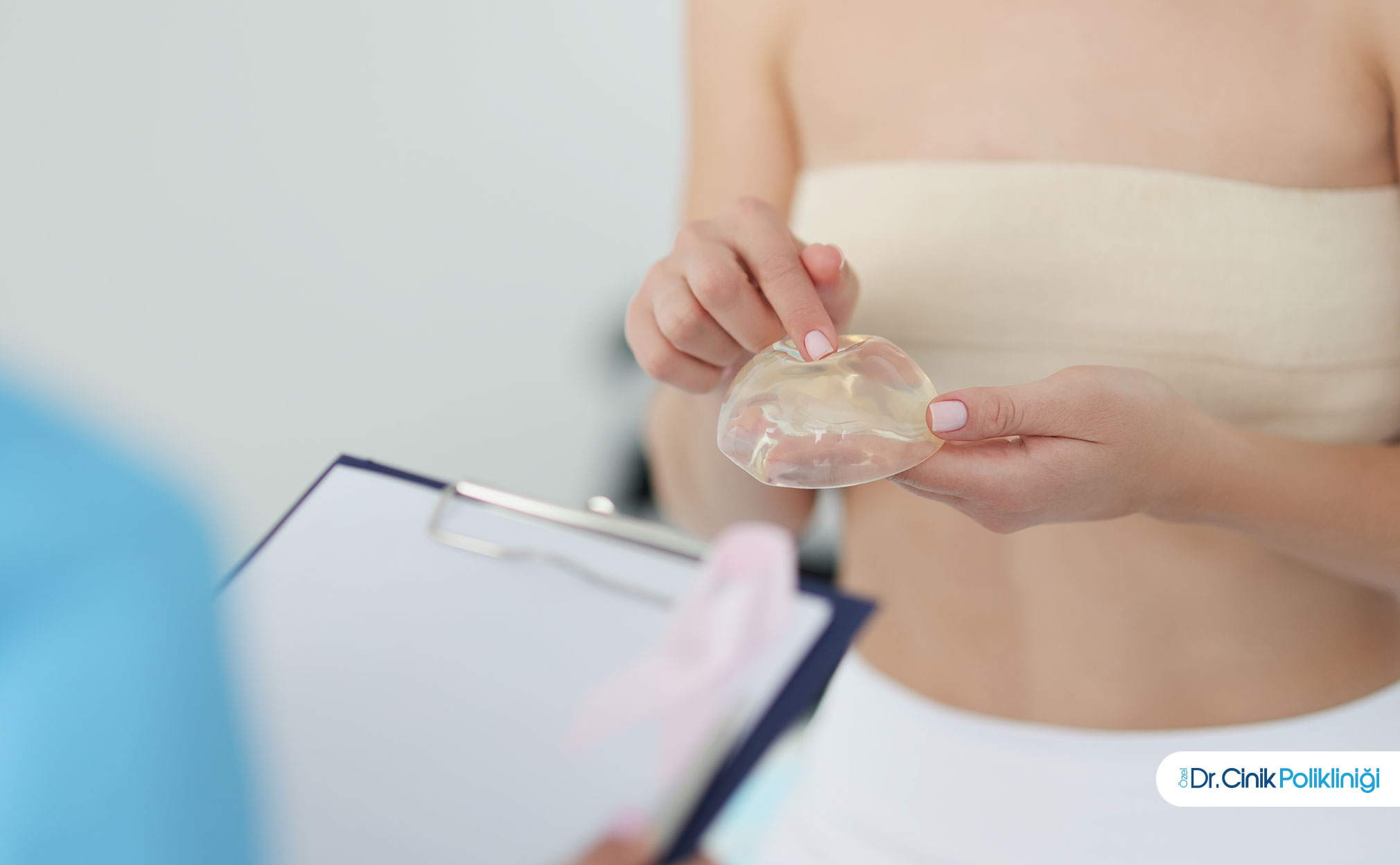
Silicone gel implants consist of elastomer shells filled with sticky silicone gel. This gel provides a feel and mobility similar to natural breast tissue. Modern fifth and sixth generation implants are much safer than previous generations.
Implant surfaces come in two types: smooth and textured. Textured implants may reduce the risk of capsular contracture but have been associated with the rare risk of BIA-ALCL. In smooth implants, this risk is almost nonexistent. The U.S. Food and Drug Administration (FDA) and Health Canada have recommended the withdrawal of macro-textured implants from the market.
Saline implants are shells filled with sterile saline solution (physiological saline). These implants are considered safe in case of leakage since they are filled with a harmless fluid. However, they provide a less natural feel compared to silicone implants. In the event of rupture, the implant immediately deflates, which is visually noticeable.
Autologous fat transfer is the process of injecting fat taken from the patient's own abdomen, hips, or thighs into the breast area after undergoing special procedures. Since this method uses completely natural materials, it carries no risk of allergy.
However, there is a limitation to fat transfer. About 40-60% of the transferred fat is absorbed by the body within the first 6 months. Therefore, patients typically require multiple sessions. An average of 2.2 sessions of fat injection is needed, and the volume retention rate is approximately 58%.
Some surgeons combine implants and fat injections. This combination softens the edges of the implant and provides a more natural transition. Fat injection is an effective complementary method to reduce the visibility of the implant, especially in patients with thin skin.
Method | Advantage | Disadvantage | Volume Retention |
Silicone Implant | Permanent volume, various sizes | Surgical risk, requires follow-up | Permanent (implant replacement required) |
Saline Implant | Safe in rupture, small incision | Natural feel is low, waviness | Permanent |
Fat Transfer | Natural substance, no trace | Multiple sessions required, absorption occurs | Average 58% |
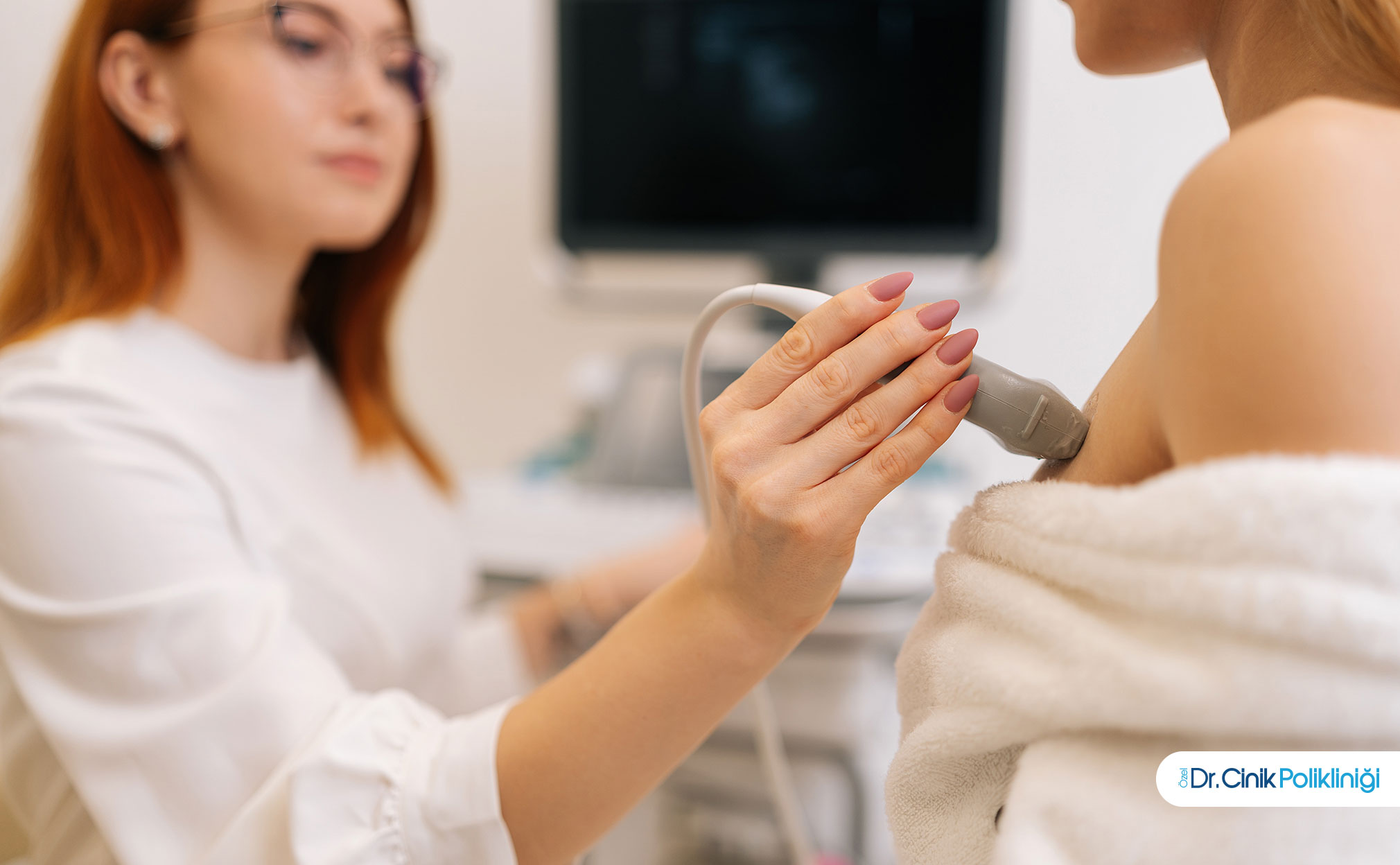
The surgeon reviews the patient's medical history, performs a physical examination, takes breast measurements, and determines the size of the implant. They may also request imaging tests such as mammography or ultrasound.
Not every patient is a suitable candidate for breast augmentation. Surgeons evaluate the following factors:
General health status (are there any diabetes, heart issues?)
Smoking habits (smoking slows healing and increases the risk of complications)
Psychological state (are expectations realistic?)
Plans for pregnancy and breastfeeding
Patients should be thoroughly informed about risks and expectations before surgery. This information is both an ethical and legal obligation.
In the initial meeting, the surgeon understands the desired breast size and shape of the patient. Then, the chest width, the amount of existing breast tissue, and skin elasticity are measured. These measurements determine the plan for implant placement.
The surgeon also explains the following topics:
Implant placement plane (subglandular or submuscular)
Where the incision will be located
Possible complications and their management
Post-operative recovery process
The surgery lasts 1-2 hours under general anesthesia. The surgeon makes an incision from the armpit, under the breast fold, or around the areola. The implant is placed under the breast tissue or under the muscle. Then, stitches are applied.
Breast augmentation surgeries are usually performed under general anesthesia. This way, the patient is completely asleep and feels no pain. Rarely, a combination of sedation and local anesthesia may be used for very minor procedures. The anesthesiologist determines the safest method based on the patient's medical history.
Surgeons use three main incision sites to place the implant:
Inframammary incision: Made from the fold under the breast. It is the most common method. The scar remains hidden under the breast.
Periareolar incision: Made from the edge of the areola (the area around the nipple). The scar is less visible due to the color difference.
Axillary incision: Made from the armpit. There is no scar in the breast area, but placing the implant is more difficult.
A study by Swanson in 2023 showed that the periareolar approach may carry a higher risk of capsular contracture compared to the inframammary approach. Therefore, many surgeons prefer the inframammary method.
The location of the implant affects the naturalness of the result and the risk of complications:
Subglandular placement: Placed under the breast tissue. The surgery is easier. However, in patients with thin skin, the edges of the implant may be noticeable.
Submuscular placement: Placed under the chest muscle. Provides a more natural appearance. The visibility of breast tissue during mammography is better. However, postoperative pain may be slightly more.
A study published by Moon and colleagues in 2024 revealed that submuscular placement may increase the risk of capsular contracture in patients who have received radiation therapy. Therefore, surgeons make alternative plans for patients with a history of radiation.
The surgeon first makes an incision in the designated area. Then, they create a "pocket" under the breast tissue or muscle. This pocket is the specific area where the implant will sit. The surgeon carefully places the implant into the pocket they created. They check for symmetry between both breasts. Then, they close the tissues using layered suturing techniques. The skin is closed with fine stitches or medical adhesive.
The procedure takes an average of 1-2 hours. The patient is discharged the same day or the next day. Results are partially visible immediately after surgery, but the true shape emerges within a few weeks due to swelling.
Swelling and bruising are observed in the first week. Daily activities can be resumed within 3-7 days. Exercise can be started after 4-6 weeks. The breast shape settles completely within 3 months.
The first 24 hours after surgery are critical. The patient may feel slight dizziness and pain. Surgeons usually prescribe pain relievers. A feeling of tightness and fullness in the breast area is completely normal.
What to expect in the first week:
Mild swelling and bruising
Temporary changes in sensation in the nipple area
Mild pain and tenderness
Patients should wear a medical bra during this period. This special bra helps keep the implant in the correct position. Heavy lifting and strenuous activities should be avoided.
Most patients can return to light daily activities within 3-7 days. Office work is usually resumed after one week. However, for heavy physical work, a wait of 2-4 weeks is necessary.
Care should be taken regarding exercise and sports:
Light activities like walking can begin from the 3rd day
Running and cardio should be waited for 3-4 weeks
Weight lifting and chest exercises should be waited for 6 weeks
Smoking and alcohol consumption should be completely stopped during this period. Smoking slows down healing and increases the risk of infection.
Breast implants are not lifelong devices. They may need to be replaced or removed over time. The FDA recommends that patients with silicone implants undergo their first follow-up imaging (MRI or ultrasound) after 5-6 years, and then repeat it every 2-3 years.
10-year follow-up data provides significant information. A study published by the NIH in 2025 showed that there is an 11.6% revision surgery rate and a 7.8% implant removal rate in primary augmentation patients after 10 years. These rates prove that implants require long-term follow-up.
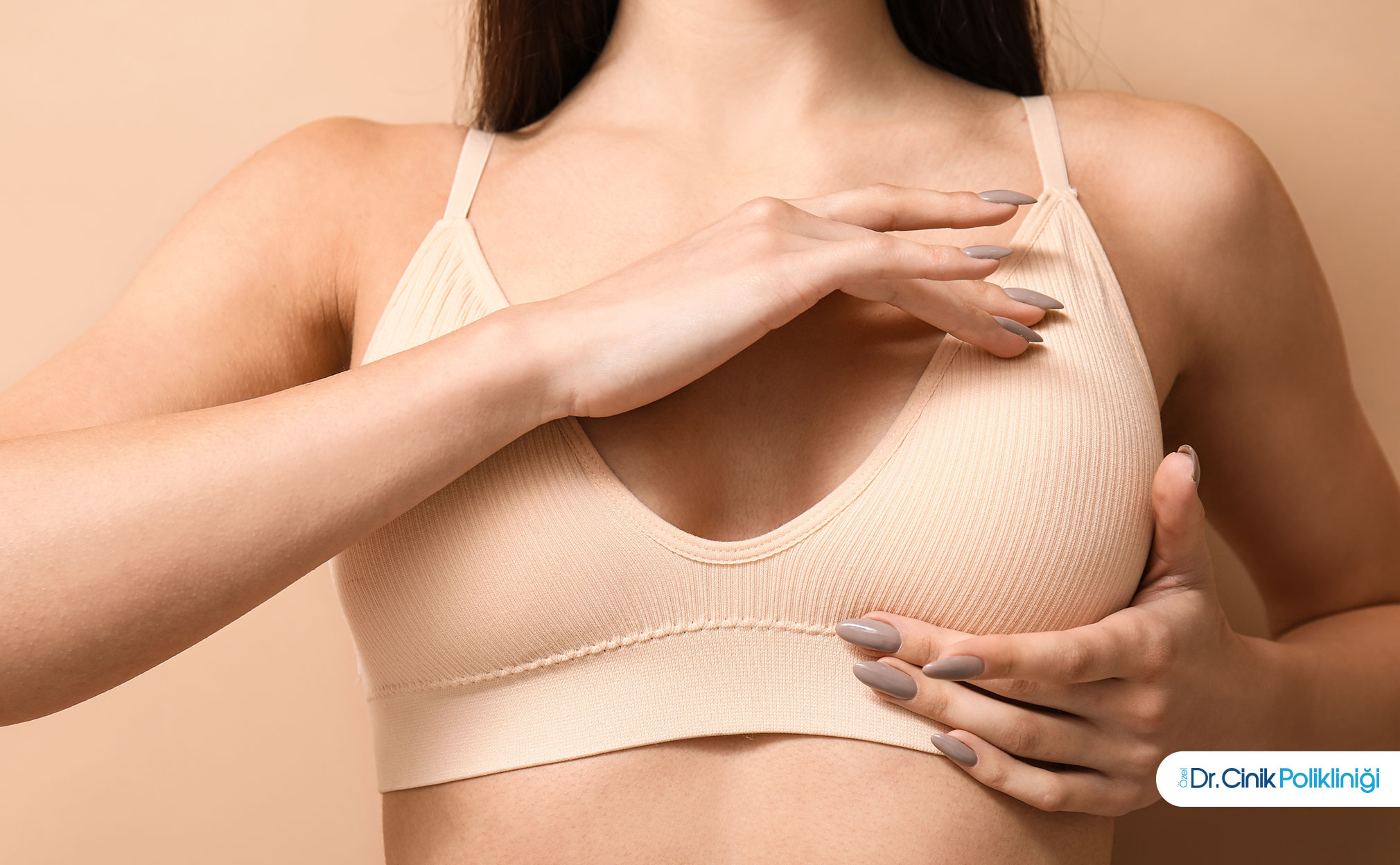
Breast augmentation balances body proportions, enhances clothing fit, and increases self-confidence in most patients. Aesthetic results generally satisfy patients.
Breast augmentation surgery provides psychological benefits beyond improving physical appearance. Research shows that patients' body image scores significantly increase after surgery. Patients feel more comfortable shopping for clothes and their confidence in social settings increases.
However, surgeons require that patients have realistic expectations. The surgery does not change life; it only improves physical appearance. Proper patient selection is key to high satisfaction rates.
The most common complications are capsular contracture, infection, hematoma, and implant leakage. The rare risk of BIA-ALCL is associated with textured implants. Smoking and the choice of excessively large implants increase risks.
Capsular contracture is the excessive hardening of the natural capsule tissue that the body forms around an implant. This condition leads to hardness, pain, and distortion of shape in the breast. According to the Baker Classification, it consists of 4 degrees. Degrees III and IV require surgical intervention.
A systematic review and meta-analysis conducted by Christodoulou and colleagues in 2024 confirmed that capsular contracture is the most common long-term complication in implant-based breast procedures. The study indicates that this complication arises as a result of a multifactorial immune and fibrotic response.
Capsular contracture rates typically range from 5-15%. However, this rate can be reduced with modern techniques. A study published by Li and colleagues in 2025 emphasized the role of chronic peri-implant inflammation, bacterial biofilm, and excessive collagen accumulation in this process.
Risk factors include:
Smoking
Choosing excessively large implants (implants over 20% of physiological limits increase the risk by 6 times)
Hematoma formation (the presence of hematoma can increase the risk by 14 times)
History of radiotherapy
In early complications, infection and hematoma (blood accumulation) are present. The infection rate is generally around 1-2%. Surgeons reduce this risk by using antibiotic pocket irrigation techniques during surgery. A study published by Federica and colleagues in 2023 showed that antibacterial washing reduces the incidence of capsular contracture.
Hematoma occurs as a result of heavy bleeding after surgery. Large hematomas must be surgically drained. Otherwise, it increases the risk of capsular contracture.
Breast implant-associated anaplastic large cell lymphoma (BIA-ALCL) is a rare type of lymphoma associated with textured implants. This disease is not breast tissue cancer, but a cancer related to the immune system.
According to Health Canada's 2024 data, the risk of BIA-ALCL in macro-textured implants is 1 in 1,306 patients. In micro-textured implants, this risk drops to 1 in 19,551 patients. No confirmed cases have been reported in smooth implants.
According to the FDA's June 2024 data, 1,380 cases of BIA-ALCL have been reported worldwide, and 86% of these are associated with Allergan textured implants. After diagnosis, the removal of the implant and surrounding capsule tissue is usually sufficient for treatment.
Breast implants are not lifetime devices. They may need to be replaced over time. A 10-year study by Mentor showed a rupture rate of 9.8% over 10 years for MemoryGel implants. However, these rates vary depending on the generation of the implant.
Modern implants are much more durable than previous generations. NIH data published in 2025 indicates that modern silicone implants retain more than 90% of their tensile strength after 10 years. However, rupture rates can reach 35-50% over 20 years.
Complication | 10-Year Risk | Is Surgery Required? |
Capsular Contracture (III-IV) | %4.1-12 | Yes |
Rupture | %3.3-24 | Yes |
Revision (for any reason) | %11.6 | Yes |
BIA-ALCL (textured) | 1/1,306-1/30,000 | Yes |
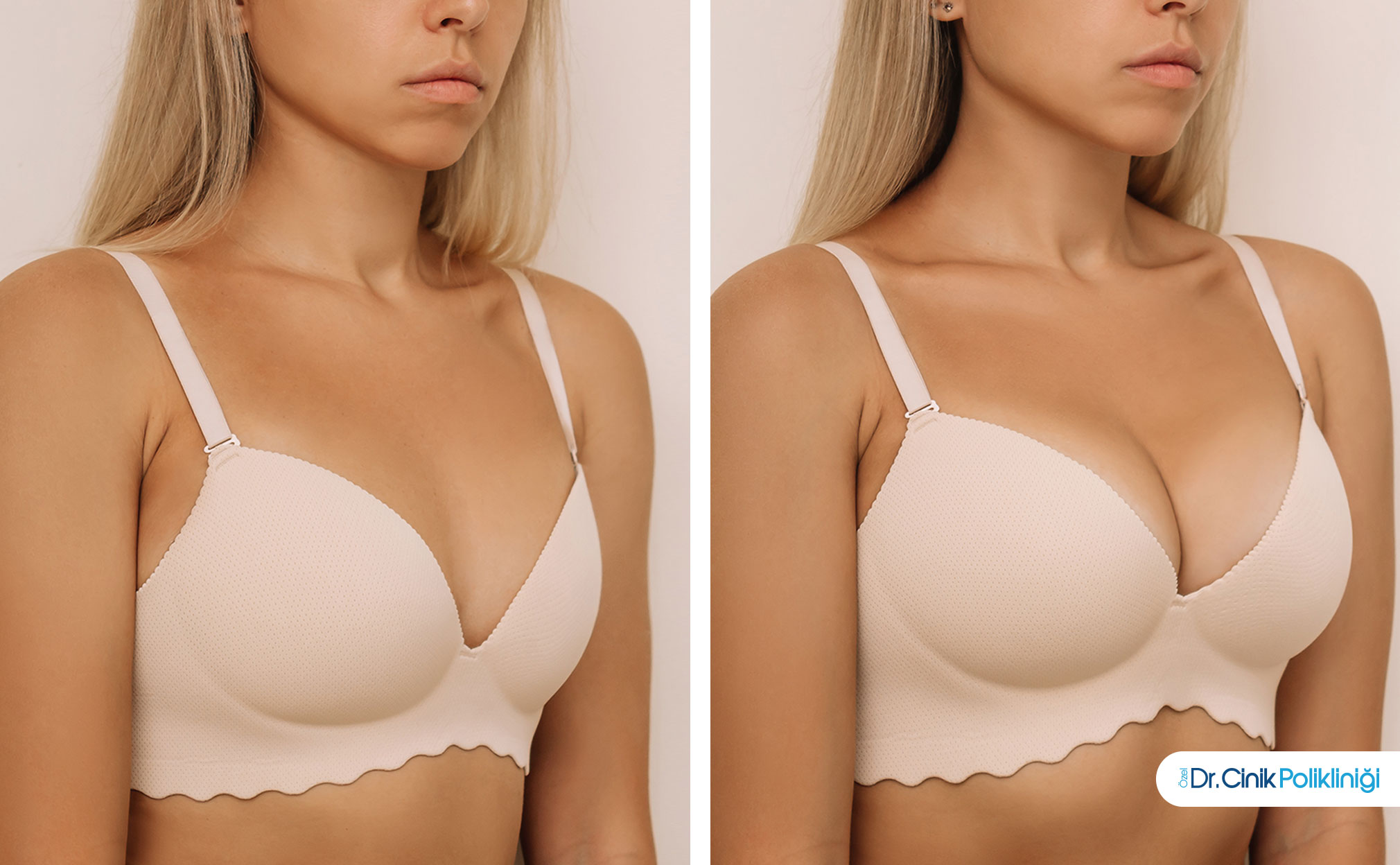
The vast majority of breast augmentation patients are satisfied with their results. In 5-year follow-up studies, patient satisfaction is around 97%. Naturalness depends on the surgeon's technique and implant choice.
To evaluate breast augmentation results, surgeons use both objective and subjective criteria. Objectively, breast symmetry, shape, and the condition of scars are examined. Subjectively, patient satisfaction is measured.
A randomized controlled study conducted by Piatkowski and colleagues in 2023 compared autologous fat transfer with implant-based reconstruction. The fat transfer group had higher quality of life scores (QALY), but the implant-based group had greater overall satisfaction.
The naturalness of the results depends on the compatibility of the implant size with body proportions. Oversized implants increase the risk of complications in the long term and compromise the aesthetic outcome. A good surgeon recommends a size that is suitable for the patient's anatomy rather than what the patient desires.
There is always a possibility of revision surgery. Over time, the shape of the breast may change, the implant may shift, or the patient may request a change in size. A 10-year prospective Danish study published by Hvilsom and colleagues in 2011 showed a 10-year revision rate of 38.6% in patients with delayed reconstruction.
Below are scientific answers to the most frequently asked questions by patients.
Silicone implants are permanent but not lifetime devices. Over time, revision or replacement may be necessary. In fat transfer, some of the injected fat is absorbed. The remaining portion is permanent.
There is no concept of the "best" implant. Different implants may be suitable for each patient. Smooth silicone gel implants are considered safer in terms of BIA-ALCL risk. Modern generation implants are much safer compared to older generations.
Pain is not felt during the surgery due to anesthesia. There may be mild to moderate pain in the first few days after surgery. Pain relievers help ease this process. Most patients report that the pain is milder than expected.
Return to daily activities occurs within 3-7 days. Exercise can be resumed after 4-6 weeks. It takes 3 months for the breast shape to fully settle. Fading of scars can take 6-12 months.
It depends on the implant placement technique. Periareolar incision and subglandular placement may theoretically pose a risk to breastfeeding due to being closer to breast tissue. However, inframammary incision and submuscular placement generally preserve the ability to breastfeed. Studies show that breast implants do not negatively affect breastfeeding safety.
With the right patient selection, an experienced surgeon, and modern implants, breast augmentation is a safe procedure. However, like all surgical procedures, it carries a risk of complications. Long-term follow-up is essential.
Breast augmentation is an aesthetic procedure preferred by millions of women worldwide, providing high satisfaction rates. Thanks to modern techniques and implant technologies, complication rates are at the lowest levels in history.
However, it should be noted that breast implants are not lifetime devices. Patients should not neglect their regular check-ups after surgery. Complications such as capsular contracture, rupture, and rarely BIA-ALCL can be successfully treated when diagnosed early.
There are three main pillars of a successful breast augmentation operation:
Selection of the right patient with realistic expectations
An experienced and certified plastic surgeon
The patient's full compliance with pre-operative and post-operative instructions
Patients should definitely consult with multiple surgeons before making a decision and understand all the risks. An informed patient achieves the best outcome.
Christodoulou, Nikolaos, et al. "Capsular Contracture in Breast Reconstruction: A Systematic Review and Meta-Analysis." Journal of Plastic, Reconstructive & Aesthetic Surgery, vol. 98, 2024, pp. 131-143.
Federica, Guizzardi, et al. "Use of Antimicrobial Irrigation and Incidence of Capsular Contracture in Breast Augmentation and Immediate Implant-Based Breast Reconstruction." Aesthetic Plastic Surgery, vol. 47, no. 6, 2023, pp. 2345-2350.
Hvilsom, Gitte B., et al. "Delayed Breast Implant Reconstruction: A 10-Year Prospective Study." Journal of Plastic, Reconstructive & Aesthetic Surgery, vol. 64, no. 11, 2011, pp. 1466-1474.
Li, Dong-Dong, et al. "Advances in Etiology and Prevention of Capsular Contracture after Breast Implantation." Aesthetic Plastic Surgery, vol. 49, no. 7, 2025, pp. 1915-1926.
Moon, Sanghoon, et al. "Capsular Contracture after Postmastectomy Radiation in Implant-Based Breast Reconstruction: Effect of Implant Pocket and Two-Stage Surgery." Journal of Breast Cancer, vol. 27, no. 6, 2024, pp. 395-406.
Piatkowski, Andrzej A., et al. "Cost-Effectiveness and Quality of Life in Breast Reconstruction with Autologous Fat Grafting versus Implants." JAMA Surgery, 2023.
Health Canada. "Breast Implants: Cancer Risk." Government of Canada, July 21, 2025, www.canada.ca/en/health-canada/services/drugs-medical-devices/breast-implants/cancer.html.
Swanson, Eric. "Incision and Capsular Contracture Risk: Is There a Relationship in Breast Augmentation and Augmentation/Mastopexy?" Annals of Plastic Surgery, vol. 90, no. 4, 2023, pp. 389-391.
U.S. Food and Drug Administration. "Medical Device Reports of Breast Implant-Associated Anaplastic Large Cell Lymphoma." FDA, February 6, 2025, www.fda.gov/medical-devices/breast-implants/medical-device-reports-breast-implant-associated-anaplastic-large-cell-lymphoma.
Zhai, Peng, et al. "A Systematic Review and Meta-Analysis of Capsular Contracture Rate after Breast Augmentation with Textured and Smooth Breast Prostheses." Gland Surgery, vol. 11, no. 1, 2022, pp. 166-174.