Yükleniyor…
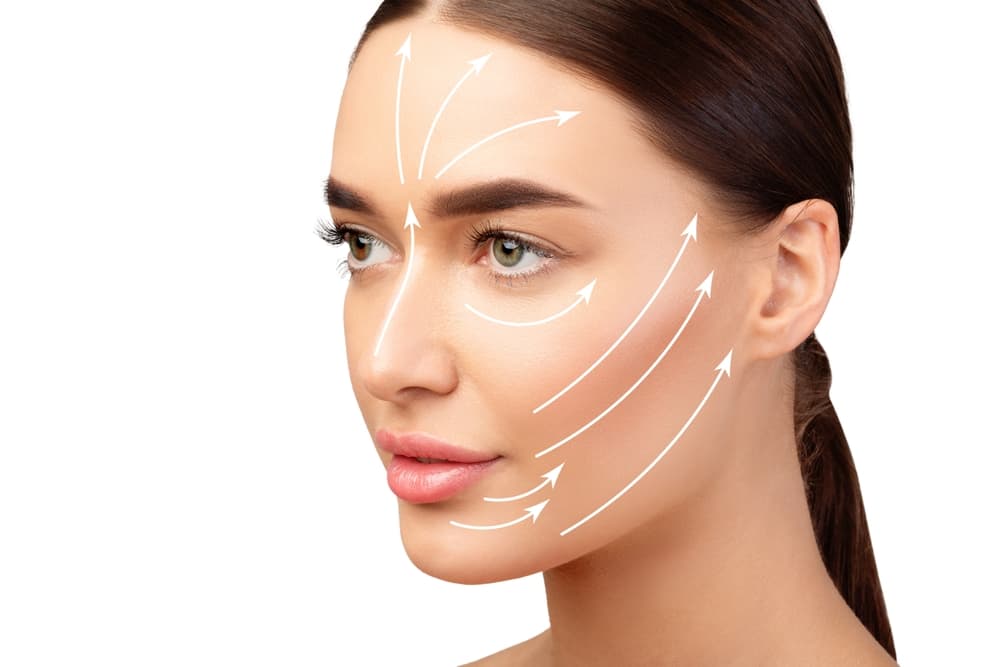
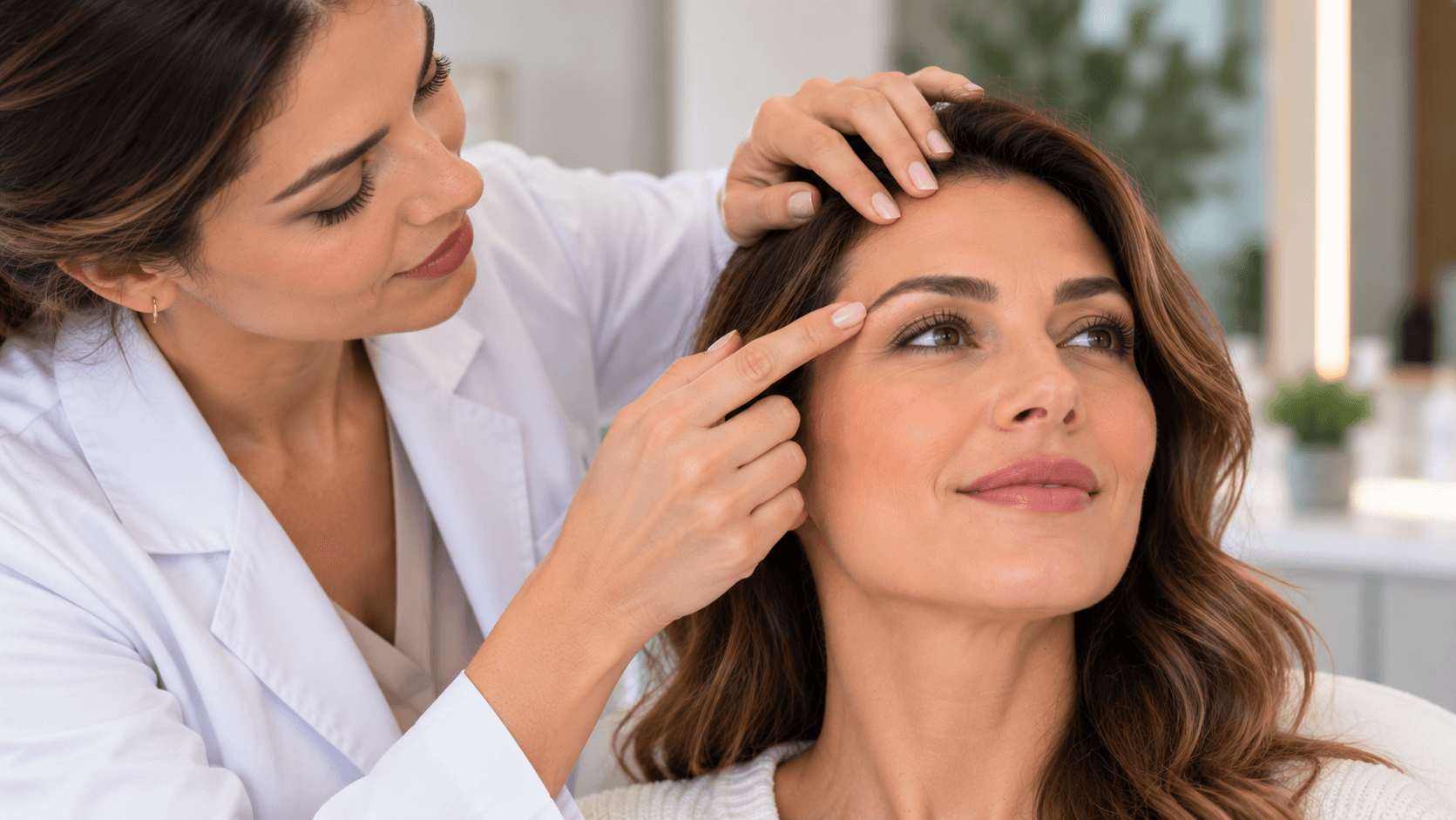
French thread lift has become very popular in recent years in the field of non-surgical facial rejuvenation. Many people prefer this method to address facial sagging without surgical intervention. However, like every beauty treatment, the French thread lift is not suitable for everyone. The correct patient selection is one of the most critical factors for the success of this procedure. Treatments with thread lifts applied to the wrong candidates can lead to serious complications. In this article, we will examine in detail who is not suitable for the French thread lift, which health issues may hinder the treatment, and what experts have said about this. This guide, based on scientific research, will help you make the right decision.
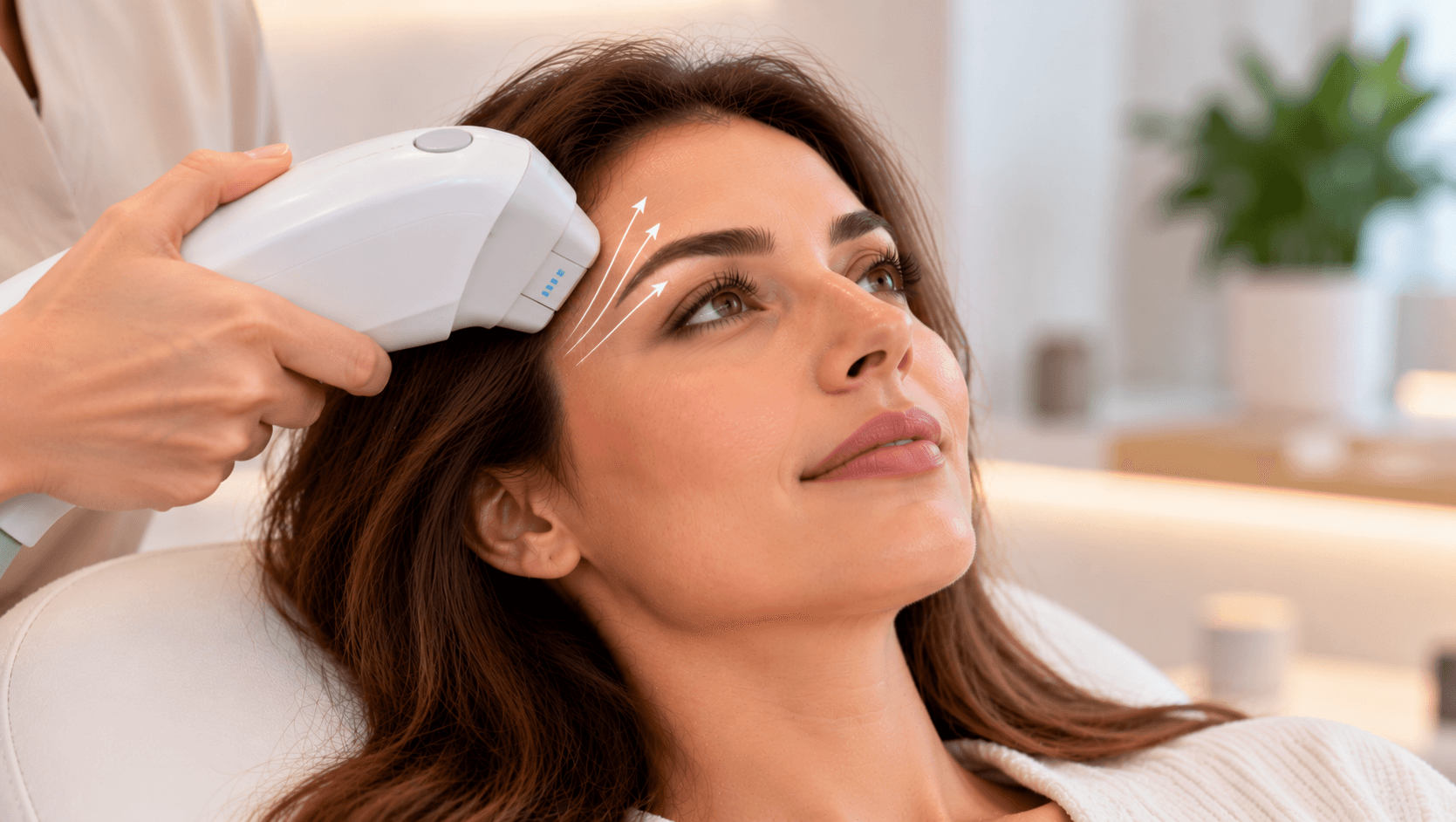
The French thread lift is a minimally invasive facial rejuvenation method where doctors place special threads under the skin. These threads mechanically lift sagging tissues and also stimulate the skin to produce its own collagen.
The French thread lift holds an important place among non-surgical facelift methods. Doctors place biologically degradable special threads under the skin in this procedure. These threads work in two ways. First, they physically lift sagging facial tissues upwards. Second, the body responds to these threads, and this response leads to the formation of new collagen fibers under the skin. Pham and colleagues demonstrated in their systematic review conducted in 2021 how important this dual mechanism is for the success of the procedure (Pham et al., 2021).
The French thread lift works on two fundamental principles: mechanical lifting and biological stimulation.
When the doctor pulls the threads placed under the skin upwards, the sagging fat pads and soft tissues return to their original positions. This mechanical effect provides an immediately visible rejuvenation. At the same time, the body perceives these threads as foreign objects and initiates a healing response. Fibroblasts become active, and new collagen production begins. Cobo confirmed this biological stimulation property of polydioxanone threads in his study conducted in 2020 (Cobo, 2020). When these two effects come together, the skin becomes both tighter and improves in quality over time.
Doctors use threads made from different materials such as polydioxanone, poly-L-lactic acid, and polycaprolactone.
Polydioxanone threads are the most commonly used type. These threads completely dissolve in the body within 6 to 8 months. Poly-L-lactic acid threads last longer and support collagen production for 12 to 18 months. Polycaprolactone threads are the longest-lasting option. Cho and colleagues proved in their study conducted on mouse models in 2021 that polycaprolactone threads increase collagen density to the highest extent (Cho et al., 2021). Each material has a different degradation time and collagen stimulation power. The doctor selects the most suitable thread based on the patient's age, skin type, and expectations.
Doctors can apply this procedure to the cheeks, jawline, double chin area, neck, and eyebrows.
The cheeks are the most commonly treated area with the French Lift. The sagging fat tissue here is lifted upwards with threads. The looseness in the jawline area is significantly improved with this method. For slight sagging in the double chin area, doctors may prefer thread lifting treatment. There can be limited success for early sagging in the neck area. A slight lifting effect can be achieved on the outer parts of the eyebrows. However, not every area responds equally. In areas with pronounced bone structure, the threads hold better.
Individuals aged between 35 and 55, with mild to moderate sagging, who partially maintain skin elasticity and have realistic expectations are ideal candidates.
Choosing the right patient is the most important success factor for the French Lift. This procedure is not suitable for everyone. Doctors thoroughly evaluate the patient before the procedure. Ideal candidates must possess certain characteristics. Niu and colleagues demonstrated in their meta-analysis conducted in 2021 that the correct patient selection significantly reduces complication rates (Niu et al., 2021).
Results are more successful and longer-lasting in individuals aged between 35 and 55.
In the thirties, the skin has not sagged much yet. Procedures performed during this period are more preventive in nature. In the forties, significant changes appear in the skin. In this age group, the French Lift provides both lifting and collagen stimulation. For individuals over fifty, skin elasticity has significantly decreased, so results may last shorter. However, a patient at 60 with good skin quality can also benefit from this procedure. Each patient requires individual assessment.
Threads provide sufficient mechanical support for mild and moderate sagging. In advanced sagging, excess skin hides the threads.
The French Lift pulls up sagging tissues. However, this pulling power is limited. In mild sagging, tissues easily return to their places. In moderate sagging, doctors can provide sufficient lifting by using more threads. In advanced sagging, excess skin mechanically challenges the threads. Severely sagging tissues can slide down over the threads. This situation leads to both ineffective results and complications.
Skin with good elasticity supports the threads better, and results last longer.
The doctor measures skin elasticity with a simple test. When the skin is gently pinched and released, the procedure is more successful in skins that quickly return to their original state. Skin that has lost elasticity cannot support the threads adequately. In such skins, the threads can loosen more quickly. Additionally, collagen production is also reduced. Therefore, the biological stimulation effect remains limited. Surgical options may be more suitable for patients with low skin quality.
The French thread lift does not provide results as dramatic as surgical facelifts. Patients who accept this reality are satisfied.
Some patients expect surgical results from a non-surgical procedure. This expectation is unrealistic. The French thread lift offers a natural and subtle rejuvenation. It does not change facial expressions. It does not remove skin like surgery does. If patients understand these limitations before the procedure, the satisfaction rate increases. Doctors prevent misunderstandings by clearly discussing expectations.
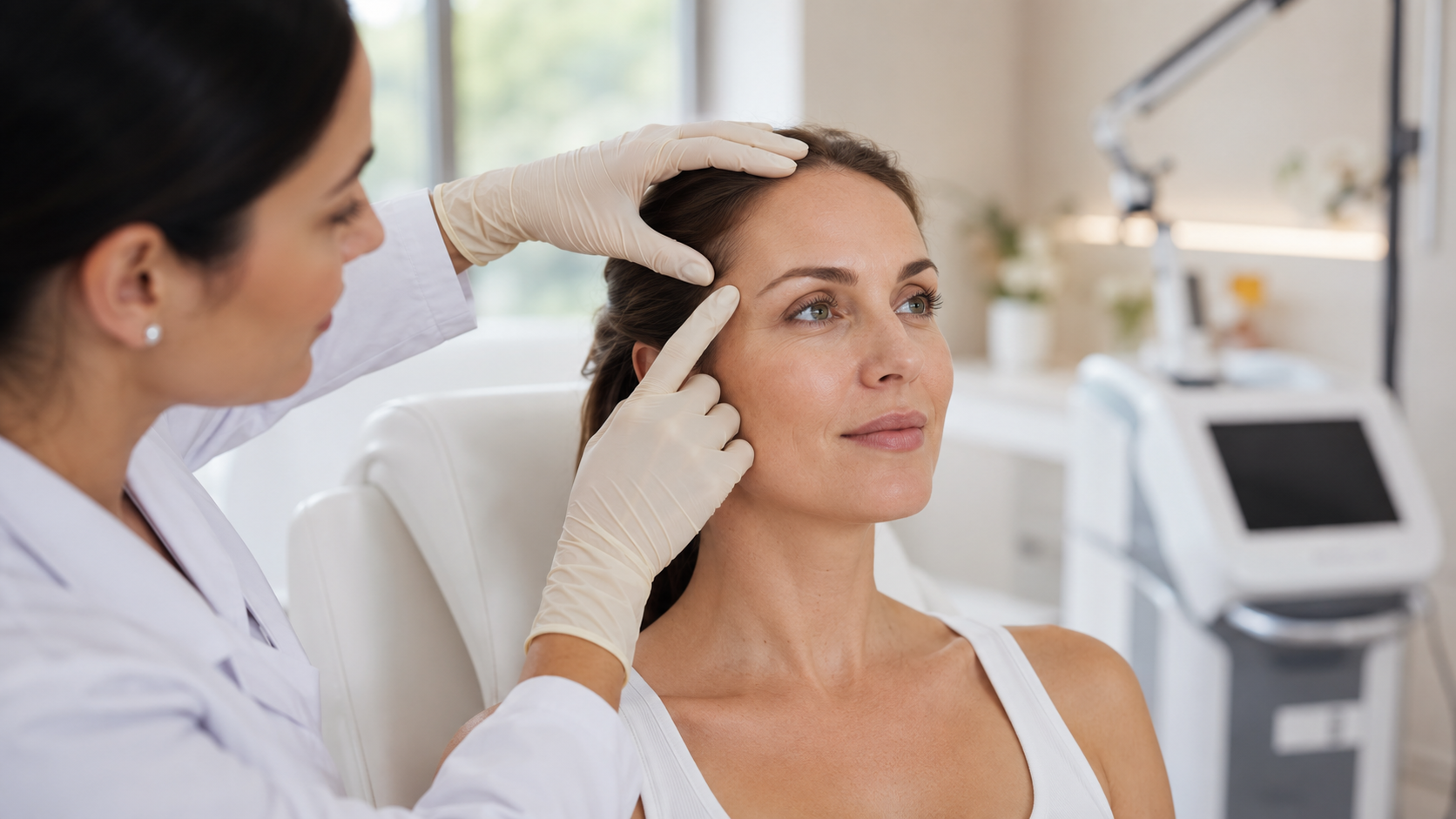
Individuals with advanced sagging, excessive skin, significantly lost skin elasticity, and unrealistic expectations are not suitable for this treatment.
This section is the most critical part of the article. The French thread lift is not suitable for everyone. In some individuals, this procedure carries serious risks. In others, the results may not be visible at all. Doctors should keep these patients away from the procedure. Pham and colleagues emphasized in their 2021 review that poor patient selection can lead to serious complications (Pham et al., 2021).
In cases of advanced sagging, the threads do not provide sufficient lifting power, and excess skin remains.
Advanced sagging is seen in older patients and those who are overweight. In this case, the facial tissues have sagged significantly downwards. The threads cannot lift such a large mass. In fact, the threads are subjected to excessive tension under the skin. This situation leads to problems such as pain, asymmetry, and early loosening. In cases of advanced sagging, surgical facelift surgery is the only effective solution. Doctors recommend that these patients first consider surgical options.
The French thread lift does not remove skin. Excess skin can only be addressed through surgical intervention.
Thread lift treatment only pulls the existing tissues upwards. It does not reduce the amount of skin. In patients with excess skin, the skin does not tighten after the procedure. In fact, sometimes the excess skin can become more pronounced. In surgical facelift surgery, doctors remove the excess skin. This way, the face becomes truly tighter. Bertossi and colleagues proved in their 2019 study that the surgical method is much more effective in cases of advanced sagging (Bertossi et al., 2019).
Skin lacking elasticity cannot support the threads, and the collagen response remains weak.
The elasticity of the skin forms the basis of thread lift treatment. In skin that has lost its elasticity, the threads appear loose under the skin. This situation causes the threads to slip early. Additionally, fibroblasts become fatigued. These cells cannot sufficiently increase new collagen production. The biological benefit of the procedure remains limited. In these patients, treatments aimed at improving skin quality may be considered first.
No. Age alone is not a barrier. Skin quality and overall health status are more important.
Not every patient over fifty is automatically excluded. A patient at sixty with quality skin that has maintained its elasticity can benefit from the procedure. Conversely, a thirty-year-old patient with severely damaged skin and lost elasticity may be less suitable. Biological age and skin condition are more decisive than chronological age. The doctor evaluates each patient individually.
Active skin infections, bleeding disorders, uncontrolled chronic diseases, autoimmune diseases, keloid predisposition, and pregnancy are absolute contraindications for this procedure.
Certain health issues make the French Lift completely impossible. These conditions are referred to as contraindications. Doctors thoroughly review the patient's medical history before the procedure. If necessary, they consult other specialist doctors. Niu and colleagues indicated in their comprehensive meta-analysis conducted in 2021 that infections and bleeding disorders are the most serious risk factors (Niu et al., 2021).
Placing threads in areas with active infections can lead to the spread of infection and serious complications.
Herpes, active acne infections, and bacterial skin infections are absolute barriers for the procedure. When the doctor places threads under the skin, microbes can be transferred to deeper tissues. This can lead to deep abscesses and widespread infections. The procedure can be considered at least two weeks after the infection has resolved. Patients with dental infections must also complete their dental treatment first. Dental infections pose a risk in procedures close to the oral area.
Patients with bleeding disorders may experience serious bleeding during and after the procedure.
Inherited bleeding disorders such as hemophilia are absolute contraindications for thread lift treatment. Even a small needle prick in these patients can cause prolonged bleeding. The threads placed under the skin increase the risk of bleeding. Large bruises and hematomas can occur. This delays healing and increases the risk of infection. Patients with bleeding disorders should first consult a hematologist.
Anticoagulant medications can lead to excessive bleeding and bruising during the procedure.
Medications such as warfarin, rivaroxaban, and apixaban prevent blood clotting. Patients using these medications may experience serious bruising during the French Lift. Aspirin also increases the risk of bleeding. Doctors typically recommend discontinuing these medications one week before the procedure. However, patients using these medications should consult their cardiologist or neurologist. The doctor determines whether it is safe to discontinue the medication.
High sugar levels disrupt wound healing and increase the risk of infection.
Even small wounds can take a long time to heal in diabetic patients. The French thread technique creates micro-wounds under the skin. Uncontrolled sugar can lead to infection of these wounds. Additionally, high glucose disrupts collagen production. This situation reduces the biological benefit of the procedure. The procedure is safer for patients with an HbA1c level below seven. Patients who do not have their sugar under control should first see an endocrinologist.
High blood pressure can cause excessive bleeding and bruising during the procedure.
Hypertension increases pressure in the blood vessels. During the French thread technique, this high pressure increases bleeding. Additionally, uncontrolled blood pressure also increases the risk of anesthesia. Doctors can safely perform the procedure on patients whose blood pressure is controlled with medication. However, patients with irregular and high blood pressure should first see a cardiologist. The procedure can be planned after blood pressure is regulated.
Patients with autoimmune diseases may have an excessive reaction to the threads, and chronic inflammation may occur.
In diseases such as lupus, rheumatoid arthritis, and scleroderma, the immune system attacks the body's own tissues. In these patients, there can be an excessive response to the foreign object, which are the threads. Chronic redness, pain, and tissue damage may be observed. Active autoimmune diseases are a definite contraindication. For patients with stable disease, consultation with a rheumatologist is essential. The doctor evaluates the procedure very carefully in these patients.
Connective tissue diseases disrupt skin structure and make it difficult for the threads to adhere.
In diseases such as Ehlers-Danlos syndrome and Marfan syndrome, the skin becomes excessively flexible and loose. This skin cannot adequately support the threads. Additionally, wound healing may also be impaired. In these patients, the French thread technique may provide very short-term benefits. In fact, the threads can slip under the skin, causing complications. Therefore, the procedure is generally not recommended for individuals with connective tissue diseases.
Even small needle holes can turn into large scar tissues in those prone to keloids.
Keloid is a condition where wound healing is excessive. Keloids can form even at the needle entry points. This situation leads to poor aesthetic results. Patients with a family history of keloids are also at risk. Doctors avoid procedures in these patients. Alternative methods are safer.
The safety of the procedure in pregnant and breastfeeding women has not been proven. The procedure is not recommended during this period.
During pregnancy, there are hormonal and physiological changes in the body. The skin structure changes. Edema increases. These changes can negatively affect the results of the procedure. Additionally, anesthesia medications and procedural stress can affect the baby. During breastfeeding, medications can also pass into breast milk. Therefore, doctors recommend that pregnant and breastfeeding women postpone the procedure. Evaluation can be done after childbirth and the end of breastfeeding.
Smoking, excessive alcohol, rapid weight changes, and irregular skin care negatively impact the results of procedures.
The patient's daily habits play a significant role in the success of the French lift. Patients who live healthily achieve much better results. Harmful habits delay healing and shorten the lifespan of the results. Chouksey and colleagues proved in their review in 2026 that smoking severely impairs wound healing after facial surgery (Chouksey et al., 2026).
Smoking causes blood vessels to constrict. This reduces oxygen transport and disrupts wound healing.
Nicotine causes narrowing of the blood vessels. Carbon monoxide decreases the oxygen level in the blood. When these two effects combine, skin tissues do not receive enough oxygen. Nutrients necessary for wound healing cannot reach the tissues. Rees and colleagues demonstrated in their 1984 study that the risk of skin necrosis is twelve times higher in smoking patients (Rees et al., 1984). Riefkohl and colleagues confirmed the relationship between vascular obstruction and skin damage in 1986 (Riefkohl et al., 1986). Patients who smoke experience more bruising. Healing takes longer. The risk of infection increases. Doctors require patients to quit smoking at least two weeks before the procedure.
Excessive alcohol disrupts liver functions and increases the risk of bleeding.
The liver produces proteins responsible for blood clotting. Excessive alcohol disrupts this function. Alcohol also dilates blood vessels. This increases bleeding during the procedure. Patients who consume excessive alcohol experience more pronounced bruising. Healing is delayed. Doctors recommend stopping alcohol intake one week before the procedure.
Rapid weight gain and loss disrupt skin elasticity and cause the threads to loosen.
When weight is gained, facial tissues expand. When weight is lost, the skin cannot tighten back. This increases sagging. Rapid weight changes after a French lift disrupt the tension of the threads. The threads can loosen or shift. Maintaining an ideal weight ensures longer-lasting results.
Regular skin care supports collagen production and extends the lifespan of the results.
Daily use of moisturizer protects the skin barrier. Sunscreen prevents UV damage. Products like retinol and vitamin C increase collagen synthesis. These care routines enhance the quality of the skin after a French lift. The results of the procedure last longer.
Unrealistic expectations lead to patient dissatisfaction. Procedures are not recommended for patients with body dysmorphic disorder.
Being mentally prepared is as important as physical fitness. Doctors evaluate the psychological state of the patient before the procedure. Misguided expectations are equivalent to treatment failure.
Patients who expect surgical results from non-surgical procedures are bound to be disappointed.
Some patients expect to look ten years younger after a French lift. This expectation is unrealistic. The procedure provides at most a two to three-year rejuvenation effect. Additionally, results appear gradually. Patients who expect an immediate dramatic change are not satisfied. Doctors show what is possible with photos before the procedure.
Patients with body dysmorphic disorder are never satisfied with any procedure and repeatedly request operations.
These patients constantly see themselves as ugly. They spend hours in front of the mirror. The procedures performed do not satisfy them. In this case, the French lift does not provide psychological benefits. It can even worsen the patient's condition. Doctors first refer these patients to a psychiatry specialist.
The doctor conducts a detailed interview. The patient reviews before and after photos. A written information form is signed.
During the initial consultation, the doctor explains the limits of the procedure to the patient. The patient sees photos of similar cases. Expectations are documented. A cooling-off period is recognized. During this process, the patient can reconsider their decision. An informed consent form is signed.
In patients with advanced sagging, excess skin, and deep wrinkles, surgical facelift provides much more effective and lasting results.
Both methods have their unique advantages. However, in some cases, the surgical option becomes the only logical solution. Doctors recommend the most suitable method based on the patient's anatomical structure.
The surgical method provides superior results in patients with advanced sagging, pronounced jowl formation, deep nasolabial folds, and excess skin.
In surgical facelift, doctors remove excess skin. They truly lift and secure the SMAS layer. This procedure intervenes in deep tissues. Results last between five to ten years. Bertossi and colleagues demonstrated the longevity of the surgical method in their 2019 study (Bertossi et al., 2019).
French suspension is performed under local anesthesia, does not remove skin, and the results are temporary. Surgical method is performed under general anesthesia, removes skin, and the results are permanent.
The table below compares the two methods:
Feature | French Suspension | Surgical Facelift |
Type of Anesthesia | Local anesthesia | General anesthesia |
Incision | None | Present |
Recovery Time | 1-2 weeks | 2-4 weeks |
Result Duration | 6-36 months | 5-10 years |
Degree of Sagging | Mild-Moderate | Advanced |
Naturalness | Very High | Moderate |
Price | Lower | Higher |
Young and middle-aged patients with slight sagging benefit from the French lift. Older patients with significant sagging benefit from surgery.
Patients aged thirty to fifty generally prefer non-surgical methods. In this age group, the skin has not yet sagged significantly. Patients over fifty with very sagging skin achieve much better results with surgery. The doctor makes an individual decision for each patient.
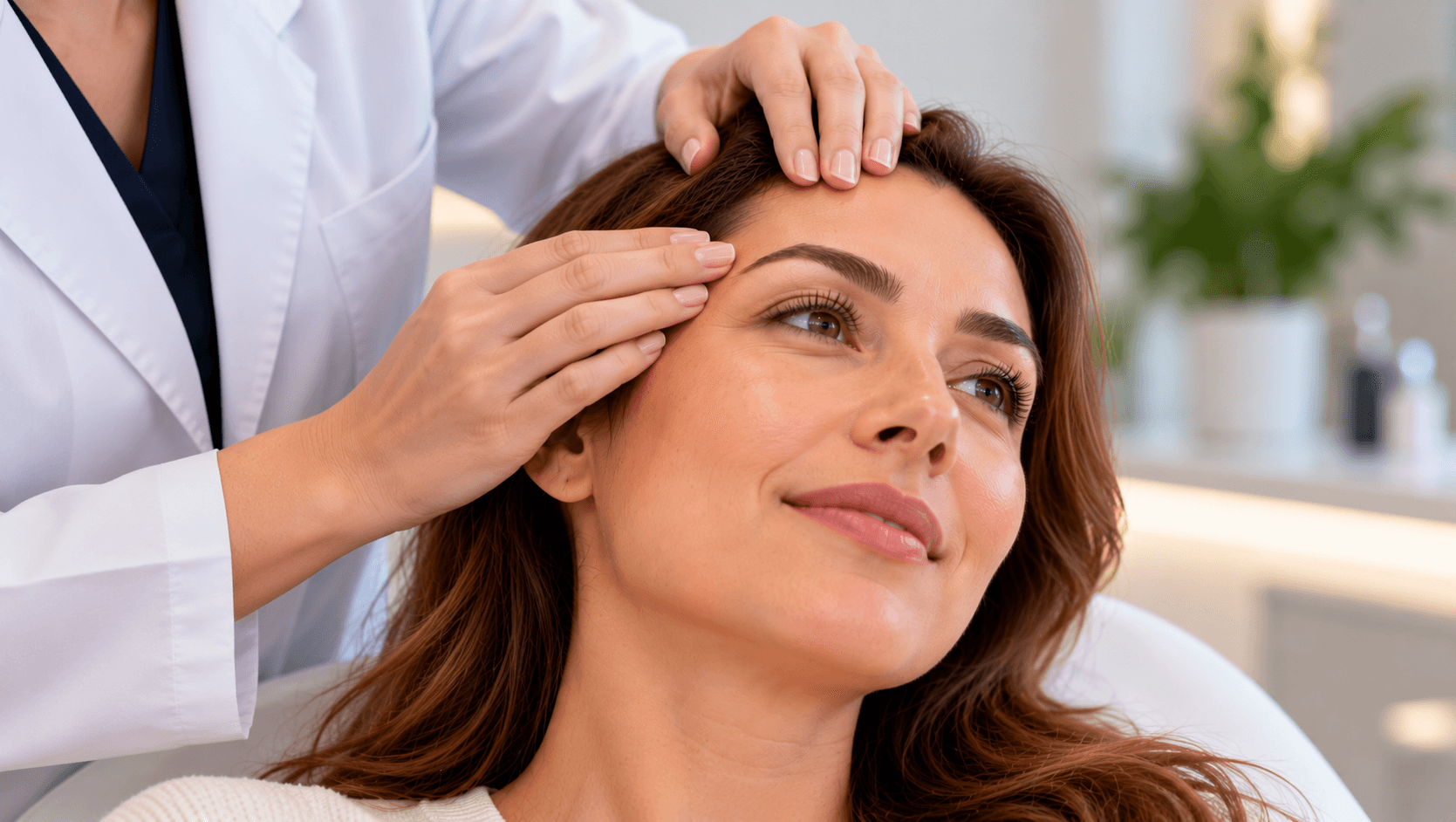
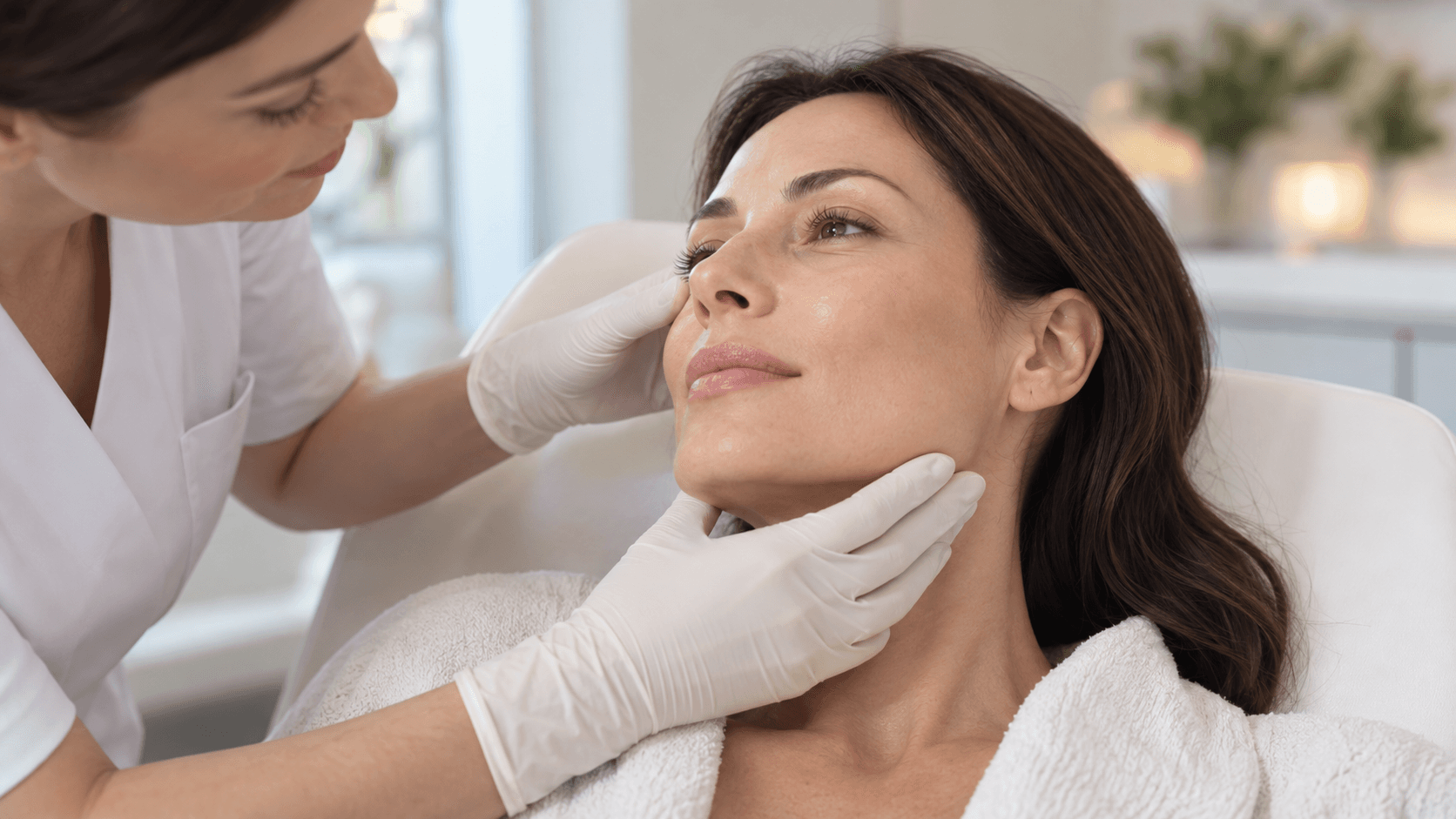
A detailed medical history, medication review, facial analysis, skin elasticity test, photographic record, and personal planning should be conducted.
The pre-procedure evaluation forms the basis of treatment safety. The doctor examines many factors at this stage. A quick and careless evaluation can lead to serious mistakes.
The doctor thoroughly examines past surgeries, chronic illnesses, allergies, and family history.
The patient describes previous surgeries. Existing chronic illnesses are listed. Family history of keloids or abnormal wound healing is inquired. Previous aesthetic procedures are recorded. This information allows the doctor to perform a risk analysis.
The doctor reviews all prescription and over-the-counter medications and herbal supplements.
Blood thinners, hormone medications, acne treatments, and herbal products are recorded. Some medications need to be discontinued before the procedure. The doctor consults with the prescribing physician if necessary.
The doctor examines the position of fat pads, the course of muscles, and the location of vessels in the face.
The vectors of sagging in the face are determined. The course of nerves and vessels is mapped. The thickness of the SMAS layer is evaluated. This analysis ensures the safe placement of the threads.
The doctor tests the elasticity by pinching and releasing the skin.
Skin with good elasticity quickly returns to its original state. Healing is slow in skin with impaired elasticity. This test predicts the success rate of the procedure.
Before photos are taken from standard angles.
The doctor takes front, side, and quarter profile photos. These photos serve as a reference for future comparisons. They can also be used for simulation.
The doctor creates a special plan based on the patient's anatomy and expectations.
The number of threads, type of threads, and placement areas are determined. Combined treatments are considered. The patient approves the plan. An appointment date is given.
All medications and supplements that have a blood-thinning effect should be reported to the doctor. These may need to be stopped or adjusted before the procedure.
Many patients are unaware that the medications they take daily may pose risks. Even seemingly harmless herbal products can increase bleeding. The doctor definitely wants this information before the procedure.
Aspirin thins the blood. The doctor usually wants it to be stopped a week before the procedure.
Aspirin prevents platelets from sticking together. This prolongs even minor bleeding. It increases the risk of bruising during the French lift. Aspirin should not be stopped without the approval of a cardiologist.
Medications like warfarin, rivaroxaban, and apixaban pose a serious bleeding risk.
These medications directly affect the blood's clotting mechanism. Large hematomas can occur during the procedure. The doctor usually temporarily changes or stops these medications. However, this decision is always made in consultation with the prescribing doctor.
Medications like ibuprofen and naproxen slightly increase the risk of bleeding.
These medications are commonly used as pain relievers. They slightly impair platelet functions. The doctor usually recommends stopping them three days before the procedure. Paracetamol can be used as an alternative pain reliever.
Fish oil can prolong bleeding time.
Omega-3 fatty acids reduce platelet aggregation. Patients using high doses of fish oil may experience more pronounced bruising. The doctor recommends stopping it a week before the procedure.
Ginkgo biloba increases blood flow and raises the risk of bleeding.
This herbal supplement dilates blood vessels. It also suppresses platelet activity. The doctor wants to stop its use before the procedure.
Ginseng can affect blood sugar levels and increase the risk of bleeding.
This herb can prolong bleeding time. It may also interact with blood sugar-regulating medications. The doctor inquires about its use before the procedure.
High doses of vitamin E slightly increase the risk of bleeding.
This vitamin, which has antioxidant properties, can thin the blood in high doses. Doctors are cautious with patients who use very high doses daily.
Natural products like garlic, ginger, turmeric, and tea tree can increase the risk of bleeding.
Many patients do not see herbal products as medications. However, these products can have a significant impact on bleeding. The doctor thoroughly examines all supplements. Suspicious products are discontinued before the procedure.
Surgical facelift, ultrasound treatments, radiofrequency, collagen stimulators, fillers, and combined treatments serve as alternatives.
Patients who are not suitable for the French lift are not without options. Modern aesthetic medicine offers many alternatives. The doctor selects the most suitable method for the patient's condition.
For patients with advanced sagging and excess skin, surgical methods are the only effective solution.
In this surgery, doctors remove excess skin. They lift and secure the deeper tissues. Results can be permanent for up to ten years. Recovery takes two to four weeks.
This method stimulates collagen production by heating deep tissues. It is a non-surgical option.
Ultrasound waves focus on the SMAS layer beneath the skin. The heat effect renews collagen fibers. It is effective for mild sagging. However, it is insufficient for advanced sagging.
Radiofrequency increases collagen and elastin production by heating the skin.
This method provides skin tightening. It is painless and non-invasive. Multiple sessions may be required. Results appear gradually.
Substances like poly-L-lactic acid and calcium hydroxyapatite stimulate the skin to produce its own collagen.
These injections are applied to areas with volume loss. Over time, skin quality improves. They can be used in addition to or as an alternative to the French lift.
Hyaluronic acid-based fillers address volume loss and can mask sagging.
Fillers fill in hollows. They reshape the facial contour. Quick and effective. However, the lifting effect is limited.
Using multiple methods together provides more comprehensive results.
Doctors can combine thread lifting with fillers and botulinum toxin. Combinations of radiofrequency and ultrasound are also effective. Personalized protocols provide the best results.
The right patient selection, physician experience, thread quality, post-procedure care, and regular check-ups determine the outcomes.
Success is not dependent on a single factor. When many elements come together, the ideal result emerges. Niu and colleagues emphasized the importance of these factors in their meta-analysis conducted in 2021 (Niu et al., 2021).
Complication rates decrease and satisfaction increases in suitable candidates.
Doctors carefully select ideal candidates. Procedures can fail in unsuitable candidates. Patient selection forms the basis of the treatment plan.
Experienced physicians significantly reduce complication rates.
Doctors with strong anatomical knowledge place the threads safely. They can prevent complications in advance. The results are more symmetrical and natural.
High-quality and approved threads provide safer and more effective results.
Certified materials pass biocompatibility tests. Low-quality threads carry the risk of infection and early degradation. Doctors prefer reliable brands.
When patients follow recommendations, healing accelerates and results last longer.
It is very important not to strain the face during the first two weeks. A proper sleeping position should be maintained. Facial massages should be done under doctor supervision.
Check-ups ensure early detection of complications.
The doctor requests check-ups in the first week, first month, and third month. Possible asymmetries or complications are evaluated during these visits. Corrections are made if necessary.
French lifting is not suitable for every age, does not completely replace surgery, results are not permanent, cannot correct all sagging, and is not suitable for every skin type.
There is a lot of misinformation circulating about this procedure. These myths lead patients to develop incorrect expectations. Accurate information is important for both the patient and the doctor.
No. Age alone is not a determining factor, but it can be insufficient in older ages.
Patients of all ages can undergo the procedure. However, the results are very limited in a seventy-year-old patient with advanced sagging. In younger ages, it can be applied for preventive purposes.
No. The French lift cannot completely replace surgery. It serves different purposes.
These two methods are not alternatives to each other. They are not complementary either. They cater to different patient groups. Surgery provides a much stronger and more permanent lift.
No. The results are temporary. They can vary from six months to three years.
The threads dissolve in the body. The mechanical effect decreases over time. However, the effect of collagen stimulation can last longer. Repeated sessions can extend the results.
No. It can only correct mild to moderate sagging.
In advanced sagging, the threads are insufficient. The effect is limited in areas with excessive skin. Not every area responds equally.
No. Results can vary in very thin or very thick skin.
In very thin skin, the threads can be felt. In very thick and oily skin, the lifting effect decreases. Skin of medium thickness responds best.
The French lift is not performed on individuals with active skin infections, bleeding disorders, uncontrolled chronic diseases, active autoimmune diseases, pregnant or breastfeeding women, those with keloid tendencies, and individuals with advanced facial sagging.
No. There is no specific age limit. However, the ideal age range is generally between 35 and 55. Older age alone is not a barrier. Skin quality is more important.
Smokers can undergo the procedure, but the risks are higher. Doctors recommend quitting smoking at least two weeks before the procedure. Chouksey and colleagues have proven that smoking significantly impairs wound healing (Chouksey et al., 2026).
It is not safe for autoimmune diseases in their active phase. Approval from a rheumatology specialist is required for stable patients. The doctor conducts a very careful evaluation for these patients.
No. The procedure is not recommended during pregnancy and breastfeeding. Safety data is insufficient. The health of the baby should not be compromised.
It depends on the medication they are using. Some medications may need to be temporarily discontinued. However, this must be done with the approval of the prescribing doctor. The doctor evaluates each patient individually.
Surgical facelift surgery is the most suitable treatment. The French thread lift is inadequate in this case. Bertossi and colleagues demonstrated that the surgical method is superior in cases of advanced sagging (Bertossi et al., 2019).
A complete blood count, coagulation tests, blood sugar, and blood pressure measurements should be performed. An evaluation by the relevant specialist doctor is necessary for those with chronic diseases.
No. The results are temporary. They vary between six months and three years. Repeated applications can extend the effect.
Those who smoke, use blood thinners, have uncontrolled diabetes, have an active infection, and go to inexperienced doctors have a higher risk of complications. Niu and colleagues proved that complication rates are significantly lower with experienced doctors (Niu et al., 2021).
The French thread lift is a minimally invasive facial rejuvenation method that offers natural and effective results in the right patient group. However, it may not be suitable for individuals with advanced skin sagging, active infections, bleeding disorders, or those who are pregnant or breastfeeding, as well as for individuals with certain chronic diseases. A detailed medical evaluation, facial analysis, and the establishment of realistic expectations before the procedure are the most important factors that enhance both safety and long-term patient satisfaction.
Doctors do not recommend this procedure for everyone. Scientific research shows that the correct patient selection significantly reduces complication rates. Patient candidates should fully share their medical history before the procedure. They must inform about the medications and supplements they are taking. Lifestyle factors should be reviewed. As a result of all these evaluations, the doctor and patient can make the most accurate decision together.
There are many alternative options available instead of the French thread lift, such as surgical facelift, ultrasound treatments, radiofrequency, and fillers. Each patient's anatomical structure, age, skin type, and expectations are different. Therefore, personalized assessment is essential. When an informed patient, a patient with realistic expectations, and an experienced doctor come together, the safest and most satisfying results emerge.
Bertossi, Diego, et al. "Effectiveness, Longevity, and Complications of Facelift by Barbed Suture Insertion." Aesthetic Surgery Journal, vol. 39, no. 3, 2019, pp. 241-247.
Cho, Sang-Woo, et al. "Efficacy Study of the New Polycaprolactone Thread Compared with Other Commercialized Threads in a Murine Model." Journal of Cosmetic , vol. 20, no. 9, 2021, pp. 2743-2749.
Chouksey, Gunjan, et al. "Review on the Impact of Smoking on Wound Healing Following Facial Procedures." Archives of Craniofacial Surgery, 2026, pp. 1-10.
Cobo, Rubén. "Use of Polydioxanone Threads as an Alternative in Nonsurgical Procedures in Facial Rejuvenation." Facial Plastic Surgery, vol. 36, no. 4, 2020, pp. 447-452.
Niu, Zhiyuan, et al. "A Meta-Analysis and Systematic Review of the Incidences of Complications Following Facial Thread-Lifting." Aesthetic Plastic Surgery, vol. 45, no. 5, 2021, pp. 2148-2158.
Pham, Christine T., et al. "Safety Profile of Thread Lifts on the Face and Neck: An Evidence-Based Systematic Review." Surgery, vol. 47, no. 9, 2021, pp. 1221-1230.
Rees, Thomas D., et al. "The Effect of Cigarette Smoking on Skin-Flap Survival in the Face Lift Patient." Plastic and Reconstructive Surgery, vol. 73, no. 6, 1984, pp. 911-915.
Riefkohl, Richard, et al. "The Influence of Smoking on Skin Flap Survival in the Rat." Plastic and Reconstructive Surgery, vol. 77, no. 5, 1986, pp. 786-789.
World Health Organization. "Smoking Greatly Increases Risk of Complications After Surgery." WHO, 20 Jan. 2020.