Yükleniyor…
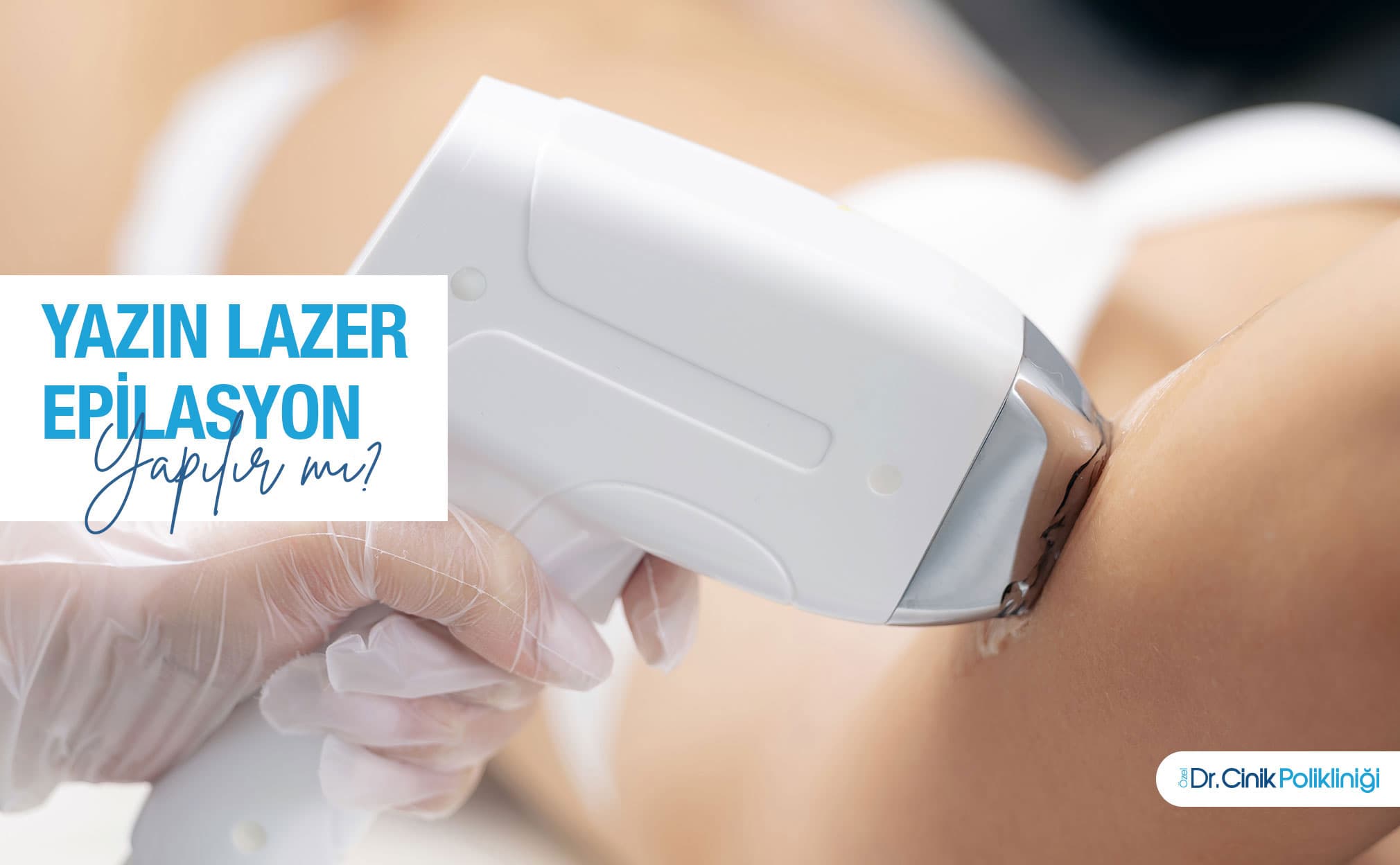
Yes, laser hair removal can be performed in summer. However, the selection of the right device, sun protection protocols, and supervision are essential. Thanks to modern technologies, safe and effective laser hair removal procedures are possible even in the summer months.
Laser hair removal is one of the most preferred methods in and aesthetic medicine. Many people want to undergo this procedure in the summer, but there is a common belief that "laser hair removal cannot be done in summer." This myth stems from outdated technologies used in the past and a lack of awareness about sun protection. Today, advanced laser systems and proper clinical protocols allow for safe laser hair removal even during the summer. This article scientifically evaluates the safety and effectiveness of laser hair removal in summer in detail.
Laser hair removal works on the principle of selective photothermolysis. Laser light is absorbed by melanin, converted into heat energy, and destroys the hair follicle.
The basis of laser hair removal lies in the principle of selective photothermolysis. This principle refers to the selective absorption of light at a specific wavelength by the target tissue and its conversion into heat energy. The melanin in the hair follicle absorbs the laser energy, and this energy transforms into heat, destroying the hair root. However, melanin is also present on the skin surface. Therefore, skin type directly affects the success of the treatment.
The Fitzpatrick scale classifies skin types from I to VI. Type I represents fair skin that burns easily, while Type VI indicates dark skin. In individuals with fair skin, laser energy reaches the hair root more easily because the amount of melanin on the skin surface is low. In individuals with dark skin, however, the melanin on the skin surface absorbs the laser energy, increasing the risk of side effects. Therefore, selecting the appropriate laser for the skin type is crucial.
Different types of lasers provide advantages for different skin types. Alexandrite laser is very effective for individuals with fair skin. Diode laser is suitable for medium-toned skin. Nd:YAG laser is the safest option for individuals with dark skin and during the summer months because it offers deep penetration and does not target surface melanin.
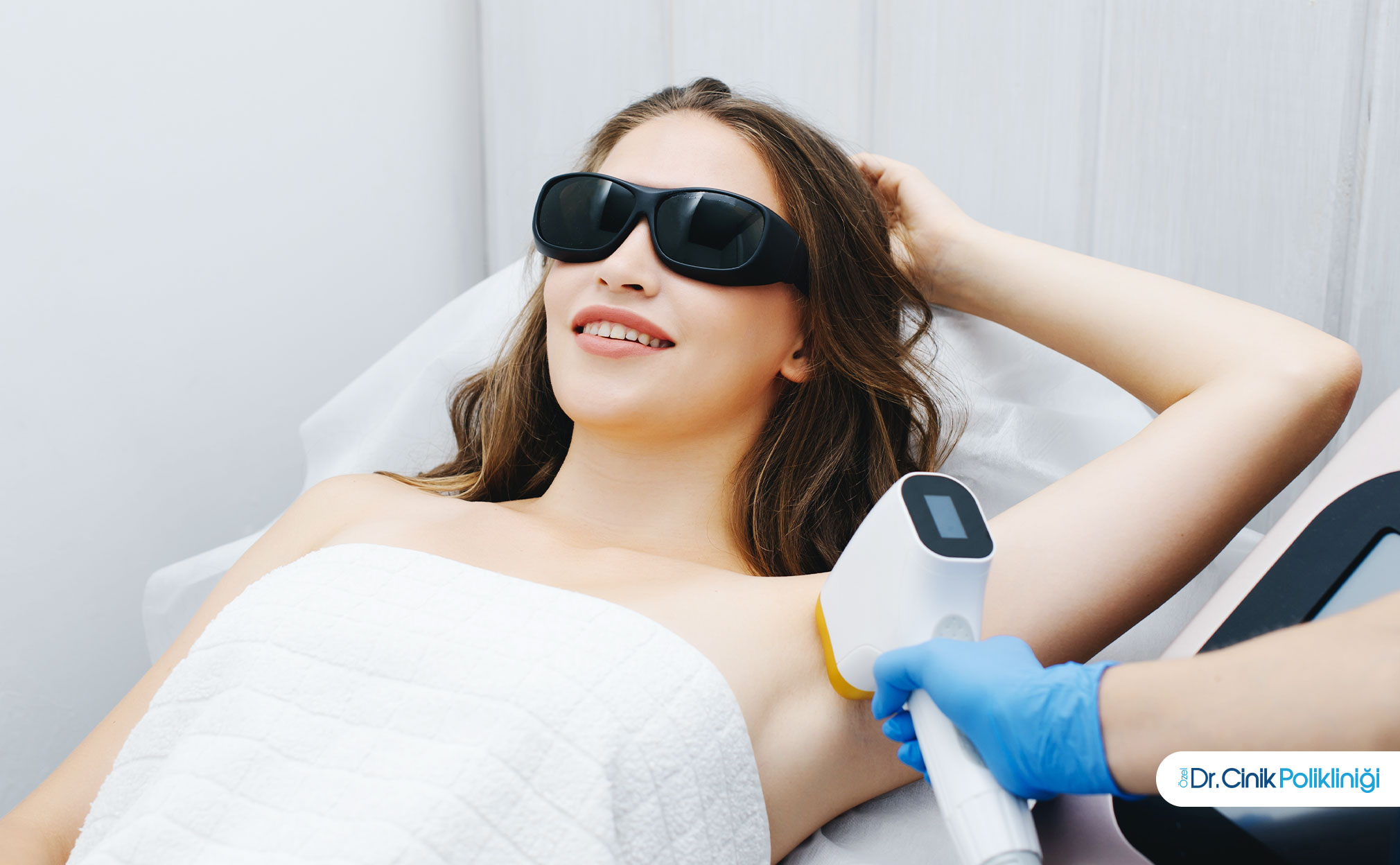
UV exposure, tanning, and thermal damage are the main risks in summer. However, these risks can be managed with the right precautions.
UV rays weaken the skin barrier that becomes sensitive after laser treatment and increase the risk of hyperpigmentation.
After laser hair removal, the skin barrier temporarily weakens. Melanocytes in the epidermis are exposed to laser energy, and the skin becomes sensitive. During this period, the skin exposed to UV rays may produce melanin uncontrollably. This situation leads to post-inflammatory hyperpigmentation. Hyperpigmentation means the formation of dark spots on the skin, and its treatment can take a long time. Therefore, sun protection after laser treatment is the most critical factor in summer.
Tanning increases the amount of melanin in the skin. Increased melanin can lead to mis-targeting of laser energy and an increased risk of burns.
Tanning increases the accumulation of melanin in the skin. Normally, laser energy targets the melanin in the hair follicle. However, when the amount of melanin on the surface of tanned skin increases, the laser energy begins to be absorbed at the skin surface as well. This situation leads to two problems. First, the energy reaching the hair follicle decreases, and the effectiveness of the treatment diminishes. Second, an unexpected increase in heat occurs at the skin surface, leading to a risk of burns. Therefore, laser hair removal should generally be postponed on heavily tanned skin.
Erythema, edema, burns, and color changes are possible side effects in the summer. The correct device and dose settings minimize these risks.
Mild erythema and edema after laser hair removal are normal. However, sun exposure during the summer can exacerbate these reactions. Excessive heat accumulation at the skin surface can lead to burns. Color changes may occur in the skin after burns. These risks can be significantly reduced with the appropriate device selection, correct energy dosage, and effective cooling systems.
No, laser hair removal is not completely prohibited in the summer. Under appropriate conditions, with the right device and sun protection protocols, it can be performed in all seasons.
The belief that laser hair removal is prohibited in the summer was common in the past. However, modern technologies have changed this belief. The risk does not solely stem from the patient's skin type. The risk arises from the combination of patient characteristics, the device used, and sun exposure. When one of these three factors is controlled, summer applications become safe.
Today, cooled laser systems provide safe energy transmission to deep tissues while protecting the skin surface. Nd:YAG and diode lasers are the preferred devices during the summer months. The Nd:YAG laser penetrates deeply due to its long wavelength and operates independently of surface melanin. This feature allows for safe application even on tanned skin during the summer.
Avoiding sun exposure before the procedure, using SPF 30-50+ sunscreen afterward, and proper session planning are necessary.
Patients should avoid sun exposure for at least 1-2 weeks, refrain from using tanning beds, and procedures should be postponed on tanned skin.
Before laser hair removal, patients' skin tone should be as natural as possible. They should not be exposed to direct sunlight for at least one to two weeks. The use of tanning beds is strictly prohibited before laser treatment as it causes excessive melanin accumulation in the skin. If the patient is tanned, the skin tone should be expected to lighten, and the procedure should be postponed. This preparation process enhances effectiveness and reduces the risk of complications.
After the procedure, direct sun exposure should be avoided for 5-7 days, high-factor sunscreen should be used, and heat sources should be kept away.
After laser hair removal, the skin enters a healing process. During this period, direct sunlight should be avoided for 5 to 7 days. Sunscreens with SPF 30 or higher should be applied regularly. Environments that create heat and irritation should be avoided. Baths, saunas, hot showers, and heavy exercises should be limited during this period. Repairing the skin barrier eliminates the risk of complications.
Timing should be optimized before and after holidays, and session intervals should be adjusted according to skin type.
Session planning during the summer period is of strategic importance. If the procedure will be performed before holiday periods with intense sun exposure, the session should be completed at least one week in advance. During the holiday period, sun protection rules must be strictly followed. Session intervals should be optimized according to the hair growth cycle and skin healing rate. This planning ensures both safety and continuity of treatment.
The underarm and bikini areas are safer in the summer. The face, shoulders, and back are at higher risk due to intense sun exposure.
Body areas in the summer carry different risks in terms of sun exposure. Laser hair removal is safer in areas that are less exposed to the sun. The underarm and bikini areas are not exposed to direct sunlight as they are covered by clothing. Therefore, laser hair removal in these areas carries a much lower risk compared to the face during the summer.
The facial area is one of the riskiest areas in the summer. It is directly and continuously exposed to sunlight. The skin on the face is thin and sensitive. The shoulder and back areas are also among the most sun-exposed areas during the summer months. If procedures are to be performed in these areas, the patient's sun protection discipline must be very strict.
Area | Summer Risk Level | Sun Exposure | Recommendation |
Underarm | Low | Minimal | Safe |
Bikini area | Low | Minimal | Safe |
Leg | Medium | Variable | Protection required |
Arm | Medium-High | High | Careful planning |
Face | High | Very high | Special protocol |
Shoulder and back | High | Very high | Postponement preferred |
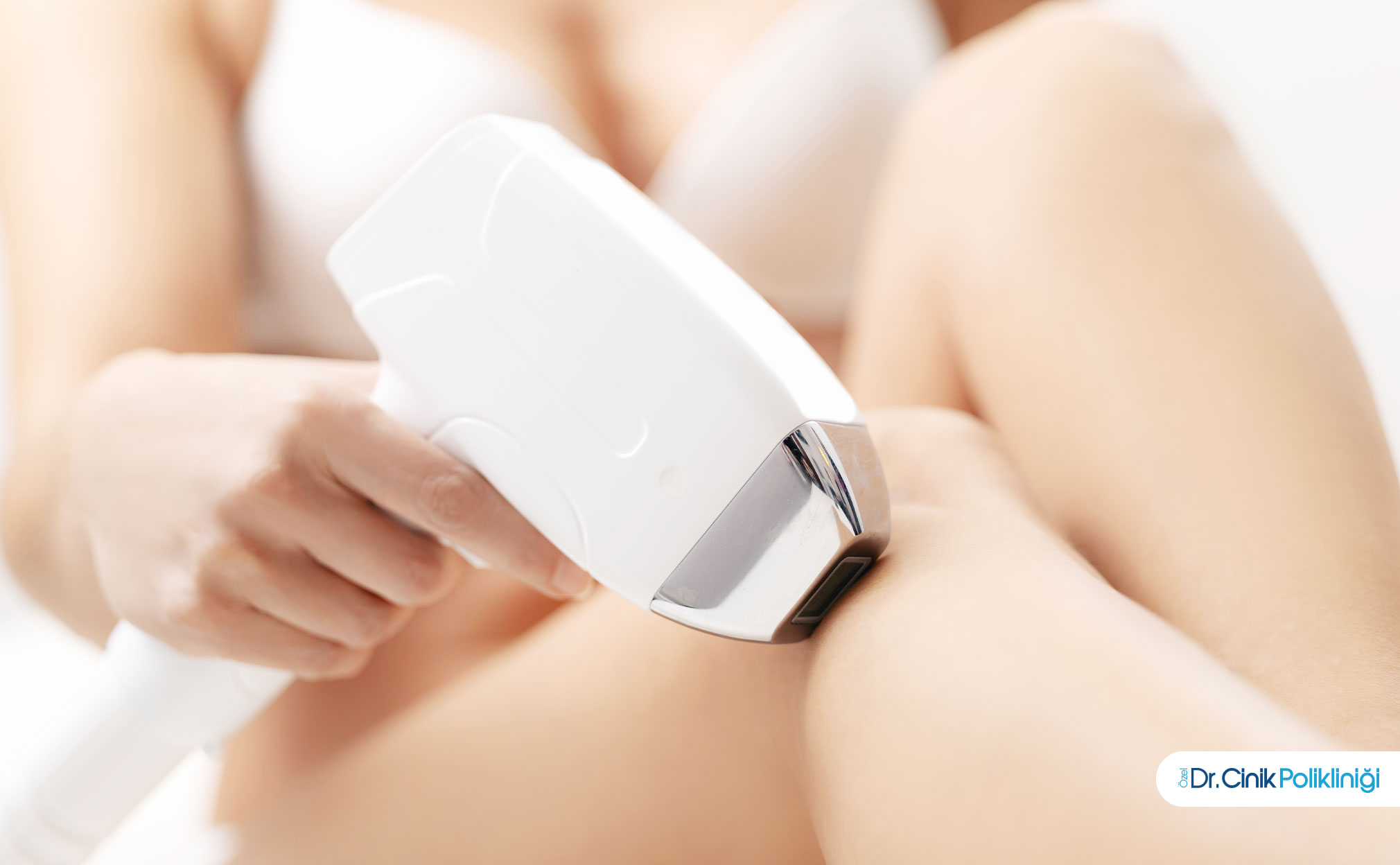
Ice laser technologies, low dose-high frequency approach, and skin type-specific parameters make summer applications safe.
Recent advancements in laser technologies have revolutionized hair removal during the summer months. Ice laser systems cool the skin surface, allowing the laser energy to focus solely on the hair follicle. This cooling technology minimizes the risk of melanin on the skin surface. Cooling tips keep the skin temperature under control during the procedure.
The low dose and high frequency approach is another preferred method in the summer. In this technique, the energy dose is reduced, but the number of pulses is increased. This way, the hair follicle receives sufficient energy while the skin surface is protected. Parameter settings specific to skin type create a safe treatment window for each patient. FDA-approved modern systems establish these safety standards and ensure that clinics can perform safely.
With the right device and protocol, effectiveness is similar in summer and winter. However, sun protection is easier in winter.
There are some advantages to laser hair removal in winter. Sunlight is less, and the skin is closer to its natural tone. A lighter skin tone allows laser energy to reach the hair follicle more effectively. This is particularly evident with Alexandrite lasers. It is easier to implement sun protection protocols in winter because patients are already wearing long clothing.
In summer, similar results can be achieved when the right device and protocol are used. Nd:YAG and diode lasers are designed to maintain effectiveness in summer. However, sun protection discipline must be stricter in summer. The seasonal difference in effectiveness is minimal, but summer should be managed more carefully in terms of safety protocols.
Criteria | Winter Months | Summer Months |
Sun exposure | Low | High |
Skin tone | Generally light | Variable |
Ease of sun protection | High | Medium |
Flexibility in device selection | Wide | Nd:YAG/Diode focused |
Risk of side effects | Low | Medium (depending on protocol) |
Treatment effectiveness | High | High (with the right device) |
Patients with fair skin who can protect themselves from the sun are ideal candidates in summer. Those with intense tanning and photosensitive skin are in the risky group.
Individuals who are disciplined about sun protection, have fair skin, and prefer clinics that use the right devices can undergo laser treatment in summer.
The most suitable candidates for summer laser hair removal are those who are conscious and disciplined about sun protection. These individuals can fully adhere to the rules of avoiding the sun before and after the procedure. Fair-skinned patients have access to a wider range of device options even in summer due to their lower melanin levels. However, a skin-type-specific assessment should be made for each patient.
Individuals with intense tanning, photosensitive skin, and inadequate awareness of sun protection should not undergo treatment in summer.
Certain patient groups are considered risky for summer laser hair removal. In individuals with intense tanning, the melanin on the skin surface absorbs laser energy, increasing the risk of complications. Photosensitive skin can react excessively to the combination of sun and laser. Patients who are unaware or undisciplined about sun protection may not take necessary precautions after the procedure. For these groups, the procedure is generally postponed until autumn.
Myths such as "it cannot be done in summer," "it is ineffective," and "it should never be done on tanned skin" are incorrect. All are possible under the right conditions.
Myth | Fact |
Laser hair removal cannot be performed in the summer | It can be safely performed in the summer with the right precautions and modern devices |
Laser hair removal performed in the summer is ineffective | With the appropriate device and dosage adjustment, effectiveness is at a level similar to winter |
Laser cannot be applied to tanned skin | It is risky but can be done in a controlled manner with devices like Nd:YAG |
It is forbidden to go out in the sun after laser treatment | Direct exposure should be limited to 5-7 days, and going out can be controlled with SPF |
Procedures are only performed in areas treated in winter | It can be safely applied in all areas |
SPF 30-50+ sunscreen, moisturizer, and avoiding heat are essential for summer care.
Post-laser hair removal care in the summer should be more meticulous than in winter. The use of sunscreen is vital. Broad-spectrum sunscreens with SPF 30 or higher should be applied regularly every day. It is recommended to reapply the sunscreen every two hours. Moisturizing creams help repair the skin barrier. Soothing products that are fragrance-free and alcohol-free should be preferred.
Heat sources should be avoided. A warm shower should be preferred instead of a hot shower. Heavy exercises in hamams, saunas, and gyms should be postponed for a few days. Makeup should not be applied as long as redness and sensitivity persist in the skin. These simple yet effective precautions reduce the risk of complications in the summer to almost zero.
Nd:YAG and diode lasers are the safest options in the summer due to their long wavelengths and cooling systems.
Laser types offer different safety profiles for summer applications. Alexandrite laser has a wavelength of 755 nanometers and targets melanin at a high rate. This feature is effective on light-skinned individuals but poses risks on tanned skin. Therefore, the use of Alexandrite in the summer is limited.
Diode laser provides medium-depth penetration with a wavelength of 800-810 nanometers. It protects the skin surface thanks to its cooling tips. This feature allows for safe use on medium-toned skin in the summer.
The Nd:YAG laser provides the deepest penetration with a wavelength of 1064 nanometers. This long wavelength bypasses the melanin on the skin surface and reaches the hair follicle directly. Therefore, Nd:YAG is the gold standard for individuals with dark skin and during the summer months. Ice laser technology is integrated into diode or Nd:YAG systems to keep the skin surface temperature under control.
The relationship between laser hair removal and the sun is managed through melanin. The sun increases melanin, while the laser targets melanin. This competition is balanced with proper management.
The relationship between laser hair removal and the sun is understood through the biochemistry of melanin. Sunlight triggers melanin production in the skin. This is a protective mechanism. However, laser hair removal also targets melanin. The simultaneous presence of both factors in the skin increases the risk of complications.
Three strategies are implemented to manage this competition. The first is to reduce sun exposure before the laser treatment. The second is to strictly adhere to post-laser protection protocols. The third is to direct energy to the correct target by selecting a laser suitable for the skin type. When these three strategies are applied together, summer and laser hair removal can be managed simultaneously.
It can be harmful if the correct protocols are not followed. However, with proper assessment and equipment in modern clinics, laser hair removal is safe during the summer.
Whether laser hair removal is harmful in summer depends on the conditions of the procedure. If the patient is heavily tanned, not taking sun protection measures, and the clinic is using outdated technology, the risk increases. However, this scenario is rare today.
In modern clinics, evaluate each patient individually. A skin type analysis is performed, a history of sun exposure is taken, and the appropriate device is selected. Patient education is provided in detail regarding pre- and post-procedure care. This comprehensive approach makes summer laser hair removal a standard procedure.
Laser hair removal on tanned skin is risky and should generally be postponed. However, controlled application with Nd:YAG is possible with mild tanning.
Tanned skin is a challenging factor for laser hair removal. The increased melanin in the skin absorbs a significant portion of the laser energy. This reduces both efficacy and increases the risk of side effects. However, the statement "it cannot be done at all" is not always accurate.
With mild tanning, procedures can be performed at low energy doses using the Nd:YAG laser. The long wavelength of Nd:YAG offers the capacity to work independently of surface melanin. However, this application must be performed by an experienced . The energy dose should be adjusted instantly according to the skin's reaction. In cases of intense tanning, the procedure must be postponed.
SPF 50+ broad-spectrum sunscreen, shade, and protective clothing are mandatory protective measures in the summer.
Sun protection after laser treatment in summer should be more aggressive compared to winter. Products with SPF 50 and above that offer UVA and UVB protection should be preferred. The protector should be applied generously to the treated area. It must be reapplied after sweating or water exposure.
Physical protection methods are also important. Hats, sunglasses, and long-sleeved clothing should be used. One should avoid going outside during peak sun hours (10:00 AM - 4:00 PM). Even in the shade, UV rays can reflect and reach the skin, so the use of sunscreen should be continuous.
Clinics should make individual decisions based on patient assessment, skin type analysis, and device capacity.
The decision for laser hair removal in clinics during summer should be made through a systematic process. First, the patient's skin type is determined according to the Fitzpatrick scale. Then, the history of sun exposure and tanning status is questioned. The patient's awareness and discipline regarding sun protection are evaluated.
The device inventory is examined. If an Nd:YAG or cooled diode system is available, summer applications can be opened to a wider patient population. The patient's treatment area is assessed in terms of sun exposure. All these factors are combined to create an individual decision. This decision prioritizes both safety and patient satisfaction.
No, the cost of laser hair removal is the same in summer and winter. However, there may be additional costs for sunscreen products in summer.
Laser hair removal pricing generally does not change with the seasons. Clinics apply the same pricing schedule in both summer and winter. However, patients need to purchase additional sunscreen products in summer. High-quality SPF 50+ products can incur extra costs during the treatment process.
Some clinics may hold summer campaigns. Discounts on package prices may be seen during these periods. However, when choosing a price, the clinic's technology and the 's experience are more important factors than cost. Cheap but unsafe practices can significantly increase the costs of complications.
You should wait at least 5-7 days before going out in direct sunlight. SPF 50+ is mandatory for controlled sun exposure.
After laser hair removal, the skin should be completely protected from the sun for 5 to 7 days. During this time, the skin barrier repairs itself and melanocytes stabilize. After 7 days, controlled sun exposure is possible, but the use of SPF 50+ protection is essential.
For intense sun activities like the beach and pool, you should wait at least 10-14 days. Sea water and chlorine can irritate the sensitive skin post-laser. Therefore, summer laser hair removal planning should be done according to social activities. Early planning preserves both treatment continuity and social life.
state that laser hair removal is possible in the summer, but patient selection and protocol discipline are critical.
specialists take a positive yet cautious approach to laser hair removal in the summer. The American Academy of and similar organizations report that summer applications with modern laser technologies are safe. However, physicians emphasize patients' responsibility regarding sun protection.
Experienced in clinical practice use more conservative energy doses in the summer. The number of sessions may be slightly higher than in winter, but safety is a priority. Doctors provide written information to their patients regarding pre- and post-summer care. This joint effort ensures the success of laser hair removal in the summer.
Short-sleeved clothing in the summer facilitates post-procedure care. Additionally, for those who start summer preparations early, continuity is maintained regardless of the season.
There are some practical advantages to laser hair removal in the summer. During the summer months when short sleeves and shorts are worn, it is easier for the treated areas to breathe. This situation supports the skin's healing process. Sweating increases in the summer, but light sweating in the first days after the procedure supports skin respiration.
Patients who undergo laser hair removal before summer vacation travel with hair-free skin during the holiday period. This is particularly preferred for bikini area and underarm treatments. However, these advantages are valid as long as sun protection protocols are followed thoroughly.
Sunscreen, avoiding heat, moisturizing, and follow-up are the most important considerations in the summer.
The list of things that patients undergoing laser hair removal in the summer should pay attention to includes:
First, the use of sunscreen should never be neglected. Second, heat sources such as hammams, saunas, and hot showers should be avoided for at least a week. Third, the skin should be moisturized, but products containing perfume and alcohol should be avoided. Fourth, if there is itching or redness in the treated area, the clinic should be contacted immediately. Fifth, the intervals between sessions should be strictly adhered to, and appointments should not be missed.
People with fair skin have a wider range of device options in the summer. For those with dark skin, Nd:YAG is mandatory.
Fitzpatrick skin types I and II are the most comfortable group for laser hair removal in the summer. Since the amount of melanin in these skin types is low, Alexandrite, diode, and Nd:YAG options can be considered. However, sun protection is still essential.
For Fitzpatrick skin types III and IV, diode and Nd:YAG are preferred in the summer. This group has a high potential for tanning. In Fitzpatrick skin types V and VI, only Nd:YAG is a safe option in the summer. In these skin types, the melanin on the skin surface is already high, and the summer sun exacerbates this condition.
With the right device and dosage, effectiveness does not decrease. However, the use of Alexandrite on tanned skin may reduce effectiveness.
The effectiveness of laser hair removal in summer depends on the choice of device. If the skin is not tanned and the appropriate device is used, effectiveness is at the same level as in winter months. This is because laser energy targets the melanin in the hair follicle, which is independent of the season.
However, effectiveness may decrease with the wrong device choice. For instance, when Alexandrite is used on tanned skin, a large portion of the energy is absorbed by the skin surface. Insufficient energy reaches the hair follicle, resulting in poor outcomes. Therefore, device selection in summer directly determines effectiveness.
Laser hair removal is possible in summer, but risk management, sun protection, and personalized assessment are essential.
Laser hair removal in summer is a safe and effective procedure with the advancements of modern . However, this safety is ensured through conscious patient selection, correct device usage, and strict sun protection protocols. The myth that "laser hair removal cannot be done in summer" is no longer valid.
Sun protection is the most critical factor for laser hair removal in summer. Patient education should be thorough regarding pre- and post-procedure care. Personalized assessment determines the most suitable protocol for each patient. supervision and appropriate device selection guarantee treatment success.
Clinics should adopt a more conservative approach in summer. Energy doses should be adjusted according to skin reactions. Nd:YAG and cooled diode systems should be the primary devices in summer. Patient satisfaction and safety must always be maintained at the highest level.
Anderson, R. R., and Parrish, J. A. "Selective Photothermolysis: Precise Microsurgery by Selective Absorption of Pulsed Radiation." Science, vol. 220, no. 4596, 1983, pp. 524-527.
Battle, E. F., Jr., and Hobbs, L. M. "Laser-Assisted Hair Removal for Darker Skin Types." Therapy, vol. 18, no. 2, 2005, pp. 177-184.
Dierickx, C. C., Grossman, M. C., Farinelli, W. A., and Anderson, R. R. "Permanent Hair Removal by Normal-Mode Ruby Laser." Archives of , vol. 134, no. 7, 1998, pp. 837-842.
Fitzpatrick, T. B. "The Validity and Practicality of Sun-Reactive Skin Types I Through VI." Archives of , vol. 124, no. 6, 1988, pp. 869-871.
Gold, M. H., Bell, M. W., Foster, T. D., and Street, S. "Long-Term Epilation Using the Epilight Broad Band, Intense Pulsed Light Hair Removal System." Surgery, vol. 27, no. 10, 2001, pp. 919-922.
Gold, M. H. "Laser Hair Removal in Pigmented Skin Patients." Journal of Drugs in , vol. 9, no. 5, 2010, pp. 551-554.
Grossman, M. C., Dierickx, C., Farinelli, W., Flotte, T., and Anderson, R. R. "Damage to Hair Follicles by Normal-Mode Ruby Laser Pulses." Journal of the American Academy of , vol. 35, no. 6, 1996, pp. 889-894.
Kauvar, A. N. B. "Treatment of Leg Telangiectasia with a Near-Infrared Laser." Surgery, vol. 21, no. 10, 1995, pp. 851-855.
Nanni, C. A., and Alster, T. S. "Laser-Assisted Hair Removal: Side Effects of Q-Switched Nd:YAG, Long-Pulsed Ruby, and Alexandrite Lasers." Journal of the American Academy of , vol. 38, no. 2, 1998, pp. 165-169.