Yükleniyor…

The French lift does not create permanent facial expression changes as it does not move the facial muscles. The procedure supports the skin and soft tissues upwards. This support can make the facial expression appear more rested and vibrant. A slight feeling of tension in the first days is normal and this sensation will fade within a few weeks.
People curious about facial expressions after a French lift usually seek answers to two questions. Does the procedure restrict facial movements? Does the facial expression remain natural? This article answers these questions in light of scientific findings. It covers all questions regarding what a French lift is, how it works, which areas it affects, and what to pay attention to for a natural result.
The French lift is a non-surgical facelift method that lifts sagging facial tissues using special threads. The threads support the skin and the underlying soft tissue. The eyebrows, cheeks, and jawline appear more refined.
The facial lifting method was developed at the end of the 1990s. Sulamanidze and colleagues reported in studies involving 186 patients that the threads improved facial contour and that the results were maintained in most patients (Sulamanidze et al., 2002). The method quickly gained popularity because it does not require incisions and has a short recovery time.
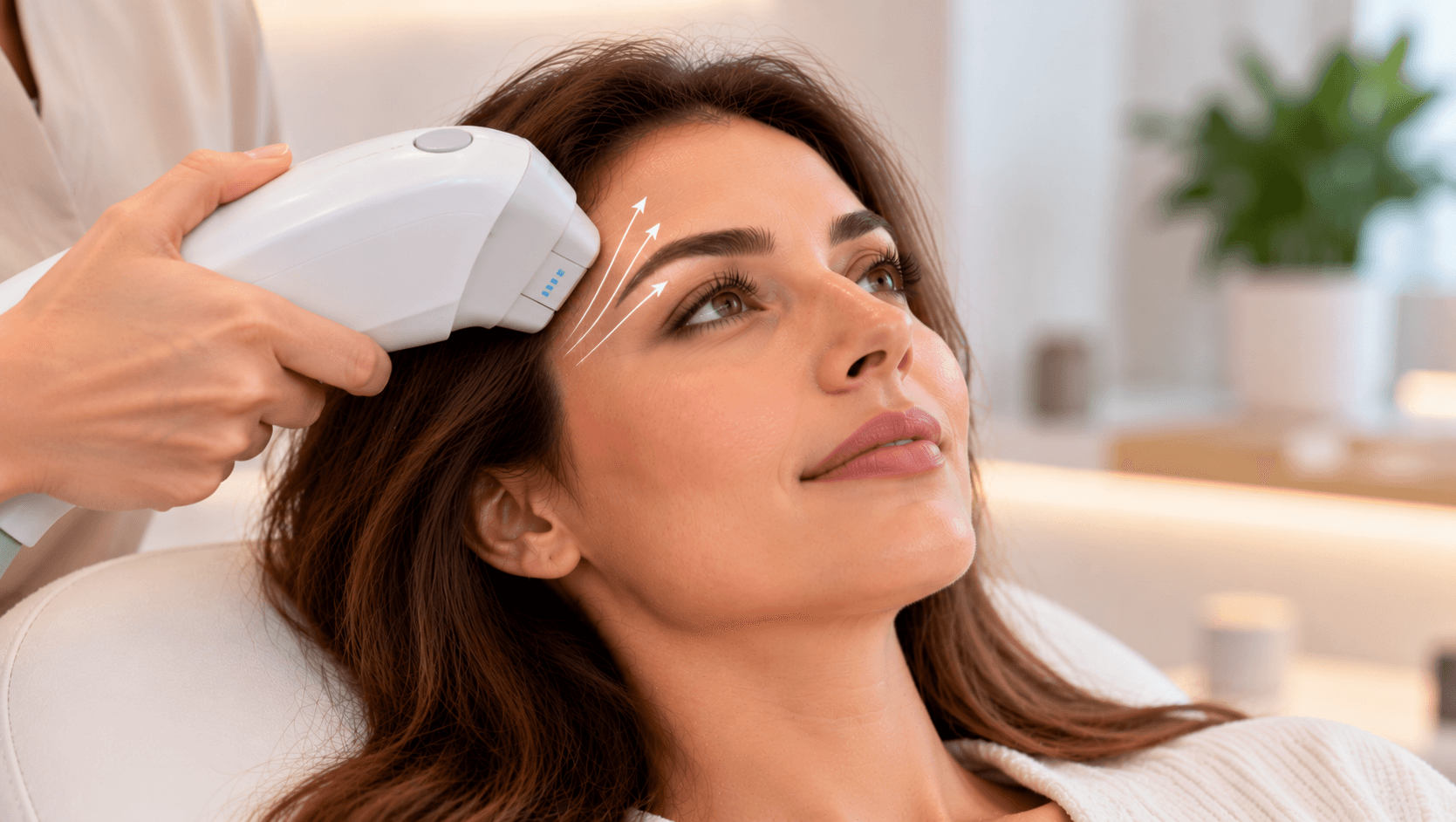
The method is based on lifting sagging tissue upwards with suspension threads. The small protrusions on the threads grip the tissue. The pulled thread shifts along with the tissue.
The threads are placed under the skin. Their protruding structure holds the soft tissue. Over time, the body produces new connective tissue around the threads. This tissue provides additional support and improves skin quality (Suh et al., 2015).
Studies conducted in the midface region showed that the tissue grip of the threads is safe. Lee and Isse reported that early results in brow lifting and cheek lifting were positive (Lee and Isse, 2005). These findings form the fundamental basis for the thread lifting method.
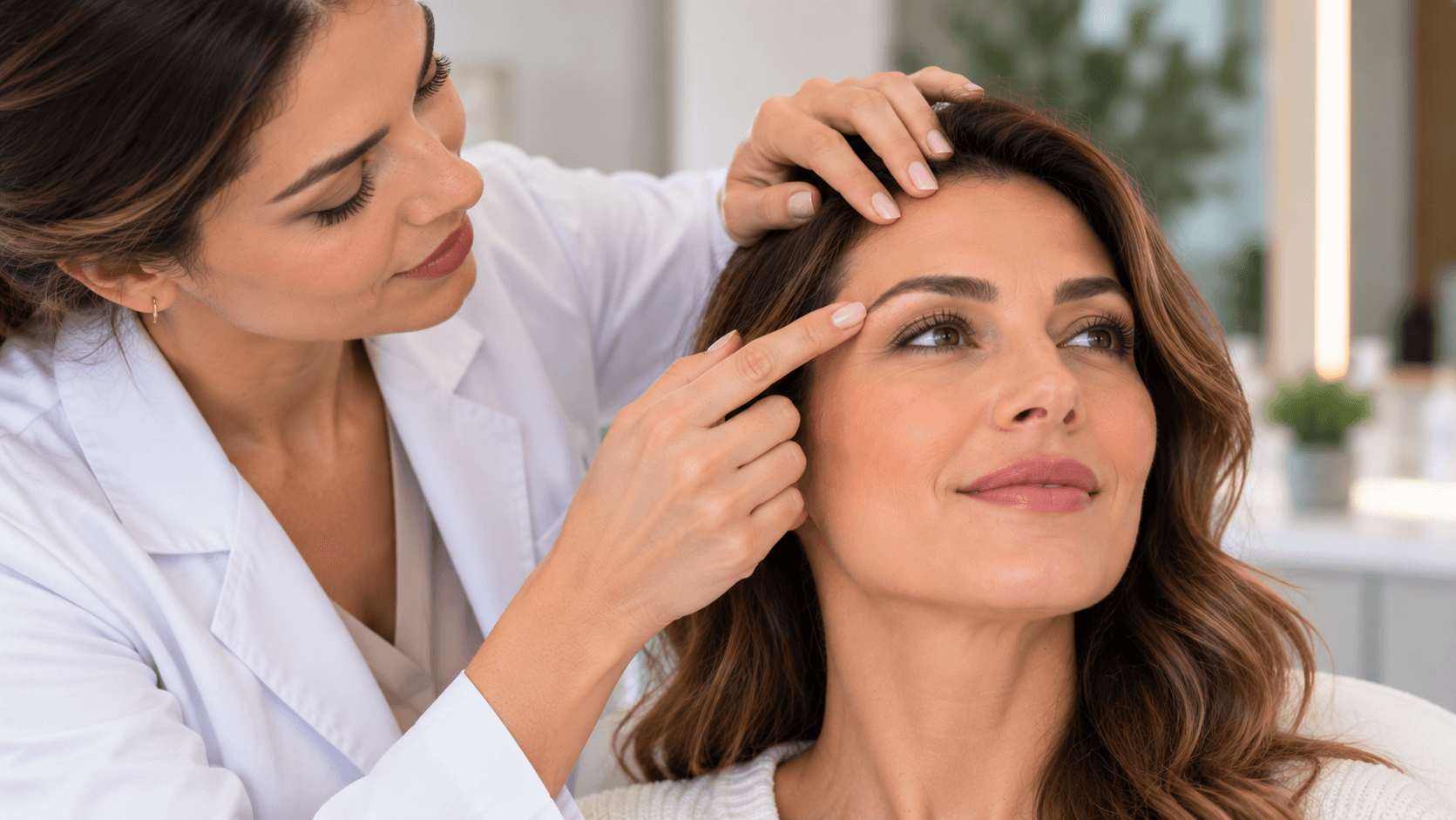
The most noticeable changes are seen in the cheek, jawline, and brow areas. Each area responds differently.
Facial Area | Post-Procedure Change | Effect on Facial Expression |
Brow and Temples | Slight Lifting | The gaze appears more open |
Cheek | Lift and fullness | The face looks more rested |
Jawline | Definition | Facial contours become clearer |
Around the mouth | Slight tissue support | Expression remains softer |
The French lift does not cut facial muscles or hinder their function, so it does not change expressions. The procedure remains within the skin and soft tissue layers. Movements such as smiling, frowning, and blinking are preserved.
Facial expressions are created by facial muscles. The muscles are attached to bones and skin. When the muscles contract, the skin moves, and the expression emerges. Therefore, natural expressions depend on the healthy functioning of facial muscles.
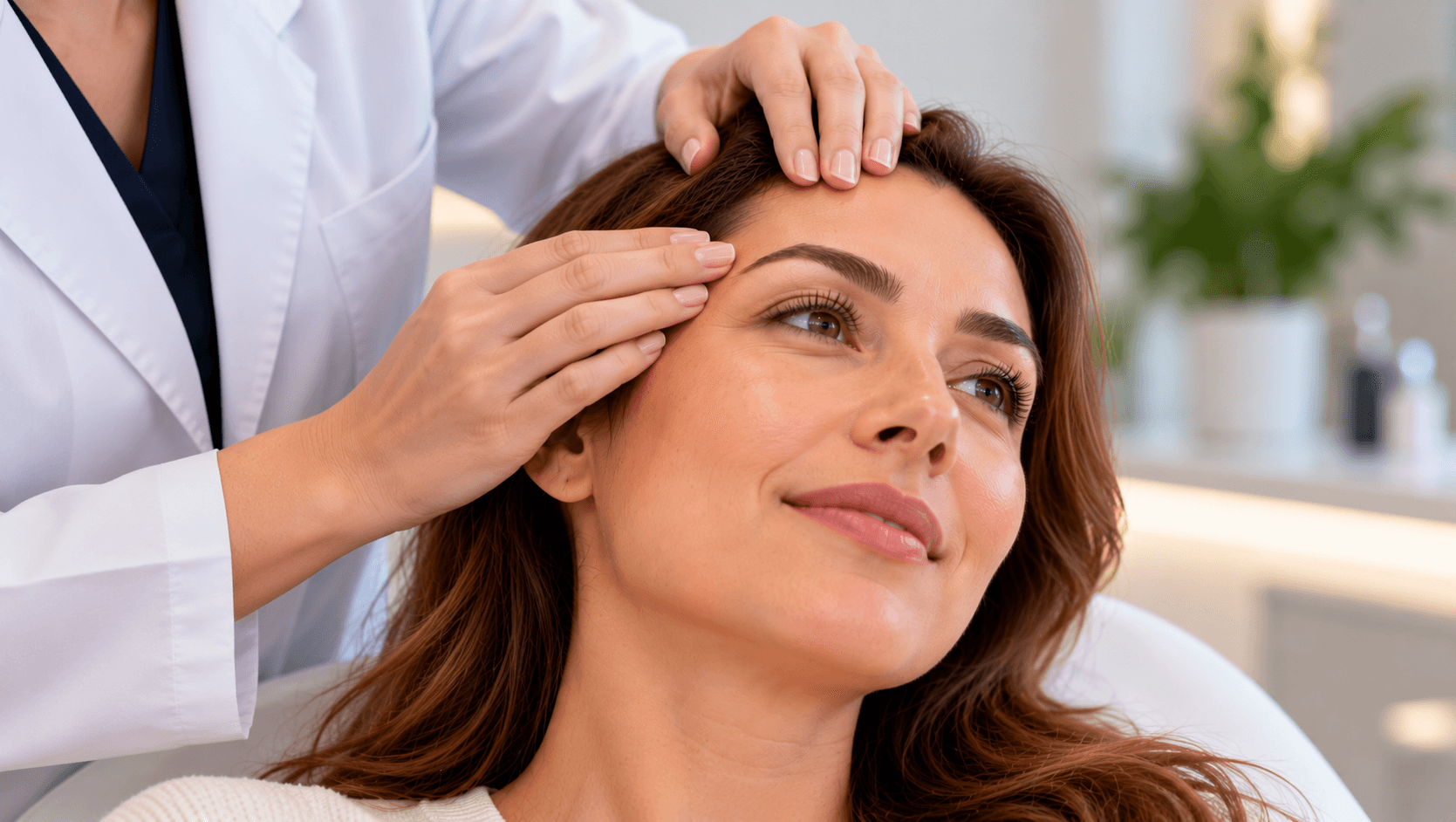
The procedure primarily targets the skin and soft tissues. It does not disrupt the functioning of facial muscles. Therefore, natural expressions are preserved. The physician considers the facial anatomy when planning the procedure. The placement plane and direction of the threads are determined based on this assessment.
The balance between natural expressions and aesthetic appearance is established at this point. The procedure does not immobilize the face. It simply makes the face more supported. The goal is not to freeze the target expression but to correct sagging.
Yes. Lifting sagging tissues can make the facial expression appear more rested and vibrant. Lifting the brow and temple area opens up the eye area. The definition of the jawline makes the face look more energetic.
As facial sagging progresses, the face is perceived as tired and sad. This perception changes when the tissues settle. The individual's own facial character is preserved. The aim is not to create another face but to rejuvenate the existing one. Savoia and colleagues reported that when the right patient is selected, the satisfaction rate is high (Savoia et al., 2014).
In the first few days, swelling and a feeling of tightness may restrict facial movements. This condition is not permanent. Wide mouth movements and intense laughter should be minimized for a few days.
The threads pull the tissue upwards. As the skin adjusts to this new position, a feeling of tightness is felt. Swelling can also make movements difficult. These sensations will fade as healing progresses.
Wide mouth opening, prolonged laughter, vigorous yawning, and hard chewing should be limited in the first days. This precaution prevents the threads from shifting. The process of the threads adapting to the tissues is preserved.

Most people can perform facial movements naturally within one to two weeks. As the swelling decreases, the feeling of tightness also diminishes. The final appearance settles within a few months.
Sensitivity in the first days is normal. Rachel and colleagues reported that most issues observed after a French lift are mild and temporary (Rachel et al., 2010). When evaluating the results, the completion of the healing process should be awaited. The early feeling of tightness is not an indicator of the permanent result.
The naturalness of the result is determined by facial anatomy, skin quality, degree of sagging, and the placement of the threads. The experience of the physician and the expectations of the individual also directly affect the outcome.
Factor | Effect on Naturalness |
Skin Elasticity | Good elasticity facilitates the grip of the threads |
Degree of Sagging | In mild and moderate sagging, the result appears more natural |
Thread Placement | Correct plane and direction provide balanced lifting |
Amount of lift | Controlled lifting preserves a natural appearance |
Individuals with good skin elasticity achieve better tissue adaptation to the threads. This adaptation both strengthens support and ensures a natural-looking result.
If the tissues are pulled too much, the face may appear artificial and tense. The natural proportions of the face can be disrupted. Controlled tissue lifting reduces this risk.
Each area of the face sags at different rates. The amount of lift should be planned according to this difference. The same tension looks different on each face. The physician adjusts this balance during the procedure. The difference between a natural result and an overly tight appearance emerges precisely in this adjustment.
In a French lift, the threads support the tissue. In a surgical facelift, the tissues are repositioned and excess skin is removed. The French lift offers a shorter recovery time. The surgical method provides more pronounced results.
Feature | French lift | Surgical facelift |
Tissue effect | Support with threads | Repositioning |
Excess skin | Not removed | Removed |
Recovery time | Days | Weeks |
Sagging compatibility | Mild to moderate sagging | Advanced sagging |
The choice of method is made according to the level of sagging and facial anatomy. Garvey and colleagues emphasized that appropriate patient selection is the most important factor determining the quality of results (Garvey et al., 2009).
In the first week, pressure should not be applied to the facial area. Intense facial movements, heavy exercise, and hot environments should be temporarily limited. The physician's post-French lifting care instructions should be followed.
The main points to pay attention to during the care process are as follows:
No manual pressure should be applied to the facial area.
Intense laughing and wide mouth movements should be reduced for a few days.
A physician's recommendation should be obtained before performing facial massage.
Care should be taken to avoid pressure on the face while sleeping.
Heavy physical activities should be limited during the recovery period.
Hot environments such as saunas and baths should be temporarily postponed.
These precautions support the retention of the threads in place. They also help maintain the naturalness of the result as much as the post-French lifting care.
Mild asymmetry may be observed in the first days. Swelling and bruising may make the two sides of the face appear different. This condition is temporary. Permanent asymmetry is rare.
The two halves of the face may differ in terms of healing speed. Temporary differences should be distinguished from permanent issues. If an unexpected symptom persists, a physician should be consulted.
Expression changes most in the brow, temple, and cheek areas. The jawline also enhances the facial contour. Regional tissue weight and skin elasticity determine the effect.
Area | Tissue property | Effect on expression |
Brow and temple | Fine tissue | Opens the gaze |
Cheek | Dense tissue | The most significant change occurs here |
Jawline | Tissue accumulation | Clarifies the contour |
No. Every face has a different anatomy. Age, skin type, and level of sagging change the outcome. Personalized planning is required.
The amount of tissue that the threads can support varies from person to person. The same number of threads can yield different results on two different faces. Therefore, the physician plans the procedure not with a uniform template but according to the existing structure of the face.
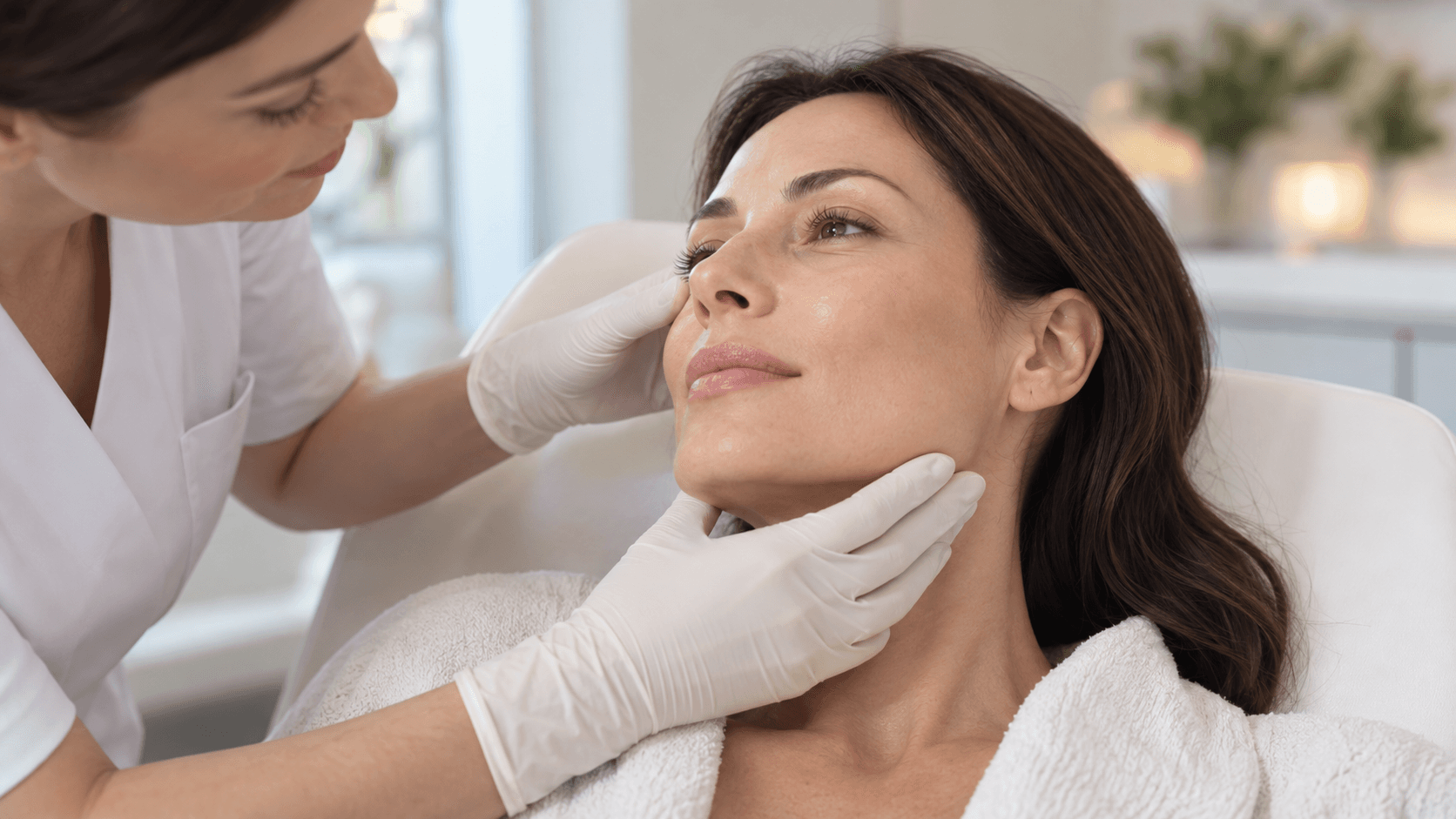
The physician's knowledge of facial anatomy and experience are key to achieving a natural result. The threads must be placed in the correct plane and direction. The amount of lifting is adjusted by the physician.
An experienced physician evaluates facial proportions and personal expectations together. They also manage the follow-up process after the procedure. This follow-up ensures the resolution of early-stage issues.
Facial contours become more defined. Sagging tissues appear more supported. The initial feeling of tightness decreases over time. The result varies according to the individual's initial facial structure.
Temporary movement restriction and permanent expression change are different things. A French lift does not create permanent expression changes. Aesthetic changes should be planned in harmony with the natural facial character. Realistic expectations enhance both satisfaction and the quality of the results.
Garvey, Patrick B., et al. "Outcomes in Threadlift for Facial Rejuvenation." Annals of Plastic Surgery, vol. 62, no. 5, 2009, pp. 482-485.
Lee, Sanghoon, and Neil Isse. "Barbed Polypropylene Sutures for Midface Elevation: Early Results." Archives of Facial Plastic Surgery, vol. 7, no. 1, 2005, pp. 55-61.
Rachel, Joshua D., et al. "Incidence of Complications and Early Recurrence in 29 Patients After Facial Rejuvenation with Barbed Suture Lifting." Surgery, vol. 36, no. 3, 2010, pp. 348-354.
Savoia, Antonella, et al. "Outcomes in Thread Lift for Facial Rejuvenation: A Study Performed with Happy Lift Revitalizing." and Therapy, vol. 4, no. 1, 2014, pp. 103-114.
Suh, Dong Hye, et al. "Outcomes of Polydioxanone Knotless Thread Lifting for Facial Rejuvenation." Surgery, vol. 41, no. 6, 2015, pp. 720-725.
Sulamanidze, Marlen A., et al. "Removal of Facial Soft Tissue Ptosis with Special Threads." Surgery, vol. 28, no. 5, 2002, pp. 367-371.
Sulamanidze, Marlen A., et al. "Facial Lifting with APTOS Threads: Featherlift." Otolaryngologic Clinics of North America, vol. 38, 2005, pp. 1109-1117.