What Should Skincare Be Like After a French Facelift Thread Treatment?
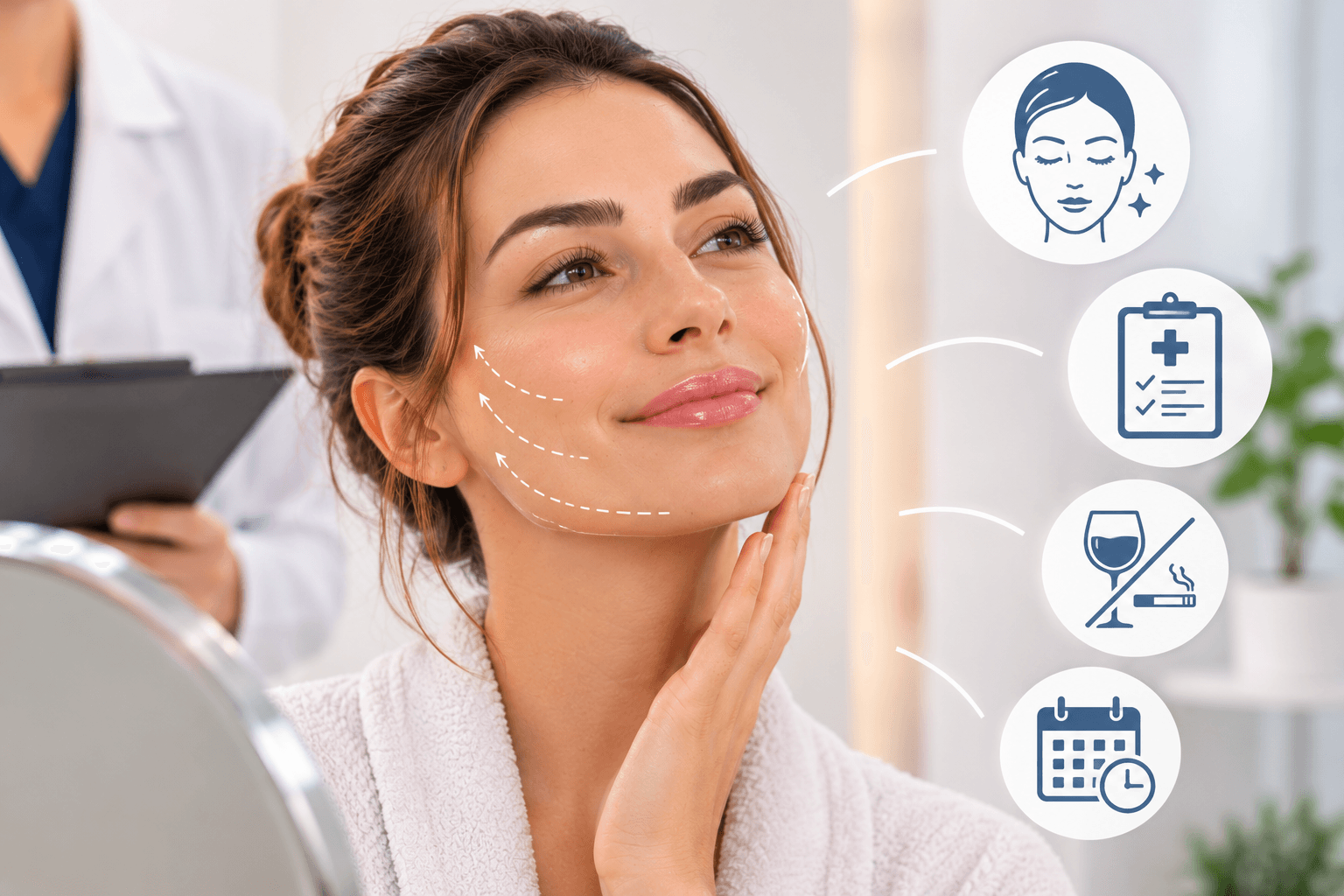
French Thread Lift skin care after the procedure is the most critical stage directly determining the success of thread-based facial lifting. The right care routine is built around gentle cleansing, barrier-supporting moisturization, sun protection, and avoiding irritating active ingredients. These four essential steps support the healthy healing of the tissues where the threads are placed and help preserve the aesthetic results of the procedure.
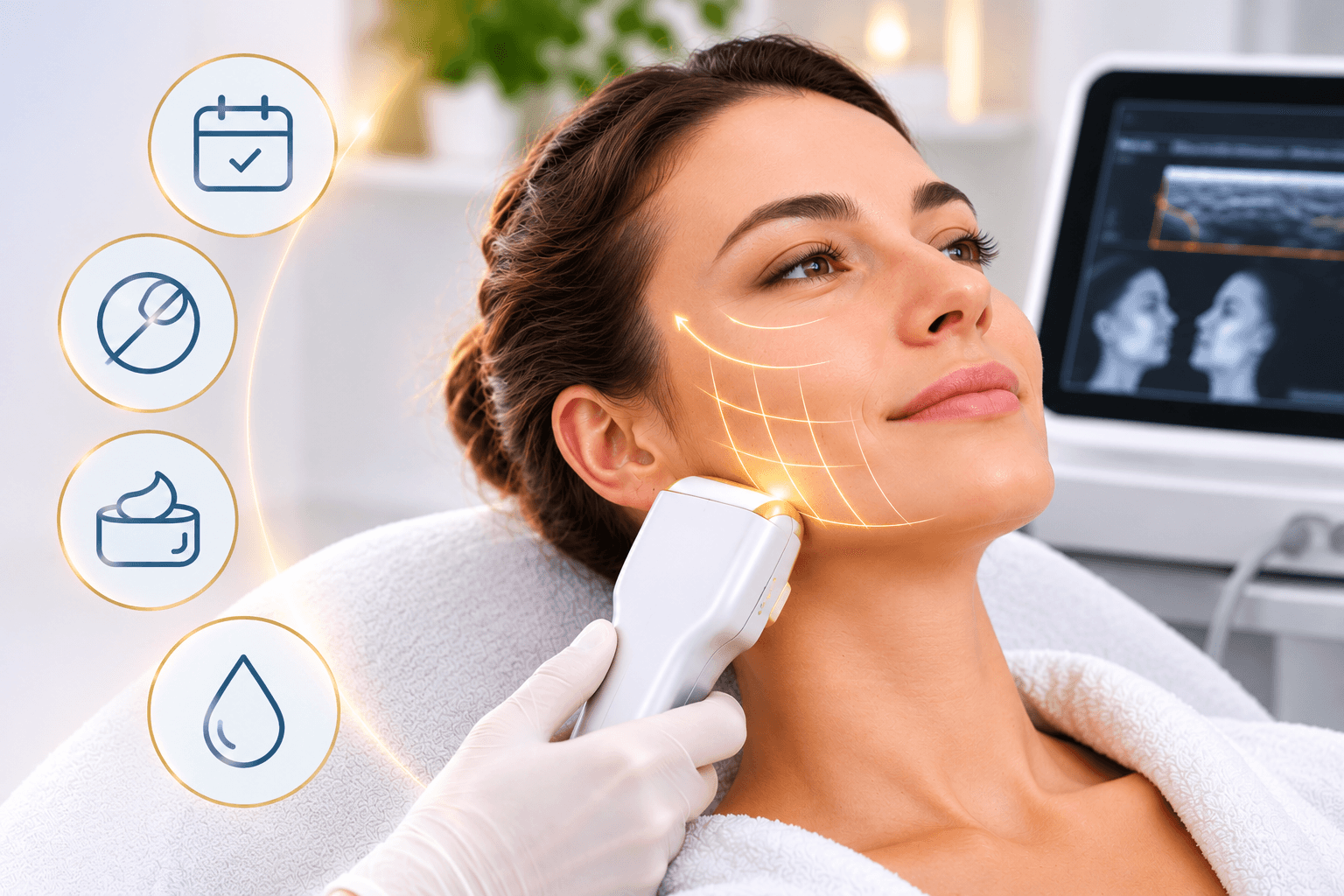
A French Thread Lift is a different method from surgical facelift surgery. During this procedure, the doctor places absorbable or permanent threads beneath the skin to lift the facial tissue upward. Since the procedure is not a surgery requiring incisions, the recovery period is short. However, the threads take a certain amount of time to become secured within the tissue. Therefore, mechanical pressure and chemical irritation applied to the skin during the healing period can negatively affect the result. Preserving the position of the threads is the most important goal during this period.
What Changes May Occur in the Skin After a French Thread Lift?
Redness, swelling, mild bruising, tightness, and sensitivity to touch are normal after a French Thread Lift. These symptoms generally decrease significantly within 7 to 14 days and, in most cases, do not require medical intervention.
These changes result from the body's physiological healing response to a foreign material. When the threads are placed beneath the skin, the tissue initiates the standard wound-healing process known as inflammation and repair. Swelling and redness are more prominent during the first few days. Subsequently, fibroblast cells become active and produce new collagen fibers around the thread. This collagen capsule provides the long-term foundation for the lifting effect (Sorg et al. 2017). The sensation of tightness also results precisely from the formation of this new collagen structure and the threads' hold on the tissue.
It is important to distinguish normal signs of healing from problematic conditions. Mild redness and symmetrical swelling are normal. However, progressively increasing pain, excessive one-sided swelling, increased warmth, or yellowish discharge may be signs of infection. The distinction between these symptoms is summarized below:
Symptom | Normal Healing | Condition Requiring Medical Attention |
Redness | Decreases within a few days | Gradually increases and spreads |
Edema | Symmetrical, most pronounced during the first week | Unilateral or hardened |
Pain | Mild and relieved by a simple painkiller | Increasing and throbbing |
Skin temperature | Slight warmth | Noticeable increase in temperature |
Discharge | None | Yellow-green discharge present |
Understanding these temporary skin reactions is also fundamental to establishing the right cleansing approach during the first few days. This is because a sensitized skin barrier can only be protected through proper cleansing.
How Should the Skin Be Cleansed During the First Few Days After a French Thread Lift?
During the first few days, the skin should be cleansed with fragrance-free, gentle cleansers that protect the skin barrier, using patting motions without applying pressure to the treatment areas. Rubbing, exfoliating gloves, and rough towels should be strictly avoided.
The skin barrier is the lipid layer that prevents water loss and protects against external factors. This barrier becomes temporarily weakened after the procedure. Research shows that cleansers with a pH close to that of the skin and a low surfactant concentration support barrier function (Del Rosso and Levin 2011). Therefore, gentle cleansers for sensitive skin in cream or gel form should be preferred over strong, soap-based and foaming cleansers.
Cleansing technique is just as important as product selection. The face should be wetted with lukewarm water, and the cleanser should be applied with the fingertips using gentle, non-circular motions. Pressure should not be applied to the cheeks, jawline, or temple areas where the threads pass. During drying, the towel should not be rubbed against the skin; instead, water should be removed by gently touching and lifting the towel away. Your doctor’s hygiene instructions take precedence over general recommendations, particularly regarding care of the thread entry points.
Clean skin also enhances the effectiveness of moisturizer. Therefore, a routine built around proper cleansing lays the foundation for the next step: moisturizing.
Is It Necessary to Use Moisturizer After a French Thread Lift?
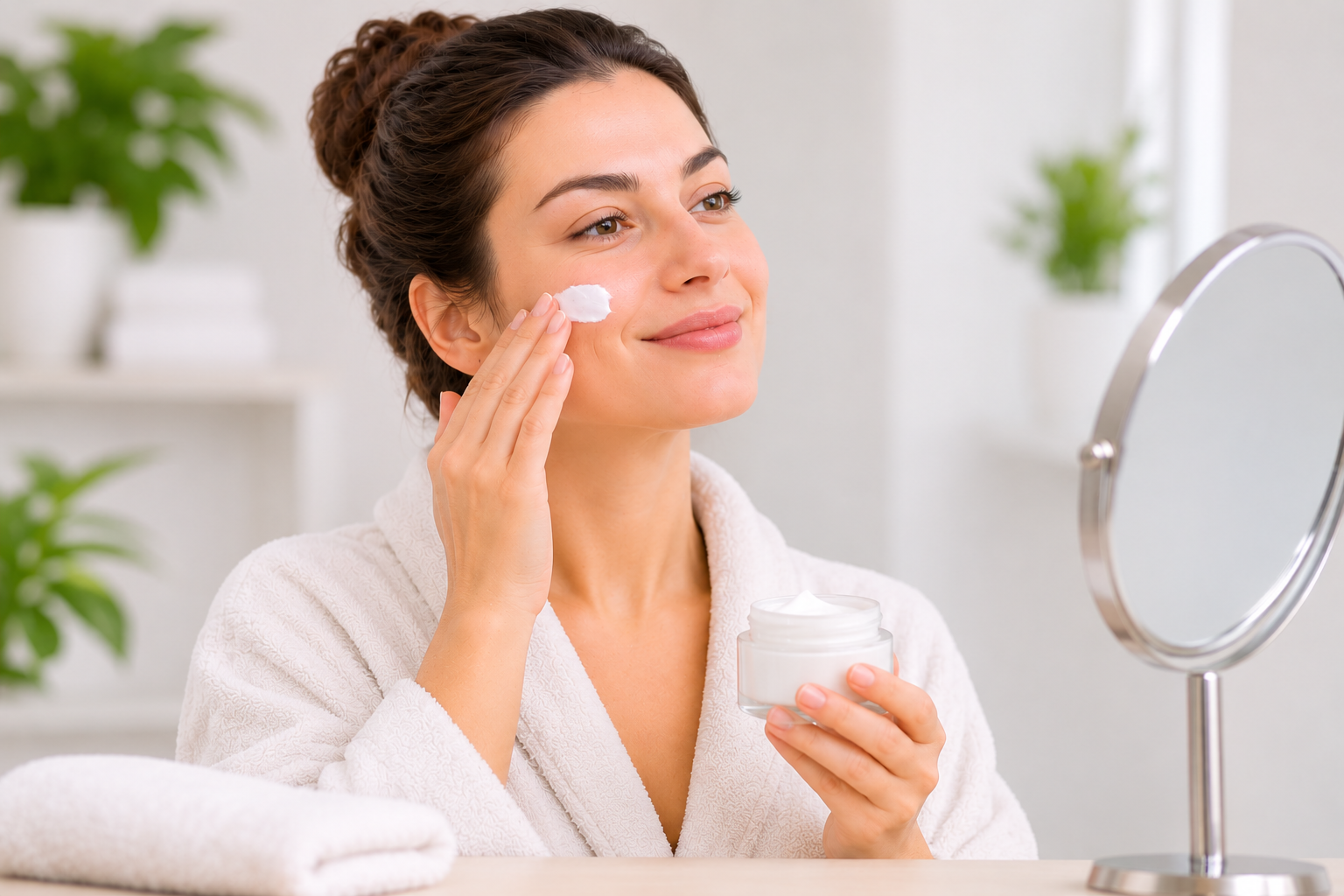
Yes, using a moisturizer is an essential step during the recovery period. Moisturizer repairs the weakened skin barrier, reduces the feeling of tightness caused by dryness, and provides an environment that supports tissue repair.
Hyaluronic acid and ceramides are the most suitable ingredients for this period. Hyaluronic acid is a molecule that can hold up to 1,000 times its weight in water and increases the skin’s moisture capacity. Ceramides, meanwhile, are natural molecules that form the lipid structure of the barrier, and clinical studies have shown that when applied topically, they reduce water loss (Purnamawati et al. 2017). Fragrance-, alcohol-, and dye-free formulas minimize the risk of irritation.
The technique used to apply moisturizer is also important for the safety of the threads. After warming the product in your palms, gently pat it into the face. Applying it with an upward massage is a common habit; however, during the recovery period, this motion may place strain on the thread placement. Even if you have oily skin, moisturizing should not be skipped; instead, choose lightweight gel formulas.
While moisturizer supports healing, some skincare products can have the opposite effect. Knowing which products to avoid helps keep your routine safe.
Which Skincare Products Should Be Avoided After a French Thread Lift?
For at least 2 to 4 weeks after a French thread lift, retinol and retinoids, chemical exfoliants such as glycolic acid, physical scrubs, and high-concentration active ingredients should be avoided. These products increase the risk of irritation and inflammation in the skin barrier before it has fully repaired itself.
Retinoids are potent ingredients that accelerate cell renewal. Under normal conditions, they are a cornerstone of anti-aging skincare (Mukherjee et al. 2006). However, this accelerating effect can cause redness, peeling, and sensitivity in skin whose barrier has not yet recovered. Acids such as glycolic acid and salicylic acid also thin the barrier by dissolving dead skin cells. During the recovery period, this thinning may delay the closure of the thread entry points.
Physical mechanical products are equally risky. Exfoliating particles, cleansing brushes, and exfoliating mitts create microscopic friction on the skin. This friction both damages the barrier and places mechanical stress on the areas where the threads are located. The table below summarizes the product groups whose use is inadvisable during the early period:
Product Group | Example Ingredient | Reason to Avoid During the Early Period |
Retinoids | Retinol, tretinoin | Irritation and peeling of the skin barrier |
Chemical exfoliants | Glycolic acid, salicylic acid | Barrier thinning and burning |
Physical exfoliants | Scrubs, brushes | Mechanical stress and microtrauma |
High-strength actives | High-concentration vitamin C, AHA serums | Sensitivity and risk of reaction |
Getting your doctor’s approval before starting a new product will help establish a safe plan suited to your individual healing rate. After simplifying your product list, one product becomes especially important for protection: sunscreen.
Should Sunscreen Be Used After a French Thread Lift?
Yes, sunscreen use is essential. Starting on the day your doctor permits, a broad-spectrum sunscreen with SPF 30 or higher should be applied regularly every day.
Skin during the healing period is more vulnerable than usual to ultraviolet (UV) rays. UV exposure can trigger post-inflammatory hyperpigmentation, commonly known as discoloration, in newly healing tissue. UV rays also activate enzymes that break down collagen fibers in the skin (Krutmann et al. 2017). Since the long-term effect of a French Thread Lift depends precisely on this collagen structure, sun protection directly affects the longevity of the results.
Sun protection should not be limited to sunscreen alone. Wide-brimmed hats and sunglasses provide a physical barrier, strengthening protection. A significant portion of UV rays reaches the ground even during winter and on cloudy days. Therefore, sun protection habits should be maintained regardless of the season. Protection is also necessary on days spent indoors if you remain near a window for extended periods.
While protecting the skin, another appearance-related question is when makeup becomes safe to use.
When Can Makeup Be Applied After a French Thread Lift?
Makeup can generally be applied 3 to 7 days after the procedure, once the thread entry points have completely closed and your doctor has given approval. Foundation and concealer should not be applied while the entry points remain open.
Applying makeup products to open entry points carries a risk of bacterial contamination and infection. In addition, removing makeup creates unwanted friction on the skin during this period. Even after the entry points have closed, lightweight, mineral-based products should be preferred during the first few weeks. Products labeled hypoallergenic and formulated for sensitive skin offer a safer starting point.
The treatment areas should never be tugged or pulled during makeup removal. Instead of double cleansing, micellar water or milk-based cleansers that cleanse in a single step can be applied gently with cotton. Makeup brushes and sponges should be washed regularly; dirty tools are among the most common sources of increased infection risk in healing skin.
While makeup concerns the surface of the skin, the next topic is directly related to the threads beneath the skin: facial massage.
Can You Have a Facial Massage After a French Facelift?
No, facial massage should not be performed during the early period after a French Facelift. All mechanical treatments involving pressure, including gua sha, jade rollers, and similar tools, should be avoided until the threads have settled.
The lifting effect of the threads depends on their maintaining their position within the tissue. It takes several weeks for the collagen capsule to fully surround the thread. During this period, pressure, squeezing, and tugging movements may alter the position of the thread or cause asymmetry. Although massage may offer benefits such as reducing swelling through lymphatic drainage, these benefits are secondary to the risk of disrupting thread placement.
Only your doctor should determine when you can resume massage treatments. In most cases, this takes 4 to 6 weeks. Even when resuming, movements should remain gentle, and deep pressure along the thread line should be avoided. Treatments involving muscle activation, such as facial yoga, fall under the same considerations.
Pausing daily habits such as massage also means that the overall skincare routine should be reintroduced gradually according to a structured plan.
When Can You Resume Your Skincare Routine After a French Facelift?
A basic skincare routine can generally be resumed within 1 to 2 weeks, while products containing active ingredients can usually be reintroduced gradually after 3 to 4 weeks. The exact timing varies depending on your individual healing rate and your doctor’s assessment.
Initially, the routine should be limited to three steps: a gentle cleanser, a barrier-supporting moisturizer, and sunscreen. Once redness and sensitivity have significantly subsided, antioxidant serums such as vitamin C can be added in the second stage. Vitamin C acts as a cofactor in collagen synthesis and supports tissue quality (Pullar et al. 2017). Retinol and chemical exfoliants are introduced in the third stage.
The most important rule of a gradual transition is to introduce new products one at a time. The skin should be observed for at least a few days after each new product is introduced. If redness, burning, or itching occurs, discontinue the product and consult your doctor. This method allows you to clearly identify which product caused the reaction and prevents unnecessary experimentation.
Alongside topical care, there is another factor that supports healing from within: nutrition.
How Does Nutrition After a French Thread Lift Affect Skin Healing?
Nutrition directly affects the healing process by providing the building blocks necessary for tissue repair. Adequate protein, vitamin C, zinc, and antioxidant intake supports collagen production and wound healing.
Protein provides the amino acids that are the building blocks of collagen. The body’s protein requirements increase during wound healing; eggs, fish, legumes, and dairy products are key sources that help meet this need. Vitamin C is essential for collagen molecules to develop a stable structure. Foods such as oranges, kiwis, peppers, and parsley are excellent sources of vitamin C. Zinc plays a role in cell division and the immune response; studies have shown that its deficiency slows wound healing (Lin et al. 2017).
Adequate water intake supports the skin’s moisture balance and overall metabolic functions. In contrast, smoking reduces blood flow to the tissues and slows healing, while alcohol may increase swelling. Avoiding both is recommended during the healing period. Vitamin and mineral supplements should not be used without a doctor’s recommendation; high doses of certain supplements may affect the tendency to bleed.
Combining nutrition with topical care helps not only improve the results during healing but also preserve them in the long term.
How Can You Maintain Skin Health in the Long Term After a French Thread Lift?
Long-term maintenance is achieved through regular moisturization, daily sun protection, the use of antioxidants suitable for your skin type, and planning professional treatments under expert supervision.
The longevity of French Thread Lift results depends not only on the mechanical effect of the thread but also on the quality of the collagen formed around it. Regular use of products that support the skin barrier helps maintain this structure in a healthy condition. Antioxidant ingredients protect against free-radical damage and slow photoaging (Ganceviciene et al. 2012).
Professional treatments such as laser therapy, microneedling, and radiofrequency are effective options for improving skin quality. However, these procedures should be planned only after the threads have fully settled and following an expert assessment. The aging process, genetic factors, and lifestyle continuously affect skin quality. Regular sleep, a balanced diet, and stress management are complementary factors that extend the longevity of aesthetic results.
Another issue just as important as long-term care is recognizing potential problems early.
When Should You Consult a Doctor After a French Thread Lift?
You should consult a doctor immediately if you experience increasing pain, spreading redness, one-sided swelling, a noticeable increase in warmth, discharge, fever, unusual skin discoloration, or visible threads.
These symptoms may indicate conditions requiring early intervention, such as infection, thread migration, or tissue incompatibility. Signs of infection include throbbing pain, yellow-green discharge, and a fever above 38 degrees. Feeling the threads through the skin or seeing them become visible may indicate that the position of the thread has changed. The development of a noticeable depression in the skin also requires evaluation.
Seeking medical attention early allows most problems to be resolved with simple interventions. In any unexpected situation, contacting the doctor who performed the procedure is the best course of action, as the person familiar with the technical details of the treatment can provide the most accurate assessment.
Following this essential information, it is helpful to answer the practical questions most frequently asked by readers.
Frequently Asked Questions About Skin Care After a French Thread Lift
This section addresses the topics patients are most curious about during the recovery period with brief and clear answers. Each answer is based on the scientific principles explained in detail in the relevant section of the article.
Can the Face Be Washed Every Day After a French Thread Lift?
Yes, the face can be washed every day; in fact, it should be washed for hygiene. Starting on the day specified by your doctor, generally after the first 24 to 48 hours, daily cleansing can be performed with gentle cleansers. The water should be lukewarm, movements should be gentle and patting rather than rubbing, and the towel should be used without friction.
Can Vitamin C Serum Be Used After a French Thread Lift?
Yes, but not immediately. Vitamin C is a powerful antioxidant that supports collagen synthesis; however, concentrated serums may irritate sensitive skin during the early recovery period. Use can generally begin after 2 to 3 weeks, once sensitivity has decreased, starting with a low concentration.
Is It Safe to Use Retinol After a French Thread Lift?
Retinol is safe once healing is complete, but it should not be used during the early recovery period. Retinol’s ability to accelerate cell renewal can cause peeling and redness in skin whose barrier has not yet recovered. In most cases, a waiting period of 3 to 4 weeks and approval from your doctor are recommended.
When Should Sunscreen Be Used After a French Thread Lift?
Sunscreen should be started once the entry points have closed, generally within the first week. Broad-spectrum products with SPF 30 or higher should be preferred, and protection should be maintained during the winter months as well. Mineral sunscreens with physical filters are better tolerated by sensitive skin.
Can Exfoliation Be Performed After a French Thread Lift?
Exfoliation should not be performed during the early recovery period. Chemical peels can thin the skin barrier, while physical exfoliants can place mechanical stress on the threads. At least 4 weeks should be allowed for both types, and the decision to resume should be made together with your doctor. The first exfoliation should be performed with a low-intensity formula.
How Can Bruising and Swelling Be Reduced After a French Thread Lift?
The safest way to reduce bruising and swelling is to follow the care instructions recommended by your doctor. Sleeping with your head elevated can help reduce edema. If deemed appropriate by your doctor, short periods of cold application may be used during the first few days; however, ice should never come into direct contact with the skin. Massaging the area to disperse swelling is a mistake that should be avoided.
When Can Normal Skincare Be Resumed After a French Thread Lift?
Basic skincare can usually be resumed within 1 to 2 weeks, while a complete routine can be reintroduced within 4 to 6 weeks. Active ingredients should always be added gradually, and the skin should be monitored after each addition. Since the rate of healing varies from person to person, the timeline should be personalized under a doctor’s supervision.
Is the Longevity of French Thread Lift Results Affected by Skincare?
Yes, longevity is directly influenced by skincare. Regular sun protection helps preserve collagen structure, moisturizing supports skin barrier health, and healthy lifestyle habits improve tissue quality. Since photoaging progresses more rapidly in neglected skin, the visible duration of the thread lift results may be reduced. Although aging and genetic factors continue to play a role, proper care can significantly extend the lifespan of the results.
References
Del Rosso, James Q. and Jacquelyn Levin. "Clinical Relevance of Maintaining the Structural and Functional Integrity of the Stratum Corneum: Why Is It Important to You?" Journal of Clinical and Aesthetic , volume 4, issue 5, 2011, pp. 22-42.
Ganceviciene, Ruta et al. "Skin Anti-Aging Strategies." Dermato-Endocrinology, volume 4, issue 3, 2012, pp. 308-319.
Krutmann, Jean et al. "The Skin Aging Exposome." Journal of Science, volume 85, issue 3, 2017, pp. 152-161.
Lin, Pao-Hsien et al. "Zinc in Wound Healing Modulation." Nutrients, volume 10, issue 1, 2017, p. 16.
Mukherjee, Siddharth et al. "Retinoids in the Treatment of Skin Aging: An Overview of Clinical Efficacy and Safety." Clinical Interventions in Aging, volume 1, issue 4, 2006, pp. 327-348.
Pullar, Juliet M. et al. "The Roles of Vitamin C in Skin Health." Nutrients, volume 9, issue 8, 2017, p. 866.
Purnamawati, Schandra et al. "The Role of Moisturizers in Addressing Various Kinds of Dermatitis: A Review." Clinical Medicine and Research, volume 15, issues 3-4, 2017, pp. 75-87.
Sorg, Heiko et al. "Skin Wound Healing: An Update on the Current Knowledge and Concepts." European Surgical Research, volume 58, issues 1-2, 2017, pp. 81-94.
Telang, Pumori Saokar. "Vitamin C in ." Indian Online Journal, volume 4, issue 2, 2013, pp. 143-146.
Get in touch with our expert team
Related Posts