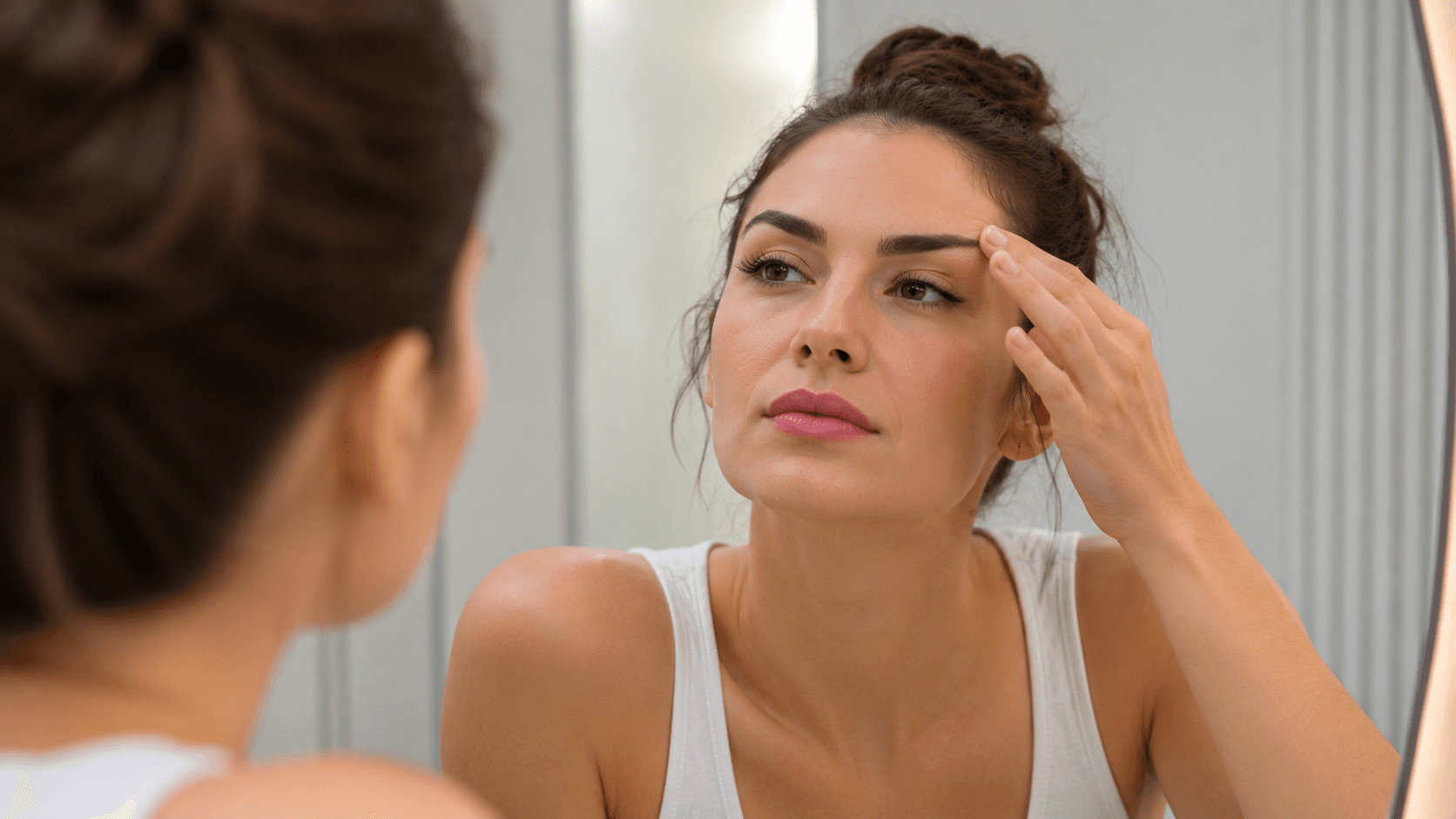
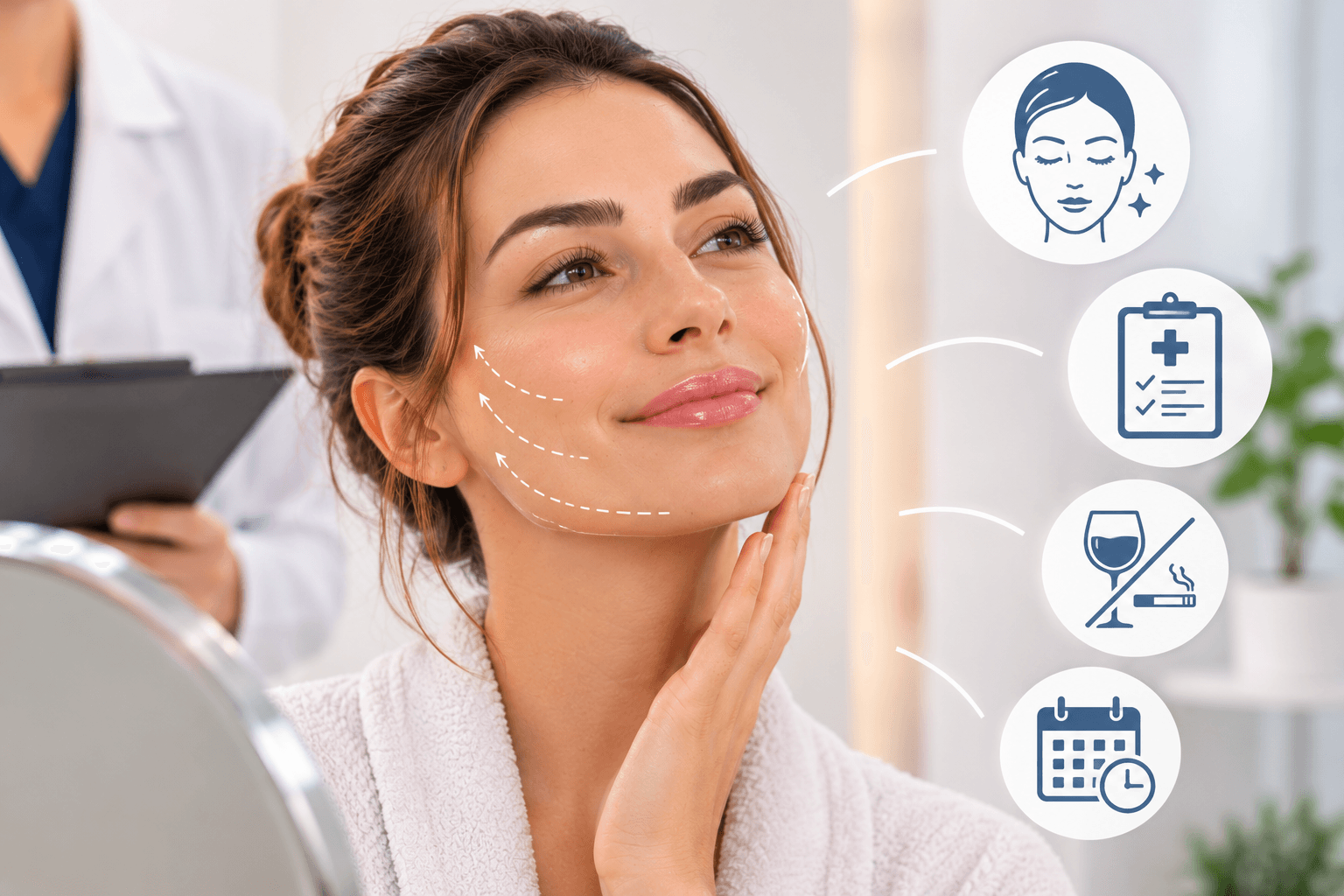
What Is the Preparation Guide for a French Thread Lift?
French Thread Lift preparation guide is a step-by-step roadmap that helps you properly prepare your skin, medical history, and daily habits before the procedure. This guide helps ensure a more comfortable treatment and more predictable results.
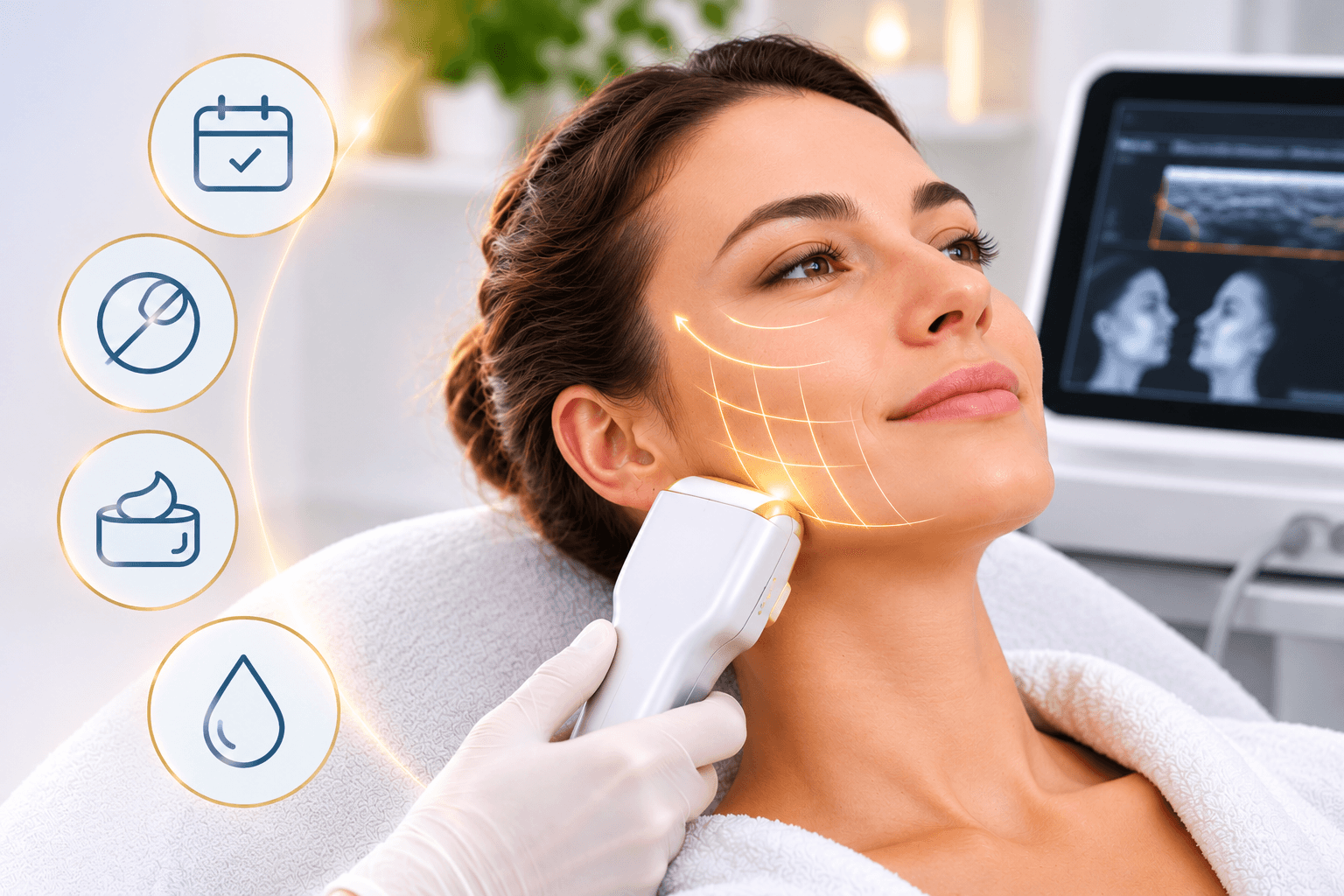
A French Thread Lift is a non-surgical facelift method performed to lift the facial contour and reduce the appearance of sagging. During the procedure, the physician places special threads under the skin and uses them to support the facial tissue upward. Unlike surgical facelift surgery, it does not require general anesthesia or a lengthy recovery period. Therefore, the preparation process is generally simpler than for surgical procedures, although it still requires careful attention.
Proper preparation is important in three ways. First, it allows the physician to assess you accurately. Second, it improves comfort on the day of the procedure. Third, it helps ensure a smoother post-procedure care period. Scientific studies have shown that tissue response to subcutaneous suspension procedures varies from person to person (Sulamanidze 2011).
The preparation process is not the same for everyone. Your skin structure, facial anatomy, medical history, and the thread technique to be used all shape this process. For this reason, each heading below addresses a different aspect of preparation and builds on what you learned in the previous section.
Who Is a Suitable Candidate for a French Thread Lift?
The most suitable candidates for a French Thread Lift are people with mild to moderate facial sagging who do not want to undergo surgery. Results are generally more satisfying in people whose skin elasticity is above a certain level.
This method is particularly preferred in the following situations. People experiencing a noticeable loss of definition in the cheeks, jawline, and facial contour can achieve good results. It is suitable for those seeking a non-surgical alternative to a surgical facelift. In people whose tissue quality and skin elasticity are suitable for the procedure, the threads support the tissue more evenly.
In some cases, the procedure should be postponed. People with an active skin infection, an uncontrolled chronic health condition, or another issue that could prevent the procedure should first undergo a physician's evaluation. Patient selection has been emphasized as the most important factor determining the quality of results in minimally invasive facial rejuvenation procedures (Gülbitti 2018).
Suitable Candidate Characteristics | Situations Requiring Caution |
Mild to moderate sagging | Severe and advanced sagging |
Sufficient skin elasticity | Very thin or damaged skin structure |
Individuals who do not want surgery | Expectation of permanent surgical results |
Good general health | Uncontrolled chronic disease |
The candidacy assessment forms the basis for the next step: a doctor’s consultation. This is because suitability can only be determined through a comprehensive, in-person examination.
What Is Evaluated During the Doctor’s Consultation Before French Thread Lift?
During the consultation, the physician evaluates your facial anatomy, skin elasticity, medical history, and expectations. This appointment is the most critical stage in planning the procedure specifically for you.
How Are Facial Anatomy and Skin Elasticity Examined?
During the examination, the physician assesses the current condition of the cheeks, cheekbones, and jawline. The areas where the threads will be placed and the lifting direction are then determined.
The degree of skin laxity is measured during the assessment. The thickness and quality of the subcutaneous tissues are reviewed. Anatomical differences between the two sides of the face are noted, as symmetrical planning is key to achieving a natural appearance. Scientific publications have indicated that accurately planning the lifting vector in thread-lifting techniques directly affects the naturalness of the result (Atiyeh 2010).
Why Should Medical History and Medications Be Reported?
You must provide your complete medical history because certain medications and conditions can increase the risk of bleeding and bruising. This information enables the physician to manage potential risks.
Tell your physician about any chronic conditions, previous surgeries, and known allergies. List all prescription medications, painkillers, and supplements you use regularly. Also disclose any previous dermal fillers, Botox, thread lifts, or other facial aesthetic procedures, as these treatments can affect tissue planning. One important rule applies: never stop taking any medication without your physician’s advice. Clinical studies have shown that abruptly discontinuing antithrombotic medications can pose serious health risks (Baron 2013).
How Are the Treatment Technique and Expectations Determined?
Your physician will plan the type and number of threads to be used, as well as the areas where they will be placed, according to your facial structure. During this planning process, they will also explain the limits of the lifting effect that can be achieved.
A French Thread Lift does not create an effect as powerful as surgical lifting. Therefore, expectations need to be realistic. Your physician will create a plan that preserves the natural appearance of your facial contours and clearly explain the possible outcomes. Research has emphasized that keeping patient expectations realistic is a key factor in increasing satisfaction with aesthetic procedures (Honigman 2004).
Once the consultation is complete, it is time to focus on your daily preparations. The first step in these preparations is skincare.
What Should Skincare Be Like Before a French Thread Lift?

Before the procedure, you should keep your skin clean, healthy, and free from irritation. Healthy skin plays a decisive role in the safety of the procedure and the speed of recovery.
Be sure to inform your physician if there is irritation, active acne, a cold sore, or any sign of infection in the treatment area. In such cases, the procedure is generally postponed. Plan the timing of chemical peels, laser treatments, and intensive skin renewal procedures together with your specialist, as these treatments temporarily weaken the skin barrier.
Follow your physician’s recommendations regarding products that may cause skin sensitivity. Products containing retinol and other potent active ingredients may cause reactions in some skin types. Avoid sunburn and excessive sun exposure before the procedure, as sun damage can increase the skin’s inflammatory response and negatively affect healing (Narayanan 2010).
Skincare alone is not sufficient. Your body’s internal condition also influences the healing process. For this reason, nutritional and lifestyle adjustments are the next step.
How Should Nutrition and Lifestyle Be Adjusted Before a French Thread Lift?
Before the procedure, drink enough water, maintain a balanced diet, establish a regular sleep routine, and follow your physician’s recommendations regarding smoking and alcohol. These adjustments support tissue healing.
Water intake helps maintain the skin’s hydration and supports tissue elasticity. A balanced diet rich in protein, vitamins, and minerals provides the biological foundation for wound healing. Smoking and nicotine use constrict blood vessels, reduce tissue oxygenation, and slow healing. The adverse effects of nicotine on microcirculation have been demonstrated in experimental and clinical studies (Sørensen 2012).
Follow your practitioner’s recommendations regarding alcohol consumption, as alcohol may increase the tendency to bleed. Maintain your sleep routine and avoid being excessively tired on the day of the procedure. Supplements such as fish oil, ginkgo biloba, and high-dose vitamin E may affect the risk of bleeding and bruising; be sure to discuss these supplements with your physician (Ang-Lee 2001).
Once these general arrangements are complete, preparations become more specific as the procedure date approaches. The final 24 hours are the most sensitive link in this chain.
What Should Be Considered During the Final 24 Hours Before a French Thread Lift?
Avoid makeup and heavy cosmetic products during the final 24 hours, keep your face clean, and review the instructions for the day of the procedure. This period is the final stage in preparing your skin for the treatment.
Do not apply new cosmetic products to the treatment area, as unfamiliar ingredients may cause a skin reaction. Plan your shower and personal care routine in advance of the procedure. Review the medications recommended by your doctor and the instructions for the day of the procedure once again.
Also arrange your transportation to the clinic and your plans for returning home after the procedure. You may experience mild tightness in your face afterward, so planning a comfortable journey home will improve your comfort. Spending the final 24 hours in a disciplined manner makes preparation on the day of the procedure much easier.
What Preparations Should Be Made on the Day of a French Thread Lift?
Arrive at the clinic with clean, makeup-free skin on the day of the procedure, follow your doctor’s instructions, and ask any questions you may have before the treatment. Plan your day so that you can spend the rest of it calmly.
Follow your doctor’s medication and preparation instructions precisely. Before the procedure, your doctor will perform a final assessment of your face and mark the treatment areas on your skin. At this stage, ask for information about local anesthesia or any other anesthesia methods that will be used. A French Thread Lift is generally performed under local anesthesia, which is a significant difference from the general anesthesia preparations required for surgical facelifts.
Share any questions or concerns with your practitioner before the procedure. Uncertainty can cause anxiety, while clear information helps you feel more at ease throughout the process. If you would like to prepare some of these questions in advance, the next section will guide you.
What Questions Should You Ask Your Doctor Before a French Thread Lift?
During your consultation, you should ask about the characteristics of the threads, the anesthesia method, the recovery period, and potential risks. Asking the right questions helps you make an informed decision.
The following questions will help make your consultation more productive:
Question | Why Is It Important? |
What are the characteristics of the threads to be used, and how will they be placed beneath the skin? | It helps you understand whether the technique is suitable for your face |
Is a French thread lift suitable for my facial anatomy? | Clarifies individual suitability |
What type of anesthesia will be used during the procedure? | Determines preparation for the day of the procedure |
How long may swelling, bruising, and tenderness last? | Helps you arrange your social plans |
When can I return to daily activities and work? | Facilitates leave and time planning |
How are unwanted outcomes managed if they develop? | Helps you understand risk management |
What factors affect the longevity of the results? | Helps set realistic expectations |
The answers to these questions form the final step in your preparation: understanding how preparation affects the post-procedure process.
How Does Preparation Before a French Thread Lift Affect the Post-Procedure Process?
Proper preparation supports the selection of an appropriate technique, facilitates risk management, and contributes to a more structured recovery period. There is a direct link between preparation and results.
An accurate patient assessment enables the physician to select the most suitable technique for you. Knowing your medical history and medication use plays a critical role in managing potential risks in advance. Skin that is healthy before the procedure responds more evenly to the threads. Learning the post-procedure care instructions in advance helps you plan your recovery process consciously.
Nevertheless, it is important to emphasize an honest point. Preparation does not guarantee a complication-free outcome. Individual results may vary depending on skin structure, age, and tissue response. The scientific literature clearly states that minimally invasive thread-lifting methods produce individual variations in results and that long-term effectiveness differs from person to person (Gülbitti 2018). This realistic approach helps you manage the process more effectively.
What Are the Frequently Asked Questions About Preparation Before a French Thread Lift?
The most frequently asked questions focus on medication use, previous aesthetic procedures, smoking, fasting requirements, skincare, and taking time off work. Below, you can find clear answers to each question.
Should Blood-Thinning Medications Be Discontinued Before a French Thread Lift?
No, you should never discontinue any medication on your own. Any change or discontinuation of medication should only be made following a joint assessment by the relevant physicians.
It is true that some medications may increase the risk of bruising and bleeding. However, suddenly discontinuing medications you take regularly can lead to serious health problems. Thromboembolic events associated with discontinuing antithrombotic therapy before aesthetic procedures have been reported in the medical literature (Baron 2013). Therefore, inform your physician about all medications you take and leave the decision to them.
Can Botox or Fillers Be Administered Before a French Thread Lift?
This varies from person to person, and your physician should determine the timing. Previous aesthetic procedures may directly affect the thread placement plan.
Fillers change tissue volume, while Botox affects muscle activity. Both factors are taken into consideration when planning the thread lift. Your physician will determine the interval between the two procedures based on your skin structure and previous treatments. Sharing this information completely during your consultation will improve the accuracy of the treatment plan.
Is Smoking Harmful Before a French Thread Lift?
Smoking may negatively affect tissue healing, making it an important factor to disclose to your physician before the procedure. Nicotine constricts blood vessels and reduces the amount of oxygen reaching the tissue.
This effect may prolong the healing process and weaken the skin’s response. The relationship between smoking and wound-healing complications has been demonstrated in systematic reviews (Sørensen 2012). If you smoke, tell your practitioner openly and follow their recommendations.
Do You Need to Fast Before a French Thread Lift?
Fasting is generally not required for procedures performed under local anesthesia. However, if sedation is planned, you must follow your clinic’s fasting instructions.
This is an important distinction between a French thread lift and surgical facial lifting. While strict fasting rules apply to procedures requiring general anesthesia, the situation is different for thread lifting performed under local anesthesia. Nevertheless, treat the instructions provided by your clinic as the definitive reference, as the treatment plan may vary from person to person.
Can You Have Skin Care Treatments Before a French Thread Lift?
You should evaluate the timing of intensive peels, laser treatments, and procedures that may cause irritation together with your physician. Aggressive treatments performed shortly before the procedure may weaken the skin barrier.
Gentle, moisturizing treatments generally do not cause problems. However, obtain your physician’s approval for any procedure that may cause skin sensitivity. The aim is to ensure that your skin is calm and healthy on the day of the procedure.
Do You Need to Take Time Off Work Before a French Thread Lift?
Most people return to their daily lives shortly after the procedure; however, you should allow for the possibility of temporary swelling, bruising, and tenderness. For this reason, it is wise to keep the few days following the procedure flexible.
The time required to return to work varies depending on your skin’s response and the nature of your job. If you work in a role where appearance is particularly important, arrange your social and professional plans according to your personal recovery expectations. Your physician will provide a more precise timeframe based on their examination findings.
References
Ang-Lee, Michael K., Jonathan Moss, and Chun-Su Yuan. "Herbal Medicines and Perioperative Care." JAMA, volume 286, issue 2, 2001, pp. 208-216.
Atiyeh, Bishara S., and Saad A. Dibo. "Nonsurgical Facial Rejuvenation with Absorbable Threads: A Critical Review." Aesthetic Plastic Surgery, volume 34, issue 4, 2010, pp. 501-506.
Baron, Todd H., Patrick S. Kamath, and Robert D. McBane. "Management of Antithrombotic Therapy in Patients Undergoing Invasive Procedures." New England Journal of Medicine, volume 368, issue 22, 2013, pp. 2113-2124.
Gülbitti, Haydar Aslan, et al. "Thread-Lift Sutures: Still in the Lift? A Systematic Review of the Literature." Plastic and Reconstructive Surgery, volume 141, issue 3, 2018, pp. 341e-347e.
Honigman, Roberta J., Katharine A. Phillips, and David J. Castle. "A Review of Psychosocial Outcomes for Patients Seeking Cosmetic Surgery." Plastic and Reconstructive Surgery, volume 113, issue 4, 2004, pp. 1229-1237.
Narayanan, Deevya L., Rao N. Saladi, and Joshua L. Fox. "Ultraviolet Radiation and Skin Cancer." International Journal of , volume 49, issue 9, 2010, pp. 978-986.
Sørensen, Lars Tue. "Wound Healing and Infection in Surgery: The Pathophysiological Impact of Smoking, Smoking Cessation, and Nicotine Replacement Therapy." Annals of Surgery, volume 255, issue 6, 2012, pp. 1069-1079.
Sulamanidze, Marlen A., et al. "Facial Lifting with Aptos Threads: Featherlift." Otolaryngologic Clinics of North America, volume 38, issue 5, 2011, pp. 1109-1117.
Get in touch with our expert team
Related Posts